If you think nature is neat and orderly, evolution will happily prove you wrong. Again and again, life has faced the same basic challenge – how to see, how to fly, how to breathe on land – and instead of copying one good solution, different species have invented wildly different answers. It is as if the planet were running the same exam over and over, and every lineage turned in a completely different design sketch that somehow still passed.
That is what makes evolution so addictive to learn about: there is no master plan, only clever improvisation layered over millions of years. Some of the stories below feel almost like nature’s version of parallel universes – same problem, totally different outcome. Let’s walk through seven of the coolest examples and see just how strange, creative, and occasionally ridiculous life can be when it is forced to solve the same problem multiple times.
1. Eyes: Cameras, Mirrors, and Living Telescopes
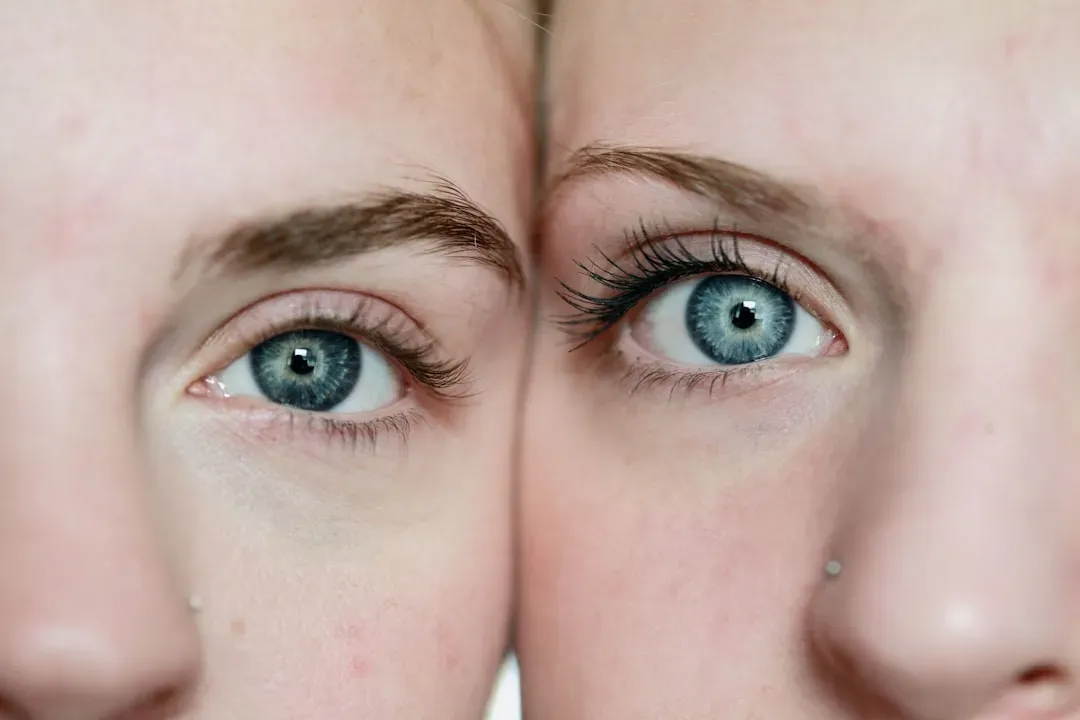
Here is a fun starting shocker: eyes did not evolve once and slowly spread everywhere. Multiple lineages stumbled onto eyesight independently, each hacking physics in its own way. Our own vertebrate eyes work like tiny cameras, with a lens focusing light onto a retina at the back of the eyeball. Octopus and squid eyes look similar at first glance, but they are wired in a completely different way, with their photoreceptors arranged so the “blind spot” created by our optic nerve simply does not exist in them.
And that is just the beginning of the weirdness. Some tiny marine animals, like scallops, line the inside of their shells with dozens or even hundreds of little mirror-based eyes, using a crystalline mirror to focus light instead of a lens. In another corner of the ocean, mantis shrimps took a different route altogether, packing their eyes with specialized cells that can see polarized light and a rainbow of colors beyond human vision. The core problem – detecting light and shapes – is the same, but the solutions range from biological mirrors to high-end spectral detectors, like nature is running an ongoing design competition with no single right answer.
2. Flight: Feathers, Membranes, and Insect Airplanes
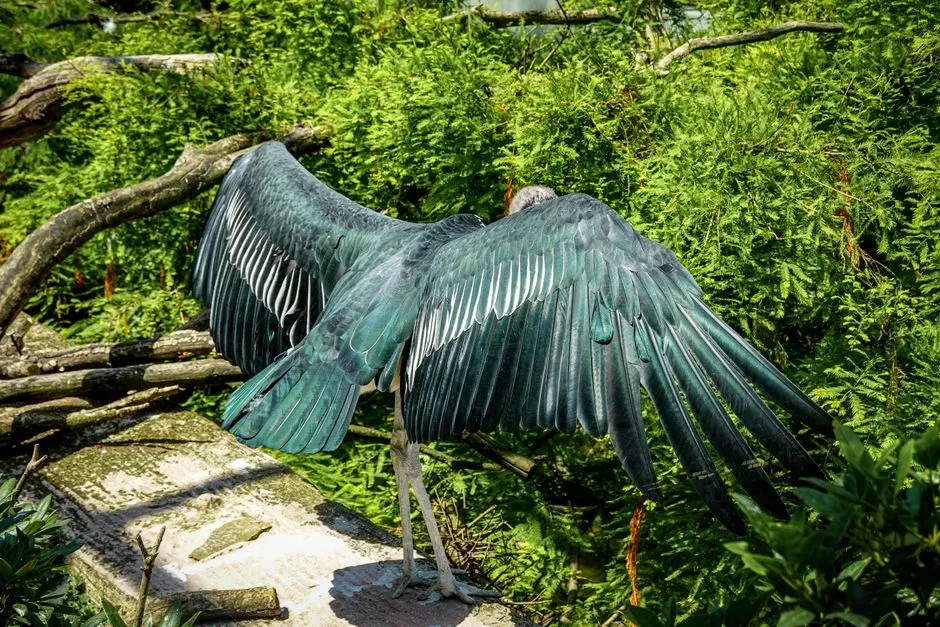
The dream of flight is not just a human obsession; evolution has taken a swing at powered flight several times. Birds use feathered wings built on a light, hollow-boned skeleton, their feathers acting like adjustable airfoils that let them glide, soar, and maneuver with shocking precision. Bats, on the other hand, stretch thin skin over elongated finger bones, creating a flexible membrane wing that behaves more like a living parachute crossed with a glider than a rigid airplane wing.
Then there are insects, the original fliers on Earth, which basically invented tiny organic aircraft. Their wings are stiff, lightweight outgrowths of the exoskeleton, operated by incredibly fast muscles that can beat many times in the span of a single human blink. Even among insects, the mechanics differ: some flap their wings directly with each muscle contraction, others use elastic “click” systems that let the wings vibrate faster than the nerves can fire. Three separate answers to the question “How do you stay up in the air?” and all of them good enough to transform entire ecosystems.
3. Warm-Bloodedness: Mammals and Birds Take Different Roads to the Same Destination
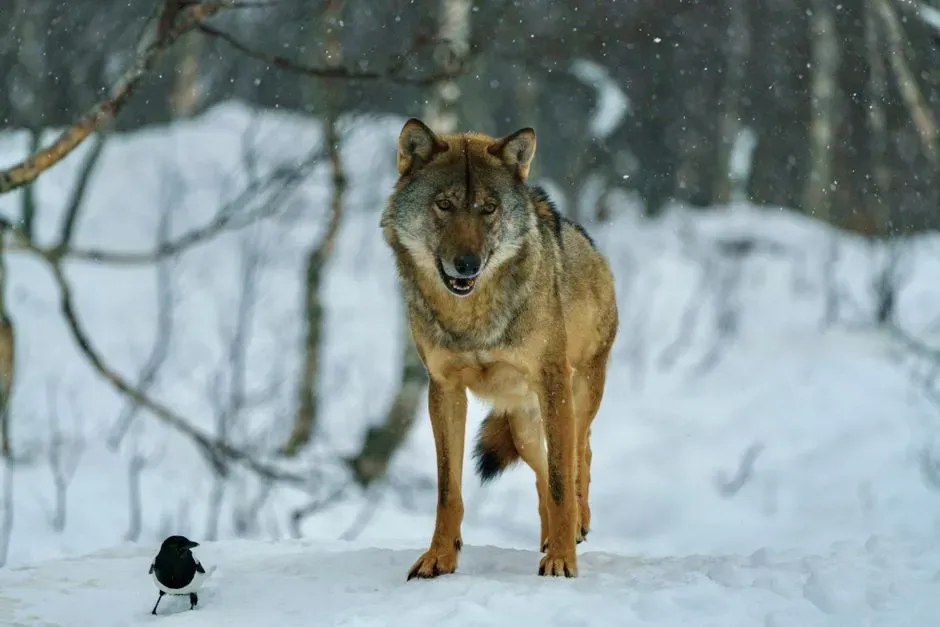
Staying warm when the world gets cold is a life-or-death problem, and at least two major vertebrate groups figured out how to become warm-blooded. Mammals solved it partly through insulation and constant internal heat production: fur, layers of fat, and high metabolic rates that act like built-in space heaters. Our bodies burn food energy nonstop just to stay within a narrow temperature band, even when we are not doing anything “useful” on the outside.
Birds arrived at warm-bloodedness by a slightly different route, using feathers instead of fur and a set of respiratory and circulatory tweaks that make them absurdly efficient at moving oxygen and heat. Their lungs operate more like a one-way flow-through system than the in-and-out sacs that mammals use, which helps fuel their high-energy lifestyles and keeps their core temperatures even hotter than most mammals. Same evolutionary pay-off – a stable internal climate, independence from chilly nights and cold snaps – but built on two very different body plans and engineering tricks.
4. Echolocation: Seeing with Sound in Bats and Whales
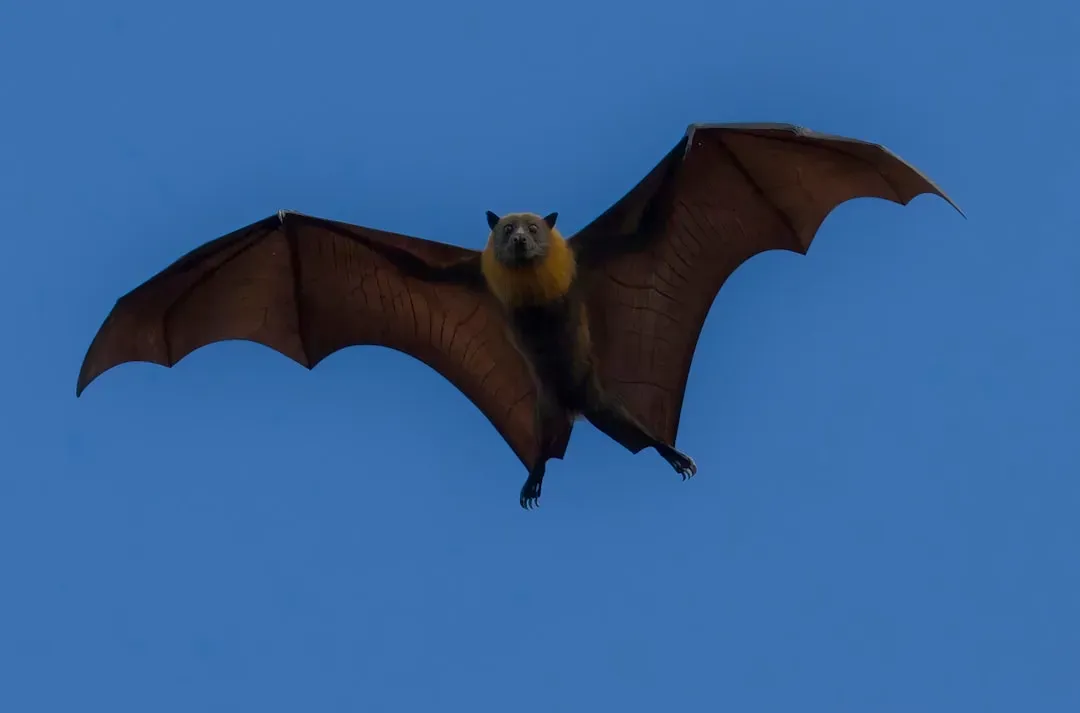
Imagine navigating a pitch-black world using sound alone. Both bats in the air and toothed whales like dolphins in the ocean have cracked that code independently, turning high-frequency calls and returning echoes into detailed mental maps. Bats generally emit rapid bursts of sound and read the echoes bouncing off insects, leaves, and walls, letting them snag tiny prey mid-flight with unbelievable accuracy. Their skulls, ears, and even nose structures have been reshaped over time to fine-tune this ability.
In the water, dolphins and other toothed whales send out clicks that travel far in a denser medium, listening for returning echoes to locate fish, obstacles, and even the seafloor. Their sound-producing structures and inner ears are completely different from those of bats, adapted for underwater acoustics instead of air. I still remember the first time I saw side-by-side diagrams of bat skulls and dolphin heads: the underlying idea – turning sound into “vision” – was identical, but the anatomical routes were so different it felt like comparing a violin to a sonar buoy.
5. Venom and Poison: Nature’s Many Ways to Weaponize Chemistry
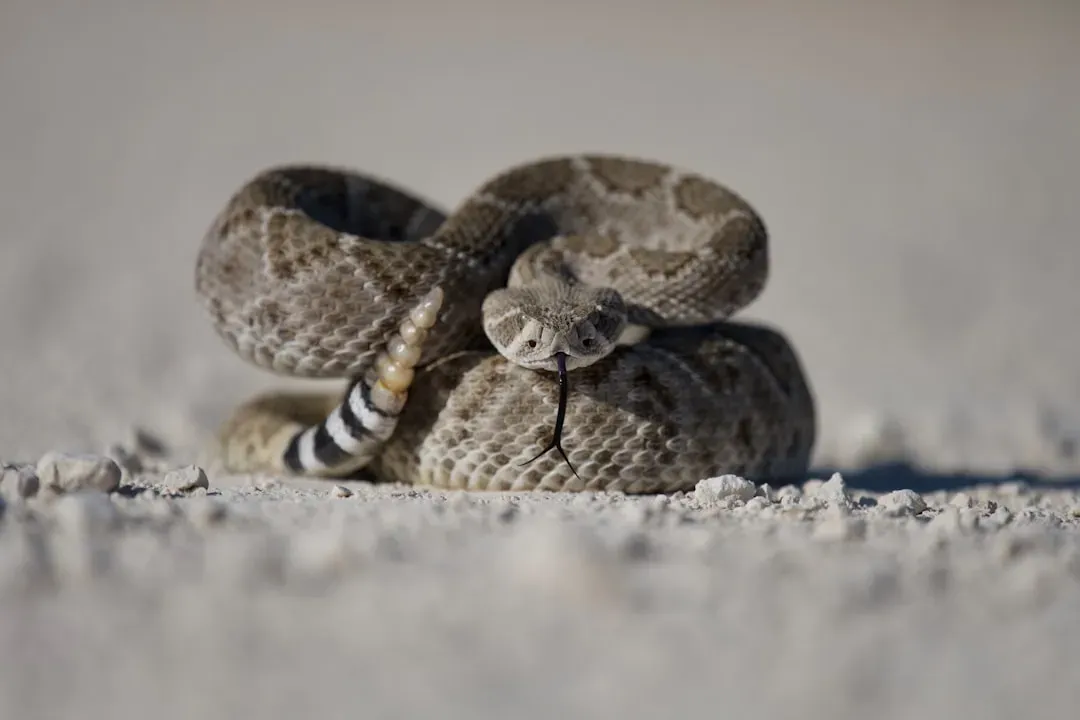
Being able to subdue prey or deter predators with chemistry is such a useful trick that evolution has reinvented venom and poison again and again. Snakes typically use hollow or grooved fangs to inject venom directly into their target, delivering a complex cocktail of proteins that can disrupt nerves, blood, or tissues. Spiders, scorpions, and many marine animals have their own injection systems – everything from stingers to harpoon-like structures – each tuned to their body plan and hunting style.
But chemical defense is not limited to fangs and stingers. Some frogs advertise skin loaded with toxins that predators learn to avoid, while certain plants produce bitter or toxic compounds to discourage insects and grazing animals from eating them. Even among venomous animals, the recipes vary wildly: one species might use fast-acting nerve toxins, another uses enzymes that break down tissues, and yet another relies on molecules that disrupt blood clotting. The core problem, “How do I make myself dangerous enough to be left alone or win fights quickly?”, has been answered with an entire pharmacy’s worth of completely different formulas and delivery systems.
6. Breathing on Land: Lungs, Tracheae, and Odd Halfway Solutions
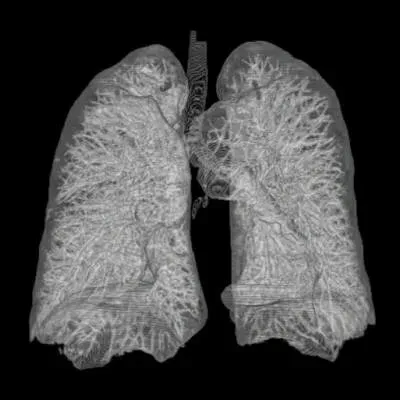
Moving from water to land forced life to rethink something as basic as breathing. Vertebrates like us use lungs, moist internal sacs where gases can diffuse in and out of the bloodstream without drying out. These lungs are ventilated by muscular movements – rib cages expanding, diaphragms contracting – that pull air in and push it out. Reptiles, mammals, and most amphibians share this general blueprint, even if the details differ.
Insects came up with something else entirely: a network of tiny tubes called tracheae that deliver air directly to tissues through openings along the body. There is no blood transporting oxygen in the same way, just a branching plumbing system that lets gases diffuse right where they are needed. Meanwhile, some animals sit in the middle of the water–land divide with odd hybrid systems – think of fish that can gulp air into modified swim bladders, or amphibians that can breathe through both lungs and their skin. The shared challenge of extracting oxygen in air has produced solutions that barely resemble each other if you look at the actual structures involved.
7. Protecting the Next Generation: Eggs, Wombs, Pouches, and More
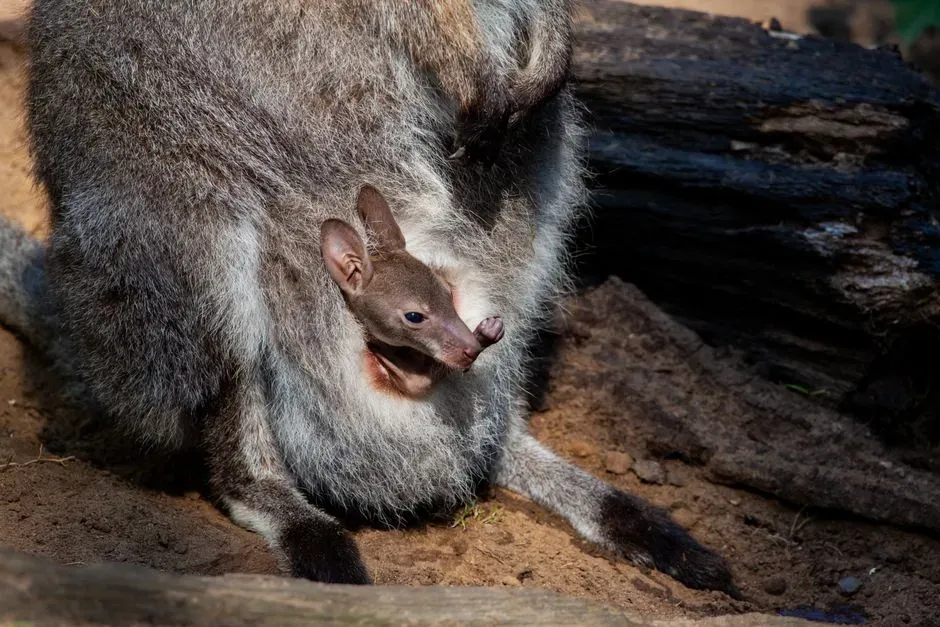
Reproduction might be the single biggest shared problem across all life, and yet the range of solutions is astonishing. Many animals lay eggs, outsourcing protection partly to shells, foam nests, or hidden locations; think of birds building carefully placed nests or amphibians leaving eggs in water. Other animals, like most mammals, carry developing young inside the body, using a placenta to nourish them until birth. This internal gestation offers a mobile, controlled environment but at the cost of high energy investment from the parent.
Even within those broad categories, evolution has gone wild with variations. Some fish and reptiles retain eggs inside the body until they hatch, blurring the lines between egg-laying and live-bearing. Marsupials give birth to extremely underdeveloped young that complete their growth in a pouch, while some frogs transport tadpoles on their backs or in specialized skin pouches. When you look at all these strategies side by side, it is hard not to feel a bit of awe at how many ways life has found to answer the basic question: “How do I keep my offspring alive long enough for them to try this all again?”
Conclusion: Evolution Is a Problem-Solver, Not a Planner
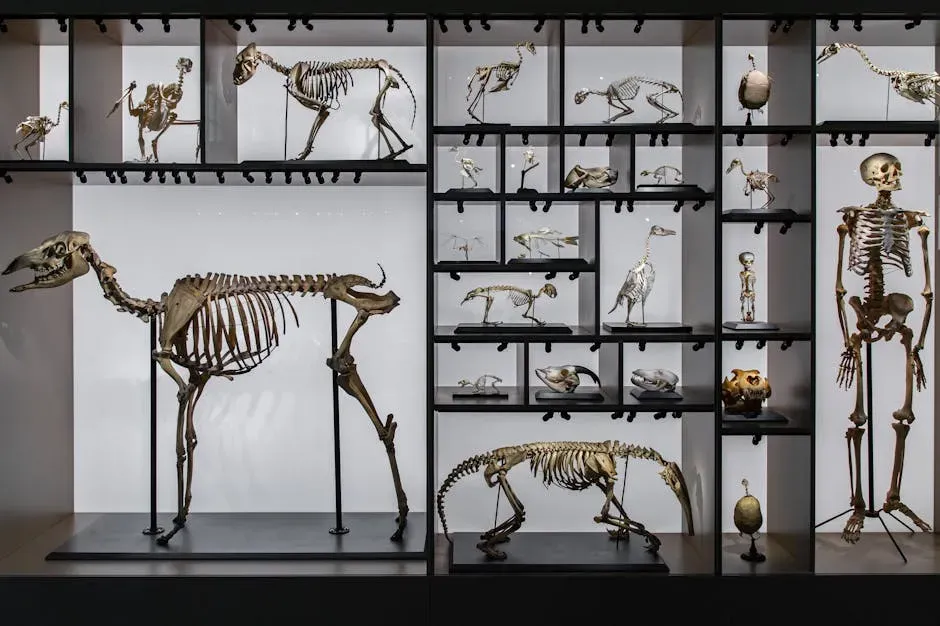
The stories above all point to the same big idea: evolution does not invent one perfect design and roll it out like a global software update. It tinkers locally, from whatever raw material is already lying around in a lineage, and if different groups of organisms face similar pressures, they often stumble toward similar functions by utterly different paths. Eyes, flight, warm-bloodedness, echolocation, venom, breathing, reproduction – these are not single inventions, but themes that life has remixed over and over like a DJ with an endless crate of records.
Personally, I find that way more compelling than the idea of one neat, optimized blueprint. It means the world around us is full of hidden alternatives, parallel answers to the same questions we rarely pause to notice. Next time you see a bird in the sky, a spider in a web, or a frog guarding its eggs, you are watching one of many possible solutions that happened to work well enough to last. It makes you wonder: if life had to start over on another planet, which of these problems would it solve the same way, and which would end up looking completely different all over again?