
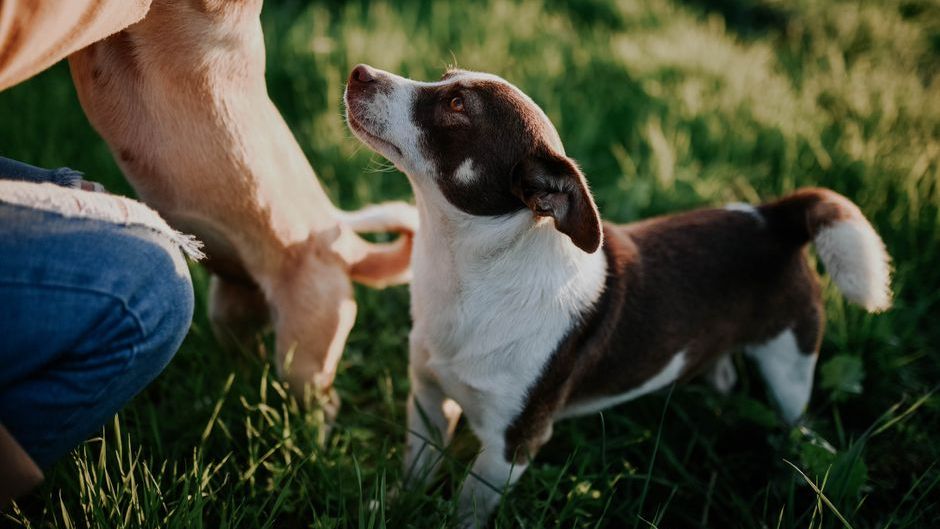
Look at your dog for a second. That goofy face, the sideways head tilt, the way they somehow know when you’ve had a bad day – none of that is an accident. Behind those eyes is a genetic story that has been intertwined with ours for tens of thousands of years, and scientists have only recently started to realize just how much your dog’s DNA can say about us. The more we sequence canine genomes and compare them with human genetics and archaeology, the clearer it becomes: dogs are not just our companions, they’re living archives of human evolution.
When I first read that studying village dogs in remote regions can tell us where ancient people migrated, it honestly felt a bit like cheating on a history test. But that’s the power of genetics: it preserves traces of the past in a way bones and ruins often can’t. As we dig deeper into dog DNA, we find clues about how humans spread across the globe, how our diets shifted, how our social lives changed, and even how our brains evolved to handle relationships. In many ways, our evolution is written in their genes as much as in our own.
1. Dogs as Moving Maps of Ancient Human Migrations
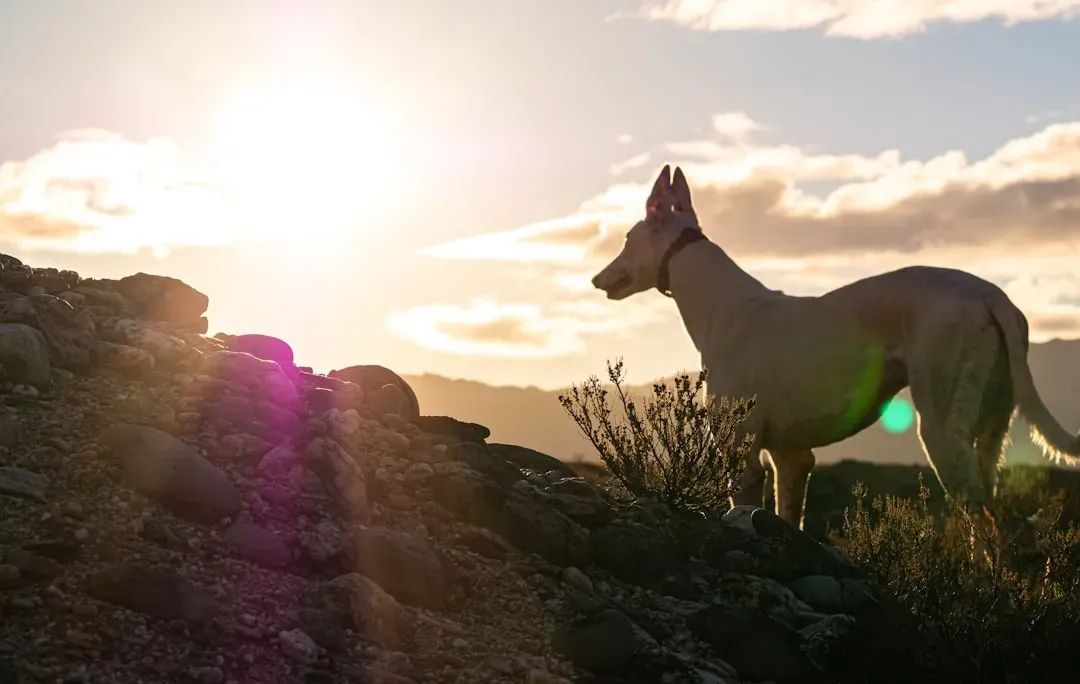
Here’s a wild idea: every time people moved, they probably took dogs with them. That means dog lineages migrated alongside human groups, leaving behind a genetic breadcrumb trail. When scientists analyze the DNA of dogs from different regions, they often see patterns that mirror human population history, like splits between ancient Asian, European, and Arctic dog lineages that line up with known human migrations. Because dogs were rarely left behind, their genes can sometimes preserve signals of movement that human DNA has blurred or lost over time.
In places where human DNA is hard to come by or heavily mixed, local dog populations can still carry a clearer record of who lived there and when. Street dogs and village dogs, which breed more freely than carefully selected modern dog breeds, are especially valuable for this. Their genetic signatures can hint at trade routes, coastal settlements, and contacts between far‑flung human cultures. It’s almost like using a GPS that has been running in the background for thousands of years, quietly logging where our ancestors went and who they met along the way.
2. Shared Genes for Digestion Reveal Our Changing Diets
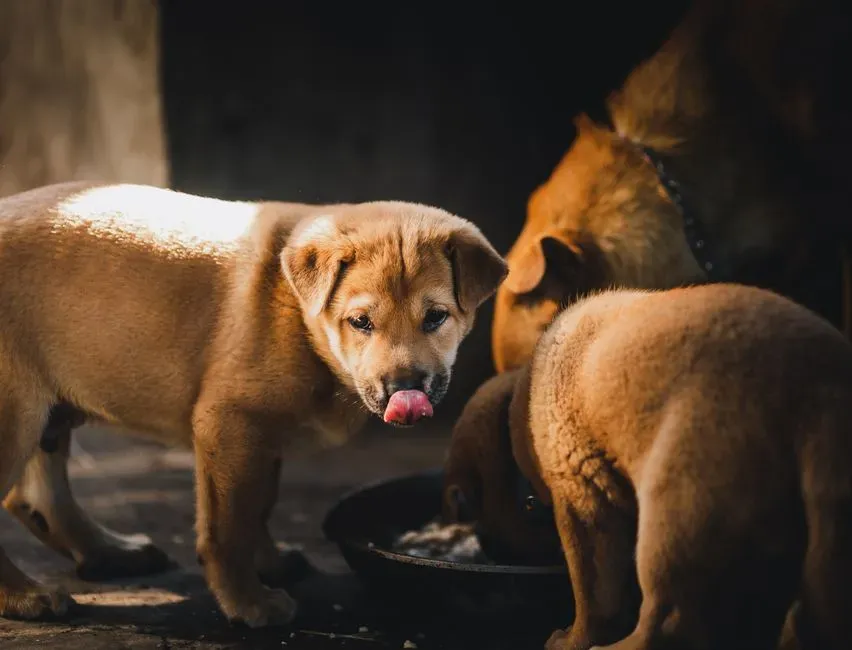
One of the most striking overlaps between dog and human evolution shows up in how we digest food, especially starches like grains and root vegetables. As humans shifted from hunting and gathering toward farming and more settled life, our diets changed dramatically. Dogs that lived near early farmers had to adapt to those same scraps and leftover food, which meant their digestive systems needed to keep up. Genetic studies have found that many dogs developed extra copies of certain genes that help break down starch, something that also happened in many human populations as agriculture spread.
This parallel evolution suggests that our dietary transitions did not just affect our health and biology; they reshaped the evolution of another species living beside us. By looking at where these starch‑related gene changes appear in dogs, researchers can infer where and when people started relying more heavily on farmed foods. It also reminds us that human evolution is not an isolated process. Our choices about what to eat and how to live ripple through the ecosystem and can literally rewire the DNA of animals that depend on us.
3. Domestication Genes Hint at How We Evolved to Live in Groups
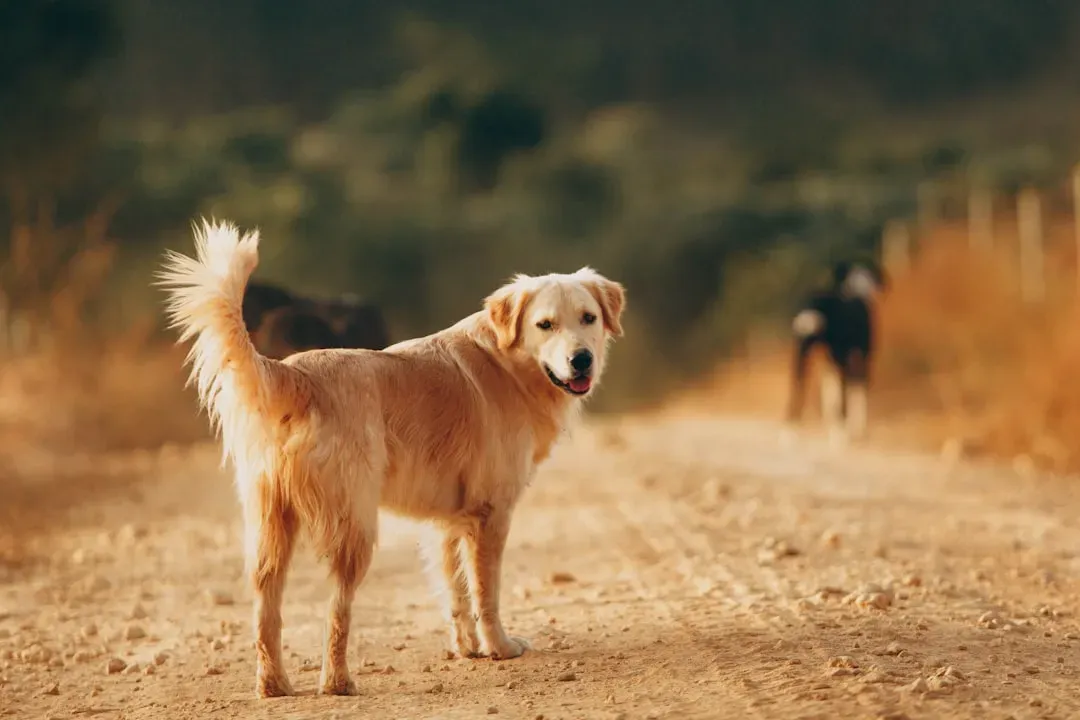
Domestication is not just about making animals tame; it is about reshaping their brains and behavior to fit into our social world. Many dogs share a set of traits seen in other domesticated animals: floppy ears, shorter snouts, more playful behavior, and lower fear of humans. These “domestication syndrome” traits have genetic underpinnings, some of which link to brain development, stress response, and social behavior. When researchers study these genes in dogs, they gain insight into how shifting the balance between fear, curiosity, and attachment can transform a species’ social life.
There is an intriguing idea that humans went through our own form of “self‑domestication” – gradually favoring individuals who were less aggressive, more cooperative, and better at living in large groups. When scientists compare the pathways affected in dog domestication with similar pathways in humans, they sometimes see intersections around brain circuits and hormones related to social behavior. While this field is still cautious and evolving, dog DNA offers a kind of external mirror, suggesting how changing selection pressures might soften a species’ edges and push it toward a more social, tolerant way of life.
4. Social Bonding Genes Reflect How Our Brains Got Hooked on Relationships
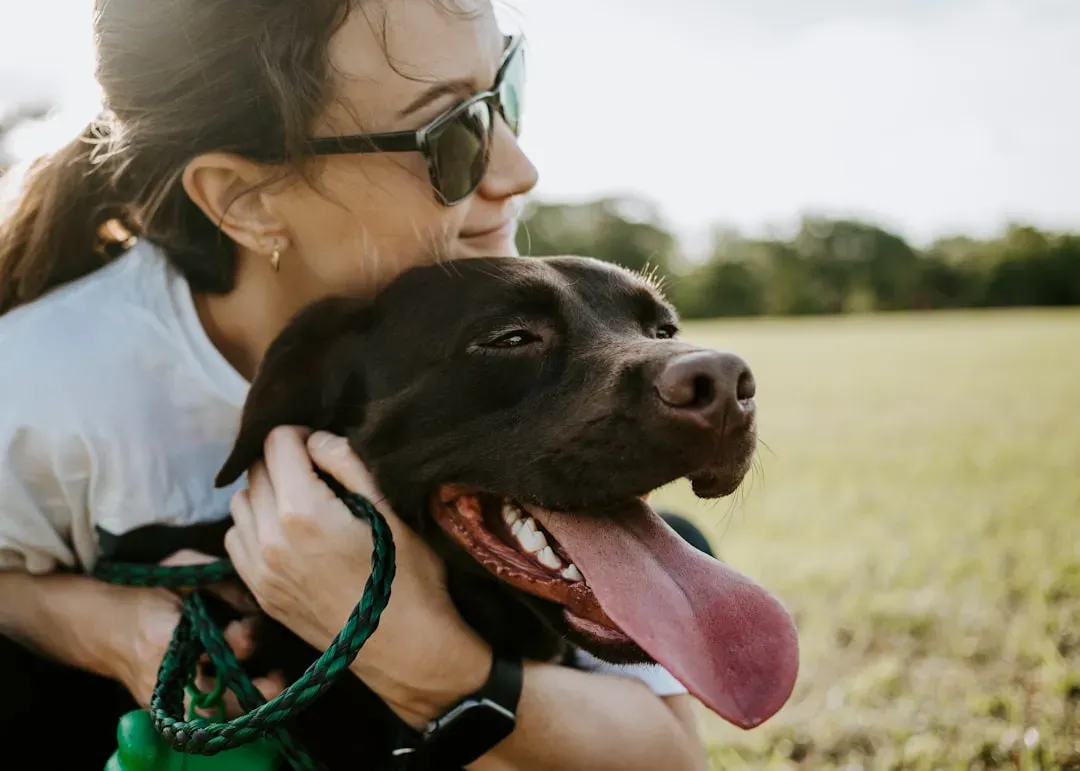
Anyone who has ever felt guilty leaving their dog at home knows that the human‑dog bond is not subtle. Hormones and brain chemistry are involved on both sides. Studies on dogs have shown that interactions with humans can influence levels of hormones involved in stress and attachment, and some of the genes that shape these systems are similar to those that influence human bonding. When researchers look at dog variants in these genes, they can see how evolution fine‑tuned sensitivity to social cues from our species.
This matters for understanding human evolution because our own success as a species depended heavily on cooperation, empathy, and the ability to maintain strong social ties. Dogs, in a sense, have been co‑testing and amplifying those traits with us. Behavioral genetics in dogs, especially around friendliness, attention to human faces, and willingness to follow human gestures, points back toward key ingredients of our own social complexity. By experimenting with different versions of these traits in dogs, nature has indirectly run variations on the emotional wiring that also underpins human families, friendships, and communities.
5. Guard Dogs, Herding Breeds, and the Rise of Complex Human Societies

As humans shifted from small bands of foragers to settled communities with animals and stored resources, we needed new forms of labor and protection. Dog breeds that excel at guarding, herding, and tracking often carry genetic signatures tied to those work roles. When scientists map those genes and compare them to archaeological evidence of early farms and pastoral societies, they can trace how human economic strategies changed. The rise of livestock herding and property, for example, is mirrored in the emergence of dogs specialized in moving, protecting, and managing animals.
This tells us something important about our own evolution: as our societies grew more complex, we did not just adapt our tools, we adapted our partners. Selectively breeding dogs for certain jobs is a form of cultural and biological engineering that reflects what humans valued most at different times. The spread of powerful guard dogs may signal growing concerns about territory and conflict. The refinement of herding dogs lines up with expanding flocks and new landscapes of risk and opportunity. Dog DNA, organized by job description, becomes a record of how our priorities and social structures transformed over millennia.
6. Disease Resistance in Dogs Sheds Light on Human Health History
Dogs and humans share a long list of diseases: some cancers, metabolic conditions, autoimmune problems, and infectious diseases. Because dogs live closely with us, they are exposed to many of the same pathogens and environmental stresses. When researchers study dog DNA for clues to disease resistance or susceptibility, they often discover genetic pathways that also matter for human health. These shared vulnerabilities suggest that, across our shared history, certain diseases have been powerful forces shaping both species’ evolution.
For example, if a dog population shows signatures of past selection around immune system genes in a region where humans also faced major disease outbreaks, that parallel can provide extra confirmation about what our ancestors were up against. In some cases, dog genomes can reveal past epidemics that left faint or confusing traces in human DNA. What I find particularly striking is how this turns pets into unofficial archives of medical history. Our attempts to keep dogs alive and healthy now also feed back into understanding what humans have endured – and how our bodies adapted – across deep time.
7. Ancient Dog DNA Clarifies When and How We Became “Modern” Humans
One of the toughest questions in human evolution is timing: when did certain shifts really happen, and what were our lives like then? Ancient dog DNA, preserved in bones and teeth from archaeological sites, helps anchor those timelines. When scientists date and sequence ancient dogs found near human settlements, burial sites, or camps, they can align those genetic snapshots with what we know about tool use, art, and climate. Some of the earliest clearly domesticated dogs appear alongside humans who were already showing more complex culture and long‑distance travel.
This pairing suggests that the relationship with dogs was not a trivial side story; it emerged at a stage when humans were already becoming behaviorally modern. The decision to cooperate with another species, feed it, breed it, and incorporate it into hunting and daily life says a lot about cognitive flexibility and social imagination. Ancient dog genomes can even indicate where different dog lineages replaced or mixed with others, hinting at shifts in human alliances, trade networks, or cultural boundaries. In that sense, dog DNA is like a second set of eyes, watching the same turning points in our story from just off to the side.
8. Village Dogs Expose Hidden Footprints of Human Culture and Isolation
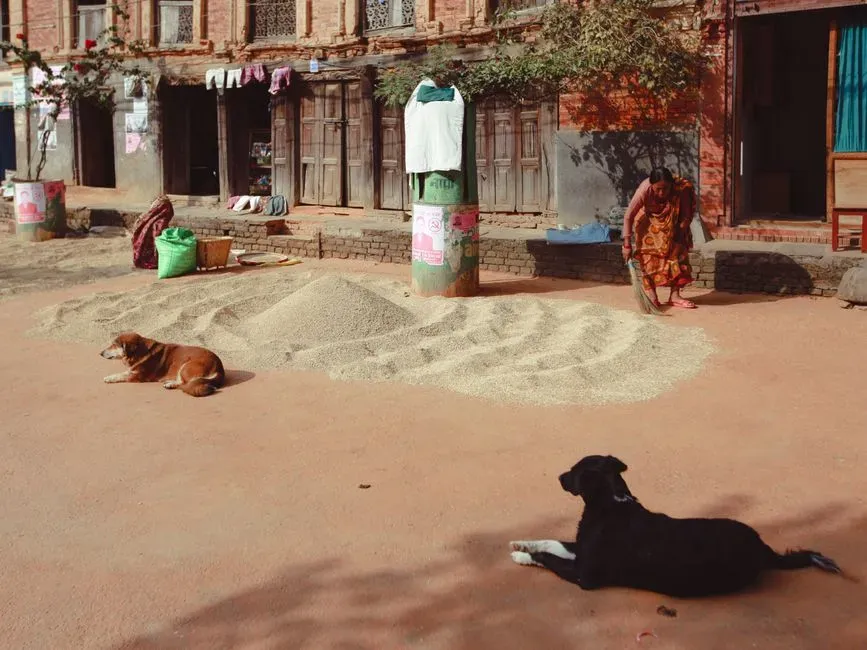
Modern purebred dogs get a lot of attention, but genetically, village dogs and free‑roaming community dogs are often far more revealing. They tend to be shaped more by local conditions and long‑term human lifestyles than by recent breed standards. When scientists look at rural dogs in isolated mountain valleys, on remote islands, or in regions with long‑standing cultural traditions, they often find unique genetic clusters that align with relatively closed human communities. The dogs reflect who stayed, who left, and how open a society has been to outside contact.
These patterns can show subtle aspects of human evolution that bones and tools miss, like how strongly a group valued mobility versus rootedness, or how often neighboring groups intermarried or stayed apart. If local dogs remain genetically distinct for a long time, that often implies people did too. On the flip side, mixed and diverse dog genetic profiles can mark crossroads, trading hubs, or regions of repeated migration. It makes you realize that even the scruffy dog lounging in a village square could be carrying centuries of cultural boundaries and human decisions inside its cells.
9. Dog Cognition Highlights What Is Uniquely (and Not So Uniquely) Human
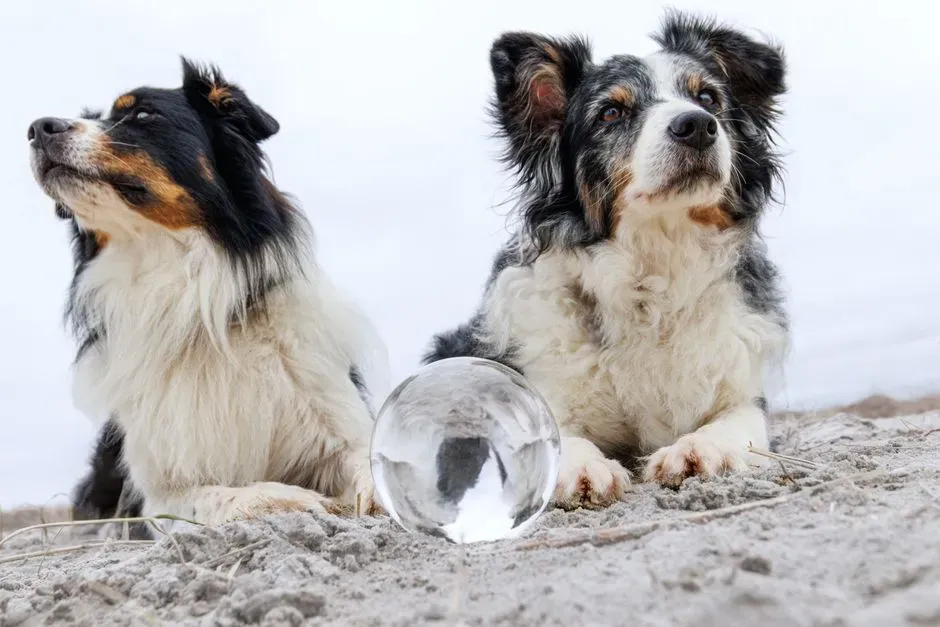
One of the most fascinating areas where dog DNA informs human evolution is cognition: how minds work, how we solve problems, and how we understand others. Genetic studies in dogs have started to link certain variations to traits like attention to human gestures, problem‑solving styles, or tendencies toward anxiety or boldness. When researchers compare these findings with what is known about human brain genes, they begin to see which cognitive capacities are shared and which might be more distinctly human.
Dogs are especially interesting because they are unusually tuned to human communication compared with other animals. A dog can follow a pointing finger in a way even some primates struggle with. The fact that we can trace some of that to heritable traits in dogs suggests that evolution, under the influence of human partnership, sculpted minds built for cross‑species understanding. That, in turn, reflects back on us: if we have spent thousands of years selecting for animals that “get” us, it hints that our own ancestors valued social intelligence, empathy, and flexible thinking enough to reshape another species around those same priorities.
10. Co‑Evolution with Dogs Challenges the Myth of Human Self‑Sufficiency

There is a popular myth that humans climbed to the top of the evolutionary ladder all on our own, purely by our wits and opposable thumbs. Dog DNA quietly shreds that story. The genetic record shows that dogs were not passive passengers; they co‑evolved with us, adapting to the roles we needed filled and, in return, changing the way we hunted, settled, and interacted. Our success in harsh climates, for example, likely owed a lot to dogs’ tracking skills, warmth, and protection, all of which are reflected in traits encoded in their genomes.
When you look at the shared evolutionary signatures across dog and human DNA – in diet, disease, social behavior, and mobility – it becomes obvious that our species’ trajectory is deeply entangled with theirs. I think that should humble us a bit. We are not a lone heroic species; we are part of a tangled web of partnerships and dependencies that shaped our bodies and minds. Your dog’s DNA is a reminder that evolution is often a team sport, and our team has been bigger and more surprising than most of us were taught in school.
Conclusion: Your Dog Is a Living Archive of Our Own Story
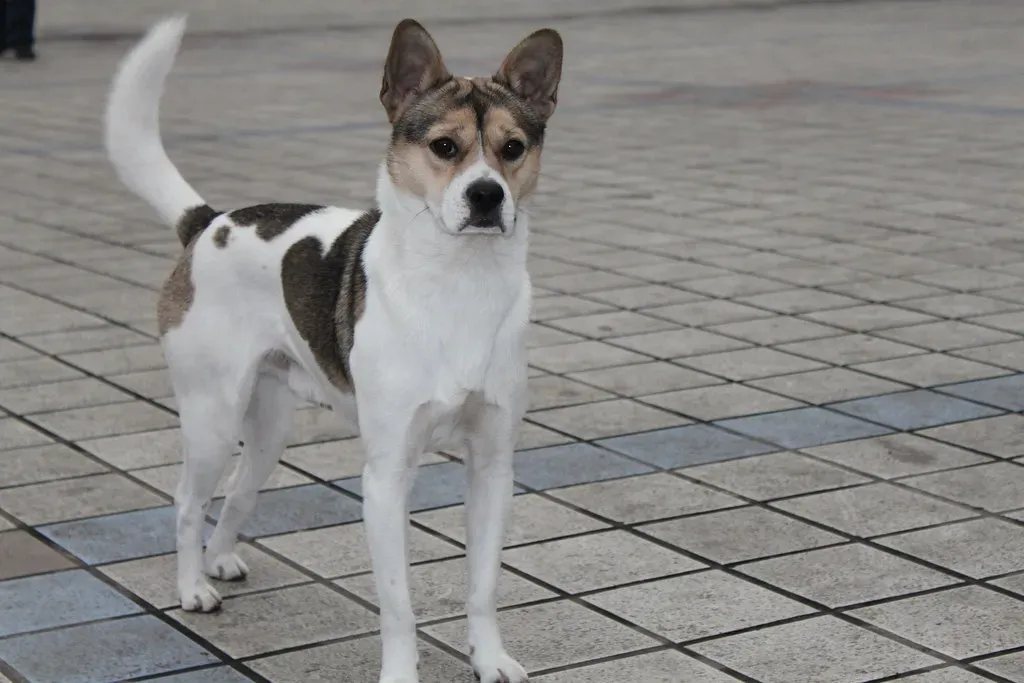
When you step back and look at the big picture, your dog is not just a pet curled up at the foot of the bed. They are a living, breathing archive of human choices, fears, hopes, and mistakes stretching back thousands of years. Their genes carry marks of our migrations, our hunger for new foods, our experiments in cooperation, and our battles with disease. By reading their DNA alongside our own, scientists are not just learning more about dogs; they are rewriting chapters of human evolution that once felt out of reach or lost to time.
Personally, I think it is a little arrogant to talk about human evolution without giving dogs a major supporting role. Our partnership with them challenged us to communicate better, organize more complex societies, and see another species as part of our inner circle rather than just a resource. If anything, their DNA forces us to admit that we did not get here alone, and that our future is still bound up with the animals we live with now. The next time your dog looks up at you, maybe ask yourself: how much of your own story is quietly reflected back in those shared evolutionary threads you both carry?