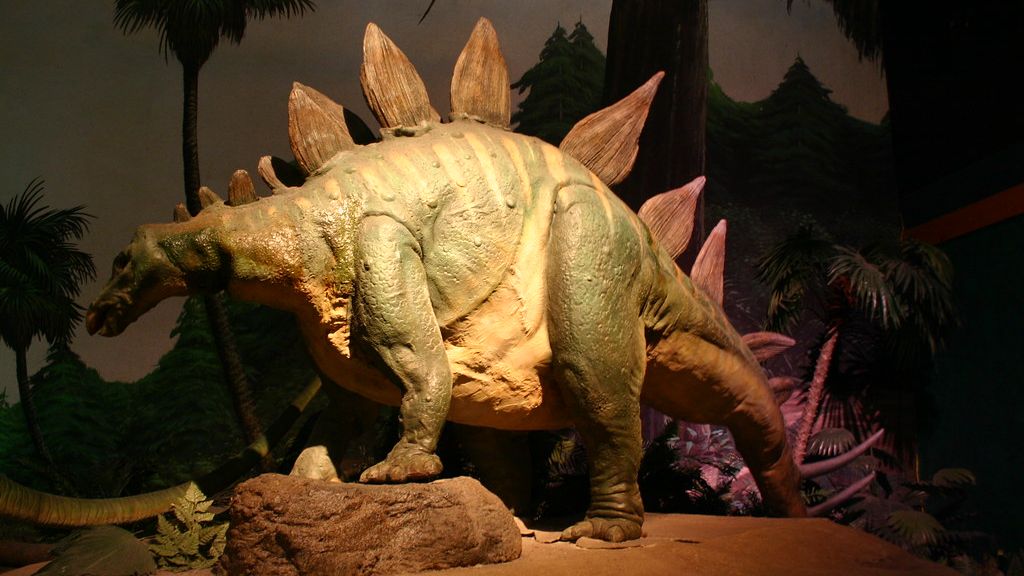
If you grew up picturing dinosaurs, there’s a good chance a lumbered through that mental movie: low to the ground, tiny head, and that unforgettable double row of plates along its back. It looks almost too strange to be real, like a creature dreamed up for a sci‑fi film rather than a genuine animal that once walked our planet. Yet this odd, plant‑eating dinosaur was very real, and the more researchers learn about it, the weirder and more fascinating it becomes.
What I love about is that it completely breaks our lazy stereotypes about dinosaurs being just big, scaly lizards. This animal mixed heavy armor with a surprisingly delicate body plan, a brain that raises eyebrows, and behavior that scientists are still arguing about today. By the end of these ten facts, you might find yourself feeling oddly protective of this spiky, slow-moving icon – and maybe a little shocked at how misunderstood it still is.
1. had one of the smallest brains for its body size
Imagine an animal as long as a small bus, weighing as much as an SUV, being run by a brain not much bigger than a lime. That is roughly the situation with . Its brain was long and narrow, and in old illustrations you will sometimes see it compared to a walnut. That comparison is a bit dramatic, but the point stands: for an animal that could reach several tons, its brain was tiny relative to its bulk.
This mismatch between body size and brain size helped fuel the myth that was a truly dim-witted dinosaur. The truth is more nuanced. A brain that small likely meant it was not solving puzzles, planning complex strategies, or doing anything we would call clever. But it probably did just fine at what it needed to do: find plants, avoid predators as best it could, interact with its own species, and navigate its environment. Intelligence is not a single ladder, and was optimized for a different lifestyle than we are.
2. The famous back plates were probably for display, not armor
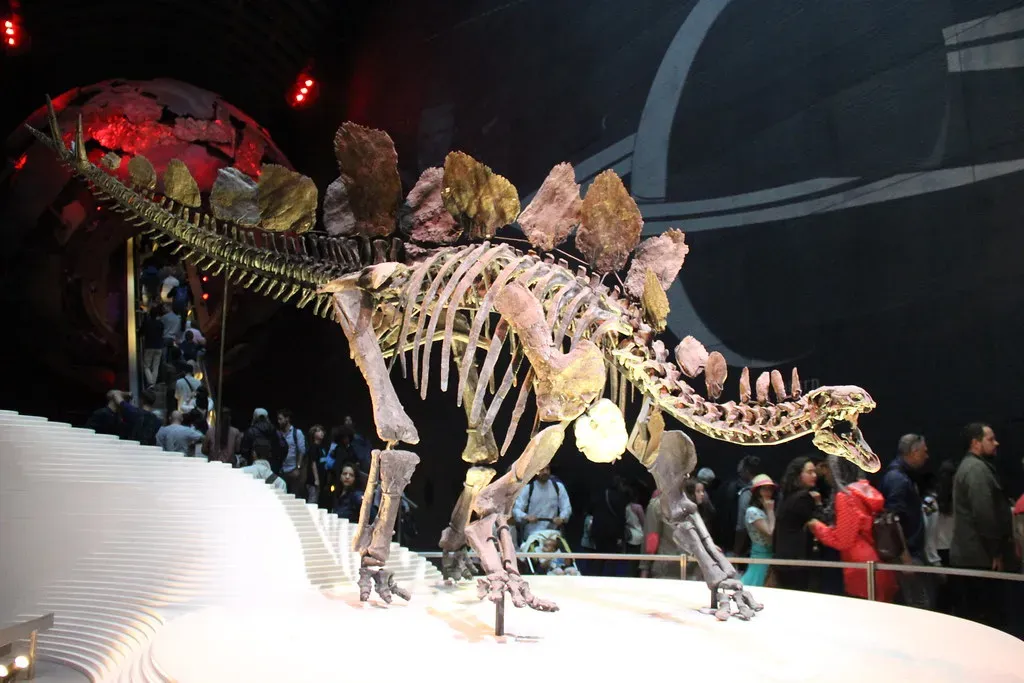
At first glance, those big, dramatic plates look like a shield wall along the back of , so early scientists assumed they were there for armor. When you picture a predator like allosaurus lunging from the side, it is tempting to imagine the plates deflecting teeth like a spiky barricade. But when researchers studied the structure of the plates in detail, they found they were relatively thin and full of blood vessels, not solid slabs of bone designed to absorb massive impact.
That blood supply tells a different story: the plates may have been more about being seen than being shielded. Many paleontologists now think they were used for visual display – showing off to mates, signaling to rivals, or helping individuals recognize each other. Some even suggest the plates could have flushed darker or lighter as blood flow changed, almost like a biological billboard on legs. To me, that makes feel less like a slow tank and more like a dinosaur with its own style game.
3. Those tail spikes were serious weapons with a modern nickname
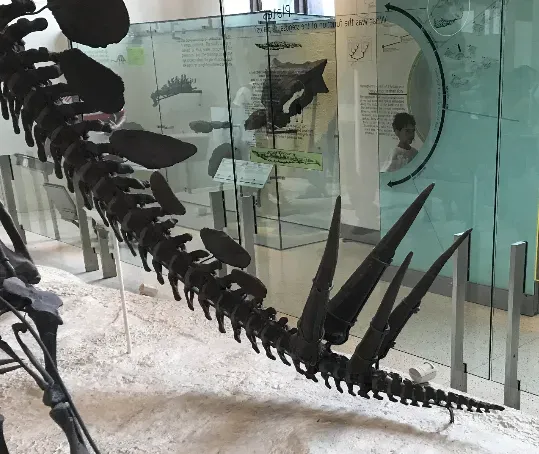
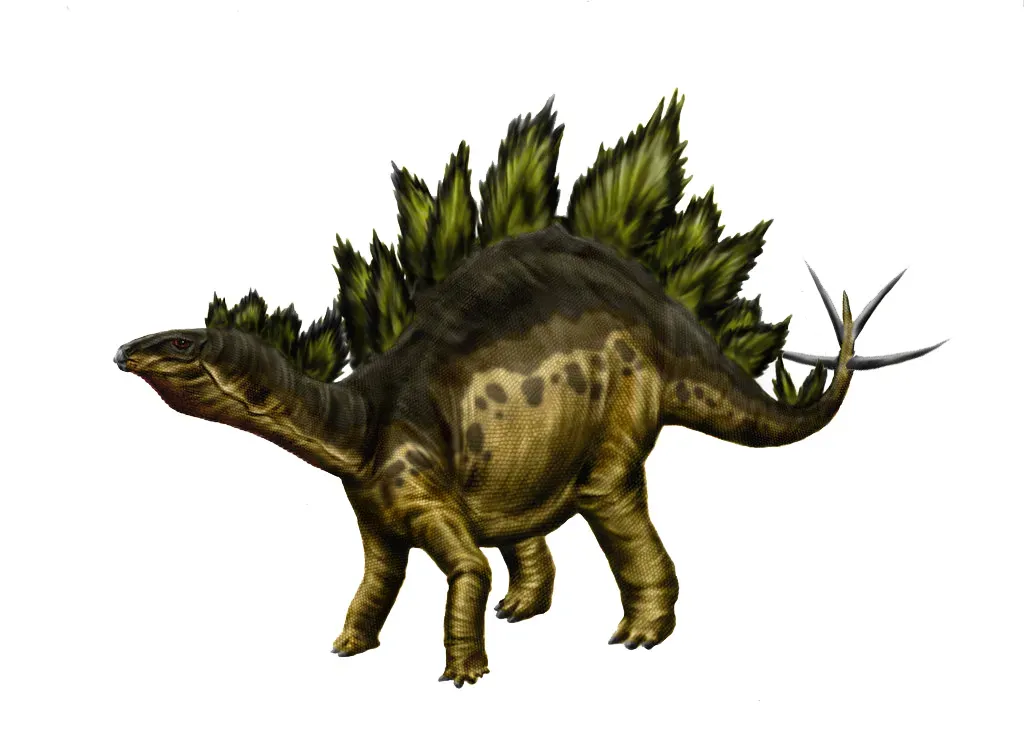
If the plates were mostly for show, the tail spikes – often four of them on a muscular tail – were not. The end of a tail was flexible and could likely swing side to side with surprising speed. Fossil evidence from other dinosaurs shows healed injuries that match the spacing of stegosaur tail spikes, suggesting these were used in real-life combat. This is not just a gentle plant-eater; it carried a built-in mace at the end of its spine.
Modern fans and some scientists call this lethal tail club the “thagomizer,” a humorous nickname that stuck after a cartoon popularized the term. Behind the joke is a serious point: a that felt threatened could likely swing its tail low and fast, aiming for the legs or flank of a predator. One well-placed hit could break bones or leave deep punctures. In my view, predators that underestimated this slow-looking herbivore probably did not get a second chance to learn from the mistake.
4. walked with its head low and its back arched high
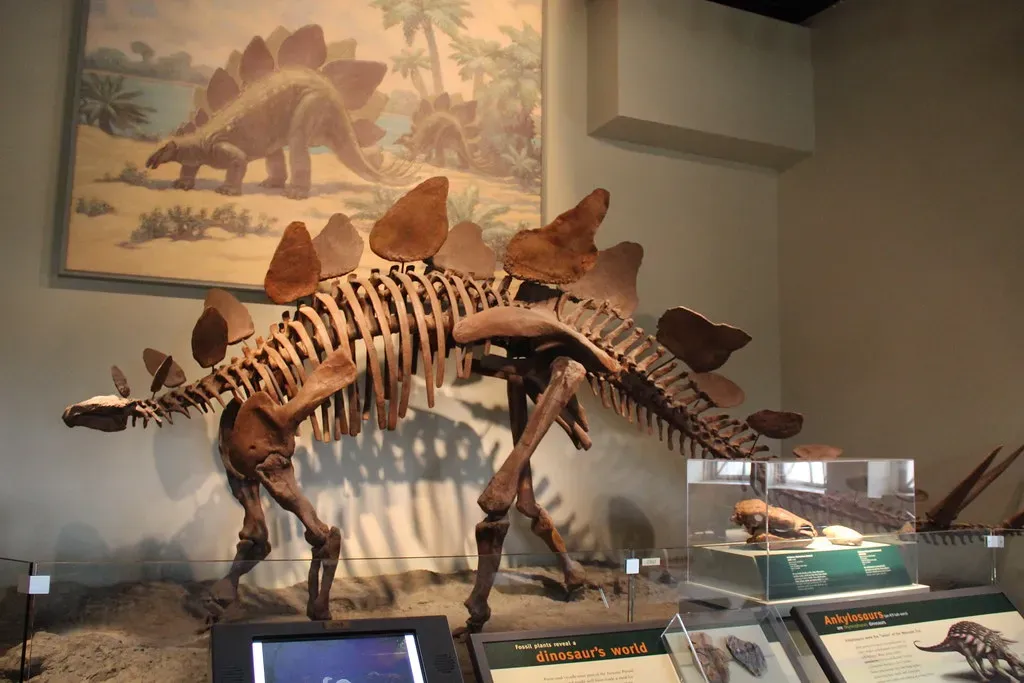
had a very distinctive posture. Its forelimbs were shorter than its hindlimbs, which created that characteristic sloping back from the tall hips down to the small, low-slung head. This meant its mouth naturally hung close to the ground, perfect for cropping low vegetation like ferns and shrubs. It was not built to rear up on two legs for long periods, despite older illustrations that sometimes showed it browsing high plants.
This posture also shaped how it moved through its environment. With its center of mass closer to the hips and tail, may have walked with a slow but steady gait, somewhat like a living bulldozer cruising through Jurassic plant life. When I picture it, I think of a living bridge of bone and plates gliding through a forest, head quietly sweeping back and forth over the undergrowth while the tall back and tail defined its silhouette against the trees.
5. Its teeth and jaw show it was a low-level plant specialist
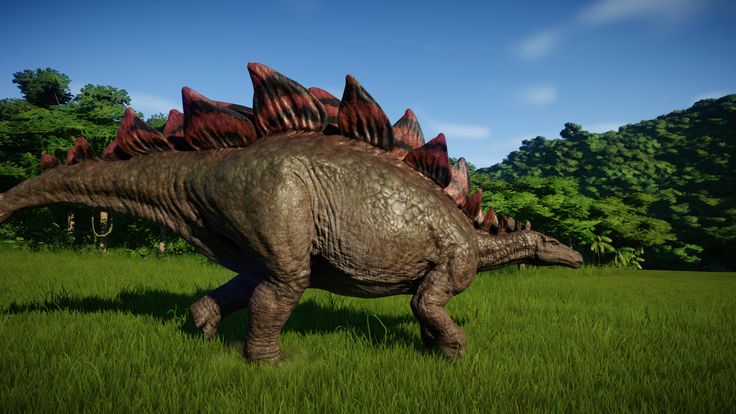
did not have the big, complex chewing tools seen in later plant-eating dinosaurs. Its teeth were small, leaf-shaped, and not well suited for grinding tough material. Instead, researchers think it mostly snipped off softer plants and swallowed them with minimal chewing, relying on a large gut to do the heavy digestive work. This is similar to how some modern herbivores, like certain reptiles, process food more in the stomach and intestines than in the mouth.
Because of this, probably focused on plants it could easily grab and gulp: low ferns, cycads, small branches, and soft shoots rather than thick, woody stems. You can imagine it as a living lawnmower, methodically trimming the green layer close to the ground. I like that idea because it reminds us that different dinosaurs carved out different “salad bars” in the same ecosystem, reducing direct competition and allowing many large herbivores to share the same landscape.
6. lived alongside giant predators in the Late Jurassic
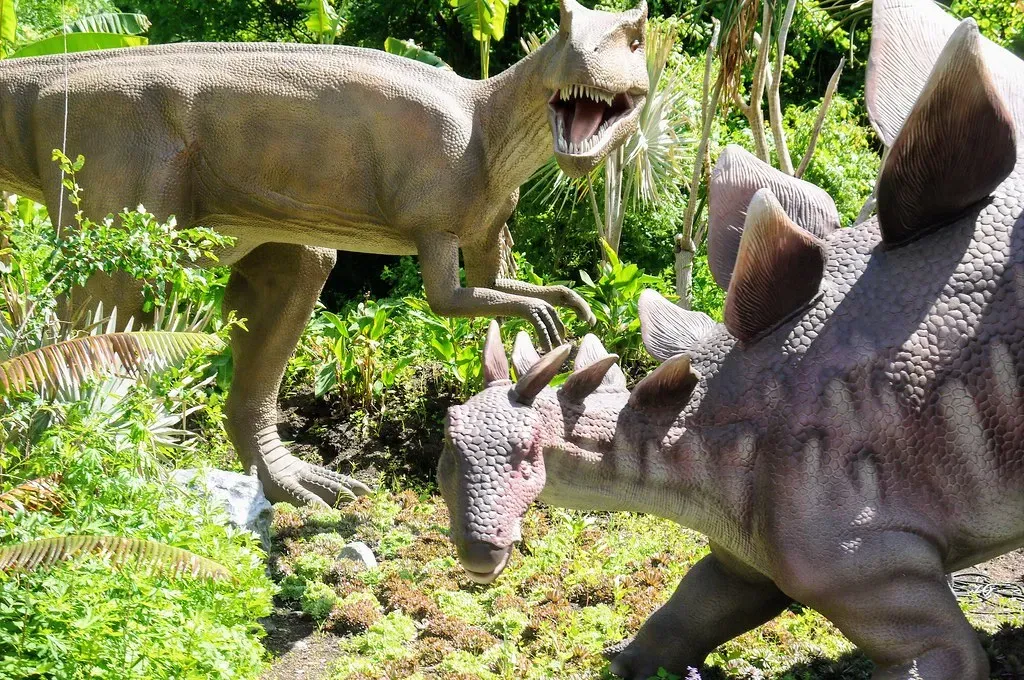
roamed what is now western North America during the Late Jurassic period, roughly around the same time you would find big carnivores like allosaurus and large sauropods like diplodocus. That means when you picture this animal, you should not imagine it alone on some empty plain. It lived in a busy ecosystem packed with other dinosaurs, early birds, mammals, and flying reptiles, all competing, hunting, browsing, and scavenging in a dynamic environment.
This context matters because it helps explain some of ’s features. Its tail weapon, large size, and possibly flashy plates make more sense when you place it among multiple threats and rivals. A world with big predators pushes prey animals to develop strong defenses and clear signals, whether that is to warn enemies or attract mates. Personally, I think imagining in this crowded, dangerous neighborhood makes it feel far more alive than any museum skeleton ever could.
7. The arrangement of the plates is still a scientific puzzle
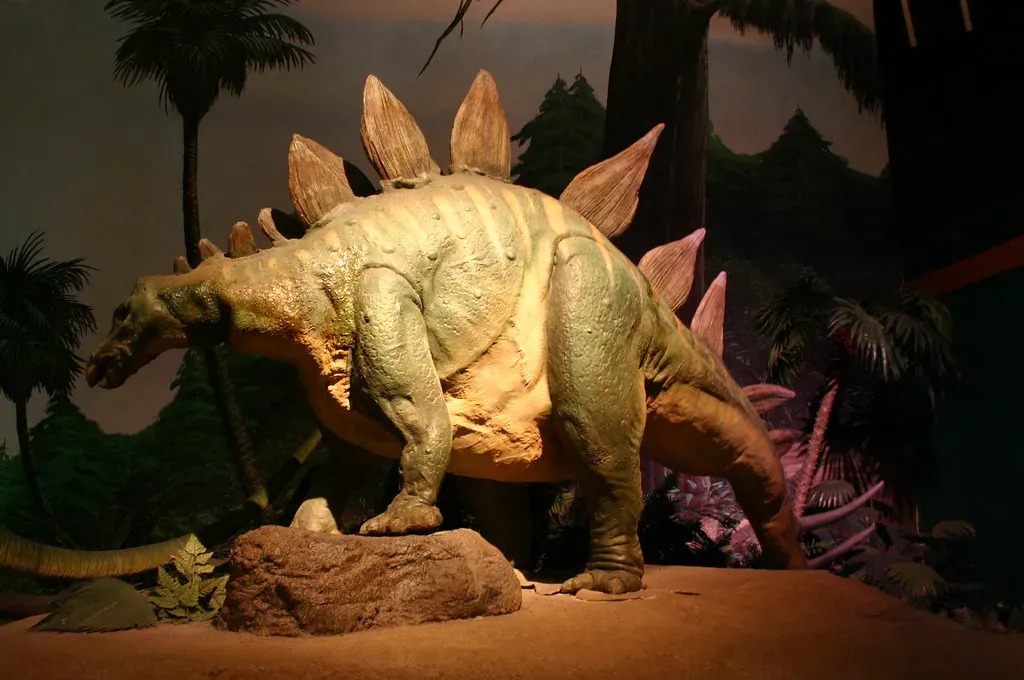
We tend to take museum reconstructions for granted, but figuring out how ’s plates actually sat on its back was a tricky puzzle. Early scientists tried different configurations: in a single row, like a dorsal fence; paired up neatly side by side; and finally the now-familiar staggered double row. Fossil evidence supports the alternating pattern, but there are still debates about exact positioning and slight differences between species.
This might sound like a minor detail, yet it actually shifts how we visualize the living animal. A perfectly symmetric row feels very rigid and armored, while a staggered pattern creates a more dynamic, almost wave-like outline along the back. To me, that asymmetry adds personality, as if traded some mechanical order for a more organic, sculptural look. It is a reminder that even with big, well-known dinosaurs, there are still open questions people are actively working to solve.
8. There was never a “second brain” in its hips
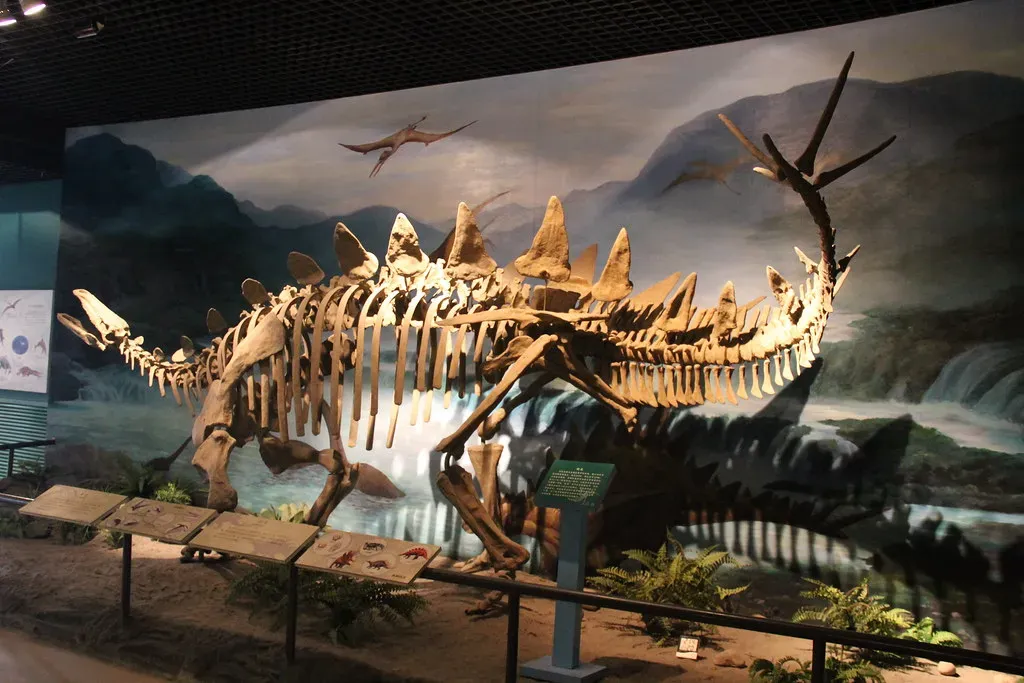
For a long time, one of the most repeated “fun facts” about was that it had a second brain near its hips to help control the back half of its body. This idea came from a large cavity in the spinal canal over the hips, which some early scientists speculated might have housed extra nervous tissue. It was a catchy story, and it spread widely in books, classrooms, and documentaries for years.
Modern research, though, has largely tossed this idea out. Similar enlarged cavities are seen in other dinosaurs and even in some birds, where they are thought to store extra nerve fibers or fatty tissue, not a full-blown additional brain. was odd enough without needing a backup control center. I think this myth hangs around partly because people are trying to “fix” the tiny-brain problem in their heads, but reality is more straightforward: had one brain, just like us, and it did the job well enough for millions of years.
9. Different species likely looked and lived a bit differently
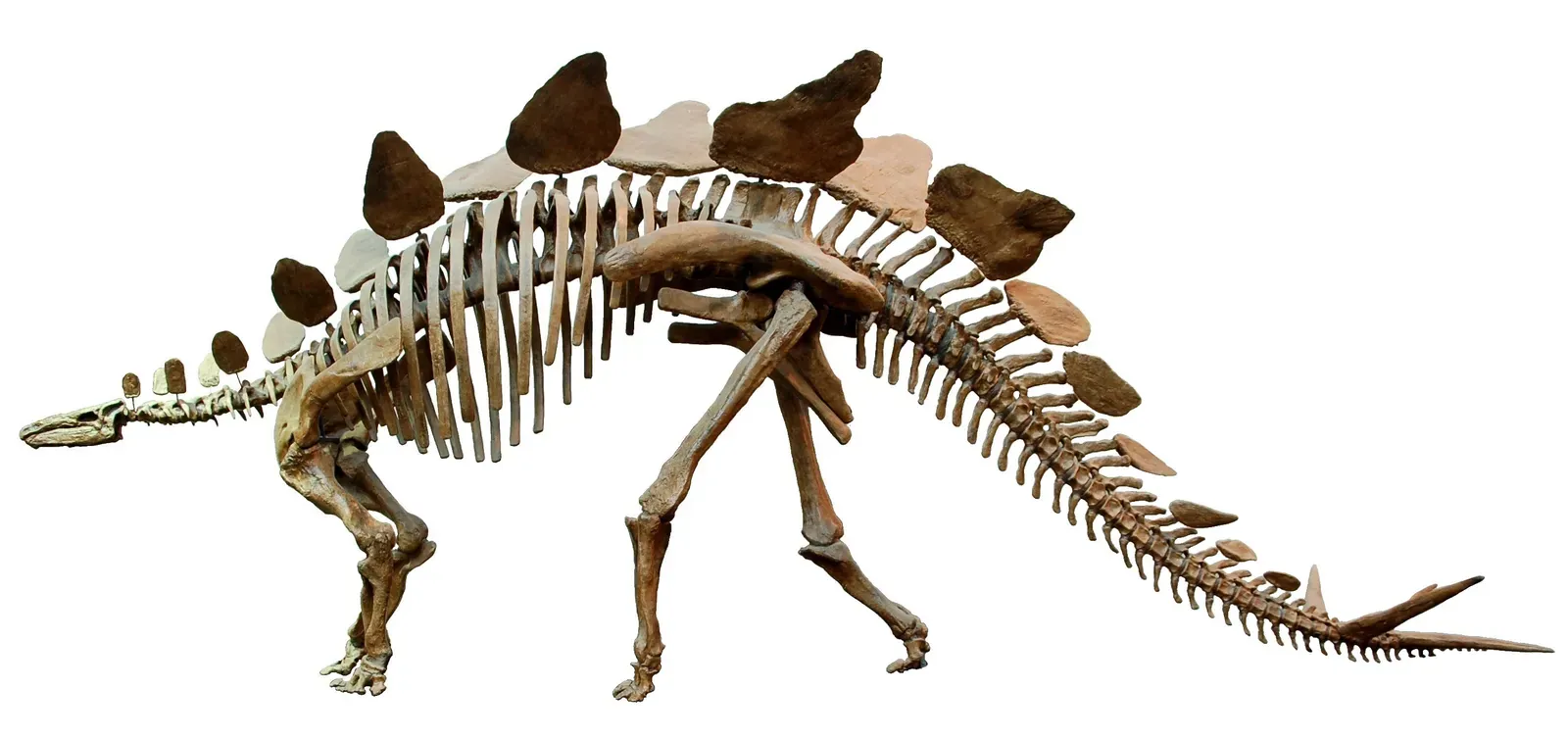
When people say “,” they usually mean a single, iconic animal, but paleontologists recognize multiple species in the stegosaur family and within the classic genus itself. These species vary in details like plate shape, size, and overall proportions. Some had taller, narrower plates, while others had shorter, broader ones, which would have subtly changed their appearance in life. It is a bit like comparing different breeds of cattle: obviously related, but distinct in body build and ornamentation.
These differences suggest that stegosaur species may have occupied slightly different habitats, climates, or social niches. Certain plate shapes might have worked better for display in certain environments or might have been favored by potential mates. I find this diversity exciting, because it moves us away from thinking of dinosaurs as single, standardized creatures. Instead, we begin to see them as varied, evolving lineages that experimented with multiple body plans over time.
10. Our view of is still changing – and that is a good thing
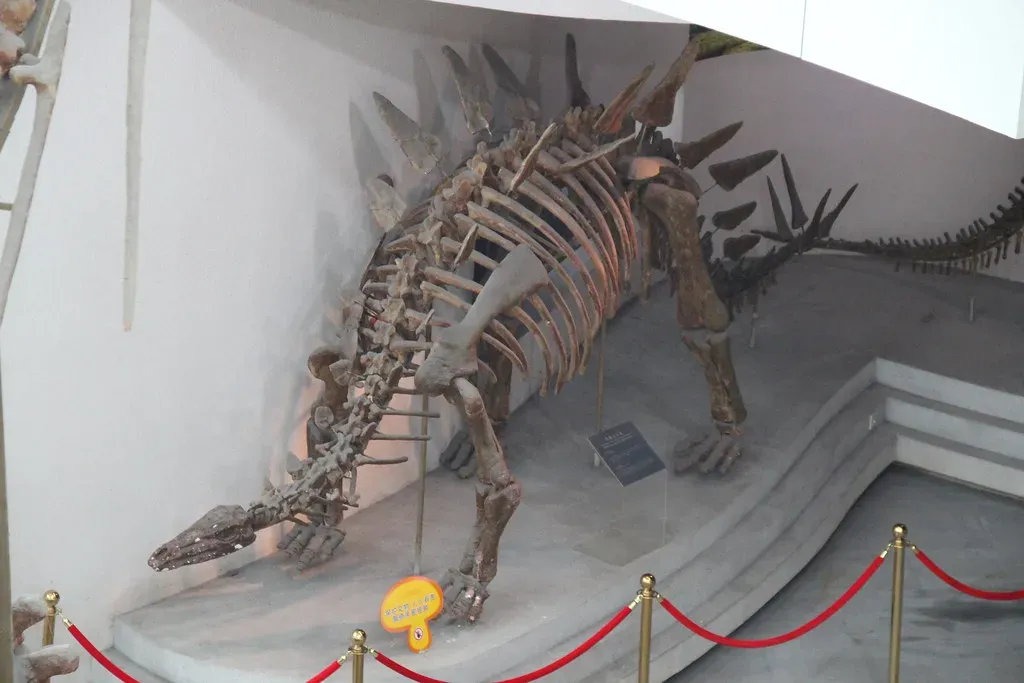
has been known for well over a century, but paleontologists continue to revise and refine what they think about its life, behavior, and appearance. New fossils, better imaging technology, and improved understanding of modern animals all feed into updated reconstructions. Questions about how fast it grew, how it used its plates in social interactions, and how it moved as a herd animal are still being tested and argued over. Far from being “finished,” is an active research subject.
Personally, I think this constant revision is one of the best parts of its story. It proves that science is not a fixed set of facts but a living conversation, even about creatures that have been dead for tens of millions of years. has gone from armored slug, to plate radiator, to flashy display animal with a serious tail weapon, and that arc will probably keep bending as fresh evidence appears. When you look at its skeleton in a museum now, you are seeing the current chapter of an ongoing mystery, not the final word.
Conclusion: a strange, spiky reminder that nature does not care what we expect
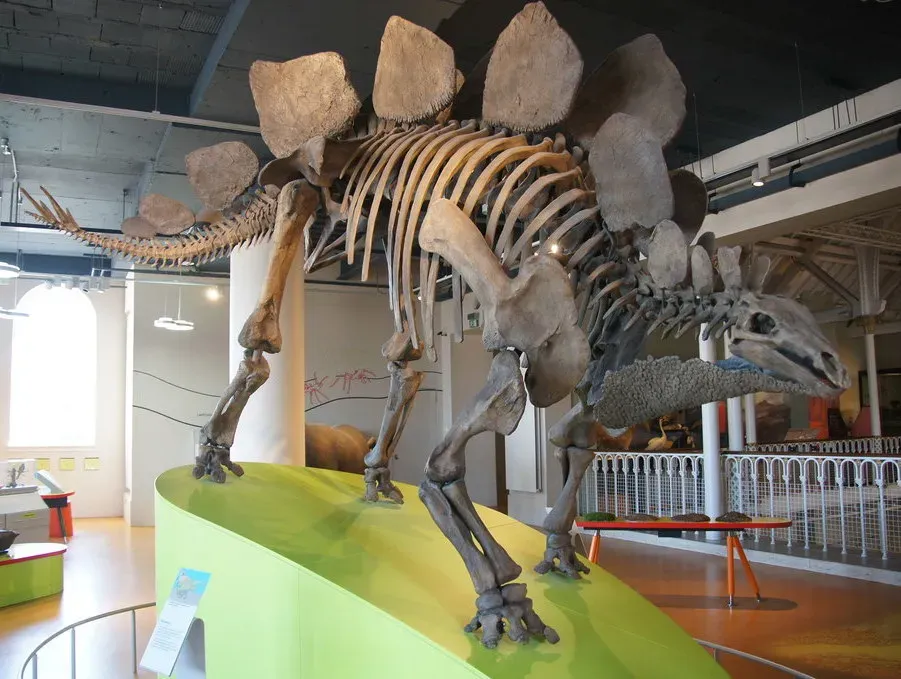
For me, is one of the clearest reminders that nature delights in ignoring human expectations. Here is an animal with a comically small brain, a back full of blood-filled plates that likely screamed for attention, and a tail capable of turning a predator’s leg into shattered bone. It is awkward and magnificent at the same time, like a living contradiction that somehow worked well enough to thrive in its world. The fact that it lasted for a long stretch of the Jurassic tells us that “weird” can be a winning strategy.
In a way, our obsession with making fit tidy categories – genius or idiot, armored or flashy, simple or complex – says more about us than about the animal. The evidence pushes us toward a subtler view: it was a specialist, tuned to its own ecological niche, successful on its own terms rather than by our standards of intelligence or elegance. I think that is the most amazing fact of all. When you picture those plates and tail spikes now, do you still see a slow, dumb dinosaur, or something far stranger and more impressive than you first imagined?