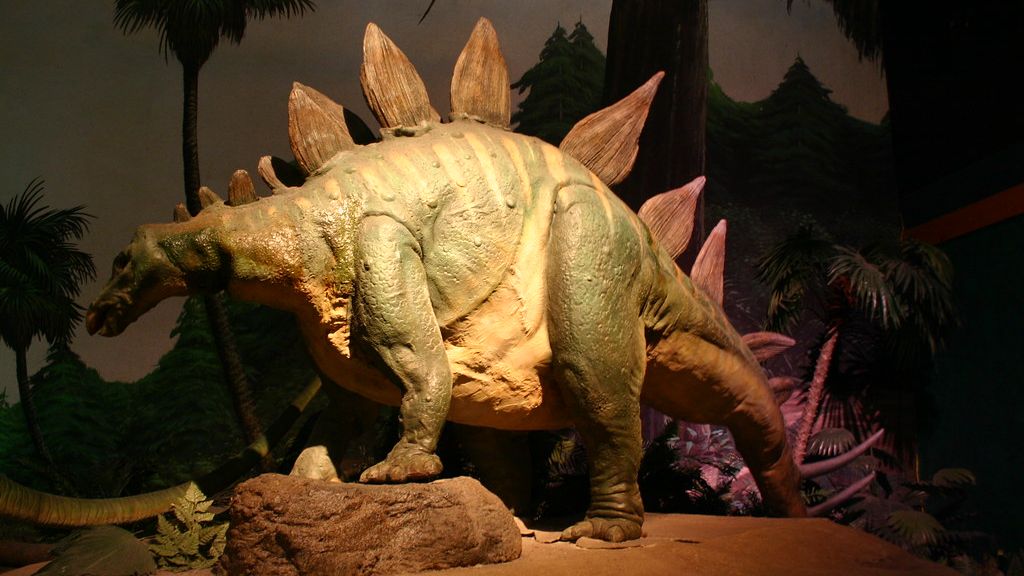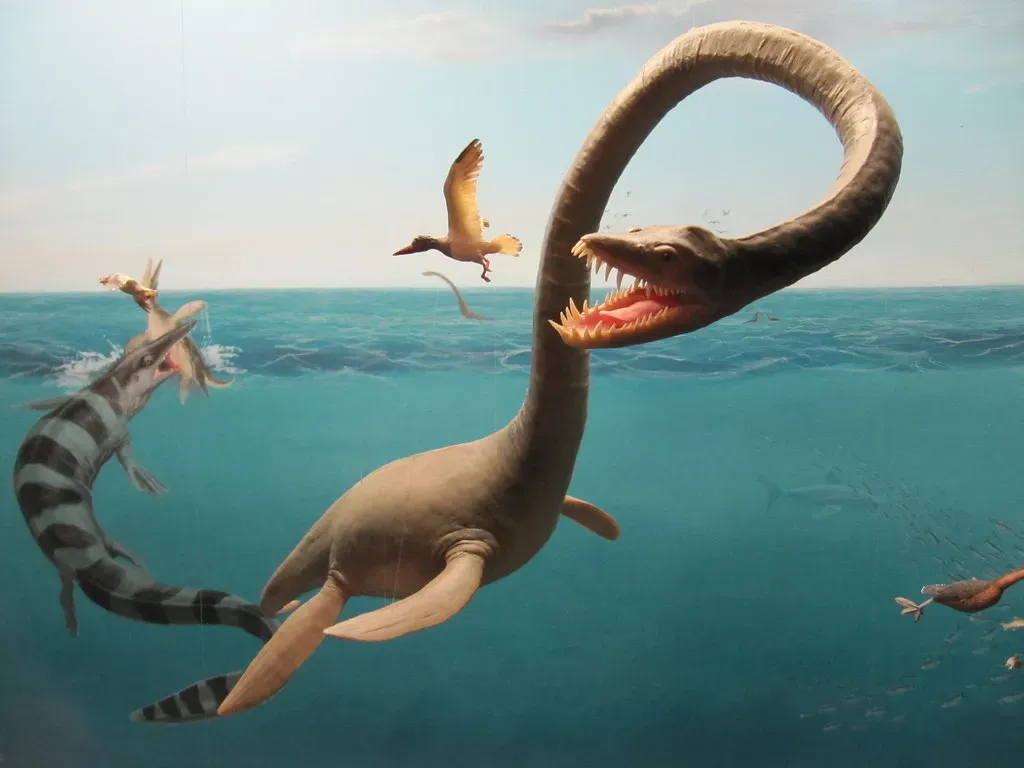
Imagine walking through a Jurassic forest and hearing leaves rustle behind you. You turn, half expecting a T. rex, and instead wonder: could there have been anything like a dog trotting around back then? It is a strangely emotional question, because it connects two things humans are obsessed with: dinosaurs and dogs. One feels impossibly ancient and alien; the other sleeps on our couch and steals our socks.
The short, perhaps slightly disappointing, but deeply fascinating truth is this: there were no dogs, no wolves, and not even true dog ancestors alive during the age of dinosaurs. Yet the long answer is much richer than a simple no. To understand why, we have to dig into evolutionary time scales, follow the rise and fall of entire animal lineages, and carefully separate pop‑culture fantasy from what the fossils actually tell us. And once you see that bigger picture, the bond you have with your dog starts to feel even more remarkable.
Why there were no dogs alongside dinosaurs
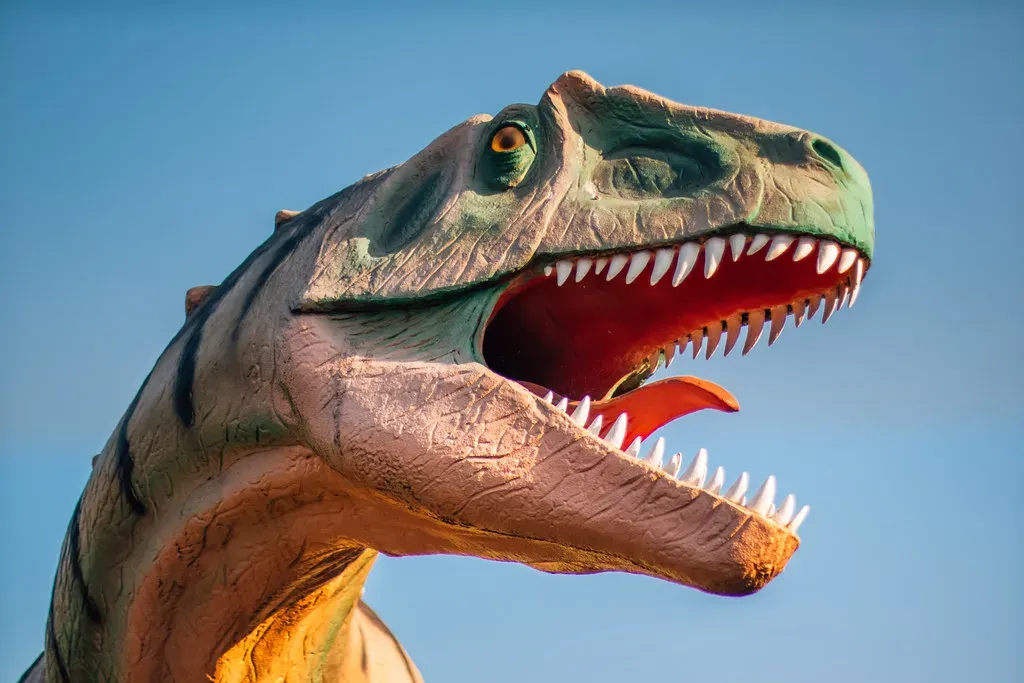
It feels almost natural to imagine a scruffy little mutt dodging dinosaur feet, but that scene is pure fiction. Dinosaurs dominated the Mesozoic Era, which stretched from roughly about 250 million years ago to about 66 million years ago. Dogs, on the other hand, are a very recent invention in geological terms: domesticated dogs only appear within the last few tens of thousands of years, and even their wild ancestors, the wolf-like canids, are only a few million years old. That is a huge gap, like trying to put a smartphone into a Roman marketplace and calling it historically accurate.
During the dinosaur era, the lineage that would eventually include dogs, cats, bears, and humans simply did not exist in anything like its modern form. Early mammals were around, but they were mostly small, often nocturnal creatures trying not to get eaten. They were not sprinting pack hunters or loyal companions; they were survivors hiding in the ecological shadows. When you picture dinosaurs and dogs together, you are really mixing two very different chapters of Earth’s story that are separated by tens of millions of empty pages.
The timing problem: when dogs and dinosaurs actually lived
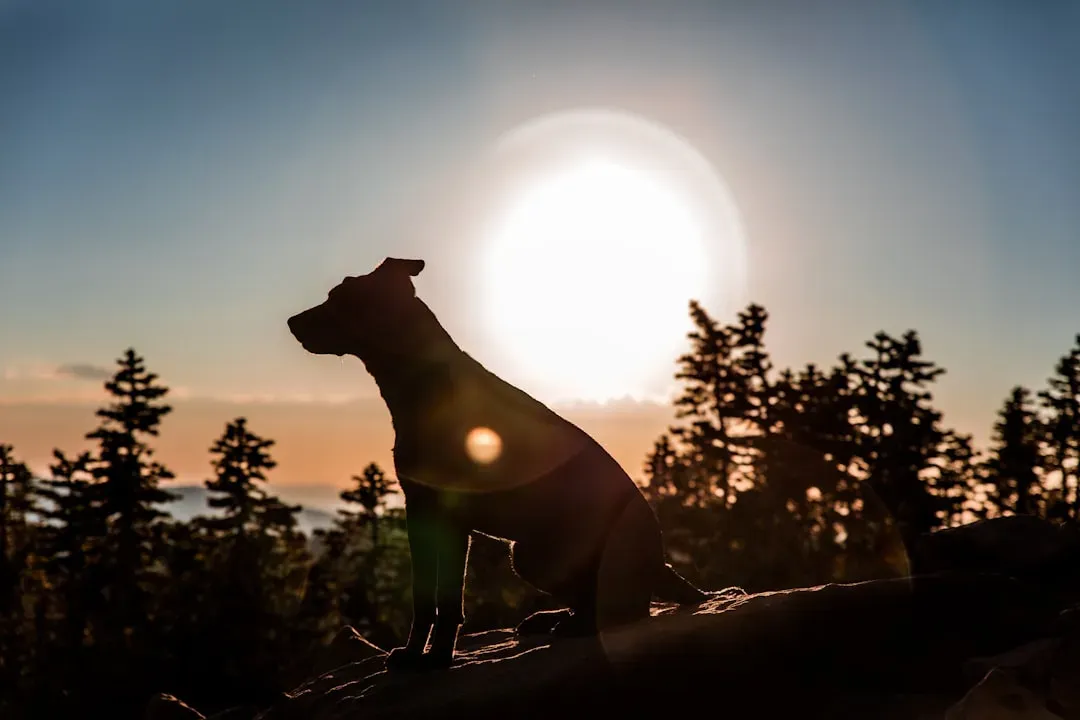
To see why these worlds never overlapped, it helps to anchor the timeline. Non-bird dinosaurs went extinct about 66 million years ago in the mass extinction event linked to a giant asteroid impact and major volcanic activity. The very earliest known members of the dog family, true canids, do not show up in the fossil record until tens of millions of years later, deep in the Cenozoic Era. If you lined up Earth’s history as a year-long calendar, dinosaurs would vanish in early December, and the first dog ancestors would not wander in until the last days of the month.
Modern humans are even more ridiculously late to the party, arriving in just the final seconds of that calendar year. The wolves that eventually gave rise to domestic dogs split from other canid lineages long after the dinosaurs were gone, and our partnership with dogs is only a tiny sliver at the very end. So when you think “dinosaur era dog,” what you are really imagining is a crossover episode that nature never produced. It is like asking which social media influencers were big during the Ice Age; the timelines simply do not line up.
What mammals were actually around in dinosaur times?
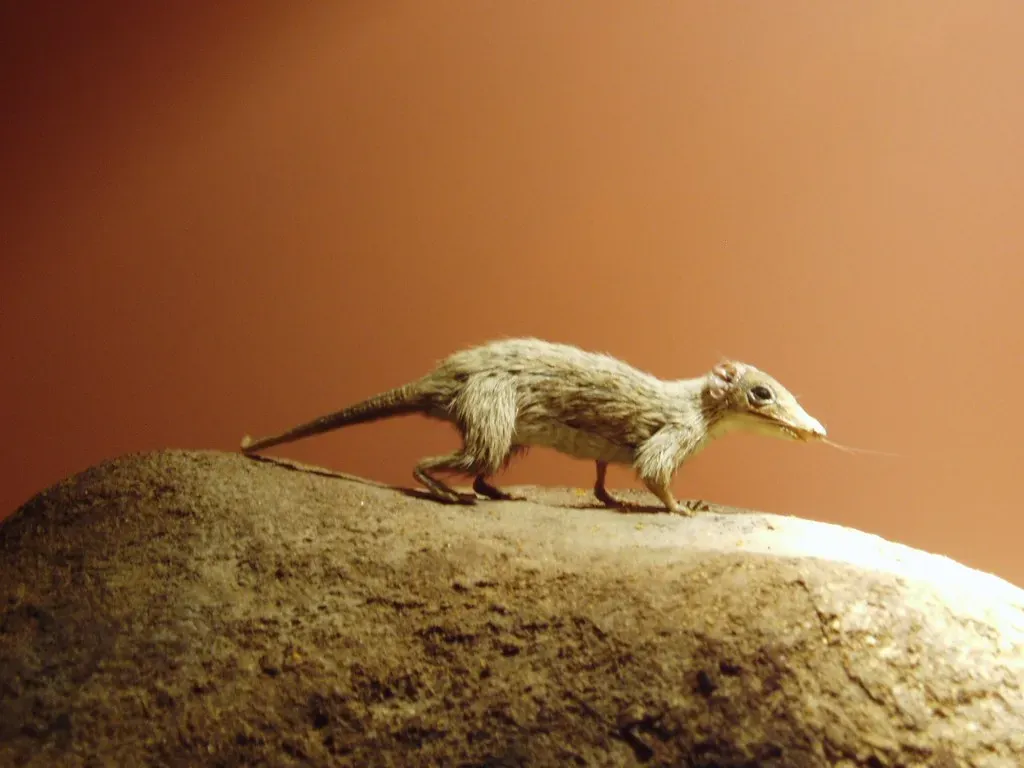
Even though dogs did not exist, mammals certainly did live under dinosaur rule, and their story is surprisingly scrappy. Most of these early mammals were small – think shrew-sized, maybe rat-sized at best – clinging to survival at the edges of ecosystems dominated by massive reptiles. They probably hunted insects, nibbled plants, and in some cases may have eaten small vertebrates or eggs. Imagine more of a stealthy, nocturnal scurrier than a bold, tail-wagging hunter.
A few of these Mesozoic mammals were more adventurous and grew to larger sizes, with some showing sharp teeth and predatory lifestyles. But even the most impressive of them were nowhere near filling the role that dogs fill today. They did not form human-like partnerships, they did not evolve within the canid family, and their body shapes and skull structures looked nothing like a husky or a beagle. If you met one, your brain would not say “dog”; it would probably say something closer to “weird, toothy mammal I’ve never seen before.”
The true ancestors of dogs: canids after the dinosaurs
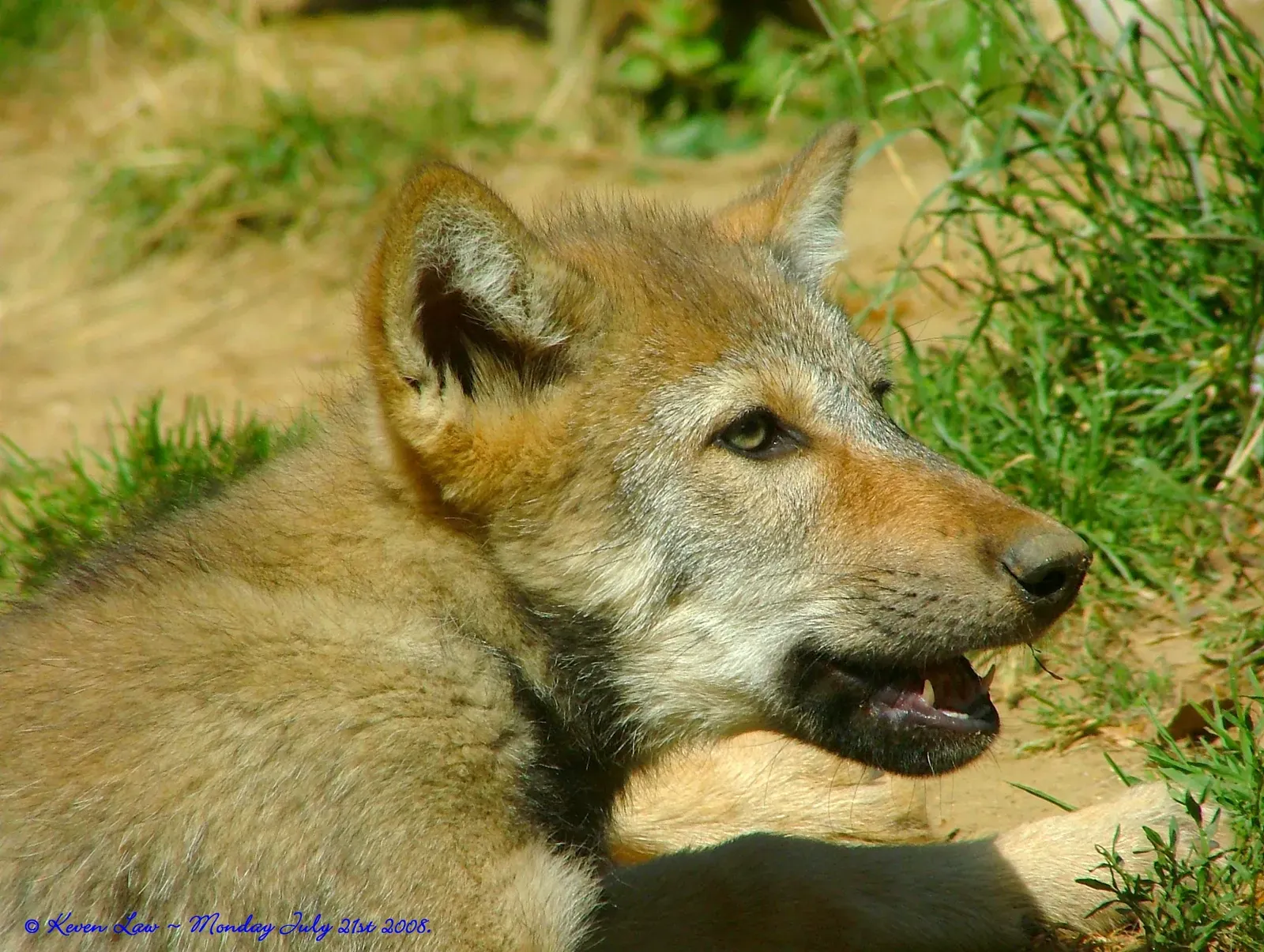
If we jump forward in time into the Cenozoic Era, the age after the dinosaurs, the story finally starts to sound a bit more familiar. With the big reptiles gone, mammals exploded into a huge variety of forms, filling roles that dinosaurs once held. Among these were the early canids – the real ancestors of today’s dogs, wolves, foxes, and coyotes. These first canids were small, lightly built, and quite different from the modern breeds that nap on our sofas, but they belong to the same evolutionary branch.
Over millions of years, these early canids diversified. Some became more wolf-like endurance runners that chased prey over open ground; others took on more fox-like, stealthy roles, hunting smaller animals and scavenging. Only after this long natural history did humans come along and start shaping one particular canid – something very close to the gray wolf – into what we now recognize as the domestic dog. So if you want to look for “dog species,” you have to look long after the dinosaurs disappeared, in a world rebuilt around mammals.
Were there dog-like predators in the dinosaur era?
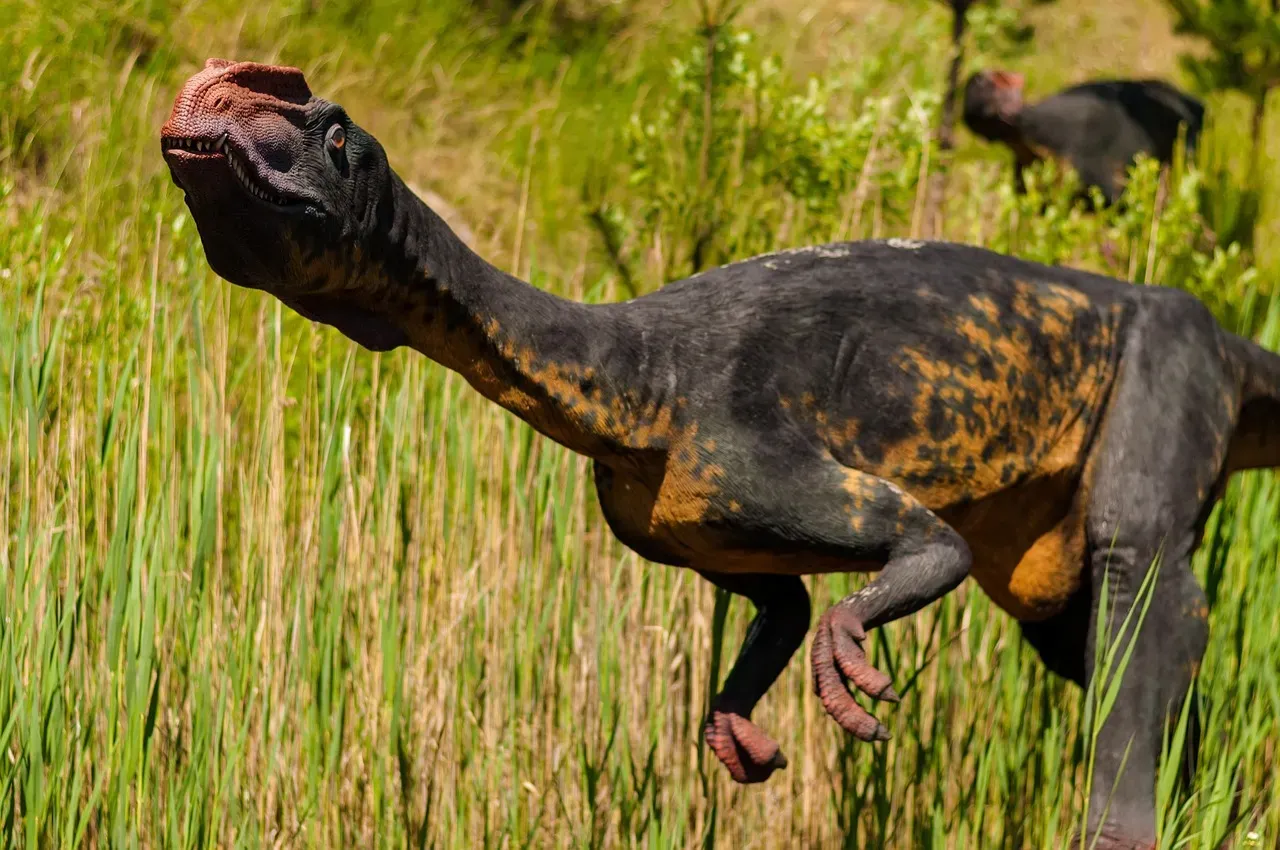
Here is where things get interesting for the imagination. While there were no dogs, some dinosaur-era animals filled vaguely similar ecological roles as medium-sized predators or agile hunters. Certain small theropod dinosaurs were nimble, fast, and possibly social, which makes people instinctively compare them to pack-hunting mammals. But in reality they were more like feathered reptiles on two legs than anything four-legged and furry. The comparison is more about lifestyle than blood relation.
There were also early mammal predators that hunted small animals and might, at a very generous stretch, remind you of a tiny, fierce carnivore. Yet evolution did not draw a straight line from these creatures to modern dogs. They belonged to entirely different branches of the mammal family tree, branches that vanished instead of evolving into today’s canids. Calling them “dinosaur-era dogs” is like calling a vintage steam train an early electric car: both move and carry passengers, but they run on totally different designs and histories.
Why the myth of dinosaurs and dogs together is so sticky
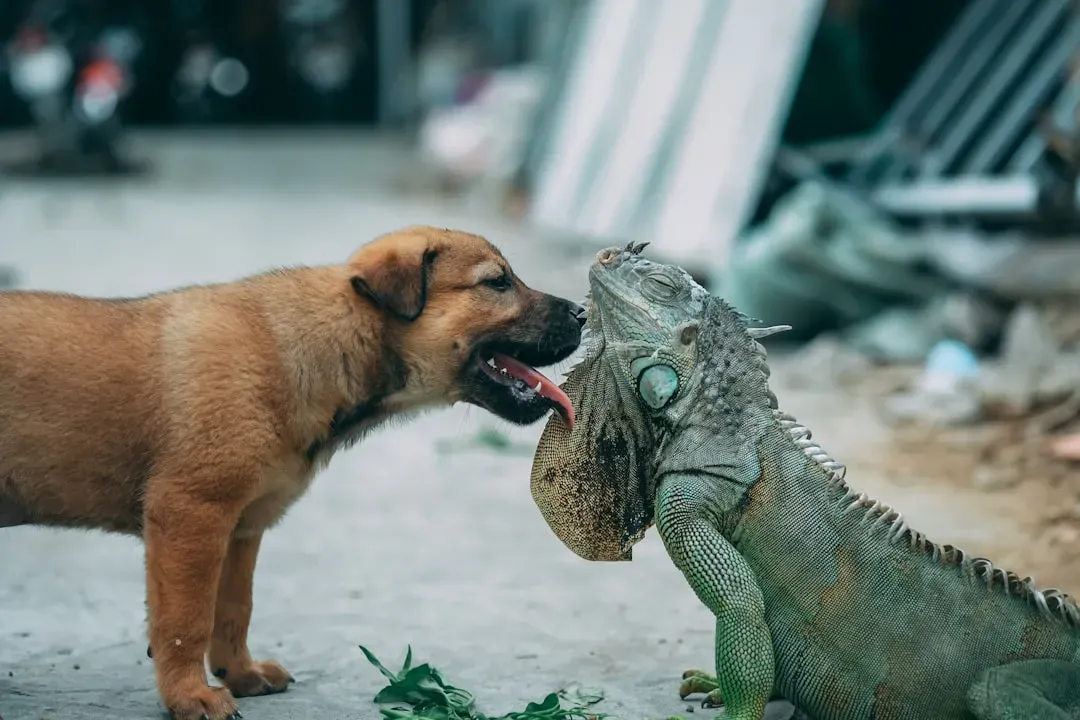
If we know all this, why do so many people still casually picture dinosaurs and something like a dog in the same scene? Partly, it is because popular media loves mash-ups. Movies, cartoons, and kids’ books often mix creatures from totally different periods simply because it looks cool and nobody wants to flash a geological timeline on the screen. A child’s dinosaur toy pile probably includes animals separated by tens of millions of years, all jumbled together like they went to the same school.
There is also an emotional reason: we instinctively use modern animals to make ancient worlds feel relatable. Putting a dog into a dinosaur landscape is like adding a familiar character into a strange science fiction universe; it anchors our feelings. I catch myself doing this too when I walk with a dog in a forest and imagine what this place looked like when massive reptiles roamed here. That mental overlap might be scientifically wrong, but it hints at how strongly we want to connect with deep time through the animals we love today.
What this says about our bond with dogs today
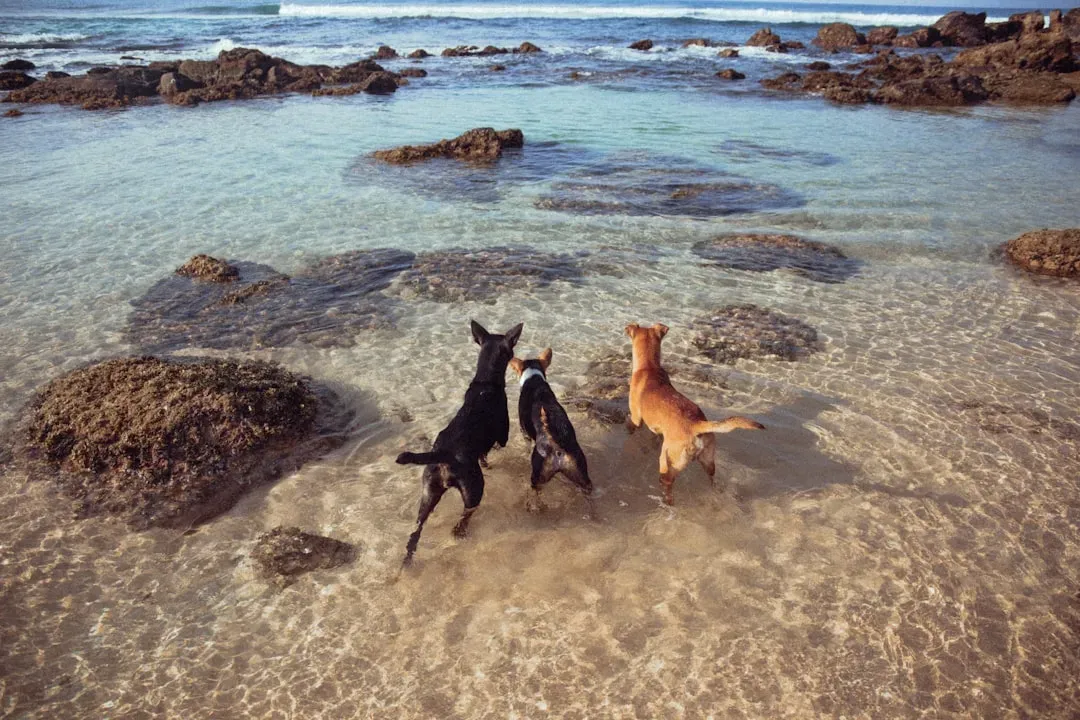
To me, the most beautiful twist in this story is that dogs feel timeless to us, even though they are actually very new in Earth’s history. Our partnership with dogs is not some ancient Mesozoic contract; it is a fresh, fragile arrangement that appeared only after countless other lineages rose and vanished. We did not meet dogs in the shadow of dinosaurs; we met them in the aftermath, in a mammal-shaped world full of second chances. Somehow, in that changing landscape, humans and one particular canid decided they were better off together.
That means every time your dog curls up at your feet, you are seeing the end result of millions of years of evolution that only became possible because the dinosaurs were gone. No dog ever sniffed at a sauropod footprint or howled at a T. rex, and honestly, I am glad. Their story is our story, and it belongs to a very different age – an age that let a clever primate and a social hunter rewrite each other’s destinies. In my opinion, that quiet, post-dinosaur alliance is far more astonishing than any fantasy of dogs racing alongside raptors. Did you ever think the absence of dogs in the dinosaur era could make their presence in your life feel this extraordinary?