Picture the most terrifying great white shark you can imagine, with jaws wide open and teeth like knives. Now imagine a predator so massive that even that great white would seem like a bite-sized snack. That creature was Otodus megalodon, often simply called megalodon, an ancient shark that ruled the oceans millions of years before humans ever walked the Earth. Its story blends hard science, wild scale, and just enough mystery to keep scientists arguing and the rest of us slightly afraid of deep water.
What makes megalodon so fascinating is not only its size, but how much we still do not fully know. Almost everything we understand about this giant comes from scattered teeth and a few fossilized vertebrae. From those fragments, researchers have tried to rebuild a monster, estimate its bite, and guess how it hunted. The result is a scientific detective story, part thriller and part puzzle, and the more you learn, the more you realize: the real ocean has produced creatures more dramatic than anything in a movie.
The Real Giant: How Big Was Megalodon, Really?
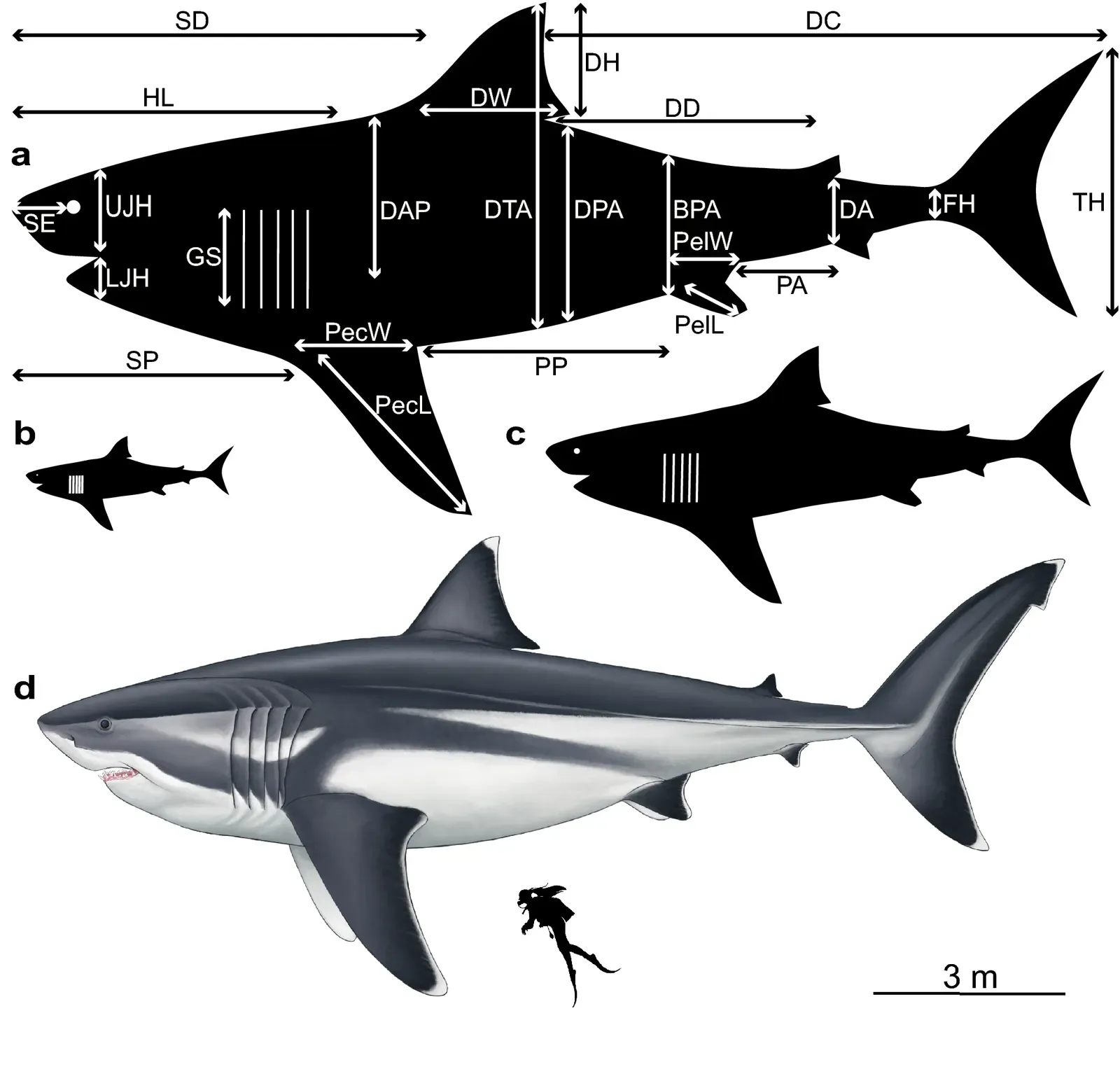
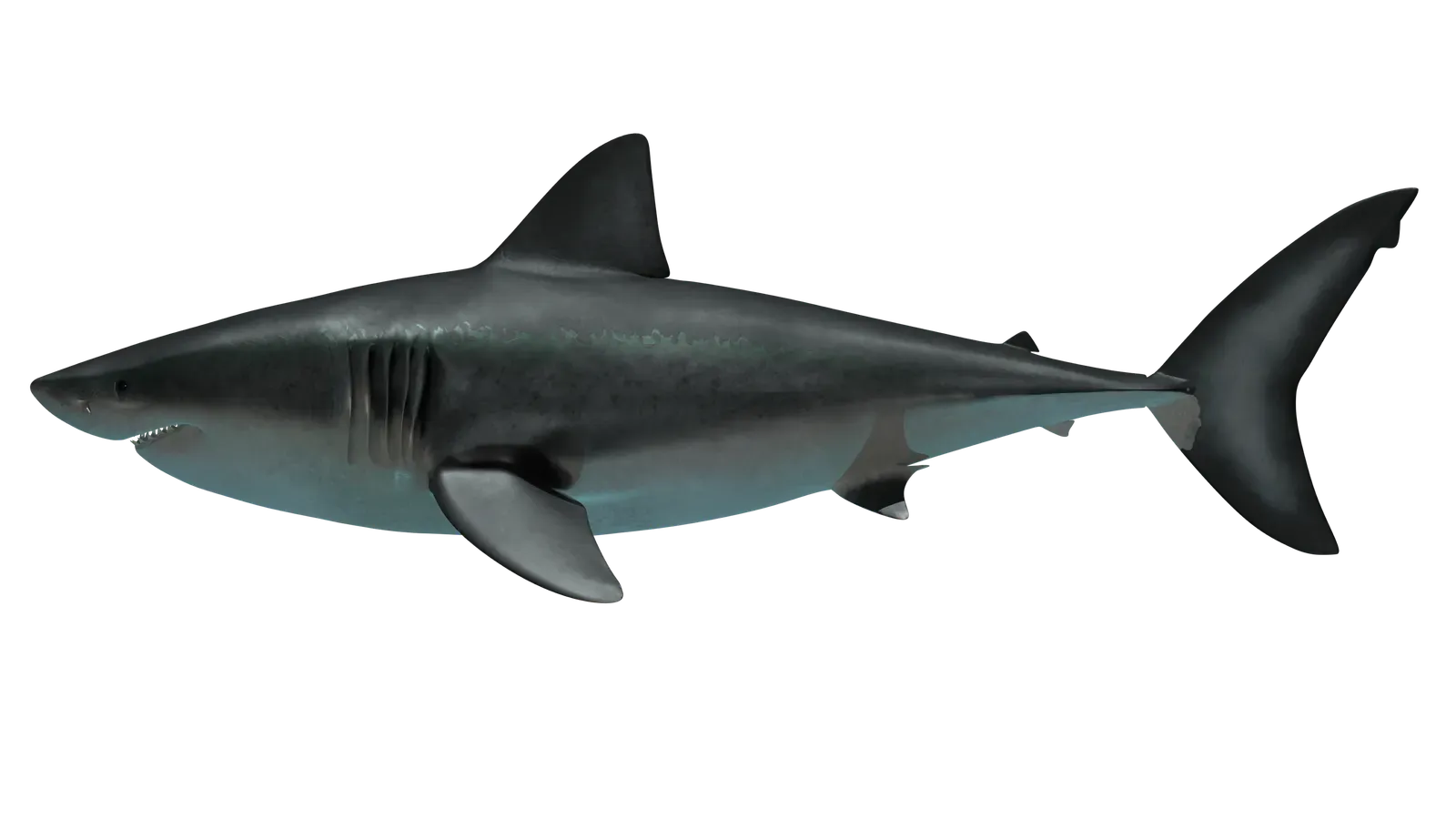
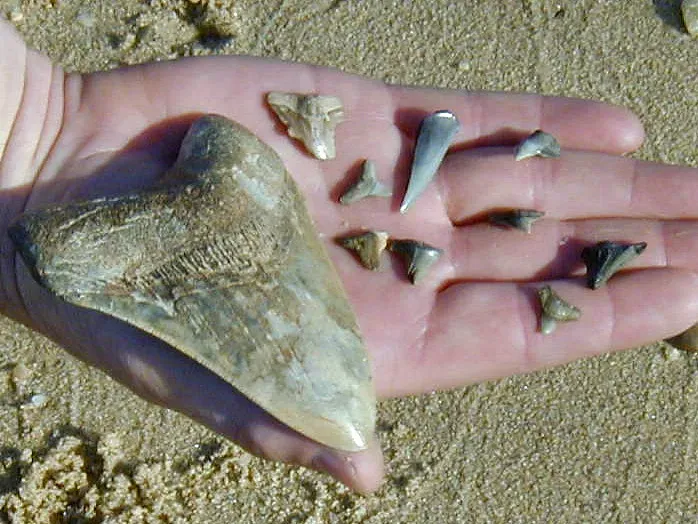
One of the most shocking things about megalodon is that scientists today actually think it might have been a bit smaller than early claims, yet it still embarrasses a great white in comparison. Early estimates threw around lengths that sounded almost cartoonish, but more careful modern studies generally put the maximum size at roughly fifteen to maybe around twenty meters long. Put simply, you could line up at least three of the largest great whites nose to tail and still not match the biggest megalodon. Even if you take the lower end of estimates, you are still looking at a shark bigger than a city bus.
To make that more concrete, imagine a typical great white at about four to five meters. Now triple that in length, and remember that length scales up mass dramatically. A top megalodon might have weighed several tens of tons, more like a small whale than a modern shark. That size does not just mean longer; it means a thicker, more powerful body, a huge tail for driving it forward, and massive jaws that would have dominated its head. When people say megalodon , they are not exaggerating; they are describing a genuine difference in physical scale that is hard to process until you compare them side by side in diagrams or museum models.
A Mouth Full Of Knives: Teeth, Jaws, And Bite Power
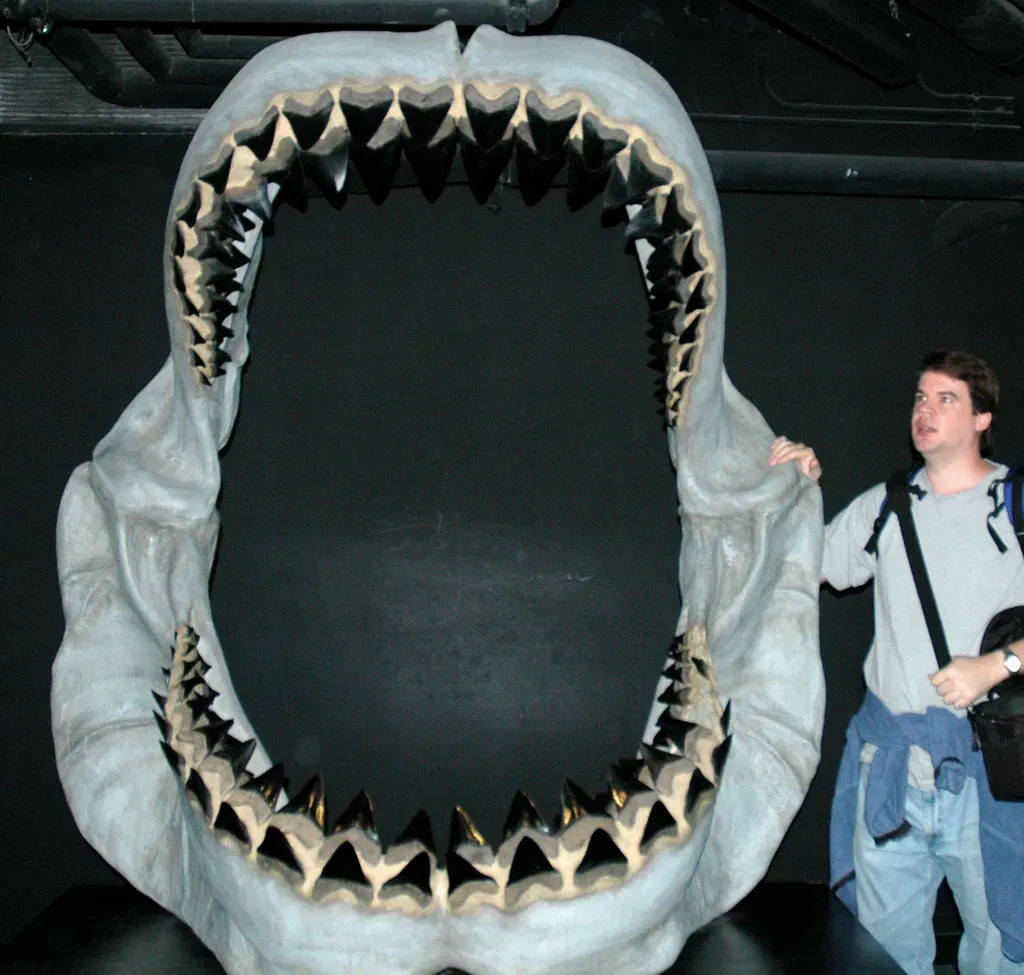
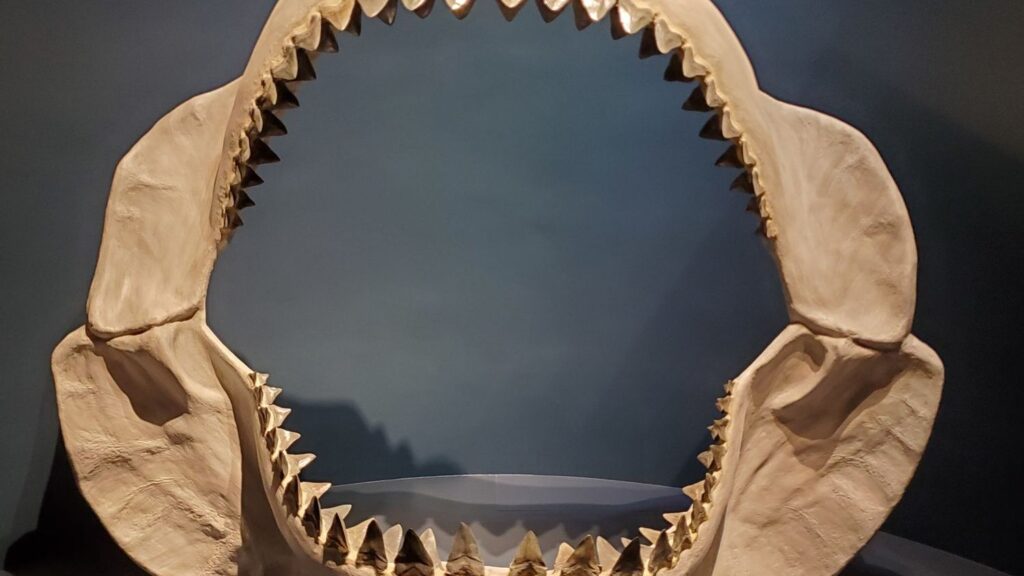
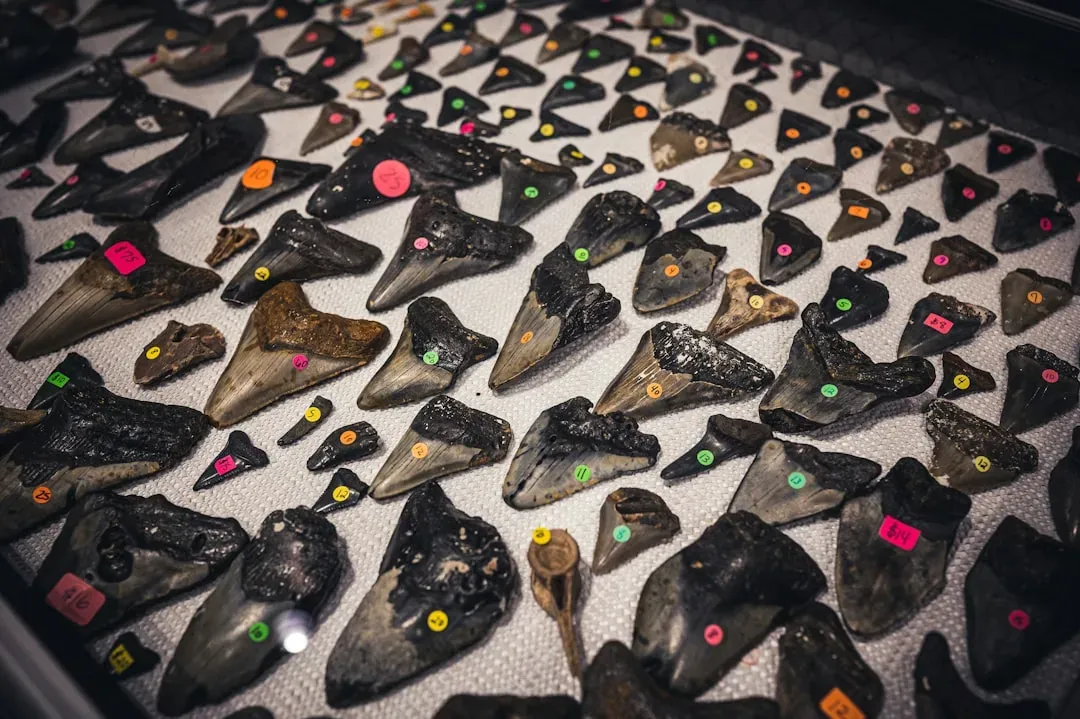
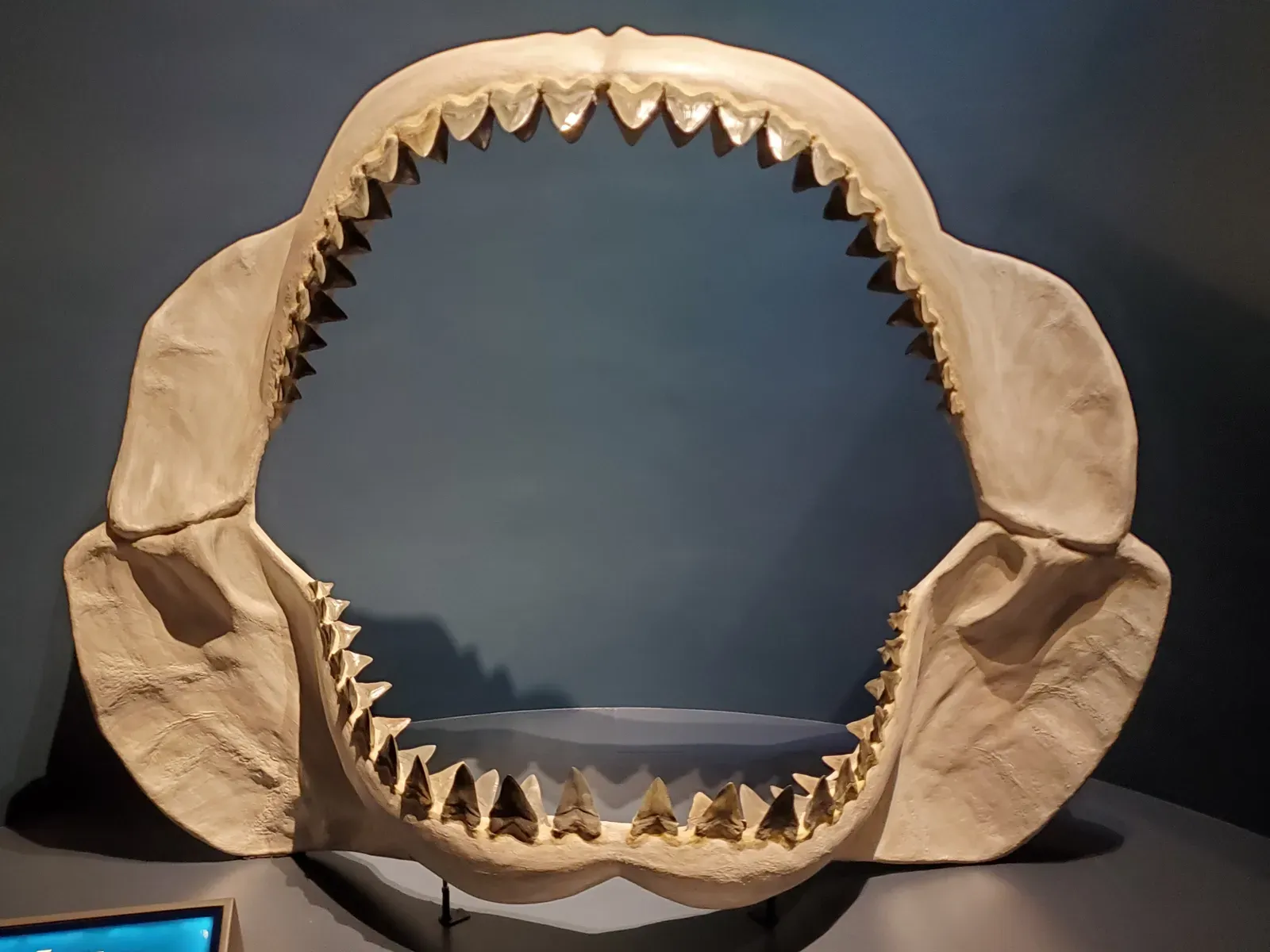
If you have ever seen a megalodon tooth in a museum or even a good replica, you know why they grab so much attention. These teeth can be longer than a human hand from base to tip, triangular, thick, and built to withstand serious force. A great white’s tooth is scary; a megalodon’s tooth looks like it was designed to carve through armored submarines. Fossils show that the shark replaced rows of these blades throughout its life, dropping teeth to the seafloor like discarded knives, which is why we find so many scattered around the world even though the rest of the body almost never fossilized.
What really blows my mind is the estimated bite force. Some biomechanical models suggest megalodon could have bitten with several times the force of a large great white, placing it among the most powerful bites of any animal that has ever lived. That kind of power is not overkill; it is a strategy. With such a bite, megalodon could crush bones, crack thick ribs, and tear massive chunks of flesh from whales. Instead of delicate surgery, this was brute-force demolition, and its teeth and jaws were the perfect tools for that job.
The Apex Of Apex Predators: What Megalodon Ate
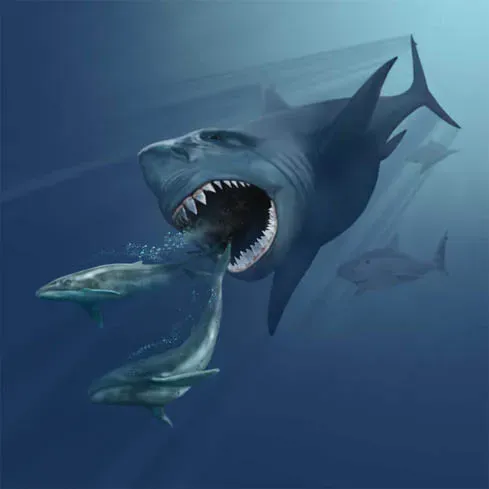
To understand how terrifying megalodon really was, you have to look at its menu. Fossil whale bones from the Miocene and Pliocene often show deep gouges and bite marks that match the size and shape of megalodon teeth. That tells a clear story: this shark did not just pick off small fish or scavenge leftovers. It went after big marine mammals, including early whales, seals, and possibly large dolphins. You can think of it as an oceanic big cat mixed with a bulldozer, targeting the fattest, most energy-rich prey in its environment.
There is evidence that megalodon often aimed for critical body parts, like the chest or flipper regions of whales, likely trying to damage vital organs or immobilize them. Some researchers think it may have attacked from below or from the side, much like great whites do with seals, but scaled up to creatures the size of buses instead of surfboards. When you imagine a great white ambushing a seal, then mentally swap the seal for a whale, you begin to grasp the violence of a megalodon attack. It was not just big; it was built to dominate everything else around it.
Ruling A Very Different Ocean
Megalodon was not swimming around in oceans that looked exactly like today’s. It lived roughly from the early Miocene into the Pliocene, long before humans, in a world where marine mammals were diversifying and spreading into many niches. Warm seas and abundant prey created almost perfect conditions for a giant predator to thrive. Its fossils show up across many parts of the world, suggesting it had a truly global distribution, cruising coastlines and open waters wherever food was plentiful.
In that sense, megalodon was not just a freak giant; it was the product of its time, shaped by the ecology of ancient oceans. Where we now picture blue whales and orcas as dominant, back then there was this immense shark muscling into the top spot. It likely played a huge role in controlling populations of large marine mammals and even competing with other big predators. When you imagine that old ocean, you have to take our mental picture of today’s seas and dial the intensity up several notches: bigger prey, fewer human impacts, and a food chain capped by a shark that dwarfed almost everything in sight.
Why Megalodon Disappeared While Great Whites Survived
The most haunting part of megalodon’s story is not that it existed, but that it vanished. By a few million years ago, this giant shark was gone, while smaller species like the great white persisted and eventually rose to fame in our era. Scientists point to a messy combination of factors: cooling oceans, shifting currents, changes in sea levels, and major changes in the populations of the whales and marine mammals that megalodon depended on. The giant may have been too specialized, too tied to warm waters and large prey, to adapt when the environment turned against it.
At the same time, smaller, more flexible predators seem to have outlasted the crisis. Great whites, for example, can eat a broader range of prey and handle cooler waters better than a warm-water giant that needs massive meals. In my view, megalodon’s extinction is a brutal reminder that being the biggest and strongest is not the same thing as being the most adaptable. When conditions changed, the ocean did not reward raw power; it rewarded resilience and flexibility, and in that contest, the mighty giant shark lost.
The Myth That Would Not Die: Could Megalodon Still Be Out There?
Despite good scientific evidence that megalodon is gone, the idea that it might still be lurking in deep oceans refuses to die. Videos, movies, and internet stories play on a simple fear: we still know surprisingly little about the very deepest parts of the sea, so who is to say there is not a giant shark hiding down there? The problem is that real evidence does not support that fantasy. An animal this large would need an enormous amount of food, leave clear signs, and almost certainly show up in modern whale carcasses, fisheries data, or at least believable photographs.
Personally, I get why people want to believe it is still out there. It is the same reason we love stories about sea serpents and unknown monsters: the mix of fear and wonder is addictive. But if anything, the reality is more impressive than the myth. The fact that we can reconstruct so much about this enormous, long-gone animal from scattered teeth and bones is a quiet scientific triumph. The true story might not give us a living monster, but it does give us a deeper respect for how wild Earth’s past really was.
Why This Ancient Monster Still Matters Today
To me, megalodon is more than just a gigantic dead shark; it is a mirror for the way we think about power, survival, and change. This animal was the ultimate ocean boss for millions of years, yet it still disappeared when the world shifted around it. There is something humbling about that. It undercuts the comforting idea that dominance equals safety and suggests that even the mightiest species can be blindsided by climate, food webs, and slow-moving environmental change.
In a world where humans now play the role of the disruptive force, changing oceans at high speed, megalodon’s fate feels like a warning wrapped in deep time. Great whites survived where their bigger cousin failed, not because they were tougher in a crude sense, but because they fit the new conditions better. My opinion is that megalodon’s story should nudge us to respect adaptability more than raw strength and to see our own era of ocean change with a bit more seriousness. If a shark that made great whites look small could be erased by a changing planet, what makes us think we are immune?