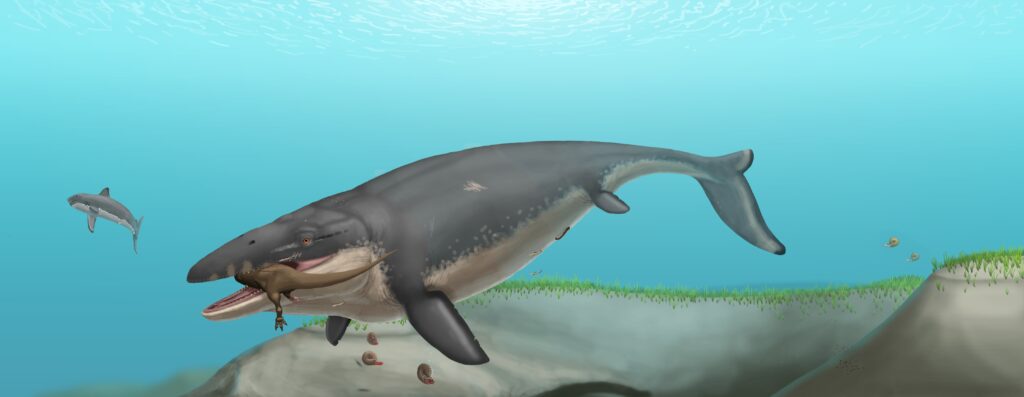
Picture an ocean ruled not by sharks or giant squid, but by colossal, missile-shaped reptiles with jaws like bear traps and tails built for raw speed. That was the world of the mosasaurs. For more than ten million years near the end of the Cretaceous, these marine reptiles dominated the seas in a way that feels almost unfair to everything else trying to survive around them.
Yet mosasaurs are still oddly underrated compared to celebrity dinosaurs like Tyrannosaurus or predator fish like megalodon. Their story is less familiar, but in many ways, it’s even more dramatic: land-dwelling lizards that invaded the ocean and turned into apex super-predators in record evolutionary time. How did they pull this off so completely that they became the undisputed rulers of late Cretaceous seas? Let’s dive into what made mosasaurs the true kings beneath the waves.
From Land Lizards to Ocean Overlords
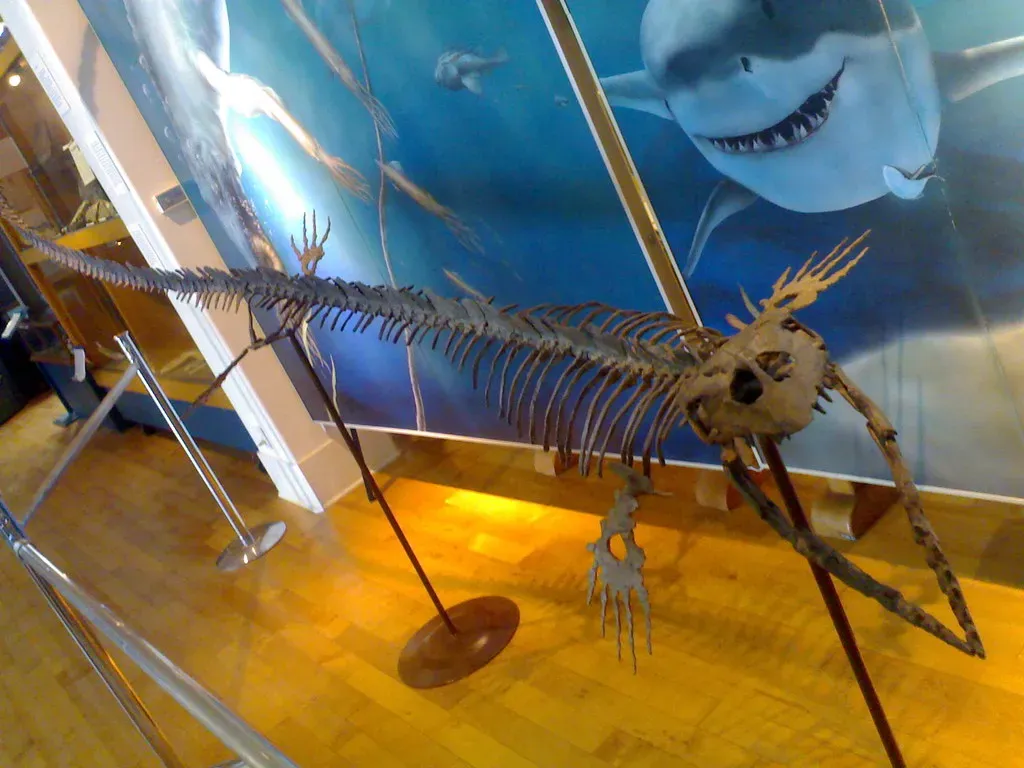
It’s a bit wild to realize that the monarchs of the Cretaceous oceans started out as something closer to giant monitor lizards on land. Early mosasaurs likely evolved from terrestrial or semi-aquatic lizards related to today’s monitor lizards and possibly even the broader group that includes snakes. In evolutionary terms, they went from scrambling around on coastlines to cruising open oceans in a time span that, while still in the millions of years, was remarkably fast for such a dramatic transformation.
Imagine a Komodo dragon deciding the beach is not enough and, over many generations, turning into a streamlined sea monster longer than a bus. That’s the kind of transition we’re talking about. Their limbs reshaped into powerful paddles, their bodies lengthened, their tails evolved from simple extensions into sophisticated swimming engines, and their lungs and metabolism adapted to a life of deep dives and long pursuits. This rapid pivot from land predator to marine apex hunter is one reason mosasaurs stand out; they didn’t just dip a toe in the water, they took over the entire oceanic food chain.
Hydrodynamic Bodies Built for Speed and Power
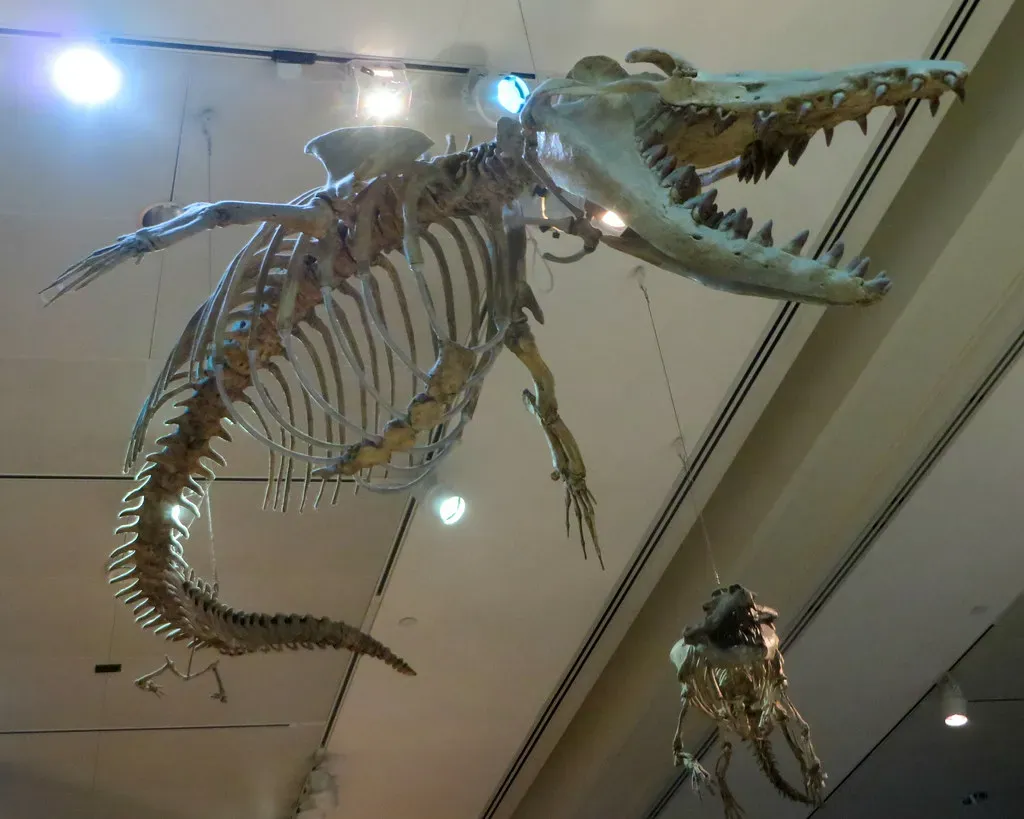
If you look at a reconstructed mosasaur skeleton, the first thing that jumps out is how perfectly it’s built for slicing through water. Early interpretations imagined them as somewhat sluggish, snake-like swimmers, but fossil evidence of their body shape and tail structure points toward surprisingly fast and agile animals. Their bodies were long but not floppy, with a powerful torso and a deep, muscular tail that ended in a vertical fluke somewhat reminiscent of modern sharks or some marine reptiles.
This combination of a stiffened body and a tail-driven propulsion system meant they were not just drifting or ambushing; they could actively chase down prey over distance. Think of them as the sports cars of the Cretaceous seas, translated into reptile form. Instead of relying solely on quick lunges, they could accelerate, maintain speed, and maneuver around obstacles or fleeing prey. This hydrodynamic design allowed mosasaurs to occupy the top predator niche across a vast range of marine environments, from shallow epicontinental seas to deeper offshore waters.
Devastating Jaws and Double-Jointed Skulls
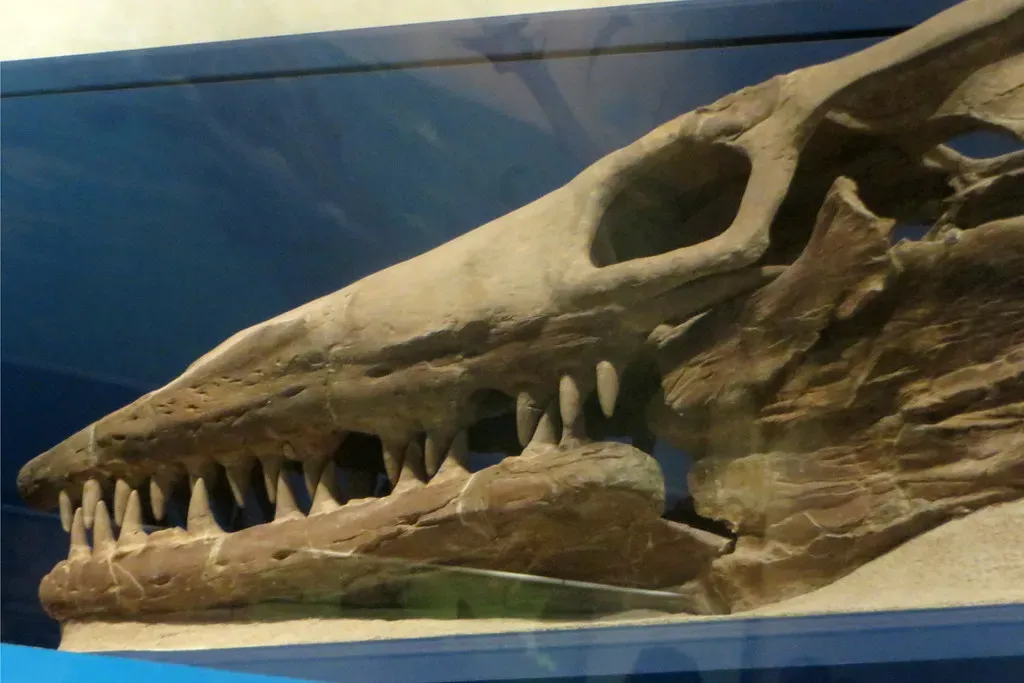
Speed alone doesn’t make a sea king; you also need a weapon that closes the deal. Mosasaurs had that in spades. Their skulls were long, with massive jaws packed with conical or blade-like teeth depending on the species. Many of them had a second row of teeth on the pterygoid bones in the roof of the mouth, which helped grip and draw prey deeper into the throat. That sounds like something out of a horror movie, but it’s a very real anatomical feature that shows just how specialized they were for swallowing slippery, struggling animals.
Their skulls were also highly kinetic, meaning the bones could move relative to each other in ways that allowed the jaws to open wide and manipulate large prey. Some species could probably disarticulate parts of the skull slightly, a bit like modern snakes, to handle prey items that were wider than their own heads. Add in extremely strong neck muscles and jaw-closing power, and you get a predator that could bite into armored turtles, large fish, and even other marine reptiles. In a world full of dangerous, well-defended animals, mosasaurs carried an all-purpose, brutally efficient eating machine at the front end of their bodies.
Specialized Species for Every Marine Niche
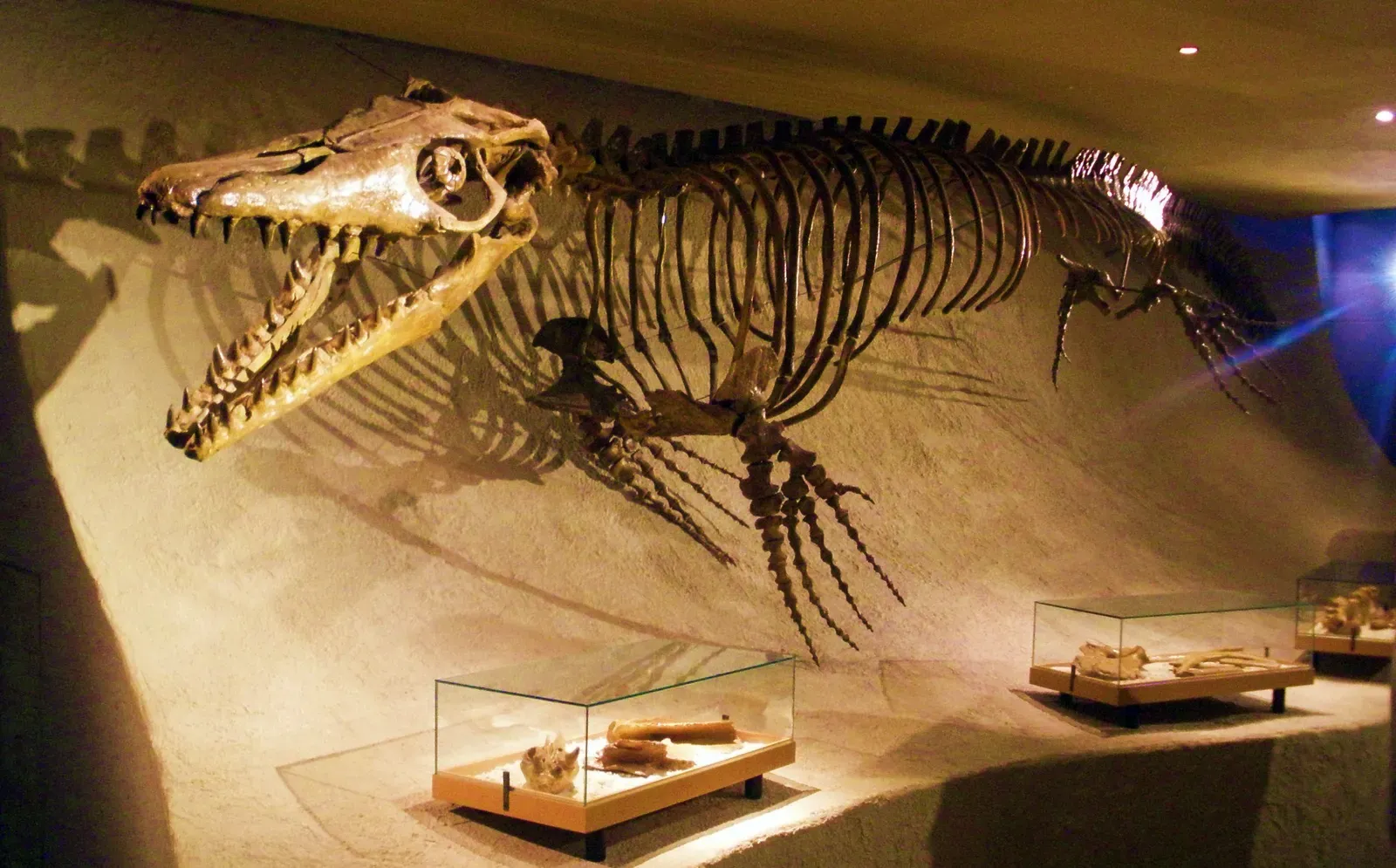
One thing I really love about mosasaurs is that they didn’t remain just one generic sea monster. Over time, they evolved into a whole cast of specialized predators, each tuned to a particular job within the ecosystem. Some species, like the giant Mosasaurus itself, grew enormous and probably hunted big, powerful prey, including other reptiles and large fish. Others, like Platecarpus or Clidastes, stayed more moderate in size and may have focused on fish and smaller cephalopods.
There were even mosasaurs with heavily rounded, crushing teeth adapted for smashing shells, suggesting they targeted ammonites and other armored marine invertebrates. This level of diversification matters because it meant mosasaurs did not just hold one top spot; they occupied multiple “top spots” in different environments and food webs. Instead of one king, you had a royal family of specialist rulers spread across coastlines, mid-ocean, shallow shelves, and deeper basins. That kind of ecological reach is exactly what you’d expect from animals that truly dominated their world.
Sensory Advantages and Hunting Strategies
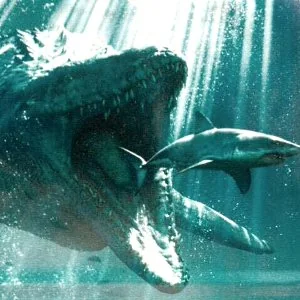
Fossils do not preserve behavior directly, but they leave enough clues to make some educated inferences about how mosasaurs hunted. Their large eye sockets and sclerotic rings point toward good vision, likely valuable in relatively clear Cretaceous seas. Some skulls show adaptations that suggest strong head and neck control, useful for sudden lunges and precise strikes. Combined with their speed and maneuverability, mosasaurs were probably capable of both active pursuit and well-timed ambush, depending on the habitat and the target.
There are also hints that some species may have been able to sense vibrations or pressure changes in the water, perhaps through specialized scales or soft tissue structures that do not fossilize well but are suggested by skeletal arrangements. Even without nailing down every detail, the big picture is clear: mosasaurs were not clumsy brutes. They were refined hunters, using a toolkit of speed, vision, and powerful jaws to track, chase, and subdue prey. If you dropped a modern great white shark into a mosasaur’s world, it would suddenly have serious competition and might not like the outcome.
Global Distribution and Ecological Dominance
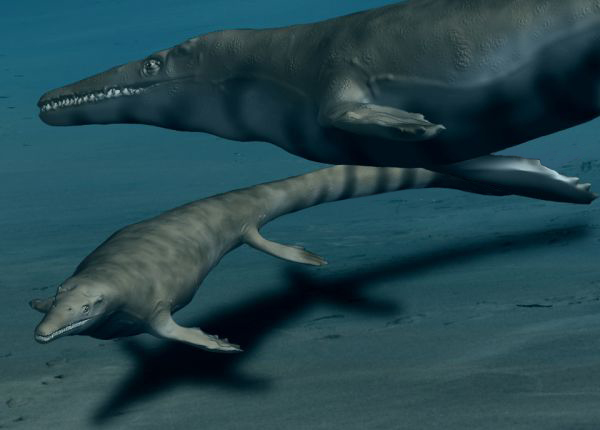
Another reason mosasaurs deserve the title of true sea kings is that they did not just dominate a small corner of the map. Their fossils have been found on every continent, including places that were separated by entire oceans in the late Cretaceous. They occupied vast inland seas, like the Western Interior Seaway that once split North America, as well as open marine environments closer to the deep ocean. That kind of spread is a classic sign that an animal group has truly mastered its lifestyle.
On top of that, their remains show up not just occasionally, but frequently and in a wide variety of rock layers and settings. They appear alongside the bones of prey animals they clearly fed on, and in some cases even with stomach contents preserved, confirming their role as apex predators. In many late Cretaceous marine ecosystems, whenever you scan the fossil record for the top carnivore, mosasaurs are the ones you keep bumping into. That consistency across time and geography is exactly what ecological dominance looks like when viewed through the lens of deep time.
The Sudden End: Why Kings Still Fall
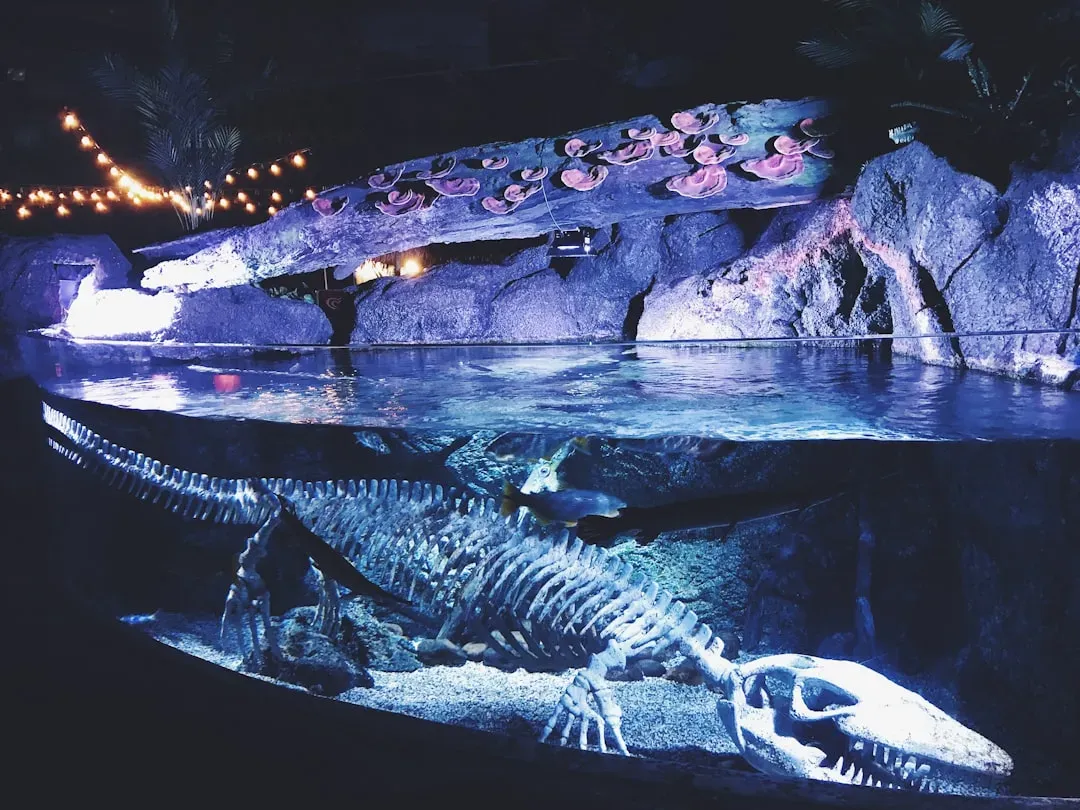
For all their power, mosasaurs were not invincible. Their reign was brutally cut short around sixty-six million years ago during the same mass extinction event that wiped out non-avian dinosaurs. When a massive asteroid impact and associated environmental shocks hit the planet, marine food webs collapsed from the bottom up. Animals like mosasaurs, which depended on large, abundant prey and had high energy demands, could not easily ride out that kind of disruption.
In a way, their very success contributed to their vulnerability. Being at the top of a complex food chain is incredible when that chain is stable, but it is a terrible place to be when everything underneath you suddenly falls apart. Smaller, more generalist animals with flexible diets and lower energy needs had a better shot at survival. Mosasaurs simply existed in the wrong kind of body at the wrong moment in geological history. Their fall is a reminder that even the most dominant rulers of an ecosystem are still at the mercy of planetary-scale changes they can’t possibly adapt to in time.
Conclusion: The Overlooked Monarchs of Prehistoric Oceans
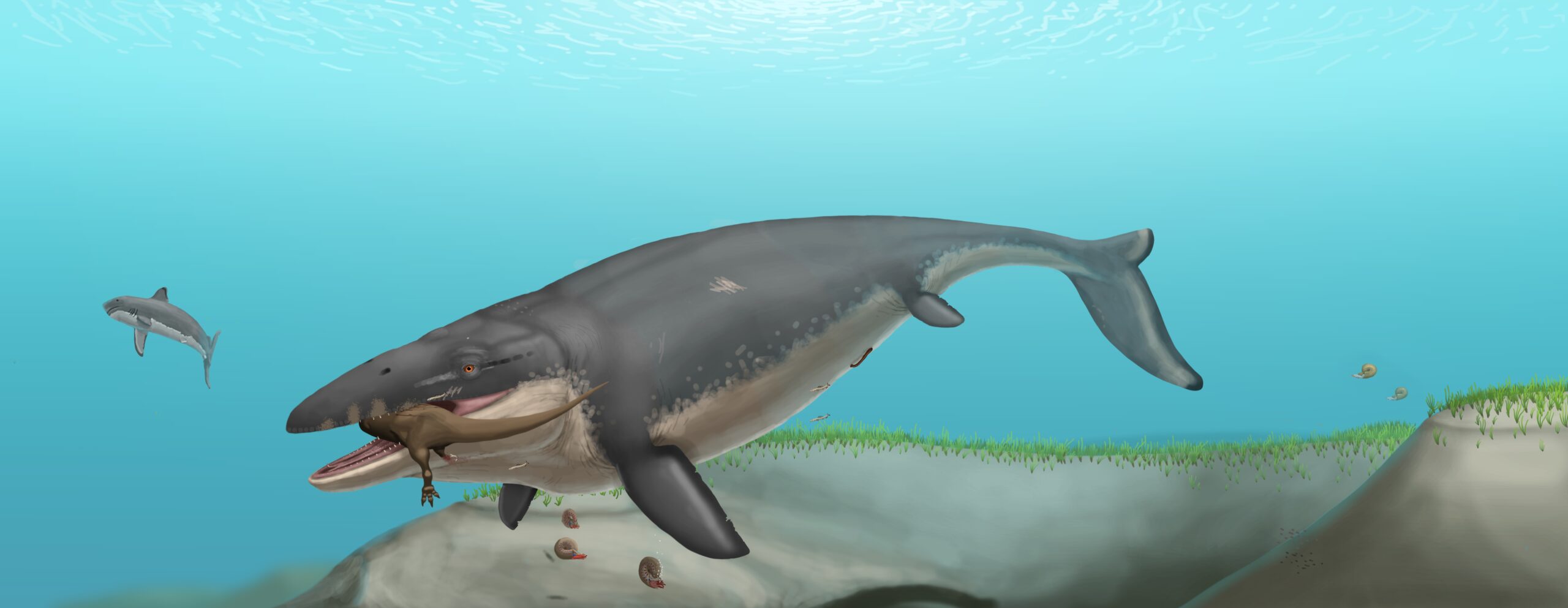
When you line up all the evidence, it is hard not to see mosasaurs as . They were not just big; they were fast, specialized, and widespread, with engineering-level body designs and weaponized jaws that let them take control of almost every marine niche worth having. Compared to them, many other famous prehistoric predators start to look like local bullies rather than global monarchs. In my view, they have been unfairly overshadowed in the popular imagination simply because they did not stomp around on land like Tyrannosaurus or star in as many movies.
To me, that underdog status makes them even more compelling. Mosasaurs show how quickly evolution can turn a fairly ordinary lineage of lizards into a dynasty of ocean-spanning super-predators, and how even that kind of success can vanish in a geological instant. Next time you think about prehistoric life, it might be worth shifting your mental camera from the forests and plains down into the ancient seas, where these reptiles truly reigned. If you had to choose a time and place in Earth’s history to absolutely not go for a swim, would the mosasaur-filled oceans of the late Cretaceous be near the top of your list?