Imagine standing on a beach where the waves glow blood-red, the air smells of rotten eggs, and the water itself could kill you in a single breath. That might sound like something from a dystopian movie, but scenes like this actually happened on Earth’s ancient oceans. Long before humans existed, our seas went through wild phases that make today’s world look calm and predictable by comparison.
Ancient oceans birthed the first complex life, nearly wiped it out multiple times, and even helped shape the atmosphere we breathe now. The more scientists dig into seafloor rocks and chemical fossils, the stranger the story becomes. Think toxic purple seas, continents buried under ice, and waves that may have towered higher than city skyscrapers. Let’s dive into eight real features of Earth’s ancient oceans that sound so extreme, you’d swear they were science fiction.
1. The Purple, Alien-Looking Oceans Of Early Earth
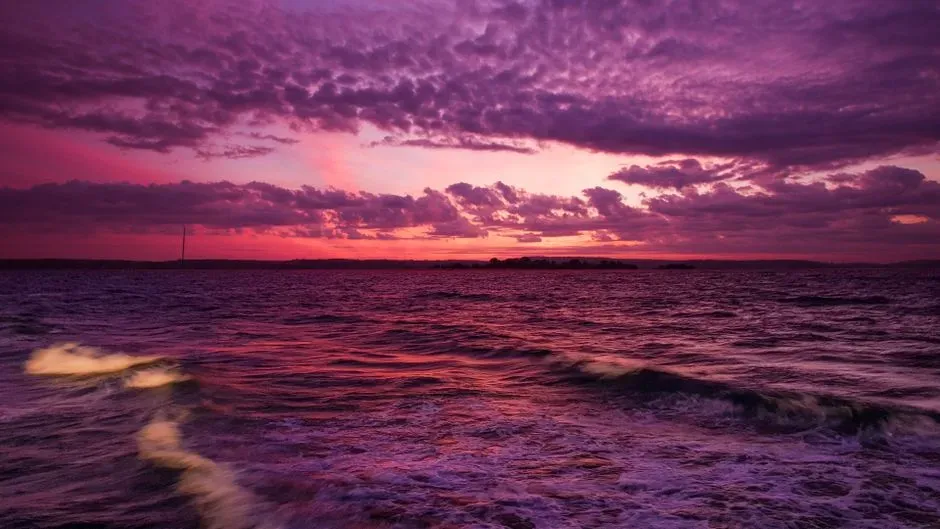
For a huge stretch of early Earth history, the oceans probably did not look blue at all. Instead, some researchers think they may have been dominated by purple-colored microbes that used a different light-harvesting pigment than modern plants. Instead of chlorophyll turning sunlight into energy and giving us green forests and blue-tinged seas, these early organisms may have relied on retinal pigments, which can give water a violet or magenta cast. Picture an entire planet with seas that looked like a sunrise spilled into the water.
These purple oceans would have been hostile to us in almost every way. Oxygen was scarce or absent in many places, so a single lungful of the air above those seas would not have sustained a human. Life then was mostly microbial, clinging to rocks, drifting in the water column, and forming slimy layers on the seafloor. When I first learned this, it completely broke the childhood image I had of “primordial soup” as just a murky gray puddle; instead, it was more like an alien world hiding on our own planet, with chemistry and colors that would look totally out of place to modern eyes.
2. Oceans That Turned Toxic And Ran Out Of Breath
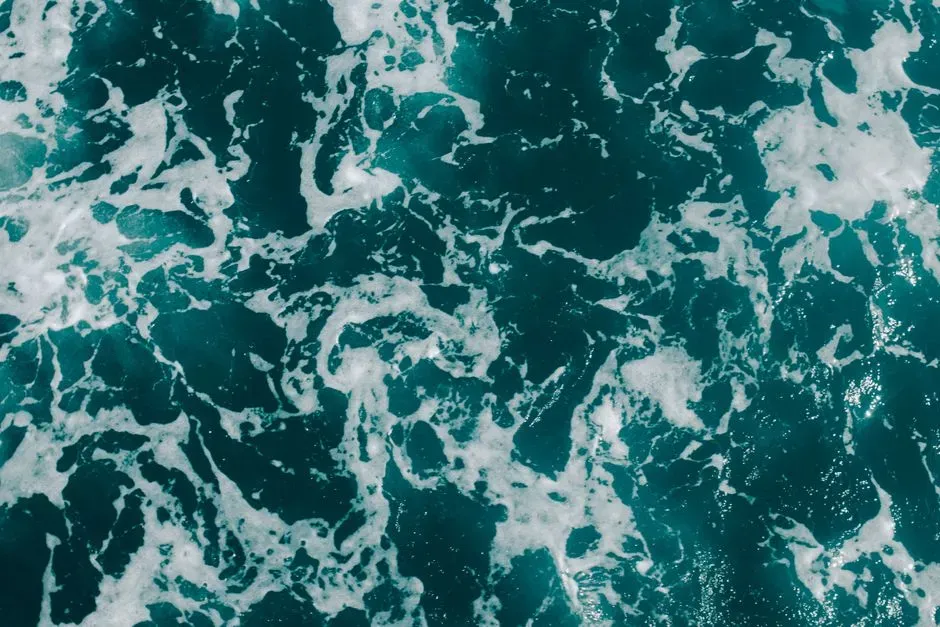
At several points in Earth’s past, the oceans more or less suffocated. These events are called oceanic anoxic events, and they happened when circulation slowed, nutrients surged, and oxygen in huge parts of the sea was used up faster than it could be replaced. Without oxygen, many complex organisms suffocated, while microbes that thrive in low-oxygen or no-oxygen conditions took over. Some of those microbes produced hydrogen sulfide, a poisonous gas that smells like rotten eggs and can be deadly even in small amounts.
Scientists think that during the worst of these episodes, large parts of the oceans may have turned a greenish or brownish color, full of bacteria that modern swimmers would never dare approach. In extreme scenarios, hydrogen sulfide may even have escaped into the atmosphere, damaging life on land and contributing to mass extinctions. When you hear that a wave of invisible gas from the ocean might have helped wipe out a huge fraction of species, it sounds like something from a disaster novel. Yet it is our own geological record, not imagination, that hints at just how close the oceans have come to becoming death traps.
3. A World Where Ice Reached The Equator, Yet The Oceans Kept Life Alive
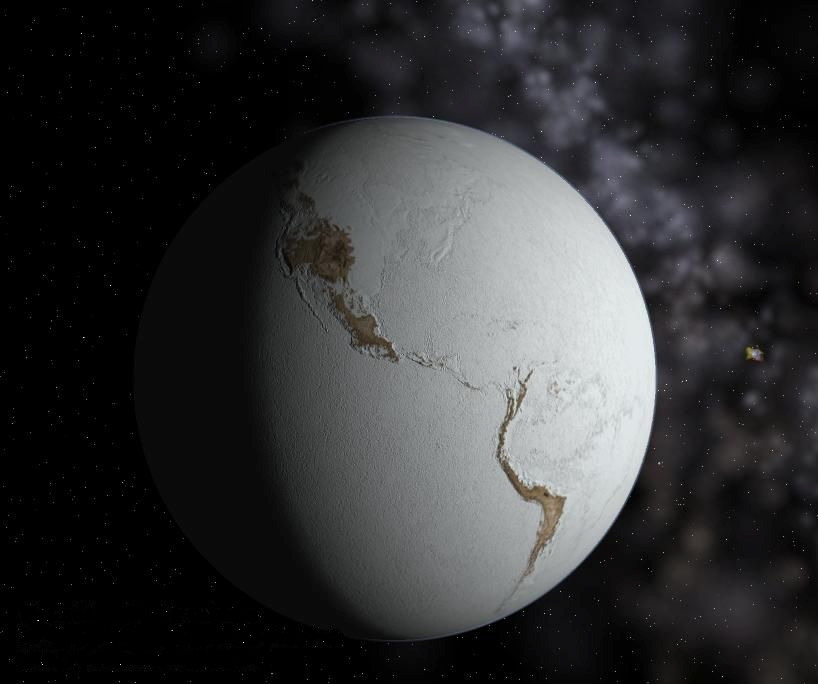
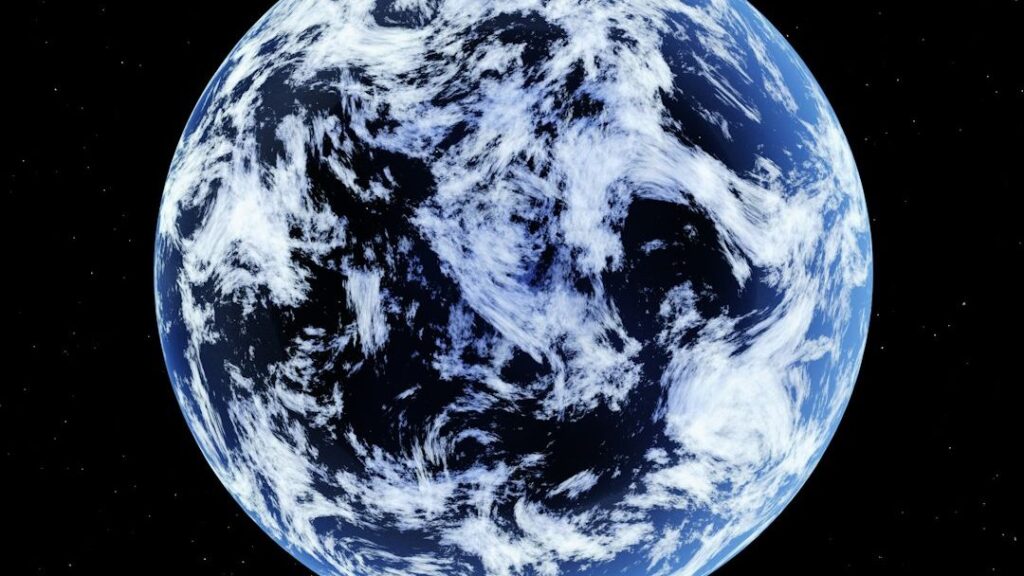
During so-called Snowball Earth episodes, ice sheets may have extended almost to the equator, turning the planet into a white, glinting marble in space. At first glance, that sounds like a total death sentence for ocean life, as if the seas would freeze solid and everything would be locked away forever. But the evidence suggests a subtler, weirder reality: even in these icy ages, the oceans probably maintained thin regions of open water, cracks in the sea ice, or liquid water below insulating ice that allowed life to hang on. The seas, not the land, were the last refuge in a near-global deep freeze.
This idea feels strangely comforting and eerie at the same time. Life was reduced to what you might imagine as a few dimly lit, briny bunkers under the ice, powered by chemicals from the deep and faint trickles of sunlight above. Then, when volcanic activity pumped enough carbon dioxide into the atmosphere, the ice retreated and the oceans roared back to a more open, vibrant state. In a way, Earth’s ocean acted like a backup drive for life, quietly preserving microbial lineages until the planet was ready to warm up again.
4. Tides And Waves That May Have Towered Like Skyscrapers
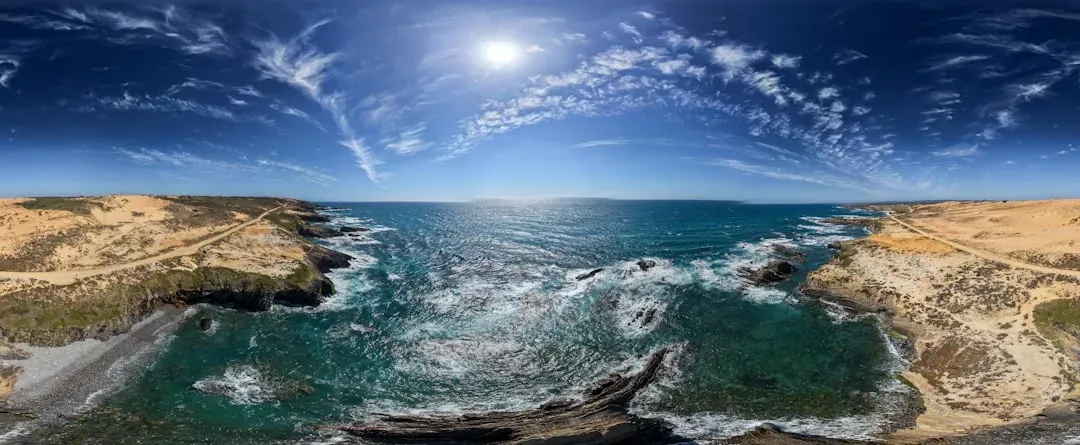
On the early Earth, the Moon was closer than it is today, and that made tides far more extreme. Stronger gravitational pull means higher tides, and on a young, still-shifting planet, that likely translated into dramatic rises and falls of sea level along coastlines. Some models suggest that the difference between high and low tide could have been enormous, dwarfing anything we see in modern tidal hotspots. Now imagine those tides interacting with fierce storms on an Earth still cooling and venting heat from its interior.
If you have ever stood in front of a big storm swell and felt small, picture something far more intense: massive tidal bores racing upriver, and waves that might have crashed against newly forming continental shelves with relentless energy. These conditions would have constantly stirred the shallow seas, mixing nutrients and chemicals in ways that could have helped early life evolve and spread. I like to think of these ancient shorelines as planetary laboratories, where huge, almost theatrical waves kept shaking the beakers over and over until the right biological experiments finally worked.
5. Entire Seas Filled With Microbial Mats And Slime Worlds
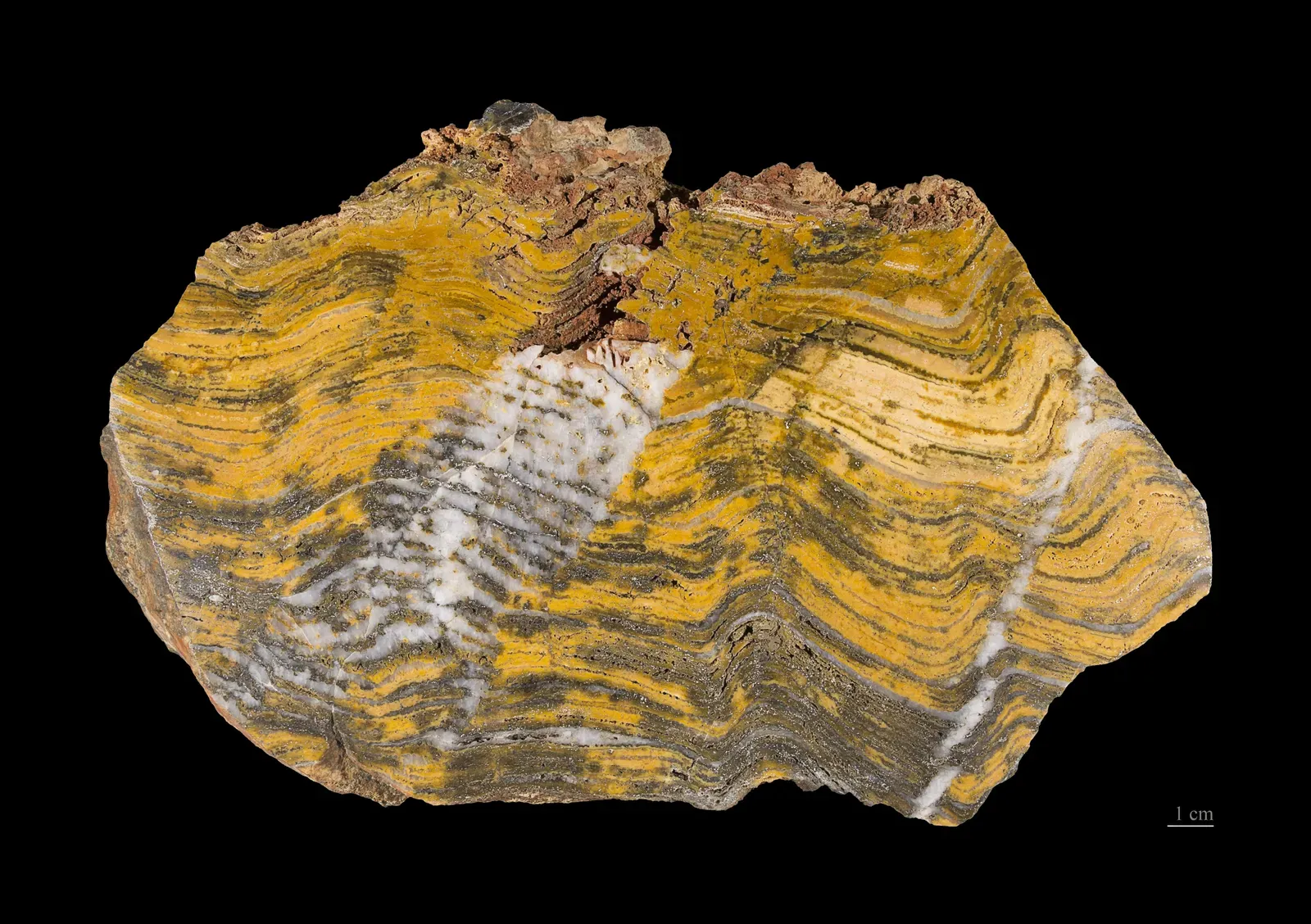
Long before fish, corals, or even simple shells, the seafloor was covered in vast carpets of microbes. These layered communities, known as microbial mats, trapped sediments and built up structures called stromatolites, some of which you can still see in a few rare modern locations. In the ancient oceans, though, these slimy, sheet-like ecosystems were everywhere. Walking across a shallow lagoon, if you somehow could, might have felt like stepping on a thick, rubbery biofilm rather than sand.
From a distance, those ancient seas might have looked calm, but up close they were buzzing with invisible chemical wars and microscopic cooperation. Different layers of microbes would share resources and waste products, creating miniature worlds stacked one on top of another, each tailored to a specific combination of light and chemistry. In a strange way, it reminds me of a crowded city apartment building: on the outside, just one structure, but inside, hundreds of tiny lives playing out completely different stories on every floor.
6. Oceans So Mineral-Rich They Grew “Stone Gardens” On The Seafloor
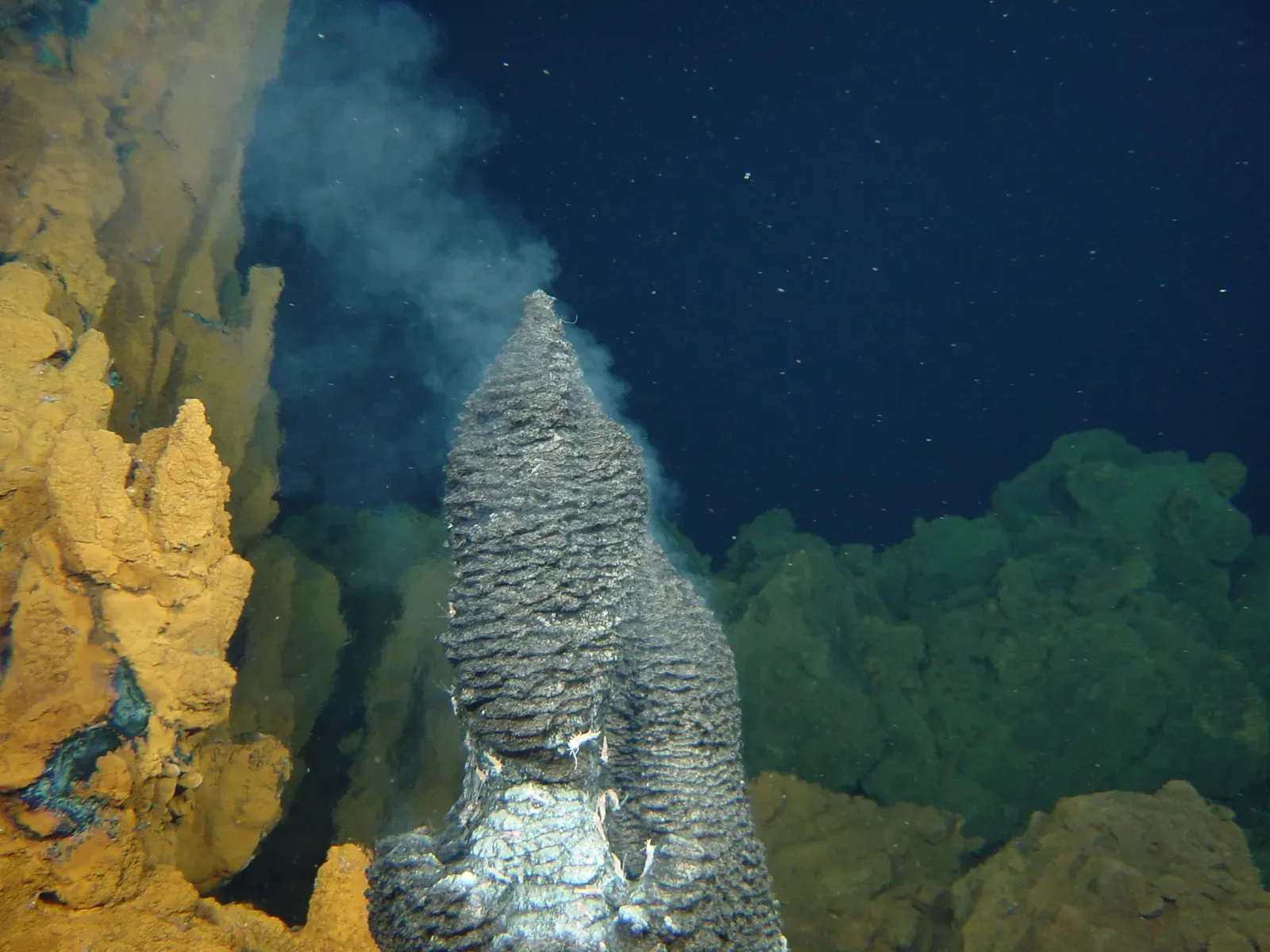
Ancient oceans were often more heavily loaded with dissolved minerals than today’s seas. As chemistry shifted through time, this led to bizarre mineral deposits forming right on or just beneath the seafloor. Think of sprawling “stone gardens” of carbonate mounds, chimneys, and strange layered structures created when hot fluids from beneath the crust met colder seawater. In some places, entire undersea landscapes of rock were literally built by interactions between water, heat, and microbial life feeding on chemical energy.
Modern hydrothermal vents give us a glimpse of this, but in the past, those systems could be even more widespread and intense. Black smokers and white smokers belched out hot, mineral-rich fluids, building chimneys that could tower like underwater skyscrapers. Around them, microbial communities flourished in complete darkness, relying not on sunlight but on chemical reactions. When you realize an entire ecosystem can thrive with no sunlight at all, it suddenly makes the idea of life in the oceans of icy moons like Europa or Enceladus feel a lot less far-fetched.
7. Sudden Oxygen Surges That Turned The Seas Into An Evolutionary Pressure Cooker
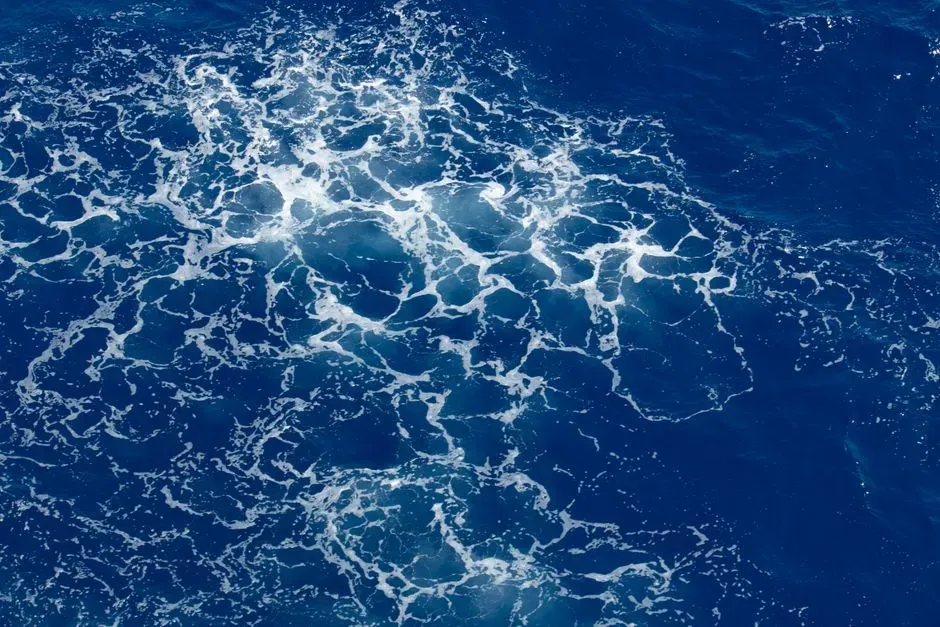
For a long time, Earth’s atmosphere and oceans held very little oxygen. Then, in a series of steps rather than one neat jump, oxygen levels increased and started to flood parts of the seas. These surges did not happen smoothly; they appear to have come in pulses, with oxygen rising in some regions, collapsing in others, and sometimes staying low for ages. Each of these shifts created new winners and losers, forcing organisms to adapt quickly or vanish.
When oxygen levels rose enough, it opened the door for larger, more complex organisms that needed more energy, like the ancestors of animals. Imagine living in a world where, within geological “moments,” the chemical rules of the entire ocean kept changing around you. To me, these oxygen pulses are like the universe repeatedly hitting the reset and upgrade buttons on marine ecosystems, constantly reshaping what was possible. It is no exaggeration to say that our own existence today traces back to those ancient, chaotic experiments with oxygen in the sea.
8. Mass Extinction Oceans That Almost Pressed The Reset Button On Life
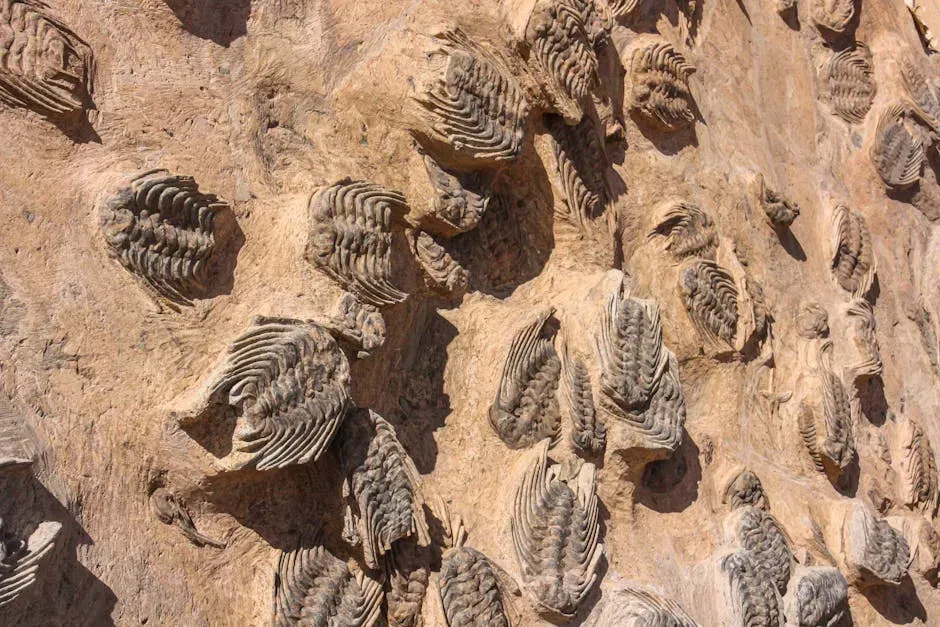
Some of the most terrifying chapters in ocean history are the mass extinctions, when the seas lost a huge portion of their species in geologically short bursts. Triggers varied: massive volcanic eruptions, rapid climate shifts, ocean acidification, and the oxygen crises mentioned earlier. In a few of the worst events, the majority of marine species disappeared, leaving behind ecosystems that looked nothing like what came before. Coral reefs collapsed, complex food webs unraveled, and strange survivors took over empty ecological space.
What makes this feel almost unreal is how many times it has happened, yet life still bounced back in new, often more complex forms. After devastation, the oceans did not just rebuild what they had lost; they innovated. New types of reefs appeared, new predators evolved, and entirely new body plans emerged. I find it both chilling and oddly hopeful that the same oceans that nearly erased complex life multiple times also provided the stage for incredible evolutionary comebacks. It is a reminder that our planet can be brutally unforgiving and wildly creative at the same time.
Conclusion: The Oceans Were Stranger Than Our Imaginations – and Still Are
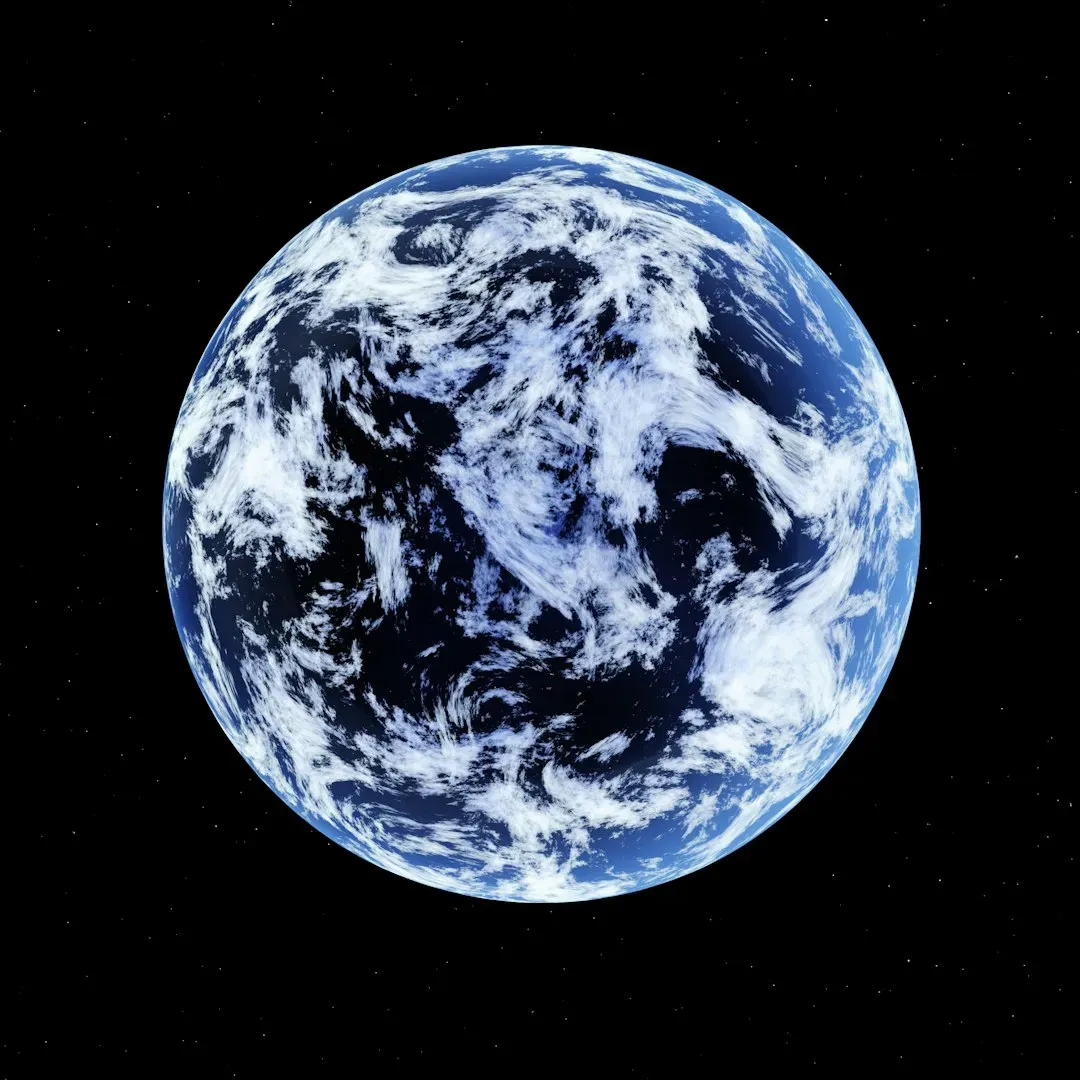
When you put all of this together – purple seas, suffocating waters, planetwide ice lids, skyscraper tides, slime-covered seafloors, stone gardens of minerals, wild oxygen swings, and apocalyptic die-offs – it becomes obvious that our modern oceans are just one tame snapshot in a much stranger story. In my view, we routinely underestimate how alien our own planet has been, maybe because it is uncomfortable to admit how thin and recent our version of “normal” really is. We like to think of Earth as stable and familiar, but the rocks and fossils keep telling us otherwise.
To me, the most provocative part is this: if Earth’s oceans could be that extreme and still cradle life, then our standards for what counts as “habitable” elsewhere in the universe are probably far too narrow. The line between a dead world and a living one may be blurrier than we imagine, drawn not just by calm blue seas but by violent chemistry and brutal change. The ancient oceans were messy, dangerous, and unpredictable – and that chaos may have been exactly what life needed. Knowing that, are you still sure our own time on this planet is the baseline, or could we just be living in one of Earth’s quieter, more ordinary science-fiction chapters?