
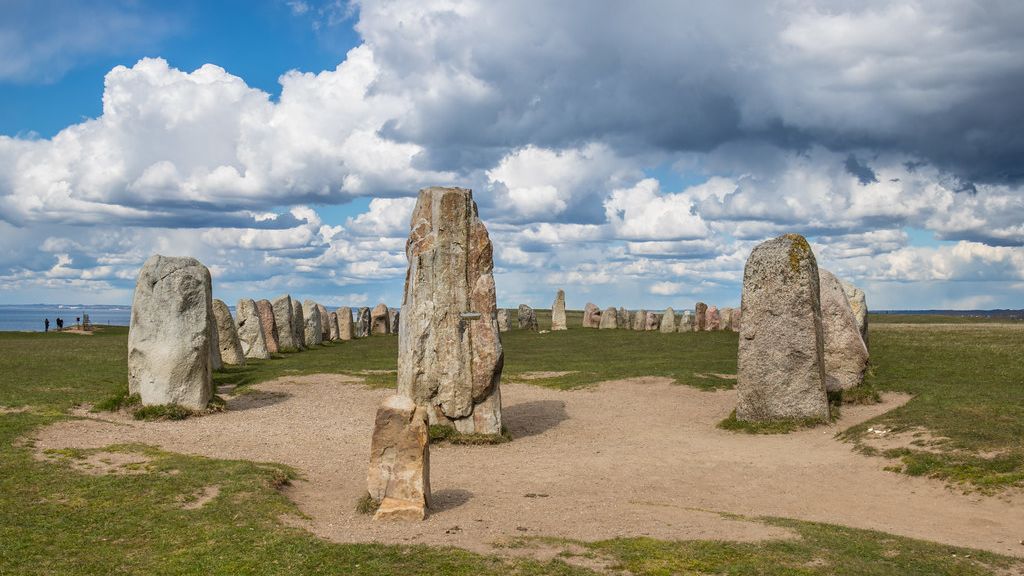
Everyone knows the pyramids. They are on T‑shirts, travel posters, and childhood history books, held up as the ultimate ancient mystery. But here’s the twist: once you start digging into the wider world of megalithic sites, you realize the pyramids might actually be among the more understandable monuments we have. We more or less know who built them, roughly when, and for what purpose. That alone already makes them less baffling than a surprising number of massive stone structures scattered across the planet.
There are places where we cannot even agree on the most basic questions: who made this, what was it for, and how did they pull it off with the tools they had? Some sites are older, some are more precisely aligned, and some are so heavily eroded or re-used that they feel like scrambled messages sent from deep time. In this article, we will walk through nine such megalithic puzzles, compare them to the pyramids, and look at why, in 2026, they still keep archaeologists, astronomers, and curious travelers awake at night.
Göbekli Tepe: A Temple Older Than History Itself
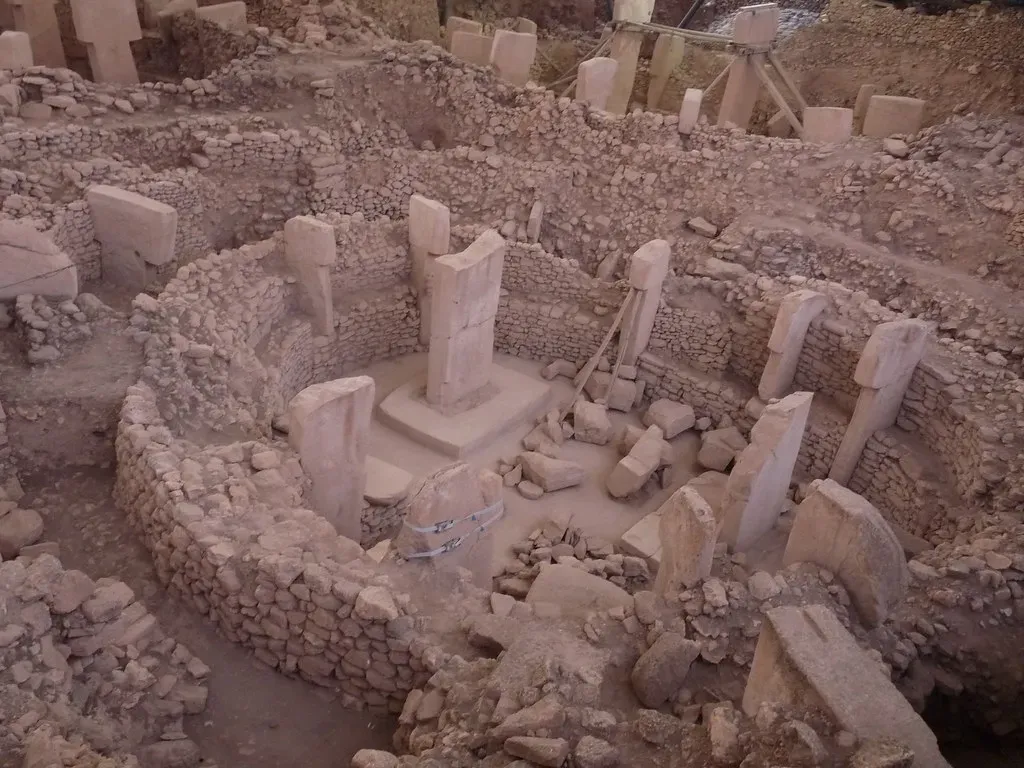
Imagine a stone temple that was already ancient long before the first Egyptian pyramid was even an idea. That is Göbekli Tepe in southeastern Turkey. Dating to roughly eleven to twelve thousand years ago, it predates Stonehenge by about twice as long and the pyramids by many millennia. Whoever built it carved T‑shaped pillars weighing many tons, decorated with reliefs of animals and abstract symbols, at a time when humans were supposedly still living in small bands of hunter‑gatherers.
Here’s why it is : with Giza, we have written records, royal names, and a cultural context that fits into an early state society. With Göbekli Tepe, there’s no writing, no clear burials, and no obvious everyday buildings around it from the same period. The people who made it did not even have pottery yet. Many researchers think it was some kind of ritual or ceremonial complex, but we are basically reconstructing a lost worldview from scattered bones, carved vultures, and a few strange human figures. It is like trying to understand a modern city by only looking at its church spires and graffiti.
Puma Punku and Tiwanaku: Stonework That Defies First Impressions
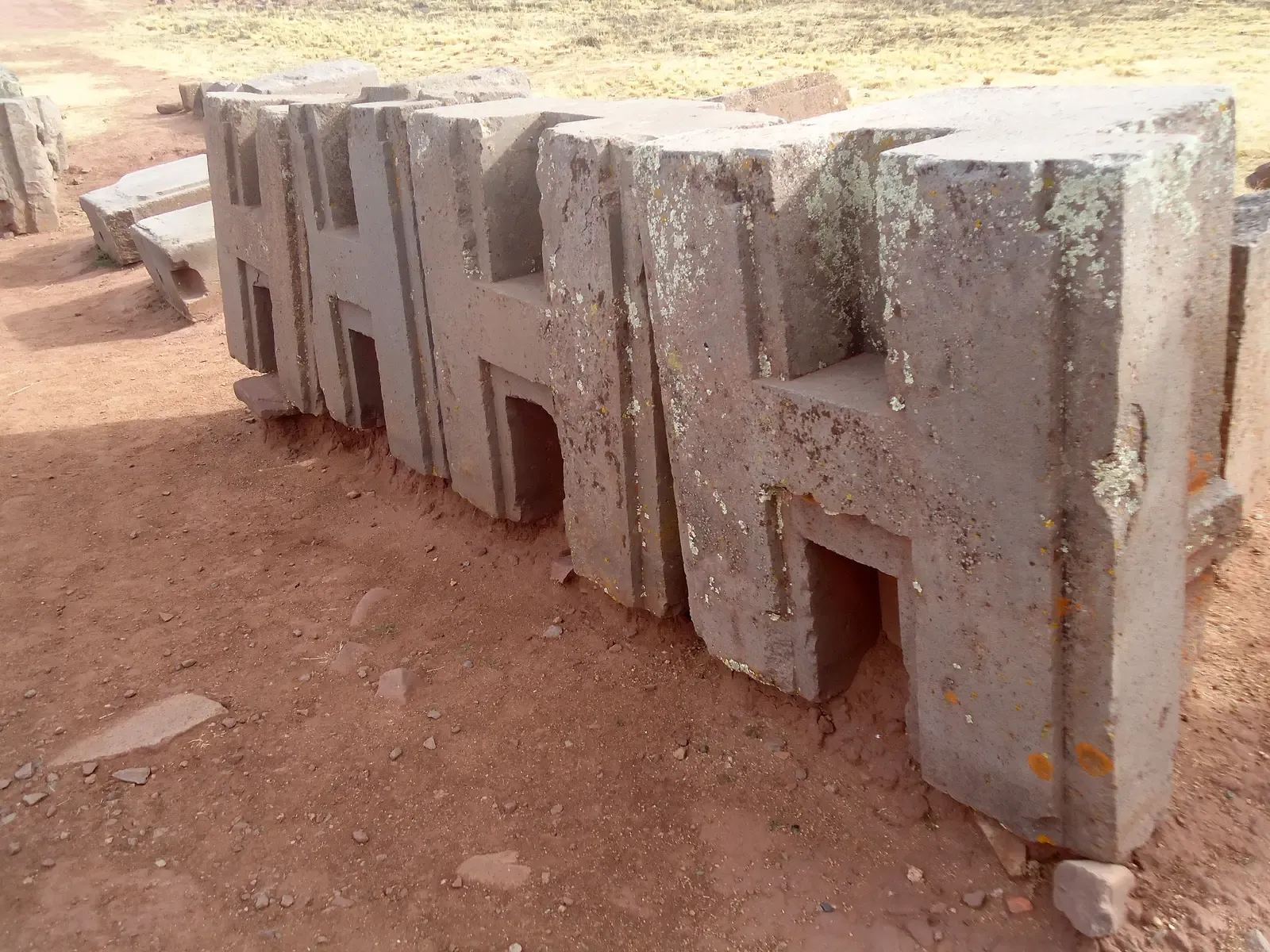
High on the Bolivian altiplano, the temple complex of Tiwanaku and the platform known as Puma Punku have become legends in megalith circles. The site features massive stone blocks, some estimated in the tens of tons, cut with extremely flat faces and crisp angles. Those famous H‑shaped and interlocking blocks look almost like pieces from a stone Lego set. Even if you are skeptical of all the fringe theories, it is hard not to feel a gut‑level “how did they do that?” when you see them up close in photos or in person.
Unlike the pyramids, which sit comfortably inside a well‑documented pharaonic culture, Tiwanaku has no surviving texts from the builders themselves and was already partly ruined when the Inca arrived. Archaeologists are still debating exact construction dates, tool use, quarry logistics, and how much of what we see is finished original work versus partially completed blocks or re‑used elements. The stones were shaped with stone and metal tools, not laser cutters, yet the precision challenges modern assumptions about what pre‑industrial societies were “supposed” to be able to do. That gap between what seems possible and what we know technically happened is where the mystery really lives.
Stonehenge and Its Invisible Landscape
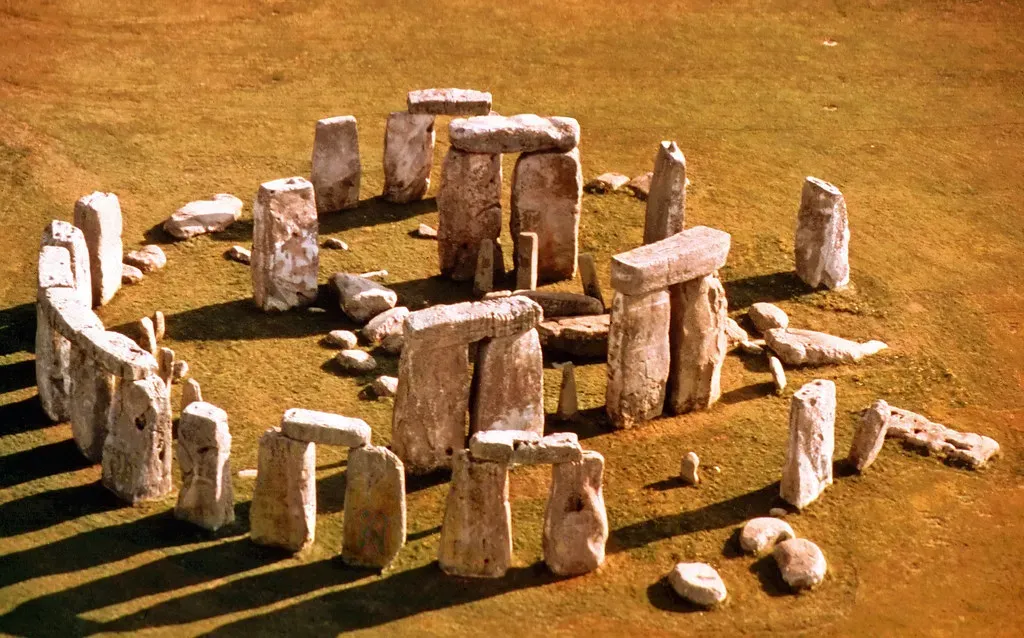
Stonehenge might be the world’s most famous circle of stones, but familiarity has not robbed it of mystery; if anything, research keeps deepening the puzzle. The site in southern England was built and modified over many centuries, with stones transported from dozens of kilometers away, possibly even from Wales. Alignments with the solstices suggest a strong astronomical and ritual function, yet we still do not fully agree on what kind of ceremonies were held there or who exactly was considered important enough to be buried in its shadow.
What makes Stonehenge is how it sits inside a far larger, partially hidden ritual landscape. Surrounding it are burial mounds, timber circles, processional avenues, and other monuments that are only fully visible through modern surveys and ground‑penetrating radar. The pyramids are unquestionably monumental, but they are tied to royal tombs and a recognizable theology. Stonehenge feels more like the central node in a social and spiritual network whose rules we no longer know, like walking into the middle of a video game with all the text removed.
Nabta Playa: A Stone Circle in the Desert Before the Pharaohs
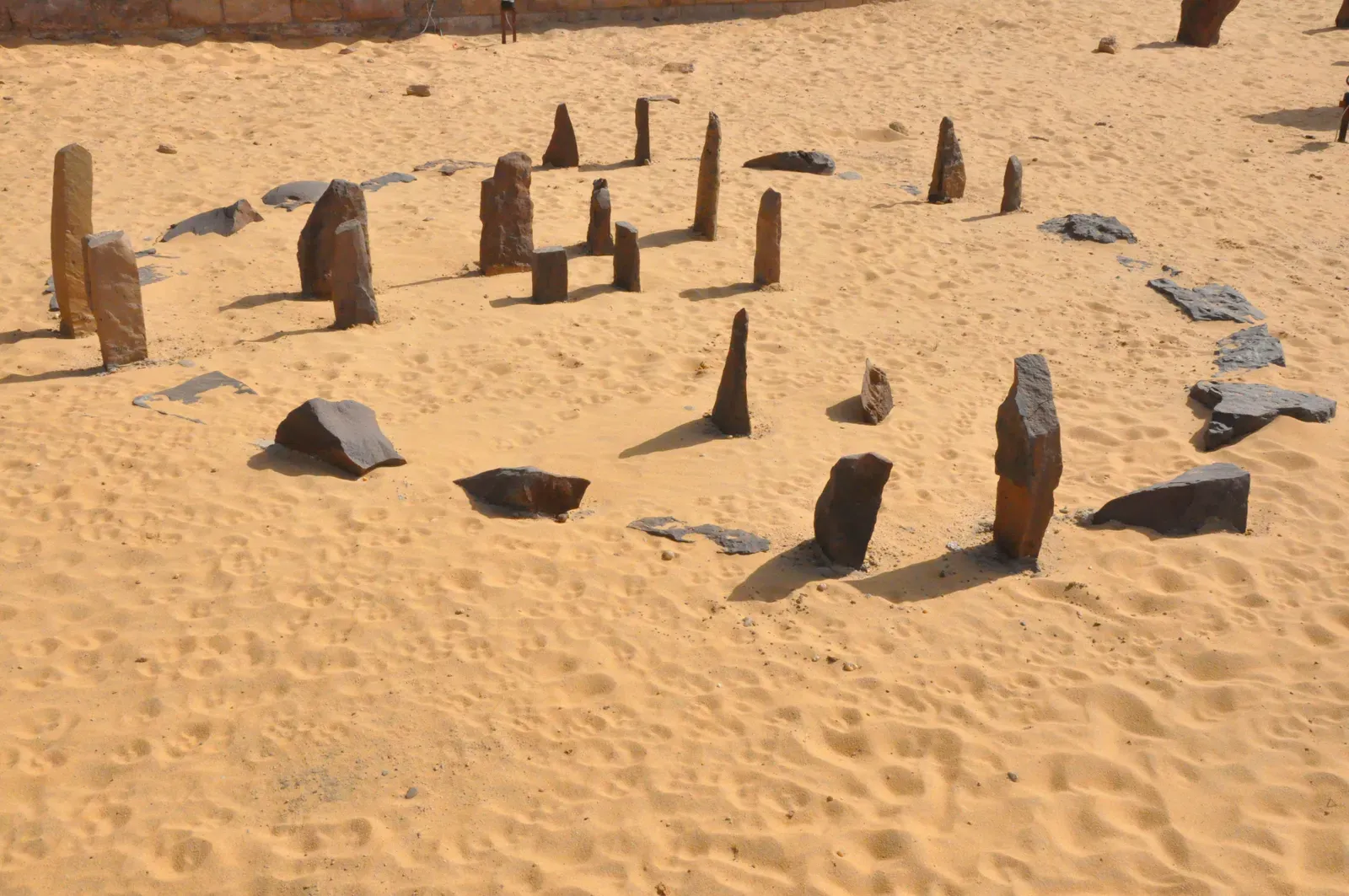
Deep in what is now the Egyptian Sahara lies Nabta Playa, a dried‑up ancient lake bed that once supported pastoral communities long before the first pharaoh ruled along the Nile. Scattered there are megalithic stone circles and alignments that some researchers think mark important stars or solstice events. The dates are shocking to many people: parts of the site go back many thousands of years before the pyramids, suggesting that people living in what was then a greener region of the Sahara may have been among the earliest sky‑watchers to leave stone monuments behind.
We do not yet have a neat story that connects Nabta Playa directly to later Egyptian civilization, and that uncertainty is a big part of its allure. The pyramids, for all their grandeur, fit into a continuous line of religious and political development in the Nile Valley. Nabta Playa feels like a ghost prequel, a hint that complex symbolic behavior and maybe even early forms of astronomy were flourishing in places and times we used to overlook. It raises uncomfortable questions: How many other sites like this were swallowed by the desert, and how much of the pyramid story actually began out there in the dunes?
Sacsayhuamán and the Cyclopean Walls of the Andes
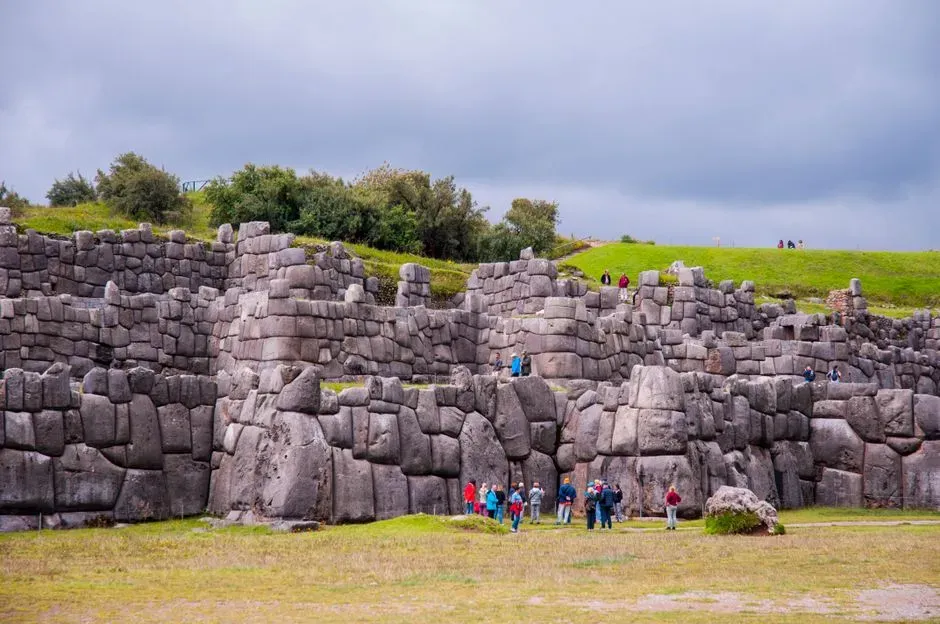
Above the city of Cusco in Peru, the fortress or ceremonial complex of Sacsayhuamán is famous for enormous polygonal stones that interlock like a three‑dimensional puzzle. Some blocks are so large and irregularly shaped that they look as if a giant hand kneaded them into place. Yet they were quarried, moved, and set using human muscle, ramps, rollers, and sheer coordination. The close fit between stones, with almost no gap even after centuries of earthquakes, has fed speculation about unknown technologies, even though experimental archaeology shows that painstaking manual shaping can achieve amazing results.
Compared to the pyramids, where we see more regular courses of blocks and clearer construction ramps in the archaeological record, Sacsayhuamán feels like architecture from an alien aesthetic. There is no mortar, no strict symmetry, and no convenient inscriptions explaining the plan. The Inca loved to express power and sacredness through impossible‑seeming stonework, and this style appears in other Andean sites as well. What remains murky is why this particular complex was organized in such massive zigzagging terraces and how its functions as a fortress, temple, and symbol of imperial authority were balanced. It is like seeing the outer walls of a lost operating system without ever booting it up.
Newgrange and the Dark Magic of Astronomy and Light
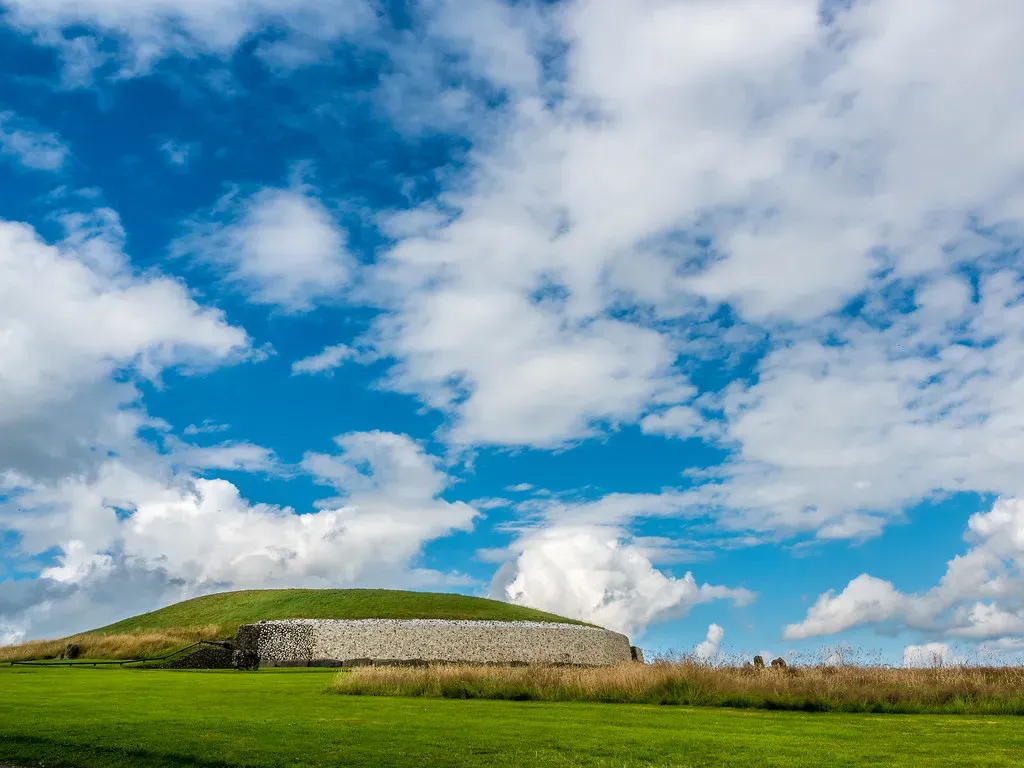
In Ireland, the passage tomb of Newgrange predates the pyramids by many centuries and hides one of the most haunting alignments of any ancient site. Once a year, around the winter solstice, a beam of rising sun enters a specially designed roof box over the entrance and slowly creeps along the stone passage to light up the inner chamber. This happens for only a short window of days each year, and even a small change in construction would ruin the effect. That level of astronomical planning in a Stone Age monument raises the hairs on your neck when you think about it in terms of observation time, social organization, and shared belief.
Unlike Giza, which has clear royal burials and inscriptions that anchor its meaning in ideas of afterlife and kingship, Newgrange has no written explanation. What sort of myth or ritual unfolded when light poured into that chamber? Was this a symbolic rebirth of the sun, a time to honor ancestors, or something that does not map neatly onto any modern concept? The site is part of a wider complex of passage tombs and standing stones, hinting at a sophisticated ritual tradition across the region. Yet without texts, every interpretation remains a carefully argued guess, and that thin line between evidence and imagination is where its mystery thrives.
Ba’albek: The Trilithon and the Limits of Engineering
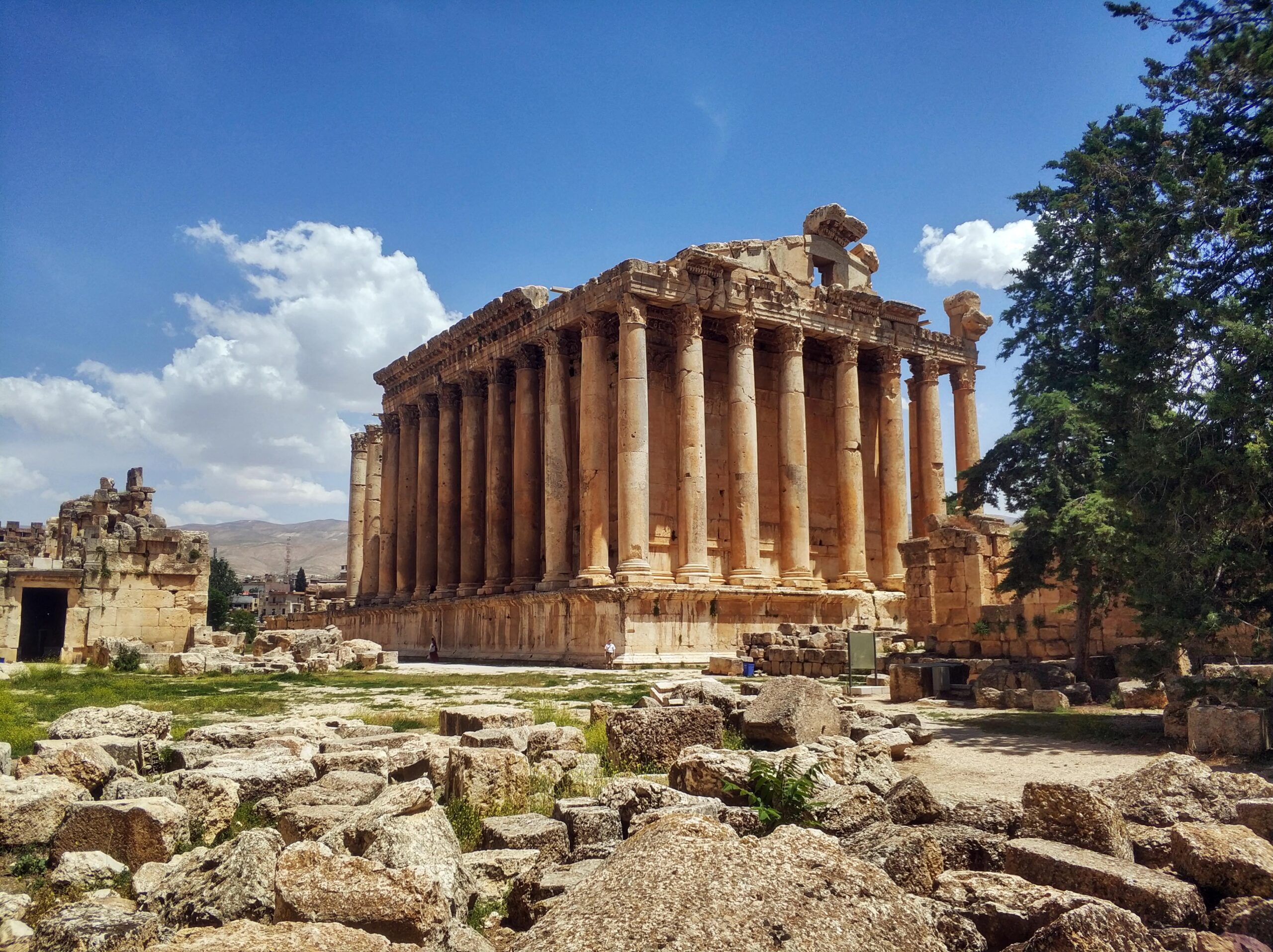
The site of Ba’albek in modern Lebanon features one of the most jaw‑dropping engineering puzzles in the ancient world: the so‑called Trilithon, three massive stone blocks in a temple podium, each estimated to weigh hundreds of tons. Nearby quarries contain even larger stones, some apparently left in place and only partially detached. The fact that ancient builders could move and position such blocks at all, with no cranes or engines as we know them, pushes our intuitions about what is physically possible when a society commits enough time, manpower, and ingenuity.
With the pyramids, the consensus model of sledges, ramps, and coordinated labor, while still debated in details, is fairly well fleshed out. At Ba’albek, many key questions are still wide open: which phases of the site belong to pre‑Roman, Roman, or later construction; what exact sequences of building and reconstruction took place; and why such enormous stones were chosen when smaller blocks would have been easier to manage. Some researchers argue that our awe comes more from underestimating ancient logistics than from any true impossibility, but even that admission reveals how incomplete our picture remains. The sheer scale and ambiguity make Ba’albek feel less like a solved puzzle and more like a riddle written in stone.
Yonaguni and the Blurred Line Between Nature and Culture
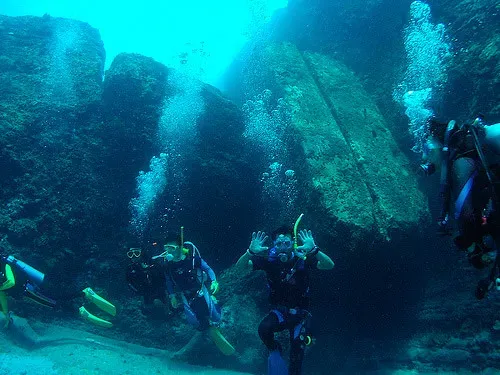
Off the coast of Yonaguni Island in Japan lies a submerged rock formation that has become one of the most controversial “megalithic” sites of the last few decades. Divers discovered terraces, steps, and seemingly geometric features beneath the waves, sparking arguments about whether this is a natural sandstone formation sculpted by currents and fractures, or the heavily eroded remains of a man‑made structure from a time when sea levels were lower. The debate is intense because the implications are big: if it were man‑made and very ancient, it might suggest an unknown complex coastal culture lost to rising seas.
Unlike the pyramids, where nobody questions that humans intentionally shaped and stacked the stones, Yonaguni sits right on the border of what we can confidently label as deliberate. Some geologists emphasize natural processes, while some divers and independent researchers see patterns they interpret as staircases, plazas, and monuments. Photographs and videos look compelling until you remember how easily the human brain finds faces in clouds and animals in random stains. Yonaguni forces us to confront our own pattern‑seeking tendencies and illustrates how, in archaeology, mystery often flourishes not only in what we do not know, but in what we are desperate to see.
Rapa Nui’s Moai: Silent Statues and a Fragile World
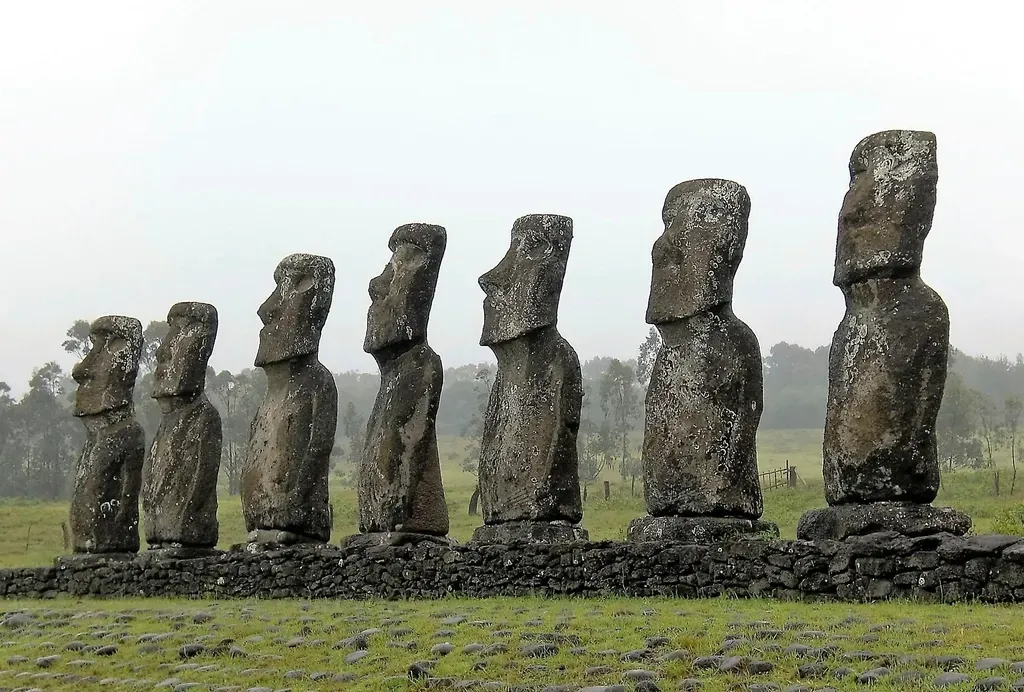
Easter Island, or Rapa Nui, is famous for its moai: huge carved stone heads and torsos standing on platforms called ahu, scattered across a remote Pacific island. We know the island was settled by Polynesian navigators who accomplished truly astonishing feats of open‑ocean travel in canoes. We also know the moai were carved, transported, and raised over several centuries as part of a complex social and religious system. But when you stand back and look at a whole coastline lined with looming statues, the emotional effect is hard to translate into dry academic language.
The pyramids tell a story of centralized power and monumental death cults in a fertile river valley. The moai tell a story about an isolated community pushing its environment and social order to their limits. Debates still rage about the exact role of resource depletion, deforestation, internal conflict, and European contact in the island’s later history. The statues themselves, half‑finished in quarries or toppled in past struggles, feel like messages left by people who were trying to hold their world together as it changed faster than they could adapt. That human vulnerability, carved into stone expressions that never speak, is its own kind of deep mystery.
Conclusion: Why These Stones Still Haunt Us
When people say the pyramids are the greatest mystery of the ancient world, I think they are mostly reacting to their scale and iconic status, not to the actual state of our knowledge. In reality, a lot about Giza is surprisingly well understood compared with places like Göbekli Tepe, Nabta Playa, Ba’albek, or Yonaguni. Those sites are more mysterious precisely because their stories have missing chapters: no clear builders’ names, no surviving texts, patchy archaeology, or ambiguous origins. They occupy the frustrating, fascinating space between what we can responsibly say and what we are tempted to imagine.
To me, that is the real beauty of megalithic sites. They show that human beings, thousands of years ago, were already organizing, dreaming, arguing, and building in ways that do not always fit our tidy narratives about “progress.” They remind us that we are not the first people to stare at the sky, move impossible stones, and try to make meaning at a massive scale. And they quietly push back against easy answers: not everything reduces to a single theory, a secret technology, or a grand conspiracy. In the end, maybe the greatest mystery is not how they did it, but why we still feel such a powerful pull toward these silent stones. When you think of ancient genius and forgotten worlds now, would you still put the pyramids at the top of the list?