
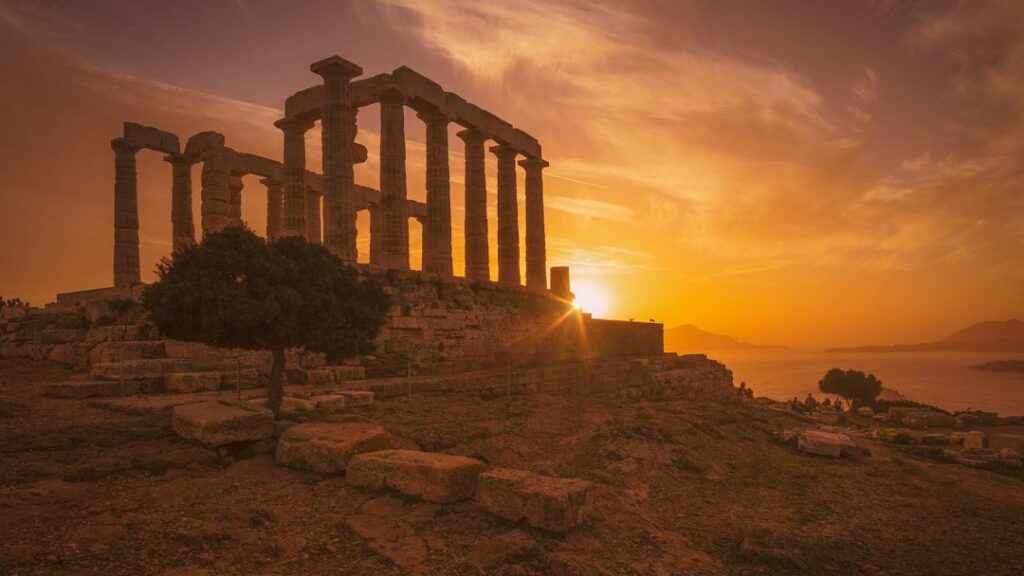
I still remember standing in front of a cracked Roman column for the first time and feeling something almost irrational: a mix of nostalgia and longing for a world I clearly never knew. You might have felt something similar watching a historical drama, scrolling past ruins on Instagram, or listening to music that tries to sound “ancient” and mysterious. It is strange if you think about it: we miss worlds we never lived in, feel homesick for eras we would probably struggle to survive in, and idealize people who had no antibiotics, no internet, and very few rights if they were not wealthy men.
This longing is not just random daydreaming; it sits at the crossroads of psychology, culture, and storytelling. We romanticize ancient Egypt, classical Greece, feudal Japan, the Maya, or medieval Europe in strangely similar ways, often smoothing out the brutality and amplifying the beauty. Underneath the golden lighting and slow-motion battles, there is a deeper question: what exactly are we chasing when we imagine those lost worlds? Let’s unpack why the past, especially the very distant past, can feel more magical than the messy present we actually inhabit.
The Psychology of Nostalgia for a Time We Never Lived In
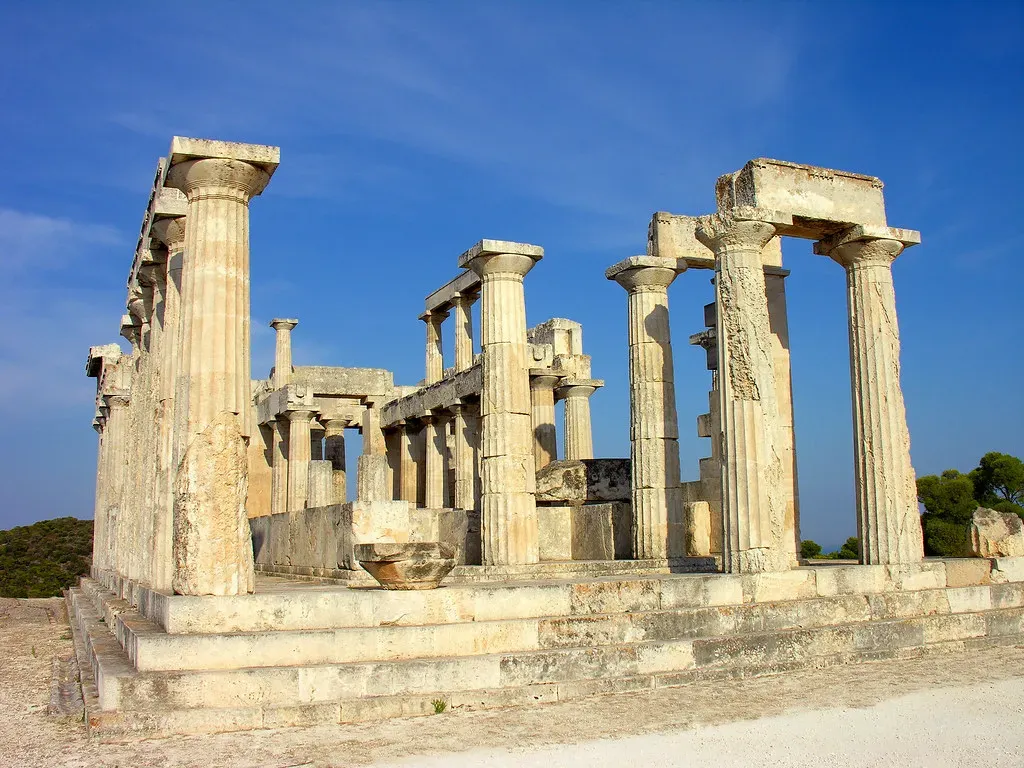
One of the strangest things about our minds is how easily they can feel nostalgic for things that never happened to us. Psychologists sometimes talk about “vicarious nostalgia,” where people feel attached to an era only through stories, movies, or family tales. Instead of remembering our own childhood, we remember a collective fantasy of the past that culture keeps replaying. The emotional signal is similar: a bittersweet, warm ache that suggests something valuable has been lost, even if it was never ours in the first place.
When life feels uncertain or fast-paced, our brains love anything that feels simpler and more ordered, even if that simplicity is just an illusion. Imagining an ancient world gives us a sense of clarity: roles seem fixed, meaning seems built into the structure of society, and life appears to follow a grand script instead of a chaotic feed. In a way, romanticizing the past is an emotional coping tool, like a mental comfort blanket; it lets us project our desire for stability and meaning onto a time far enough away that it cannot contradict us.
Selective Memory and the Filters of Storytelling
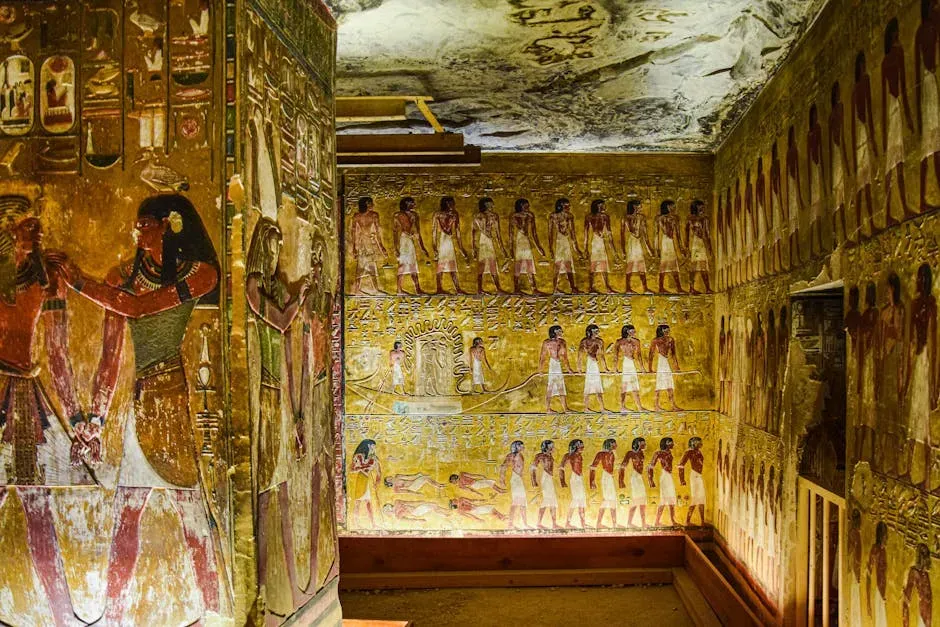
Every time we consume a story set in an ancient world, we are seeing it through a thick set of filters. Filmmakers cut out the boring days, historians emphasize key turning points, and museums highlight the most beautiful artifacts that survived. We rarely see the endless, grinding routine, the smells, the infections, or the uncomfortable bits that were just as real as the marble temples. Our sense of the past is curated, like a carefully edited social media feed that only shows the highlights and none of the mess behind the camera.
Over time, this selective storytelling builds a version of the past that is emotionally optimized rather than historically accurate. We keep the moonlit rituals, the heroic speeches, the elegant clothing, and the grand philosophies, while pushing aside sewage, famines, inequality, and boredom. The result is a powerful emotional illusion: an ancient world bathed in soft light, where every symbol seems to matter and every life has a poetic arc. It is not that the beauty never existed; it is that we quietly remove everything that would ruin the mood.
Yearning for Simpler Narratives in a Complex World

Modern life bombards us with contradictions: we can be connected to thousands of people and still feel lonely, we can have more choices than ever and still feel trapped. Against that background, the idea of an ancient world where life paths were clear can sound weirdly appealing, even if those paths were brutally limiting. In many of the stories we tell about the past, people grow up, follow a role, and fulfill a destiny, and that straight line feels easier to process than the tangled webs we navigate today.
We also romanticize ancient moral frameworks as if they were less confusing than our own. There is something tempting about imagining a world where honor, duty, or piety clearly tell you what to do, instead of wrestling with endless debates and perspectives. Of course, the real past was not that straightforward, but our stories flatten those complexities. When we crave clarity and coherence, we often project them backward in time, turning ancient worlds into narrative safe havens where the rules feel easier to understand, even if they were harsh.
The Aesthetic Allure of Ruins, Symbols, and Ancient Art
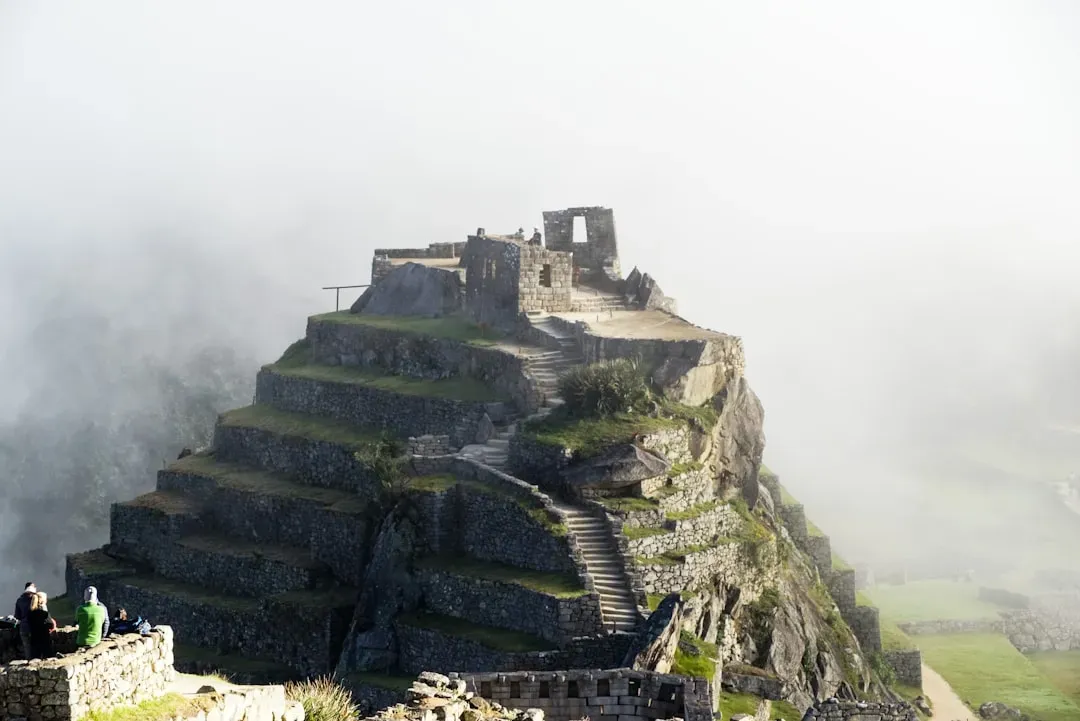
There is a raw, almost physical appeal to ancient architecture, pottery, sculptures, and writing systems that has nothing to do with plot or politics. Standing in a ruined temple or looking at an old tablet can feel like touching the edge of a vanished universe. The wear and erosion themselves become part of the charm: cracks, faded paint, and missing pieces invite your imagination to fill in the gaps. Ruins are perfect for romanticizing because they are unfinished sentences; you get just enough detail to feel something, but not enough to be pinned down by facts.
Ancient art and symbols also let us project our own meanings onto them. A carved goddess, a mysterious pattern, or a fragment of poem can feel like a message designed just for us, even though it came from a world with completely different assumptions and concerns. The distance in time creates a kind of aesthetic echo chamber: we see what resonates with us and quietly ignore what does not. That is why the same statue can feel spiritual to one person, political to another, and purely decorative to someone else, all while coming from a culture that might have thought about it in a totally different way.
Escaping Modern Anxiety by Moving Backward in Time
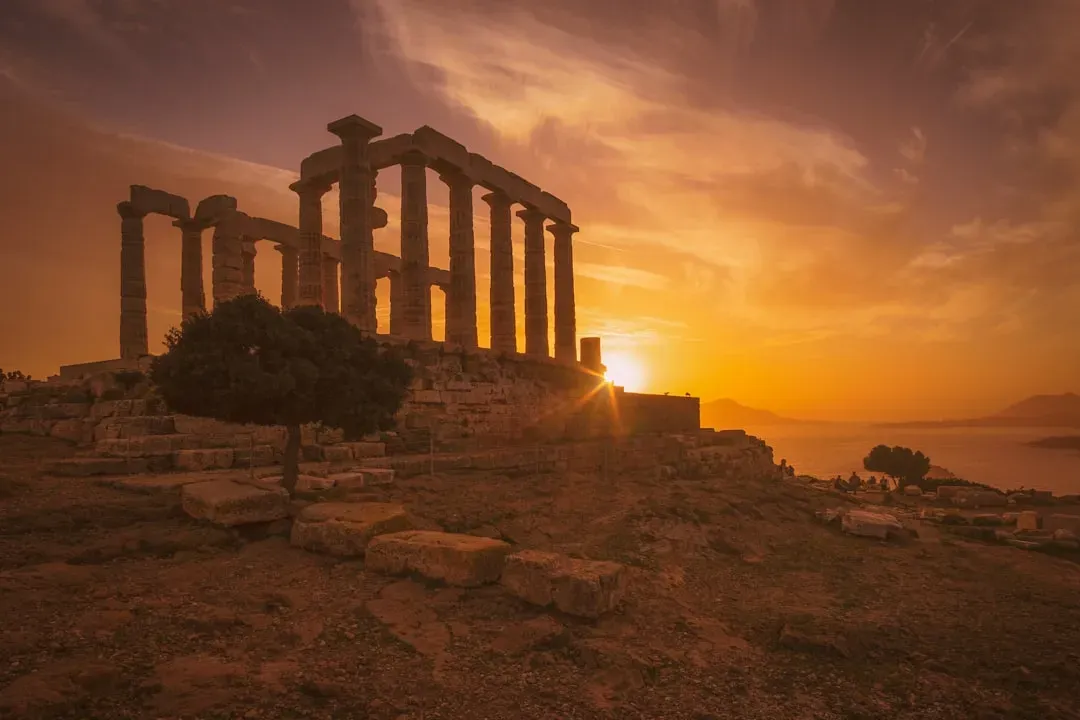
When the present feels heavy, the past can look like a convenient escape hatch. Ancient worlds offer the thrill of stepping outside our current worries: no email, no social media, no climate graphs, no twenty-four-hour news cycle. Instead, we get swords instead of spreadsheets, temples instead of traffic, and rituals instead of notifications. Of course, those worlds had their own anxieties, from plagues to invasions, but our distance from them makes their problems feel almost cinematic rather than suffocating.
There is also a psychological trick at play: it is easier to fantasize about handling problems that are not really ours. Imagining ourselves as a wise healer in ancient China or a clever scribe in Mesopotamia lets us rehearse courage, skill, or resilience in a safely fictional sandbox. We are not actually at risk, so we can explore bravery without the real cost. In that sense, romanticizing the ancient world is like emotional tourism; we visit dangerous places in our minds to feel alive, then snap back to a world with modern medicine when things get too intense.
The Myth of the “Golden Age” and Cultural Identity
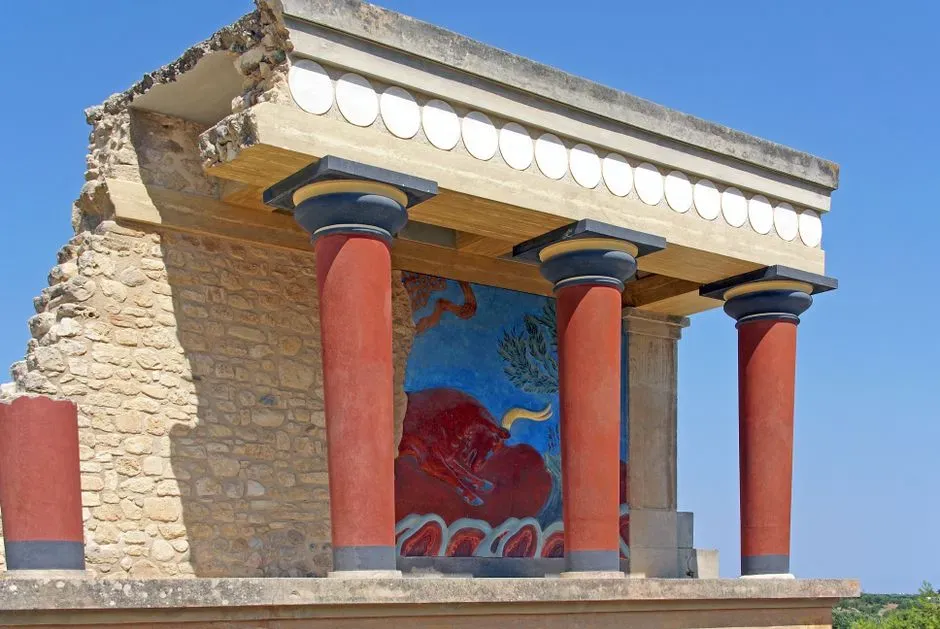
Across many cultures, there is a recurring idea that there was once a “golden age” when people were nobler, life was purer, or society was more harmonious. This story is powerful because it offers a clear contrast with the present: if now feels fragmented and stressful, then “back then” becomes the opposite, a time when everything supposedly made sense. These myths can anchor cultural identity, giving communities a shared origin story to be proud of, even if the reality was far more mixed.
The danger is that golden age thinking often smooths over injustice and inequality. It is very easy to talk about the glory of an empire while ignoring who paid the price for that glory, whose labor built the monuments, and who never had a voice. When we romanticize ancient worlds as golden ages, we sometimes end up defending or rebranding power structures that were brutal for most people. Still, the emotional pull of a lost golden era is strong because it offers a simple explanation for our discomfort: if things feel wrong now, maybe it is because we fell from some imagined height.
Media, Algorithms, and the Trendy Past
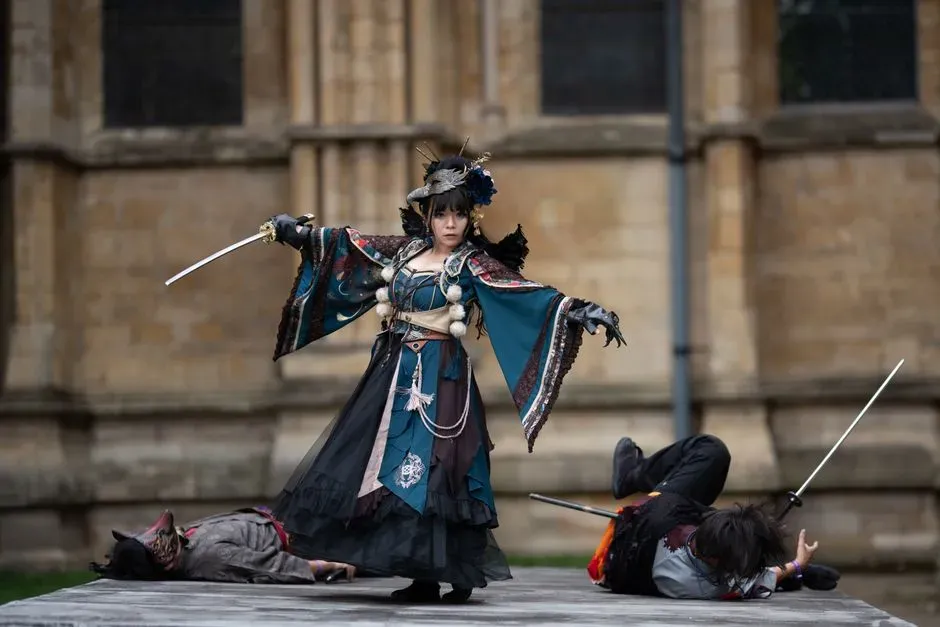
Our romantic vision of ancient worlds does not come from nowhere; it is constantly being shaped by movies, series, games, novels, and even fashion trends. When a certain period becomes “hot” in pop culture, we start to see it everywhere: glossy helmets, mystical deserts, neon-lit pseudo-Rome, or endlessly reimagined Vikings. Streaming platforms and social media algorithms notice what grabs attention and then feed us more of the same, reinforcing specific vibes about the past. Over time, those curated vibes harden into what feels like common sense about what a given ancient world was “really” like.
This feedback loop does not just shape how we see history; it shapes how we see ourselves. When people cosplay as warriors, priestesses, or philosophers, they are not only playing with aesthetics but also trying on identities that feel larger than everyday life. I have seen friends light up when they slip into an ancient-inspired costume, as if they are momentarily borrowing the confidence or dignity of another era. The risk, of course, is that we end up preferring the polished fantasy over the complicated reality, letting trending imagery define what entire civilizations meant.
What We Project Onto the Ancients About Love, Power, and Meaning
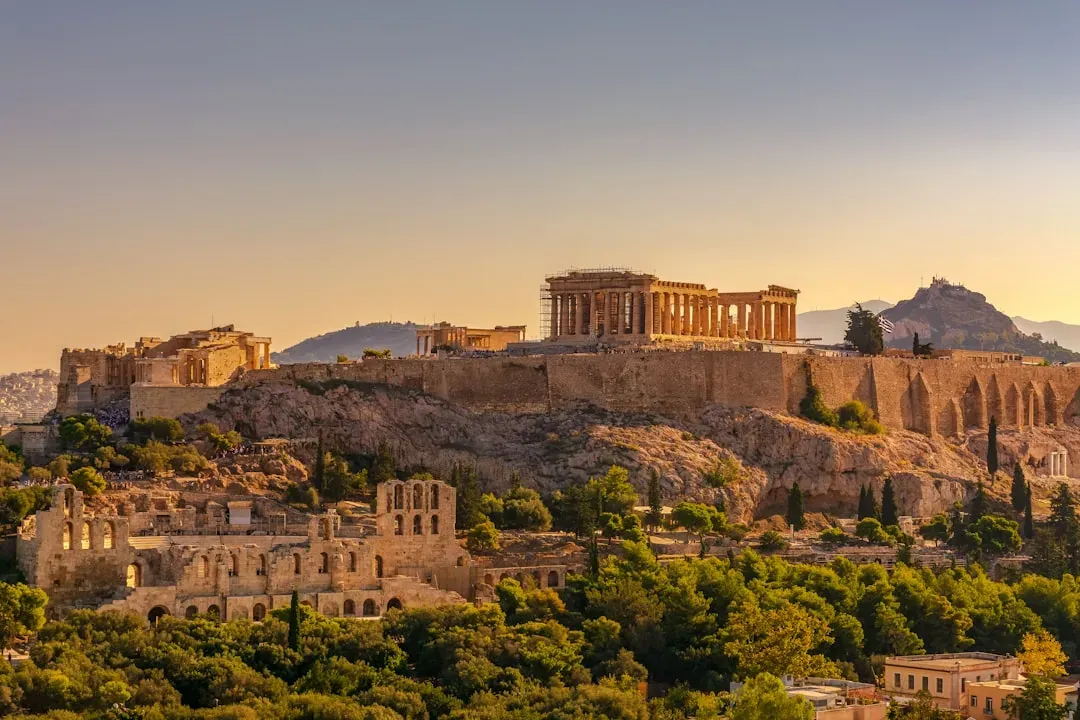
When we romanticize the ancient world, we are often talking less about them and more about ourselves. We project our own questions about love, loyalty, ambition, and purpose onto societies that cannot answer back. Ancient love stories become a way to think about how committed or passionate we want our own relationships to be. Tales of emperors, queens, and warriors become mirrors for our feelings about leadership, injustice, or rebellion in the present. The ancient world turns into a huge, echoing stage where we rehearse our own emotional dramas at a safe distance.
At the same time, we sometimes use the ancients as justification for what we already believe. People might say that some value is “timeless” because it appears in ancient texts, or that certain hierarchies are “natural” because similar ones existed long ago. This can be comforting, but it can also lock us into outdated or harmful patterns by dressing them up as eternal truths. When we treat the ancient world like a wise grandparent who always agrees with us, we stop listening to its actual diversity and complexity. In doing so, we lose a chance to see how radically different human lives can be while still being recognizably human.
Conclusion: Loving the Past Without Lying to Ourselves
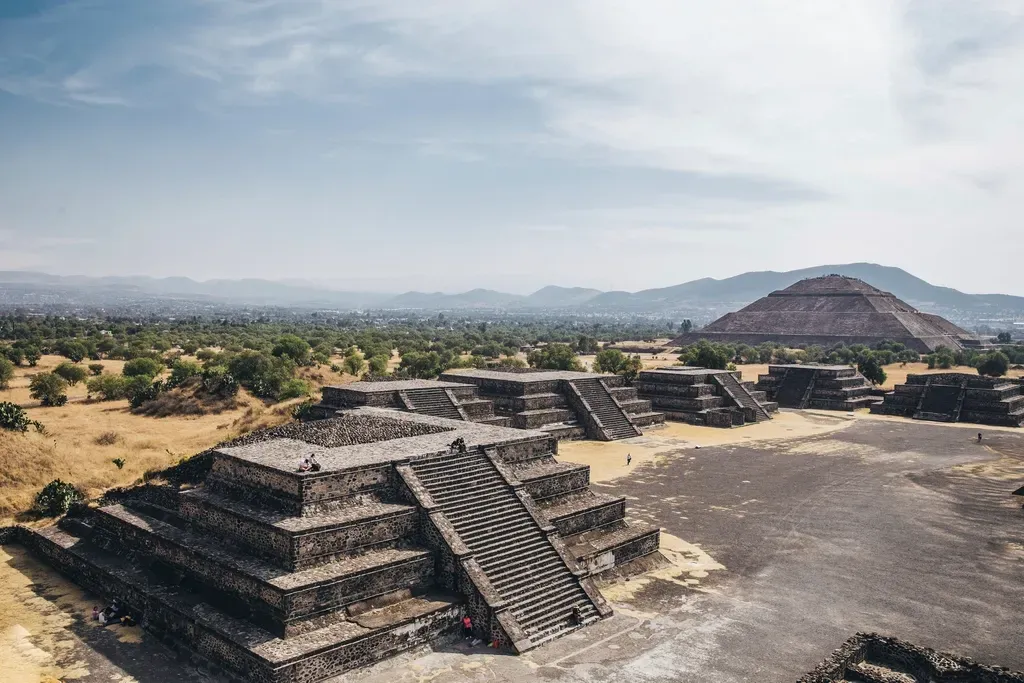
Romanticizing ancient worlds is not inherently bad; in many ways, it is a sign of curiosity and a desire for depth. The pull we feel toward ruins, myths, and lost cities can inspire us to learn languages, read history, and travel to places we might otherwise ignore. It can soften our arrogance by reminding us that people thousands of years ago were also clever, creative, and emotionally complex. But when our longing turns into a refusal to see the brutality, inequality, and sheer randomness of those eras, we cross a line from appreciation into self-deception.
My own view is that we should treat ancient worlds the way we treat complicated relatives: with affection, respect, and clear eyes. We can be moved by their art, stunned by their engineering, and inspired by their stories, without pretending that their lives were cleaner, kinder, or more meaningful than ours. In the end, the real challenge is not to escape into a golden past but to build a present that will someday be remembered with honest admiration instead of rosy illusion. Maybe the better question is not why we romanticize ancient worlds, but what kind of world we hope future generations will romanticize when they look back at us – what do you secretly hope they will see?