
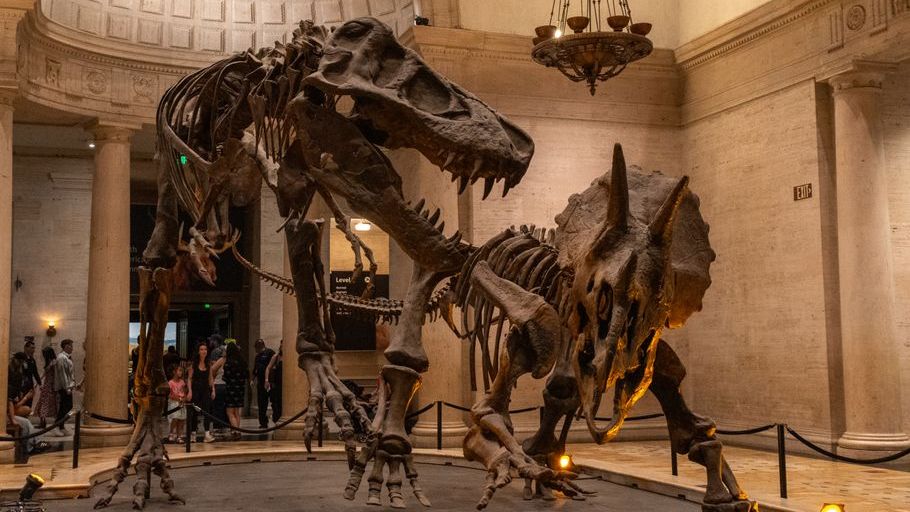
You know that feeling when you walk into a natural history museum, full of anticipation, only to see a tyrannosaur standing bolt upright like it’s waiting patiently for picture day? It feels a bit off, like you’re looking at a wax figure instead of a once-living animal that hunted, breathed, stumbled, and probably smelled terrible. The science has moved on, the research is fast and furious, yet a surprising number of dinosaur displays still look frozen in a stiff, old-fashioned pose that belongs in a yearbook, not in a dynamic prehistoric world.
Once you start noticing it, you can’t unsee it: tails dragging on the ground, arms hanging awkwardly, mouths stuck permanently open in a silent roar. It raises a bigger question: if paleontology keeps evolving, why do so many museum dioramas feel stuck in the past? The answer is more complicated, and more human, than it looks from across the gallery. It’s a mash‑up of money, tradition, safety codes, nostalgia, and the simple fact that it’s hard to change a giant skeleton bolted together fifty years ago.
The Heavy Legacy of Early Dinosaur Science
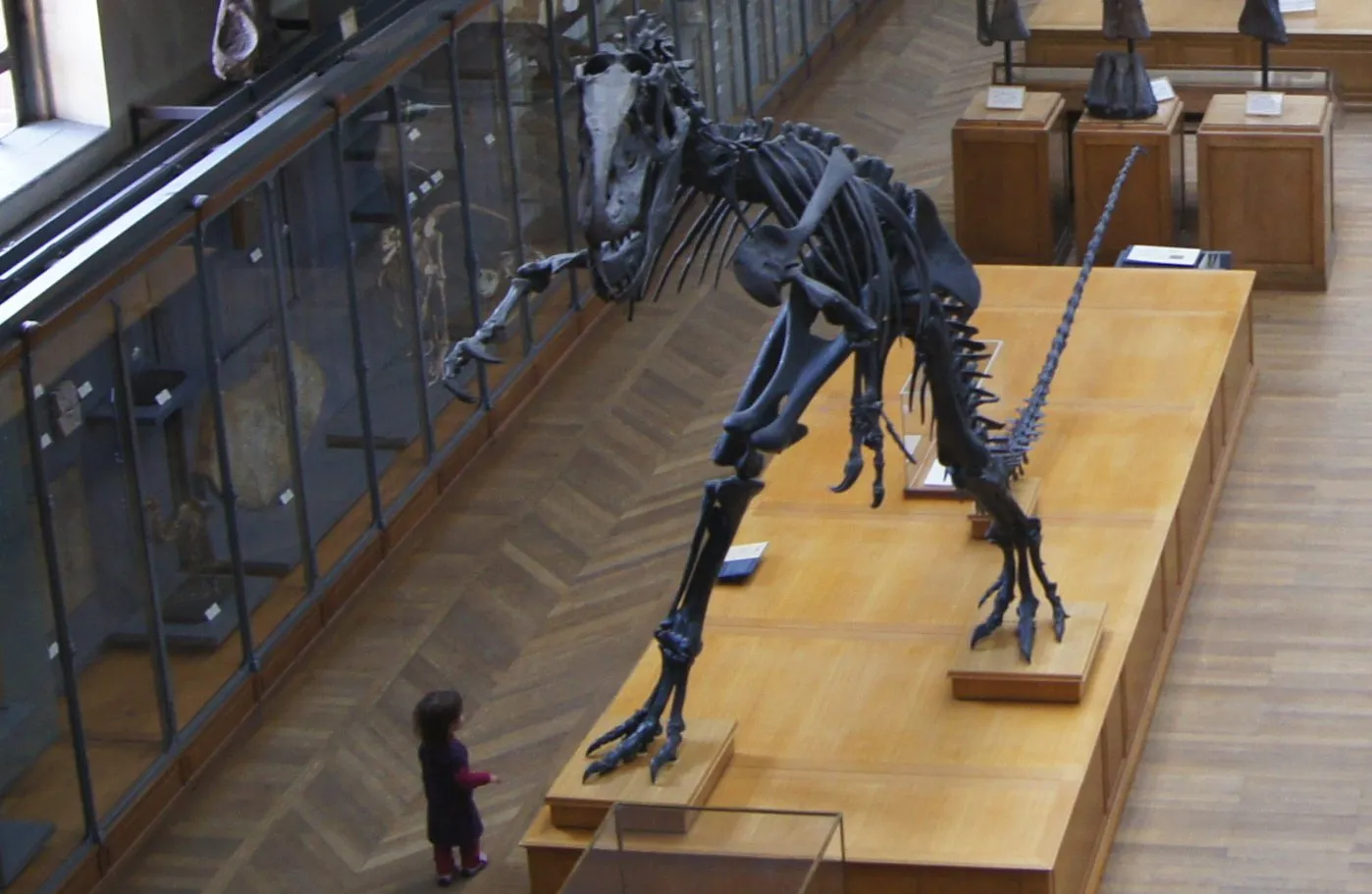
It’s almost shocking to remember that the earliest mounted dinosaurs were built at a time when scientists still pictured them as sluggish, swamp‑dwelling beasts that dragged their tails like overgrown lizards. Those early skeletons were assembled based on the best guesses of the day, often borrowing poses from large reptiles in zoos rather than from detailed biomechanical studies. Once a few big museums set the visual template, the “school photo” posture quietly became the default way the public expected dinosaurs to look.
Over the decades, paleontology has undergone what amounts to a quiet revolution. Evidence now points to many dinosaurs being agile, active, even bird‑like in their movements and behavior, not slow reptiles slumped in a marsh. But those older mounts are more than just outdated science; they are large, expensive artifacts in their own right, woven into the history of the institutions that house them. Updating them means not just re‑thinking anatomy, but also confronting the weight of tradition that has shaped how several generations learned to picture these animals in the first place.
Rebuilding a Skeleton Is Like Remodeling a Cathedral
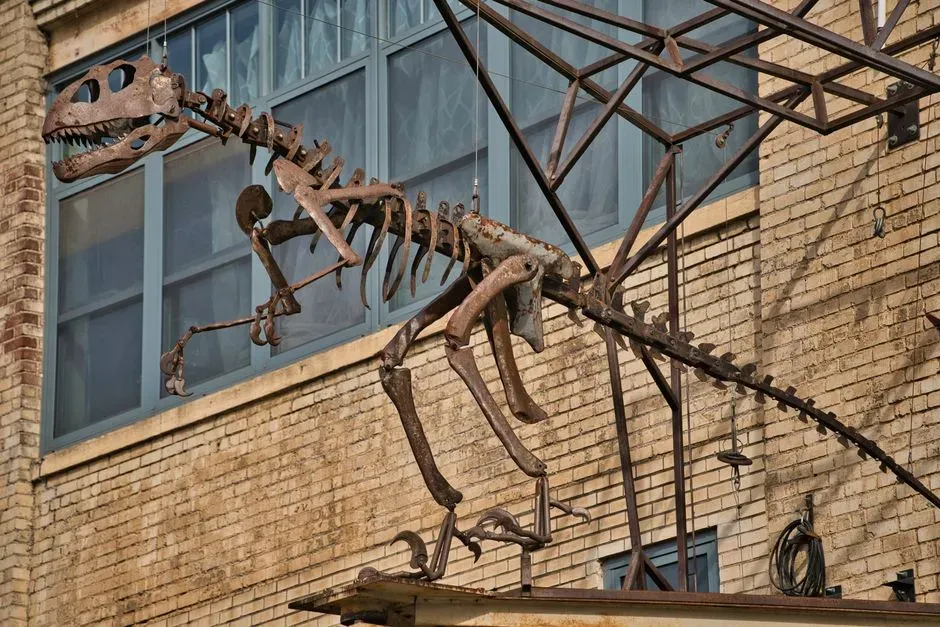
Reposing a dinosaur skeleton is not like nudging a couch a few inches to the left; it’s more like deciding to rotate a cathedral. The steel armatures inside those bones are massive, often welded and drilled directly into casts or even original fossils. They are engineered to hold hundreds or thousands of pounds securely above visitors’ heads, under strict safety regulations. Taking one apart, redesigning the internal structure, and putting it back together in a new posture can take years and a budget that makes most exhibit teams wince.
On top of that, every change involves risk: to the bones, to the mounts, and to the timetable of a museum that’s trying to keep its doors open. I once chatted with a curator who said that moving a single vertebra on a large mount can mean recalculating stresses across the entire spine, almost like redesigning a bridge. That kind of work competes for funding with new galleries, education programs, conservation labs, and staff salaries. When budgets are tight, the old posture that still basically works often gets grandfathered in, even if everyone agrees it doesn’t quite match current scientific thinking.
Old Habits in Public Imagination Die Hard
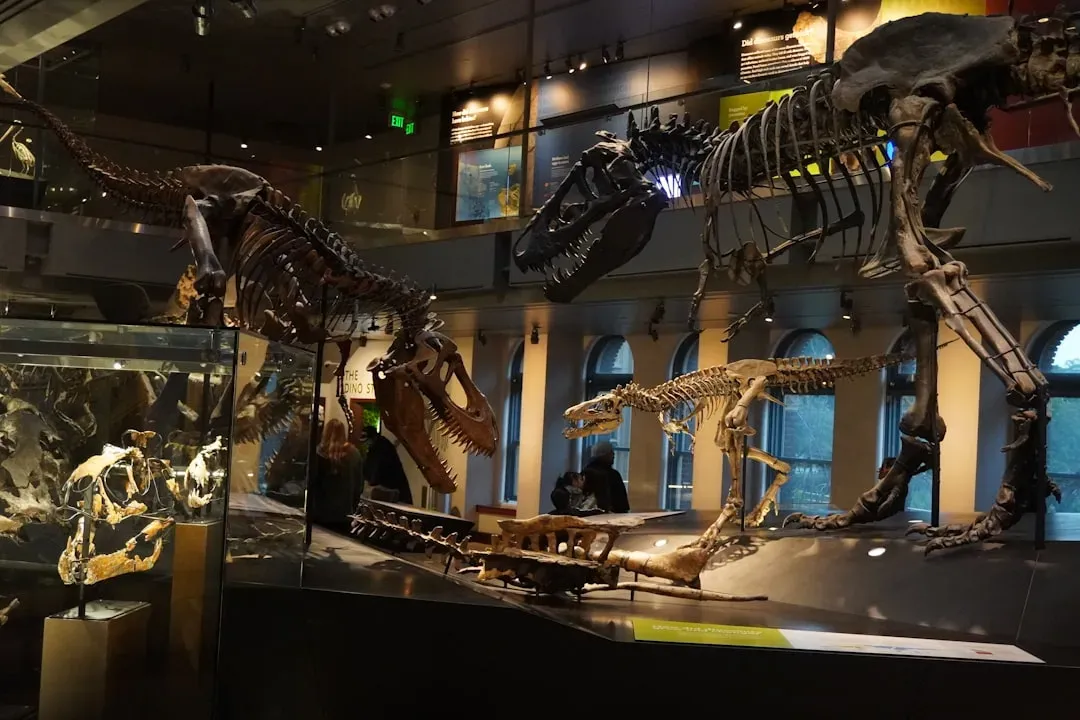
Even when scientists and exhibit designers are ready to modernize, the public’s mental picture of dinosaurs can be surprisingly stubborn. Many adults grew up with toys, cartoons, and movies that showed tyrannosaurs standing upright with tails scraping the ground and stegosaurs dragging themselves around like armored crocodiles. Walk someone into a gallery with a sleek, horizontal T. rex in a bird‑like stance, and a good chunk of people will say it looks “wrong,” simply because it clashes with what they grew up seeing.
Museums, whether they admit it or not, are in the business of meeting visitors partway. If a display feels too foreign, people sometimes trust it less, even if it’s more accurate. That creates a strange tension: push too far into the cutting edge and you might alienate your audience; stick with familiar poses and you risk reinforcing myths. The school‑photo posture hangs on in part because it feels comfortable, like the dinosaur version of a classic movie poster that nobody quite wants to replace, even if the effects now look dated.
From Static Skeletons to Living Stories (But Slowly)
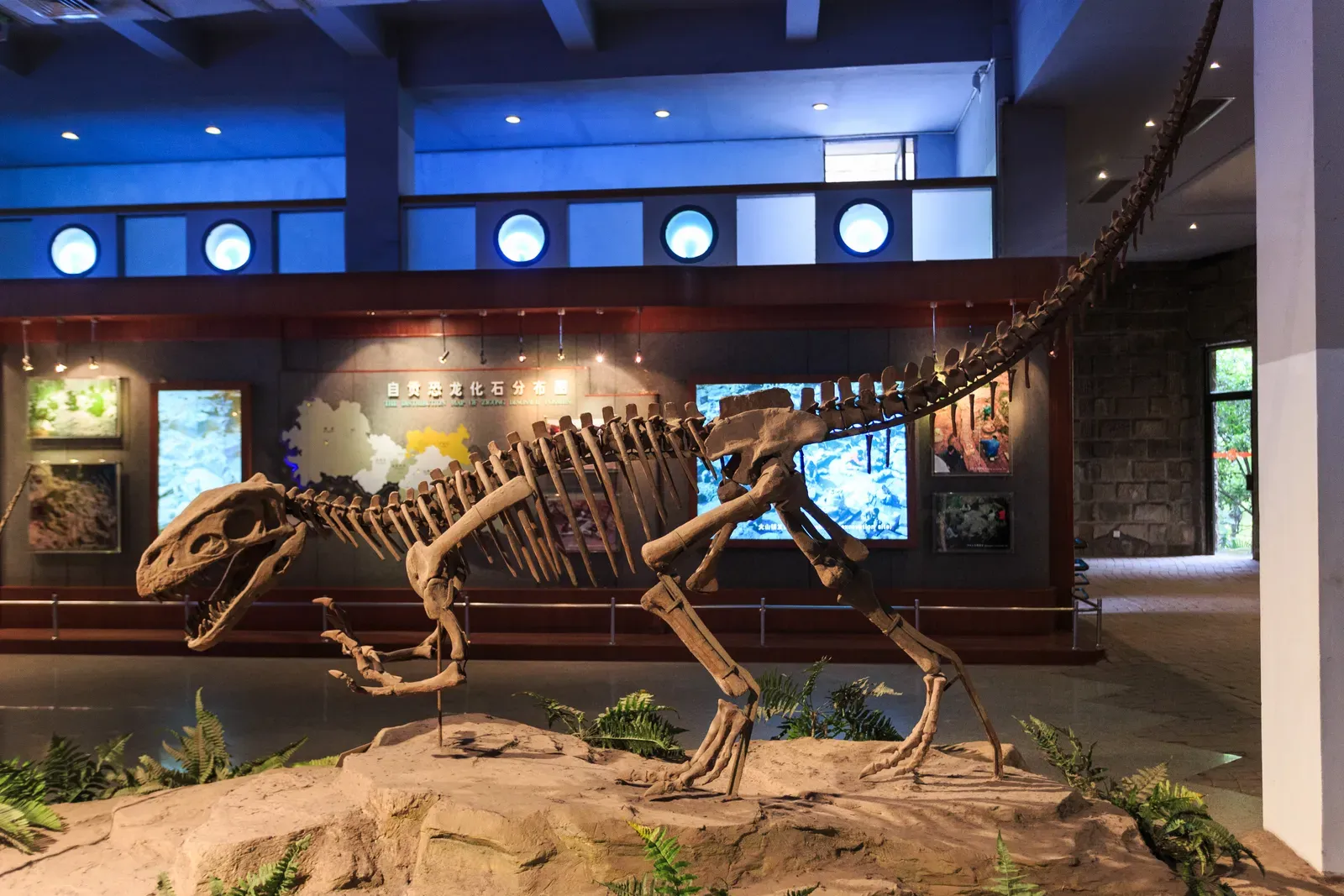
Modern exhibit design theory is all about storytelling, immersion, and interactivity, yet dinosaur halls often lag behind, stuck in an older museum mindset where a skeleton on a pedestal was considered enough. The old approach treated fossils as trophies: impressive objects you stood in front of and admired, with a small text panel as an afterthought. In that framework, a stiff, symmetrical pose actually made sense; it felt orderly and dignified, like a portrait hung in a formal gallery.
Today, designers talk more about animals moving through space, interacting with environments, and showing behavior, not just bones. You see this in newer halls where a predator is mid‑stride, a herd of hadrosaurs is turning as if startled, or a sauropod is stretching its neck to browse. But overhauling an entire hall around that philosophy takes serious time and coordination. Many institutions are stuck with a half‑updated reality: a few dynamic new mounts surrounded by older dinosaurs still posing politely like they never got the memo that the world has moved on.
Money, Grants, and the Unsexy Side of Science
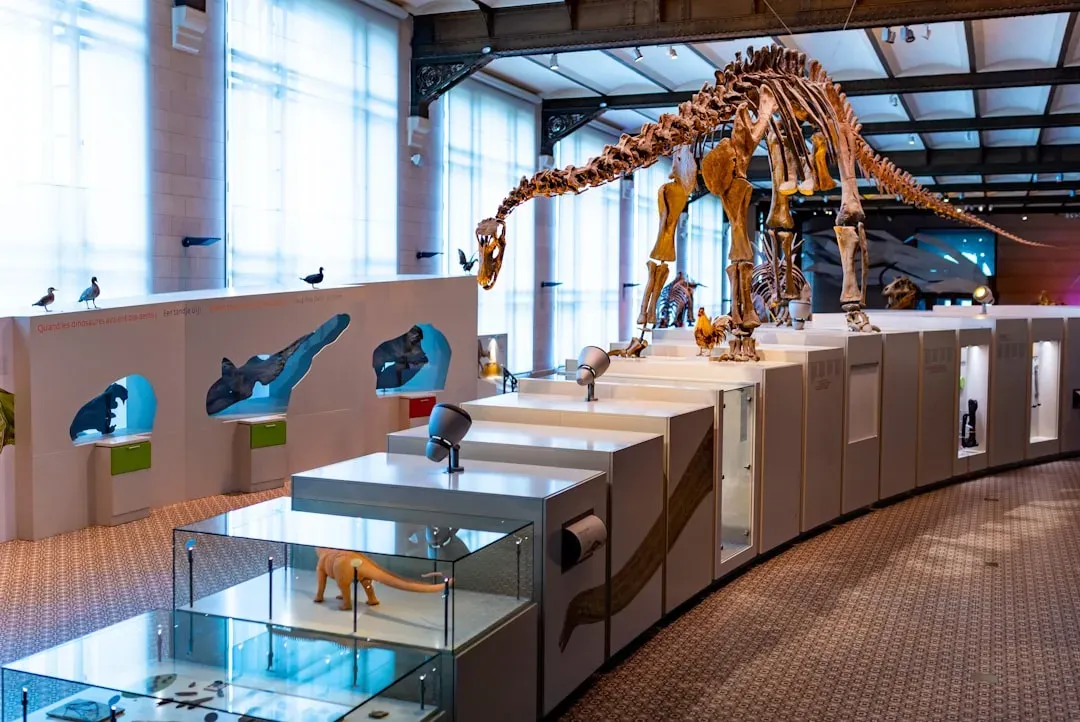
It’s easy to imagine that museums just decide to change a display and then do it, but behind the scenes everything runs on grants, donors, and long‑term capital projects. A full gallery renovation, including new mounts, lighting, graphics, and accessibility upgrades, can cost as much as a small building. Funders often like flashy, clearly new things – interactive tech, immersive media, dramatic entrances – over quietly re‑posing an existing skeleton that, at a glance, looks “fine enough” to most visitors.
So the flashy digital wall or new VR experience gets approved, while the old ceratosaur keeps standing in its rigid stance for another decade. From the outside, this can feel like stubbornness or neglect, but often it’s triage. Museum staff know the mounts are outdated; they simply have to prioritize projects that attract visitors and prove their impact quickly. In a world where cultural institutions are constantly justifying their budgets, updating a dinosaur’s elbow angle can look like a luxury, not a necessity, even if it quietly nags at every paleontologist who walks past.
The Hidden Challenge of Keeping Up With Fast‑Moving Science
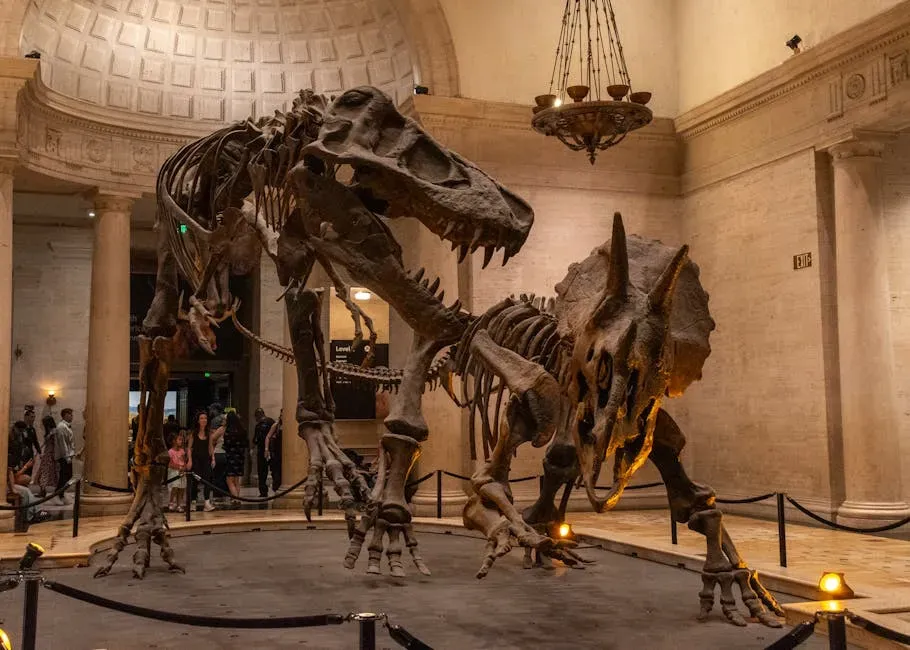
Dinosaur science in the twenty‑first century moves at a dizzying pace compared with the early days. New fossil discoveries, advanced imaging, and computer models keep reshaping our understanding of posture, soft tissues, feathers, and behavior. A scientifically perfect mount built in the 1990s might already feel a bit out of date today, not because the original team failed, but because the field itself refuses to sit still. That makes exhibit designers cautious about going all‑in on any one hyper‑specific interpretation.
Many institutions quietly aim for what you could call “strategic accuracy”: poses that are reasonably up to date but not so narrowly tied to one current debate that they will look obviously wrong in a decade. That tends to favor neutral, almost conservative stances rather than wild, action‑packed ones. In practice, this can push designs back toward the school‑photo vibe, even when everyone involved genuinely wants the animals to feel more alive. When the ground under your feet is constantly shifting, it can feel safer to stand still.
Storytelling Shortcuts and the Myth of the Roaring Monster
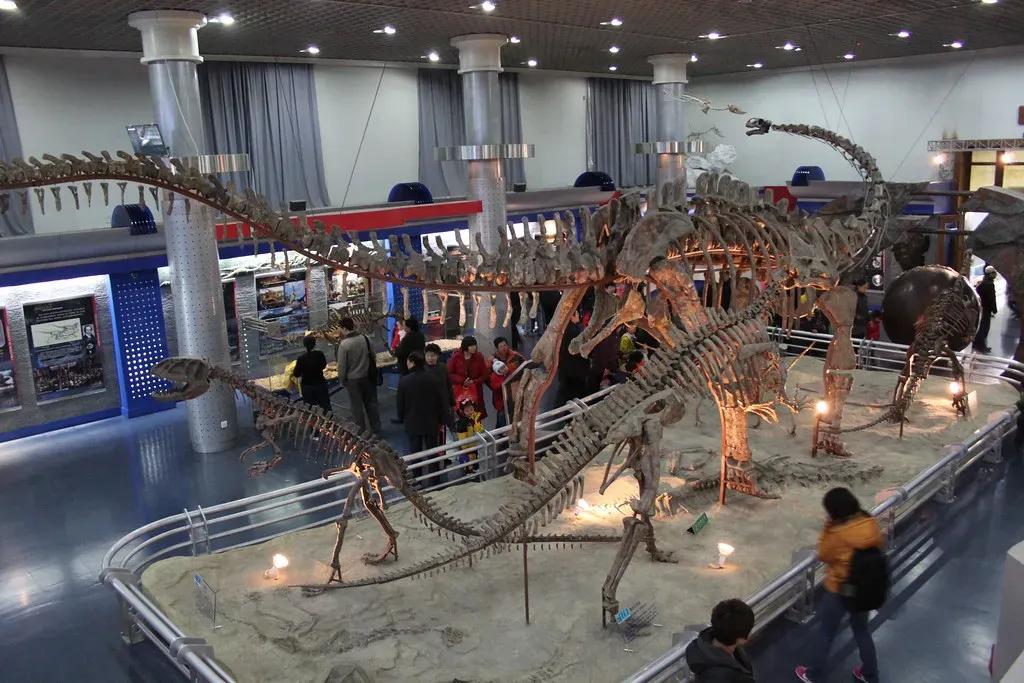
There’s another subtle reason so many mounts feel like staged portraits: storytelling is hard, and stereotypes are easy. If you set up a snarling predator with its jaws wide and a smaller herbivore nearby, you have an instant, simple narrative – danger, drama, life and death. But if you want to show more nuanced behavior, like a group of hadrosaurs parenting or a ceratopsian displaying to rivals, you need extensive interpretation, signage, and maybe interactive content. That takes time and creativity, and not every team has those resources in abundance.
As a result, many galleries lean on one of two visual shortcuts: the roaring monster, or the neutral “standing for a photo” posture. The first is all drama; the second is all clarity. The trouble is that neither really captures the complexity of real animals living in ecosystems. It’s like telling the entire story of modern wildlife with only two images: a lion mid‑pounce and a deer staring at a camera. The persistence of that simplification does not mean curators are lazy; it just shows how tricky it is to represent behavior with nothing but bones, metal, and a bit of floor space.
Visitor Safety, Accessibility, and the Physics of Big Bones
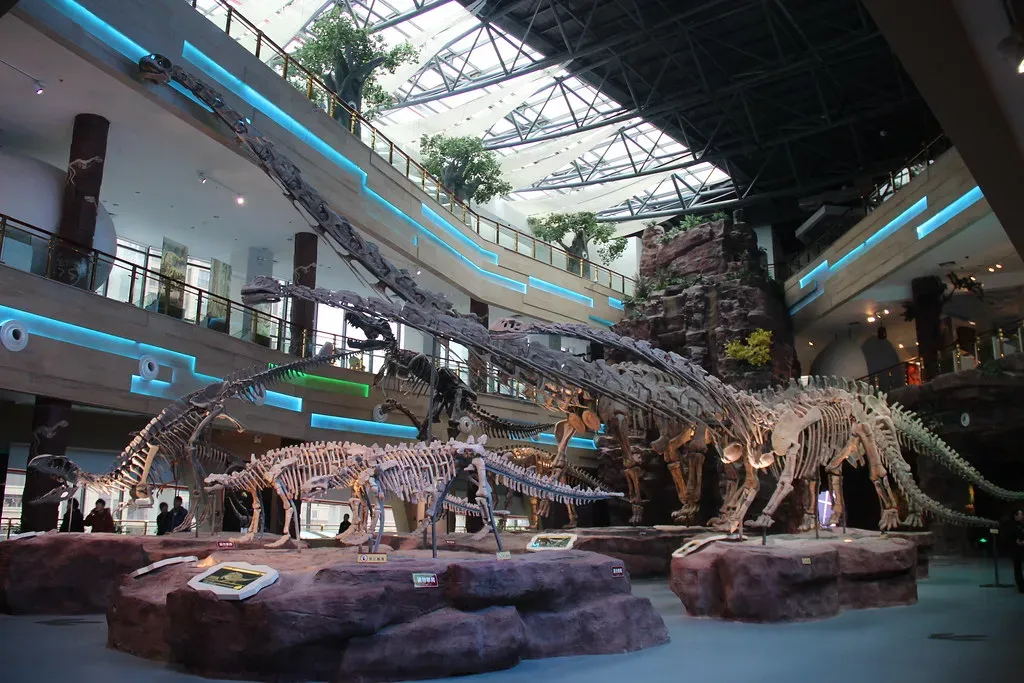
There is also a quietly practical side to all this that rarely makes it into the glossy brochures: big skeletons are heavy, fragile, and occasionally dangerous if not engineered correctly. A dynamic running pose often means cantilevered limbs, diagonal forces, and more complex support structures that must withstand not just gravity, but building vibrations, emergency scenarios, and even the occasional visitor who decides it’s a good idea to lean where they shouldn’t. A simple, upright, symmetrical posture is much easier to support safely for decades.
Accessibility adds another layer. Museums now rightly think about sightlines for children, wheelchair users, and visitors with different sensory needs. That sometimes means keeping bodies relatively still and within certain zones so that audio guides, ramps, and seating areas can function properly around them. A wildly lunging theropod that looks great in a rendering might, in reality, create awkward blind spots, tight corners, or tripping hazards. In the long list of design constraints, a slightly formal, photo‑ready pose can end up as the most practical compromise, even if it looks a bit too polite for a predator.
Why the Next Generation of Dino Halls Will (Slowly) Break the Pose
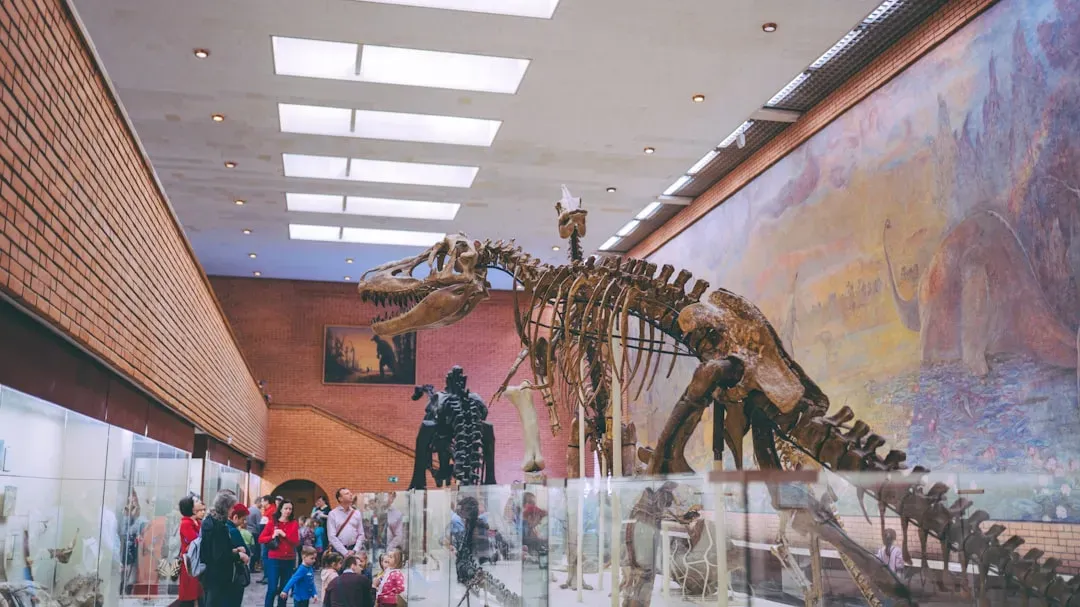
The good news is that change is happening, just not everywhere at once and not as fast as online paleo art would make you hope. New or fully renovated dinosaur halls increasingly feature dynamic group scenes, evidence‑based feathered theropods, and interactive elements that show how scientists reconstruct posture and movement. When you stand beneath a sauropod that seems to be striding right over you, or a raptor mid‑leap with carefully supported limbs, you can feel the shift away from the school‑photo era toward something much more alive.
My own favorite moment in newer galleries is when you see a child look back and forth between a static, older mount and a more up‑to‑date one, then ask an adult why they look different. That tiny spark of comparison is exactly what museums are trying to ignite: curiosity, critical thinking, and an understanding that science changes over time. As more institutions gradually secure funding, rethink their spaces, and embrace updated science, those stiff, straight‑backed dinosaurs will slowly become historical curiosities in their own right – a snapshot of what we once thought the past looked like, rather than the last word on it.
Conclusion: Time to Retire the School Photo, Not the Dinosaurs
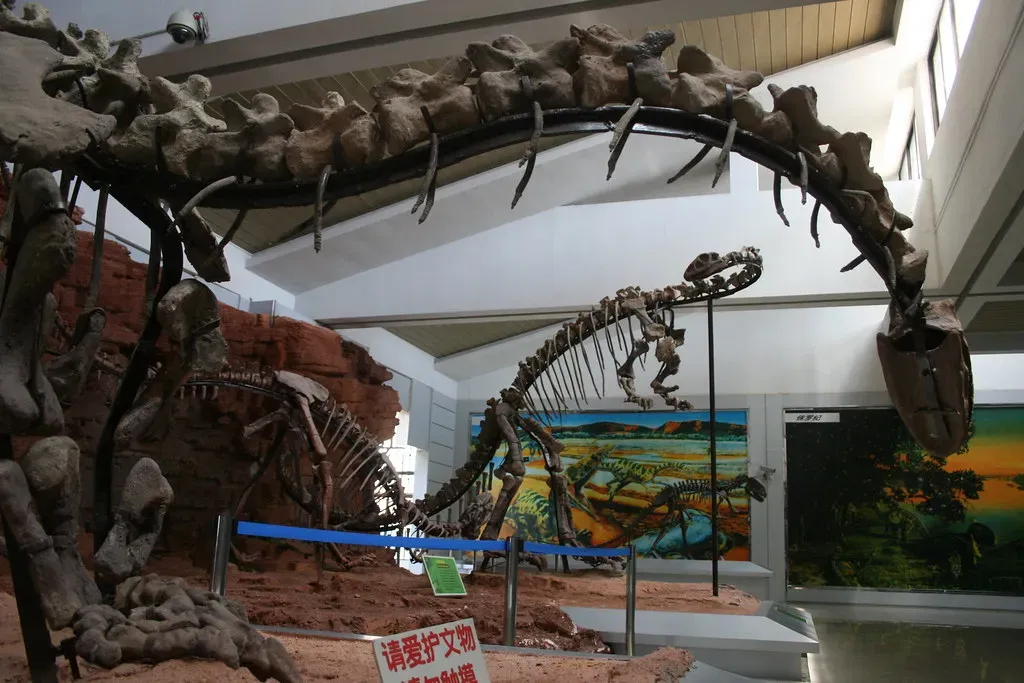
If you step back, the stubbornly formal dinosaur poses scattered through museums are really fossils of an older way of doing science in public. They reflect past assumptions, old engineering solutions, and a time when accuracy seemed more about neatness than about capturing life. In my view, clinging to those school‑photo stances for too long sells both visitors and dinosaurs short. These animals were messy, active, social, and sometimes downright bizarre. Freezing them in place, endlessly ready for their yearbook shot, flattens that wildness into something safe and forgettable.
That does not mean every museum needs to tear down its historic mounts tomorrow; some are important cultural objects in their own right. But we should be honest when they are outdated, label them clearly, and surround them with more dynamic, better‑informed interpretations. The real point of a dinosaur hall is not to show off trophies; it is to let people feel, for a moment, that deep time was full of motion and risk and change, just like the present. Maybe the real question we should ask is not why the dinosaurs still look like they are posing for a school photo, but how long we’re willing to keep accepting that pose as our main window into a world that was anything but still. Did you expect the answer to be this human?