If you picture the Late Cretaceous, you probably see a T. rex looming over everything like the final boss of prehistory. But almost nobody thinks about the massive, horned tank living right next door: Eotriceratops. This dinosaur was huge, strange, and quietly impressive, yet it lives in the shadow of its carnivorous celebrity neighbor. I still remember the first time I stumbled across its name in a paper and thought it sounded more like a sci‑fi robot than a real animal, only to discover it was one of the largest horned dinosaurs we’ve ever found.
In many ways, the story of Eotriceratops is a reminder of how lopsided our picture of the dinosaur world can be. We obsess over the predators and forget the colossal herbivores that shaped those same ecosystems. Eotriceratops was not just “another Triceratops”: it was older, likely enormous, and part of a complex landscape that T. rex inherited rather than dominated from day one. Once you start digging into the details, this forgotten giant turns from a background extra into one of the main characters of the Late Cretaceous drama.
A Giant With Horns: What Was Eotriceratops?
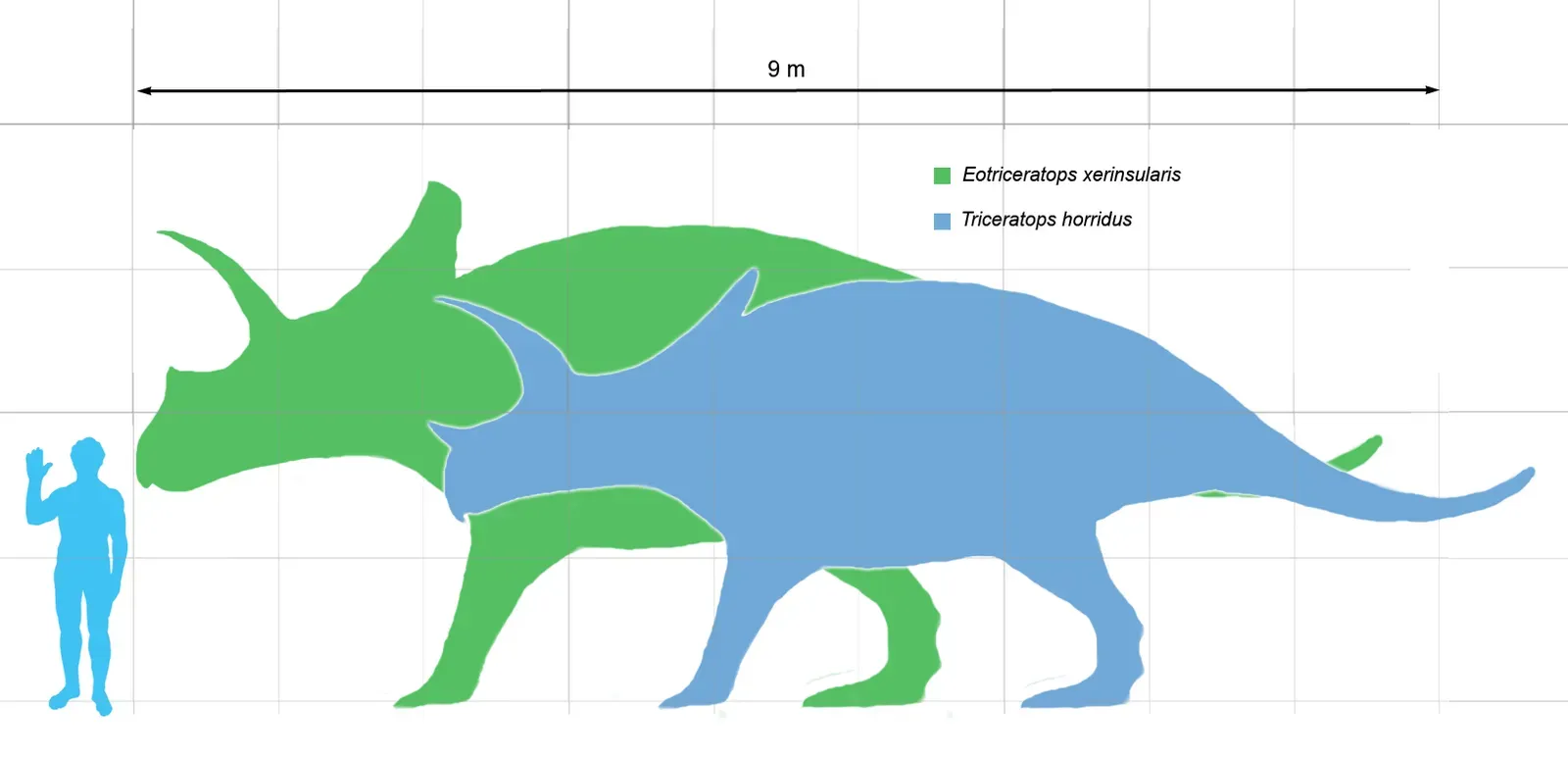
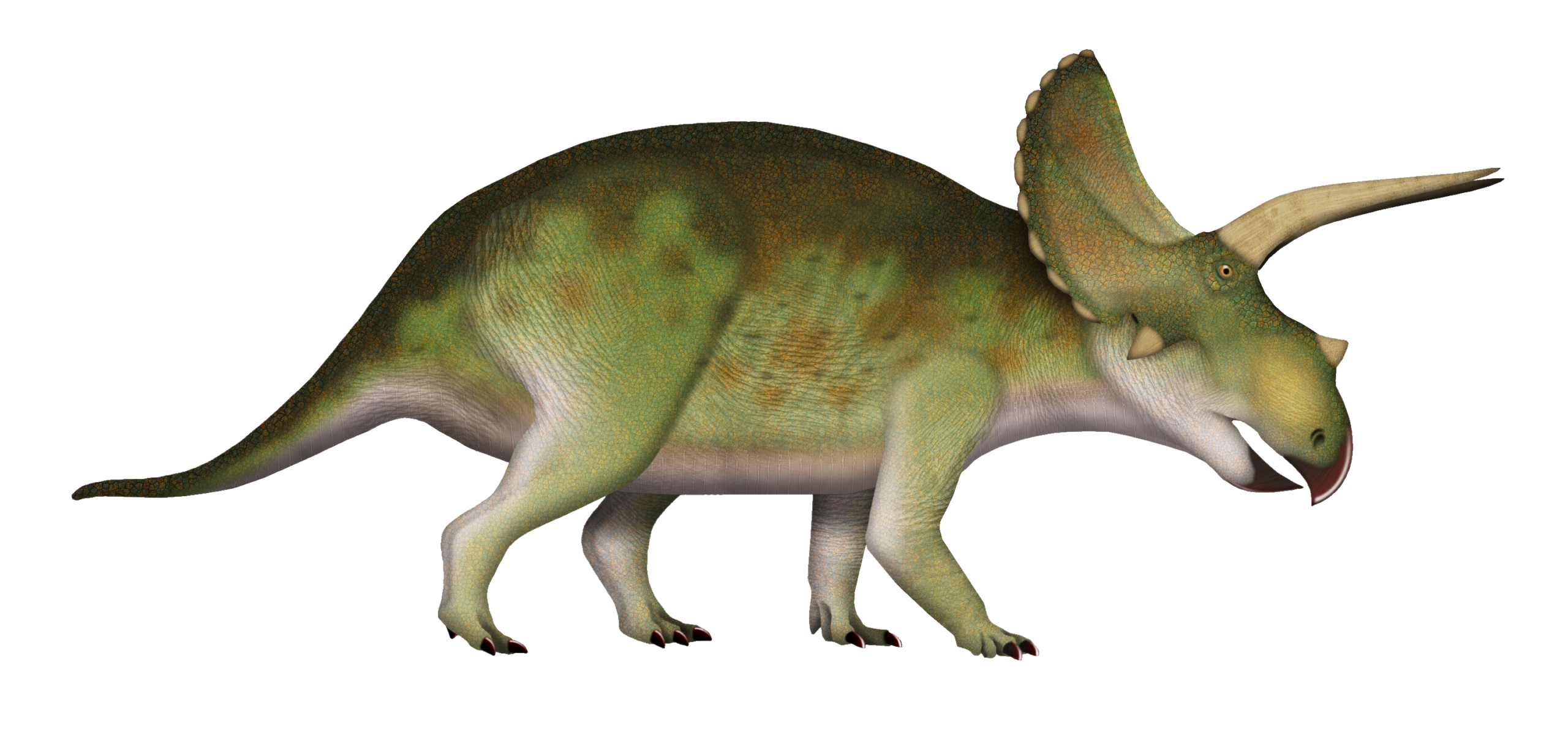
Here is the surprising part: Eotriceratops was probably as long as, or even a bit longer than, many T. rex individuals. Estimates suggest it could reach around ten meters in length from beak to tail, putting it in the same physical league as the most famous predator of all time. This was not some small, dainty plant‑eater; it was essentially a walking fortress with a massive skull, bony frill, and long brow horns that could rival the length of a grown person. When you picture a rhinoceros, then mentally double or triple the size and bolt on a shield of bone, you are starting to get in the right ballpark.
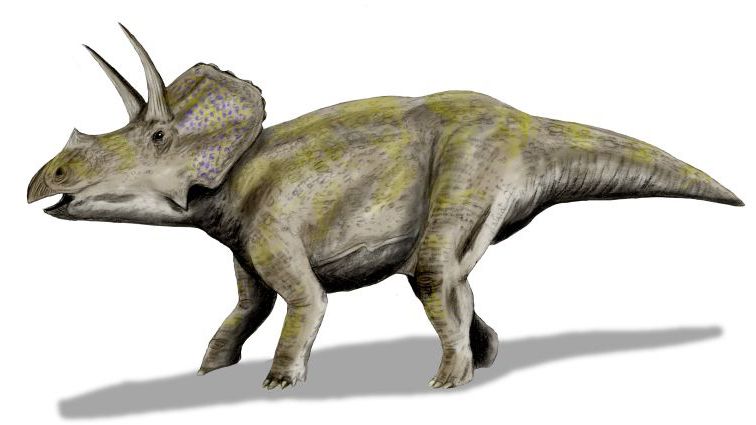
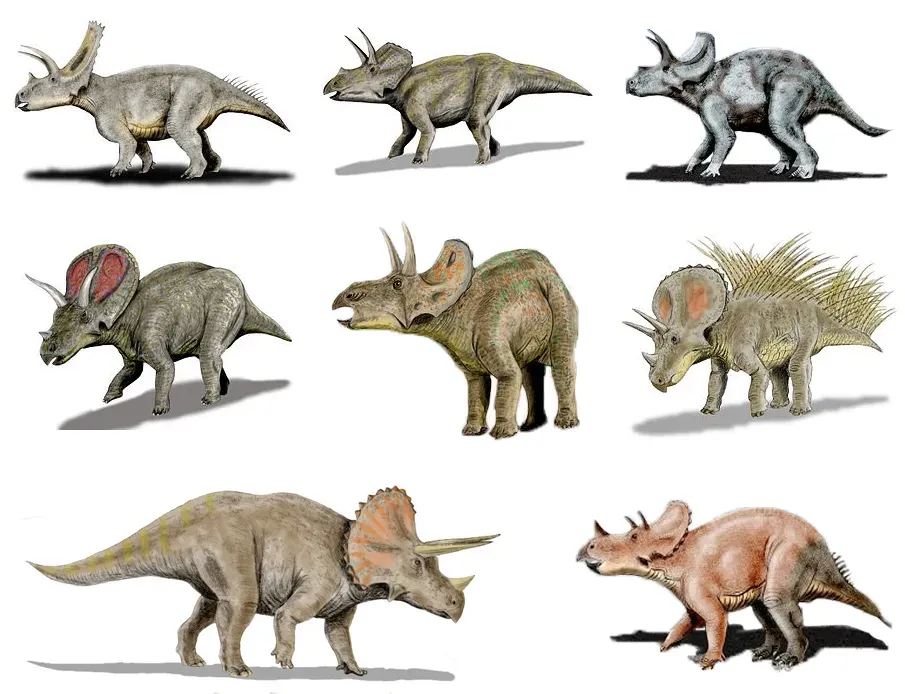
Scientifically, Eotriceratops belongs to the chasmosaurine ceratopsians, the same broader group that includes Triceratops. What makes it stand out is that it appears to be one of the earliest giant members of that lineage late in the Cretaceous, a kind of “first wave” of supersized horned dinosaurs in what is now western North America. Its skull was highly ornamented, with a long, low face and a large frill pierced by openings, much like related species but on a grand scale. If you could have walked beside it, you would have been looking up at a living sculpture of bone and horn, wrapped in muscle and powered by a barrel‑shaped body built to process huge amounts of plant material.
Older Than Triceratops: Why “Eo” Matters
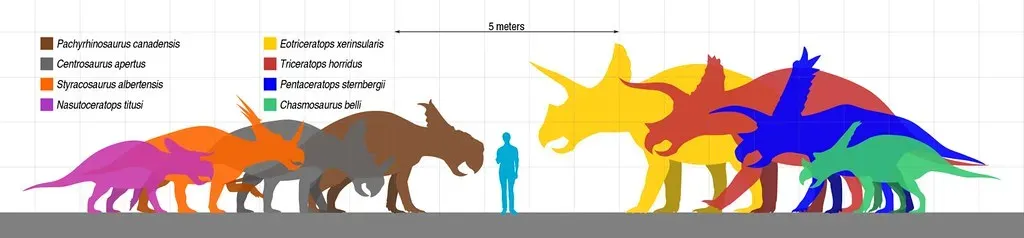
The name Eotriceratops literally means “dawn Triceratops,” and that is more than just poetic branding. The “Eo” part signals that this animal appears earlier in the fossil record than classic Triceratops from the very end of the Cretaceous. In other words, Eotriceratops lived before the final chapter of the dinosaur era, helping to set the stage for the later giants that most of us know from museum displays. Instead of being a side branch that went nowhere, it looks like a key piece in the evolutionary buildup toward those iconic horned behemoths.
This timing matters because it shows that huge, heavy‑built horned dinosaurs were already present and thriving well before the dinosaurs’ last stand. It is easy to imagine the Late Cretaceous as a static scene that lasted ages, but species came and went in waves, and Eotriceratops represents one such wave. It hints that the rise of giant ceratopsians was a drawn‑out process, not a sudden appearance at the very end. To me, that makes the story richer: the world of Triceratops did not just pop into existence, it grew from older, slightly different giants like Eotriceratops that are only now getting serious attention.
Living in the Shadow of a Future Tyrant
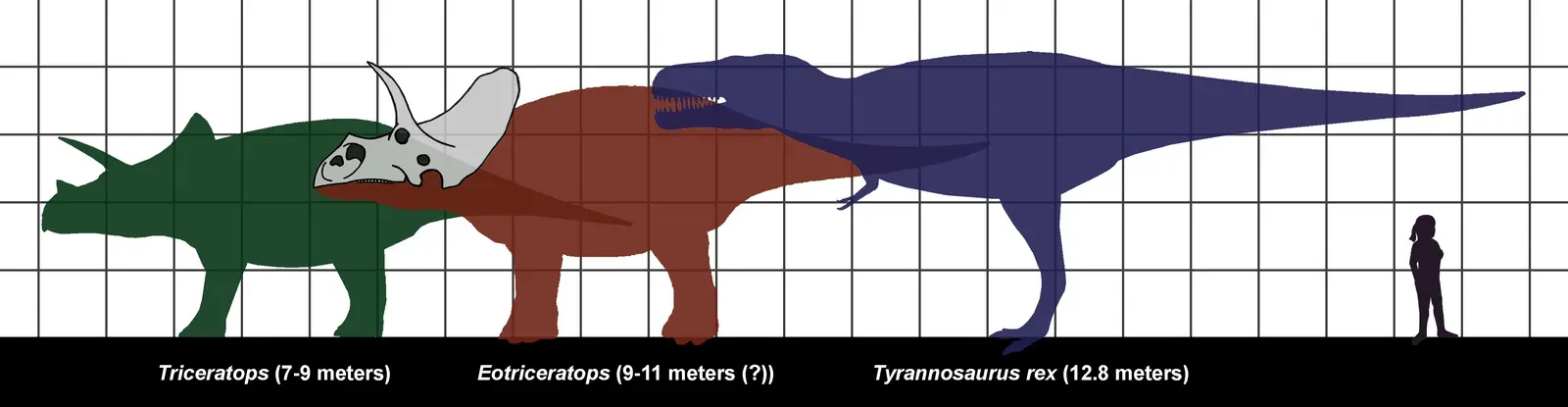
Here’s the twist that makes the story even more compelling: Eotriceratops lived in roughly the same region that would later become famous for T. rex fossils, particularly parts of what is now Alberta, Canada. It occupied a landscape of floodplains, rivers, and lush vegetation that, a few million years later, would be home to full‑blown T. rex ecosystems. In that sense, it really was a giant “neighbor,” if not in the same exact moment, then in the same neighborhood of space and evolutionary time. Think of it as an older tenant in an apartment building that T. rex would eventually move into.
This overlap in region and general time frame often leads people to imagine direct showdowns between Eotriceratops and T. rex, like some kind of prehistoric heavyweight match. The reality is probably more nuanced and less cinematic. The ancestors of T. rex and early large tyrannosaurids were around during the era of Eotriceratops, so powerful predators definitely stalked those environments, but the fully developed, iconic T. rex came slightly later. Still, the idea that this massive herbivore was part of the evolving landscape that would later host the most famous predator on Earth adds a certain tension and drama. It makes the Late Cretaceous feel like a long‑running series instead of a single blockbuster episode.
A Skull Like a Gothic Cathedral
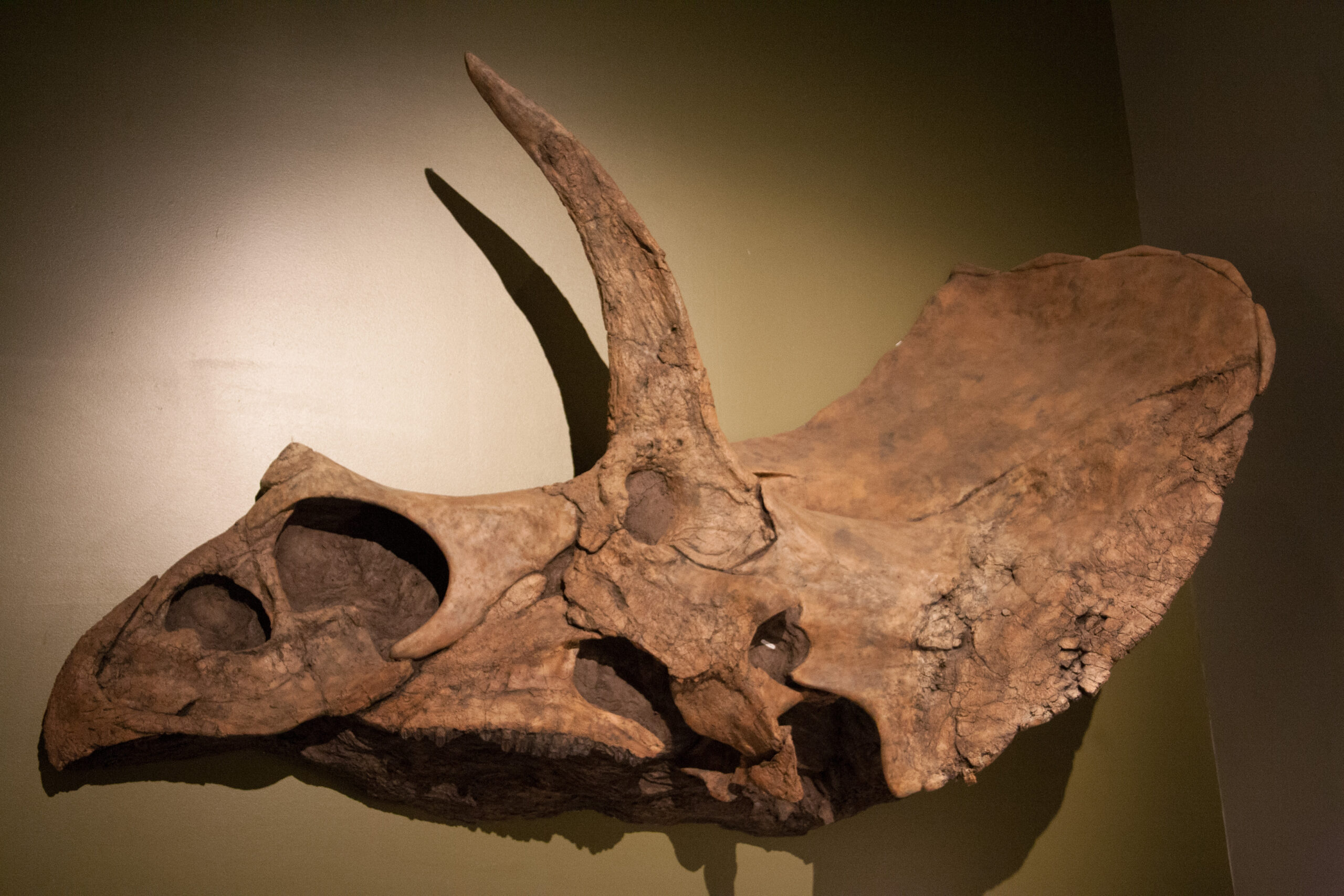
If you had to pick one feature that defines Eotriceratops, it would be its skull. Ceratopsian skulls are already among the most spectacular structures in the fossil record, and Eotriceratops pushes that to an extreme. Its skull was gigantic, one of the largest known for any land animal, with a long face tapering into a sharp beak and an expansive frill stretching backward like a bony cape. The horns over its eyes were impressively long and stout, angled forward in a way that suggests both display and potential combat roles. Standing in front of such a skull in a lab or museum would feel a bit like standing at the base of a small stone archway.
The frill itself was not just a solid slab of bone; it had openings that reduced weight while still providing a huge surface for muscle attachment and display structures like keratin coverings or bright color patterns. We cannot say exactly what it looked like in life, but by comparing it with better‑known relatives, it is reasonable to imagine a mix of function and visual drama. The skull was also full of details that paleontologists use to tease apart relationships between species: the shape of the frill edges, the configuration of the horns, and the proportions of the face all help link Eotriceratops to later giants. For me, the best mental image is a cross between a living battering ram and an ornate medieval shield, carried proudly at the front of a moving wall of muscle.
A Heavyweight Herbivore in a Changing World
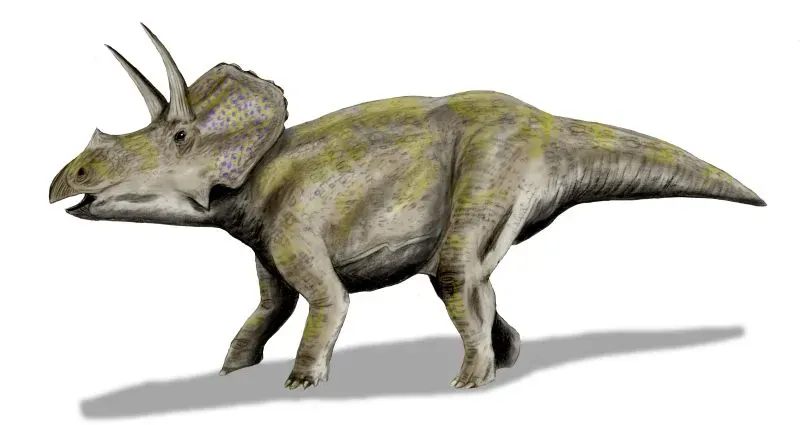
Despite the frightening look, Eotriceratops was a plant‑eater through and through. Its beak and battery of grinding teeth were built for snipping and processing tough vegetation, from ferns and cycads to flowering plants that were spreading across Late Cretaceous landscapes. An animal of that size would have needed to eat constantly, turning entire patches of greenery into fuel just to maintain its bulk. You can imagine herds or loosely organized groups moving through floodplain forests, leaving trampled trails, stripped branches, and piles of dung that fertilized the soil for the next wave of growth.
Crucially, Eotriceratops lived in a world that was not static. Sea levels, climates, and ecosystems shifted over the millions of years leading up to the mass extinction at the end of the Cretaceous. Large herbivores like Eotriceratops were deeply tied to those changes, rising and fading as habitats expanded or disappeared. When I think about this animal, I imagine not just a single dinosaur, but an entire set of ecological roles: seed spreader, forest opener, and key prey for large predators of its time. It helped shape its environment as much as it was shaped by it, a reminder that “background” herbivores are often the real engineers of ancient worlds.
Why Eotriceratops Deserves More Fame
So why is Eotriceratops so obscure compared to its flashier neighbors and descendants? Part of the reason is simply timing and publicity. Triceratops has been known for well over a century and became a museum star and pop‑culture staple early on, while Eotriceratops was described much more recently and still sits mostly in the realm of specialists and dedicated dinosaur fans. Another factor is that the fossil record for Eotriceratops is comparatively limited, which makes it harder to build dramatic, full‑body reconstructions that stick in the public imagination. In a world where attention is scarce, the best‑preserved and most heavily marketed dinosaurs tend to win.
Personally, I think that is a bit of a shame, because Eotriceratops tells a deeper and more interesting story than its lack of fame suggests. It represents a key step in the evolution of giant horned dinosaurs and hints at how complex Late Cretaceous ecosystems really were. To me, it is like a critically acclaimed film that never quite broke into the mainstream, overshadowed by a louder blockbuster even though it has just as much to offer. As more research is done and more fossils are discovered, Eotriceratops has every chance to move from the footnotes to the headlines of dinosaur science, and honestly, it deserves that promotion.
Conclusion: Rethinking Who the Real Giants Were
When we fixate on T. rex as the ultimate symbol of the dinosaur age, we quietly erase animals like Eotriceratops from the story, and that does both science and imagination a disservice. This massive, early giant shows that the Late Cretaceous was not just about one superstar predator, but about a whole cast of enormous, powerful herbivores that made those ecosystems possible. In my view, Eotriceratops stands as a quiet challenge to our predator‑obsessed mindset: the real backbone of that world was horned, heavy, and busy mowing down plants, not roaring for effect. If we re‑center our attention on animals like this, the dinosaur world looks less like a horror movie and more like a complex, living planet.
I think we underestimate how much wonder we leave on the table when we only celebrate the usual favorites. Eotriceratops may never rival T. rex on movie posters, but in terms of scientific importance and sheer presence, it absolutely belongs in the top tier of Late Cretaceous giants. Next time you picture that ancient landscape, try placing a colossal, horned titan beside the famous predator and see how the scene changes in your mind. Suddenly, the balance of power looks different, and the story feels richer and more real. If this forgotten neighbor can reshape our mental picture so easily, what other giants are still waiting just outside the spotlight?