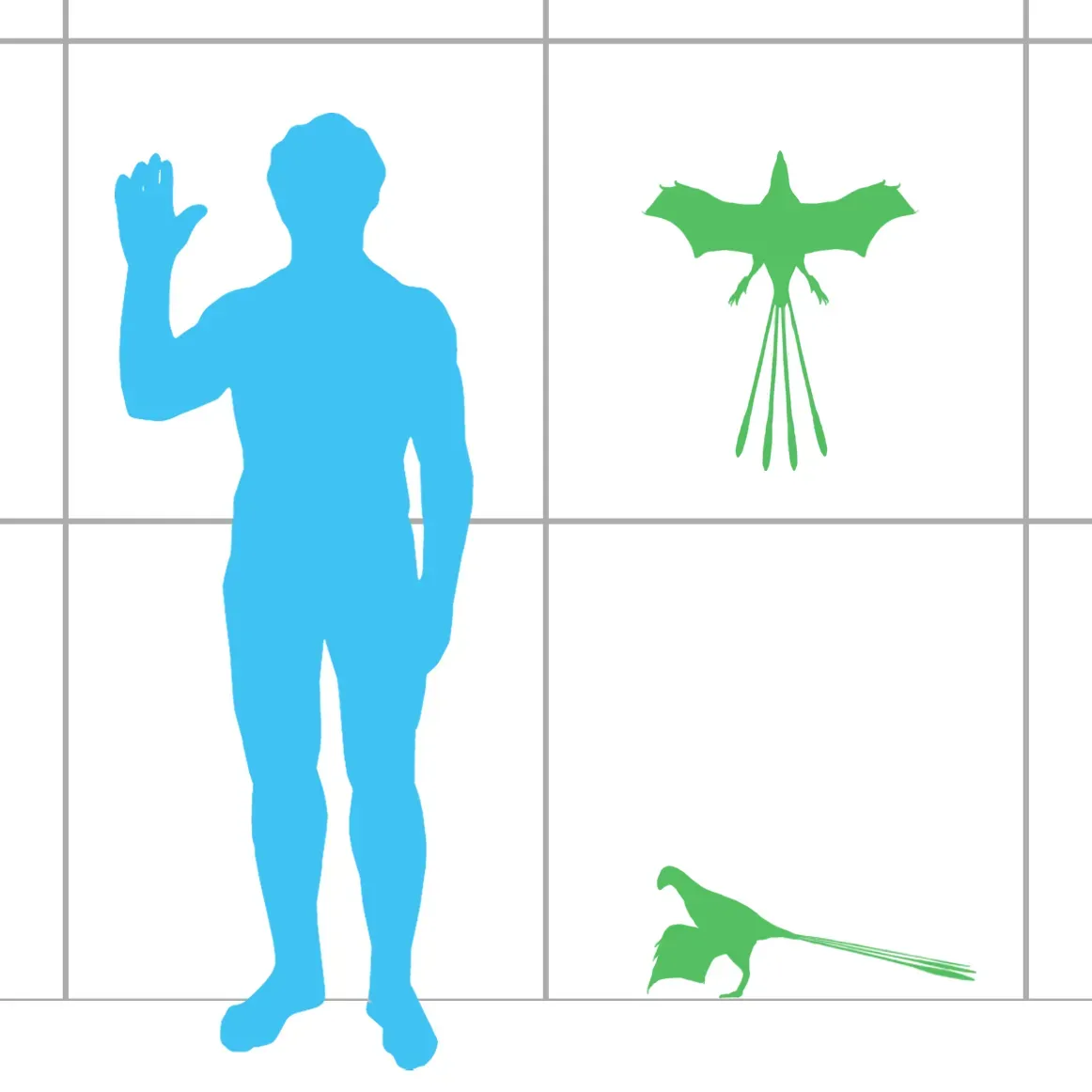
Imagine a dinosaur that looks like it was designed by a committee of a bat, a bird, and a dragon. That is basically what paleontologists ran into when they uncovered Yi qi, a tiny Jurassic dinosaur with wings so strange they challenged almost everything we thought we knew about how dinosaurs took to the air. It was not just another feathered raptor or a proto-bird; it was something weirder, sitting right on the edge between familiar evolutionary paths and a wild, abandoned experiment.
Yi qi forces us to ask uncomfortable questions: How many bizarre evolutionary detours have vanished without a trace? How many of our neat little diagrams about dinosaur evolution are really just rough guesses? This odd little creature, barely larger than a pigeon, opens a window into a world of evolutionary trial and error where nature kept throwing ideas at the sky to see what might fly. Once you see how different Yi qi really was, it becomes hard to look at dinosaurs – or flight – the same way again.
The Strangest Wings You’ve Never Heard Of
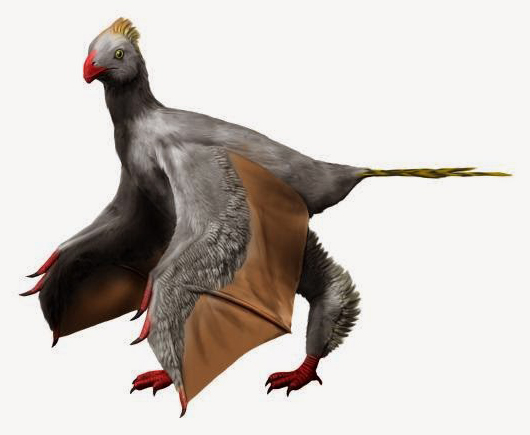
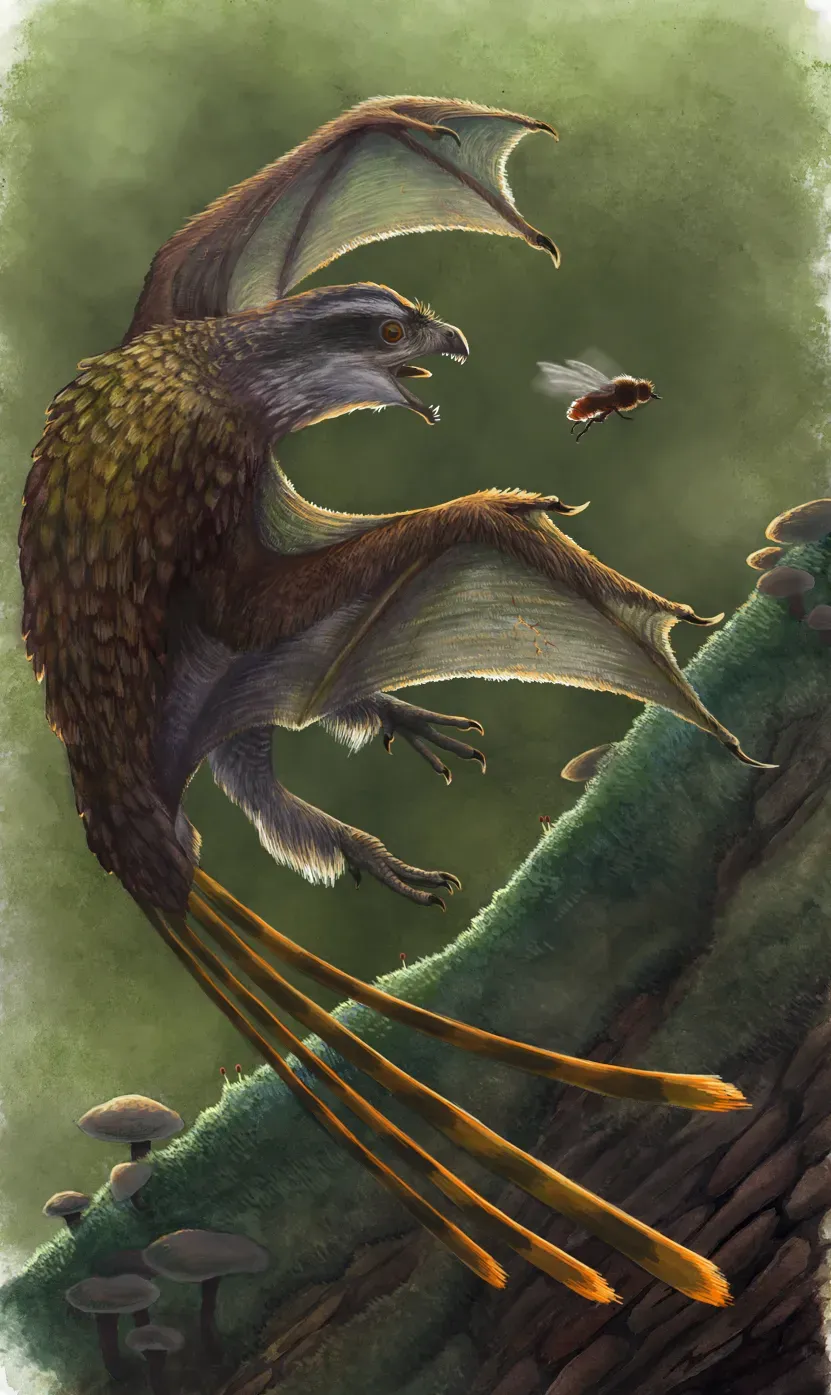
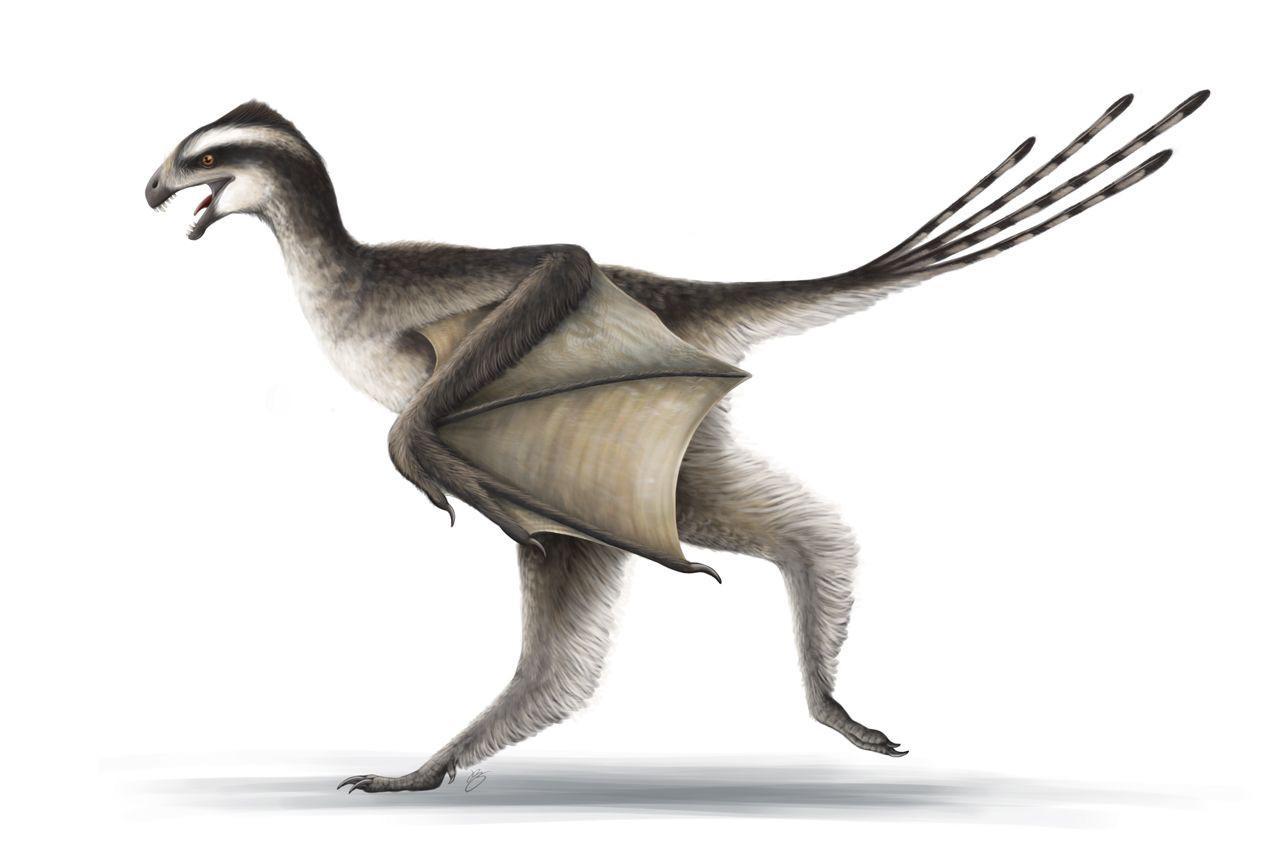
The shocking thing about Yi qi is that its wings were not built like the wings of other flying dinosaurs. Instead of relying mainly on long, stiff feathers like early birds and their relatives, Yi qi had a long rod-like bone sticking out from its wrist, and evidence suggests a stretched membrane of skin connected that rod to its body, forming something more like a bat’s wing. That means this tiny dinosaur was using a wing architecture completely unlike the feathered flight surfaces we usually picture when we think of dinosaurs taking to the air.
What makes this even more mind-bending is that these bat-like wings evolved in an animal firmly nested inside a dinosaur group usually associated with feathered, bird-like forms. It is as if one branch of the dinosaur family tree took a hard left turn and tried a different engineering solution for flight. When I first read about Yi qi, it felt like someone had quietly slipped a fantasy creature into a science textbook and assumed no one would notice.
Where Yi qi Fits in the Dinosaur Family Tree
Yi qi belonged to a group called scansoriopterygids, small, tree-loving dinosaurs with long fingers, strange proportions, and a reputation for being just a bit odd even before this discovery. These animals are closely related to the early bird lineage, which means that Yi qi was not some distant outlier off in dinosaur-land; it was sitting fairly close to the branch that eventually gave rise to birds. That is a big deal, because it shows that near the origin of birds, evolution was not marching in a single straight line toward feathered flight.
Instead, the scansoriopterygids seem to represent a side experiment in aerial lifestyles. While some relatives were developing more advanced feathers and more bird-like wings, Yi qi and its kin appear to have gone in for membranes and elongated support bones. It is a bit like discovering that, just before modern airplanes took over the skies, there was a small fleet of serious, full-scale airships trying to solve the same problem with completely different technology. These dinosaurs remind us that the path to birds was not clean or simple; it was messy, crowded, and full of evolutionary one-offs.
Feathers, Membranes, or Both? The Hybrid Wing Mystery
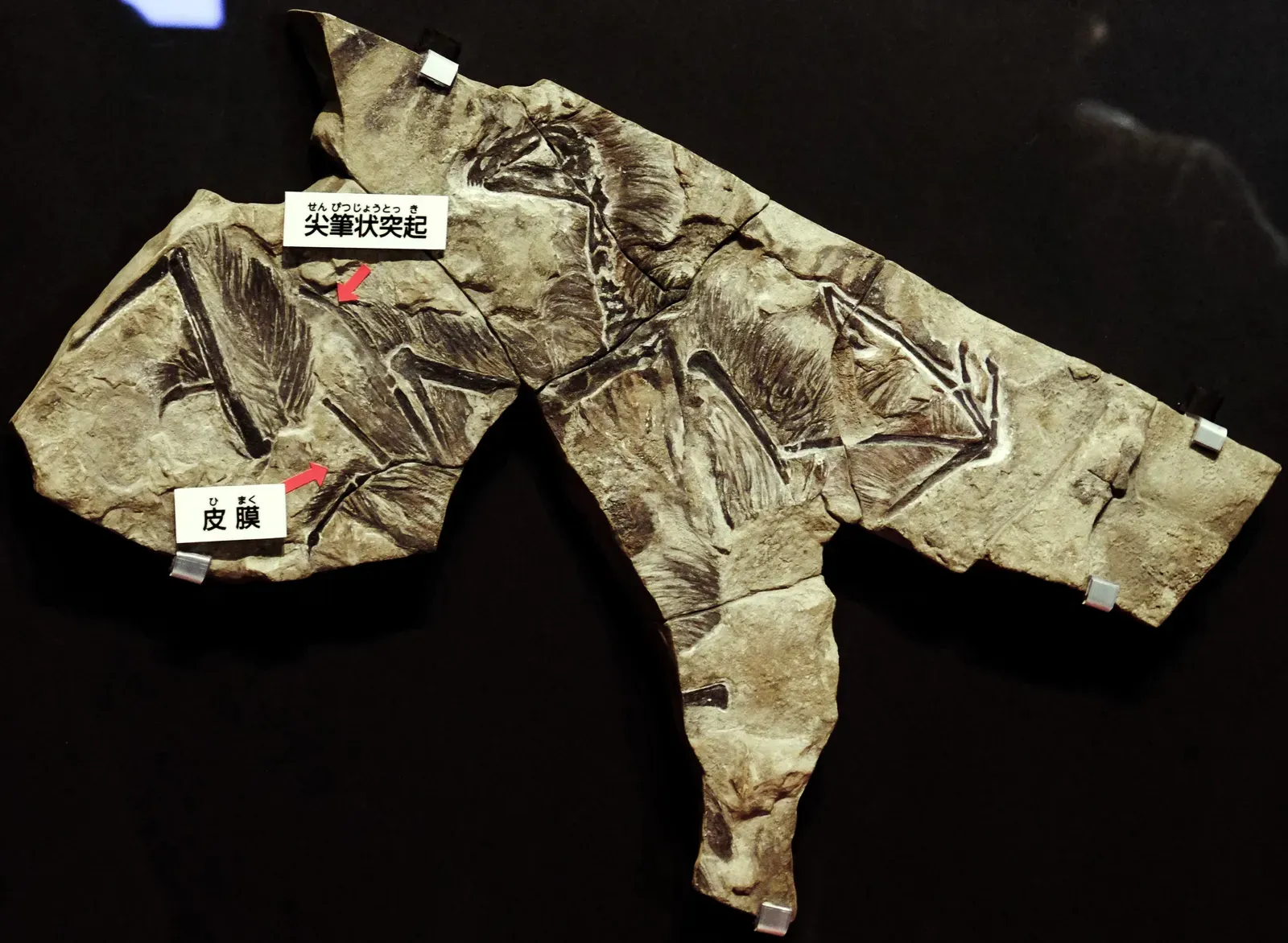
One of the most intriguing puzzles around Yi qi is whether it was a pure membrane-wing flier like a bat, or something more hybrid. Evidence shows that scansoriopterygids had feathers on parts of their bodies, and impressions suggest that Yi qi did not completely abandon feathers. That raises the possibility that this dinosaur combined a feathered body and tail with a main flight surface made of skin and soft tissue, like a bizarre mash-up of a small bird and a sugar glider.
This kind of mixed design challenges the way we like to categorize animals into tidy boxes: feathered fliers over here, membrane-winged fliers over there. Yi qi sits awkwardly between those categories, hinting that evolution often builds prototypes by stacking and blending old and new traits rather than starting clean. If you imagine it gliding between Jurassic trees, its silhouette probably did not look like anything alive today. In a world where we often think we have seen every basic wing design nature can offer, Yi qi is a quiet reminder that reality has been far stranger than our modern lineup suggests.
Could Yi qi Really Fly, or Was It Just Gliding?
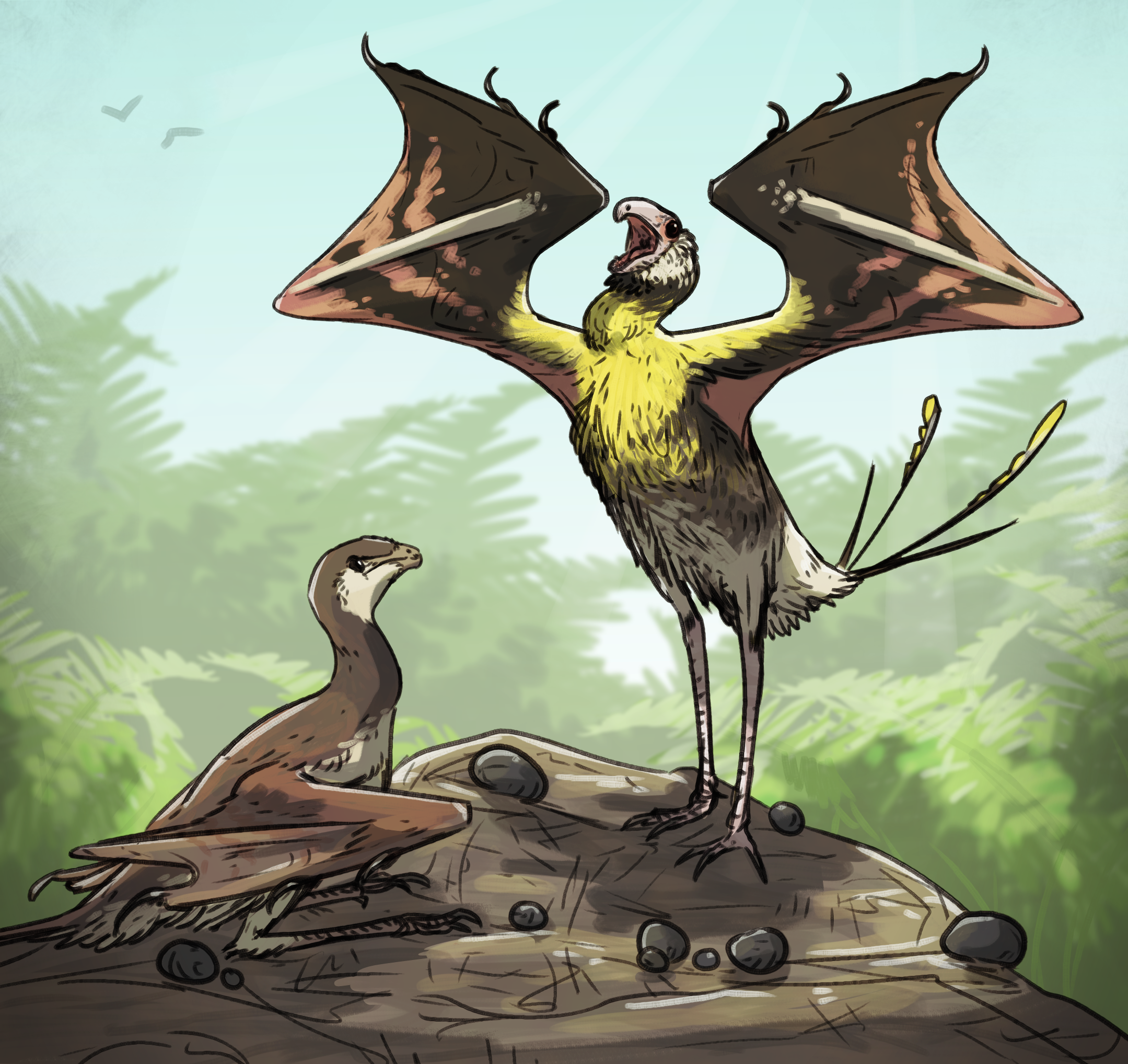
As soon as scientists realized Yi qi had a bat-like wing structure, the obvious question came up: was this little dinosaur actually capable of powered flight, or was it more of a glider? Its skeleton suggests a light, tree-dwelling animal, with features that make climbing and perching seem likely. Those proportions line up well with the idea of an animal launching from branches and using its wings to glide, rather than flapping itself up into the air from the ground like a strong-flying bird.
At the same time, the exact limits of its abilities are still debated, and that uncertainty is part of what makes Yi qi so captivating. The wing bones and joints do not obviously scream high-performance flapping, but they also do not fully rule out at least some active wing movement. To me, the most reasonable mental picture is closer to a modern gliding mammal, something that used height and gravity to start its journey and relied on its membrane to steer, slow, and extend its path. It might not have been a master of the skies, but it probably owned the twilight airspace between the trees in its forest home.
A Jurassic Forest Experiment in Flight
Yi qi lived during the middle Jurassic, a time when forests were dense, lush, and full of vertical opportunities for small animals to exploit. In that kind of environment, the ability to leap and glide between trunks and branches could be a serious advantage, whether you were escaping predators, chasing insects, or moving between feeding spots without climbing all the way down and back up again. The combination of a lightweight body, grasping limbs, and membrane wings makes a lot of sense in this context.
Thinking about Yi qi as part of its ecosystem also changes how we see its weirdness. Those unusual wings were not just a random oddity; they were a specific solution shaped by the demands of its habitat. A complex forest full of obstacles rewards maneuverable, short-range gliding more than long-distance flight across open plains. So in a way, Yi qi is less a freak and more a reminder that different environments push evolution toward different designs, many of which never make it past a particular era or landscape.
What Yi qi Tells Us About Evolution’s Wild Side
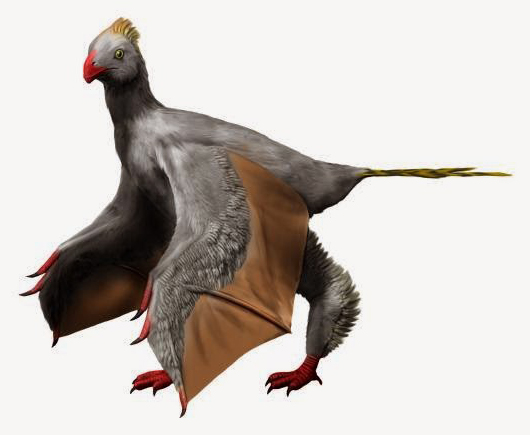
To me, the most powerful thing about Yi qi is what it says about the nature of evolution itself. We are used to telling tidy stories: dinosaurs slowly become more bird-like, feathers gradually become flight-worthy, and eventually birds take off into the skies. Yi qi shatters that neat narrative. It shows that, at the very moment bird flight was emerging, at least one close relative was trying a totally different way to live in the air, with a wing plan that did not survive into the modern world.
That makes Yi qi feel less like a side note and more like a warning label on every simple evolutionary story we tell. Evolution does not care about our categories, our diagrams, or our expectations; it explores what works in a specific time and place and discards most of the experiments. My opinion is that we should treat Yi qi as a symbol of that creative chaos, a small, strange reminder that our planet’s past was full of radical prototypes, not just straight roads to the present. When you picture this little dinosaur gliding through Jurassic twilight on bat-like wings, it begs a question we still cannot fully answer: how many other wild designs have vanished without leaving us even a single fossil to hint they were ever here at all?