Ask a group of five-year-olds what they love, and you’ll almost always hear the same answer: dinosaurs. Not puppies, not superheroes, not even ice cream – those ancient, impossible creatures somehow win. There’s something strangely powerful about the idea that giant lizards once thundered across the same planet where kids now build sandcastles and ride scooters.
Kids cling to dinosaur names that adults can barely pronounce, act out roaring battles in the living room, and correct grown-ups when they mix up a triceratops and a stegosaurus. That level of obsession isn’t an accident. It taps into deep parts of how children think, learn, and feel about the world. Once you look closely, dinosaur fever stops being a cute phase and starts looking like a window into childhood itself.
The Perfect Mix of Scary and Safe
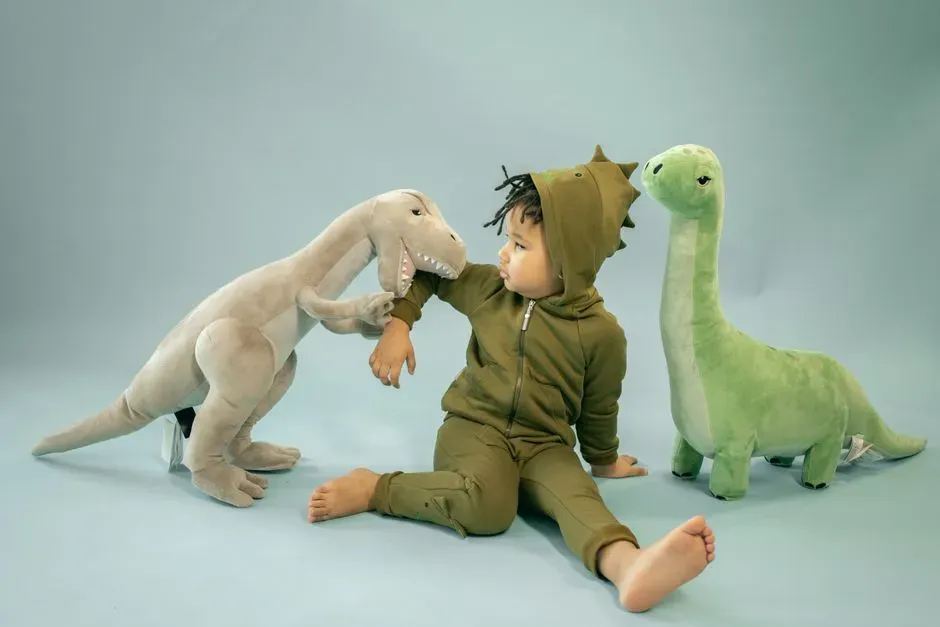
One of the main reasons dinosaurs grip children so strongly is that they are both terrifying and completely safe. Dinosaurs are huge, toothy, clawed monsters that could crush a bus, but every child knows they are extinct. That combination lets kids flirt with fear without any real risk, a bit like riding a roller coaster that you secretly trust will not fly off the tracks.
Psychologists sometimes talk about the idea of safe danger: experiences that feel intense and a little scary but happen in a controlled environment. Dinosaurs are the ultimate safe danger. Kids can roar, imagine being chased, or picture a T. rex outside the window, yet they can always retreat back to the certainty that these creatures died out long before humans showed up. That emotional roller coaster is thrilling, and for a developing brain, it is addictive in the best way.
Big Brains Love Big Worlds
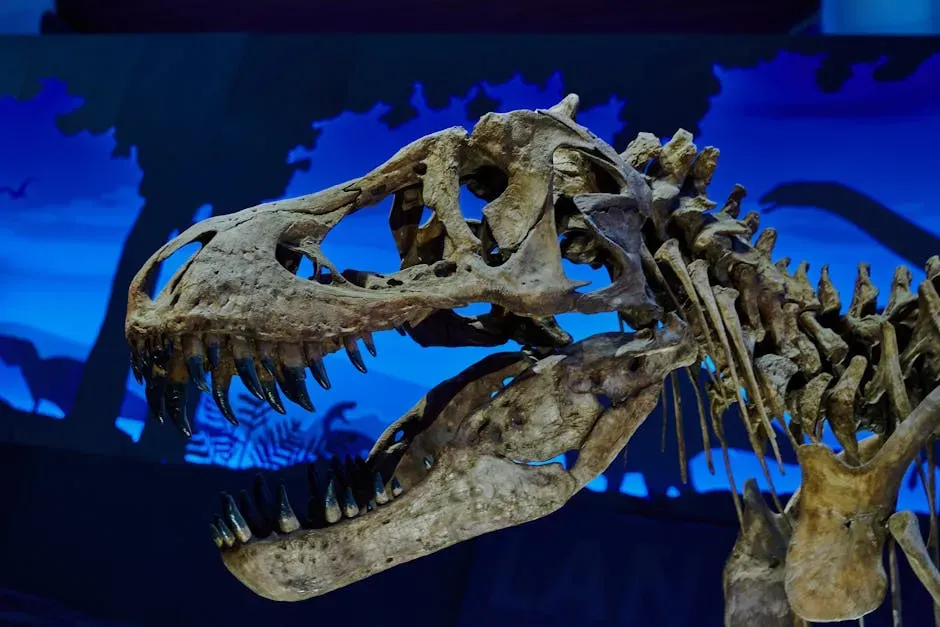
Childhood is a time when the brain is hungry for big, complicated systems to explore, and prehistory is exactly that. Dinosaurs are an entry point into an entire lost world of geology, climate, evolution, and deep time. For many kids, they are the first taste of what it feels like to dive into a topic that is bigger than school worksheets and storybooks.
Think about how kids play: they build universes, not just scenes. Dinosaurs give them a ready-made universe that is rich and strange but still understandable with enough effort. Herbivores, carnivores, swamps, deserts, comets, fossils – it is like a giant sandbox of ideas. Once a child notices that there were different species in different periods living in different environments, they start building mental maps of complexity, and that is irresistibly satisfying.
Extinct, But Weirdly Relatable
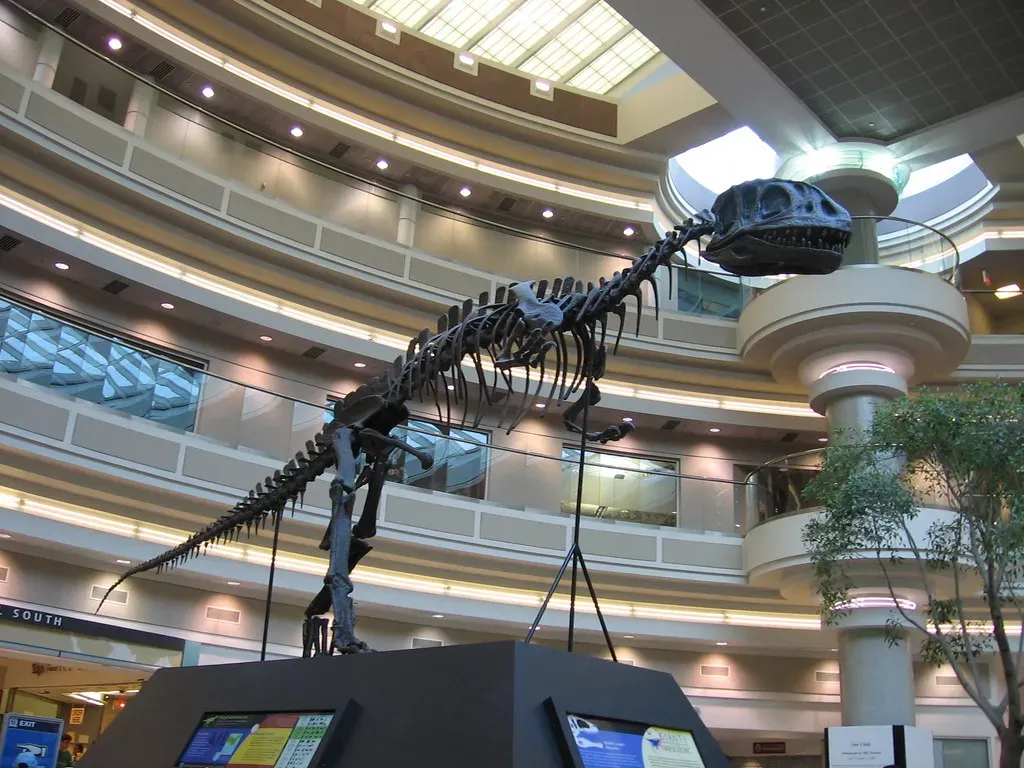
For all their alien qualities, dinosaurs are not entirely abstract. They walked on legs, had heads and tails, ate, hunted, nested, protected young. Kids can easily imagine them as characters with motives and feelings: the nervous plant-eater, the bold hunter, the curious baby dinosaur testing its world. That emotional bridge matters a lot more than the scientific details at first.
At the same time, dinosaurs are just strange enough to feel magical. Feathers on a huge predator, plates on a stegosaurus, a neck longer than a school bus – they stretch a child’s sense of what is possible without snapping it completely. It is like nature’s own fantasy genre, pre-installed in the fossil record. Children get to connect with living-animal logic while still stepping into a world that feels otherworldly.
The Allure of Deep Time and Lost Worlds
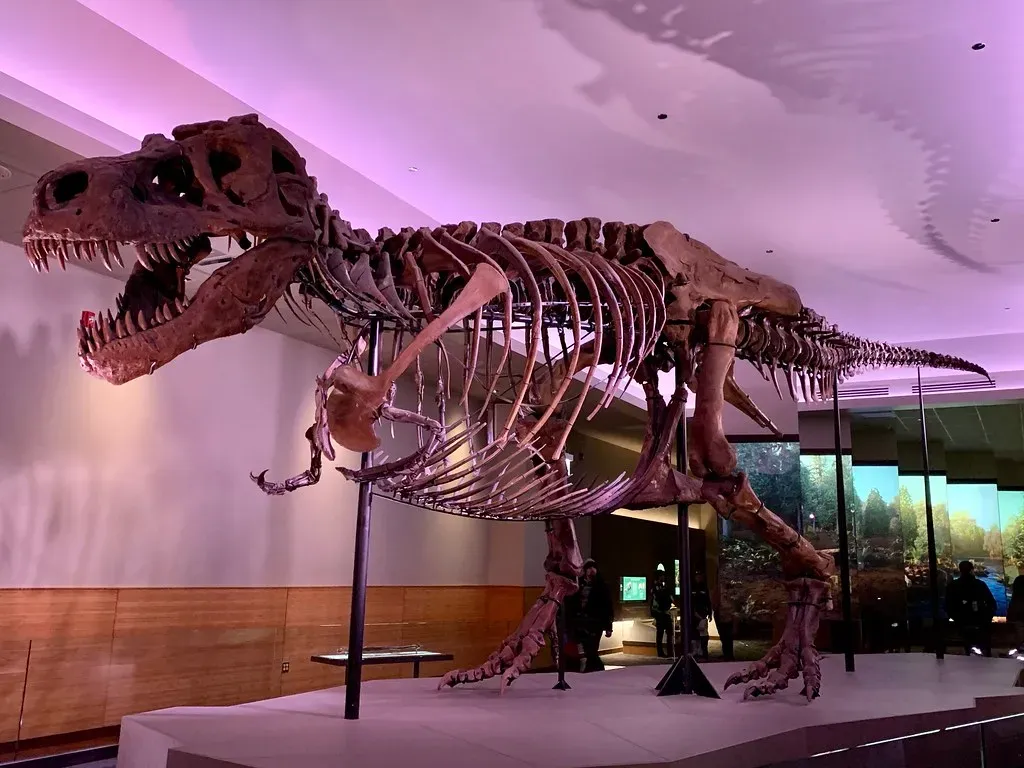
Kids are often just beginning to grasp time beyond their own birthday or the coming weekend, and dinosaurs blow that door off its hinges. Hearing that dinosaurs lived “millions of years ago” is almost incomprehensible at first, but it is also intoxicating. It hints that the world has secrets far older than any grown-up they know, which quietly shrinks adults down to size.
There is also something haunting about an entire world that vanished. Children sense, even if they cannot fully articulate it, that whole ecosystems rose and fell before humans ever appeared. It plants a seed: the world changes, and not always gently. That subtle awareness gives the dinosaur era a kind of ghostly beauty – a reminder that this planet holds layers and layers of stories, and we just happen to be living in the latest chapter.
Mastering Hard Names Feels Like Superpowers
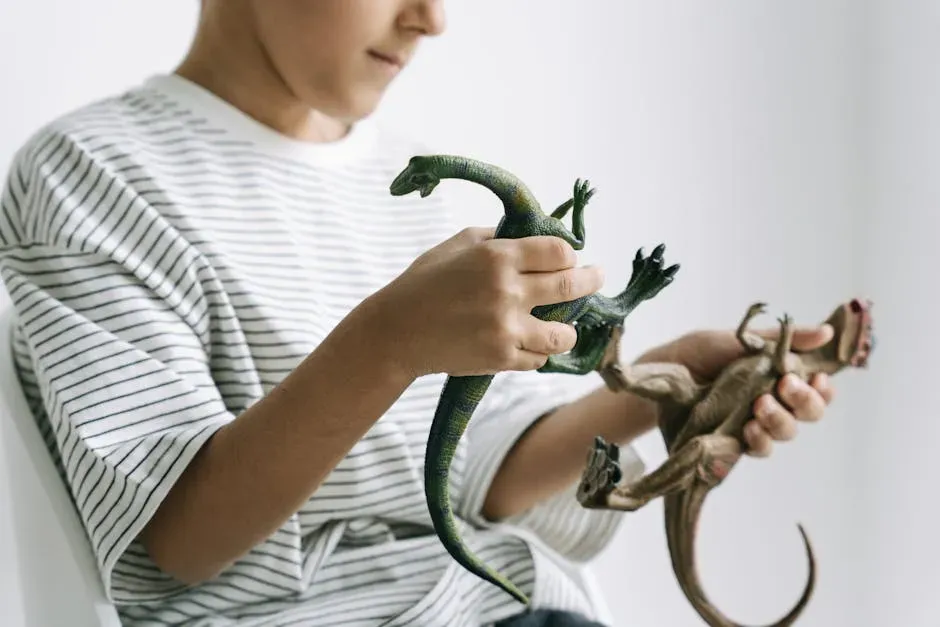
If you have ever heard a four-year-old casually drop “parasaurolophus” into conversation, you know the pride that comes with dinosaur knowledge. These names are long, tongue-twisting puzzles, and being able to say them correctly feels like unlocking a secret code. For a child who often has to rely on adults for explanations, being the expert on something this complicated is a rush.
That sense of mastery is not trivial. Learning exact names, which period each species lived in, what they ate, how big they were – it all builds a child’s confidence in their own mind. They start to feel like someone who can research, remember, and correct others. You can almost see the glow when a kid gently informs a parent that pteranodons were not actually dinosaurs. It is one of the rare chances where children get to hold the intellectual high ground, and they hang on to it fiercely.
Dinosaur Play Is a Safe Way to Explore Power and Chaos
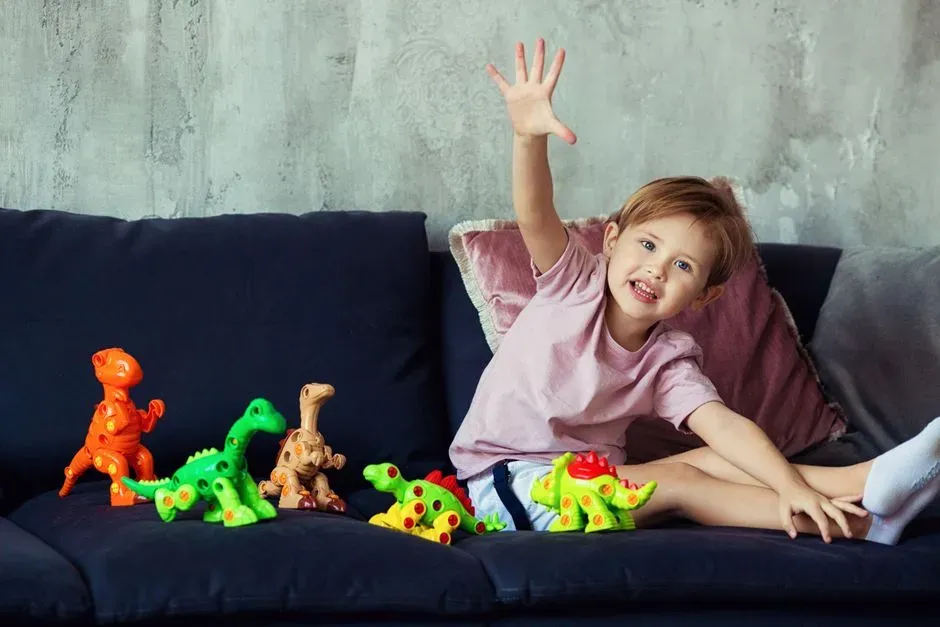
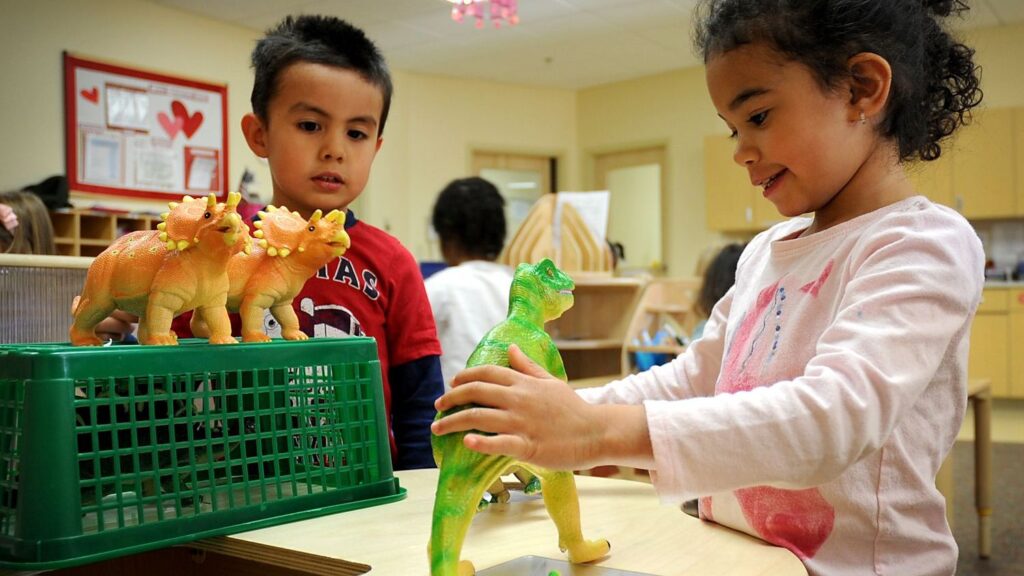
Watch kids playing with dinosaur toys, and you will almost always see some form of wild chaos: stomping, crashing, roaring, and dramatic battles. On the surface, it just looks noisy. Underneath, it is a rehearsal for understanding power, danger, and even aggression. Dinosaurs let children experiment with being the predator and the prey without real harm, a bit like acting in an imaginary action movie.
In a world where kids are constantly being told to use inside voices and stay in line, dinosaur play is a socially acceptable outlet for huge feelings. Anger, fear, excitement – those emotions can be channeled into a T. rex attack or a herd stampede. It is a story where loud is allowed, and that alone can be liberating. When the game ends, the chaos goes back in the toy box, and kids learn that big emotions can rise and fall without wrecking their real lives.
A Gateway to Science Without the Homework Feel
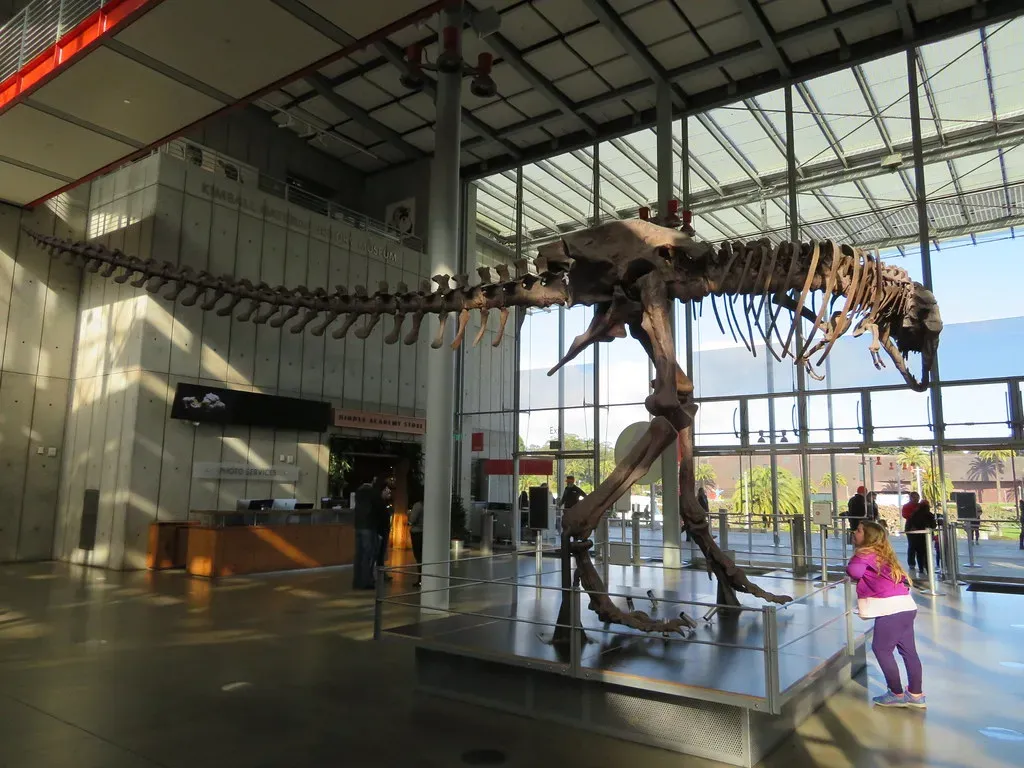
Dinosaurs are one of the easiest ways to sneak serious science into childhood without it ever feeling like school. Fossils introduce them to geology; evolution shows up when they learn how birds and dinosaurs are connected; asteroid impacts lead straight into astronomy. All of this flows naturally from simple questions kids ask on their own, like how we know what dinosaurs looked like or why they disappeared.
Because the topic is so captivating, children will happily wade through museum plaques, documentaries, and detailed books that would bore them on almost any other subject. They get used to handling evidence, thinking about clues, and accepting that scientists sometimes change their minds when new fossils are found. That flexible, curious mindset is the core of scientific thinking, and they are picking it up long before they ever hear words like hypothesis or theory.
Dinosaurs as a Cultural Language Kids Share
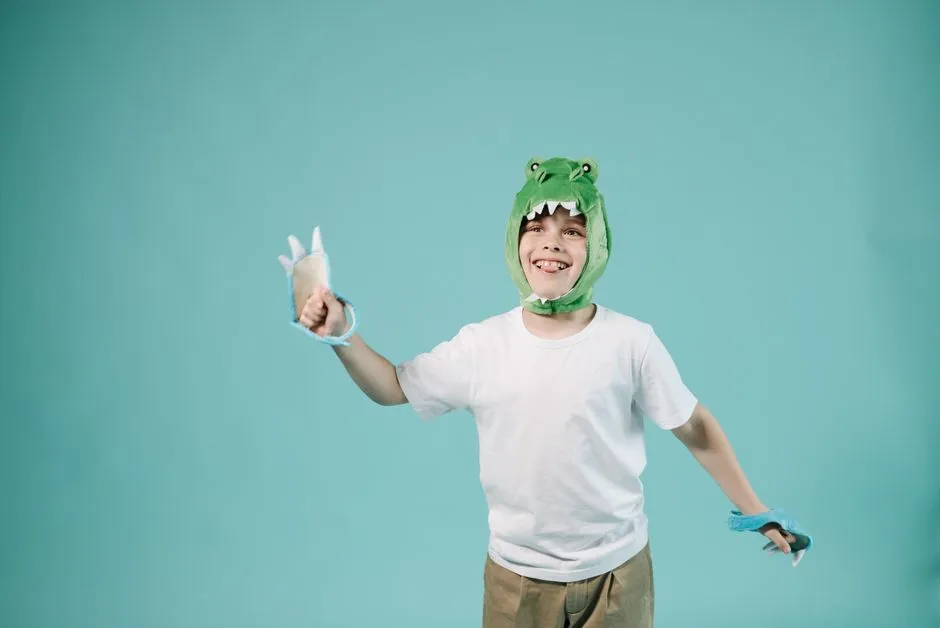
Dinosaurs are everywhere: in movies, cartoons, games, clothes, and school projects. This constant presence turns them into a kind of shared language among kids. A child can walk into a classroom in a new city wearing a dinosaur T-shirt and instantly have something in common with other children. It is a ready-made identity: the dinosaur kid who knows all the names and loves all the roars.
For parents and caregivers, dinosaurs also become a bridge into a child’s world. Reading dinosaur books at bedtime, lining up toy herds on the living-room rug, visiting a natural history museum together – these are the kinds of rituals that stick in memory. As an adult, I still remember the first time I stood under a towering fossil skeleton and felt tiny in the best possible way. That shared awe, passed from one generation to the next, turns dinosaur fascination into something much bigger than a passing phase.
Conclusion: Why We Should Take Dinosaur Obsession Seriously
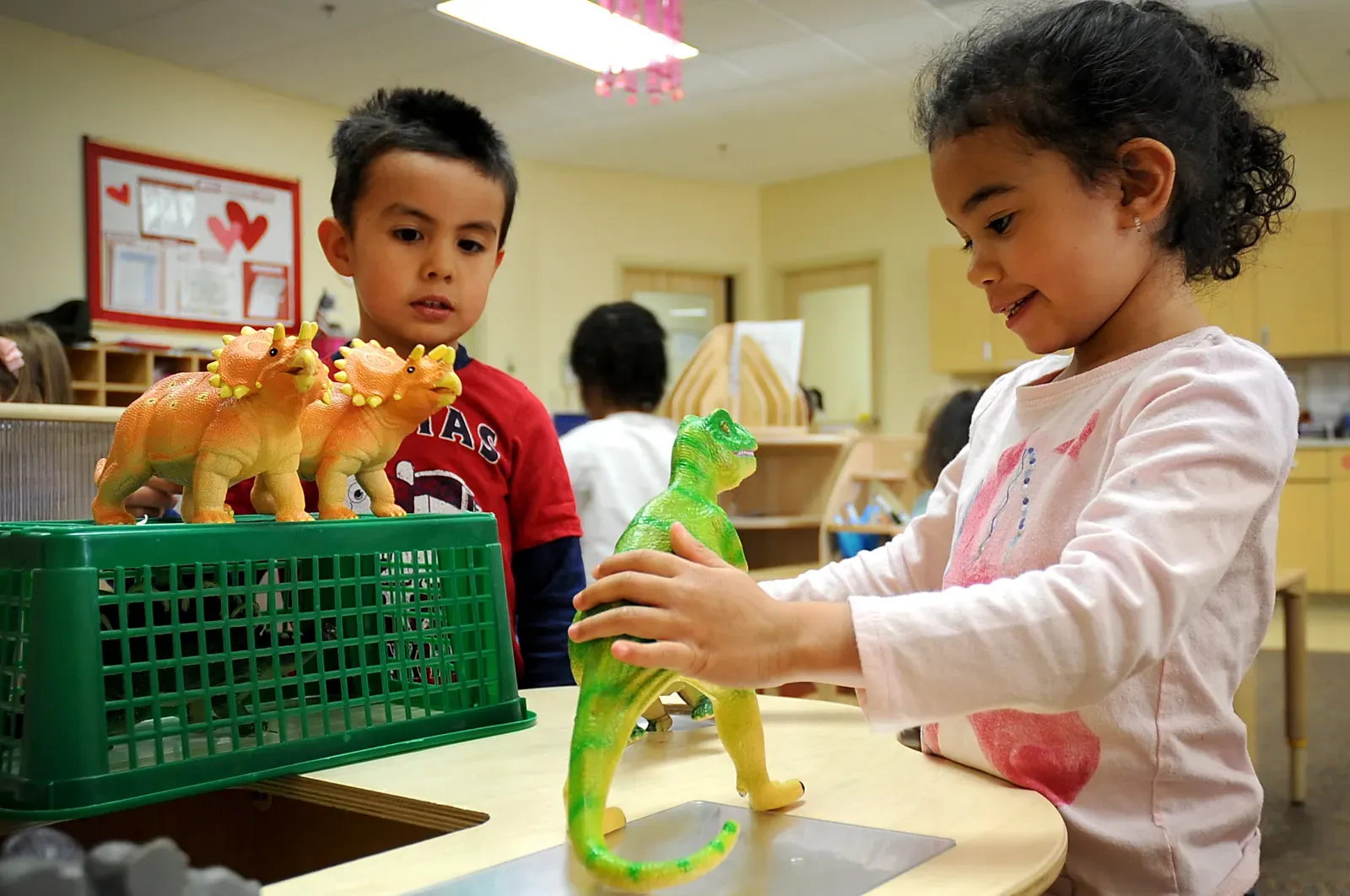
When adults shrug off dinosaur obsession as just a cute stage, they miss what is really happening: children are using these ancient creatures as training wheels for curiosity, courage, and complexity. Dinosaurs let kids dance with fear, feel smart, practice power, and glimpse deep time, all while playing on the living-room floor. For many of them, this is the first time they get to say, “This is my thing,” and actually know more than the people who tuck them into bed at night.
In my view, we should lean into that, not rush kids past it. Dinosaur fascination is not a distraction from learning; it is learning at its rawest and most alive. When a child wants to read one more dinosaur book, memorize one more impossible name, or stare one more time at a fossil skeleton, that is a young mind telling you it is wide open and hungry. The real question is not why dinosaurs fascinate children so much, but whether we, as adults, are brave enough to keep feeding that fire instead of quietly letting it go out.