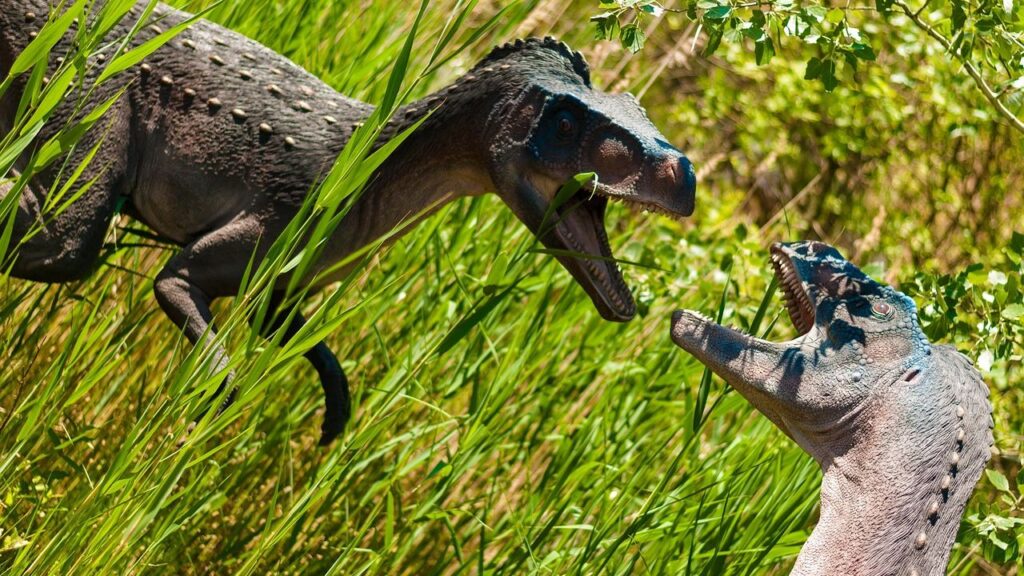
Imagine a dinosaur so fearsome that even other giant predators gave it space, yet the bite marks that match its teeth are not only on its prey, but on its own species. That is the unsettling puzzle of Majungasaurus, a Late Cretaceous predator from Madagascar that has forced paleontologists to seriously consider dinosaur cannibalism. The story is not a sensational movie script; it is carved directly into fossil bone, in the form of healed and unhealed bite traces that look disturbingly familiar.
When I first read about Majungasaurus, it felt like the plot twist in a mystery novel: just when you think you understand top predators as hunters of other species, you discover they may also have turned on their own. Yet the evidence, while striking, is not simple or one‑sided. Scientists have to walk a very careful line between explaining the data and not overhyping it, and that tension is part of what makes Majungasaurus so fascinating. Did it regularly hunt … or just take grim advantage of carcasses when times were tough?
The Dinosaur Behind the Dark Reputation
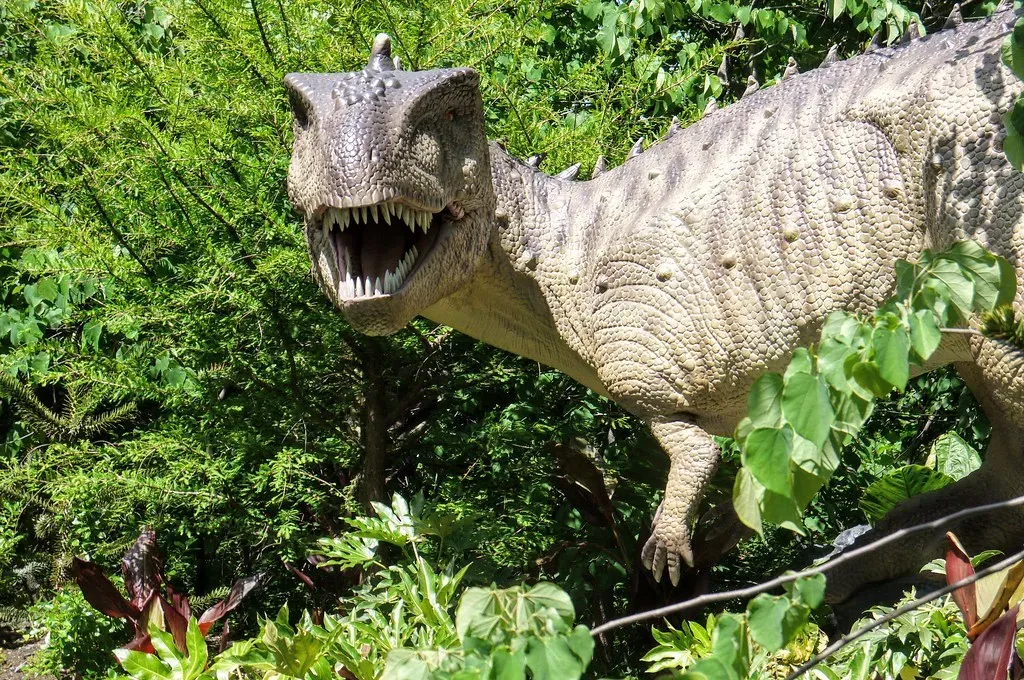
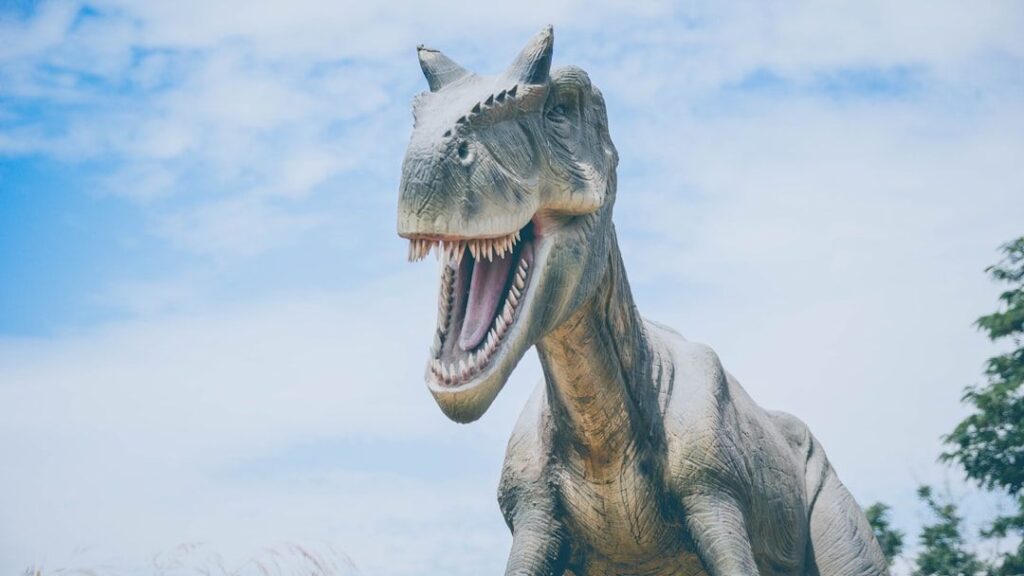
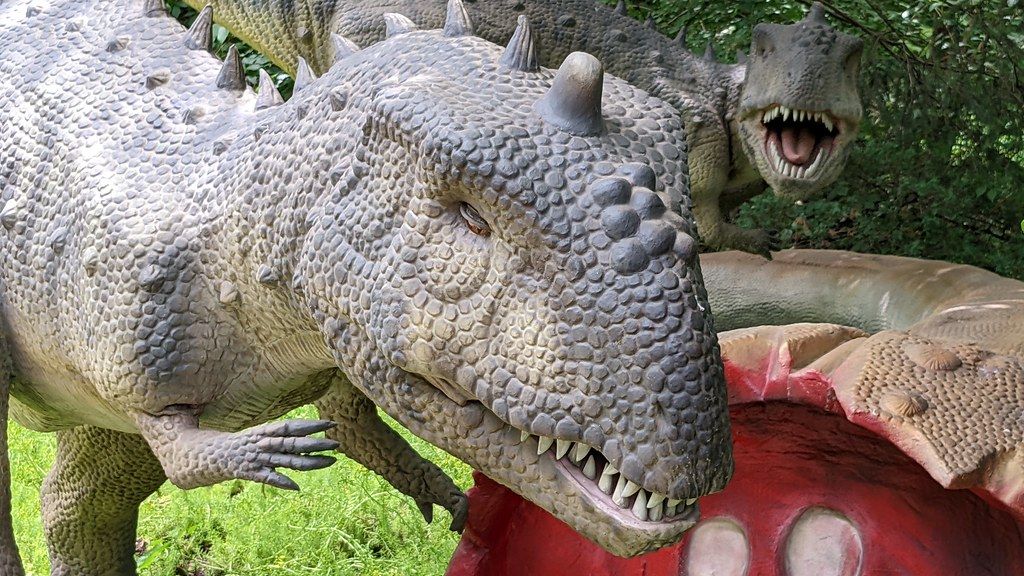
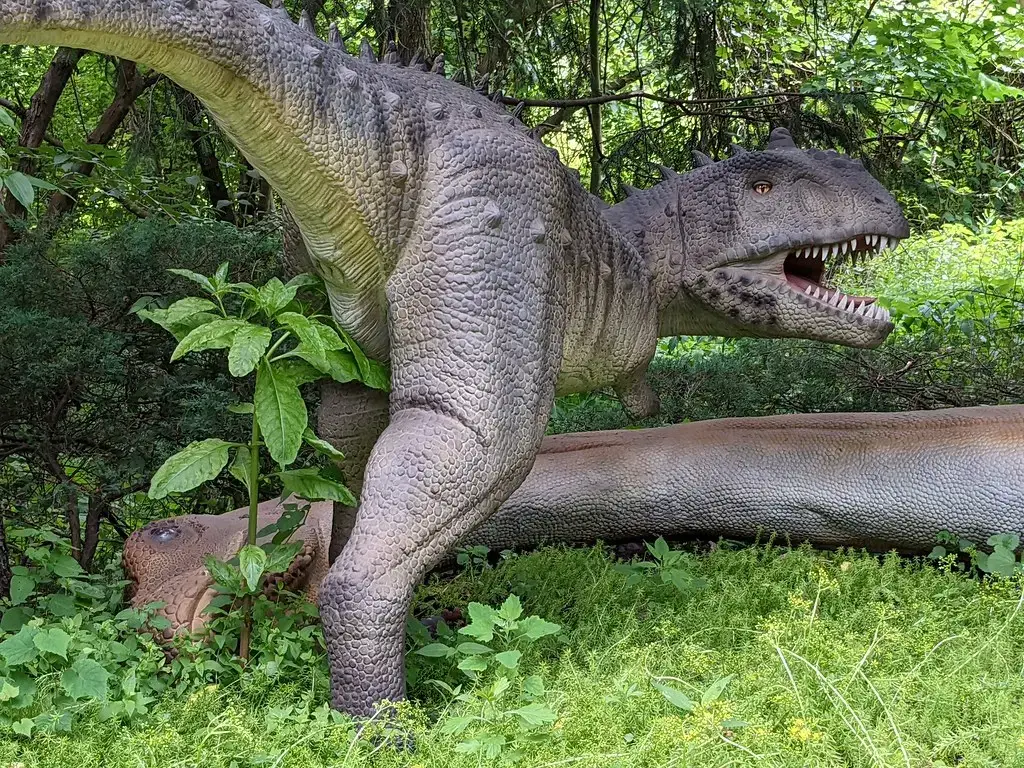
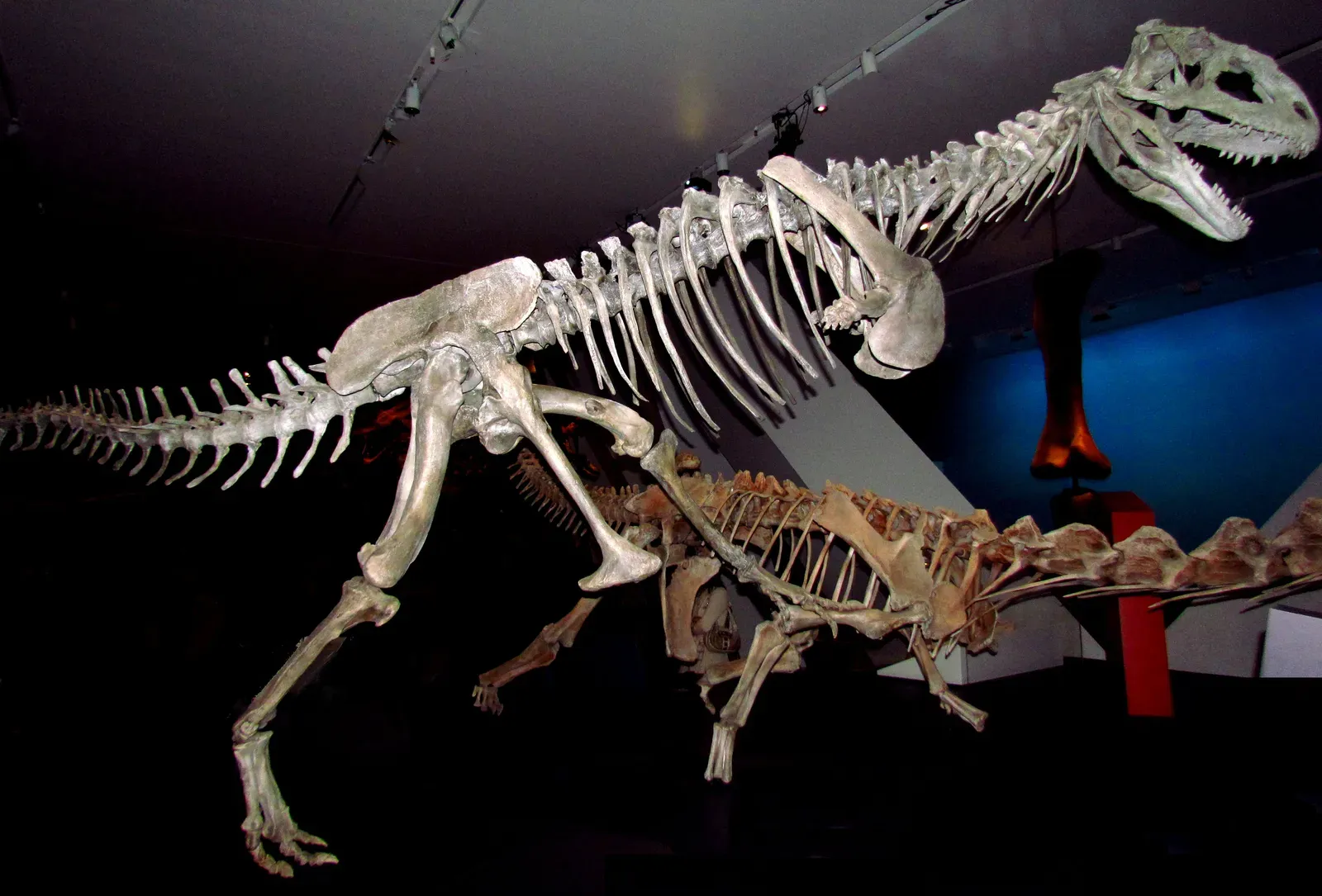
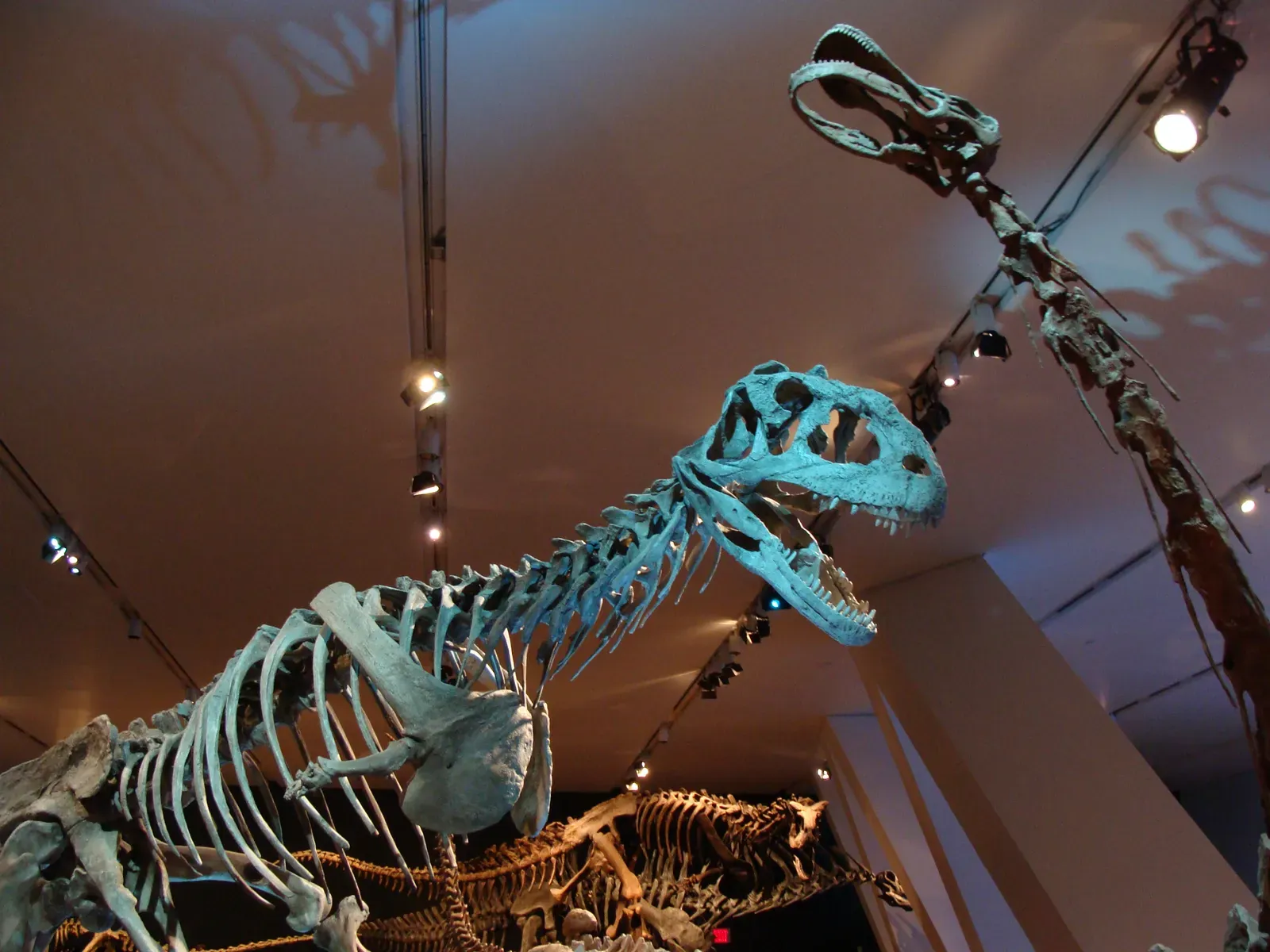
Before getting into cannibalism, it helps to know who we’re talking about. Majungasaurus lived about seventy million years ago on the island landmass that is now Madagascar, an isolated world with its own quirky cast of dinosaurs. It was a medium‑sized to large theropod, roughly the length of a bus, with a stocky build, a deep skull, and a single knob‑like horn on its head. If you picture a somewhat shorter, more barrel‑chested cousin of a Tyrannosaurus, you are not too far off.
Majungasaurus belonged to a group called abelisaurids, predatory dinosaurs famous for their odd proportions: short, sometimes almost comical forelimbs, thick necks, and heavily ornamented skulls. These were the apex predators in many southern continents, filling a similar role to tyrannosaurs in the north. That means Majungasaurus was not a fringe animal scavenging at the edges; it was at the top of its food web, powerful enough to bite through bone and dominate carcasses. In that kind of ecological position, ugly feeding behaviors like cannibalism are not as far‑fetched as they might sound at first.
The Fossil Bite Marks That Started It All
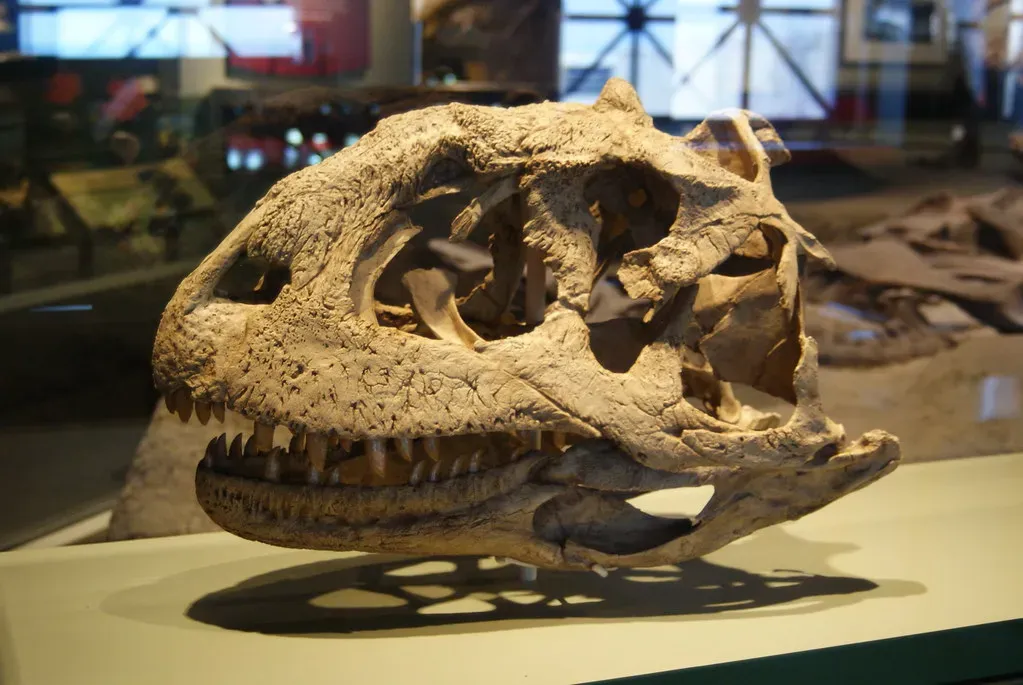
The whole cannibalism debate did not come out of thin air; it started with bones. Paleontologists examining Majungasaurus fossils noticed sets of grooves and punctures that lined up almost perfectly with the shape and spacing of its teeth. Some of these bite marks appeared on bones of herbivorous dinosaurs from the same formation, which makes perfect sense for a carnivore. The real shock came when similar bite patterns were found on Majungasaurus bones themselves.
These were not vague scratches you could blame on anything. The spacing between the marks, their depth, and the way they followed the curve of the jaw all strongly pointed back to Majungasaurus rather than some other predator. In several cases, the marks occurred in places most consistent with feeding rather than fighting, such as along limb bones where meat would have been stripped off. That combination of clear match with Majungasaurus teeth and feeding‑style placement is what turned a curious pattern into a serious case for cannibalism.
Cannibalism or Just Cleaning Up Carcasses?
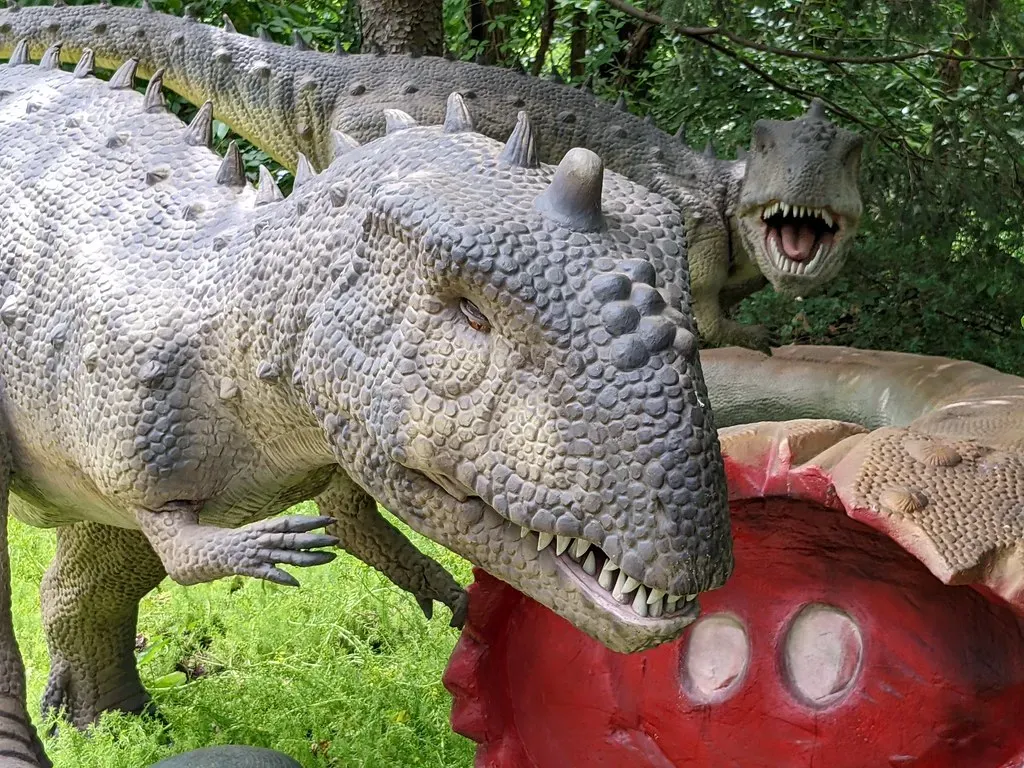
Here’s where things get tricky: just because a Majungasaurus skeleton has Majungasaurus tooth marks does not automatically mean one dinosaur hunted another of . Cannibalism can mean many things, from actively killing a rival to simply scavenging a dead individual that was already lying in the mud. Think of modern crocodiles or Komodo dragons; they will absolutely eat members of their own species, but often as opportunistic feeders rather than planned assassins. The fossil record cannot easily tell us whether the victim was alive at the moment of attack.
Many paleontologists lean toward the idea that Majungasaurus most likely scavenged conspecific carcasses rather than routinely hunting each other. The bite marks often show up in later‑stage feeding positions, places a predator would reach once more desirable, easy‑to‑access meat had already been consumed. That pattern feels more like a dinosaur finishing off a free meal than launching an energy‑intensive fight to the death. Still, even scavenging your own species counts as cannibalism in ecological terms, and it suggests a ruthless, waste‑nothing strategy that might have been important in a tough environment.
What Kind of Ecosystem Breeds a Cannibal?
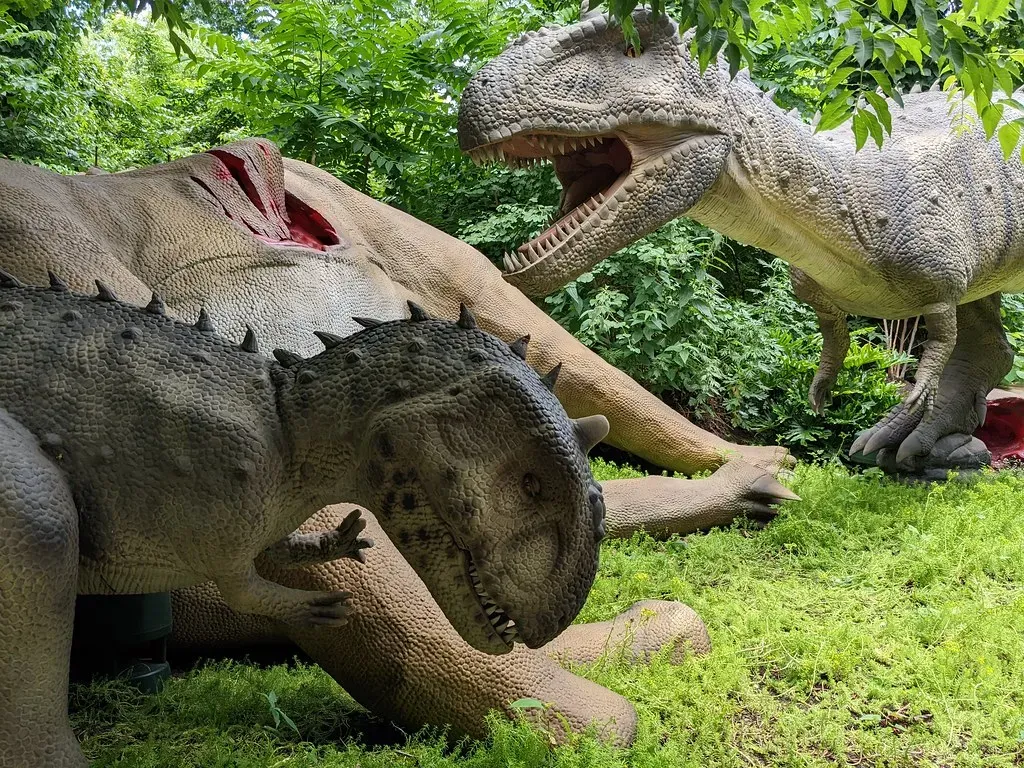
Majungasaurus did not live in a world of endless resources; Madagascar in the Late Cretaceous seems to have been a patchy, sometimes harsh environment. When food is unpredictable, big predators are under constant pressure to exploit every possible source of calories, including each other. Modern ecosystems show a clear pattern: cannibalism is more likely when resources are limited, when carcasses linger, and when multiple predators crowd around the same food. It is not so much a moral failing as an extreme survival tactic.
The geological setting where Majungasaurus is found hints at floodplains and river systems that could rapidly bury carcasses, preserving scenes of feeding and decay. In such a landscape, a dead Majungasaurus would be a huge pile of meat, too tempting for another hungry carnivore to ignore. Add in the potential for seasonal droughts or shifting prey availability, and you get a recipe where eating your own kind is not shocking at all, just brutally efficient. The fossils do not paint the full environmental picture, but they do suggest that this dinosaur lived in a world where the line between predator and prey could blur fast.
Behavior Clues in Its Skull, Jaws, and Bite
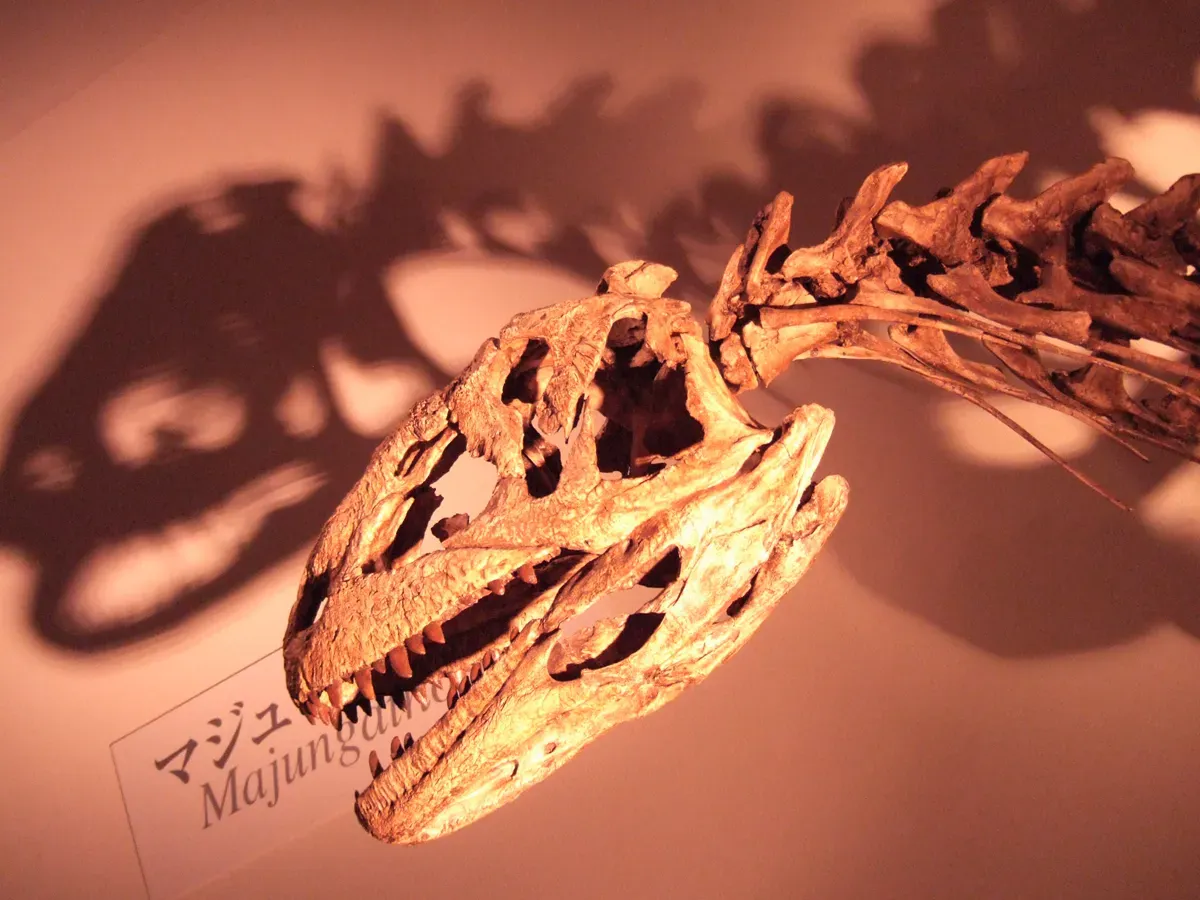
To understand why Majungasaurus might have been well‑equipped to chew into bone, even the bones of its own species, researchers look closely at its anatomy. Its skull was deep and robust, with thickened bone in many regions and a jaw structure built for powerful, sustained biting. The teeth themselves were not gigantic like those of some tyrannosaurs, but they were stout, serrated, and well‑suited to slicing and crushing. This is the sort of toolkit that lets you work through tough, gristly material rather than just delicate flesh.
There are also hints that Majungasaurus may have engaged in intense intraspecific interactions, perhaps even face‑biting or dominance contests. Some skulls show damage that could be the result of combat with other individuals, though interpreting such injuries is always a bit speculative. If these animals occasionally fought each other, the step from fighting to killing, and then to feeding, is not a huge leap. It is a grisly thought, but in nature, a fallen rival is still a source of protein, and Majungasaurus seems built to take advantage of that reality.
How Majungasaurus Compares to Modern Cannibal Predators
If the idea of a dinosaur eating sounds uniquely monstrous, it helps to remember how often modern predators do something very similar. Big cats, bears, crocodiles, sharks, and even some birds of prey have all been documented feeding on members of their own species under the right circumstances. Sometimes the motive is eliminating competition, sometimes it is stress or crowding, and often it is simply hunger. From that perspective, Majungasaurus starts to look less like an outlier and more like a familiar ecological pattern played out on a dinosaur scale.
One striking modern parallel is with large reptiles such as crocodiles and Komodo dragons, which share a slow metabolism and opportunistic feeding style. These animals will scavenge heavily, linger on carcasses, and show little hesitation about consuming another individual of their own kind, especially juveniles or injured adults. If Majungasaurus behaved anything like that, then cannibalism might not have been a dramatic exception but just part of its normal feeding spectrum. I find it oddly grounding to realize that what seems shocking in a dinosaur is, in today’s ecosystems, almost routine.
Why Scientists Still Argue About the Details
Despite the strong evidence of Majungasaurus tooth marks on Majungasaurus bones, paleontologists are still careful in how far they push the cannibalism story. Fossils are frustratingly fragmentary, and a lot can happen to a carcass before it is buried and preserved. Bones can be moved by water, gnawed by other animals, or even trampled, creating marks that can confuse the signal. While the best‑preserved specimens clearly support feeding traces, building a full behavioral profile from a handful of sites always carries uncertainty.
There is also the risk of our own bias: cannibal dinosaurs make for eye‑catching headlines, and that pressure can easily inflate how often this behavior is portrayed. Some researchers stress that the documented cases, while real, might represent rare or extreme events rather than everyday life. Others argue that, given what we know about modern predators, underestimating cannibalism might be just as likely as overhyping it. The honest answer is that Majungasaurus probably did eat at least sometimes, but we do not yet know how central that was to its lifestyle.
What Majungasaurus Cannibalism Tells Us About Dinosaur Life
To me, the most striking thing about the Majungasaurus story is how it strips away the romantic, movie‑friendly image of dinosaurs and replaces it with something far more raw and real. These were not noble monsters locked in neat predator‑prey duels; they were animals in a messy, competitive world, sometimes turning on their own species when the opportunity or need arose. Cannibalism here is not a horror twist but a reminder of how unforgiving ancient ecosystems could be. It says as much about the environment and resource pressure as it does about the dinosaur itself.
My own opinion is that Majungasaurus probably combined opportunistic cannibalism with a more typical diet of other dinosaurs and smaller prey, much like modern top predators do. The bite‑marked bones are a snapshot, not a full documentary, but they are too consistent to ignore. They reveal a predator that did not let ideology get in the way of a meal, one that saw flesh as flesh whether it came from a herbivore or a fallen rival. In a strange way, that makes Majungasaurus feel more familiar, not less: an animal playing by the same ruthless rules that still shape life today. And it leaves you wondering, if we could watch that ancient floodplain for just one day, how much of what we saw would truly surprise us?