
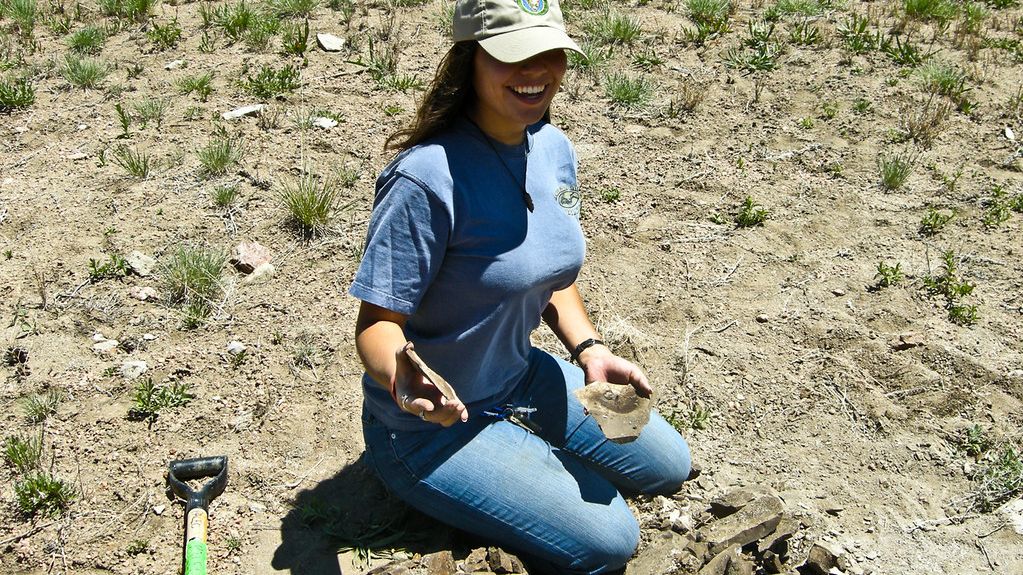
Every fossil is a tiny act of rebellion against time. It should have vanished – crushed, dissolved, erased – but somehow it endured for millions of years just long enough for a human to pick it up and whisper, almost in disbelief, that this was once alive. If you’ve ever held a fossil and felt your stomach do a strange little flip, you’re not alone; psychologists are finding that people drawn to deep time objects often relate to the past, present, and future in ways that quietly set them apart.
I still remember the first time I saw a trilobite in a museum: it was smaller than my thumb, older than my brain could comprehend, and yet oddly familiar, like a distant relative nobody told me about. That feeling – being both microscopic and gigantic at the same time – isn’t just poetic. It hints at something real: a different way of holding time in your head. People who are fascinated by fossils are not just “dinosaur kids who never grew out of it.” In many cases, they’re actually cultivating a mindset shaped by deep time, perspective, and a kind of quiet psychological resilience.
The Deep Time Mindset: Seeing Millions of Years at Once
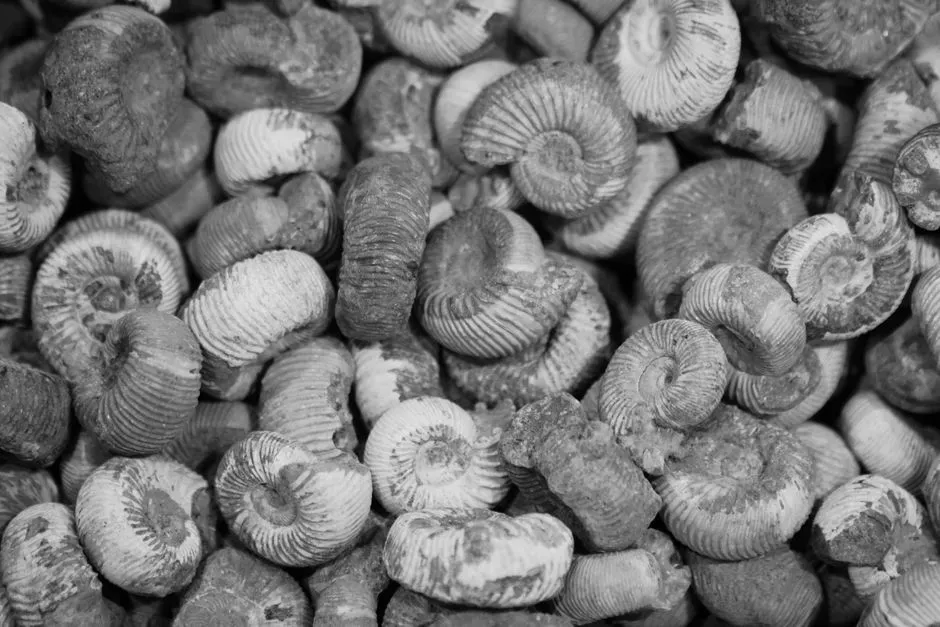
For most of us, “a long time” means a bad commute or waiting for a package to arrive. For someone obsessed with fossils, a long time is a hundred million years of oceans rising and falling, continents drifting, whole ecosystems appearing and disappearing before humans even existed. That repeated mental exercise – imagining deep time – changes how the present moment feels: less permanent, less fragile, and weirdly less overwhelming. When you constantly picture Earth as an ancient, ever-changing stage, today’s chaos starts to look more like one act in a very long play.
Psychologists sometimes describe this as expanding your temporal horizon: the range of time your mind habitually holds in view. People who love fossils train that horizon to stretch far beyond their own lifetime, or even human history at all. It is a bit like zooming out on a map; the streets and traffic are still there, but they stop being the whole story. The daily rush to answer emails or worry about minor dramas can feel smaller – not because it does not matter, but because it now sits inside a vast, ongoing timeline. That mental zoom-out is not just intellectual; it can subtly shape priorities, patience, and even what feels worth getting upset about.
Temporal Humility: Feeling Tiny Without Feeling Meaningless
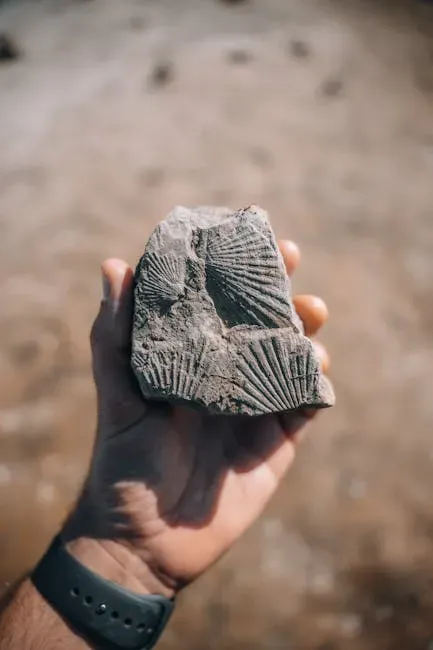
Staring at a fossil can be a humbling experience. You are looking at something that was already ancient long before your entire family line existed, and yet it survived under rock, pressure, and chance long enough to land in your hand. This can trigger what psychologists call the small self: a feeling of being tiny and limited in the face of something enormous, like standing under a star-filled sky or at the edge of a canyon. People who seek out fossils voluntarily step into this small-self experience again and again, almost like a mental practice.
Here is the twist: feeling small in time does not automatically make life feel pointless. For many fossil enthusiasts, it does the opposite. When you really grasp how brief a human life is compared to the history of Earth, your few decades start to look rare and strangely precious. The fact that you get to exist at all in this thin slice of geological time can feel like winning a bizarre cosmic lottery. Instead of shrinking into despair, people often come away with a gentle, grounded humility: they know they are not the center of the universe, but that does not stop their experiences from being intensely meaningful right now.
Past, Present, Future: A Different Balance of Mental Time Travel
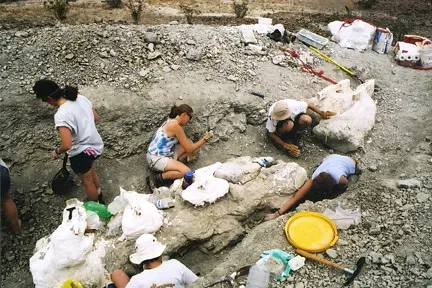
Humans are constantly jumping in and out of time in their minds, revisiting the past and rehearsing the future. Some people are naturally more future-focused, while others linger in memories or regrets. Fossil lovers add another layer: they routinely place their thoughts in eras so remote that personal stories dissolve completely. When you are picturing ancient seas or forests filled with creatures that have no direct link to your life, you are doing a special kind of mental time travel – one that is not about you at all.
This habit can subtly rebalance how someone thinks about their own past and future. Personal heartbreak or fear about what will happen next can feel a little less suffocating when you are used to imagining whole species rising and vanishing. Interestingly, that does not necessarily mean people who love fossils are careless about their future; in many cases, thinking in deep time actually heightens awareness that choices today ripple outward, especially when it comes to climate or biodiversity. They may feel both oddly calm about their own timeline and sharply alert to the long-term consequences of human actions, because they are used to seeing time stretch far beyond election cycles or stock market charts.
Awe, Curiosity, and the Emotional Charge of Ancient Bones
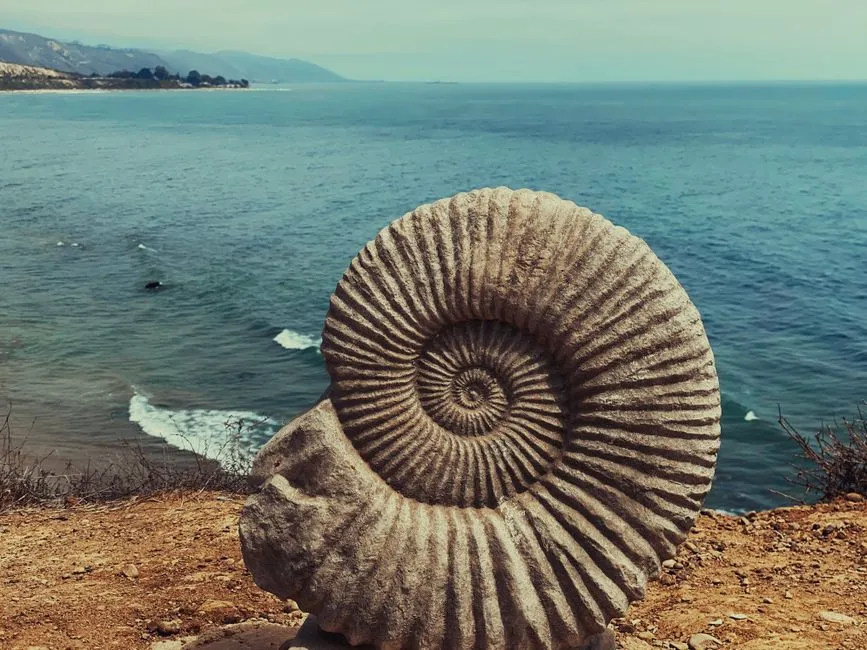
There is a specific emotional cocktail that fossils tend to trigger: awe mixed with curiosity and a touch of eeriness. You are holding a piece of death that somehow feels alive with information, and the brain loves puzzles like that. Research on awe shows that experiences which stretch our sense of scale – huge mountains, deep space, or deep time – can quiet self-focused chatter and open people up to learning. Fossils are pocket-sized versions of that; they are tangible, mysterious, and clearly not about you, and yet you feel pulled toward them.
People fascinated by fossils often chase that feeling on purpose. They read dense geology books, hike through outcrops, or spend hours in museum halls, not because anyone told them to, but because that awe feels oddly nourishing. Emotionally, it can function almost like a secular spiritual experience: a way to feel connected to something larger and older without needing a specific belief system. Over time, this can foster a personality that is naturally more inquisitive, tolerant of uncertainty, and comfortable holding big unanswered questions – like what exactly it means that life has kept evolving for billions of years and then produced you, right here, right now.
Collecting Fossils, Collecting Perspective
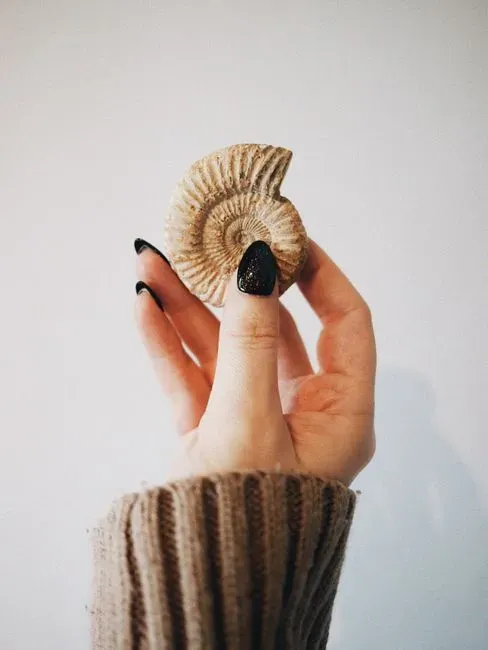
The act of collecting fossils is its own kind of psychology experiment. You have to accept that you might spend hours finding nothing, that what you do find may be fragmentary, and that most of what once existed is gone forever. This trains a kind of patience and respect for chance. You come to understand that absence is part of the record; missing bones and broken shells are not failures, they are just what time does. Living with that reality can bleed into everyday life, making it a little easier to accept that not every story you live through will be complete or fully understood.
At the same time, each fossil you do find anchors your imagination in something solid. You can line them up and see, in stone, the passage of eras your brain could barely picture before. For many enthusiasts, their shelf of fossils is not about showing off a collection; it is about building a personal timeline that stretches backward, far beyond human history. Touching those objects reminds them that time is not just numbers in a textbook but something that leaves scars and traces in the world. That physical connection keeps their sense of time from floating away into abstraction and ties lofty ideas about deep time back to the weight of a rock in their hand.
Fossils and Climate Anxiety: When Deep Time Calms and Confronts
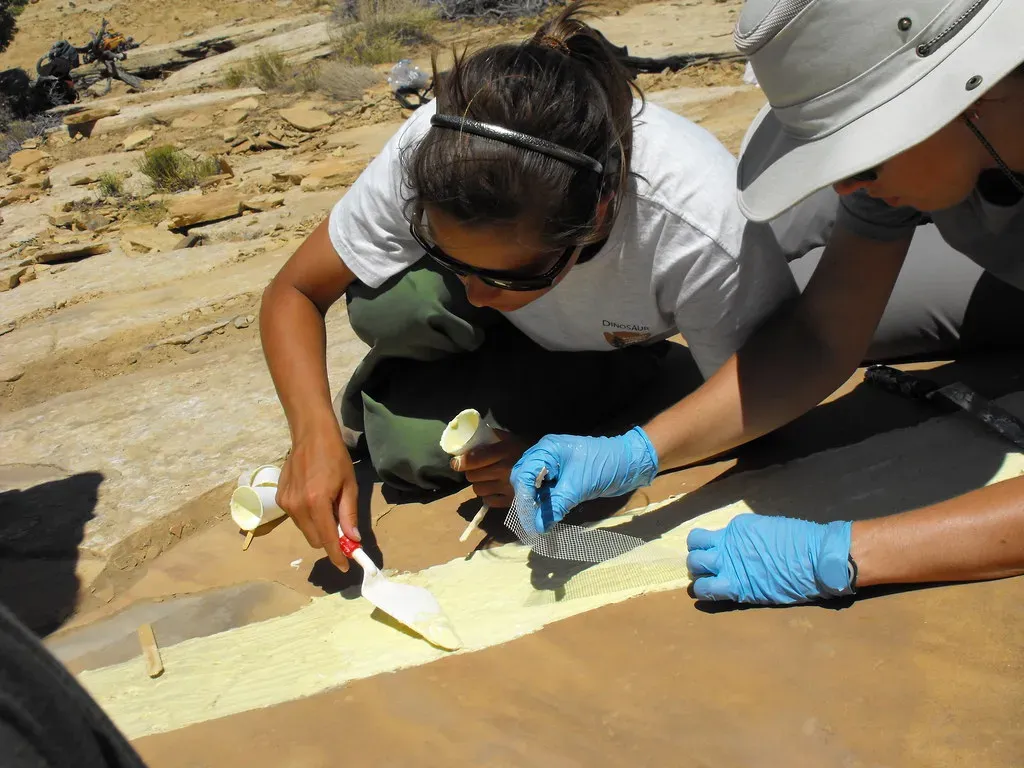
Living in 2026 means living with a constant hum of climate anxiety in the background. People who think a lot about fossils and deep time sit in a strange emotional position here. On one hand, they know Earth has survived unimaginable upheavals before: asteroid impacts, mass extinctions, entire oceans disappearing. That perspective can be calming; it reminds them that the planet is not fragile in the way we sometimes imagine. Earth will be here in some form long after today’s headlines have faded, even if it looks completely different.
On the other hand, an intimate understanding of past extinctions often makes these same people painfully aware that survival in deep time does not guarantee survival for specific species, including our own. When you study fossil layers and see abrupt die-offs, vanished ecosystems, and sudden shifts in climate frozen in stone, modern warming stops feeling abstract. It becomes another potential turning point in the stratigraphic record. That can lead to a strange emotional blend: a stoic acceptance that change is inevitable paired with a fierce insistence that our choices still matter, because they decide who or what gets to leave a trace in the rocks of the future.
Growing Up with Dinosaurs: Childhood Obsession, Adult Perspective

Many adults who are obsessed with fossils will tell you their origin story starts with dinosaurs on a bedroom wall or a museum skeleton towering over them as a kid. Childhood fascinations often fade, but for some people, the dinosaur phase turns into a lifelong relationship with deep time. That continuity matters psychologically; it means their sense of time has been stretching beyond everyday scales since they were young. While their peers were mostly focused on school years and summer vacations, they were also secretly tracking epochs and mass extinctions in the back of their minds.
By adulthood, that early mental training can show up as a more intuitive feel for long-term cause and effect. They are used to ideas like “this tiny change today reshapes an entire ecosystem millions of years later,” so they may be more comfortable thinking about slow processes and delayed consequences in real life too. Of course, not everyone who loved dinosaurs at age seven ends up with a radically different time perspective, but for those who stay hooked, fossils become more than a hobby. They become a framework for understanding how stories – personal, social, planetary – unfold over spans far beyond a single human life.
Conclusion: Fossil Minds and the Courage to Live in a Long Story
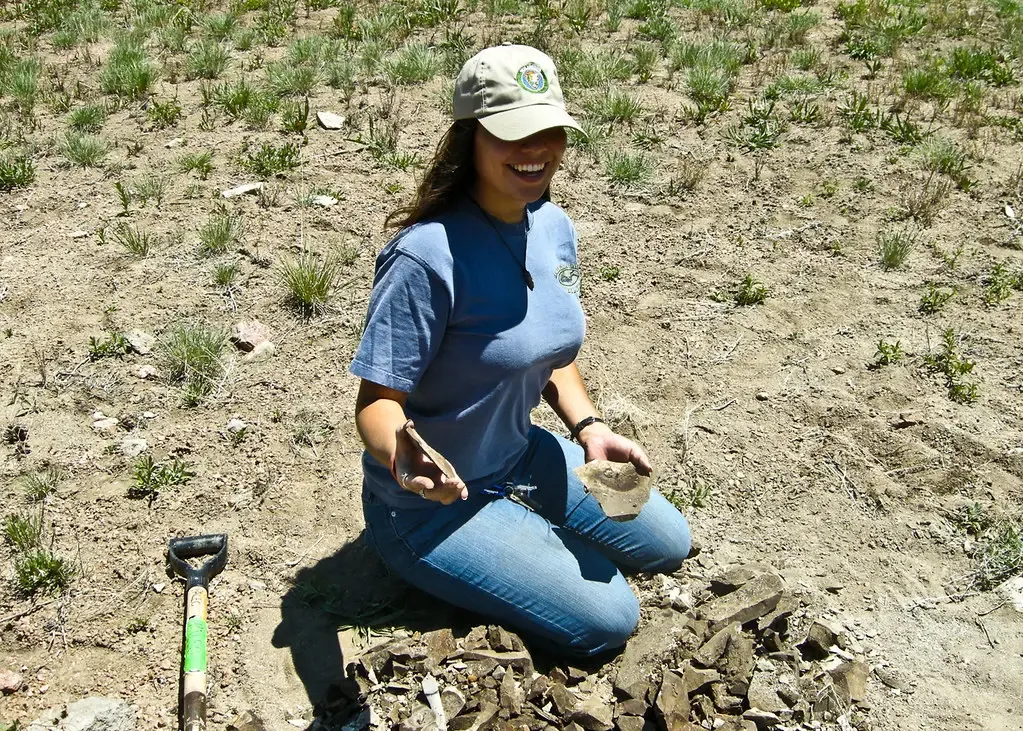
I think people who are drawn to fossils are quietly practicing a form of psychological bravery. They are willing to face the reality that time is vast, that most things vanish, and that our species is not immune to the forces that carved the bones they study. Instead of turning away from that discomfort, they lean into it, trace it with their fingers, and let it reshape how they see today. That choice to live with deep time in mind does not make them detached or fatalistic; if anything, it tends to make their present feel sharper, more deliberate, and strangely more tender.
In a culture obsessed with speed, novelty, and the next notification, fossil enthusiasts represent a different way of being: one that honors slowness, accepts uncertainty, and keeps one eye on a horizon that stretches far beyond any individual life. They remind us that our stories are not the whole book, just a chapter written in very small print on one thin page of an unimaginably long volume. To me, that is not depressing; it is freeing. It means we can care deeply about our moment without pretending it is the only one that matters, and that might be the healthiest way to face the future. When you hold a fossil, are you just holding a rock, or are you holding a new way to think about your own time here?