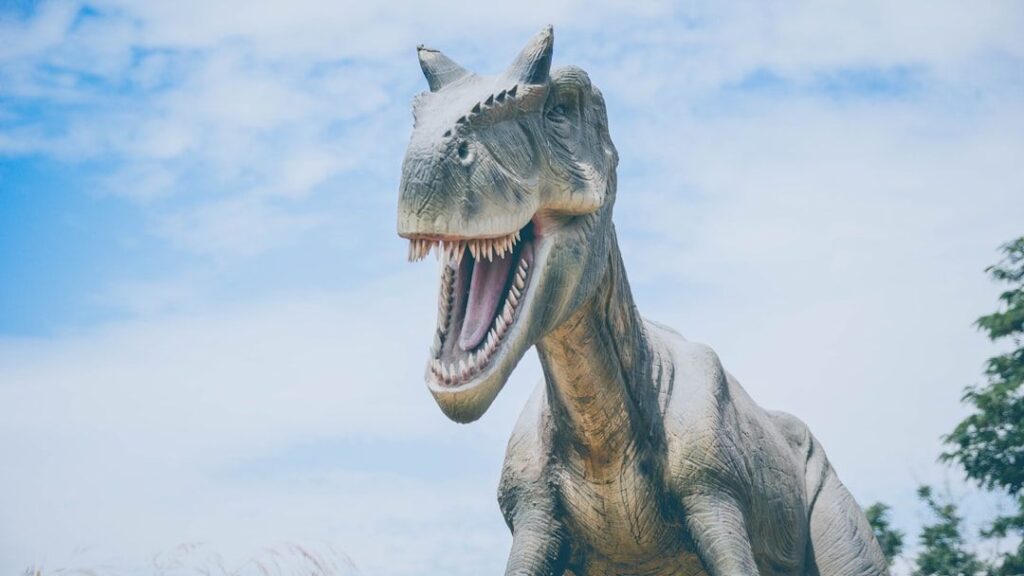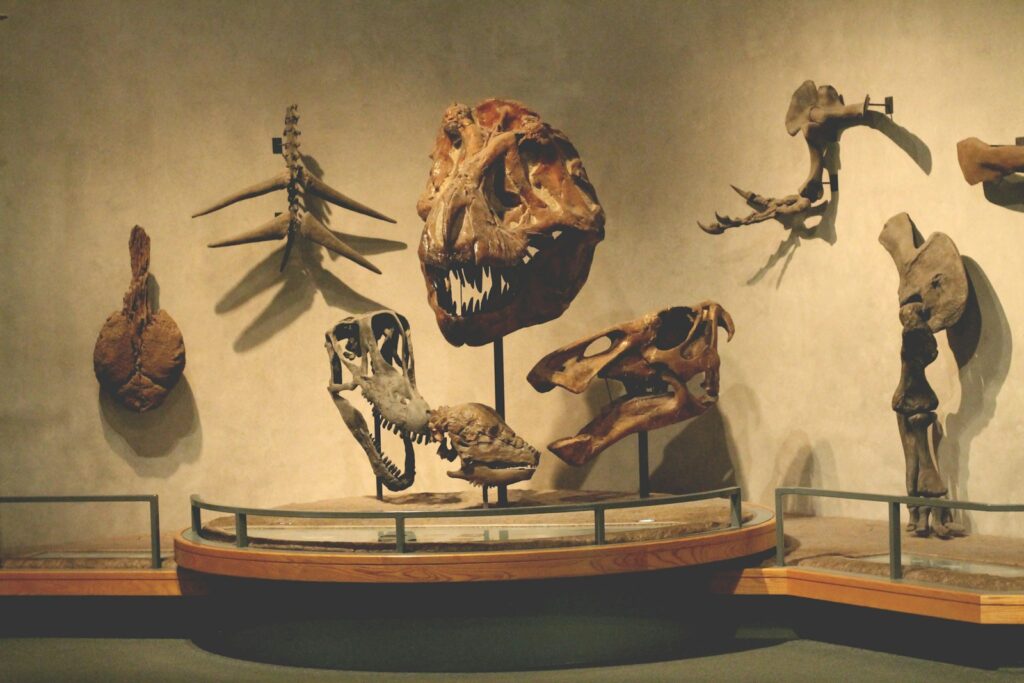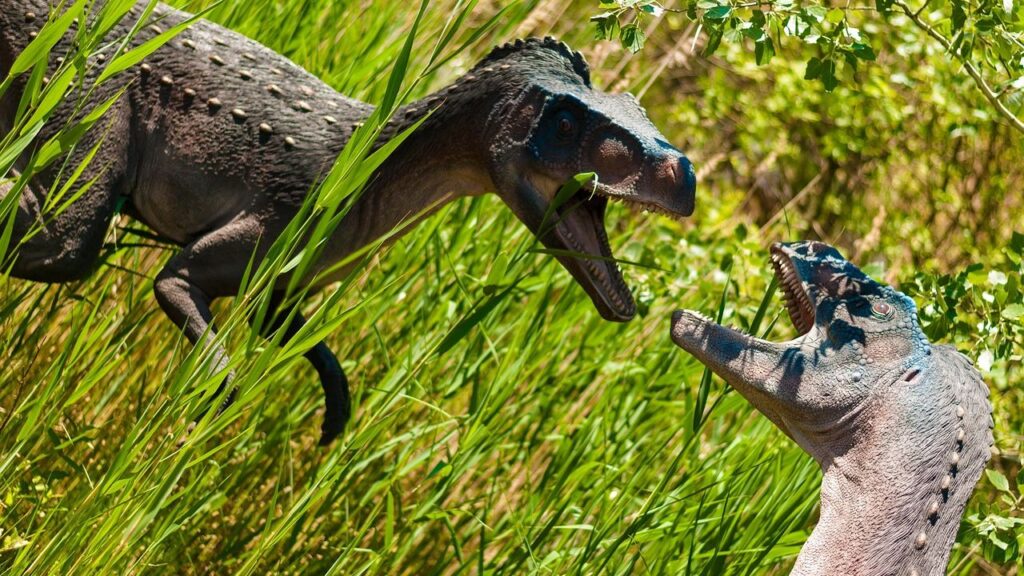
If your idea of a dinosaur is just a giant scaly lizard stomping through a jungle, you’re in for a shock. The more scientists uncover, the clearer it becomes that many dinosaurs would look downright otherworldly if we saw them in real life. Think neon feathers, bone crests, sickle-shaped claws, and beaks that feel more sci‑fi than Jurassic. Honestly, if some of these creatures walked onto a movie set full of CGI aliens, they’d fit right in.
I still remember the first time I saw a reconstruction of a feathered dinosaur with bright plumage and a bizarre head crest – I genuinely thought it was concept art from a space opera, not a fossil-based reconstruction. The truth is, evolution is way more imaginative than Hollywood. Below are ten dinosaurs that break the “big lizard” stereotype so hard they might as well have come from another planet, yet every one of them is rooted in solid fossil evidence.
1. Therizinosaurus: The Giant “Scissor-Hand” Herbivore
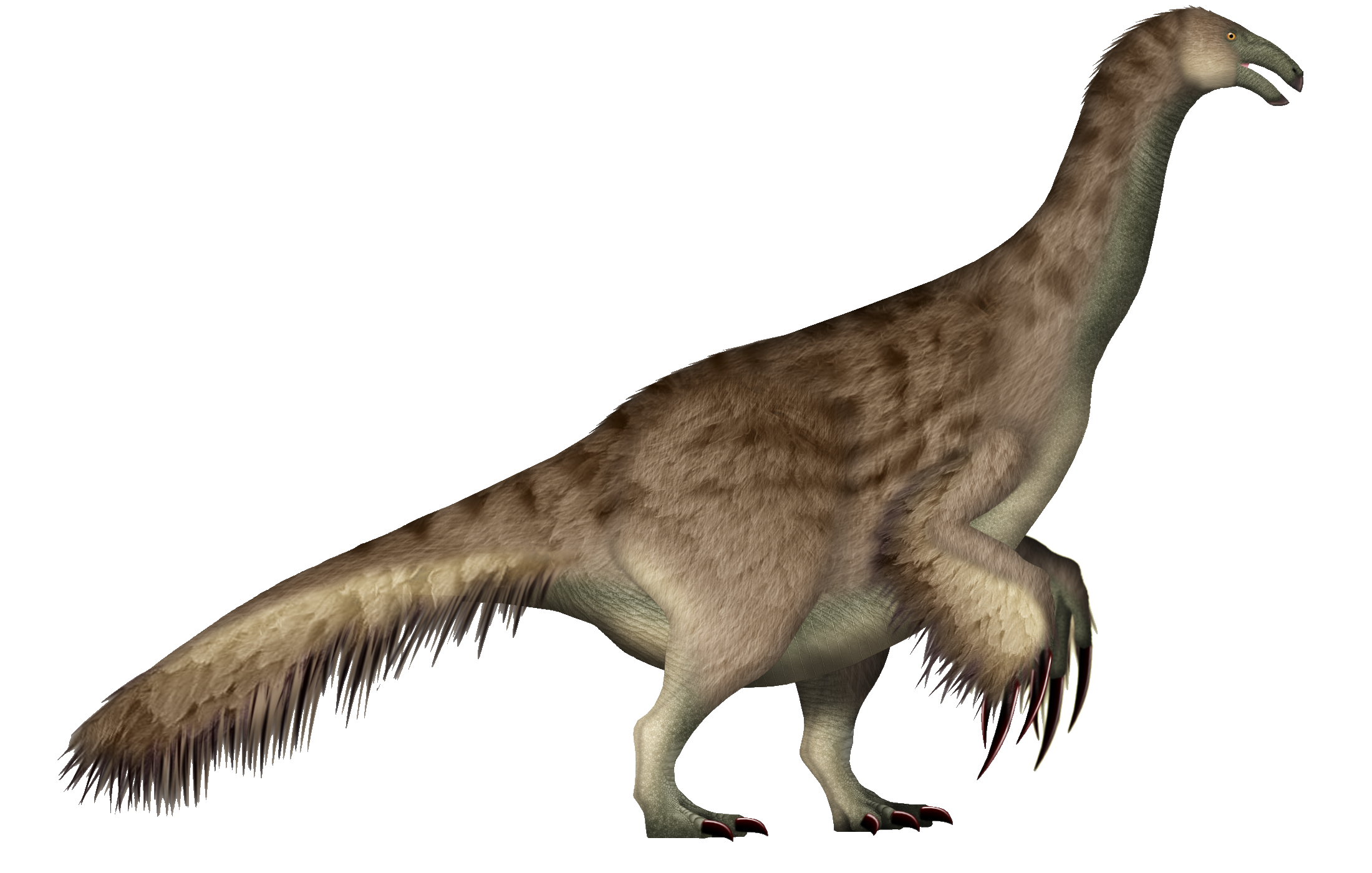
The first time you see Therizinosaurus, it looks less like a dinosaur and more like an alien nightmare dreamed up by a surrealist. It had absurdly long, blade-like claws on its hands that could reach roughly a meter each, curving like the talons of some cosmic bird of prey. Its body was bulky and pot-bellied, with a long neck and a small head, giving it a weird mash‑up look somewhere between a giant ground sloth and a birdlike alien. Fossil evidence suggests it was probably feathered, which only adds to the strange, shaggy, almost mythic appearance.
What really flips expectations is that this terrifying set of claws belonged to a plant-eater, not a meat-eating monster. Those enormous “scissor-hands” were likely used to pull down branches, strip foliage, and maybe for display or defense, like organic, weaponized garden tools. I love that contrast: a dinosaur built like a horror villain but living on leaves and twigs. If you tried to describe Therizinosaurus to someone who had never heard of dinosaurs, they’d probably assume you were talking about some bizarre alien species from a distant exoplanet.
2. Carnotaurus: The Bull-Horned Speed Demon
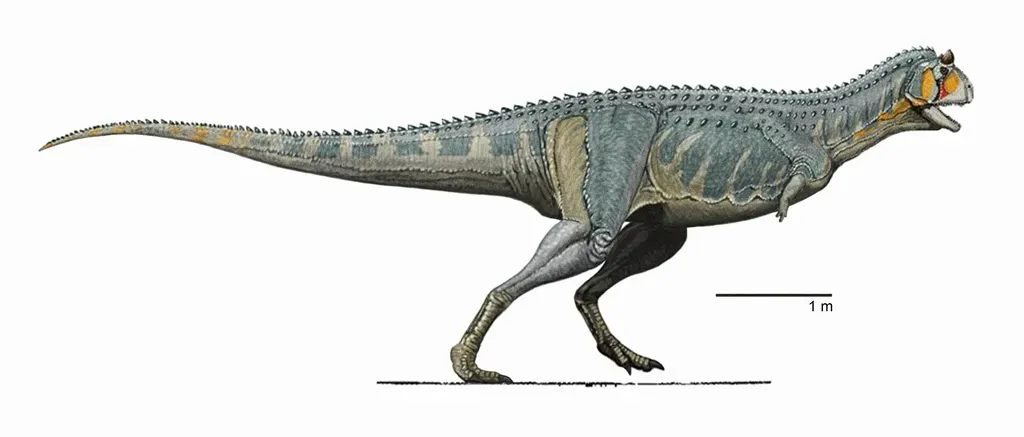
Carnotaurus looks like a creature that skipped the reptile rulebook entirely and went straight for “demonic alien boss level.” Its skull was short, deep, and almost bulldog‑like, topped with a pair of thick horns above the eyes that give it a distinctly devilish silhouette. Its arms were incredibly short even by tyrannosaur standards, to the point of being almost comically useless, which just makes the whole body look even stranger and less earthbound. The skin impressions found with its fossils show bumpy, armor-like scales and rows of larger knobs, adding to that armored alien vibe.
On top of the visual oddity, Carnotaurus was probably built for speed, with a lightly constructed skeleton and long, muscular legs. Imagine a horned, scaled sprinter charging across a floodplain, its almost vestigial arms tucked in, the head doing most of the work in a hit‑and‑run attack. Some reconstructions suggest a striking pattern of scales or possible pigment variation, so in life it might have looked more like a sleek alien predator than a typical lumbering theropod. If you replaced the background with a red, two-mooned sky, you would not question it for a second.
3. Deinocheirus: The Duck-Billed Hunchback Enigma
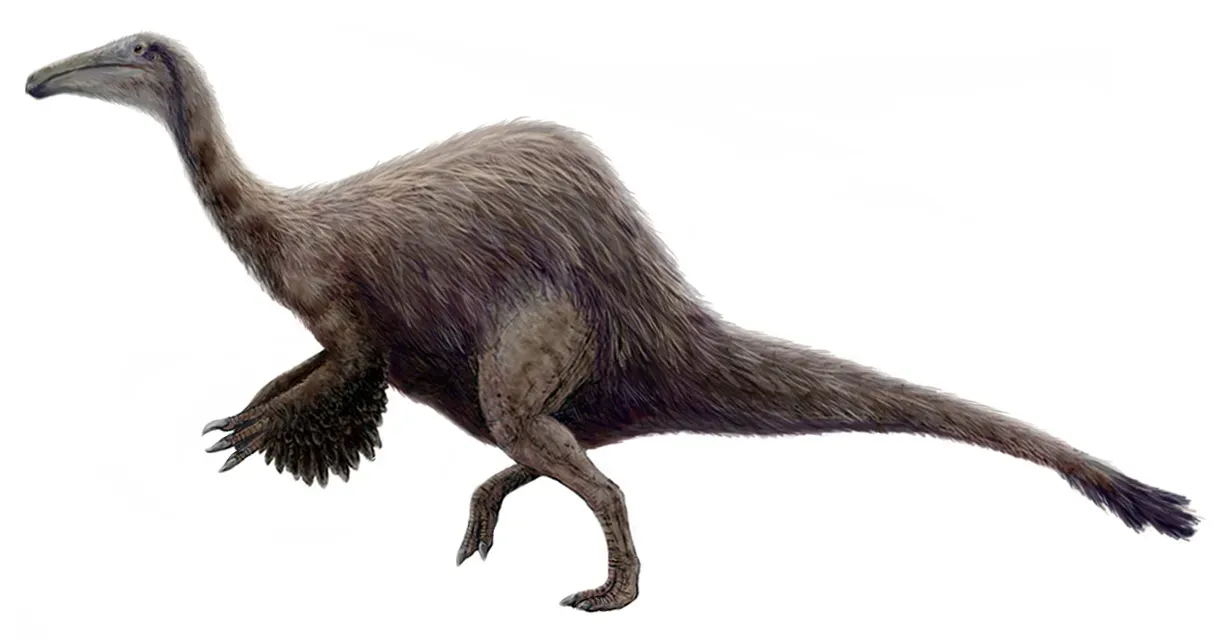
For decades, Deinocheirus was known only from its gigantic arms, and nobody could quite picture what the rest of it looked like. When more complete fossils were finally found, the full animal turned out to be even stranger than anyone expected. It had a long, duck-like beak, an enormous hump on its back supported by elongated neural spines, and a bulky, barrel-shaped body. The overall effect is something like a cross between a giant alien duck, a camel, and an oversized bird from a fever dream.
Despite belonging to a group related to the more graceful, ostrich-like ornithomimosaurs, Deinocheirus seems to have lived a very different lifestyle, lumbering through river environments and feeding on plants and aquatic life. Stomach contents showed fish remains mixed with plant material, which only deepens the impression of a generalist, oddball feeder. Add likely feathers on parts of the body, and you end up with a creature that feels like an ecosystem unto itself, not neatly fitting into any modern category. If there were an intergalactic wildlife documentary, Deinocheirus would definitely get its own special episode.
4. Qianzhousaurus: The Long-Snouted “Pinocchio Rex”
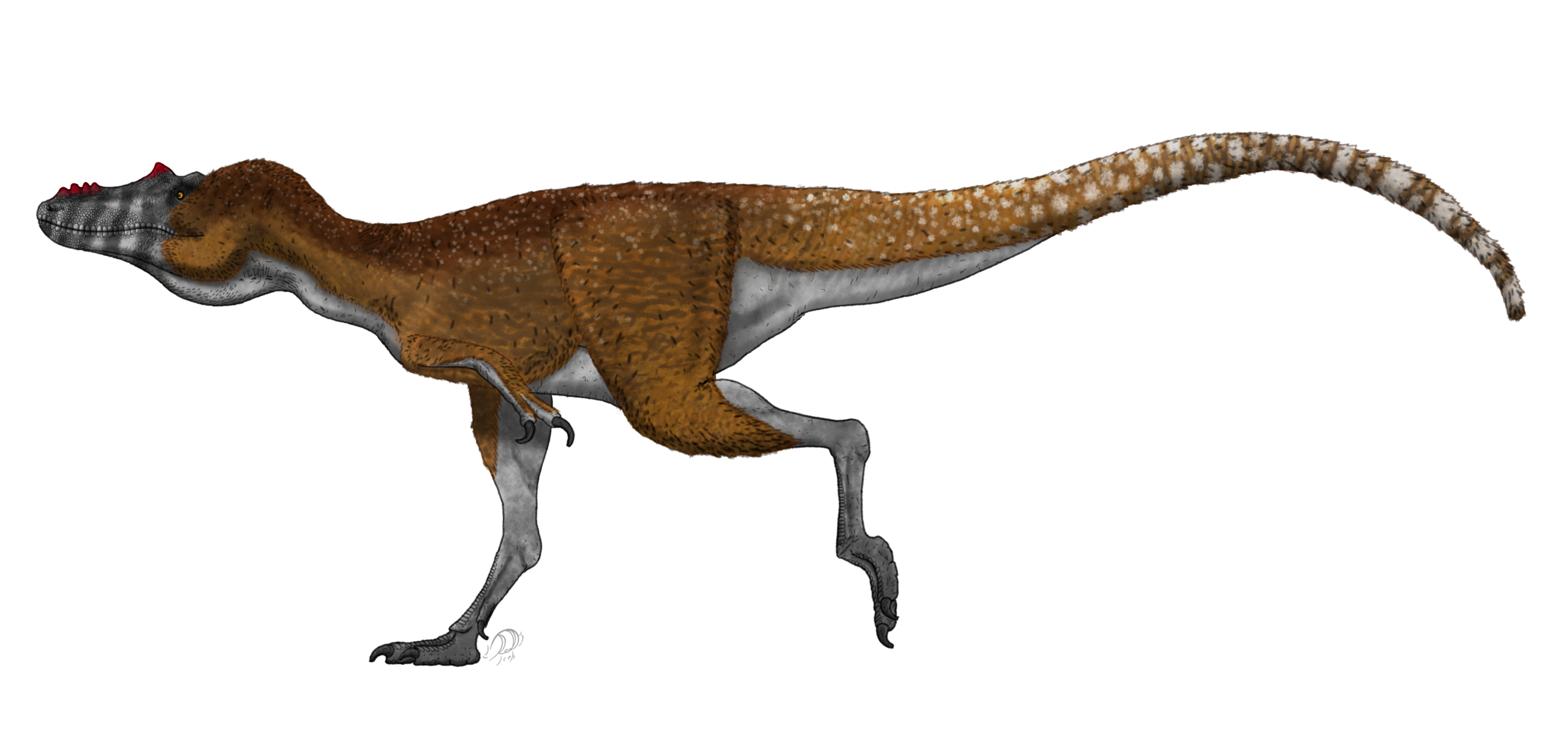
Qianzhousaurus takes the classic tyrannosaur blueprint and stretches it into something that looks almost cartoonishly alien. Its skull was long and narrow compared to the deep, blocky head of Tyrannosaurus rex, earning it the nickname “Pinocchio rex.” This elongated snout, studded with sharp teeth, gives it the air of a hyper-specialized predator, more like a crocodile-faced alien than a standard big-headed carnivore. The rest of the body followed the general tyrannosaur layout, but that head alone is enough to feel uncanny.
This dinosaur likely occupied a slightly different ecological niche from its more famous cousins, perhaps focusing on smaller, faster prey that demanded quick strikes rather than brute-force bites. In my mind, that long snout makes it feel like a precision instrument, as if evolution had dialed its skull into a specialised, almost surgical hunting tool. When you line up skulls of different tyrannosaurs, Qianzhousaurus looks like the odd, otherworldly branch of the family, the one that experimented with alien design choices. It is a great reminder that even within a single dinosaur group, evolution could get wildly creative.
5. Microraptor: The Four-Winged Shadow Glider
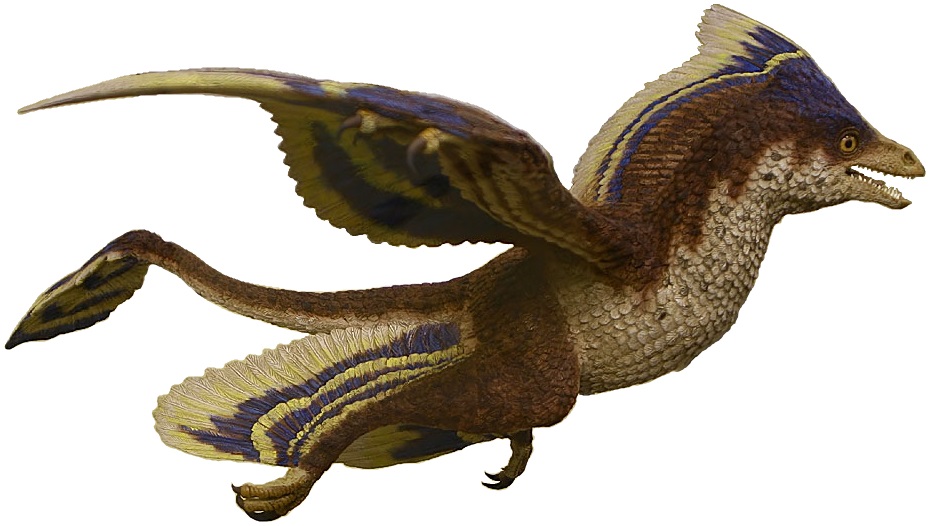
Microraptor is small, but it looks more like something from an alien forest canopy than a classic dinosaur movie. It was covered in feathers, including fully developed wings not just on its arms but also on its legs, giving it a four-winged silhouette that is unlike any bird alive today. Its sleek, raven-sized body, long tail feathers, and sharp little teeth combine into a creature that could easily pass for a strange, predatory spirit flitting through an alien jungle. The idea of a dinosaur gliding from tree to tree on four feathered limbs still feels almost surreal.
Fossil evidence has preserved microscopic pigment structures in Microraptor’s feathers, suggesting an iridescent, glossy coloration similar to modern crows or starlings. That means it might have shimmered with subtle blues and purples in the light, making it even more uncanny. I always imagine looking up in a twilight forest and seeing this dark, four-winged shadow silently gliding overhead, like a living boomerang that chose violence. It is alien not because it lacks ties to birds, but because it reveals just how experimental the path to flight really was.
6. Spinosaurus: The Aquatic Sail-Backed Giant
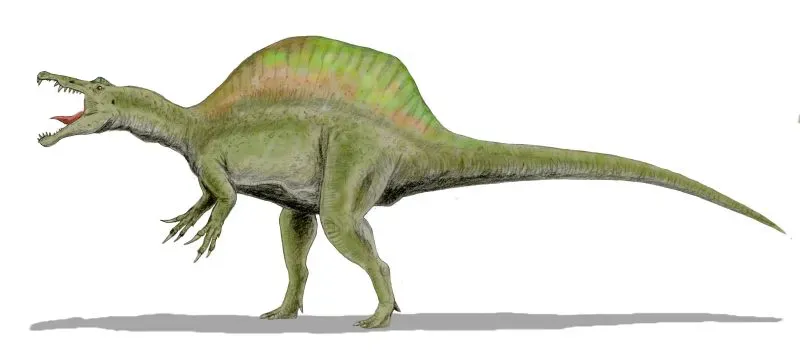
Spinosaurus has gone through one of the wildest scientific makeovers of any dinosaur, and every version looks more alien than the last. Current evidence suggests it was semi-aquatic, with a long, crocodile-like snout full of conical teeth, legs that may have been shorter than once thought, and a huge sail or paddle-like structure along its back made from extended vertebral spines. Some reconstructions depict a deep, finned tail, turning this dinosaur into something that looks more like a monstrous river dragon than a land-based predator. It is as if someone merged a crocodile, a heron, and a sailfish into a single animal.
This semi-aquatic lifestyle sets Spinosaurus apart, making it feel less like a typical dinosaur and more like an apex predator from a flooded alien world. It likely hunted fish and other aquatic prey, using its long jaws and sensory abilities to detect movement in the water. Personally, I think Spinosaurus breaks people’s mental model of dinosaurs in the best possible way, because it forces us to imagine wetlands ruled by a creature that does not fit into the standard T. rex mold. If you dropped it into an illustration of a distant exoplanet’s river system, hardly anyone would question that it belonged there.
7. Stygimoloch: The Spiky-Skulled “Demon” Dinosaur
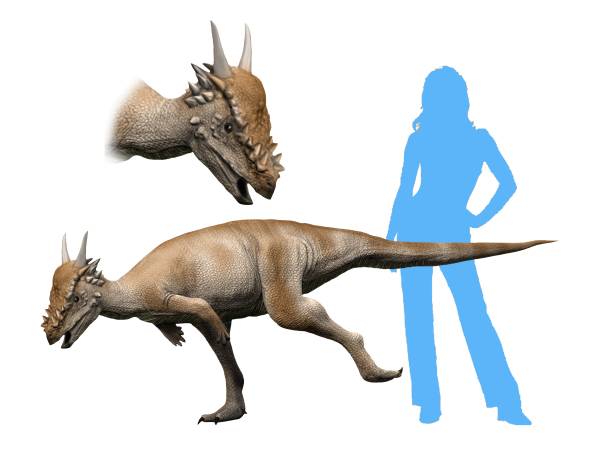
Even the name Stygimoloch sounds like something from a dark sci‑fi universe, and its skull absolutely lives up to that reputation. It had a thick, dome-shaped skull ringed with spikes and knobs, creating a crown of bony protrusions that looks more demonic than reptilian. The combination of the high dome and those wicked spikes makes the head appear like a natural helmet crossed with a fantasy monster design. In life, with skin and maybe some soft tissue accentuating those spikes, it must have looked startlingly alien.
There is ongoing debate about whether Stygimoloch represents a distinct species or a growth stage of another pachycephalosaur, but either way the underlying anatomy is real, not artistic license. These thick-skulled dinosaurs may have engaged in head-butting or display behavior, turning that bizarre cranial ornamentation into social signals. I picture them facing off in a prehistoric clearing, their horned domes gleaming in the sun, like a group of small, bone-helmeted aliens arguing over territory. It is the kind of skull design you would expect from a sci‑fi concept artist, yet it emerged from ordinary earthbound evolution.
8. Gigantoraptor: The Giant Beaked “Bird-From-Space”
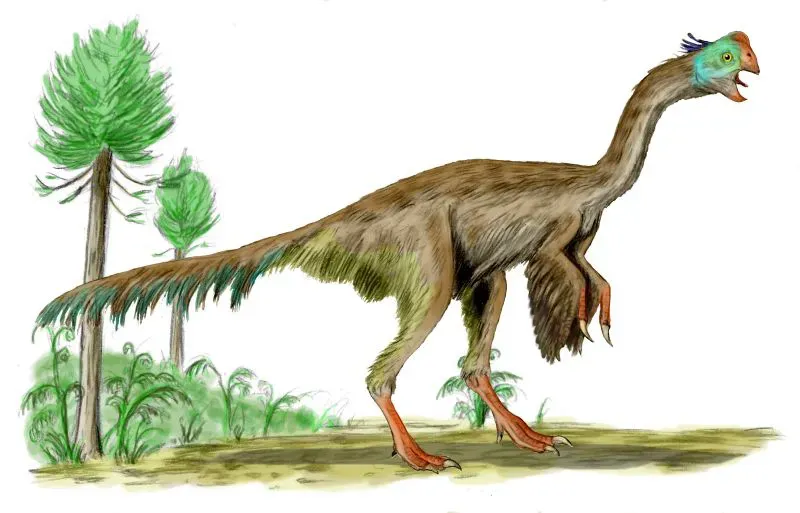
Most oviraptorosaurs are relatively small and birdlike, but Gigantoraptor takes that body plan and cranks the scale up to something almost absurd. It was enormous for its group, roughly the size of a large theropod, yet it had a toothless beak, long, powerful legs, and likely a covering of feathers. Imagine an ostrich crossed with a cassowary, then doubled or tripled in size and dialed up with extra menace, and you are still only halfway to how alien it must have looked. Its long arms and sharp claws add another layer of strange, like a giant, weaponized space-bird.
What grabs me about Gigantoraptor is that it sits at this perfect intersection of familiar and uncanny. We know birds, we recognize the basic posture, but the proportions and size push it straight into “what on earth is that?” territory. It may have used its beak and claws to feed on a varied diet, possibly including plants, small animals, or eggs, which makes it feel like a flexible, opportunistic creature. If you saw a flock of these things striding across a plain under a green alien sky, you would probably accept it without hesitation as extraterrestrial wildlife.
9. Concavenator: The Hump-Backed, Possibly Feathered Oddball
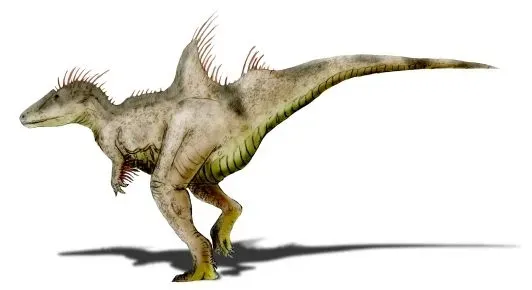
Concavenator is one of those dinosaurs that does not look too weird at first glance, until you notice the sharp, triangular hump rising from its back. This distinctive structure comes from a pair of elongated vertebrae near the hips, forming a high, narrow ridge that completely breaks the usual dinosaur silhouette. Its overall body was that of a medium-sized predator, but that sudden spike of backbone gives it a jarring, almost glitchy look, like a character model in a game that did not load quite right. It instantly makes the animal feel less like a standard prehistoric reptile and more like an alien experiment.
Even more intriguing, the fossil shows small structures on the forearm bones that some researchers have interpreted as possible attachment points for simple feathers or quill-like structures. That suggests Concavenator might have had some kind of bristly or filamentous covering, at least in patches, adding texture to its already strange body plan. I like to imagine it with a subtle fringe of proto-feathers and that dramatic back hump catching the light as it moved. The combination of a standard predator body plus such quirky details makes it feel like evolution briefly wandered into alien creature design and then wandered out again.
10. Pachyrhinosaurus: The Bony-Plated “Tank Face” Ceratopsian
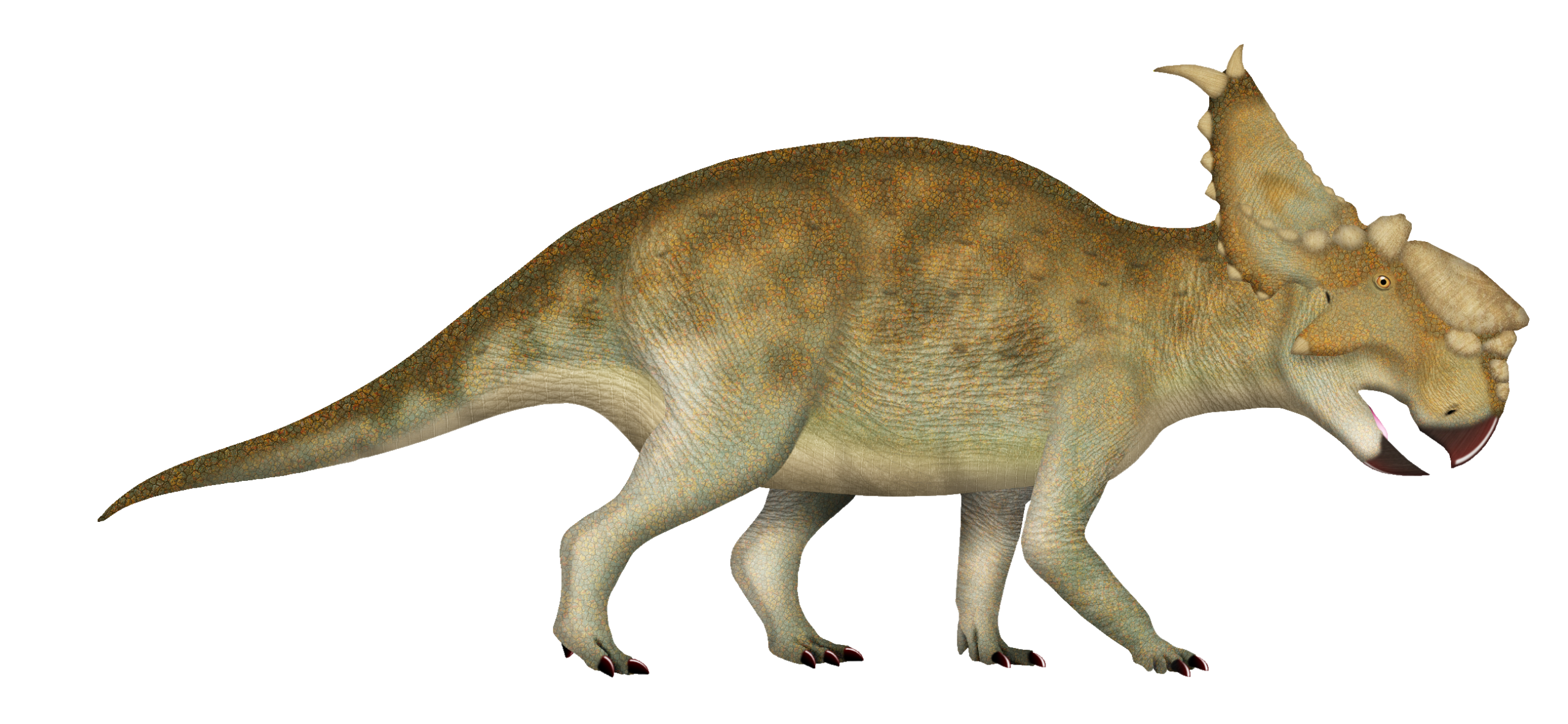
Where many horned dinosaurs sport long, spear-like horns, Pachyrhinosaurus went in an entirely different direction and ended up looking oddly alien. Instead of a big nose horn, it had a massive, thick bony pad or boss covering the snout, with additional bosses over the eyes and a complex frill at the back of the skull. The face ends up looking less like a rhino and more like an armored vehicle, with plates and ridges taking the place of simple spikes. In some individuals, the pattern of bosses and ornamentation is so elaborate it almost feels like sculpted armor rather than natural bone.
This dense facial structure may have been used for head‑butting, pushing contests, or visual display, turning social behavior into a full-contact sport. I find something wonderfully strange about a herd of these animals moving together: big, stocky bodies, elaborate bony “helmets,” and frills that might have carried bright colors in life. It feels closer to a herd of armored alien herbivores marching across a distant plain than anything we see on Earth today. Pachyrhinosaurus shows that even familiar groups like the horned dinosaurs could produce designs that look wildly unconventional, yet make perfect sense in the context of their own world.
Conclusion: Dinosaurs Were Stranger Than Our Imagination
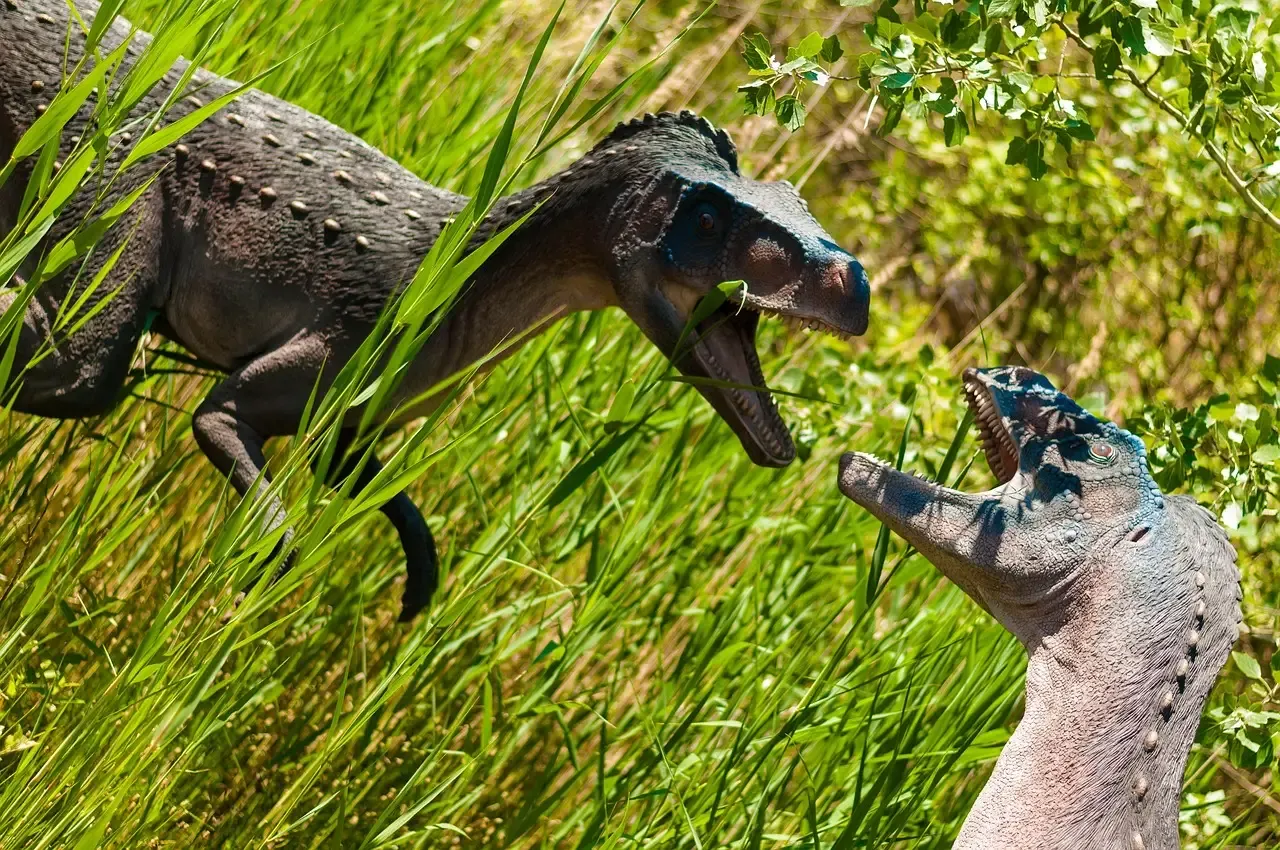
When you line up creatures like Therizinosaurus, Microraptor, and Spinosaurus, the old idea of dinosaurs as overgrown, dull reptiles falls apart instantly. Feathers, sails, humps, horns, beaks, and bizarre skull ornaments turn them into a cast of characters that easily rivals any alien bestiary. I think one of the biggest mental shifts in the last few decades is realizing that dinosaurs were not just big and scary; they were spectacularly diverse, often flamboyant, and sometimes downright weird. The more fossils we find, the more it feels like nature was running repeated design experiments, some of which look almost too wild to be real.
To me, that is the most exciting part: we do not need to invent aliens to encounter creatures that stretch our sense of what life can look like. They were already here, walking through forests, wading in rivers, gliding between trees, and clashing skulls on floodplains long before humans showed up. In a way, studying these dinosaurs is like getting a preview of what evolution might produce on other worlds with different histories and pressures. The next time you see a “classic” dinosaur image, it is worth asking yourself: how many even stranger species are still waiting in the rocks to rewrite the story again?