Picture a predator from the heart of ancient Africa whose face looked more like a wrinkled mask than a typical dinosaur snout. Rugops primus stands out even among the oddities of the Cretaceous world, and its remains hint at a lifestyle and look that set it apart from the usual lineup of sharp toothed hunters.
Only a single skull turned up in the sands of Niger, yet that fragment has kept paleontologists talking for more than two decades. The details preserved on its surface suggest features that feel almost out of place for a meat eater of its time.
The First Abelisaurid Found on the Continent
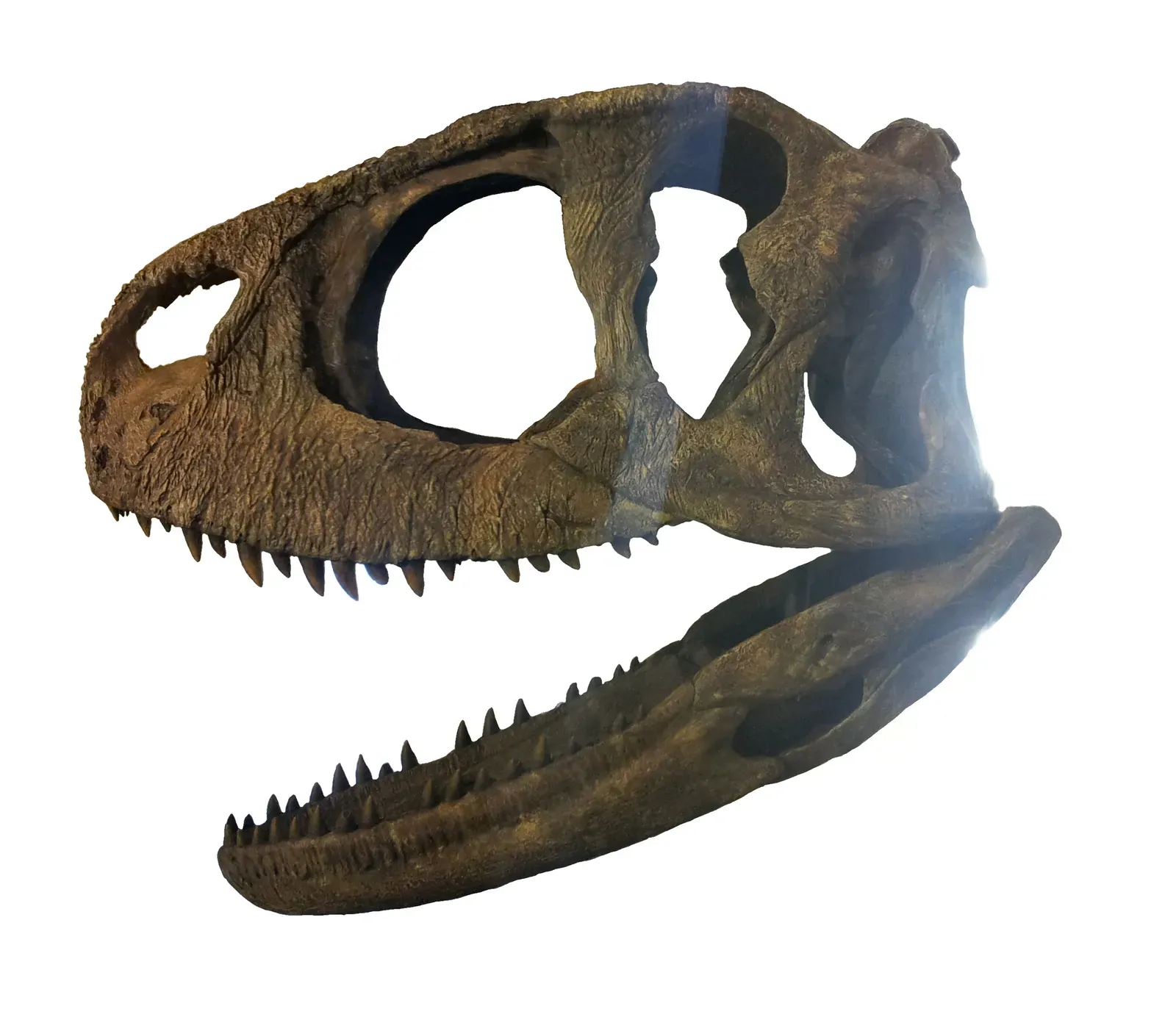
Before Rugops came to light, abelisaurids were known mainly from South America, Madagascar, and India. Its discovery in 2000 filled a major gap in the record of African theropods and showed that these stocky predators had reached the continent by the middle of the Late Cretaceous.
The find also reinforced ideas about ancient land connections. Similarities with relatives elsewhere pointed to a time when the southern continents still shared evolutionary pathways before drifting farther apart.
A Face Covered in Texture and Mystery
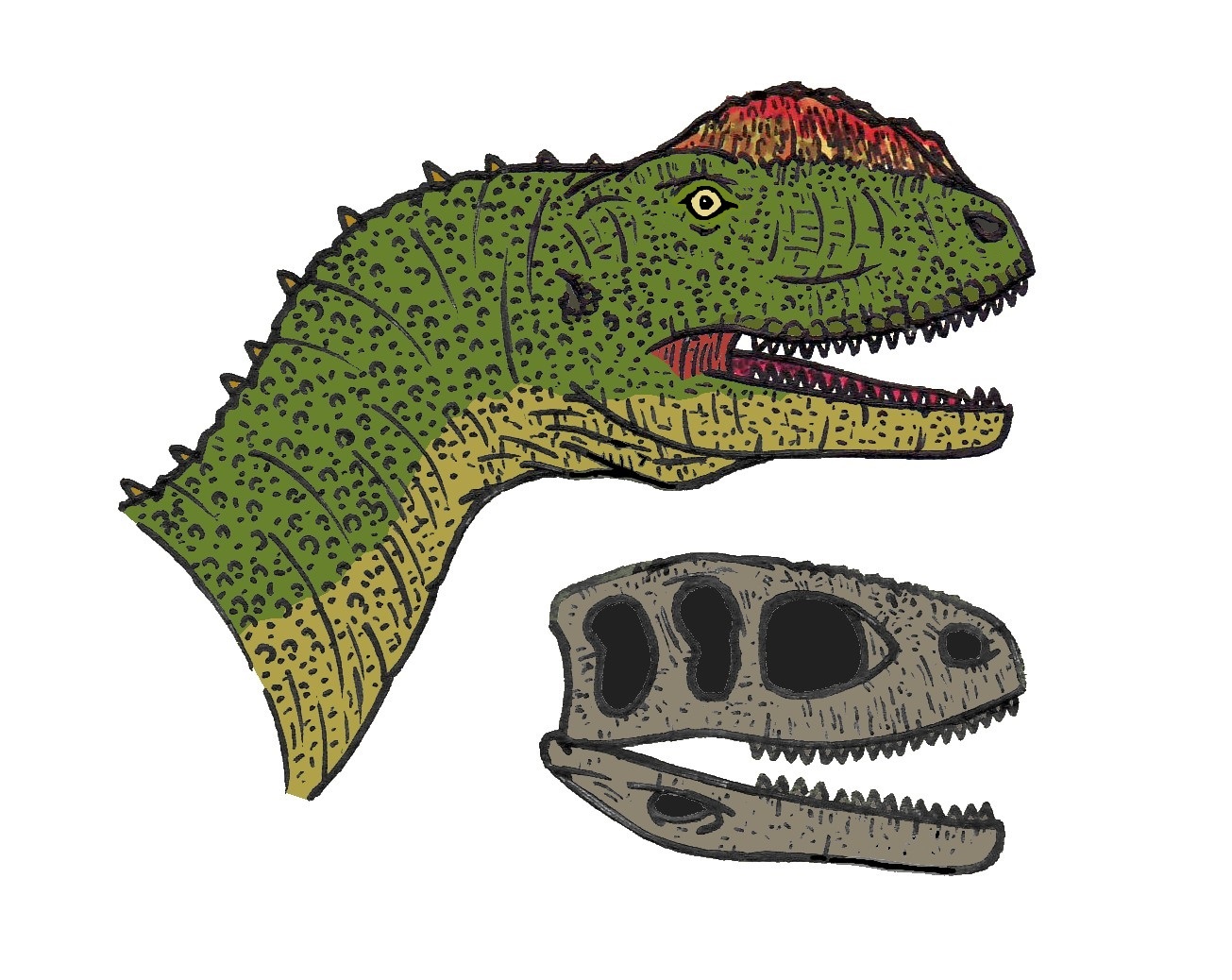
The skull surface carries rows of small pits and grooves that once held blood vessels and supported a layer of scales or thicker skin. The snout in particular shows a papillate texture that suggests an armor like covering rather than smooth bone.
Two neat rows of seven depressions run along the nasal bones. Researchers have wondered whether these anchored soft tissue crests, display structures, or simply allowed for extra blood flow that could have flushed color into the face during certain behaviors.
Smaller and Lighter Than Early Estimates
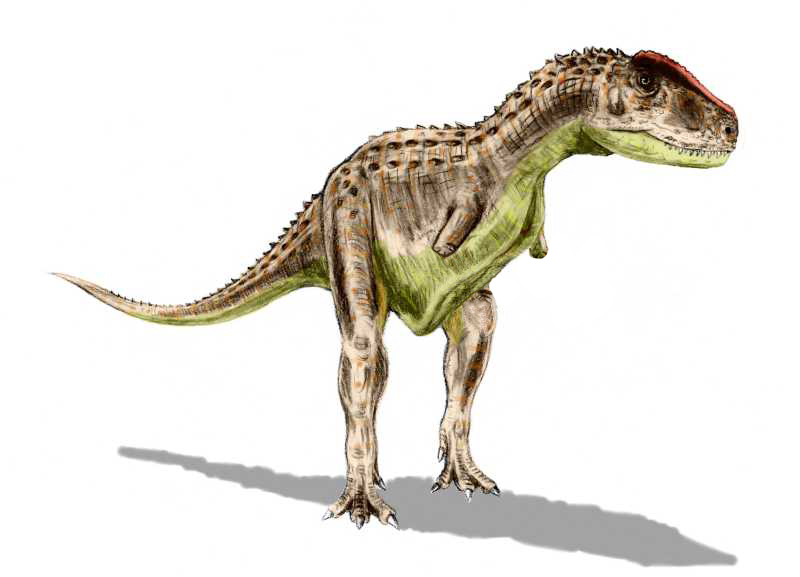
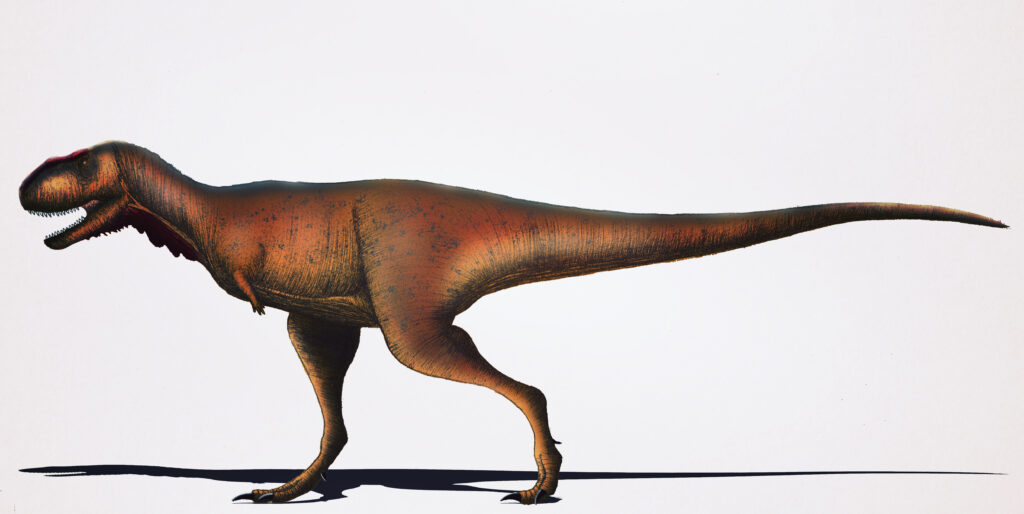
Initial size guesses placed Rugops at six to eight meters long. Refined comparisons with better known relatives now put it closer to four and a half meters, roughly the length of a large crocodile, with a weight around four hundred kilograms.
That more modest frame would have made it one of the smaller large predators in its ecosystem. Short forelimbs, typical of abelisaurids, would have been of little use in prey capture and may have served mainly for balance beneath a proportionally large head.
A Skull Built for Scavenging Rather Than Combat
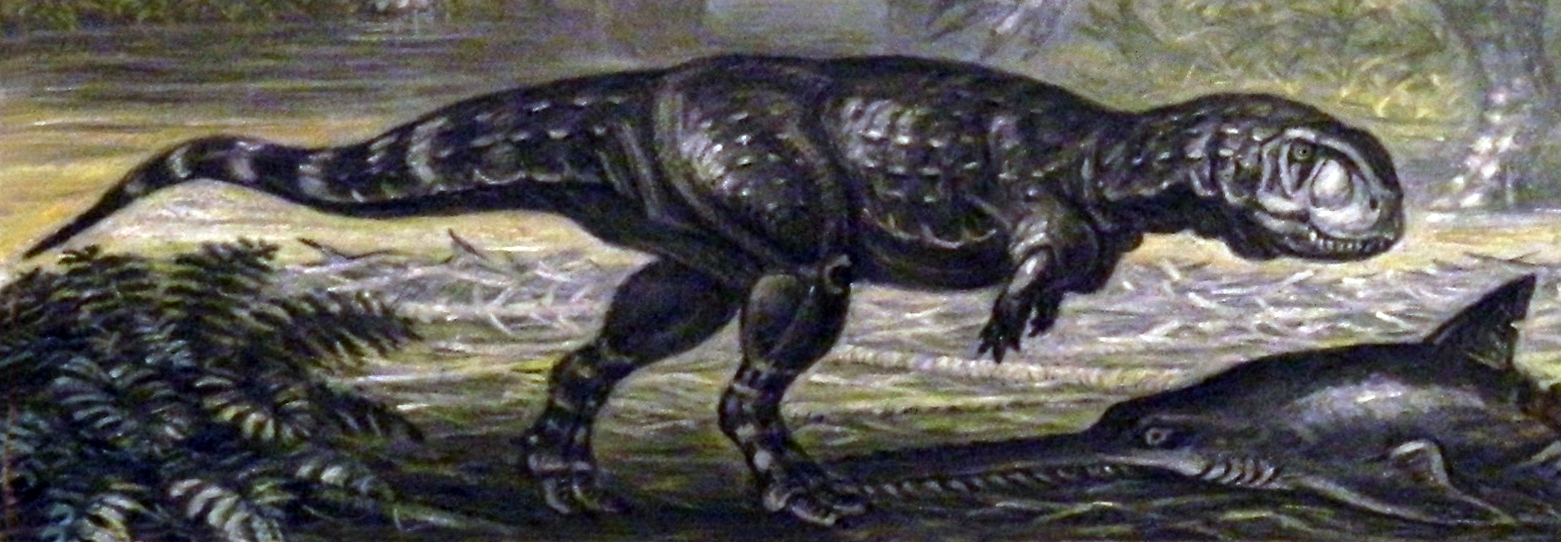
The bones appear relatively slender and the overall construction lacks the heavy reinforcement seen in dedicated bone crushers. Paleontologists have noted that the jaw and skull do not look optimized for tackling large struggling prey or biting through thick bone.
Instead the animal may have relied on carcasses left by bigger hunters or taken smaller, easier meals when opportunities arose. Such a strategy would have reduced competition in an environment already home to massive predators like Spinosaurus and Carcharodontosaurus.
Head Ornamentation That Defies Easy Explanation
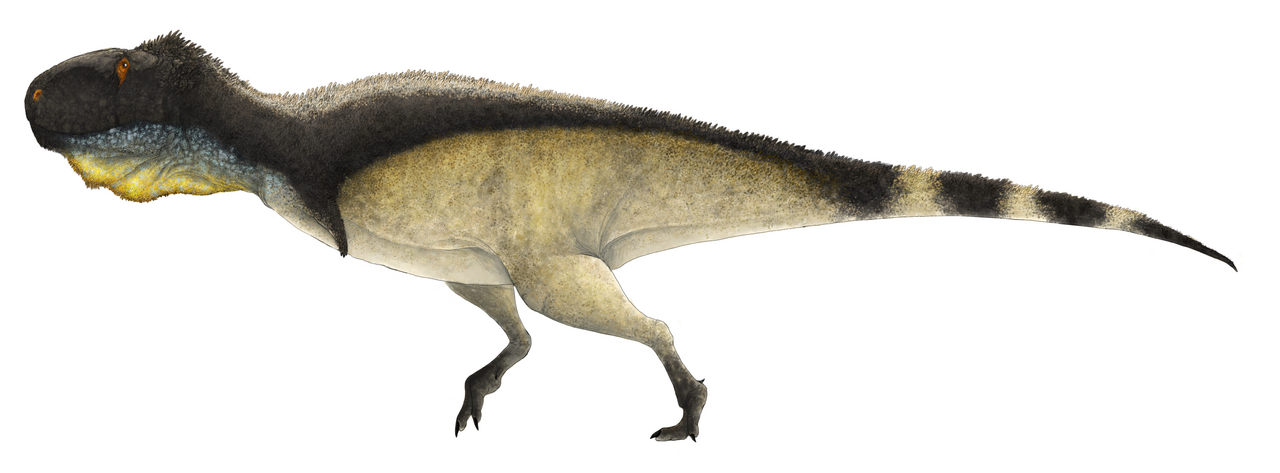
The vascular channels and textured surface raise the possibility of colorful display or even thermoregulation through the skin. Blood flow could have allowed the face to change appearance quickly, perhaps during encounters with rivals or potential mates.
At the same time the armor like dermis on the snout hints at occasional low impact head contact, though nothing like the full scale butting seen in some modern reptiles. These traits together create an image quite different from the plain, functional skulls of many other theropods.
Why This Dinosaur Still Feels Like an Outsider
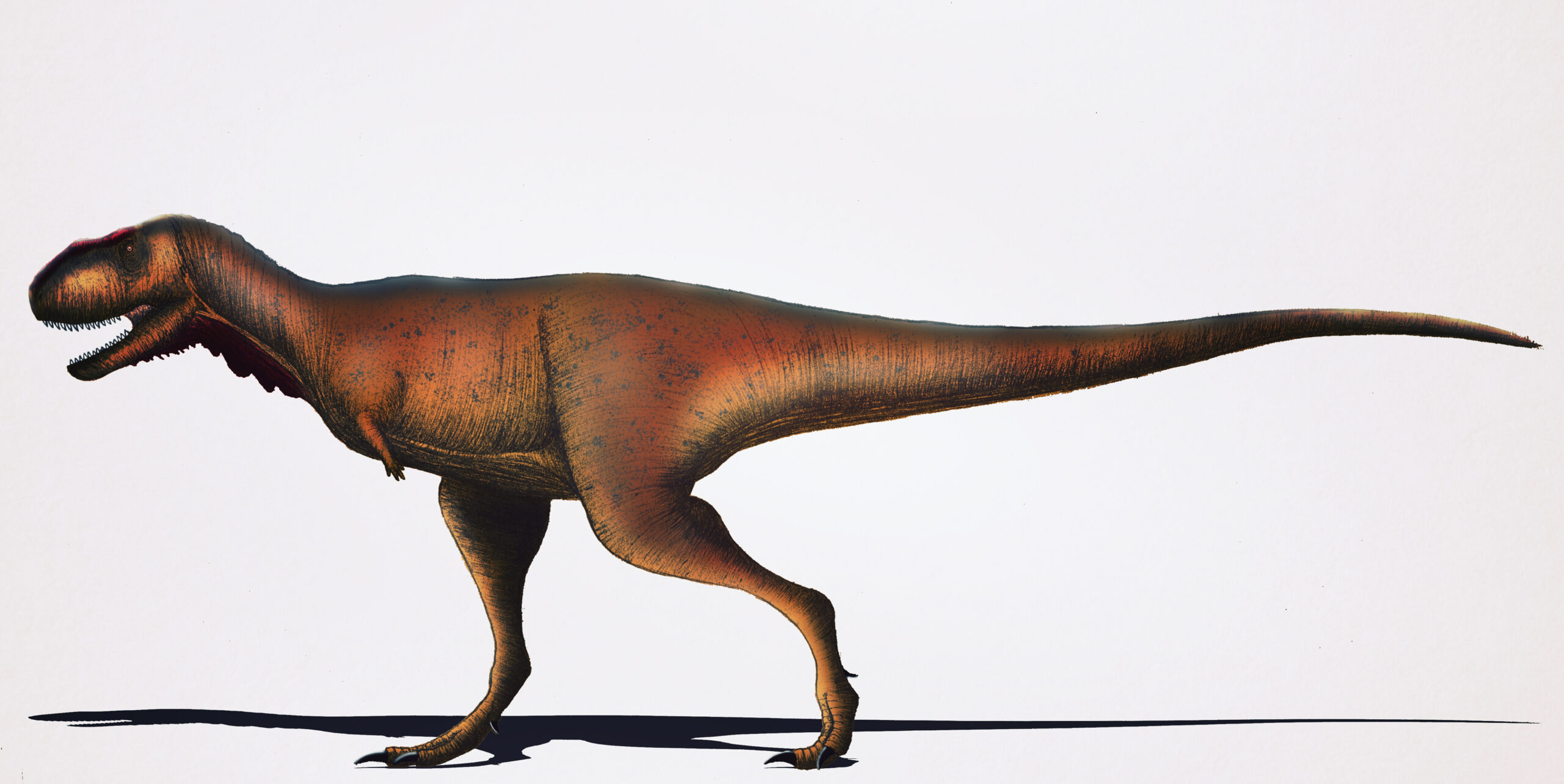
Rugops combines a basal abelisaurid body plan with facial details that remain difficult to interpret fully even today. Its mix of possible display features, lightweight construction, and scavenging leanings gives it a profile unlike the more straightforward hunters that dominate most reconstructions of Cretaceous Africa.
In the end the limited fossil record leaves room for ongoing debate, yet the available evidence already marks Rugops as one of the more intriguing experiments in predator design from that lost world. Its story reminds us how much variety existed even among animals that shared the same broad lifestyle.