Most of us grow up with a simple mental picture of reptiles: they crawl, they bask in the sun, and they lay eggs in sandy nests. But the ancient oceans did not care about our neat little categories. Deep in the Mesozoic seas, some gigantic marine reptiles were doing something that feels almost mammal-like: giving birth to live young in open water instead of hauling themselves onto a beach to lay eggs.
That twist alone is enough to flip your idea of “reptile” upside down. Once you realize that some of these creatures carried babies inside their bodies and delivered them tail-first into the ocean, the story of life on Earth suddenly becomes wilder, messier, and more creative than the school textbook version. Let’s dive into how we even know this, why it mattered for their survival, and what it says about the tangled, surprising path of evolution.
The Fossils That Changed How We See Ancient Reptiles
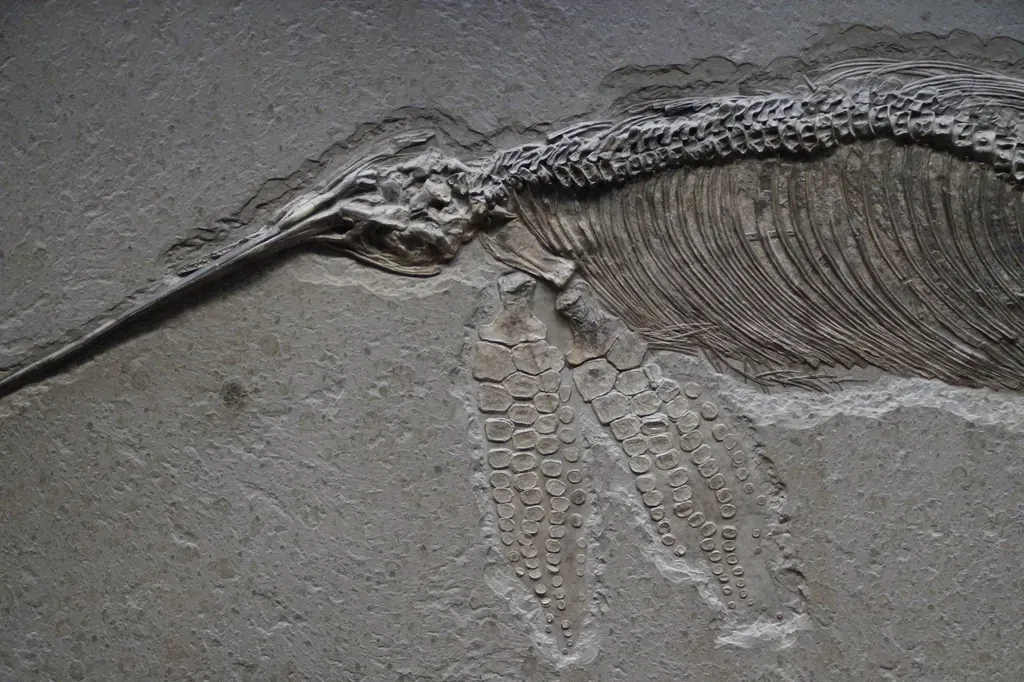
Here’s the part that still makes paleontologists do a double take: we have fossils of pregnant marine reptiles, with embryos preserved inside the mother’s skeleton. One of the most famous examples comes from ichthyosaurs, dolphin-shaped reptiles that ruled the oceans long before whales ever existed. In several spectacular fossils, you can clearly see tiny, fully formed baby ichthyosaurs still inside the mother, sometimes even preserved mid-birth, oriented tail-first as if frozen in time during delivery.
These fossils are not vague smudges that could be anything; they show full miniature skeletons, the right size and position to match unborn or newborn young, and in numbers that make no sense if they were just scavenged or swallowed prey. When you see a mother with multiple little versions of herself inside her ribcage or emerging from the pelvic region, it becomes very hard to argue this was anything other than live birth. It is as if the rock itself is saying: this creature carried babies, it did not lay eggs.
Why Laying Eggs in the Ocean Just Doesn’t Work
![Why Laying Eggs in the Ocean Just Doesn’t Work (By Printed under a CC BY license, with permission from Nadine Bösch and Beat Scheffold, original copyright [2013]., CC BY 2.5)](https://nvmwebsites-budwg5g9avh3epea.z03.azurefd.net/dinoworld/f47e5f9baa26288fc47cbffd80e7597f.webp)
At first glance, you might wonder why these animals did not just lay eggs like “normal” reptiles. The problem is that the open ocean is a terrible place for traditional reptile eggs. Soft, leathery eggs would simply sink, get crushed by water pressure, be swept away, or become instant snacks for passing predators. Even hard-shelled eggs do not stand a chance drifting around in waves or currents, and there is no stable “nest” in the middle of the water column.
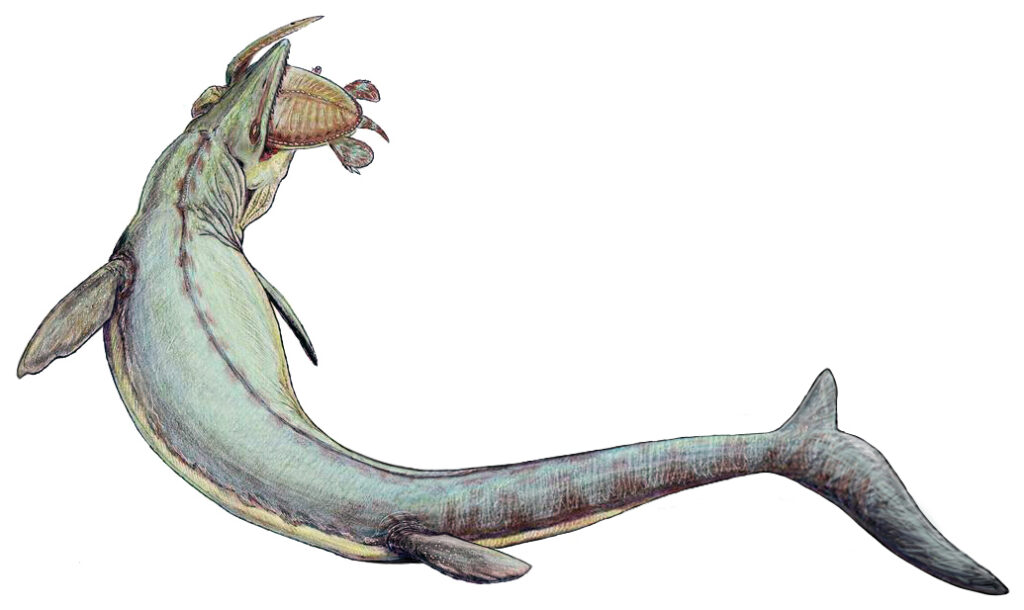
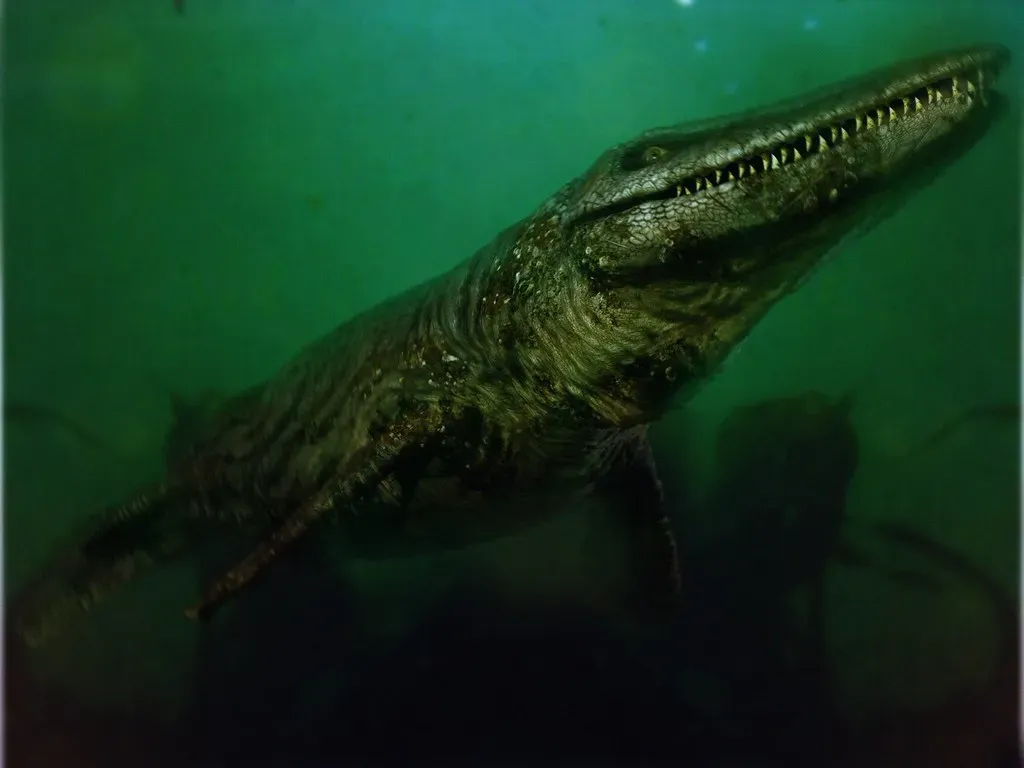
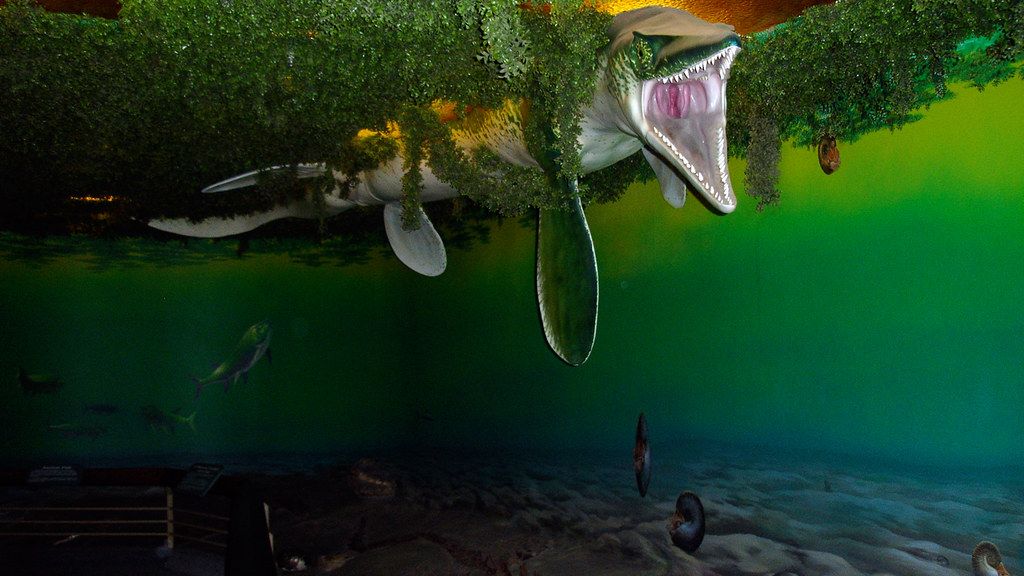
One option would have been to keep returning to land to lay eggs, like modern sea turtles do. But many ancient marine reptiles, including some ichthyosaurs and certain mosasaurs, were highly adapted to life in water, with paddle-like limbs and a body built for fast swimming, not clumsy beach crawls. Dragging such a streamlined body onto land would have been awkward at best and deadly at worst. For these extreme swimmers, evolving live birth was almost like cutting the last tie to shore and committing fully to the ocean.
Ichthyosaurs: The Dolphin-Shaped Reptiles That Birthed at Sea
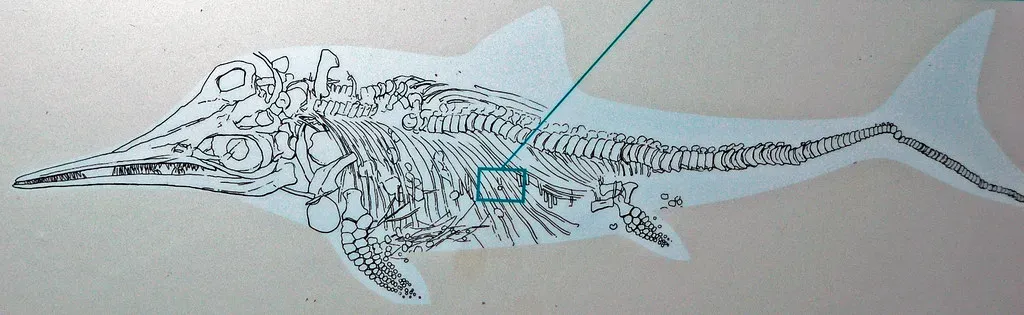
If there is a poster child for live-bearing ancient reptiles, it is the ichthyosaur. These marine hunters looked uncannily like modern dolphins or tuna, with a sleek torpedo body, long snout, and powerful tail fin, but they were fully reptiles, not mammals. Fossils show females with several small embryos inside their bodies, and in some cases a newborn partially emerged, oriented tail-first. That tail-first position makes a lot of sense: it would protect the head of the baby and help prevent drowning during birth, a clever solution in an air-breathing animal that lives entirely in water.
What is striking is how consistently ichthyosaur fossils point to live birth, rather than a one-off oddity. Different sites and different species show the same pattern of internal embryos. It paints a picture of a group that had fully embraced viviparity, passing it down generation after generation. When you imagine an ichthyosaur now, you almost have to picture not just a solitary predator slicing through the waves, but a pregnant female carrying her next litter of streamlined hunters inside her, all already adapted for a life of endless swimming.
Plesiosaurs and Others: Were They Also Giving Birth to Live Young?
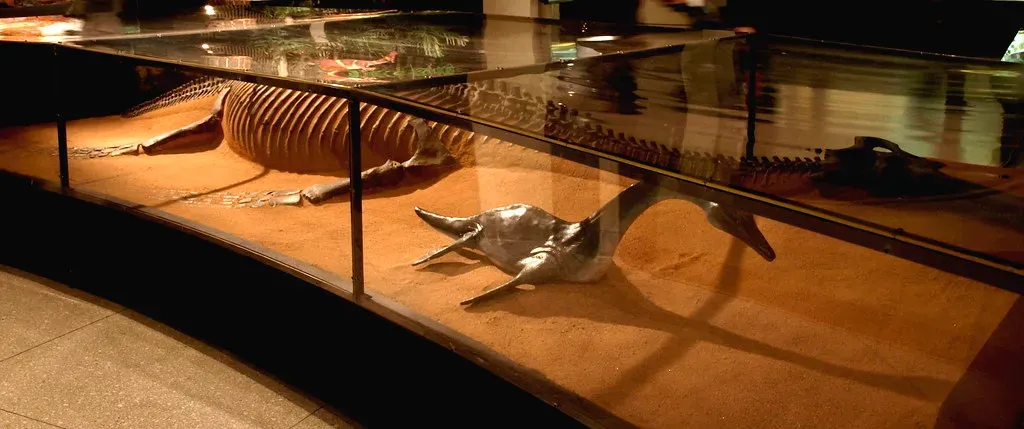
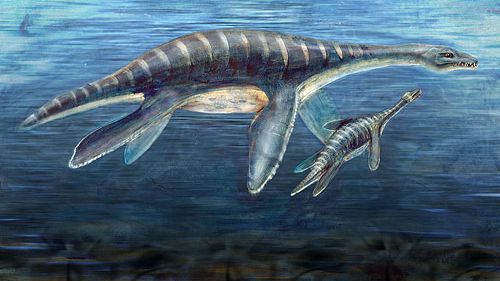
Ichthyosaurs give us the clearest evidence, but they are not the only suspects. Plesiosaurs, with their long necks and broad flipper-like limbs, have been at the center of an intense debate: did they lay eggs on land like giant sea turtles, or did they give birth in the water? A remarkable plesiosaur fossil was discovered with a single large fetus preserved inside the torso, more like what you would see in a whale or a large mammal than a clutch of reptile eggs. That single large embryo suggests that at least some plesiosaurs may have invested heavily in a few big babies, rather than in a large swarm of tiny hatchlings.
The evidence is not as abundant as it is for ichthyosaurs, and scientists are careful not to overstate what one or a few fossils can prove. Still, that pregnant plesiosaur strongly hints that at least some members of this group may have evolved live birth as well. It would fit with the idea that these animals were truly oceanic, not regularly hauling themselves ashore. Even for groups like mosasaurs, which are less clearly documented, their heavily aquatic build and comparisons to other marine reptiles keep the possibility of live birth on the table, even if the fossil proof is thinner. In other words, the story is still being written as new fossils are found.
Evolution’s Repeat Experiment: Live Birth Evolving Again and Again
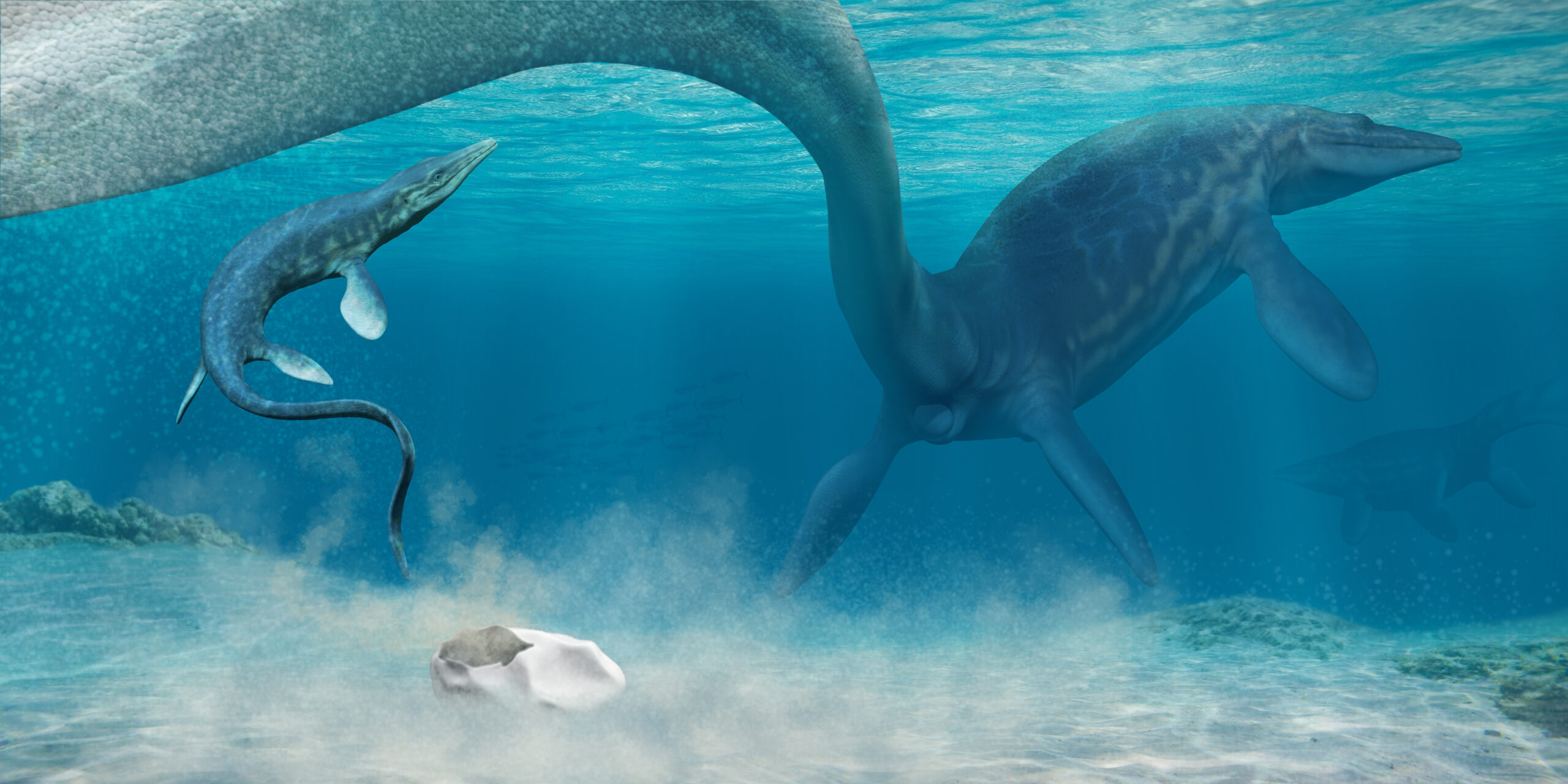
One of the most fascinating parts of this story is that live birth is not a one-time evolutionary miracle, but a trick nature has reinvented over and over. Among living reptiles alone, many snakes and lizards give birth to live young, especially in colder climates or environments where eggs would be at high risk. In mammals it is the norm, and in some fish and sharks it appears too. When you step back and look across the tree of life, viviparity starts to look less like a rare exception and more like a recurring solution to similar problems.
Ancient marine reptiles are yet another branch where this solution showed up independently. Each time, evolution tuned different bodies and reproductive systems toward the same general outcome: keep the developing young inside the parent until they are ready to face the world. This repeated pattern is a humbling reminder that evolution is not a straight line from “primitive” eggs to “advanced” live birth. Instead, it is more like a restless tinkerer, hitting on the same general ideas under different conditions, reshaping life in recognizable but still surprising ways.
What Live Birth Meant for Parenting, Behavior, and Survival
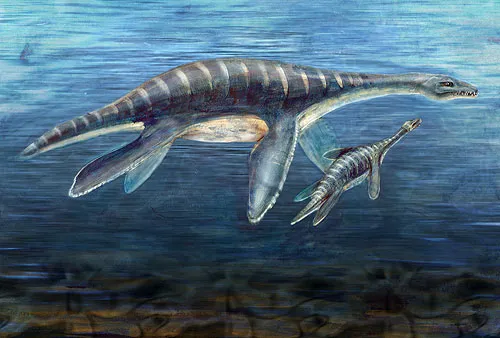
Once you accept that some of these massive sea reptiles were giving birth to live young, it opens up big questions about how they lived and behaved. A single large baby, like the one seen in that pregnant plesiosaur, hints at a very different life strategy than a nest full of dozens of eggs. Fewer, larger offspring often means more investment per baby, and possibly more social or parental behavior, even if it was just staying nearby or choosing safer, shallower waters for giving birth. It is not proof of warm, fuzzy family life, but it does suggest a more complicated picture than anonymous eggs left in the sand.
Live birth could also have given these animals a survival edge. They did not need to find or defend nesting beaches, and they were less tied to specific shorelines or climates. A pregnant female could, at least in principle, travel and hunt as usual, then give birth in waters that were safer or richer in food. At the same time, carrying developing young inside the body is a burden: more weight, more energy demands, and more risk if the mother is injured or killed. Evolution always deals in trade-offs, and these ancient marine reptiles seem to have bet on mobility and internal protection over mass egg-laying.
Conclusion: Rethinking What It Even Means to Be a “Reptile”
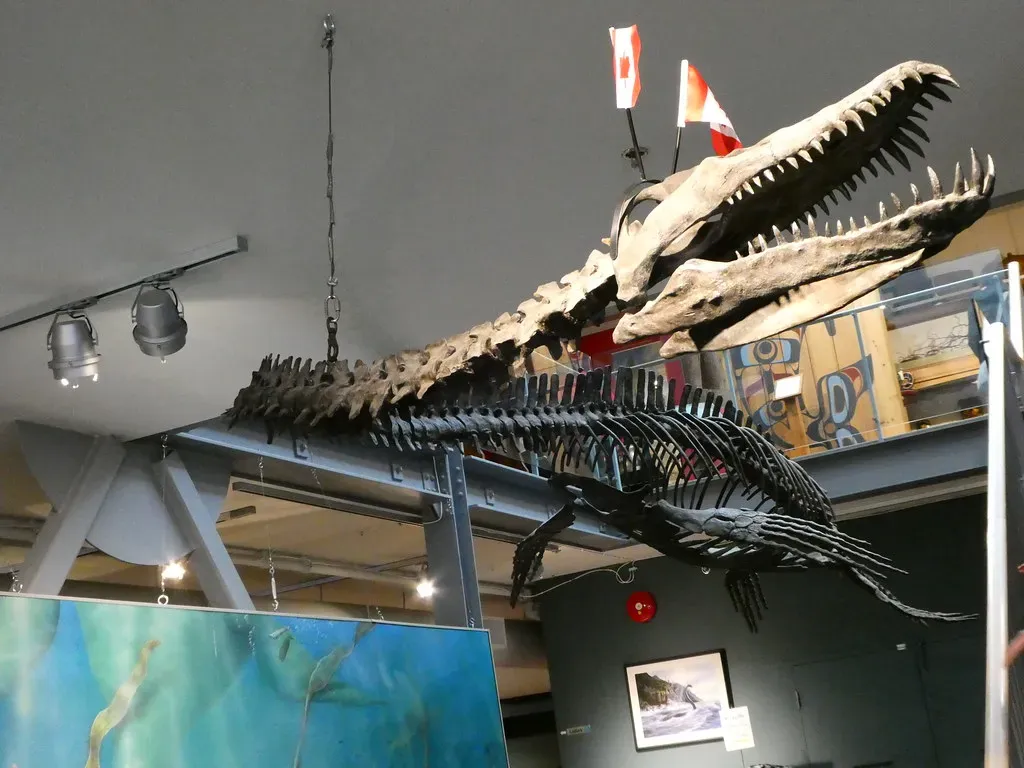
For me, the most mind-bending part of all this is how it wrecks the tidy boxes we like to put animals in. We are used to thinking: mammals give birth to live young, reptiles lay eggs, case closed. But the ancient oceans tell a much messier and more interesting story. You had reptilian bodies shaped like dolphins, swimming like tuna, giving birth like whales, and still breathing air at the surface. In that light, the word “reptile” feels less like a rigid rulebook and more like a loose label stuck on a wildly flexible group of creatures.
My own opinion is that stories like this should permanently cure us of any nostalgia for simple categories in biology. The more fossils we find, the more evolution looks like a wild improvisation rather than a clean hierarchy. Some ancient sea reptiles laying eggs, others giving birth to live young, many strategies coexisting and competing in the same ancient seas. It makes our modern world of turtles, snakes, lizards, and whales feel like just one snapshot in a constantly shifting experiment. When you picture those pregnant ichthyosaurs or that lone plesiosaur fetus, does it change how you imagine the deep past, and maybe even what you think a “reptile” really is?