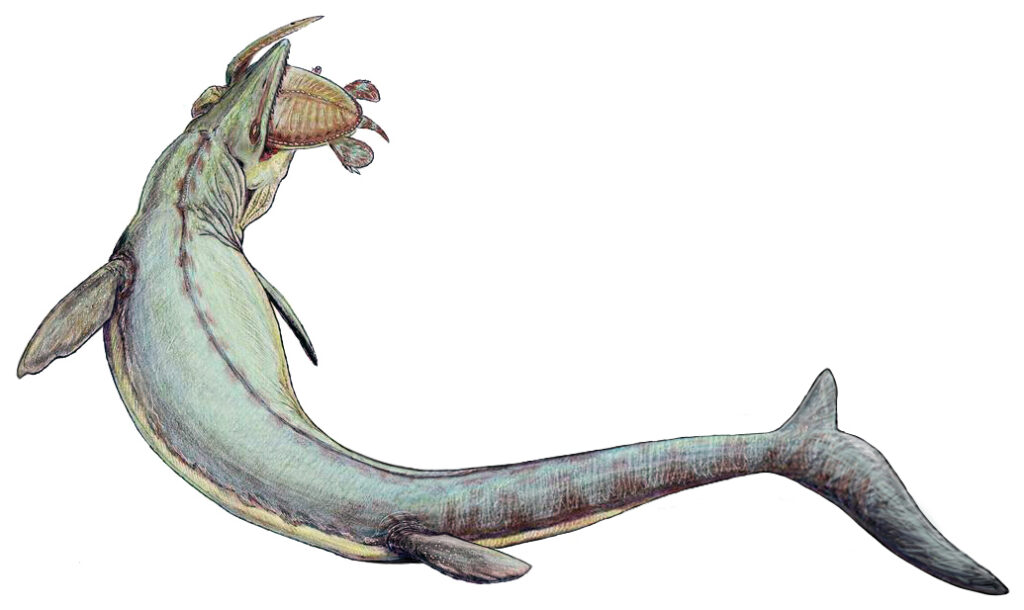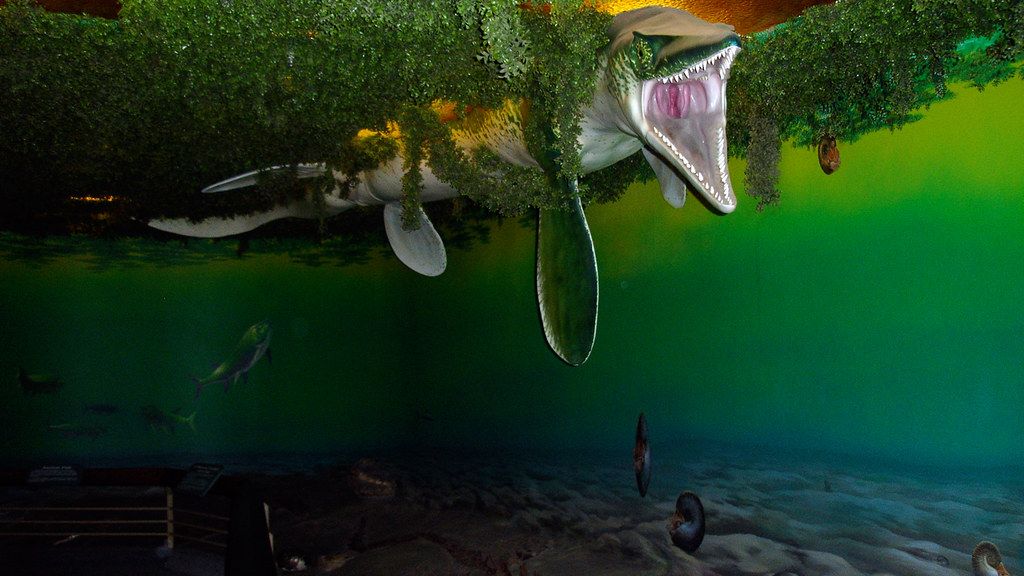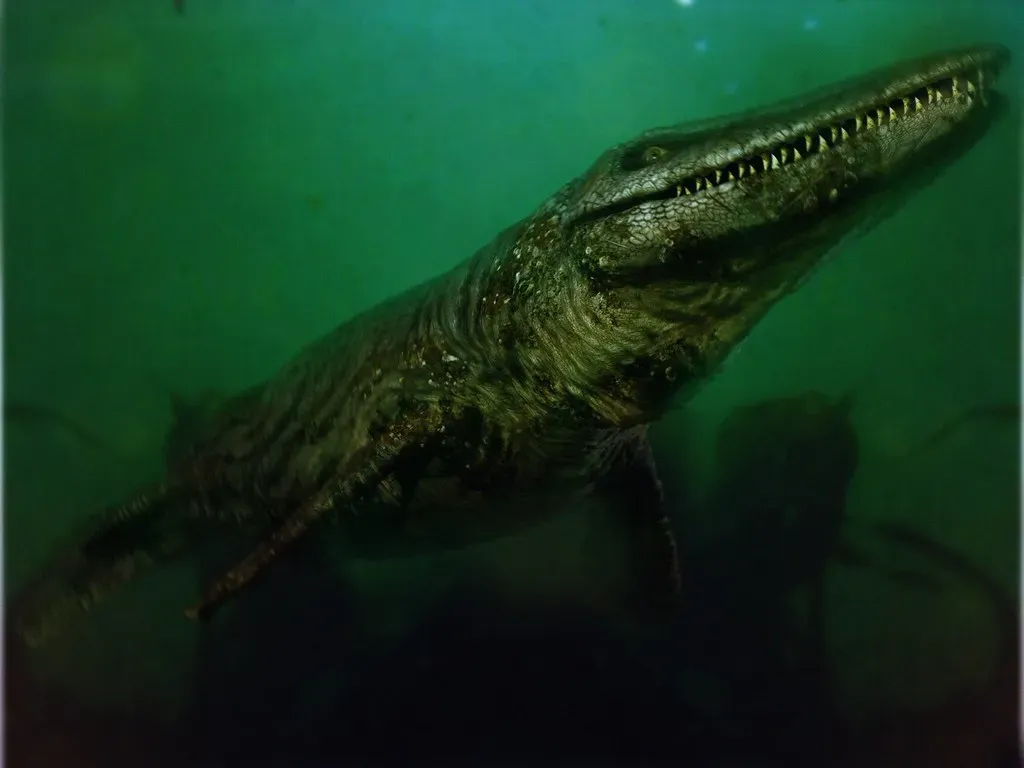
If you could time-travel and stand on a Cretaceous shoreline, the most terrifying thing in sight would not be a land-dwelling dinosaur. It would be a shadow in the water: a giant marine reptile with jaws like a living bear trap, sliding just beneath the waves. That predator was Tylosaurus rex, often hyped today as the “T. rex of the sea” – and in some ways, that label is spot on, but in other ways it totally misses the point. This was not a dinosaur in flippers, but something stranger, more specialized, and perfectly tuned to an ocean ruled by reptiles.
The more paleontologists uncover about Tylosaurus, the more it feels like a mash‑up of horror movie monster and sleek ocean athlete. Fossils have given us not just bones, but clues to muscles, feeding behavior, even possible skin impressions and stomach contents. In other words, we do not just have a skeleton; we have a surprisingly vivid picture of how this animal lived, hunted, and died. And honestly, the real creature is much more fascinating than any simplified “sea T. rex” marketing tag.
The Giant Behind the Nickname: Size, Shape, and First Impressions
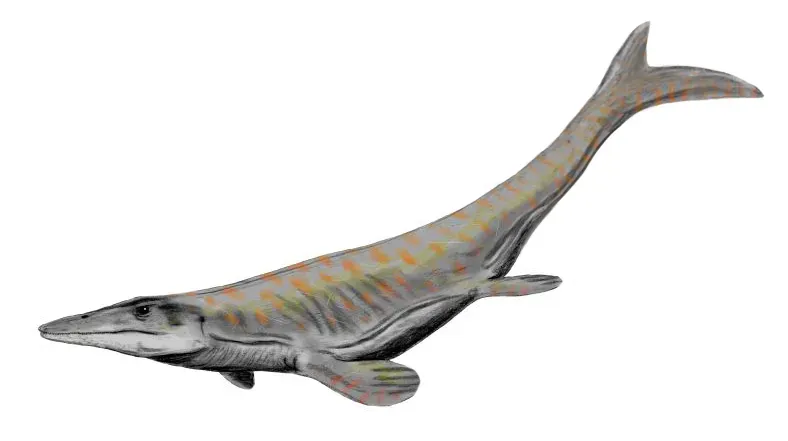
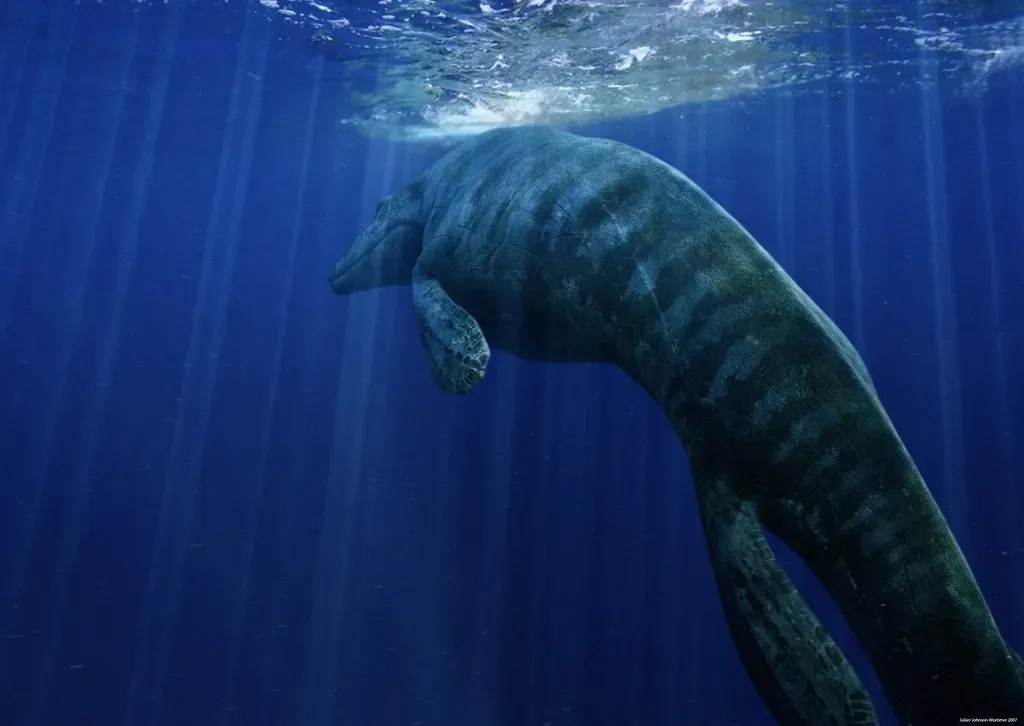
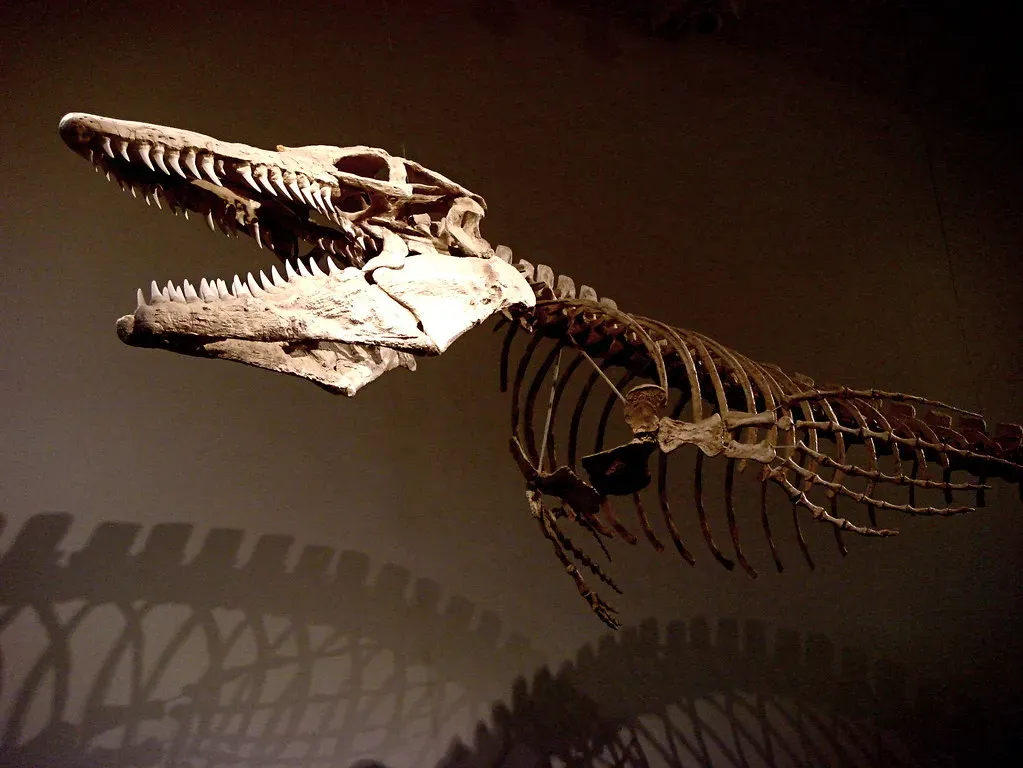
Tylosaurus rex did not stroll around on land like Tyrannosaurus; it belonged to a group called mosasaurs, fully marine reptiles that dominated the Late Cretaceous seas. Picture a massive, streamlined body, long tail, and four paddle‑like limbs, ending not in claws but in flippers. At full length, some individuals may have stretched well over ten meters, and a few estimates for the largest species of Tylosaurus push even closer to the size of a city bus. Even if you take the conservative numbers, this was an apex predator you would absolutely not want to meet while snorkeling.
What really set Tylosaurus apart visually was its skull. Unlike some of its mosasaur cousins with more delicate snouts, Tylosaurus had a long, solid, almost battering‑ram style rostrum at the front of its face. This bony “nose” gave the whole head a spear‑like look, backed up by rows of sharp, conical teeth built for gripping slippery prey. The overall vibe is more torpedo than lizard: a long, muscular body with a reinforced head, perfectly suited for fast, brutal attacks in open water. If T. rex was the tyrant on land, Tylosaurus was the silent missile in the sea.
Built to Rule the Ocean: Anatomy and Swimming Power
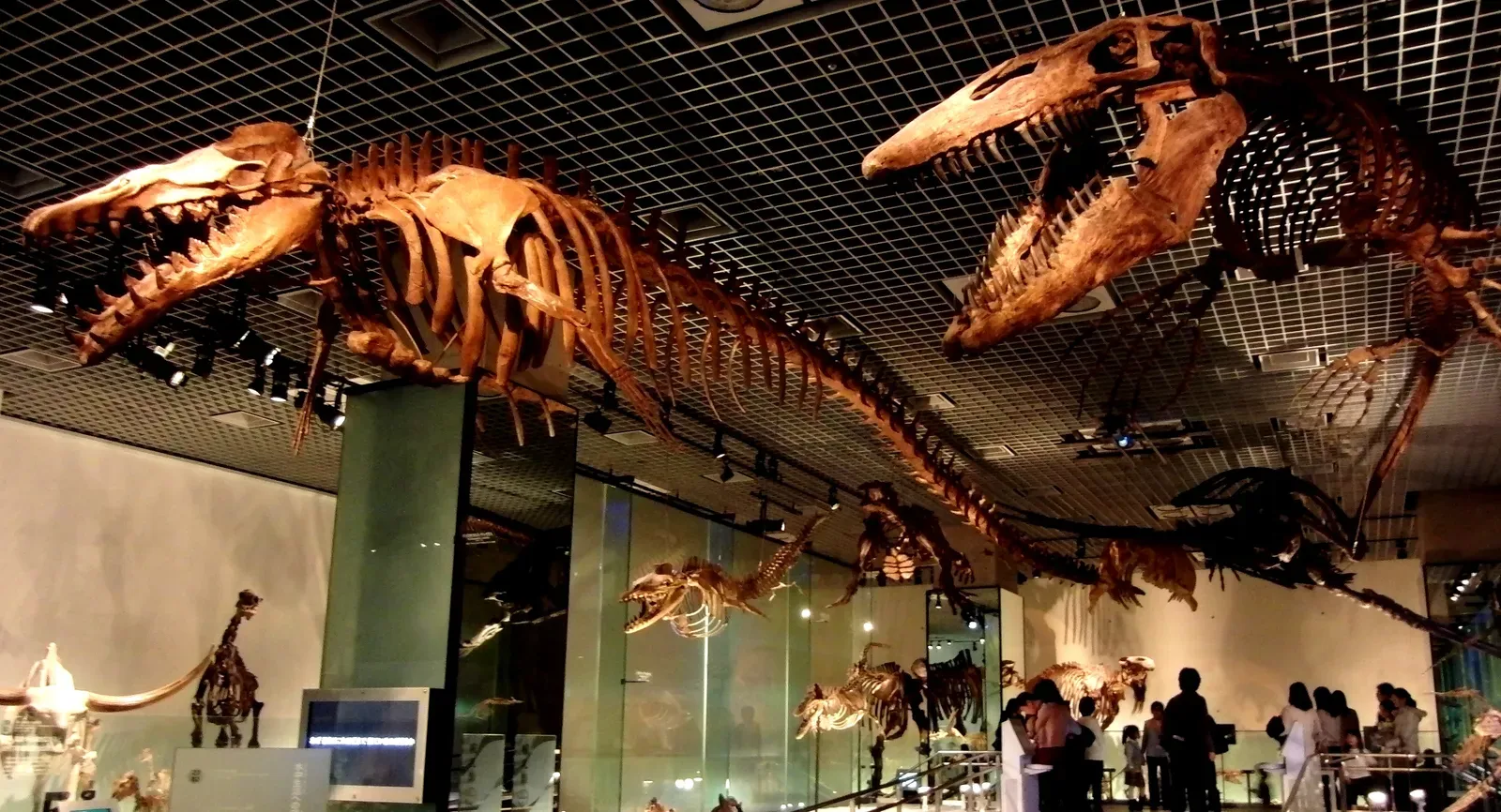
When you zoom in on its anatomy, Tylosaurus looks like the product of millions of years of ruthless ocean‑style engineering. The spine was flexible but supported by robust vertebrae, allowing powerful side‑to‑side movement of the body and tail. Think of a giant, over‑muscled eel, but with more structure and control. That long tail likely ended in a tail fin with a stronger lower lobe, functionally similar to some sharks – not an identical copy, but converging on the same solution: speed and thrust in open water.
The limbs tell another part of the story. Over evolutionary time, the hands and feet of its ancient lizard ancestors shrank into stubby elements embedded in broad, stiff flippers. These were not for walking or even fine maneuvering on the seafloor; they were steering aids for a creature that lived most of its life in mid‑water. Combined with a streamlined, relatively narrow chest and a deep torso, this design turned Tylosaurus into a long‑distance cruiser and sudden sprinter. It likely spent a lot of time gliding through the water column, saving energy, then exploding into motion when a meal presented itself.
“T. rex of the Sea”? Hunting Style, Diet, and Real Behavior
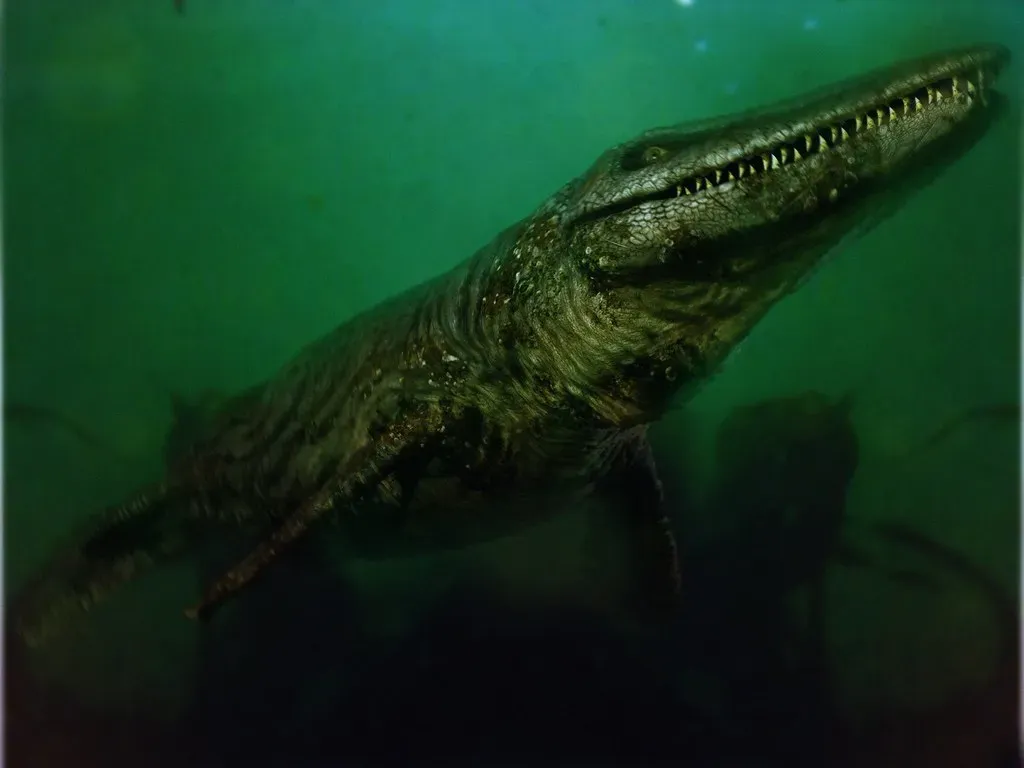
The nickname “T. rex of the sea” comes largely from Tylosaurus being a top predator in its ecosystem, but the similarities probably end there. T. rex on land relied heavily on enormous jaw force and bone‑crushing teeth; Tylosaurus, by contrast, had narrower, conical teeth designed more for grabbing and holding than pulverizing. Inside some Tylosaurus fossils, paleontologists have found remains of other marine reptiles, large fish, birds, and even smaller mosasaurs, suggesting it was not picky. This was a predator that treated the entire marine food web as an all‑you‑can‑eat buffet.
Its hunting style was likely more about speed and surprise than wrestling matches. That elongated snout may have helped it ram or stun prey, or at least slice through the water with less drag as it lunged forward. Like other mosasaurs, its jaws could open very wide, with extra joints in the skull allowing it to handle large, awkward animals – a bit like a snake preadapted to life in the sea. In my view, the scarier truth is that Tylosaurus was probably a smart, opportunistic feeder: scavenging when it could, hunting when it needed to, and not thinking twice about cannibalism if a smaller mosasaur crossed its path at the wrong time.
A World of Chalk Seas and Vanishing Shorelines
To really understand Tylosaurus, you have to picture its world. During the Late Cretaceous, large parts of what is now North America were underwater, covered by a warm, shallow inland sea sometimes called the Western Interior Seaway. Imagine Kansas and Nebraska not as wheat fields, but as a broad ocean crowded with ammonites, giant fish, sharks, turtles, and a rotating cast of marine reptiles. Tylosaurus lived near the top of this living pyramid, patrolling waters that, millions of years later, would harden into soft, chalky rock and quiet prairies.
Fossils from these ancient seafloors show that Tylosaurus shared its environment with other mosasaurs, plesiosaurs with long necks or huge bodies, and all manner of invertebrates. The seas were productive but also dangerous, something like modern tropical oceans turned up to eleven. Climate was warmer overall, and sea levels were higher, meaning coastlines were constantly changing and shallow shelves were widespread. In that sort of world, a big, fast, flexible predator like Tylosaurus had room to thrive, spread, and evolve into slightly different forms across huge distances.
From Bones to Story: What Fossils Reveal About Its Life
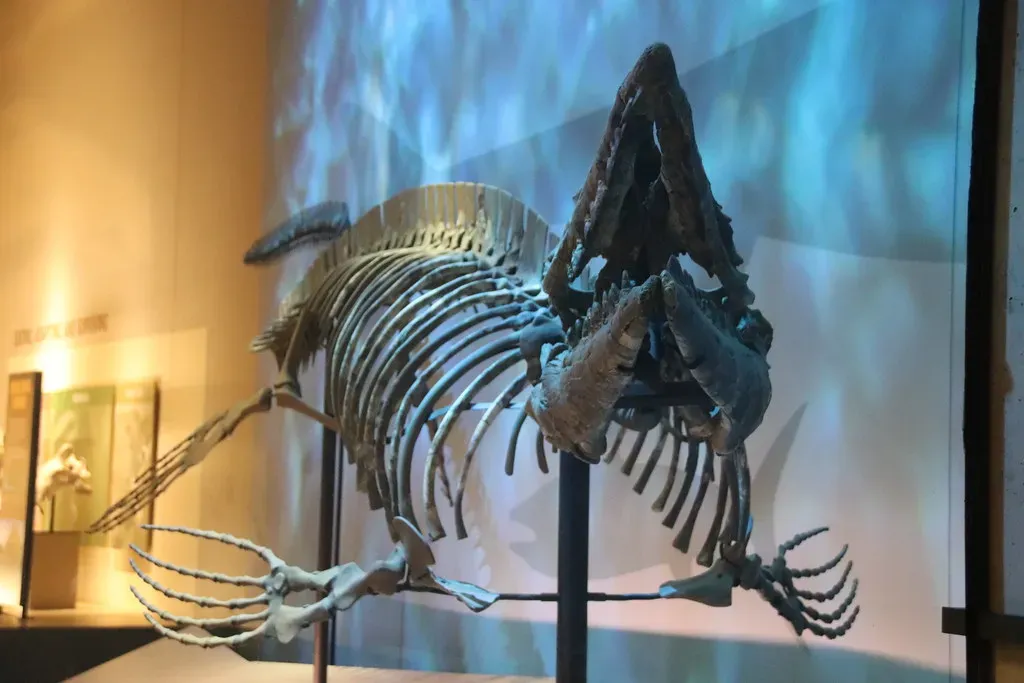
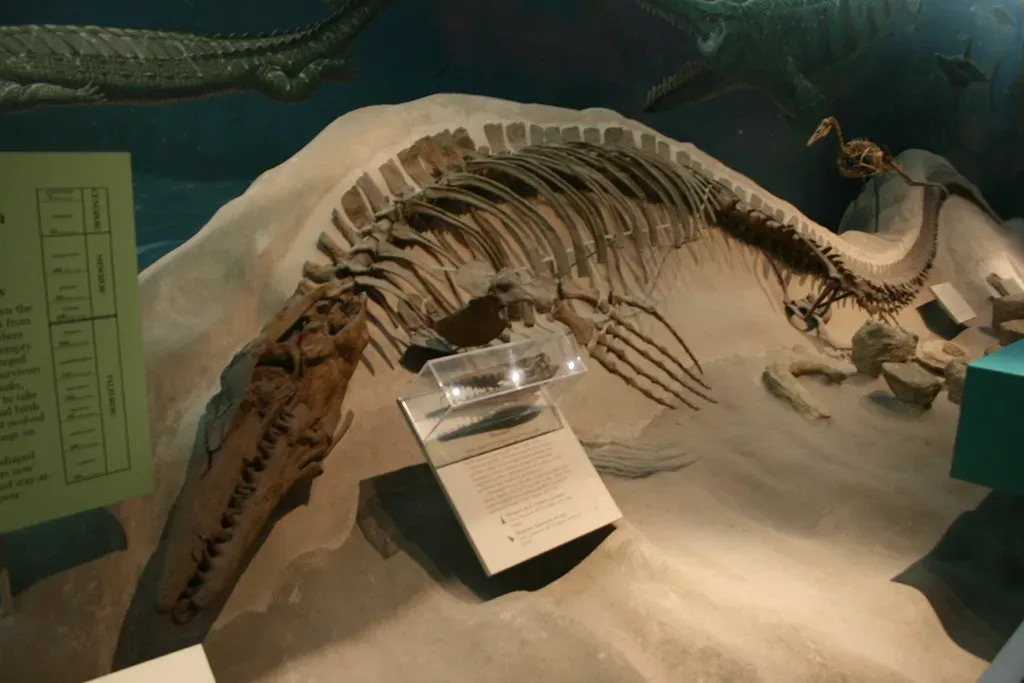
The story of Tylosaurus rex is not just about the animal itself, but about the patient work of people digging its remains out of rock. Many of the best fossils have come from North America, where layers of Late Cretaceous marine sediments preserve not only bones but sometimes delicate details. In some famous specimens, paleontologists have found partial skin impressions around mosasaur bodies, hinting at a covering that was more like small scales than sleek dolphin skin. This is one of those places where science punches through our movie‑fed imaginations and says: it was reptilian, but it still moved with a kind of shark‑like grace.
Stomach contents and bite marks have been game changers too. They provide direct evidence of what Tylosaurus actually ate and how it interacted with others. For example, the presence of bird bones and other reptiles in its gut region shows that it raided multiple ecological layers, from surface‑skimming animals to deeper‑swimming prey. Pathologies in bones – healed fractures, infections, or teeth marks – tell us it lived a rough life that involved combat, accidents, and recovery. When you look at an entire skeleton riddled with those scars, it stops feeling like a static museum object and starts to read like a biography written in bone.
Extinction, Legacy, and Why This Sea Monster Still Matters
Like all non‑avian dinosaurs and mosasaurs, Tylosaurus rex disappeared in the mass extinction around the end of the Cretaceous, most likely triggered by a massive asteroid impact combined with volcanic and climate chaos. Oceans would have darkened, food webs collapsed from the bottom up, and large predators like mosasaurs would have found themselves in a world that simply could not support them. There is something strangely humbling in the idea that a creature powerful enough to dominate an inland sea could still be wiped out because plankton productivity dropped and sunlight was blocked.
Yet its legacy is not just a cautionary tale about extinction. Studying Tylosaurus helps scientists understand how large predators evolve, how animals move from land to sea, and how ecosystems respond when apex hunters appear or vanish. Personally, I think the hype label “T. rex of the sea” undersells what Tylosaurus really represents: a reminder that life experiments wildly, reusing old body plans in new ways and reaching incredible extremes. When you realize an oversized lizard‑like reptile once rocketed through the middle of North America’s drowned heartland, our modern oceans suddenly feel a bit less permanent and a lot more mysterious.
Conclusion: More Than Just a Catchy Nickname
The more you learn about Tylosaurus rex, the more that simple tagline of “T. rex of the sea” feels like a movie poster shortcut rather than a fair description. This was not a dinosaur on vacation; it was a fully marine reptile with its own evolutionary path, its own set of weapons, and its own ocean‑soaked story. In my opinion, reducing it to a comparison with a land predator makes us miss the truly strange part: the way lizard‑like creatures reinvented themselves as high‑speed sea monsters and ruled entire seaways for millions of years. Tylosaurus deserves to stand – or rather, swim – on its own terms.
There is also an uncomfortable lesson hiding in its bones. Even the most dominant predator can vanish when the environment shifts faster than it can adapt, and the chalk beds full of mosasaurs are a fossilized warning label about sudden change. That is partly why I find Tylosaurus so compelling: it is both awe‑inspiring and oddly fragile, a symbol of how power and vulnerability can sit right next to each other in nature. Next time you look out over a calm ocean, it is worth asking yourself: how many worlds like Tylosaurus’s have already come and gone beneath the waves, and how many more will rise and fall after us?