If you picture an ocean ruled by giant sharks, you are only getting half the story. Long before humans showed up, the seas were home to massive marine reptiles that may have treated even large sharks like toys, targets, or just something to bite because they could. The idea that an ancient sea monster might have hunted sharks partly for dominance or competition, not just hunger, sounds like a movie plot, but the fossil record hints that reality was not far off.
We will likely never know exactly what passed through the brain of a reptile in the Jurassic or Cretaceous seas, but bones and bite marks tell us who attacked whom. Some fossils show shark teeth embedded in giant reptile bones and, more intriguingly, reptile bite marks carved into shark skeletons. When you line up the evidence, a picture emerges of apex predators that did not simply coexist with sharks; they may have actively bullied and hunted them, shaping entire marine ecosystems in the process.
The Ocean Was Not Always a Shark’s World
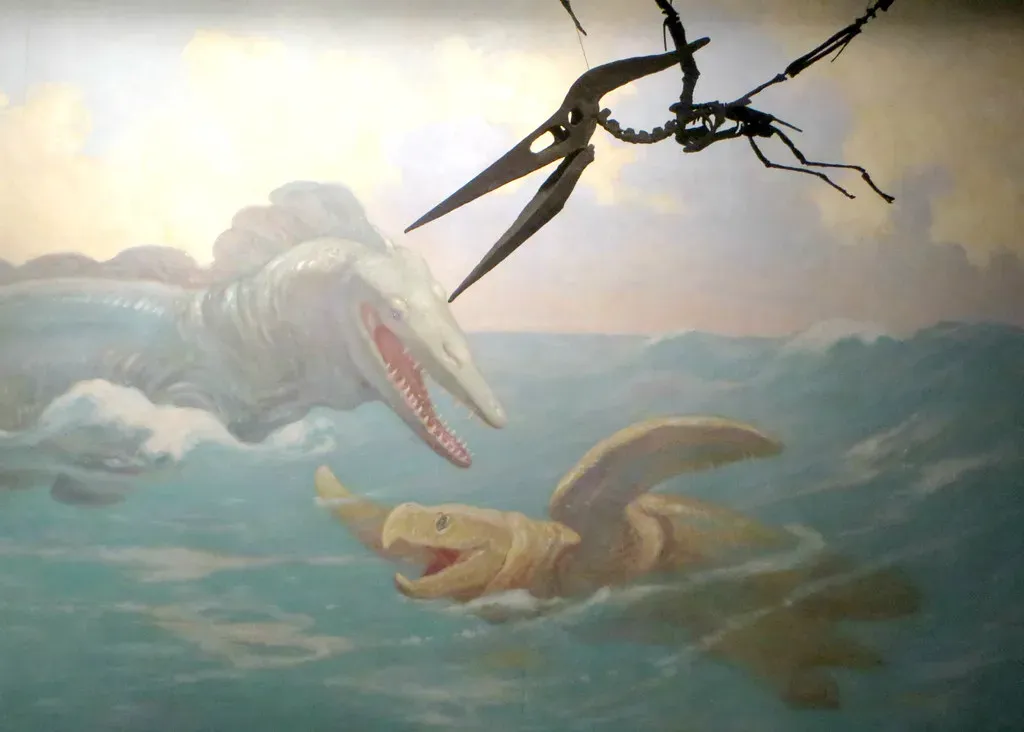
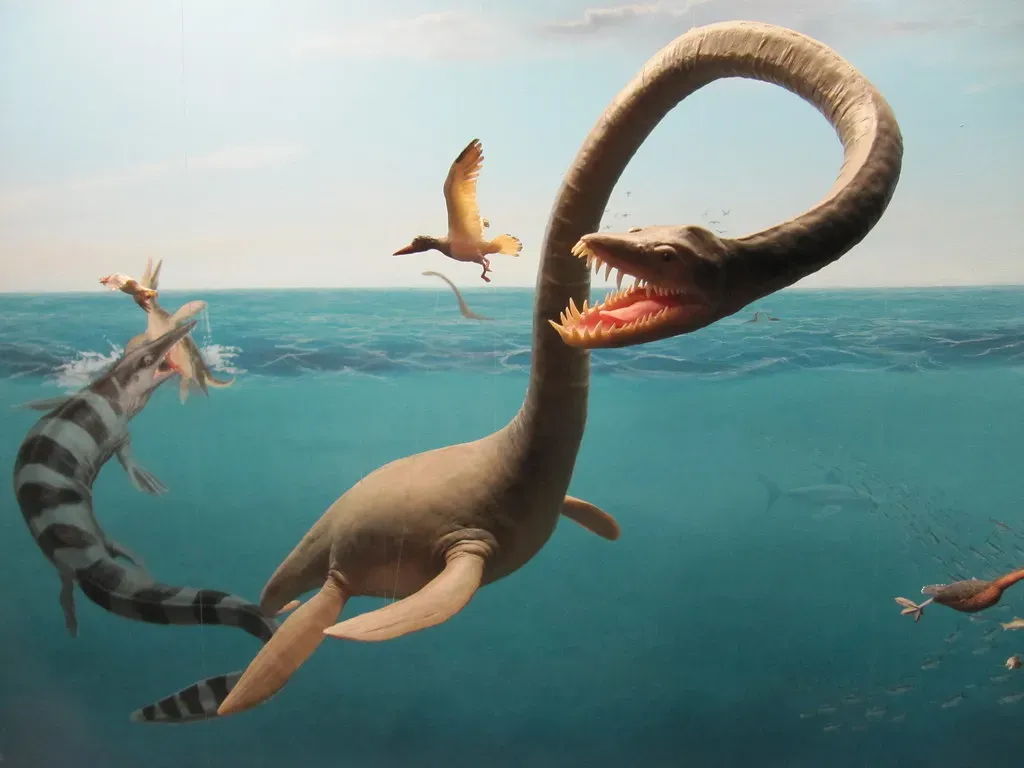
Today, when we think of apex predators in the ocean, sharks usually top the list, with orcas coming in as the dramatic modern exception. But if you rewind tens of millions of years, sharks had to share or even surrender that top spot to huge marine reptiles like mosasaurs, pliosaurs, and large ichthyosaurs. These reptiles were not dinosaurs, but close relatives that had fully committed to life in the sea, with powerful flippers, streamlined bodies, and jaws built purely for killing.
In many ancient seas, sharks seem to have occupied something closer to the tier just below the largest reptiles. Fossil assemblages often show a mix of shark teeth alongside bones of marine reptiles and large bony fish, but the real story sits in who is biting whom. In some deposits, shark remains show damage more consistent with them being prey than rulers, suggesting that the image of sharks as the unchallenged bosses of the ocean is really a modern snapshot, not a timeless truth.
Mosasaurs: The Real Monsters Behind the Myth
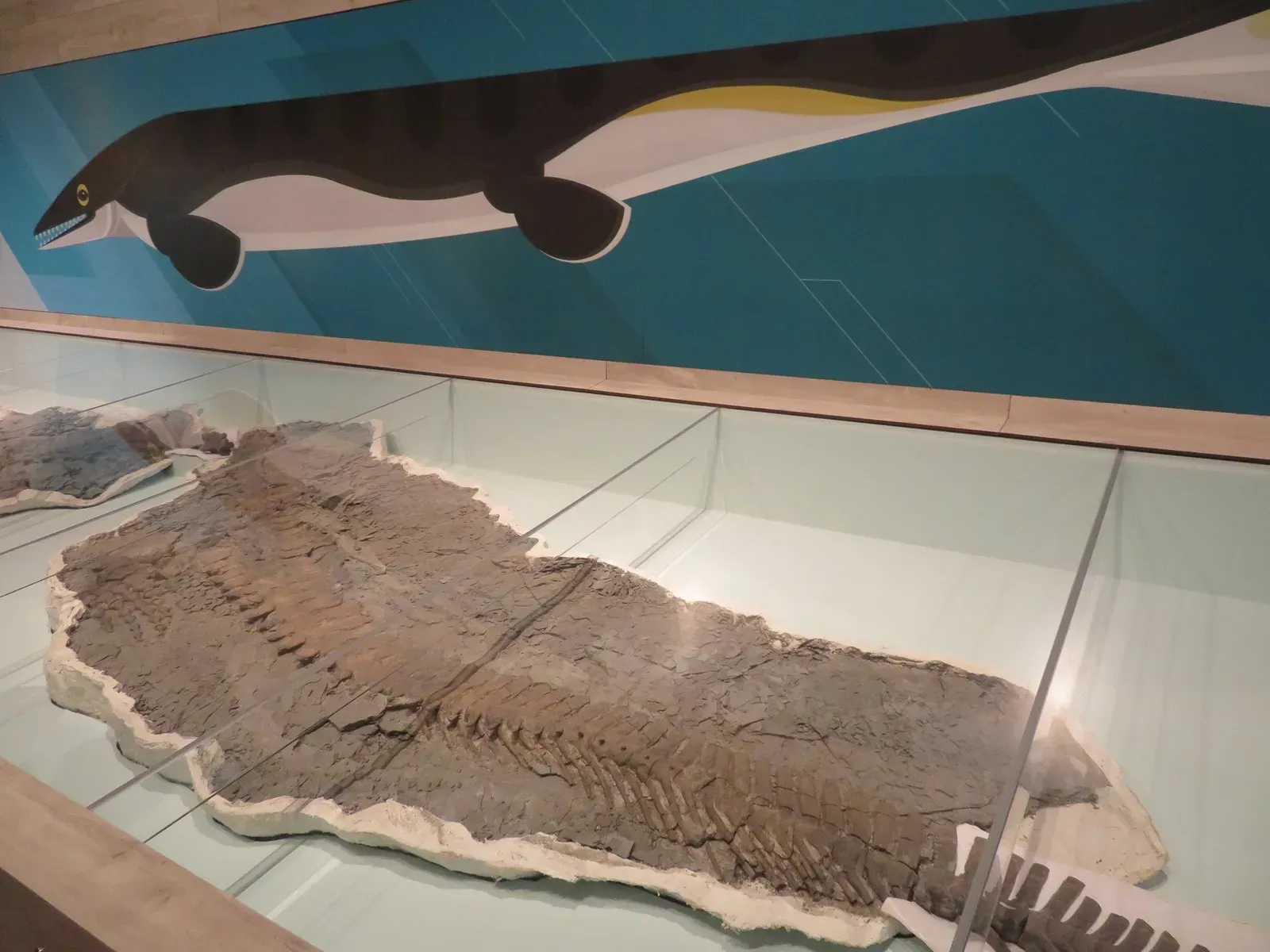
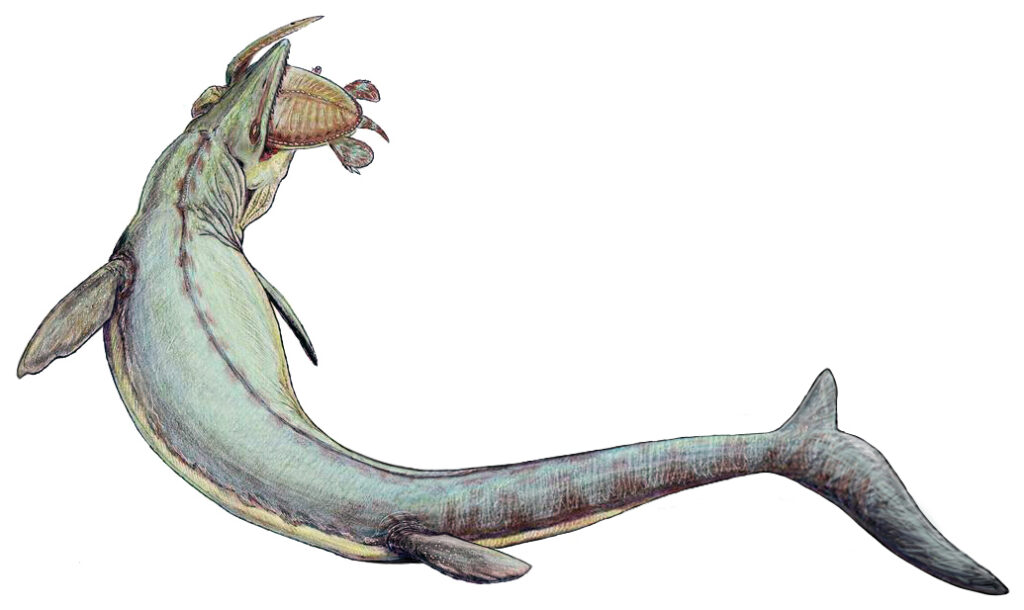
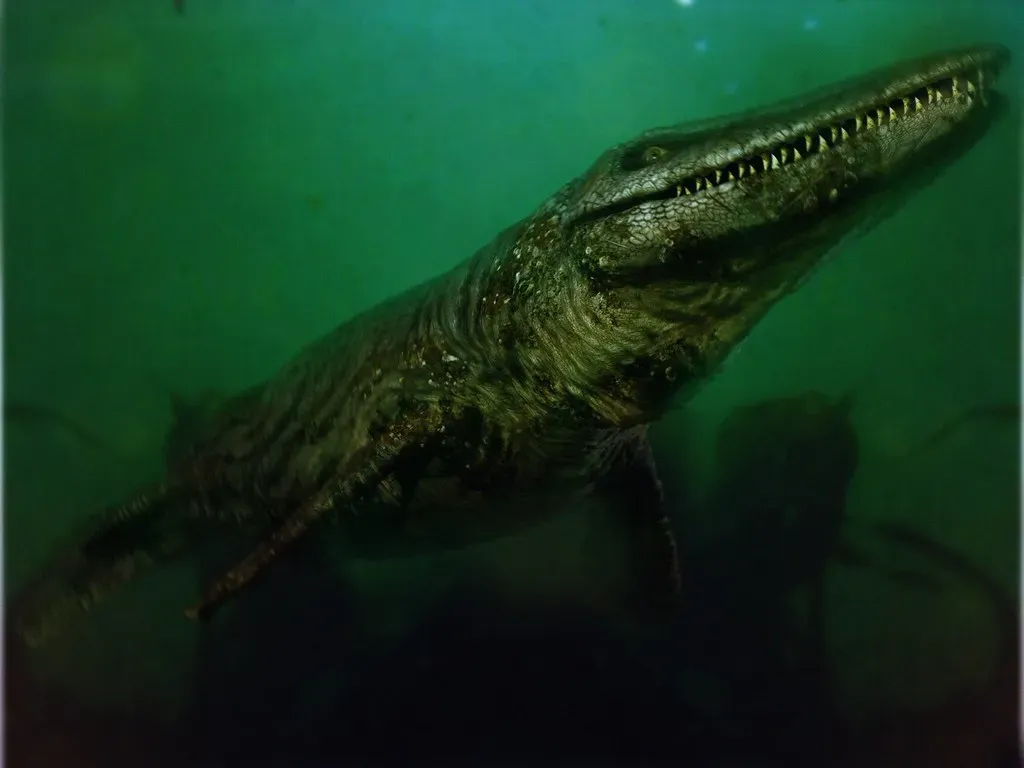
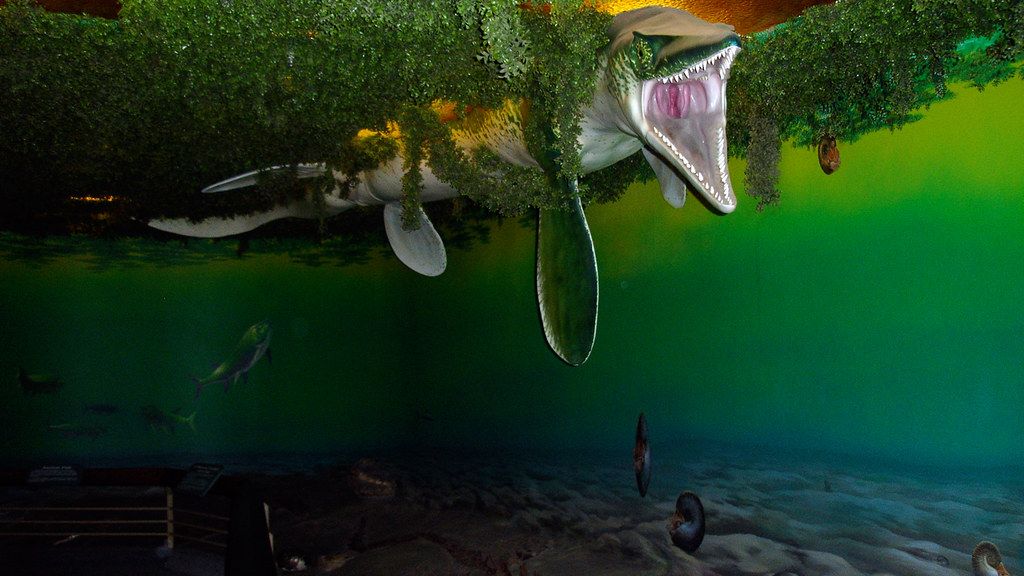
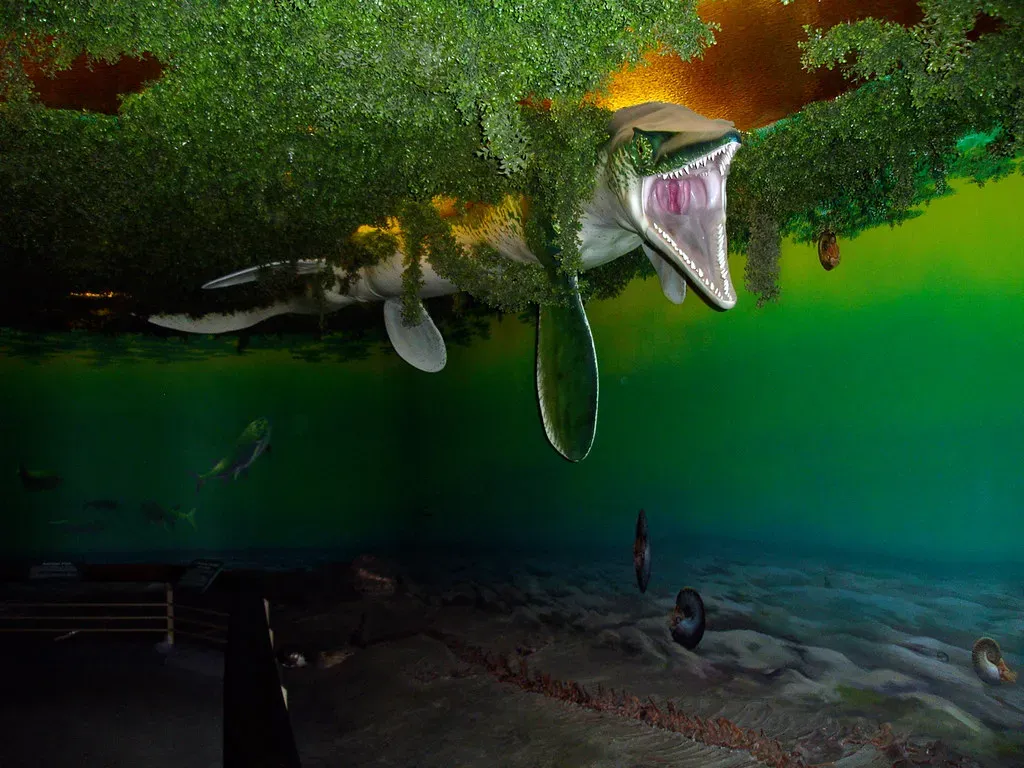
If any group deserves the title of ancient sea monster that could casually terrorize sharks, it is the mosasaurs. These were gigantic, serpentine marine reptiles that dominated the Late Cretaceous seas, with some species stretching longer than a city bus. They had robust skulls, double-hinged jaws, and teeth shaped like curved daggers, ideal for gripping struggling prey and tearing chunks from anything unlucky enough to be in range. Their tail flukes and strong bodies allowed them to ambush with frightening acceleration.
Fossil evidence suggests mosasaurs ate pretty much anything they could overpower: fish, other reptiles, birds, and yes, sharks. Stomach contents and bite-marked bones show that they were both opportunistic and aggressive. When you picture a large shark today circling a carcass, imagine instead a mosasaur closing in from the side and simply owning the kill. In that kind of world, sharks were more likely to be victims of surprise attacks than swaggering rulers, and some mosasaurs may well have engaged in behavior that looks, to us, uncomfortably like hunting for the sheer advantage of removing competitors.
The Bite Marks That Started the Debate
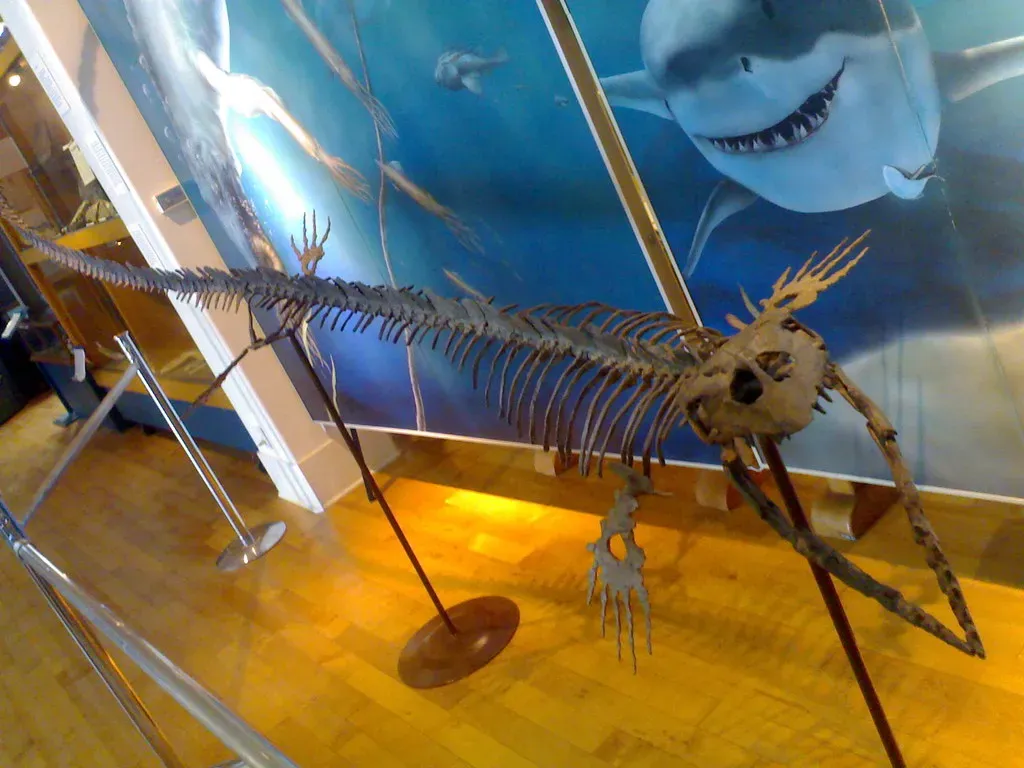
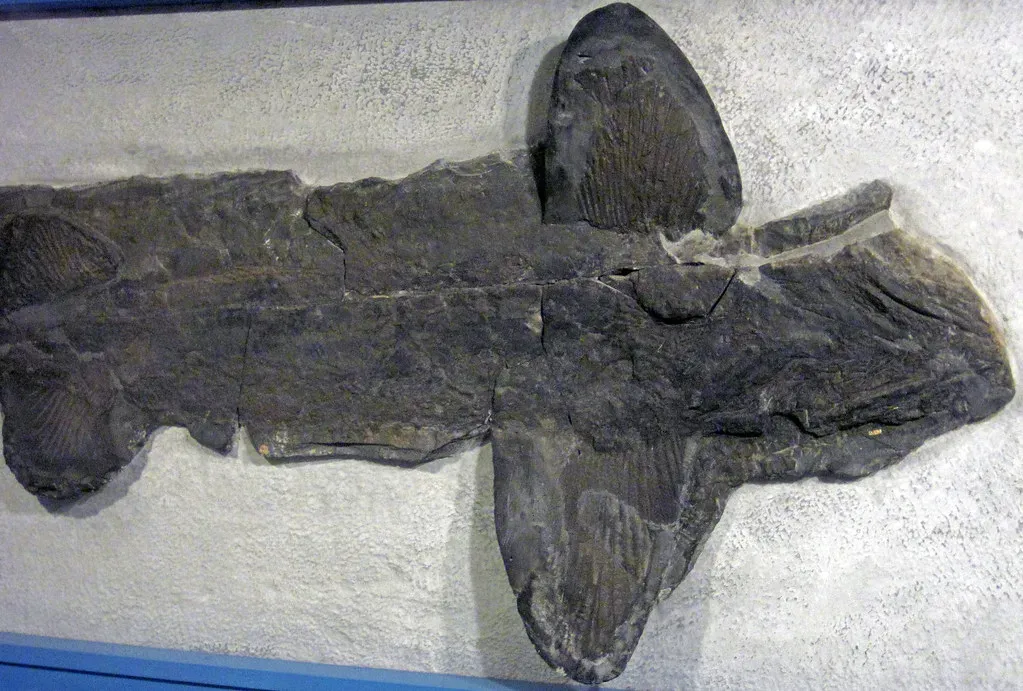
The claim that ancient sea monsters hunted sharks for fun is not just wild speculation; it is rooted in some very specific bones. Paleontologists have found shark vertebrae and skull fragments bearing deep, curved gouges that match the teeth of large marine reptiles rather than other sharks. In some spectacular cases, the spacing and shape of the marks line up best with mosasaurs or giant pliosaurs, indicating direct violent encounters where the reptile clearly had the upper hand.
Even more intriguing, a few shark fossils show repeated bite marks in places that might not make sense if the only goal was a quick meal. Some bones look like they were chewed, shaken, or bitten in ways that suggest rough handling rather than efficient feeding. That does not prove any kind of cruelty or entertainment in a human sense, but it does leave room for behaviors like territorial aggression, dominance displays, or killing competitors. When an animal is so big that even a sizable shark is just another mouthful, the line between feeding and domination might blur.
Could Ancient Predators Really Hunt “For Fun”?
Describing any extinct animal as hunting for fun is a risky leap, because it imports human emotion into a brain we can never study directly. Still, behavior in the natural world is not just about immediate hunger; modern predators sometimes kill or harass rivals, juveniles, or other species in ways that go beyond simple feeding. Orcas harassing great white sharks or tossing seals around is a common example that feels disturbingly like sport, even if it ultimately ties back to territory, practice, or social learning rather than pure entertainment.
So when scientists look at repeated, seemingly excessive attacks on sharks by ancient marine reptiles, a spectrum of possibilities opens up. Maybe these predators were removing competition, practicing hunting techniques, or reinforcing social hierarchies if they lived or hunted in groups. From our perspective, that can look like violence for its own sake. The safest way to frame it is that these sea monsters had behavioral room to spare: they were not just surviving meal to meal, they had enough power in the ecosystem to enforce dominance in ways that might resemble play, bullying, or something in between.
Sharks as Prey, Scavengers, and Survivors
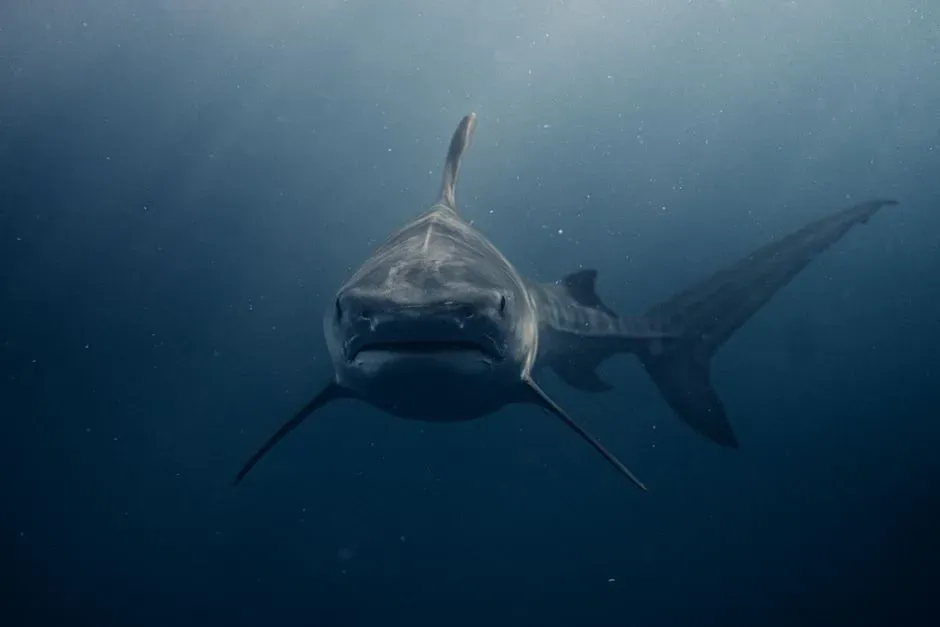
One of the most surprising twists is that sharks, which feel almost invincible to us today, were often scavengers and mid-level predators when huge reptiles ruled the seas. Shark teeth are frequently found around large carcasses in fossil beds, hinting that they moved in to clean up after bigger killers had already done the hard work. That pattern mirrors what we see in modern oceans, where some sharks hang around whale carcasses or follow larger predators to grab leftovers.
Yet sharks also show a remarkable talent for survival through upheaval. While many marine reptiles, including mosasaurs, vanished at the end of the Cretaceous, sharks persisted through that mass extinction and countless others before it. So although individual sharks might have been bitten apart or casually eliminated by ancient sea monsters, as a group they played the long game. In a sense, the story of mosasaurs versus sharks is a reminder that being the scariest hunter in one era does not guarantee you a long-term future; the quieter, more adaptable line can end up inheriting the ocean.
What This Tells Us About Power and Play in Nature
When you step back from the individual fossils and think about the big picture, the idea of sea monsters possibly hunting sharks for something beyond pure hunger forces us to rethink how we view animal behavior. Power in nature is not always exercised in a neat, efficient way. Predators sometimes overkill, harass, or engage in what looks like rough play with living targets, especially when food is abundant and immediate survival pressure is lower. That messy reality is probably as old as complex life itself.
Personally, I find it unsettling and also strangely grounding to imagine a Late Cretaceous mosasaur casually tearing into a shark the way a bored cat toys with a mouse. It reminds me that morality, restraint, and empathy are not default settings in the natural world; they are fragile, hard-won human ideas layered over a much older system built on raw advantage. At the same time, seeing this dynamic play out across millions of years makes our own fears about sharks feel almost small. The true monsters of the deep may have come and gone long before we ever learned to be afraid of dorsal fins.
Conclusion: The Monster, the Shark, and Our Need for a Villain
The more I read about mosasaurs and other ancient marine reptiles, the less I buy the simple story of sharks as eternal ocean villains. If anything, sharks were once the ones dodging shadows from above, occasionally torn apart in what might have been territorial violence, competitive killing, or behavior that looks uncomfortably like predatory play. The fossils do not justify dramatic claims that these animals hunted for pleasure in the way humans might understand it, but they strongly suggest that domination, competition, and perhaps even something like practice kills were part of their world.
My opinion is that we are too quick to assign clear moral roles in these ancient dramas, when what the evidence really shows is a brutally flexible system where power was expressed in every way it could be. The ancient sea monsters were not evil, and sharks were not innocent victims; they were simply locked in a hierarchy where the biggest jaws made the rules, and sometimes those rules allowed for what looks like killing beyond necessity. If that realization makes the ocean feel a bit more alien and a lot more honest, maybe that is a good thing. Next time you see a shark documentary, will you picture a hidden, older monster that once hunted even them just to stay on top?