If you could dive into a time machine and drop into the ocean about one hundred and sixty million years ago, you would not meet mosasaurs, plesiosaurs, or even the sharks you recognize today. You’d be staring down something stranger, bulkier, and in many ways even more terrifying: the pliosaurs, the short‑necked, giant‑skulled marine reptiles that dominated the seas long before mosasaurs ever showed up. These were not background animals in the fossil record; for millions of years they were the top of the food chain, the ocean’s equivalent of a tyrannosaur with flippers.
The wild part is how often they’re left out of the popular dinosaur-and-sea-monster conversation. Everyone knows mosasaurs from movies, but mention names like Liopleurodon or Pliosaurus and you usually get blank stares. That mismatch between fame and actual power is exactly what makes them so fascinating. Once you start looking at the bones, tooth marks, and the global spread of their fossils, a clear picture snaps into focus: before mosasaurs grabbed the spotlight in the Late Cretaceous, pliosaurs were already running the show.
The Apex Before the Icons: Who Came Before Mosasaurs?
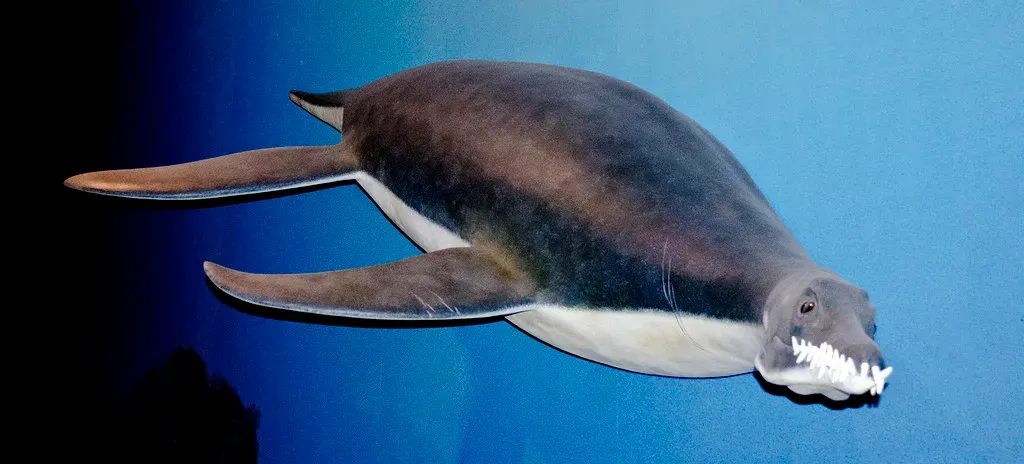
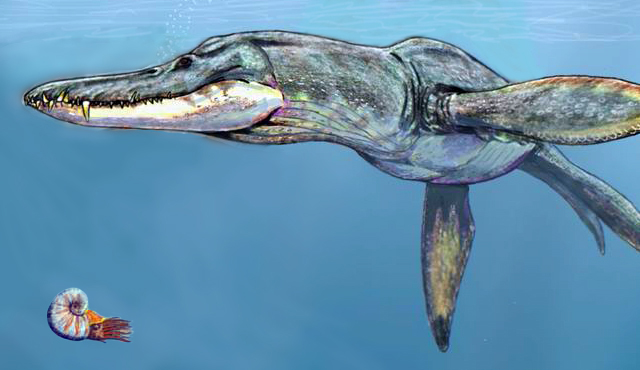
When people picture prehistoric ocean predators, they usually jump straight to the Late Cretaceous: massive mosasaurs rushing up from the depths, snapping up anything unlucky enough to be in their way. But roll the clock back another twenty to fifty million years, into the Middle and Late Jurassic and early part of the Cretaceous, and a different kind of hunter dominated the seas. Pliosaurs were short‑necked members of the plesiosaur family, with massive heads, barrel-shaped bodies, and four powerful flippers that worked like underwater wings. They were not dinosaurs, but marine reptiles, perfectly tuned for life in the open ocean.
In that world, mosasaurs did not exist yet; they only evolved later from lizard-like ancestors. By the time mosasaurs finally arrived on the scene in the Late Cretaceous, pliosaurs had already enjoyed an impressively long run as apex predators. Fossils show that during the Jurassic, if you were a big, meaty animal in the sea – whether you were a fish, an ichthyosaur, or another plesiosaur – there was a good chance a pliosaur was somewhere above you in the food web. In a sense, mosasaurs were not the beginning of giant marine monsters; they were the late‑game sequel.
Anatomy of a Sea Monster: Why Pliosaurs Were Built to Dominate
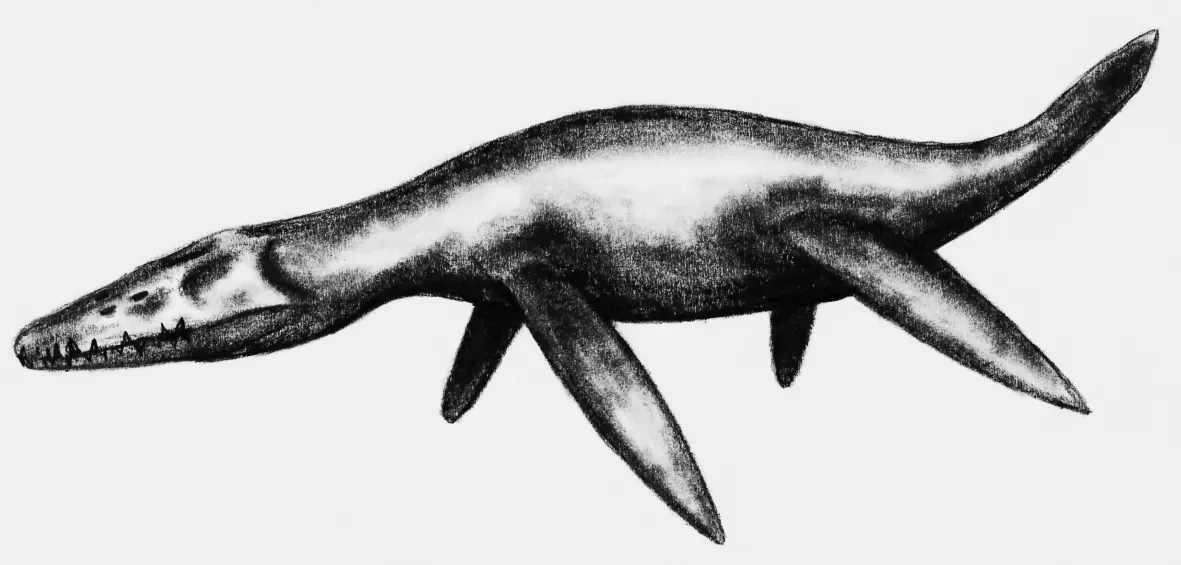
At first glance, a large pliosaur looked almost cartoonishly overpowered: enormous skull, outsized jaws bristling with conical teeth, and a relatively compact, muscular body driven by four broad flippers. Some species had skulls that rivaled or exceeded the length of a human adult, with jaw muscles anchored to huge bony crests. Those jaws could clamp down with a force that, based on comparisons with living crocodiles and other reptiles, would have been more than enough to crush bone. The teeth themselves were not razor blades like a shark’s but thick stakes designed to seize and hold onto struggling prey.
Yet pliosaurs were not just crudely powerful; they were also surprisingly agile for their size. The four‑flipper design let them “fly” through the water more like penguins or sea turtles than like fish, trading a bit of raw speed for exceptional maneuverability. This setup likely allowed them to pivot quickly, track twisting prey, and launch bursts of speed from a relatively still position. When you combine that kind of control with a torpedo‑shaped body and a devastating bite, you get an animal that can not only ambush but also chase, corner, and overpower almost anything sharing its waters.
Global Tyrants: Where and When These Predators Ruled
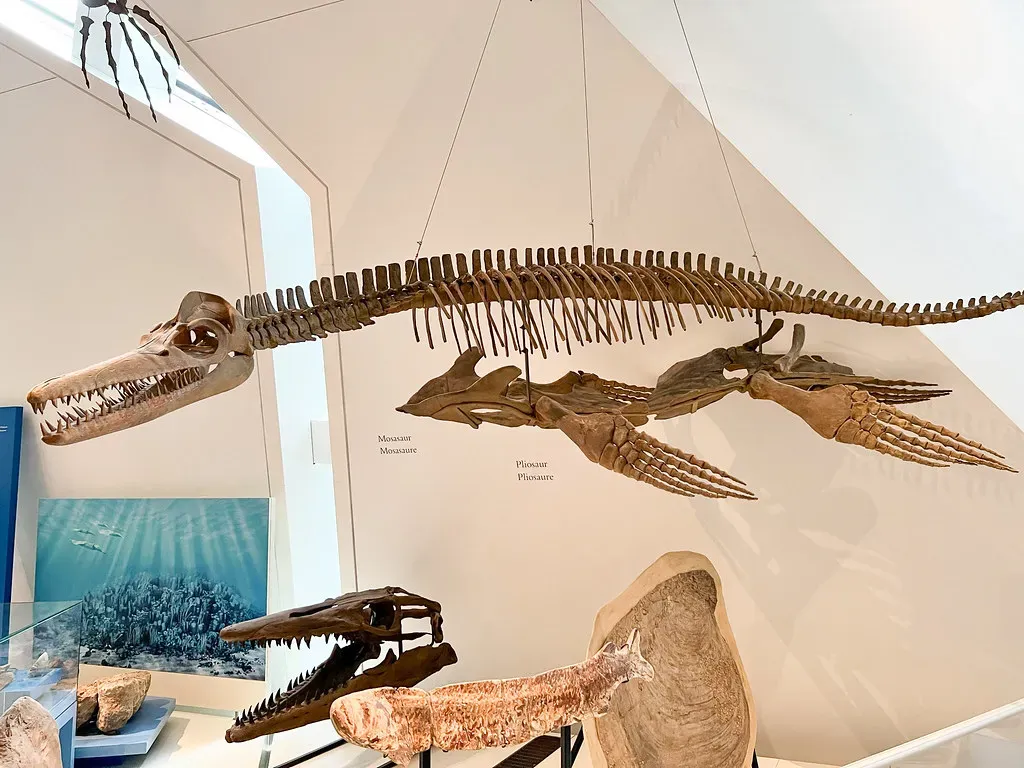
One of the most striking things about pliosaurs is how widespread they were. Their fossils have turned up across what is now Europe, South America, Australia, and other parts of the world, telling us they were not just local curiosities but truly global predators. During the Jurassic, much of the world’s land was still clustered in supercontinents, and vast epicontinental seas flooded areas that are now landlocked. Pliosaurs cruised these warm, nutrient‑rich waters, preying on whatever medium‑to‑large animals were available. Their remains have even been found in old seabeds that hint at open‑ocean lifestyles, not just coastal ambush roles.
Their reign lasted a surprisingly long time by apex‑predator standards. From the Middle Jurassic through much of the Early Cretaceous, large pliosaurs show up repeatedly as the heavyweight hunters in marine ecosystems. Of course, nature is never static. Over time, other groups like long‑necked plesiosaurs, evolving sharks, and eventually mosasaurs began to share or challenge their dominance. But for a substantial stretch of Earth’s history, if you zoomed in on the top of the marine food chain almost anywhere on the planet, you would probably see a pliosaur family tree sitting right at the peak.
What Was on the Menu? The Hunting Strategies of an Ancient Killer
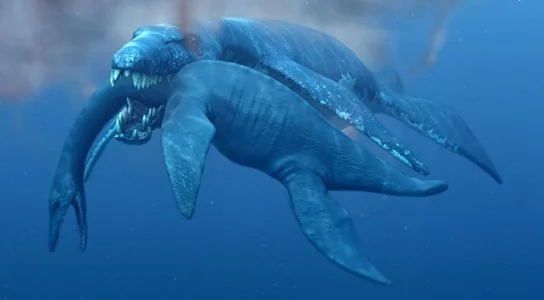
We cannot watch a pliosaur hunt, but the clues scattered in the rock layers are surprisingly revealing. Their teeth and jaws suggest they tackled large, struggling prey rather than just small, easy targets. Paleontologists have found fossils of other marine reptiles and large fish with bite marks and damage that match the shape and spacing of pliosaur teeth. Some skeletons even show repeated punctures in the same area, hinting at sustained attacks where the predator grabbed on and shook or wrenched its victim the way a crocodile might handle a carcass today. That combination of grip and thrashing would have been devastating in the water.
Not every meal had to be a dramatic battle, though. Like many top predators today, pliosaurs probably mixed tactics: ambushing from below, snatching injured or slower animals, and scavenging carcasses when the opportunity arose. Their large eyes and streamlined bodies suggest they were comfortable in open water, perhaps patrolling hunting grounds where schools of fish, squid‑like cephalopods, and other reptiles congregated. In my mind, the closest modern parallel is a blend of killer whale and crocodile behavior: a social, powerful hunter capable of targeted attacks, bit by bit sculpted by millions of years in a rising-tide world of evolving prey.
Why We Barely Hear About Them: Fame, Fossils, and Pop Culture Blind Spots
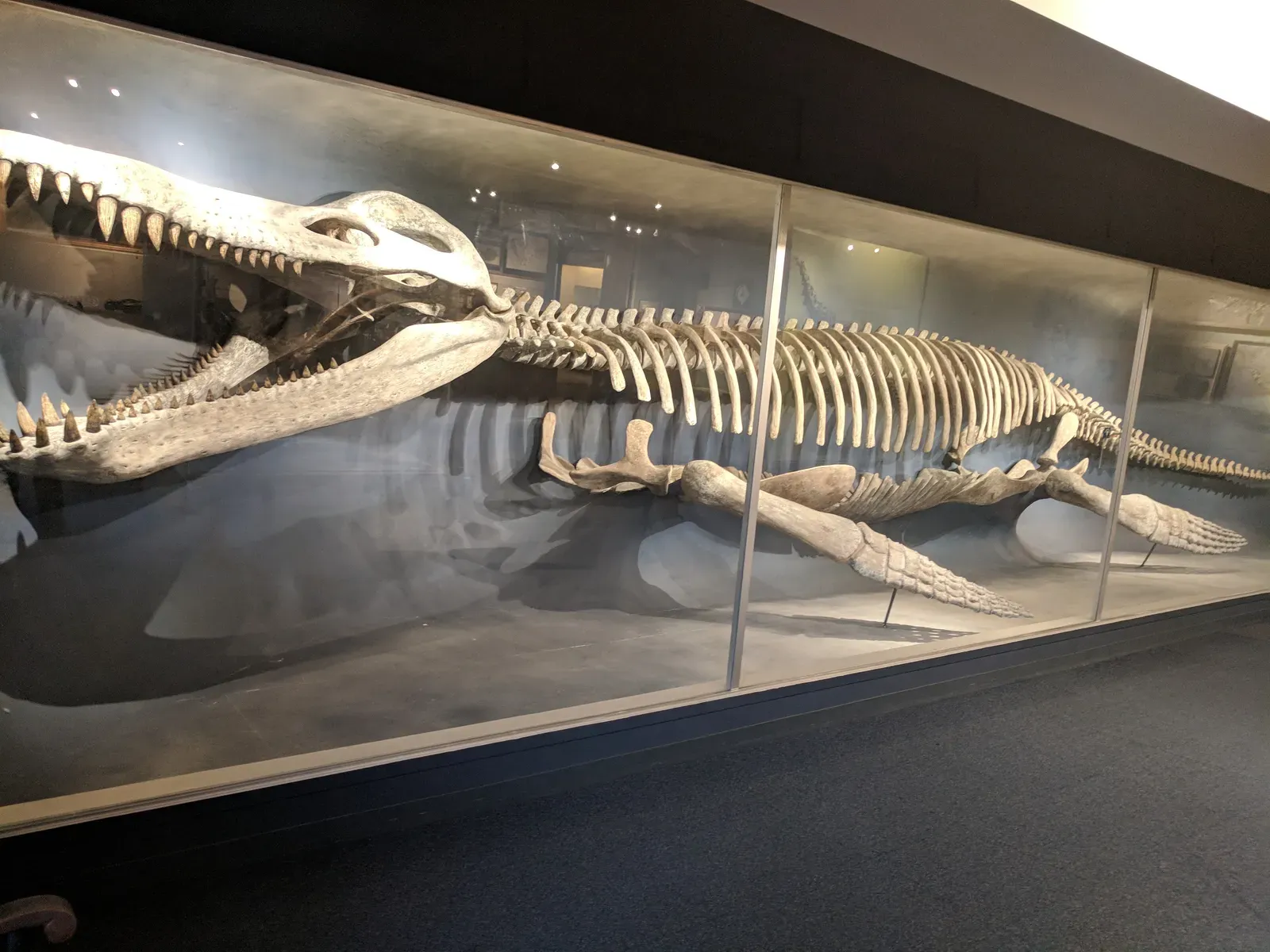
So why do mosasaurs get the movie roles while pliosaurs are lucky to get a passing mention in documentaries? Part of it is timing. Mosasaurs lived right at the end of the Cretaceous, in the same broad era as the last non‑avian dinosaurs, and that dramatic ending – the asteroid impact and mass extinction – makes for a gripping narrative. Pliosaurs, by contrast, sit mostly in the Jurassic and early Cretaceous, a bit further from the cultural spotlight people associate with dinosaur extinction stories. Their story is less about a sudden cataclysm and more about slow shifts in ecosystems over millions of years.
Another factor is how they’ve been depicted. There were years when one or two pliosaur species were exaggerated to almost mythical sizes in popular books and documentaries, then quietly revised as new research came in. That cycle of hype and correction can make the public tune out; it feels like the story keeps changing. Personally, I think we do them a disservice when we only chase the question of “biggest ever.” Their real significance is not whether they beat mosasaurs by a meter or two, but that they were the blueprint for what an ocean super‑predator could be – long before mosasaurs capitalized on a similar niche.
From Pliosaurs to Mosasaurs: How the Throne of the Seas Changed Hands
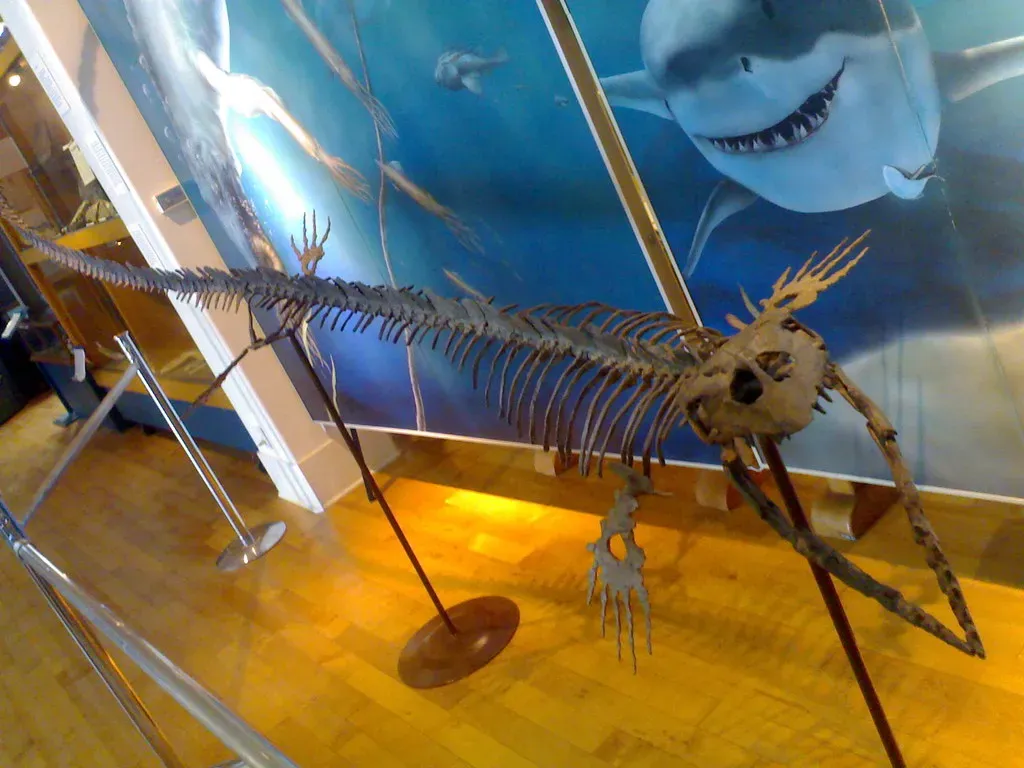
Nature does not hand out permanent crowns, even to monsters. Over time, the marine world around pliosaurs shifted: climates changed, sea levels rose and fell, and prey communities evolved. Some lineages of plesiosaurs diversified into different shapes and sizes, while sharks and teleost fish became increasingly important players. By the mid to late Cretaceous, the fossil record shows pliosaurs fading from center stage, just as mosasaurs – relatives of land‑dwelling lizards – began expanding into large, fast, and highly specialized marine predators. It was less a sudden coup and more a long, complicated transition.
I find it hard not to see this as a reminder that dominance in evolution is always temporary and conditional. Pliosaurs were incredibly successful for tens of millions of years, yet the ecosystems they once ruled eventually favored different designs. Mosasaurs stepped into a world already shaped by earlier giants and took advantage of new opportunities. If anything, mosasaurs feel like the second season of a show whose original star has been largely forgotten. The prequel, starring pliosaurs, is messier, older, and maybe even more interesting – if we are willing to look past the usual headlines.
The Ocean’s Original Super-Predators: Why Pliosaurs Deserve the Spotlight
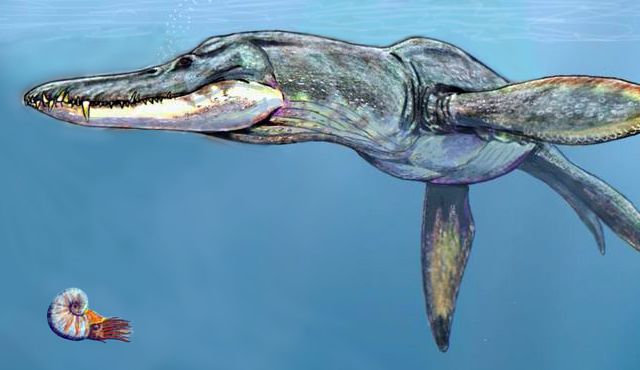
Putting all of this together, it is hard not to argue that pliosaurs deserve a much bigger place in the story we tell about prehistoric life. They were not placeholders waiting for mosasaurs to evolve; they were the original blueprint for massive, terrifying, highly effective ocean hunters. For a huge span of the Jurassic and early Cretaceous, the sea’s food webs bent around their presence. When we reduce them to obscure names in technical papers or bit parts in documentaries, we flatten a rich and violent chapter of Earth’s history into a footnote. That bothers me more than I expected when I first started reading about them.
My personal take is that if any group has earned the title of “,” it is the pliosaurs, and ignoring them warps our sense of how life actually unfolds over deep time. Their rise, dominance, and disappearance show that even the most terrifying designs are temporary experiments in a constantly changing world. Remembering pliosaurs is not just about giving an underdog its moment; it is about being honest with the messy, layered reality of evolution. Next time someone gushes about mosasaurs as the ultimate marine monsters, it is worth asking: what about the giants that did it first, and did it for longer?