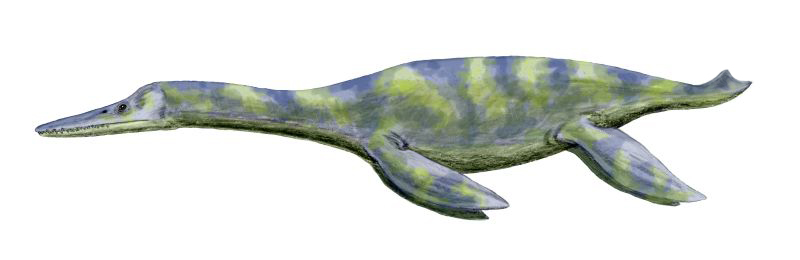
If you could dive into the Western Interior Seaway about eighty million years ago, one of the last things you’d want to see racing toward you is Dolichorhynchops. At first glance, it looked almost unreal: a torpedo-shaped body, four powerful flippers, and an absurdly long snout loaded with sharp, conical teeth. It was not the biggest marine reptile of its time, but it made up for that with speed, agility, and a bite that seems tailor‑made for ambush attacks.
Dolichorhynchops is the kind of animal that quietly steals the show once you notice it. It is not as famous as mosasaurs or giant pliosaurs, yet its skeleton tells a story of precision hunting and rapid strikes, more like a high‑performance sports car than a lumbering ocean cruiser. The more paleontologists have learned about this short‑necked plesiosaur, the more it has started to feel like the marine equivalent of a peregrine falcon: compact, streamlined, and built to hit hard, fast, and unexpectedly. Let’s dive into what made this ancient reptile so special – and why its lightning‑fast jaws are still puzzling and inspiring scientists today.
The World Dolichorhynchops Called Home
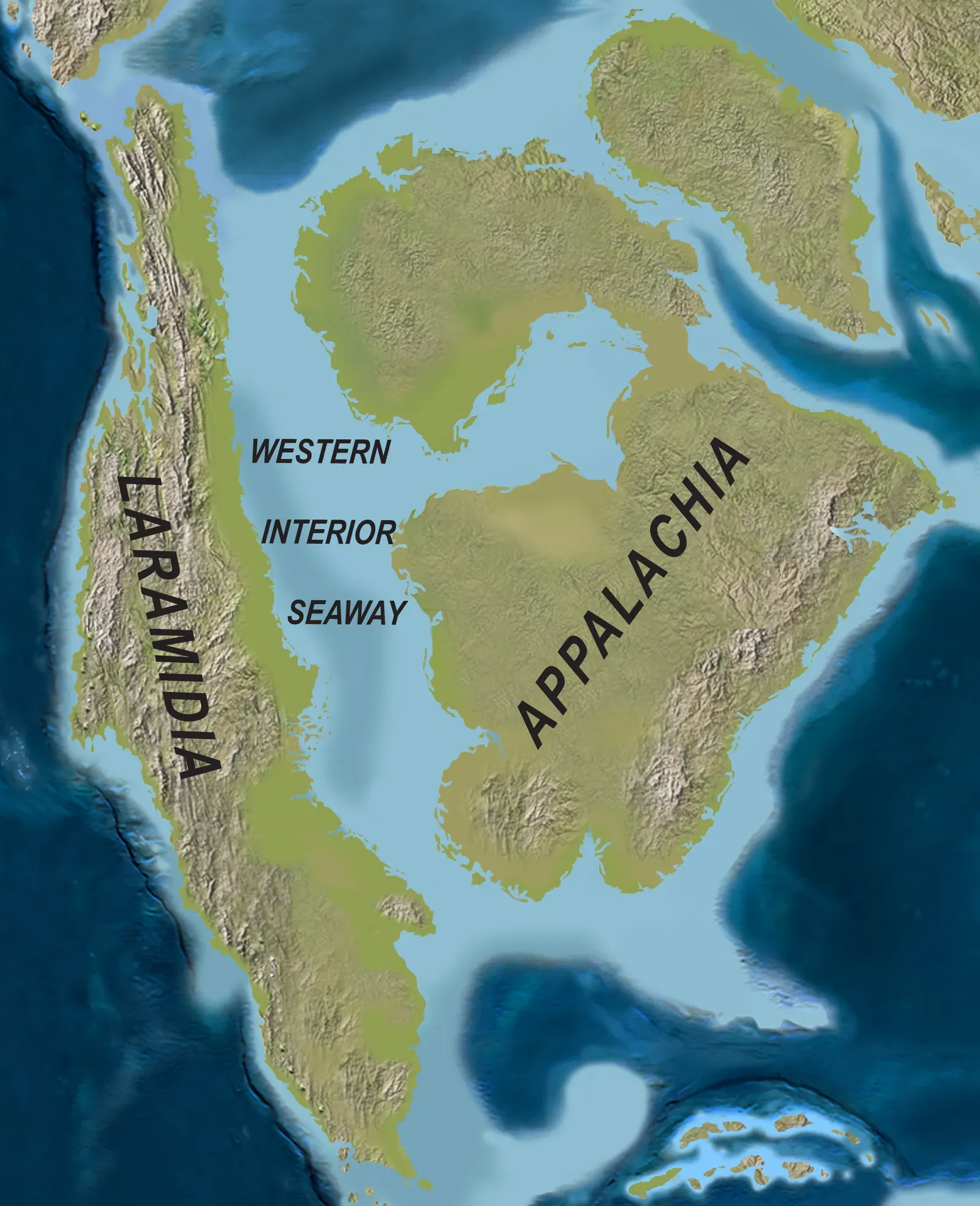
Imagine North America split in half by a warm, shallow sea stretching from the Arctic to the Gulf of Mexico. That was the Western Interior Seaway, the watery world where Dolichorhynchops thrived during the Late Cretaceous. Instead of prairies, deserts, and cities, there were coastlines of chalky mud, tropical waters teeming with plankton, and skies filled with pterosaurs and early birds gliding over the waves.
This seaway was crowded with predators: giant mosasaurs, long‑necked plesiosaurs, swift fish, and even huge predatory fish with terrifying jaws. In that kind of neighborhood, Dolichorhynchops had to be exceptionally good at what it did just to survive. Every day was a delicate balance between being hunter and hunted, between chasing prey through dim, shifting waters and dodging something larger with an even bigger mouth.
A Compact Predator with a Streamlined Build
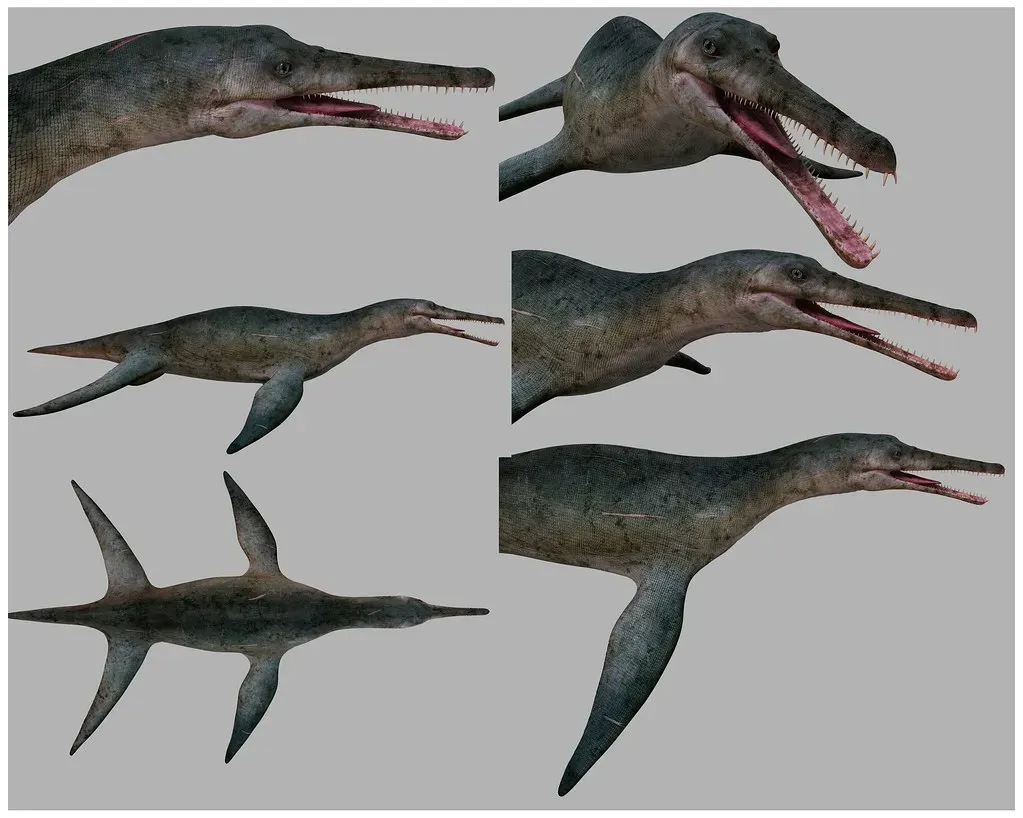
Dolichorhynchops did not dominate the Cretaceous oceans by sheer size. Most species were only a few meters long, closer to the length of a small car than a bus‑sized pliosaur. But that smaller size, paired with a sleek, torpedo‑like body, likely made it faster and more agile than some of the ocean giants it shared its world with. Its four flippers acted like powerful underwater wings, giving it thrust and control in three dimensions.
When you look at reconstructions of its skeleton, you notice how much of Dolichorhynchops is about efficiency. The body is relatively short and compact, the tail is not especially long, and there is nothing wasted on dramatic ornamentation. It is as if evolution stripped the design down to essentials – a dense, muscular core and four paddles that could turn a sudden burst of energy into a tight turn, a quick sprint, or a rapid dive toward unsuspecting prey.
The Strange, Long Snout and a Forest of Teeth
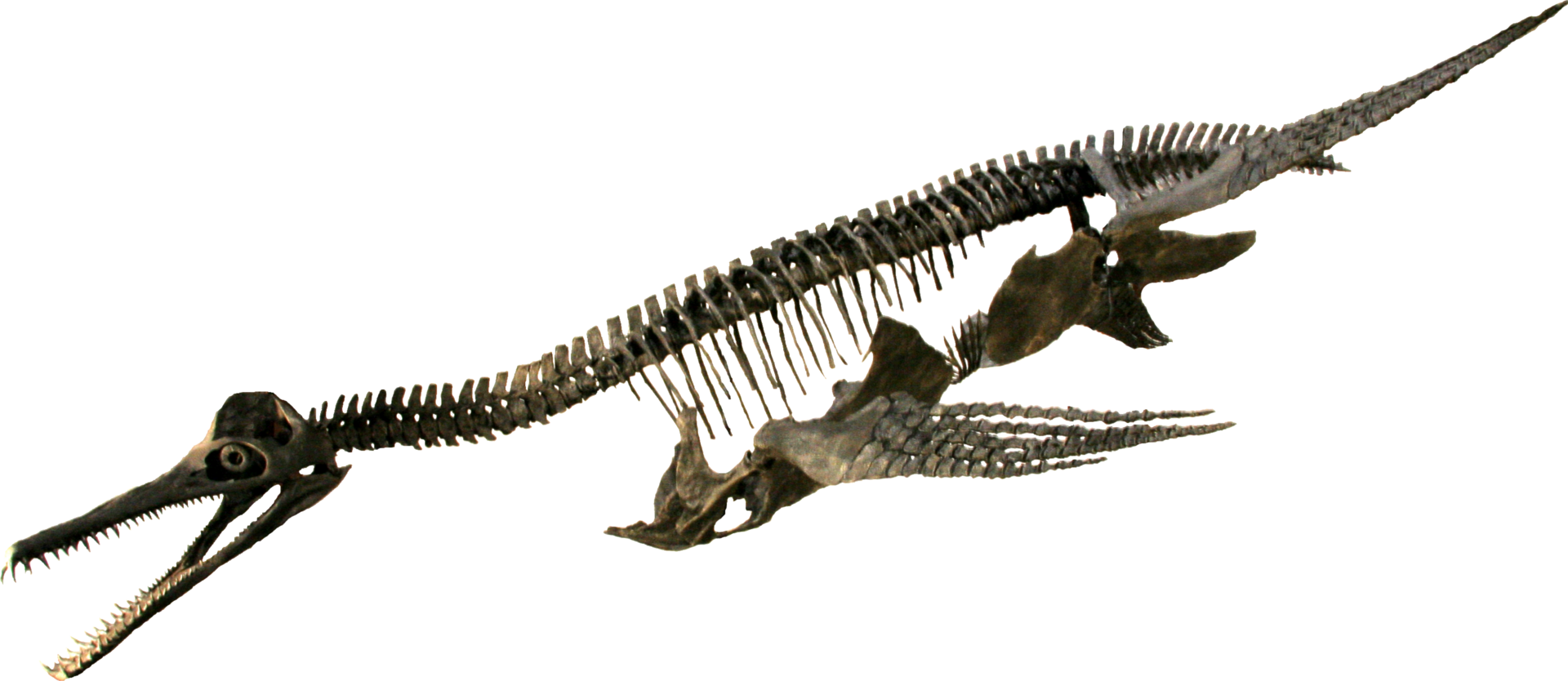
The first thing that really jumps out about Dolichorhynchops is its head. The snout is unusually long and narrow, lined with sharp, conical teeth that interlocked like a living fish trap. This is not the skull of an animal built to tackle armored prey or crack thick shells; instead, it looks like a precision instrument for gripping slippery, fast‑moving animals such as fish or squid‑like cephalopods.
Paleontologists often infer diet from tooth shape and jaw structure, and everything about Dolichorhynchops points to a specialist in soft‑bodied or lightly built prey. The narrow jaws could slice quickly through water with minimal resistance, closing around prey before it had time to react. If you picture a pair of tongs snapping shut on a piece of spaghetti, you get a surprisingly good mental image of how its jaws might have worked at high speed in the murky Cretaceous sea.
How Its Lightning-Fast Jaws May Have Worked
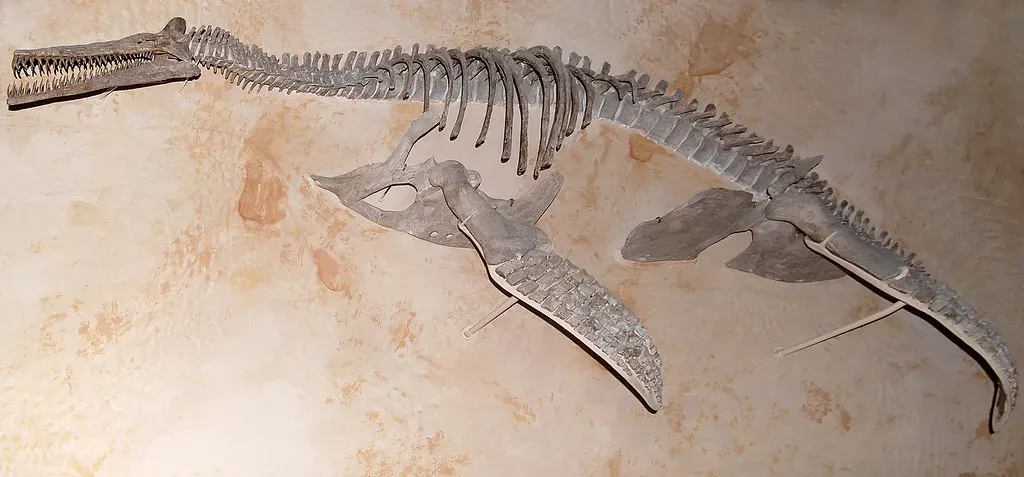
We cannot watch Dolichorhynchops in action, but the mechanics of its skull offer a set of clues. The long snout, light but reinforced, would have kept the front of the head relatively low in mass, helping it swing faster when snapping at prey. Jaw muscles attaching toward the rear of the skull could have provided a quick, powerful closing force, more about speed and grip than brute crushing power. It likely relied on getting the jaws to the right place at the right time rather than simply overpowering whatever it bit.
Some scientists compare this style of feeding to modern animals with rapid strike abilities, like certain fish and crocodilians that ambush with sudden, explosive jaw movements. Dolichorhynchops probably used rapid head and neck motions combined with swift body lunges, turning its entire torso into part of the strike. In my view, that makes it less like a shark and more like a compact underwater raptor, using acceleration and precision to win, rather than raw mass or brutal bite force.
Hunting Strategy: Speed, Surprise, and Agility
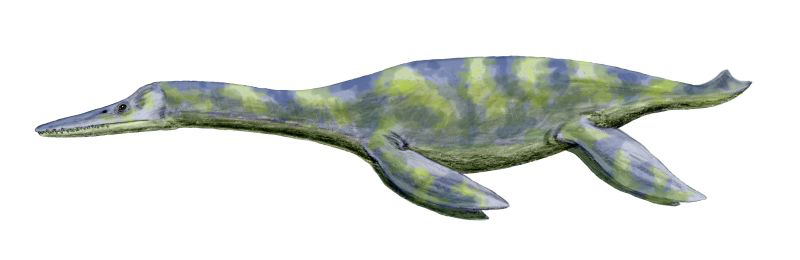
In the crowded Western Interior Seaway, Dolichorhynchops had to carve out a niche between slow, hulking predators and giant, open‑water hunters. Its streamlined body and strong flippers suggest it could accelerate quickly and change direction with ease, which is exactly what you want if your prey can dart, twist, and vanish into schools. Rather than long, drawn‑out chases, it may have relied on quick bursts of speed and sharp turns, ambushing prey from below or the side.
I like to think of it as the marine equivalent of a street racer weaving through heavy traffic. While larger predators powered forward in a more straight‑line style, Dolichorhynchops could slip through tight spaces, pivot sharply, and exploit sudden openings. Its lightning‑fast jaws were only as effective as the body that delivered them into striking range, and all signs point to a hunter built for dynamic, three‑dimensional maneuvering in a complex, predator‑filled environment.
Life, Death, and What Fossils Reveal About Its Story
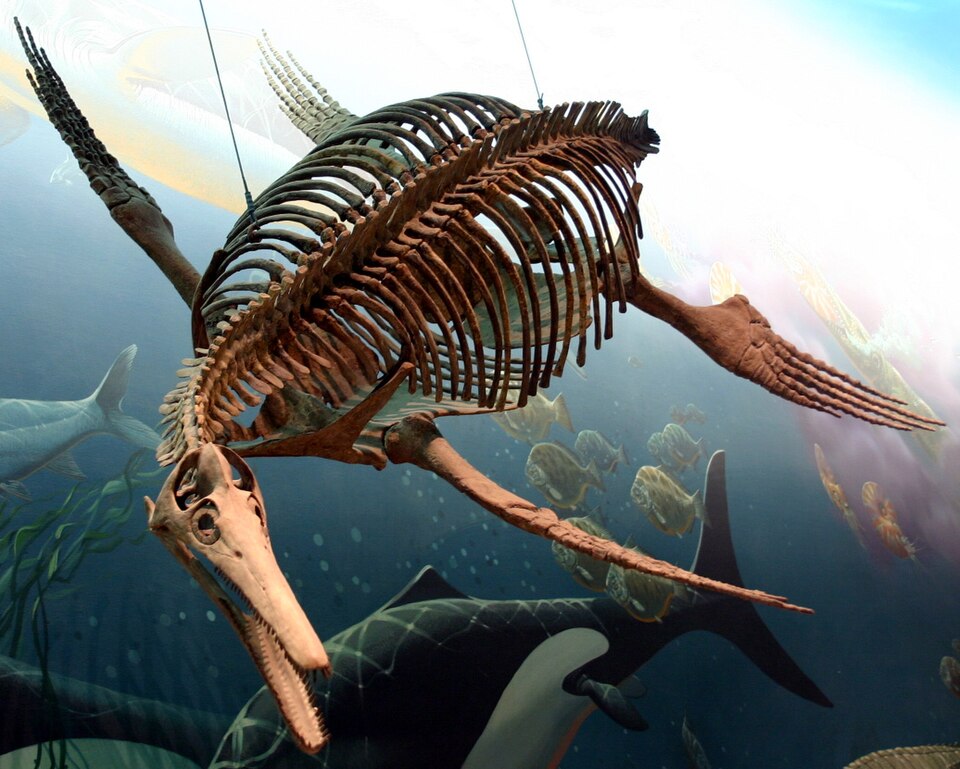
Our entire picture of Dolichorhynchops comes from bones locked in stone, many found in formations across what is now the central United States. These fossils show not only adult animals but also smaller individuals, hinting at different life stages and possibly different roles within the ecosystem. Some skeletons are remarkably complete, which is both rare and invaluable, because they let researchers reconstruct the animal’s proportions and test ideas about how it moved and fed.
At the same time, the fossil record is frustratingly incomplete, and that uncertainty forces some humility. We do not know exactly how long Dolichorhynchops lived, how it cared for its young, or how often it fell prey to larger predators. Yet even those gaps feel strangely inspiring. To me, there is something deeply human about trying to rebuild the life of a long‑extinct creature from scattered bones and broken teeth, chasing a story we know we will never fully finish but cannot resist trying to tell.
Why Dolichorhynchops Still Matters Today
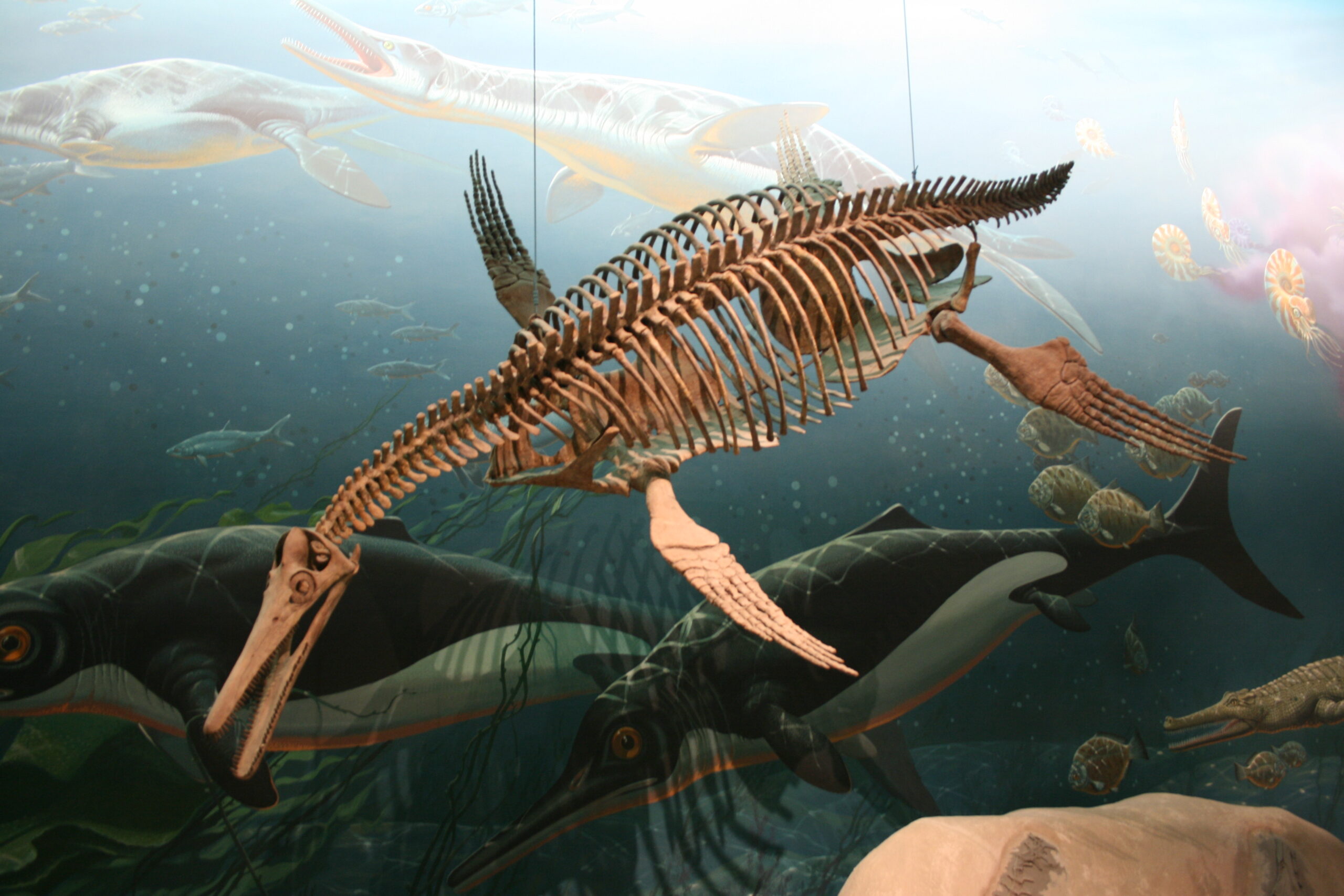
Dolichorhynchops may have vanished tens of millions of years ago, but its story still echoes in the way we think about evolution, ecosystems, and even modern oceans. It reminds us that being successful is not just about being the biggest or the strongest; sometimes it is about being quick, precise, and perfectly tuned to a particular way of life. In a world full of apex predators, this compact plesiosaur found its edge with agility and a jaw system optimized for speed and accuracy.
Personally, I find that message oddly relevant now, when we often celebrate size, scale, and brute force in technology, business, and even daily life. Dolichorhynchops shows that excellence can come from specialization, from doing one thing extraordinarily well rather than trying to be everything at once. Its lightning‑fast jaws, streamlined body, and nimble hunting style all tell the same story: in a shifting, competitive world, finesse can beat raw power. When you think about your own place in the modern “ecosystem,” which strategy feels more like you – the massive, all‑purpose giant, or the sleek specialist that strikes with surprising speed?