If you grew up with Jurassic Park, dinosaurs probably live in your mind as giant scaly movie monsters: roaring, grey-green, and basically just supercharged crocodiles. The wild thing is that, since that first film came out in the early 1990s, science has quietly torn that image apart and rebuilt dinosaurs into something far stranger, more colorful, and frankly more interesting. The story is no longer just about big teeth and screaming humans; it is about ecosystems, parenting, colors, feathers, and even climate change.
Over the last few decades, paleontology has exploded with new finds, new technology, and new ideas. CT scans, computer modeling, better dating methods, and thousands of new fossils have flipped old assumptions on their heads. I still remember the first time I saw a reconstruction of a fully feathered Velociraptor and thought, “If that ran at me, I’d be terrified – and also oddly impressed.” What we know now does not just tweak the Jurassic Park version of dinosaurs; it completely rewrites the script.
1. Many Predatory Dinosaurs Were Feathered, Not Naked and Scaly
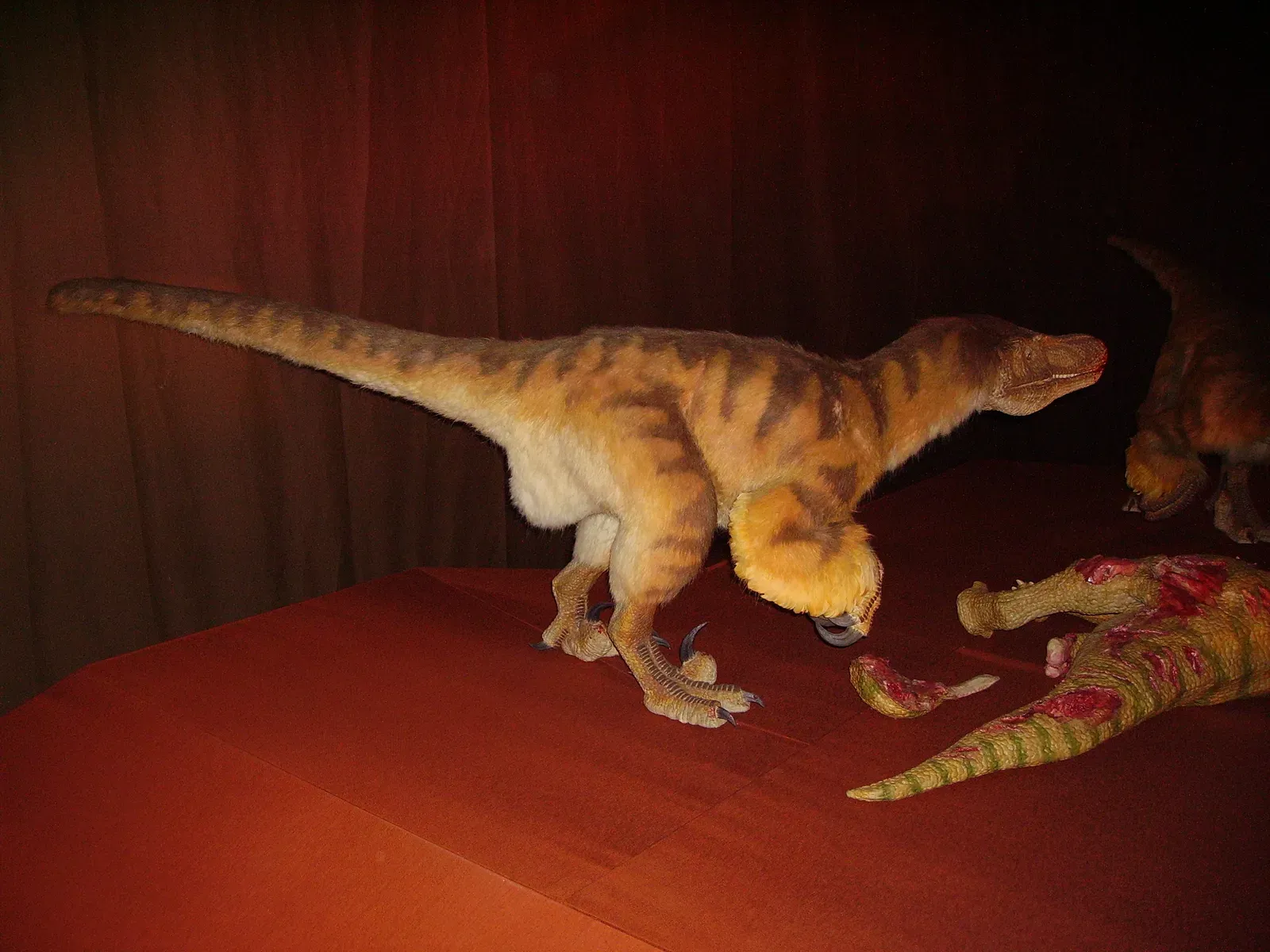
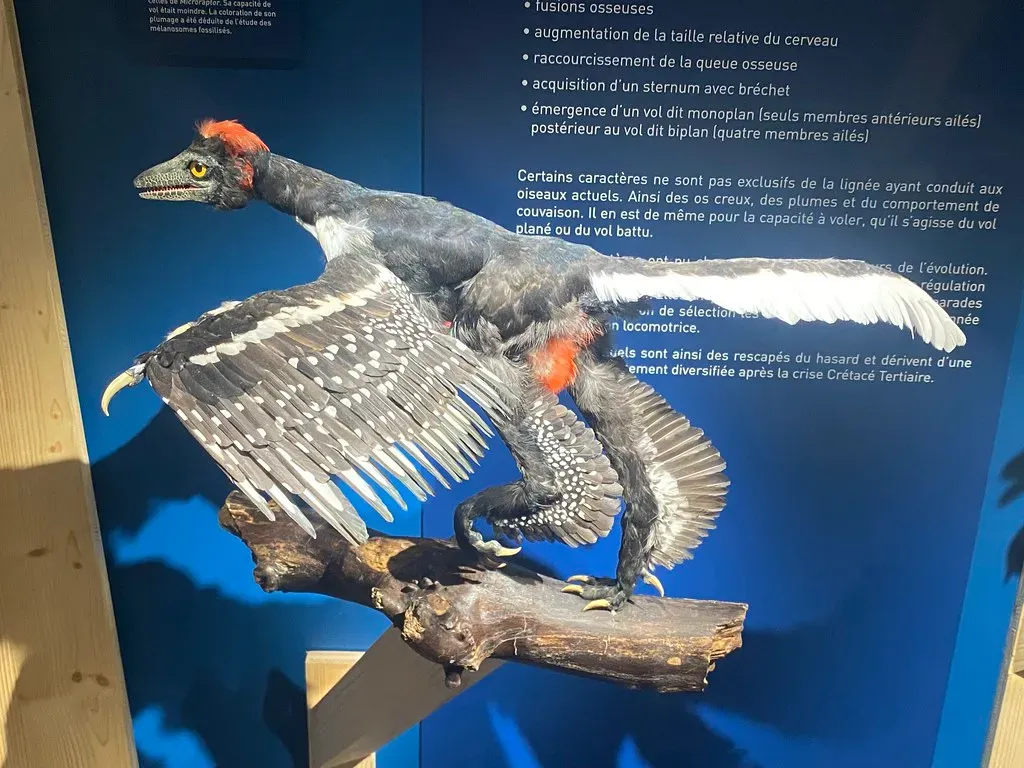
One of the biggest shocks since Jurassic Park is that a lot of the sleek, lizard-skinned killers we saw on screen were probably running around covered in feathers, fuzz, or filament-like plumage. Fossils from China, Europe, and elsewhere have revealed beautifully preserved impressions of feathers on a wide range of meat-eating dinosaurs, including animals closely related to Velociraptor. These are not vague guesses; researchers can actually see feather structures preserved in the rock, sometimes in stunning detail. Suddenly, that iconic kitchen scene is a lot easier to imagine if you mentally add a layer of shaggy, birdlike insulation to the raptors.
These feathers were not just for flight; in many species, they were for insulation, display, and maybe even camouflage. Think less crocodile and more terrifying, ground-running bird with a very bad attitude. Some scientists suspect that juvenile tyrannosaurs may have had a feathered coat that they partially or fully lost as they grew larger. That image alone changes the whole vibe: instead of a purely reptilian world, the Mesozoic becomes a landscape full of fluffy predators and feathered omnivores, a lot closer to a nightmare bird park than a Jurassic one.
2. Velociraptor Was Much Smaller (And Not Quite Like the Movie Star)
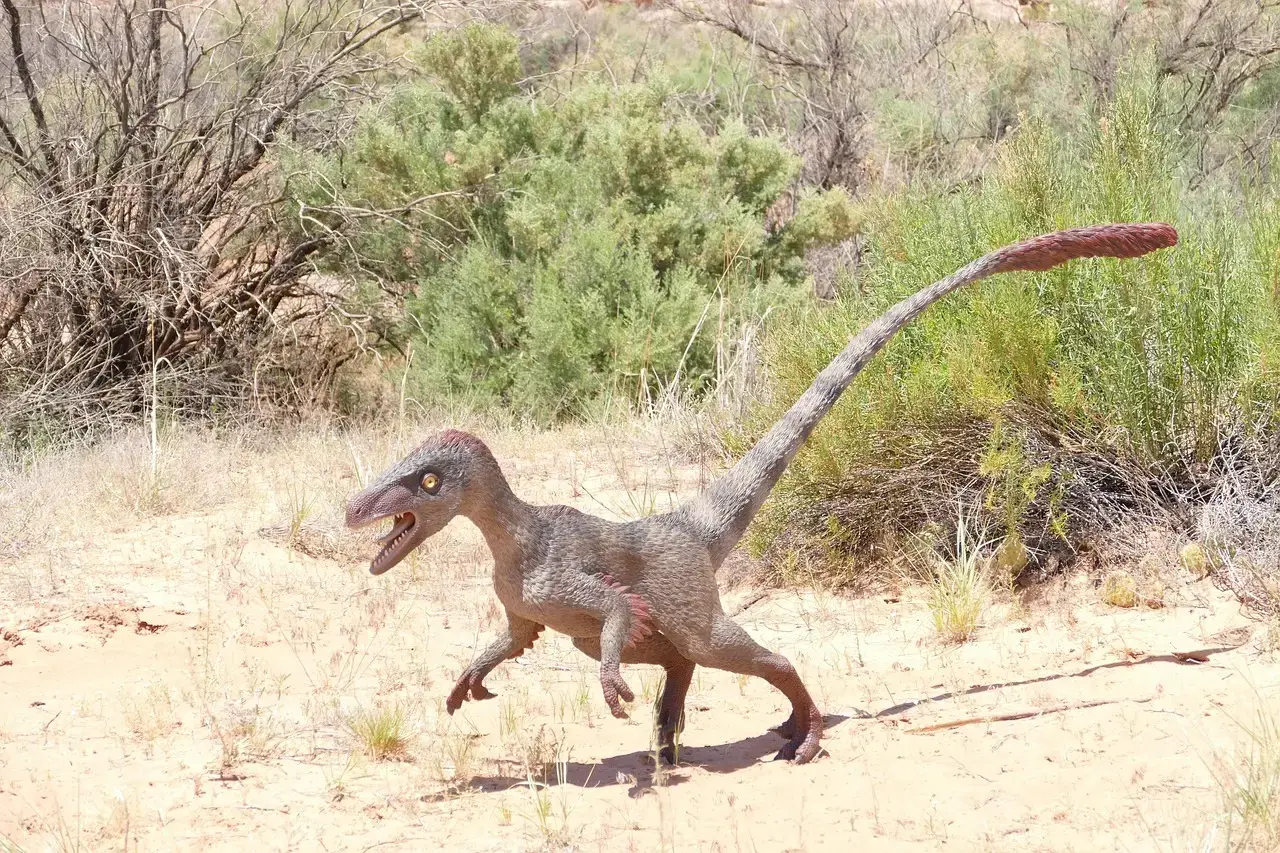
The Velociraptors in Jurassic Park are legendary: door-opening, human-sized hunters with lethal sickle claws and eerie intelligence. In reality, the actual Velociraptor mongoliensis was closer in size to a large turkey or a medium dog, with a long tail and feathers. The animals in the film are more similar in form and size to another dinosaur, Deinonychus, which lived in a different time and place. Paleontologists had already known they were smaller than shown, but later fossil finds and refined reconstructions have further underscored just how birdlike and lightweight these animals really were.
This size difference does not make them any less fearsome; it just changes the story. Instead of hulking movie monsters, imagine agile, cat-sized to dog-sized predators darting through undergrowth in packs or alone, flashing feathers and using speed and agility more than brute strength. It is like discovering that the horror movie villain is actually a wiry parkour expert instead of a slow, towering brute. The real Velociraptor is still deadly, but the danger comes from precision and agility, not sheer size.
3. T. rex Had Incredible Senses and Was Not Just a Vision-Based Hunter
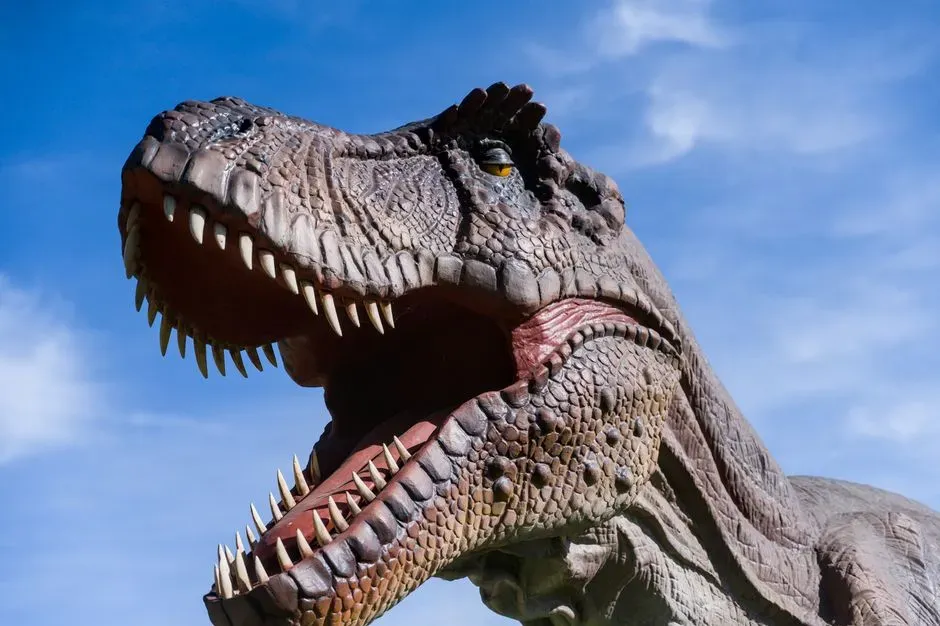
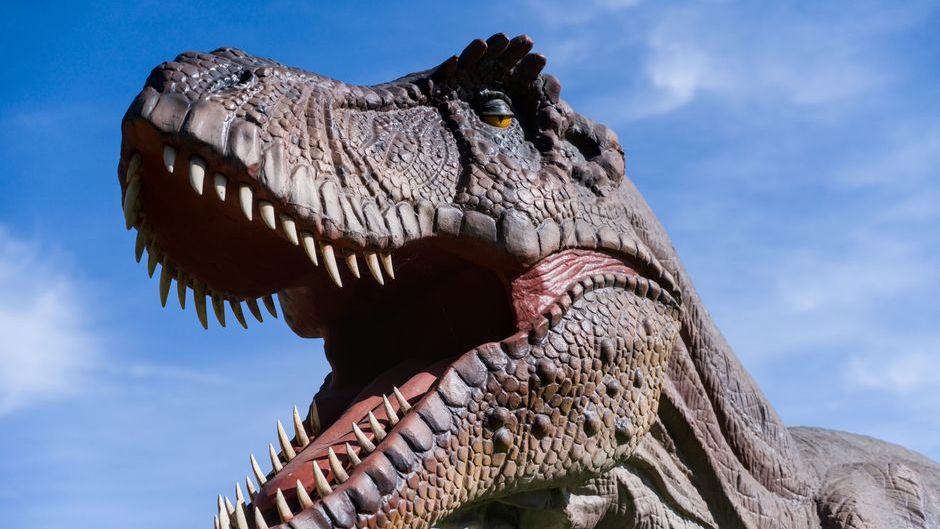
Jurassic Park famously suggests that the Tyrannosaurus rex cannot see you if you do not move. That idea has not survived modern science. Studies of T. rex skulls, braincases, and sensory anatomy suggest that it had excellent binocular vision, a powerful sense of smell, and strong hearing. The placement and size of its eye sockets indicate forward-facing eyes with overlapping fields of view, similar to modern predators that rely on depth perception. The nasal passages were large and complex, hinting at a sophisticated sense of smell that would put many modern animals to shame.
Instead of a lumbering, half-blind monster, the real T. rex was more like a multi-sensory tracking system on legs. Picture something that can see you from a distance, smell your trail over long ranges, and hear low-frequency sounds you cannot detect. That is spine-chilling in a very different way than the movie suggests. It turns the T. rex from a gimmicky vision-based hunter into a top-tier, all-round apex predator that could find you even if you were hiding, quiet, and still.
4. Dinosaurs Were Often Fast, Nimble, and Surprisingly Graceful
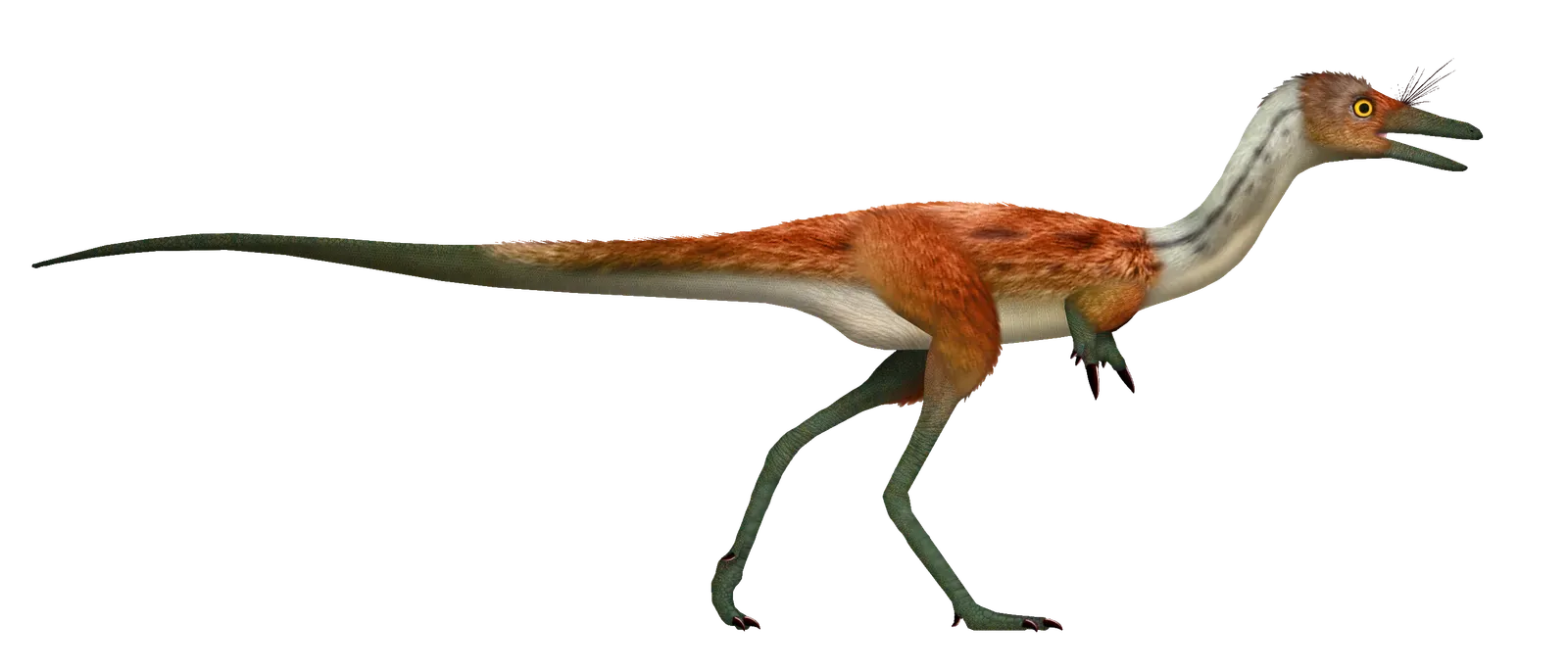
The classic movie dinosaur often moves like a heavy tank: slow turns, ponderous steps, and big earth-shaking stomps. Modern biomechanical studies, computer simulations, and trackway analyses paint a much more athletic picture for many species. Long-legged theropods show adaptations for speed and agility, with lightweight skeletons and birdlike balancing tails. Even some large herbivores, like hadrosaurs, show limb proportions suggesting they could move quickly when they needed to, especially juveniles.
When you watch birds sprint, hop, or launch into a run today, you are getting a glimpse into how some of these dinosaurs may have moved. The image of a clumsy, dragging-tailed creature has been replaced by that of an active, responsive animal capable of sudden turns and bursts of speed. I remember seeing high-speed animations based on digital skeletons and thinking they looked more like athletes than monsters. That shift from clunky to graceful completely changes how we imagine dinosaur chases, hunts, and escapes.
5. Many Dinosaurs Were Devoted Parents, Not Cold-Blooded Monsters
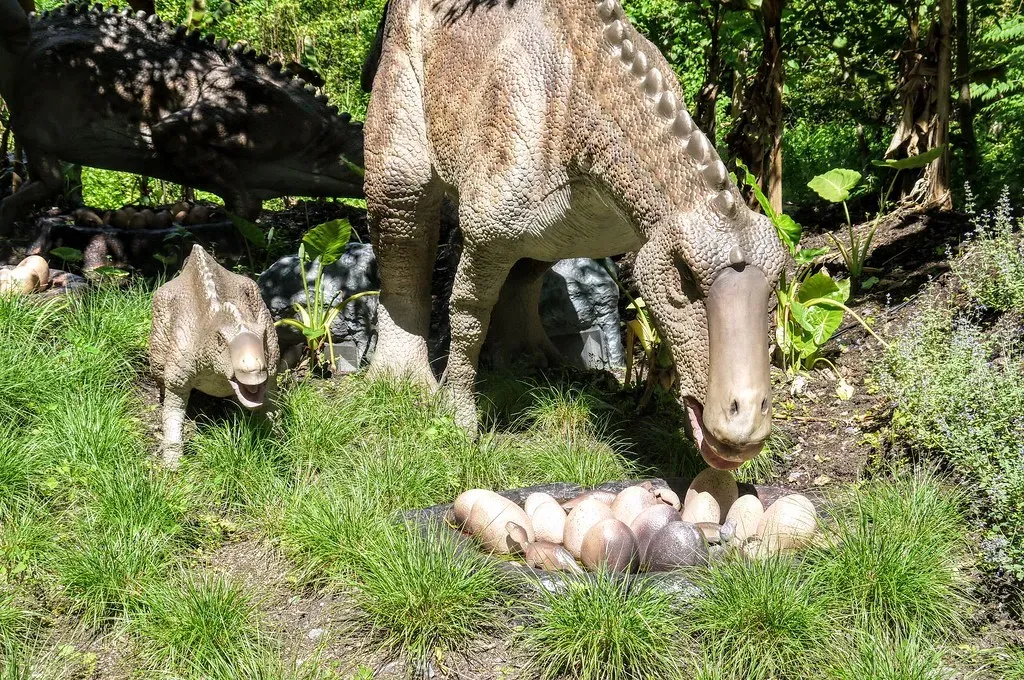
Jurassic Park does hint at some dinosaur parenting, but earlier popular culture often painted them as indifferent egg-layers that walked away after laying a clutch. Fossil discoveries have shown nesting colonies, brooding adults sitting on eggs, and even what appears to be parents caring for young after hatching. In some cases, multiple layers of nests in the same area suggest that certain species returned to the same nesting grounds season after season, much like many birds and sea turtles do today.
Evidence of juveniles of different ages living alongside adults suggests extended family structures for some dinosaurs, with herds or small groups that included parents and offspring. That turns them from background monsters into animals with social lives and family dramas. Imagine a huge hadrosaur standing guard over a nest while younger siblings wander nearby, or a feathered theropod carefully arranging eggs and fluffing its plumage to keep them warm. It makes the Mesozoic sound less like a wasteland and more like a bustling, emotional world, full of risk and care.
6. Dinosaurs Did Not Live in a Uniform Jungle World
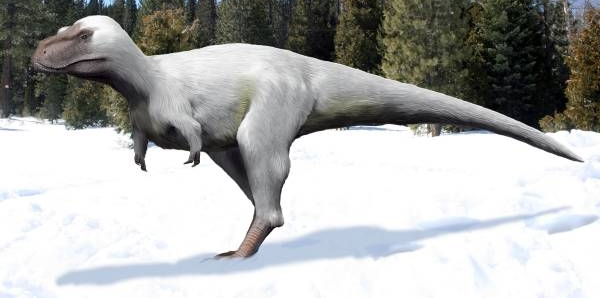
The movies tend to show dinosaurs stomping through one kind of environment: a lush, tropical, jungle-like park with constant humidity and greenery. While some dinosaurs certainly did live in warm, forested settings, we now know they also thrived in coastal plains, deserts, polar forests, floodplains, and more. Fossils from high-latitude regions show that dinosaurs lived in places that experienced months of winter darkness and cooler temperatures. These animals were far more flexible and diverse in their habitats than the movie landscapes suggest.
This environmental variety changes how we visualize dinosaur life. Instead of one endless, steamy jungle, imagine duck-billed dinosaurs migrating along ancient rivers, armored dinosaurs in semi-arid scrubland, and small feathered predators darting through chilly polar forests. Their world had seasonal changes, droughts, floods, and shifting coastlines, just like ours. For me, that makes their story less like a theme park ride and more like a complex, ever-changing planet full of challenges they had to adapt to over millions of years.
7. Dinosaurs Were Part of a Long, Complex Family Tree With Birds
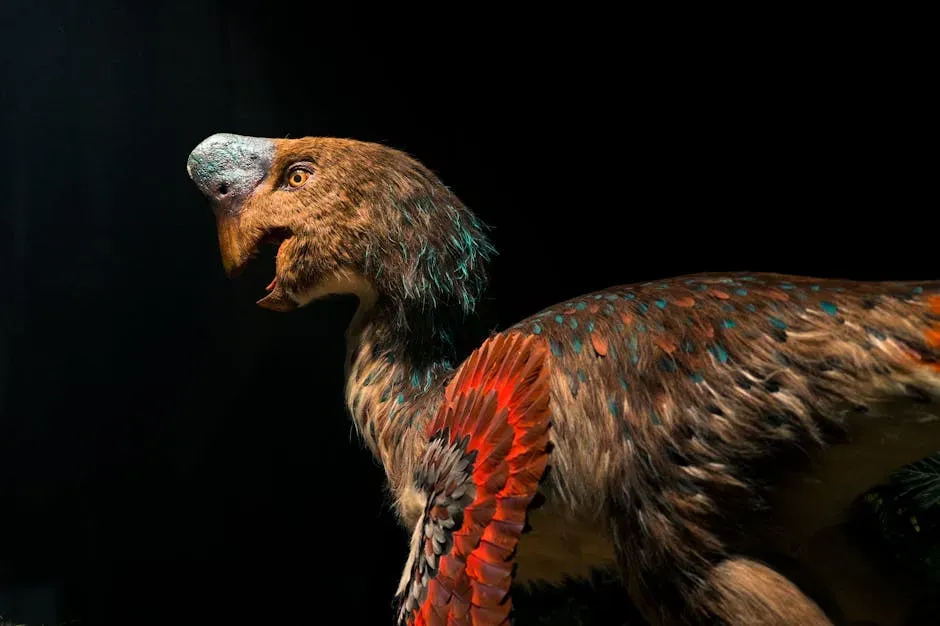
Jurassic Park mentions the link between birds and dinosaurs, but when that movie premiered, the idea still felt radical to a lot of people. Since then, the evidence has become overwhelming. We now see birds as living dinosaurs, specifically as descendants of small, feathered theropods. Many features once considered uniquely avian, such as wishbones, air-filled bones, and certain types of feathers, are now known from non-bird dinosaurs. The more fossils we find, the more the line between “bird” and “dinosaur” blurs.
This means that when you watch a pigeon pecking at crumbs or a hawk cruising overhead, you are seeing the last surviving dinosaur lineage in action. That realization completely reframes the story: the age of dinosaurs did not end as cleanly as the movies make it seem; one branch made it through and is still around us every single day. Personally, I find it impossible now to look at a chicken sprinting across a yard without thinking of a tiny, semi-domesticated raptor. The terrifying movie monsters have living cousins, and they are raiding bird feeders in your backyard.
8. Dinosaurs Were Not All Roaring Giants; Many Were Small, Strange, and Subtle
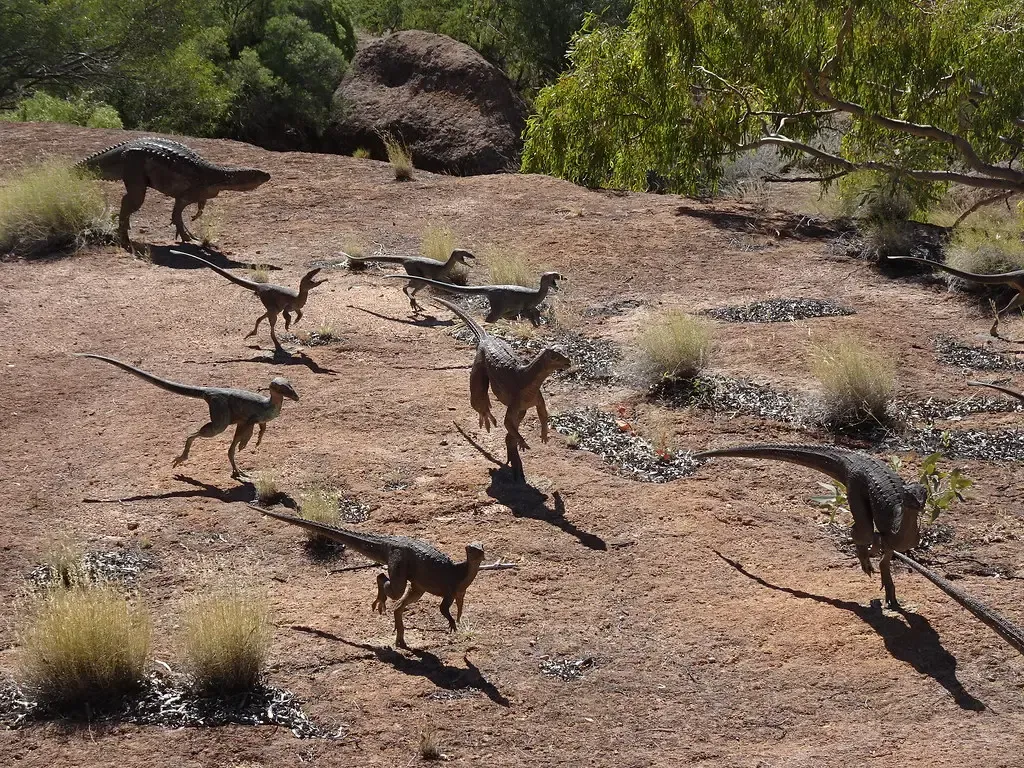
The spotlight in Jurassic Park goes mostly to gigantic sauropods, towering carnivores, and massive horned beasts. While those did exist, the fossil record shows that dinosaur ecosystems were also packed with small and medium-sized animals: beaked plant-eaters the size of dogs, slender insect-eaters, and quirky, specialized forms with odd crests, beaks, or claws. In some fossil sites, the majority of discovered species are relatively small, quick animals that would never make the poster of a blockbuster movie but were crucial to their ecosystems.
Adding these animals back into the picture makes the dinosaur world feel denser and more realistic. Instead of a sparse cast of giants, imagine something more like an African savanna or a dense forest today, filled with creatures of all sizes and shapes, many of them quiet or easily overlooked. Some of these smaller dinosaurs had unique diets, behaviors, or locomotion styles that made them ecological specialists. It turns the narrative from a simple horror story about big predators into a complex ensemble drama where the giants are only part of the plot.
9. The Asteroid Impact Story Is More Detailed and Catastrophic Than We Once Knew
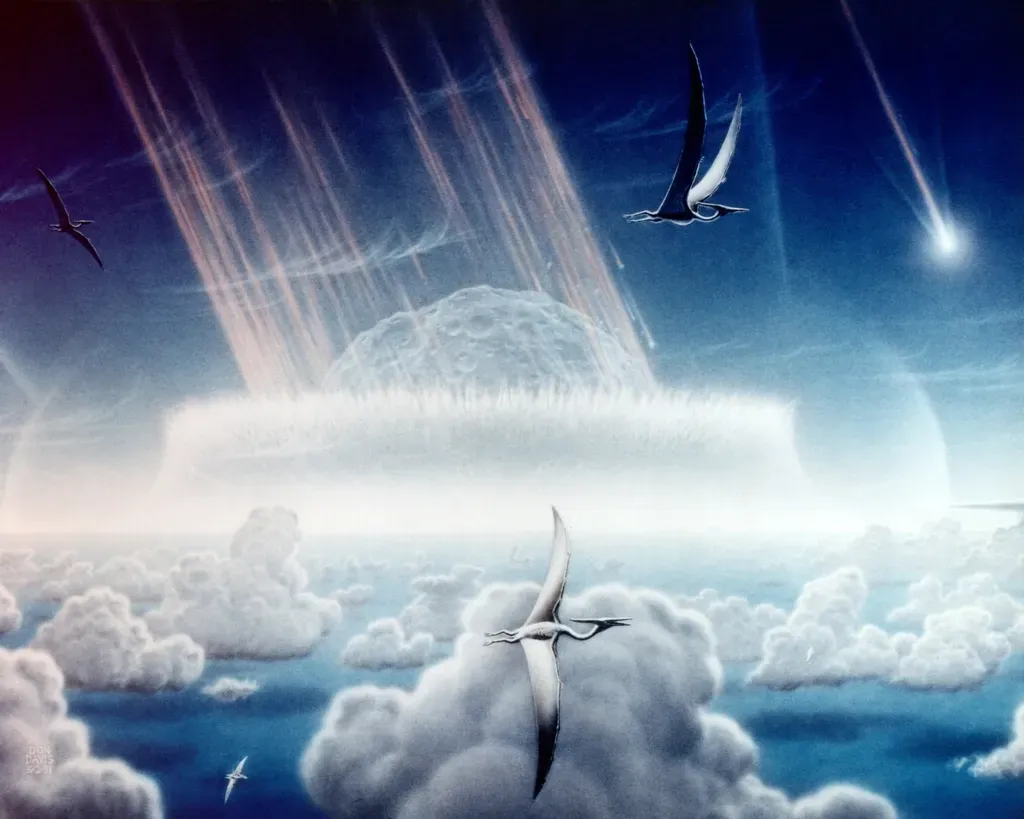
Jurassic Park treats the dinosaur extinction as a mysterious event, but since then, the story of the asteroid impact has sharpened dramatically. Geological evidence from around the world supports the idea that a massive asteroid slammed into the region of modern-day Mexico at the end of the Cretaceous period. This triggered a violent chain of events: shockwaves, wildfires, tsunamis, and a global shroud of dust and aerosols that drastically altered the climate. The details are still being refined, but the big picture is of a rapid, brutal environmental collapse rather than a gentle fade-out.
For dinosaurs, that meant a world that suddenly became much harsher: darkened skies, plummeting temperatures in some places, food chains collapsing from the bottom up, and long-term climate swings. Some groups of animals did better than others, and small, adaptable creatures with flexible diets seem to have had the edge. That adds a tragic twist to the story: it was not that dinosaurs as a whole were failures or doomed; they were doing just fine until an extraordinary, unlucky event knocked the ecological table over. It is less a tale of inevitable decline and more a reminder of how quickly a thriving world can change.
10. Dinosaurs Were Colorful, Expressive, and Possibly Quite Noisy
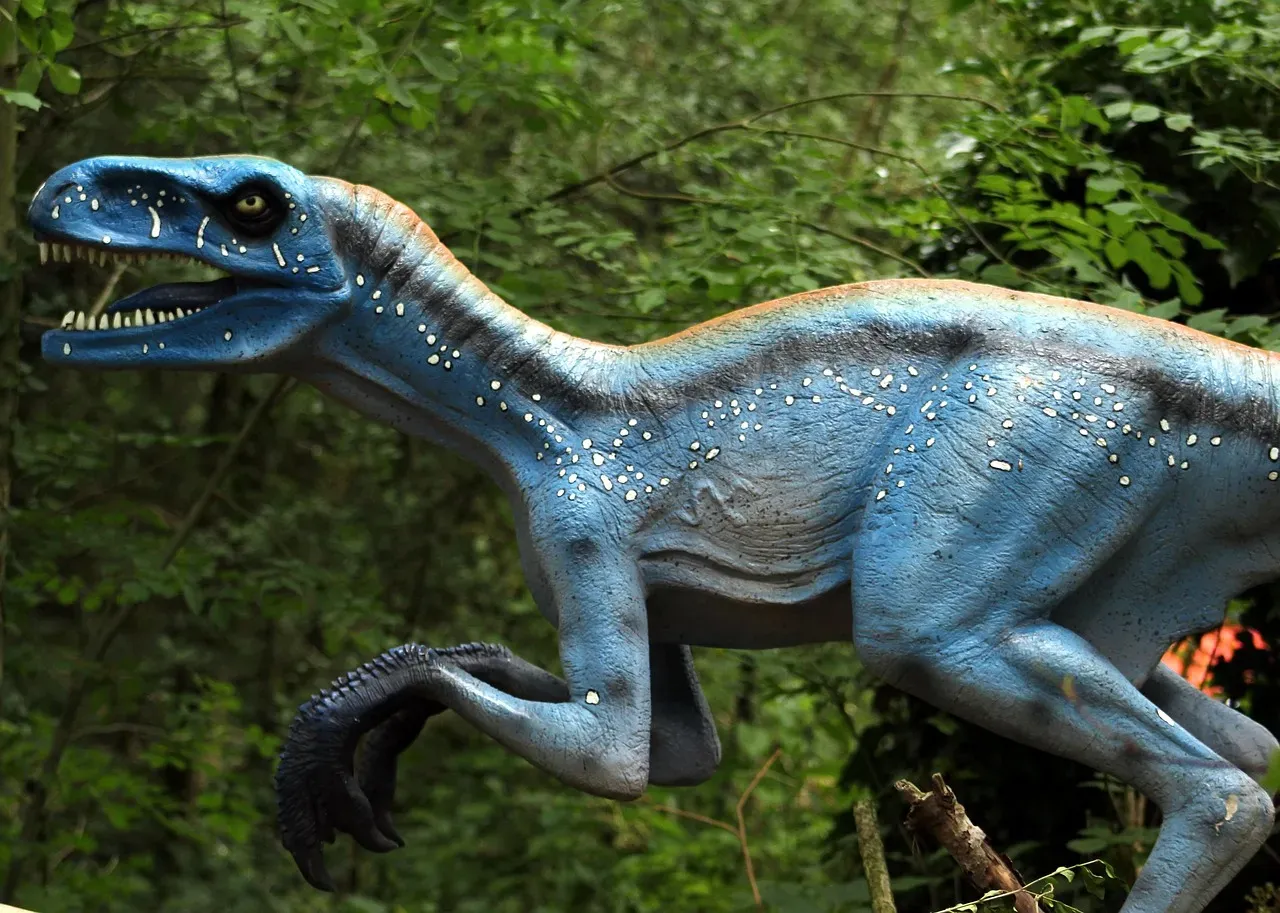
The dinosaurs of Jurassic Park mostly wear a limited palette of greys, browns, and greens, which fits the old assumption that big reptiles would be dull-colored for camouflage. New research into fossilized pigment cells in some feathered dinosaurs, combined with comparisons to modern birds and reptiles, suggests that many species may have been strikingly colored. We are talking about patterns, iridescence, and bold contrasts used for display, mating, or intimidation. While we cannot reconstruct every dinosaur’s exact colors, the idea of a purely drab dinosaur world is fading fast.
When it comes to sound, the trademark movie roars are pure imagination, created from mixes of modern animal noises. Real dinosaurs probably produced a variety of sounds, from low-frequency booms to hisses, growls, and calls more like birds. Some skulls and soft-tissue impressions hint at resonating structures and vocal capabilities, especially in the ancestors of birds. That means the Mesozoic soundscape might have been as loud and layered as a tropical forest at dawn, with calls, displays, and territorial signals echoing through the air. The story shifts from a muted, grey monster world to a noisy, colorful, and expressive one.
Conclusion: The Real Dinosaurs Are Stranger, Smarter, and More Alive Than the Movie Versions
Looking back, Jurassic Park was an amazing snapshot of dinosaur science for its time, but the last few decades have made its creatures feel almost quaint. What we have learned since then turns the story from a simple fear-of-monsters tale into something richer and more unsettling. Dinosaurs were not just giant lizards that roared and stomped; they were feathered, fast, social, caring, adaptable animals that lived in a world every bit as complex and dynamic as ours. In some ways, the real versions are more awe-inspiring and more terrifying than anything the movies dared to show.
My own opinion is that hanging onto the old movie image does dinosaurs a disservice. The updated picture, with its fluffy killers, devoted parents, colorful displays, and living bird descendants, is far more interesting and far more meaningful. It connects the deep past to the present and reminds us that the line between “monster” and “animal” is often just ignorance. Maybe the next great dinosaur story will lean into that complexity instead of running from it. When you look at a crow or a pigeon tomorrow, will you be able to unsee the dinosaur staring back at you?