If you could dive into the oceans of the Late Cretaceous, you would not meet gentle giants gliding peacefully in the blue. You’d be dropping into a world ruled by reptilian super‑predators with double-hinged jaws and teeth in the roof of their mouths, patrolling the water like living torpedoes. Those were the mosasaurs, and many evolutionary biologists now see them as the last truly dominant reptilian monarchs of the open seas before the age of marine mammals really took off.
What makes mosasaurs so fascinating is not just their size or their savage bite, but the speed at which they appeared, diversified, and then vanished with the dinosaurs at the end of the Cretaceous. In just a few tens of millions of years, they went from obscure lizards hugging shallow coasts to apex predators that eclipsed other marine reptiles almost everywhere they showed up. How do lizards pull off an ocean takeover like that, and what does it say about evolution when the “last kings” lose their crown overnight?
From Humble Lizards to Ocean Overlords
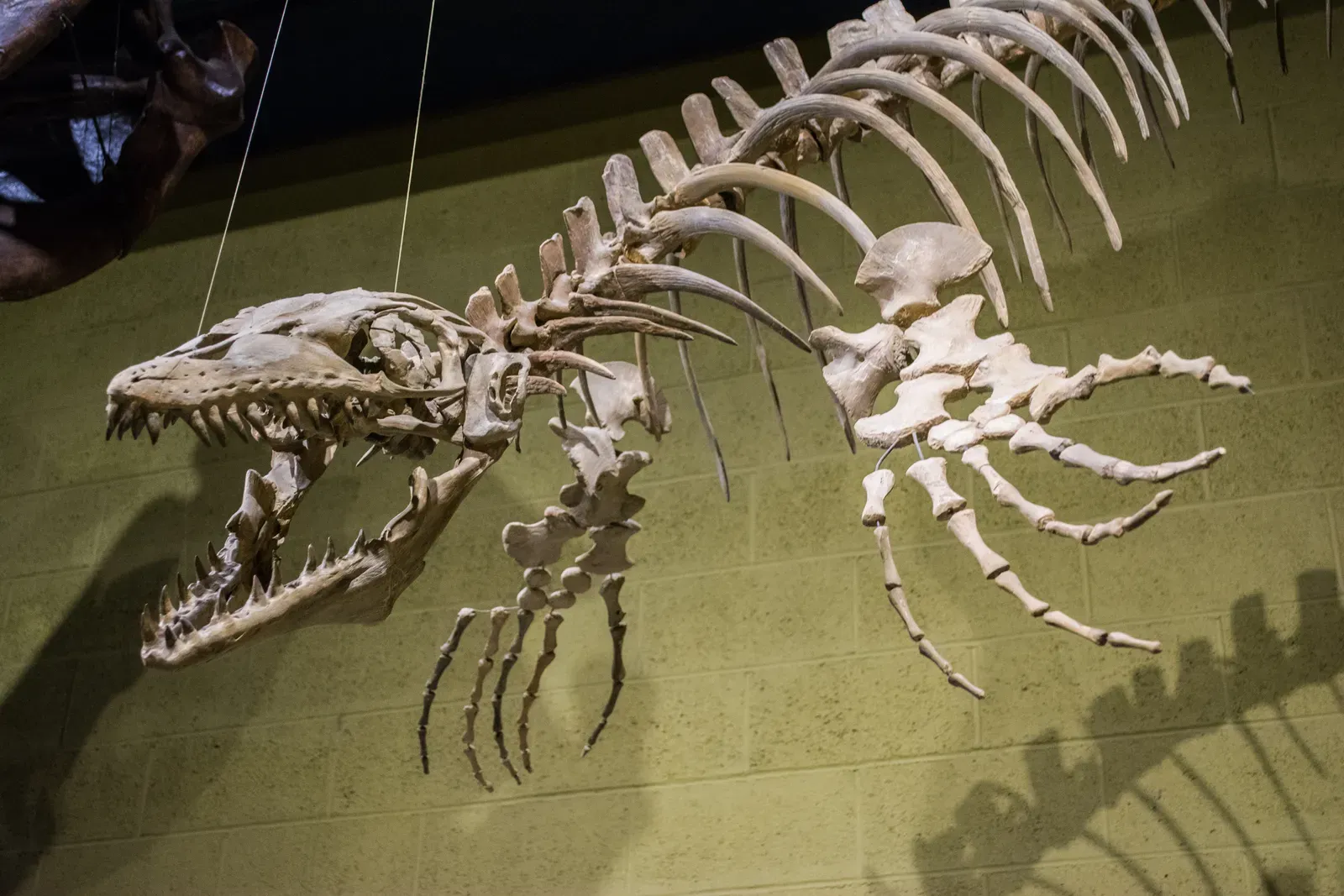
The really wild part of the mosasaur story is that they started out as fairly ordinary-looking lizards, probably related to monitor lizards and snakes. They weren’t born as sea dragons; they had to earn that reputation step by step. Early mosasaur relatives were semi-aquatic, hunting in coastal waters, their bodies still more at home on land than in the deep. Over time, their limbs flattened into powerful paddles, their tails became more streamlined, and their bodies elongated into something that looked less like a land lizard and more like a marine missile.
What grabs evolutionary theorists is how quickly this transformation unfolded in geological terms. Instead of a slow, hesitant creep into the water, mosasaurs seem to explode into a variety of forms and niches, filling roles once held by older marine reptiles like ichthyosaurs and pliosaurs. You see species specialized for shallow inland seas, others adapted to the open ocean, and still others built like high-speed hunters. It’s as if lizards were handed the keys to the marine kingdom and wasted no time remodeling the entire palace.
Why Evolutionary Theorists Call Them the “Last Great Kings”
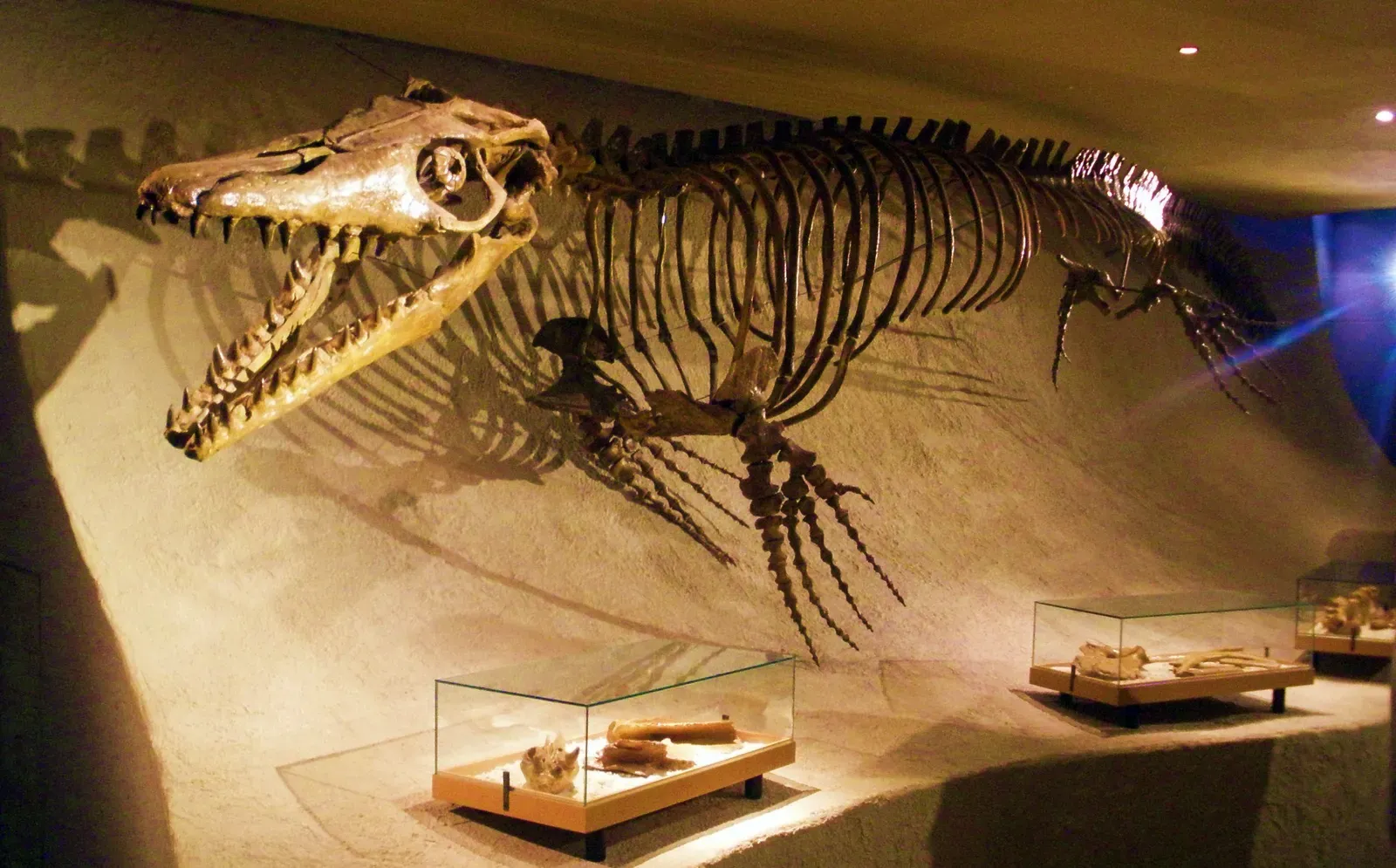
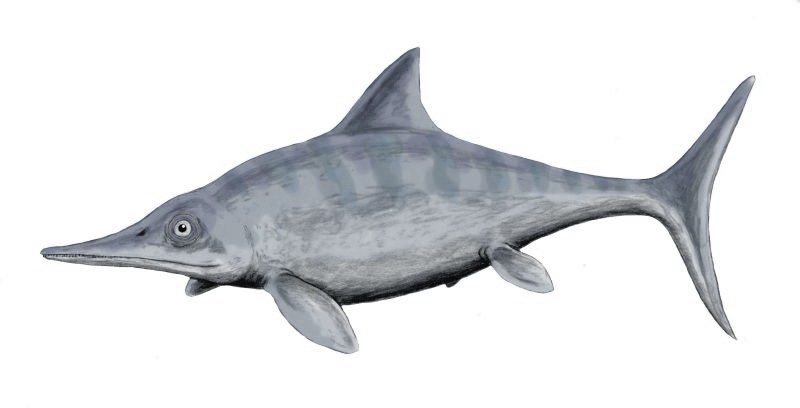
So why do some researchers lean into that royal metaphor and call mosasaurs ? Part of it is timing. By the Late Cretaceous, other famous marine reptiles were either gone or in retreat. Ichthyosaurs had disappeared, long-necked plesiosaurs were no longer the undisputed rulers, and older giant predators had either died out or been pushed into more limited roles. Into that vacancy sailed the mosasaurs, taking center stage in open-ocean food webs almost worldwide.
The other part is sheer dominance. Fossil evidence shows mosasaurs at the top of marine food chains, feeding on fish, ammonites, sea turtles, and even other mosasaurs. Their remains are found in what used to be shallow epicontinental seas and fully open ocean settings, suggesting they were not just local bullies, but global heavyweights. When evolutionary theorists talk about them as kings, they’re really pointing to this combination of ecological power, geographic spread, and timing just before the end-Cretaceous asteroid drew the curtain on that entire world.
Built for Power: Skulls, Teeth, and Biomechanical Brilliance
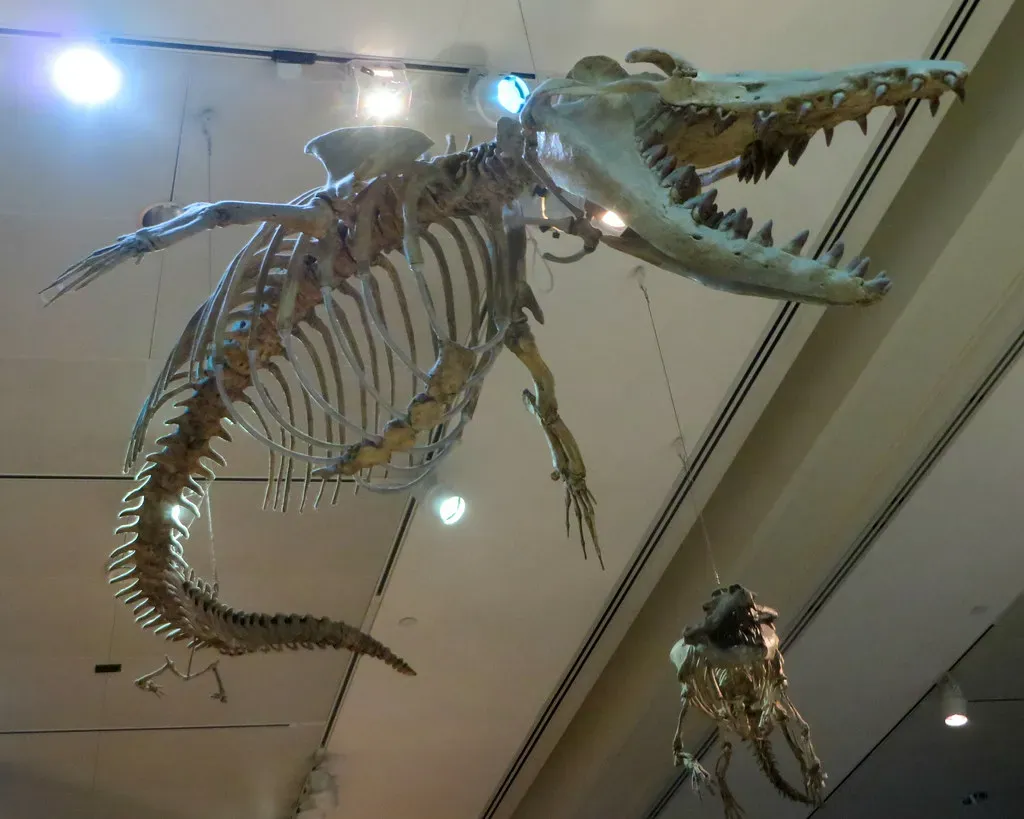
If you could hold a mosasaur skull in your hands, you’d immediately see why prey species were in trouble. Their skulls were long and robust, with strong muscle attachment areas that hint at a crushing bite. The jaws were loosely jointed, allowing them to open wide and swallow large prey, much like modern snakes do on land. Many species had a second row of teeth on the palate, helping to grip slippery victims and drag them down the throat, a biological conveyor belt of doom.
Biomechanical studies suggest that some of the bigger mosasaurs had bite forces comparable to, or even exceeding, those of large modern crocodilians. That power, combined with conical, often serrated teeth, meant they could tackle armored prey like turtles or tear chunks from large carcasses. In simple terms, mosasaurs were not built for nibbling; they were engineered for violence and efficiency, and their skull anatomy reads like a technical manual for how to be an apex marine predator.
Speed, Tail Fins, and the Race Against Their Prey
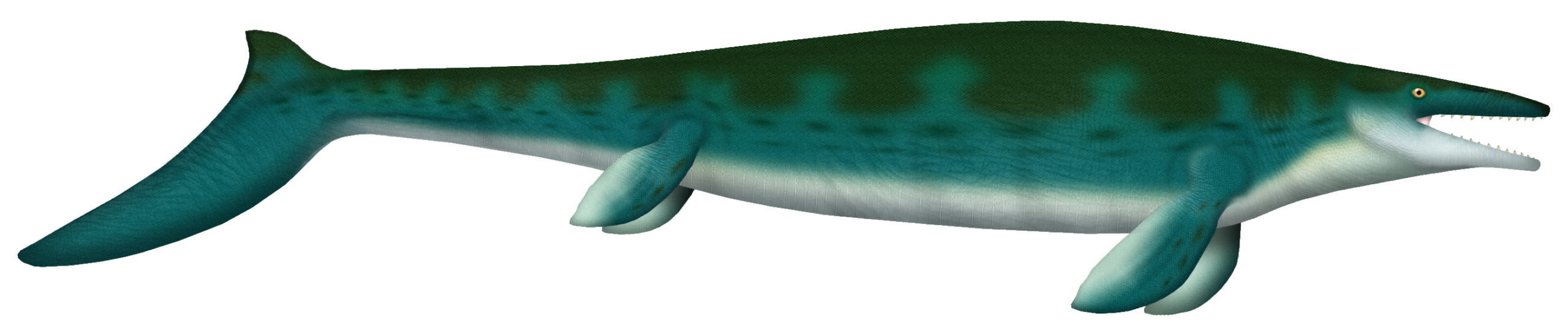
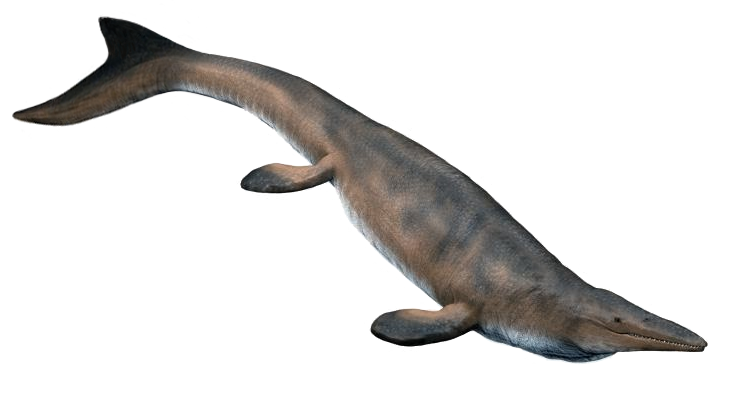
Power mattered, but in the open ocean, speed can be the difference between eating and starving. Earlier depictions used to show mosasaurs with long, sinuous bodies and eel-like tails, but better fossils have flipped that image on its head. Evidence of tail vertebrae and preserved body outlines suggest a more shark-like silhouette, including a crescent-shaped tail fluke. That means mosasaurs swam more like fast pelagic predators than sluggish sea serpents, using powerful strokes of the tail to surge forward.
The combination of a stiffened front body and a flexible, finned tail hints that they were capable of quick bursts of speed, ideal for ambush hunting in dim, underwater light. Large eye sockets and, in some species, robust inner ear structures back up the idea that these animals were well adapted to a fully marine lifestyle, tracking motion and orientation in three-dimensional space. When you put it together, mosasaurs start to look less like clumsy lizards that wandered offshore and more like sleek marine hunters locked in an evolutionary arms race with fast, schooling fish and agile cephalopods.
Shared Kingdoms: Whales, Sharks, and the Legacy of a Lost Reign
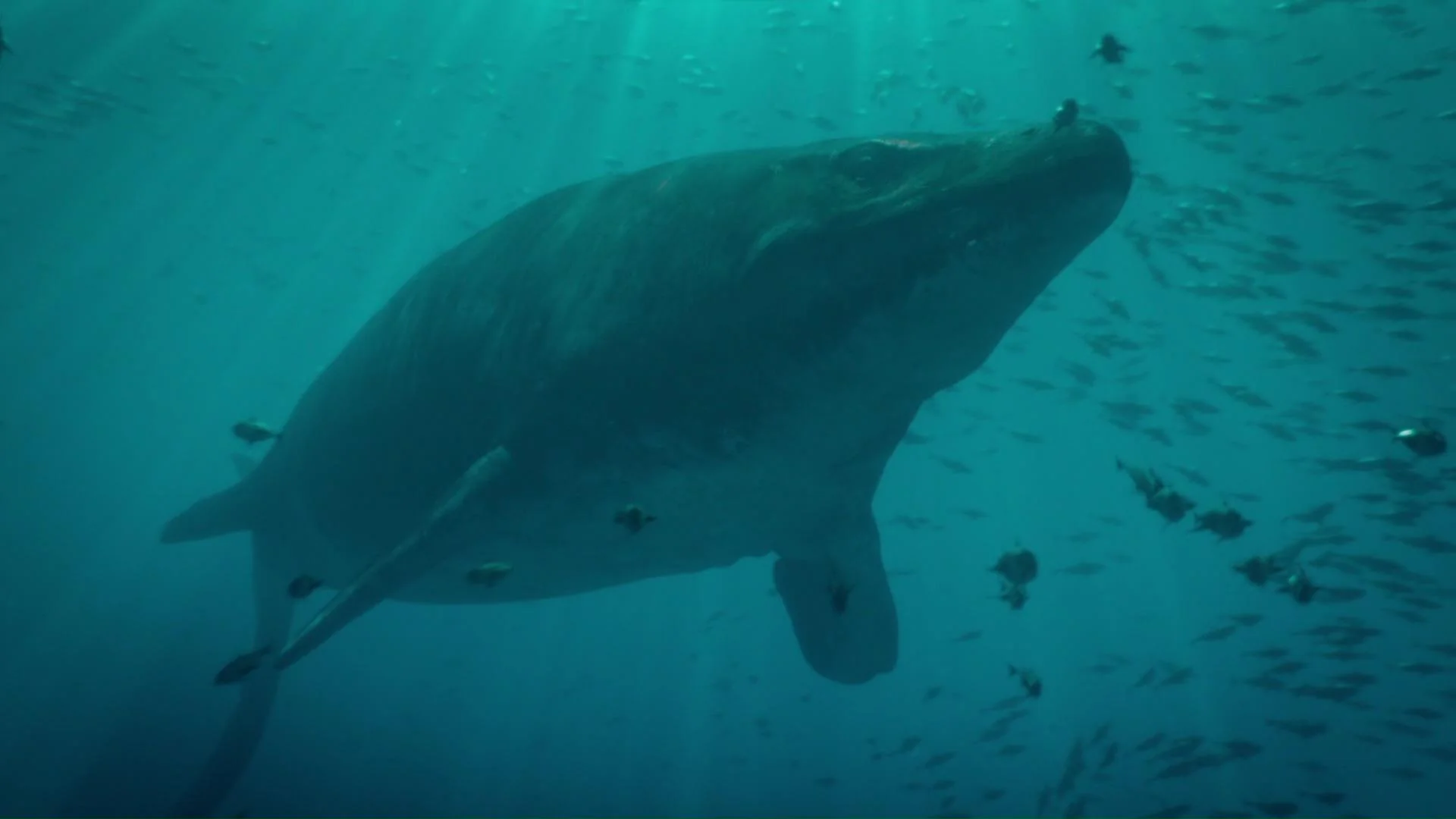
One of the most interesting discussions among evolutionary thinkers is how mosasaurs compare with later marine rulers, especially whales. After the mass extinction at the end of the Cretaceous, mosasaurs vanished, but the seas did not stay unruled for long. Over millions of years, mammals ventured back into the oceans, eventually giving rise to toothed whales and baleen whales, while sharks continued to refine their own predatory designs. On paper, whales look like the spiritual successors to mosasaurs: air-breathing, large-bodied, intelligent, and often apex predators in their environments.
But the comparison can be misleading if we push it too far. Mosasaurs ruled marine ecosystems shaped by entirely different lineages of prey and competitors, in oceans where ammonites still thrived and dinosaurs roamed the land. Whales, by contrast, evolved in worlds where modern fish, seabirds, and large sharks had already carved out complex food webs. The “last great kings” label for mosasaurs is really about them being the final, large, reptilian apex predators to dominate global seas before the marine mammal era. Their legacy lives on not through direct descendants, but through the repeated pattern that the oceans rarely stay without a crowned top predator for long.
What Their Rise and Fall Reveal About Evolution Itself
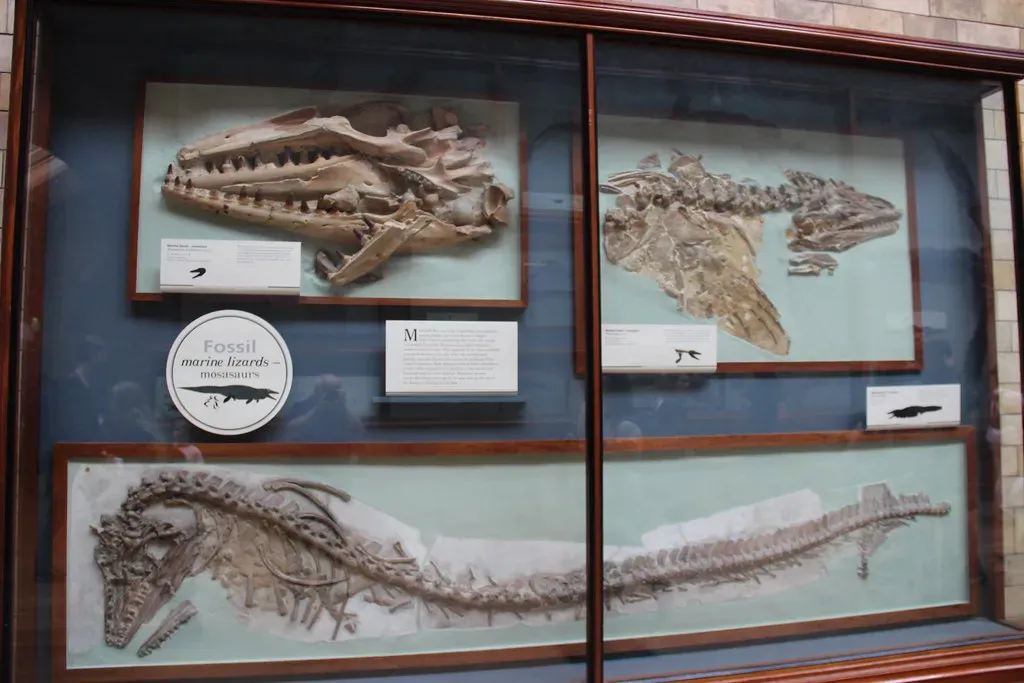
From an evolutionary theory perspective, mosasaurs are a brilliant example of how quickly life can pivot when opportunity opens up. After earlier marine reptiles disappeared or declined, mosasaurs surged into the gap, rapidly diversifying in a way that looks like a textbook case of adaptive radiation. Different body sizes, tooth shapes, and hunting strategies allowed multiple species to coexist, each carving out its own ecological niche rather than competing in a single, narrow role. That flexibility may be one reason they spread so widely and became so successful in such a short geological window.
Their abrupt extinction is the sobering flip side of that story. No matter how well adapted they were, mosasaurs still fell victim to a sudden, global catastrophe driven by an asteroid impact and the environmental chaos that followed. Their fate is a reminder that evolution is not a straight ladder to perfection, but a constant gamble between adaptation and unpredictable change. Even the ocean’s last great reptilian kings could not evolve fast enough to survive a planet-wide disaster that rewrote the rules of every ecosystem almost overnight.
Why Mosasaurs Still Capture Our Imagination Today
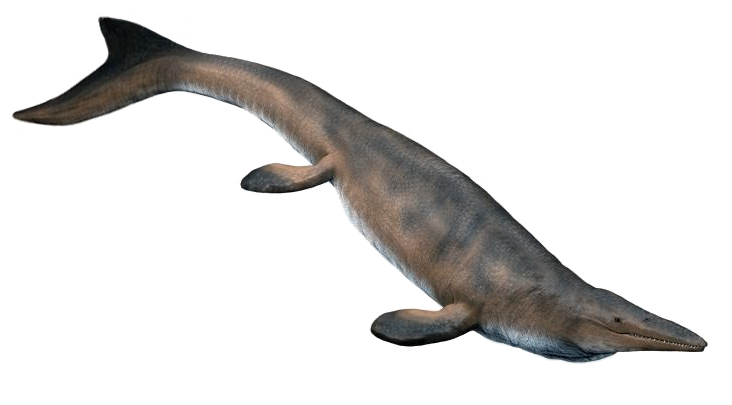
There’s a reason mosasaurs keep showing up in documentaries, museum exhibits, and pop culture. They hit that sweet spot between alien and familiar: part snake, part crocodile, part shark, yet clearly something else entirely. When I first saw a life-sized mosasaur model suspended from a museum ceiling, it felt less like looking at a fossil and more like walking under a myth made real. You can almost picture the surface of a Cretaceous sea suddenly breaking as an enormous head erupts from below, jaws full of teeth and seawater streaming from its mouth.
On a more personal level, I think mosasaurs resonate because they embody both confidence and fragility. They were unbelievably good at what they did, dominating their world, and still their story ends in a single geological heartbeat. In a way, they force us to ask uncomfortable questions about our own place in Earth’s history. We, too, like to imagine ourselves as permanent rulers, but the fossil record keeps whispering the same warning: even kings can be temporary.
Opinionated Conclusion: Kings, But Not Forever
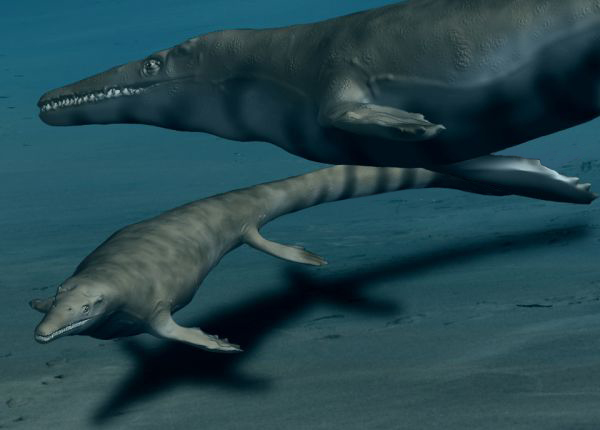
When evolutionary theorists call mosasaurs , I think they’re right – but the title comes with an asterisk. These animals absolutely ruled their marine realm in the Late Cretaceous, outmuscling and out-evolving their reptilian rivals in a remarkably short span of time. They were powerful, widespread, and exquisitely adapted, and in that sense the royal metaphor fits. Yet their sudden disappearance shows that even the most dominant species are guests, not owners, of the ecosystems they command.
To me, that is the real power of the mosasaur story: it is both a celebration of evolutionary brilliance and a cautionary tale about assuming the crown can never fall. They were indeed the last great reptilian kings of the ancient seas, but their throne now lies at the bottom of vanished oceans, buried in rock. As we look at modern oceans facing rapid change, from warming waters to shifting food webs, the question almost asks itself: how different are we, really, from those vanished rulers of the deep?