Imagine walking through a forest and hearing the faint rustle of wings, only to realize that the sound is coming from something as wide as your living room. That sounds like a horror movie, but for hundreds of millions of years, that kind of scale was just… nature. We live in a world of houseflies and dragonflies that fit in our hands; prehistoric Earth, at times, was ruled by bugs so big they probably would have seen us as nothing more than background scenery.
What makes these giants so fascinating is not just their size, but the fact that they were real animals that evolved, hunted, and survived in conditions so different from today that our entire biosphere would struggle to cope with them now. Some of them were aerial predators with wingspans rivaling modern hawks, while others were armored tank-like crawlers that turned swampy forests into their own private kingdoms. Let’s step into that alien past and meet six prehistoric insects so enormous that, if they showed up today, our modern world simply wouldn’t know what to do with them.
Meganeura: The Dragonfly That Was Basically a Flying Raptor
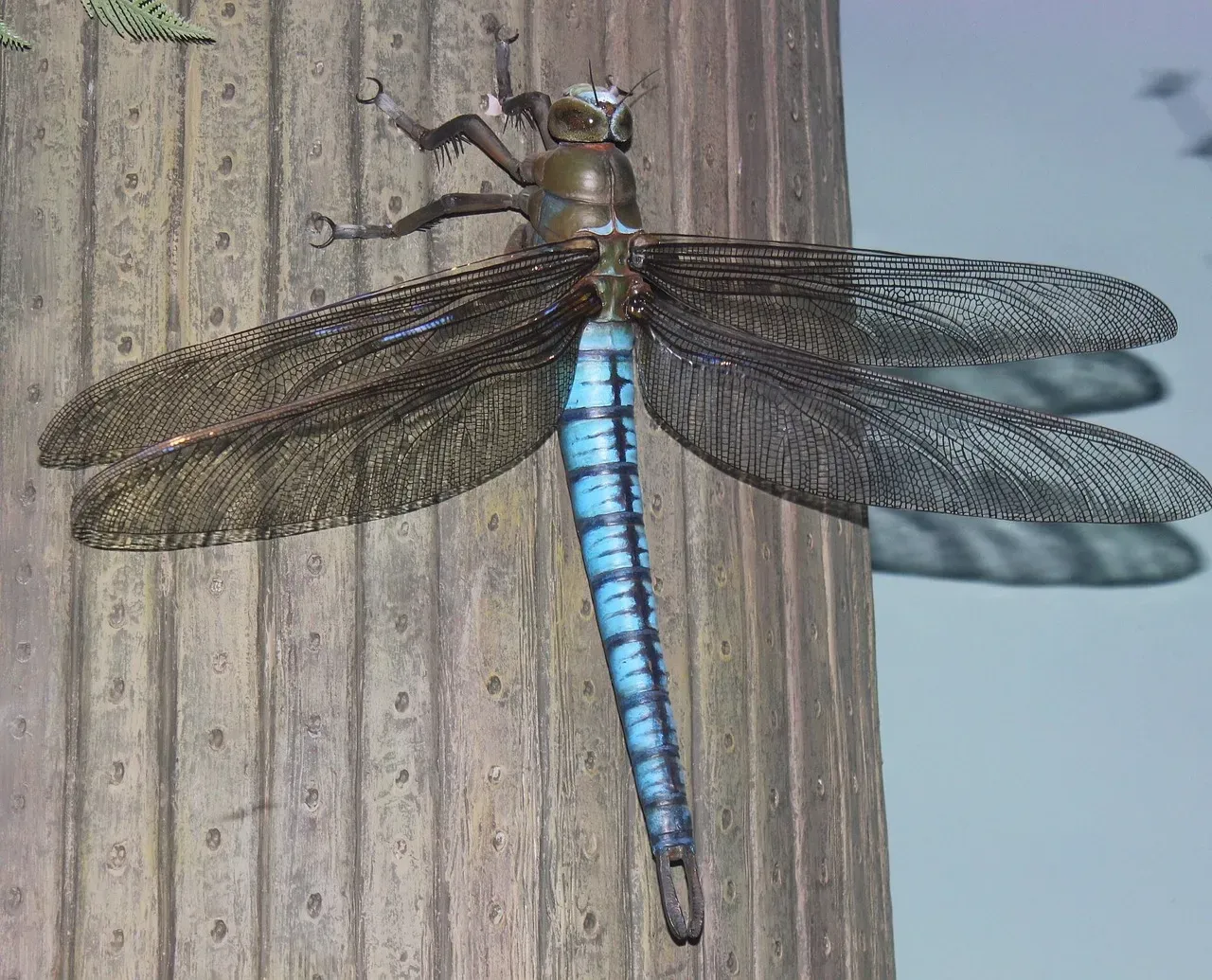
Picture a dragonfly so large it could completely cover your computer screen with its wings. That was Meganeura, a Carboniferous giant with a wingspan of roughly two and a half to nearly three feet, often compared in size to a modern seagull. It lived around 300 million years ago, soaring above dense, swampy forests packed with giant ferns and towering clubmoss trees. If a modern person saw one of these cruise past their head, the instinctive reaction would probably be to duck and run, not casually wave it away.
Meganeura most likely hunted other insects in midair, much like modern dragonflies, but at this scale those prey items could have been nearly as large as a human hand. In the skies of its time, it was arguably an apex aerial predator, with almost no rivals until early vertebrate fliers evolved much later. Today’s atmosphere, with its lower oxygen concentration compared to the Carboniferous, would likely make sustaining such a gigantic insect body very difficult. Our current ecosystems, from birds to bats, are also so tightly packed with specialized aerial hunters that dropping Meganeura into the mix would be like releasing a small fighter jet into a crowded city park. It would not just look out of place; it would rewrite the balance of the sky.
Arthropleura: The Millipede That Turned Forest Floors Into Highways
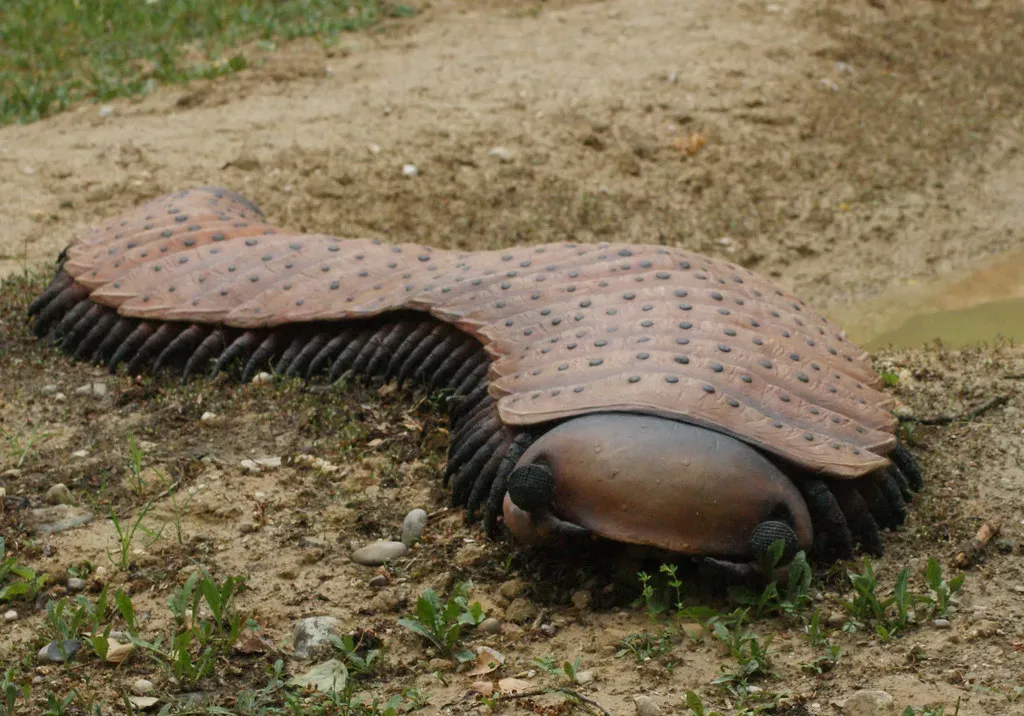
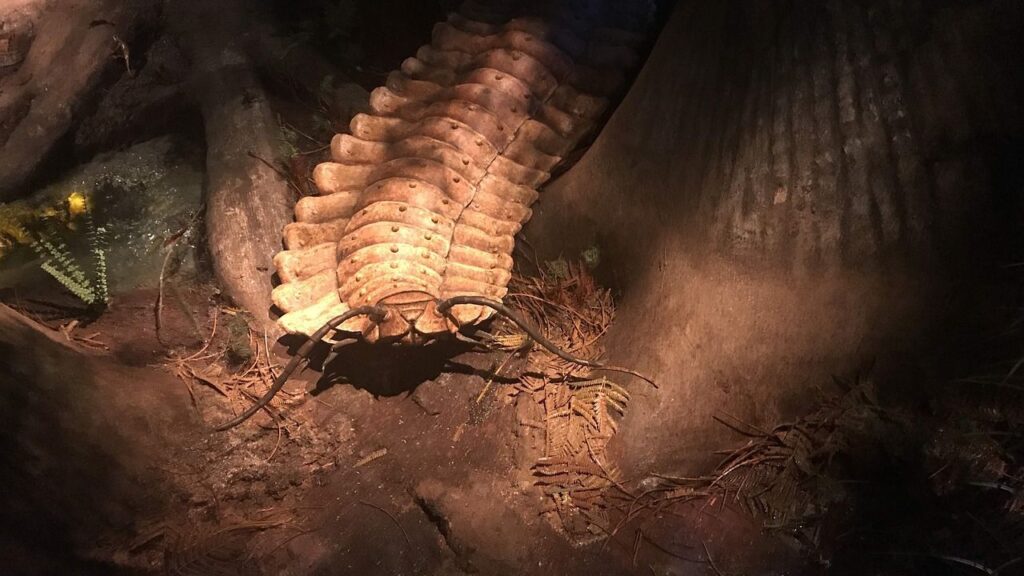
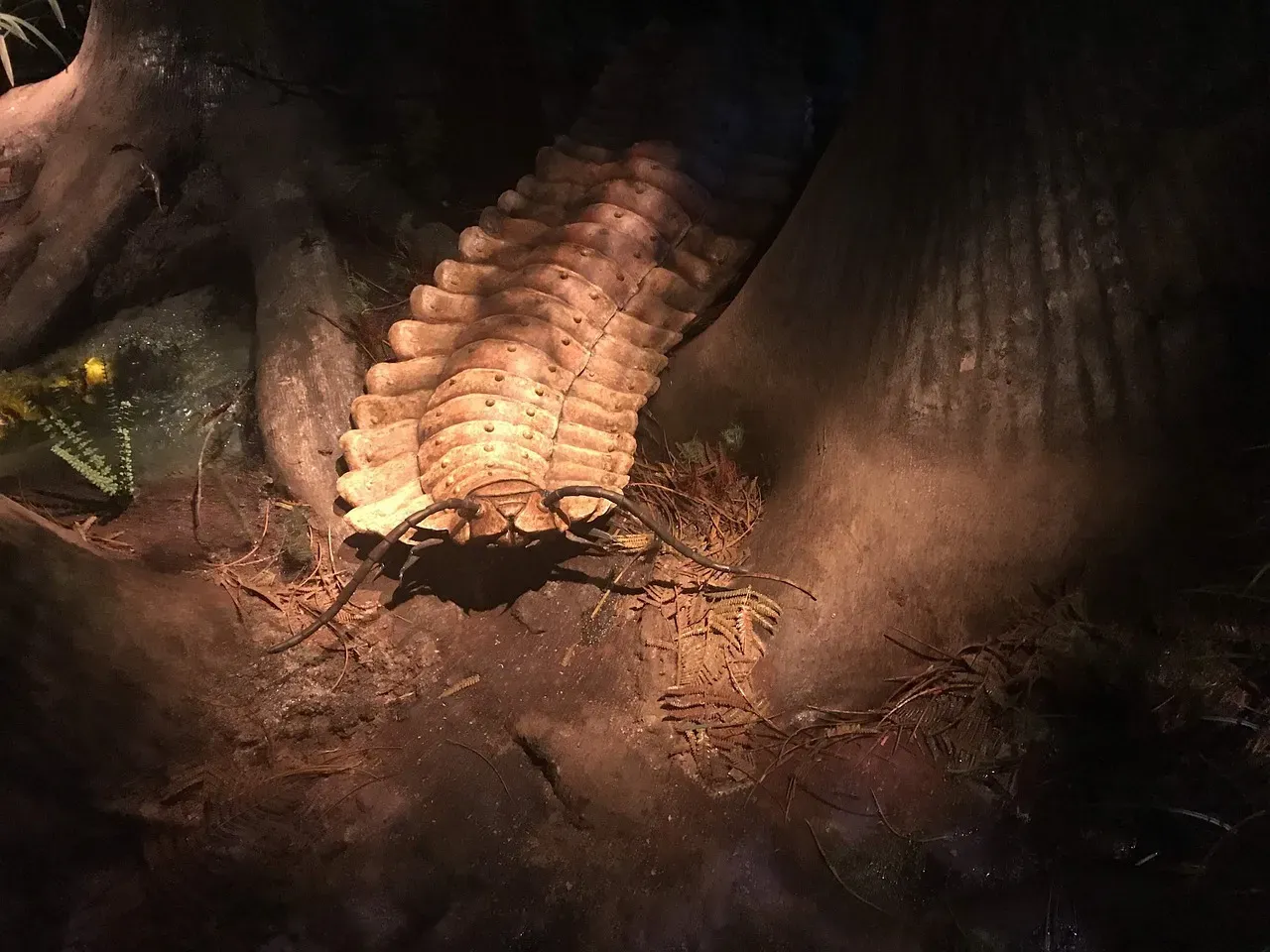
Now imagine hiking a forest trail and seeing what looks like a black, armored mattress slide across your path. Arthropleura was not technically an insect (it was a millipede-like arthropod), but it lived in the same ancient ecosystems and pushes the idea of “prehistoric bugs” to their terrifying extreme. Some estimates suggest it reached lengths of more than six and a half feet, with some reconstructions hinting at even longer individuals, making it the largest known land invertebrate of all time. Its segmented body likely formed a living, flexible shield, each plate moving in coordinated waves as it crawled over fallen logs and through leaf litter.
On a modern forest floor, something like Arthropleura would be an ecological earthquake. It probably fed on decaying plant matter and possibly softer vegetation, essentially acting like a walking compost machine that processed huge amounts of biomass. Introduce that into a present-day woodland and leaf litter would vanish far more quickly, reshaping soil chemistry and the microhabitats that countless insects, fungi, and small vertebrates rely on. Beyond the ecological impact, there’s the psychological one: it is hard to imagine any modern campground, park, or neighborhood staying calm if a six-foot armored “millipede” casually crossed the playground. Our urban infrastructure, from basements to subway tunnels, would suddenly become prime real estate for the largest creepy-crawly anyone has ever seen.
Pulmonoscorpius: The House-Sized Scorpion of Your Nightmares
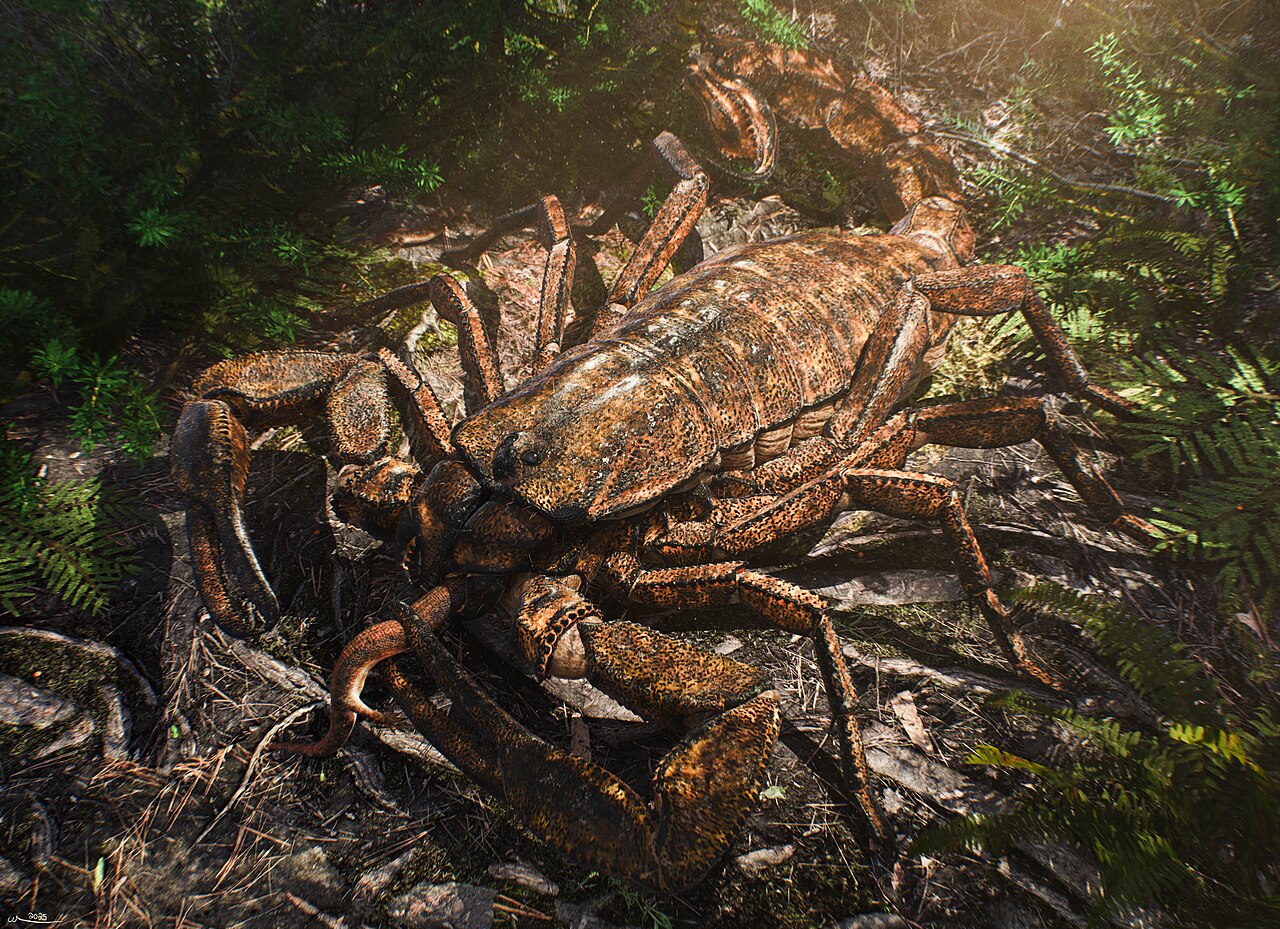
As if giant millipedes and dragonflies were not enough, the Paleozoic also hosted scorpions like Pulmonoscorpius, which likely reached lengths of close to a couple of feet or more. It was not the size of a car, but when you are used to palm-sized scorpions at most, a predator stretching from your elbow to your fingertips feels practically monstrous. This creature stalked ancient landscapes more than three hundred million years ago, probably hunting other arthropods and early terrestrial animals in dim, humid environments.
Transplant a scorpion of that scale into a modern ecosystem and you change the rules of ground-level predation overnight. Small mammals, lizards, and ground-nesting birds would find themselves confronted with a venomous hunter as large as many of them, armed not only with a formidable sting but heavy, grasping pincers. Human habitations, especially in warm regions where modern scorpions already thrive, would become high-risk zones, because even a cautious scorpion accidentally wandering into a garage or garden could cause serious harm. Strictly speaking, city life is already an adjustment to living alongside rodents, roaches, spiders, and the occasional snake; add a prehistoric, multi-pound scorpion to that list and most people would probably start rethinking the charm of ground-floor apartments.
Meganeuropsis: The Even Bigger Cousin That Owned the Skies
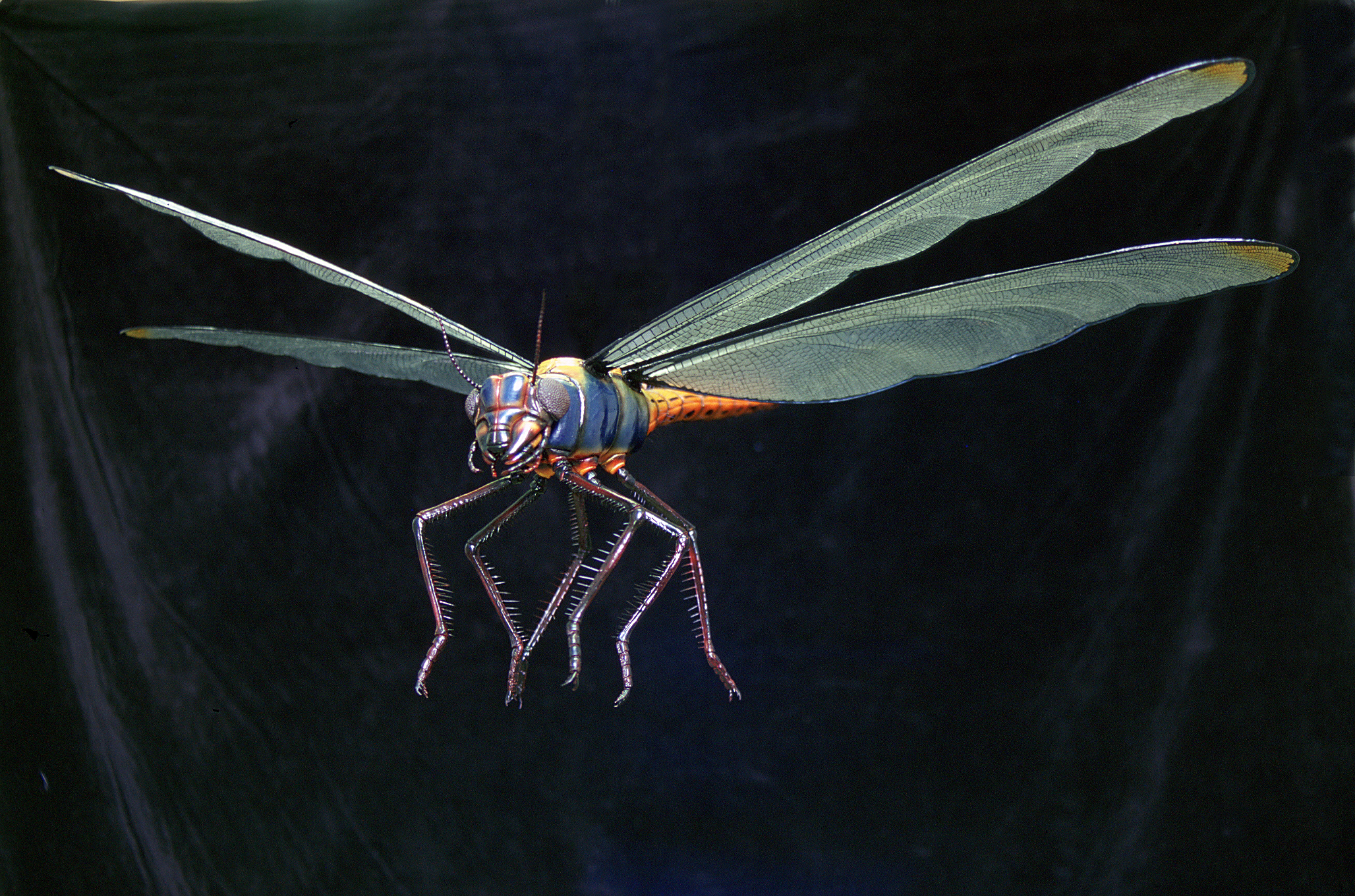
Just when you think Meganeura sounds big enough, along comes Meganeuropsis from the early Permian period, regarded as one of the largest known flying insects in Earth’s history. Its wingspan is typically estimated at around two and a half feet, possibly edging a bit larger, making it comparable to a raven or small eagle sweeping through the air. With long, membranous wings and a sleek, elongated body, this insect would have looked strangely familiar and yet totally alien, like a dragonfly designed by someone who had only heard about birds in rumors.
In a modern setting, Meganeuropsis would collide with our already crowded skies, which are full of birds, bats, planes, drones, and power lines. Its hunting strategy, probably focused on chasing and grabbing other flying insects, would struggle against modern predators that have sharper eyesight, faster neural processing, and different wing mechanics. Yet its sheer size would also give it a small element of terror – imagine seeing something that large slam into your car windshield or circle around streetlights on a summer night. It is hard not to feel that our urban and suburban environments, with their glass towers and high-voltage cables, simply were not built with two-foot-long insects in mind.
Carboniferous Giant Roaches and Their Relatives: The Original Apartment Squatters
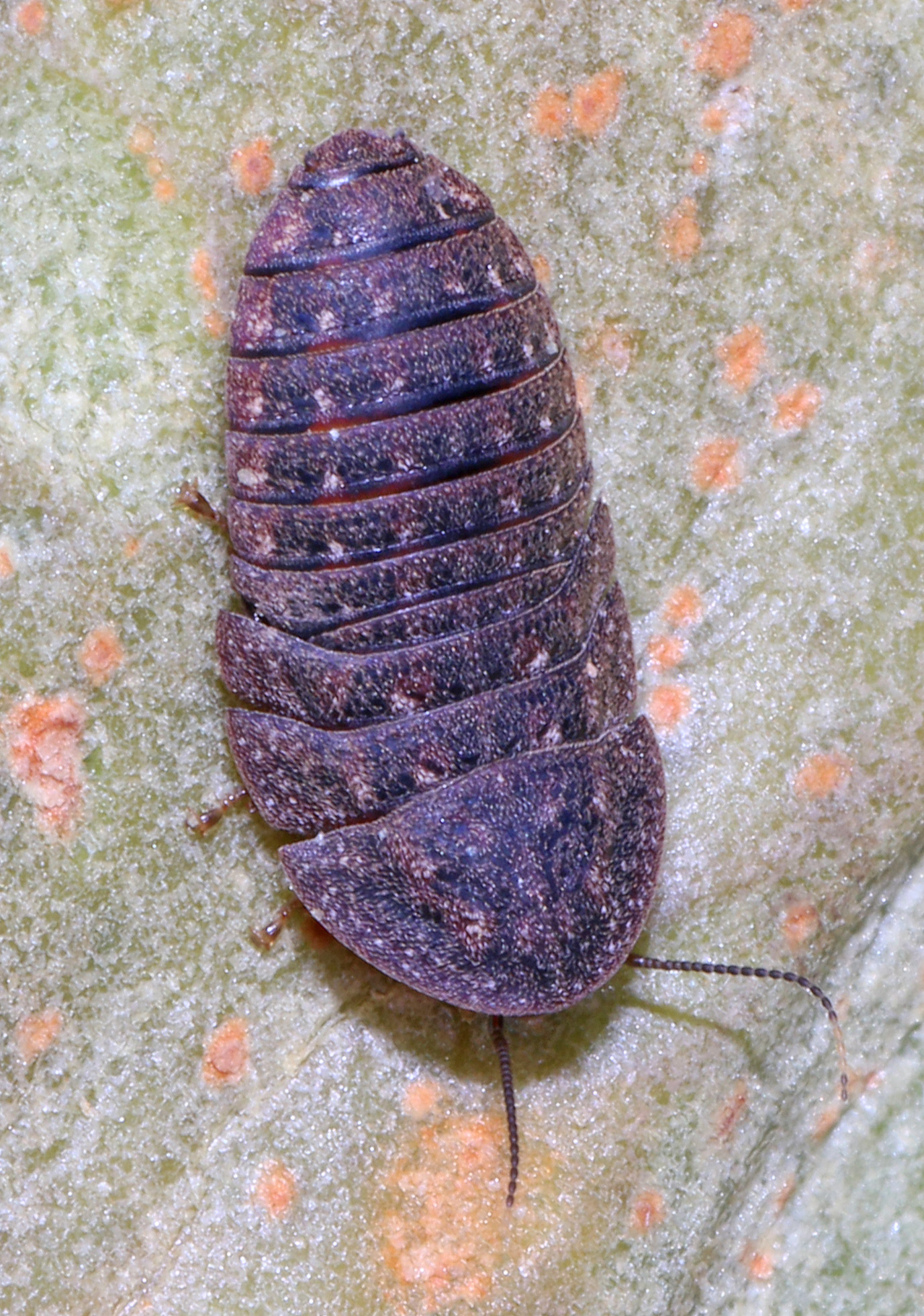
Roaches are already the villains of modern kitchens, yet their Carboniferous and Permian relatives were substantially more imposing. Some early cockroach-like insects, sometimes called “roachoids,” boasted bodies several inches long, with robust exoskeletons and wide, leaf-like wings. In their time, they skittered through lush coal forests, feeding on decaying plant matter and possibly opportunistically nibbling whatever soft organic material they found. While they were still much smaller than the dragonfly giants, their sheer abundance combined with extra size would have made them incredibly hard to ignore.
Bring those prehistoric roaches into a modern city, and you do not just get a pest problem; you get a genuine societal panic. Imagine roaches as long as your hand squeezing under doors, gliding short distances across alleyways, and occupying sewer systems in astonishing numbers. Insecticides, traps, and current pest-control methods are designed for smaller, more fragile species; scaling up body size often means scaling up resistance and resilience. There is also an emotional reality here: many people already struggle with a single small roach in the bathroom. A world where the “small” roach phase of evolution never happened, and the big, armored versions persisted, might have pushed humans to build houses and cities in a far more insect-proof, fortress-like way.
Giant Water Bugs and Ancient Aquatic Predators: The Swamp Ambushers
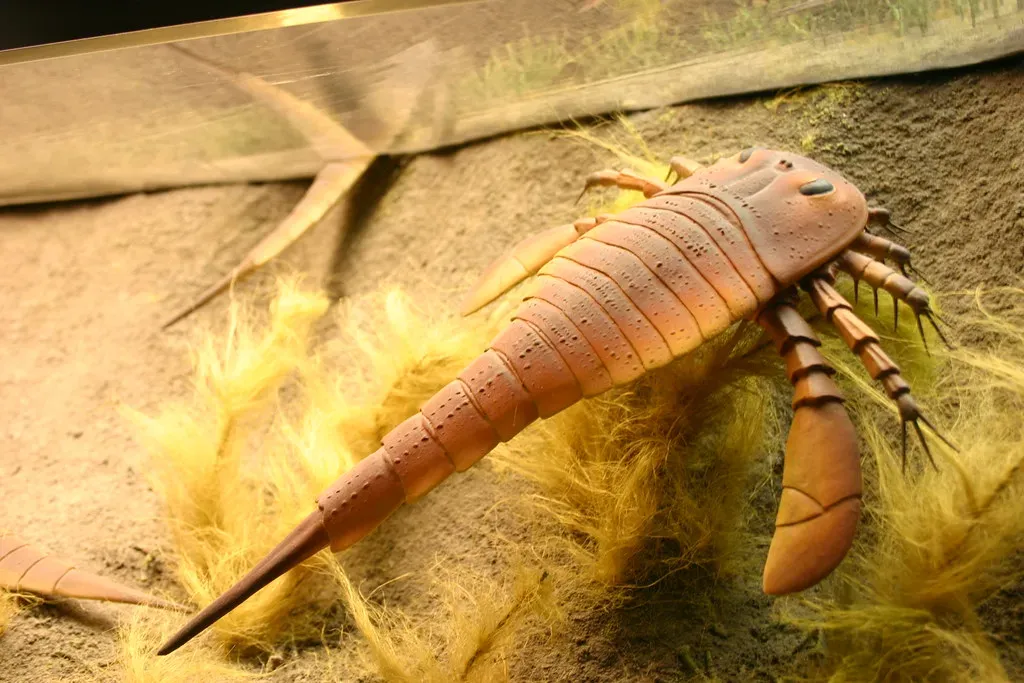
Not all prehistoric giants ruled the air or the forest floor; some lurked in water, hidden just below the surface. While the fossil record of insect-sized scales can be patchy, evidence from the Paleozoic and Mesozoic shows that many aquatic insects and insect-like predators reached significantly larger sizes than their modern counterparts. Imagine a giant water bug scaled up to the length of your forearm, waiting patiently in murky shallows to lunge at passing prey with raptorial forelegs. Even if each individual measurement is debated, the overall pattern is clear: high-oxygen, predator-light ancient waters gave invertebrates room to push size boundaries far beyond what we usually see now.
If similar-scale aquatic insects existed in our current lakes, rivers, and wetlands, a casual swim would feel very different. Hands and feet dangling off paddleboards or docks would suddenly become tempting targets for oversized ambushers designed to grab, pierce, and suck the juices from anything they can manage. Ecologically, they would compete fiercely with fish, turtles, and amphibians for prey, potentially collapsing delicate food webs that support everything from recreational fisheries to bird migrations. Personally, as someone who already double-checks what might be brushing past my legs in murky water, the thought of prehistoric-sized insect predators lurking beneath the surface makes modern leeches and mosquito larvae feel almost comforting by comparison.
Conclusion: Be Glad Our Bugs Are Small… For Now
Looking back at these prehistoric giants, it is tempting to romanticize their worlds as wild, cinematic landscapes where everything was bigger, stranger, and more dramatic. The reality is that their size was not a random flourish; it was shaped by higher oxygen levels, different atmospheric pressures, and ecosystems that had not yet been dominated by birds, mammals, and sophisticated vertebrate predators. In other words, Earth was in a phase where enormous insects and arthropods could stretch biology to its limits, and they took full advantage of that window. Drop those same creatures into our world, and many would struggle physiologically and ecologically, but the fierce ones that did adapt would instantly become some of the most feared animals on the planet.
My own view is that we seriously underestimate how much our feeling of safety hinges on the modest size of the creatures around us. If Meganeura still buzzed over city parks, or Arthropleura occasionally emerged from subway tunnels, we would design our homes, our streets, even our childhood fears very differently. The modern world, with its glass, concrete, and shimmering screens, feels orderly partly because the biggest insect most of us see is a harmless beetle or butterfly. Maybe the most unsettling thought is not that these colossal bugs once existed, but that, under the right conditions, evolution could head in that direction again. If the planet ever rewrites the rules of size once more, are you really sure you want to be around to see what crawls, flies, or scuttles out of that future?