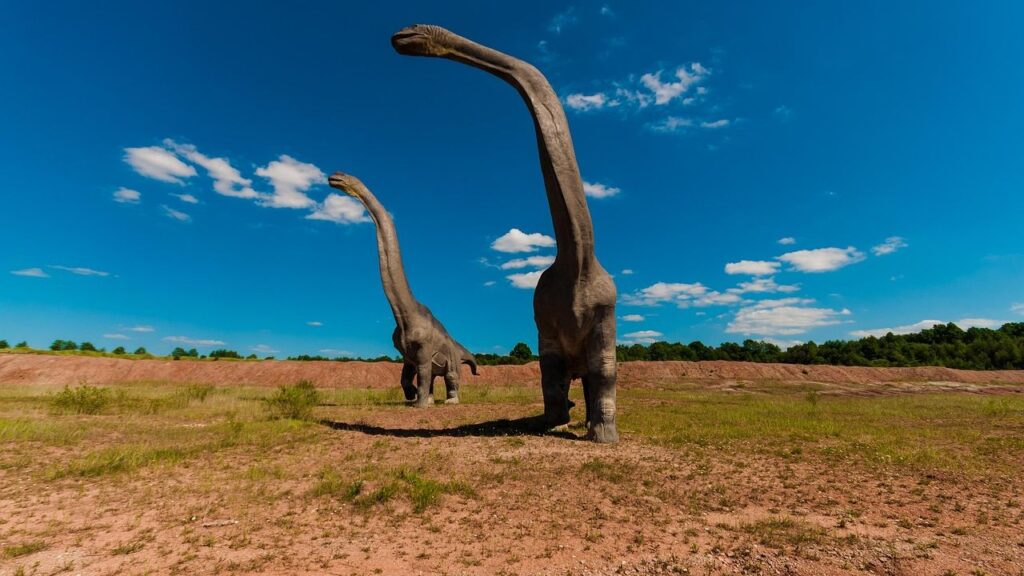
Picture a Brachiosaurus the way you’ve seen it a thousand times: towering over the trees, neck arched like a swan, head held high above the canopy like a dinosaur skyscraper. It is one of the most iconic poses in all of paleo art, burned into our brains from childhood books, museum murals, and blockbuster movies. But when you start digging into the actual bones, cartilage, muscles, and physics involved, that classic pose begins to look a lot less like science and a lot more like wishful thinking.
This is where it gets fun. The more scientists have studied sauropod anatomy, soft tissue, and biomechanics, the more it seems that Brachiosaurus probably could not hold its neck in that elegant, permanently vertical curve we’ve all been sold. At least, not comfortably, not for long, and probably not as a default posture. Instead, a picture emerges of an animal that was still utterly spectacular, but whose neck behaved in ways that are stranger, stiffer, and more grounded in engineering reality than those graceful storybook silhouettes suggest.
The “Giraffe Dinosaur” Myth We Grew Up With

Let’s start with the cultural image in your head, because that matters more than we like to admit. For decades, Brachiosaurus has basically been marketed as the dinosaur version of a giraffe: front legs longer than the back legs, neck angled steeply upward, calmly browsing from the tips of tall conifers like it was built to do nothing else. Movies doubled down on that vision, giving us dreamy scenes of sauropods rearing their necks into the clouds, as if gravity and blood pressure were just minor inconveniences.
That visual became so deeply embedded that it started to feel like a fact rather than a guess. But it is, and always has been, a guess. Early reconstructions were heavily influenced by living animals that seemed vaguely similar in outline, like giraffes and swans, instead of being driven strictly by the mechanical limits of bones and joints. We essentially eyeballed Brachiosaurus into an elegant shape and then kept repeating it until most people forgot it was speculative in the first place.
Vertebrae Are Not Hinges: What the Neck Bones Really Allow
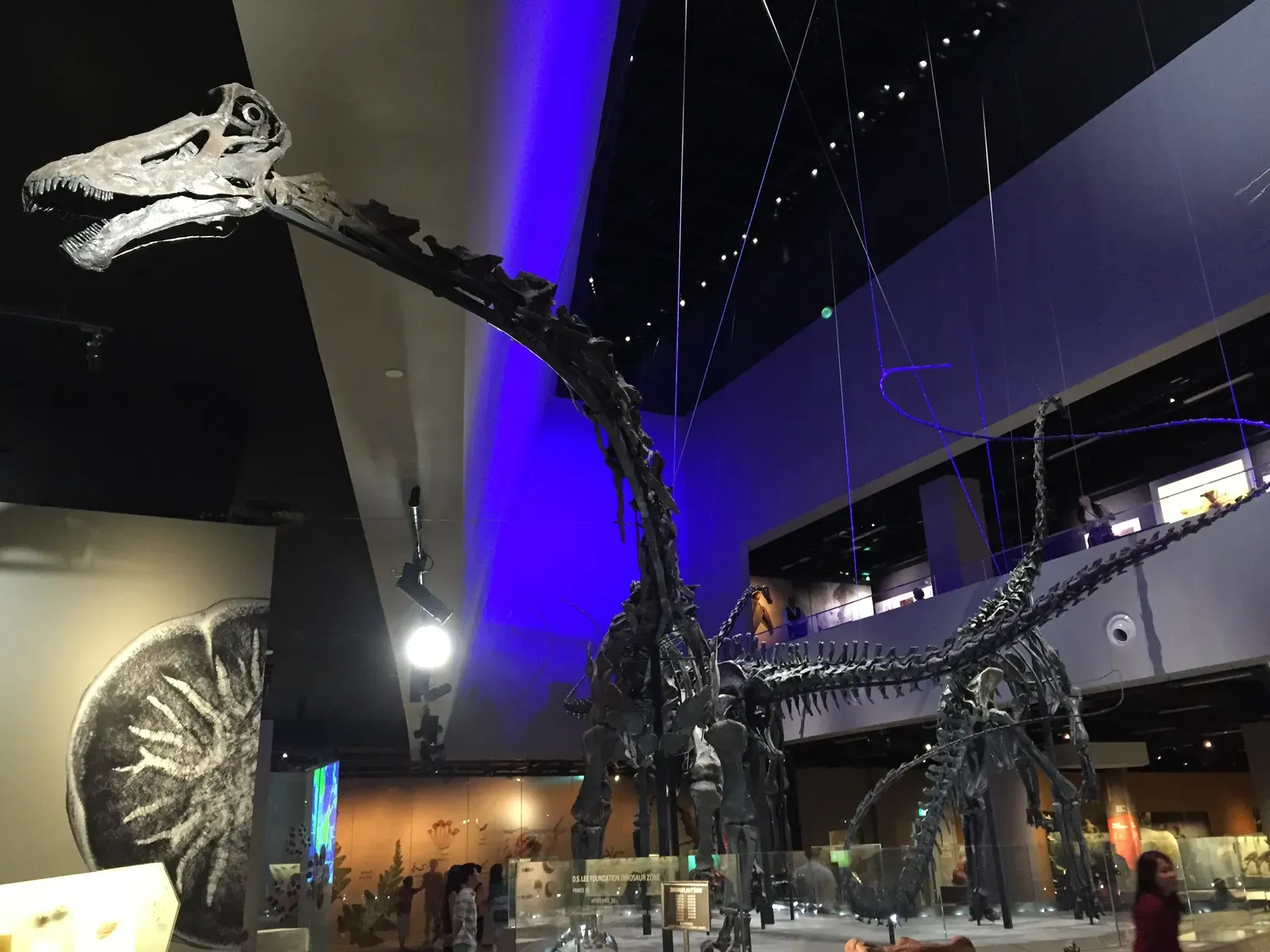
When paleontologists actually articulate the neck vertebrae of Brachiosaurus and its close relatives, things get a lot more constrained than those swooping curves on posters suggest. Each vertebra fits into the next with specific articular surfaces, bony projections, and locking features that limit how far it can bend, twist, or flex. Stack a dozen or more of those vertebrae together, and you do not get a soft rubber hose; you get a segmented beam with quite strict movement ranges at each joint.
In other words, the neck is not a bend-at-any-angle tube; it is more like a crane made of linked segments that each have only modest play. In some sauropods, especially the high-shouldered brachiosaur types, careful modeling has suggested that the neutral, energy-efficient pose of the neck may have been much closer to horizontal or gently sloping, not that dramatic upright S-curve. Could the animal lift its head higher at times? Probably. But the everyday, default posture almost certainly looked more restrained than the hyper-flexible necks we keep drawing.
Blood Pressure Nightmares: Pumping a Head Into the Sky
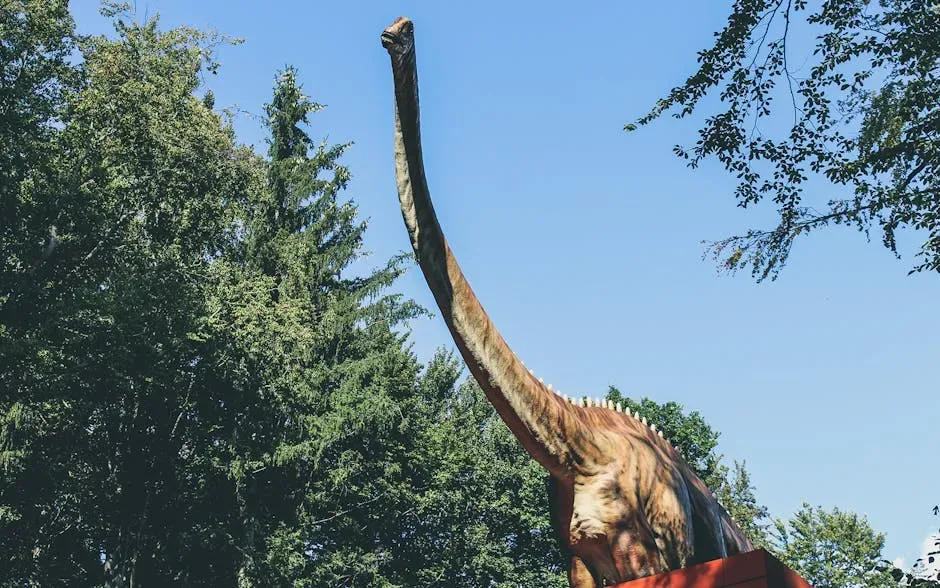
Imagine your heart having to pump blood two stories straight up, constantly, just so your brain does not black out. That is roughly what an extremely vertical Brachiosaurus neck would demand. To keep blood flowing to a head perched far above its heart, this animal would have needed enormous arterial pressure, thick vessel walls, and a cardiovascular system approaching the limits of what is physiologically plausible. You can only push biological plumbing so far before it becomes absurdly inefficient or simply impossible.
Biomechanical models that treat the neck as reaching truly skyward start to run into these blood pressure problems very quickly. Some reconstructions imply a heart so massive and powerful that it becomes questionable whether the animal could function without severe strain. A more moderate neck angle, placing the head not vastly higher than the torso, eases these demands dramatically. From an evolutionary perspective, it makes far more sense that Brachiosaurus would adopt and maintain postures that did not require its heart to fight gravity at full throttle all day long.
Soft Tissues, Ligaments, and the Reality of a Heavy Neck
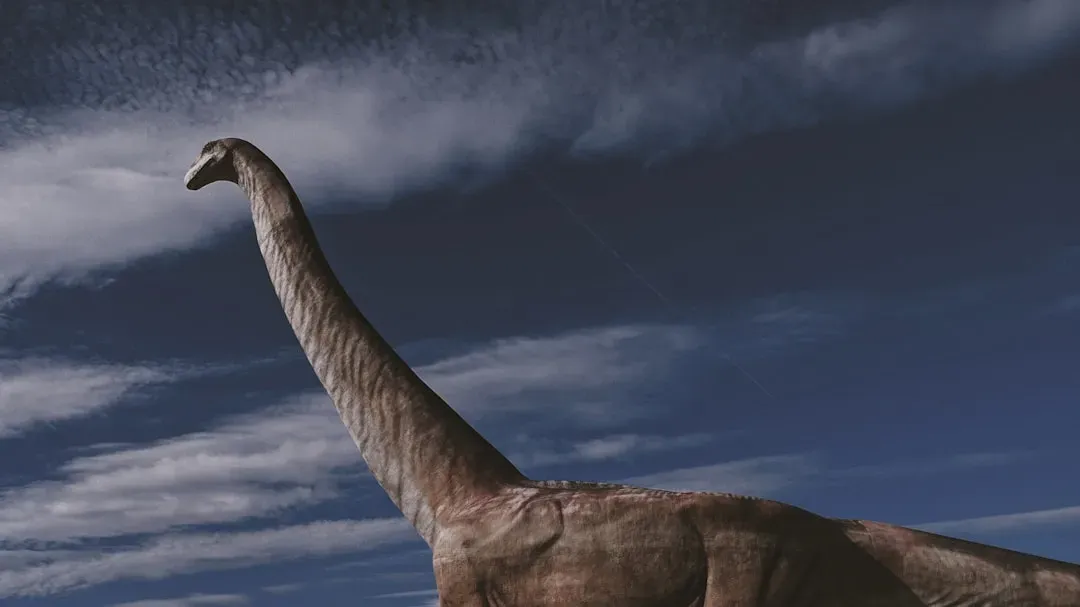
Bones get all the museum attention, but soft tissues quietly run the show when it comes to posture. Ligaments, tendons, and muscles act like tension cables on a bridge, setting how far joints can move comfortably and how much effort it takes to hold a position. For a sauropod neck that may have weighed as much as a small truck, these tissues would have been under constant, serious load just to keep everything from sagging or hyperextending.
When researchers reconstruct those soft-tissue systems over the vertebrae, the picture looks less like a swan’s effortless curve and more like a giant, well-braced boom that prefers certain efficient orientations. Holding the neck in a steeply upright pose would have required significant muscular effort and would put continuous strain on the supporting ligaments. Evolution usually favors postures where passive structures do most of the work. That suggests a more neutral, slightly elevated neck that could be raised or lowered as needed, not an always-vertical, heroic stance.
Range of Motion: Less Swan, More Stiff Crane
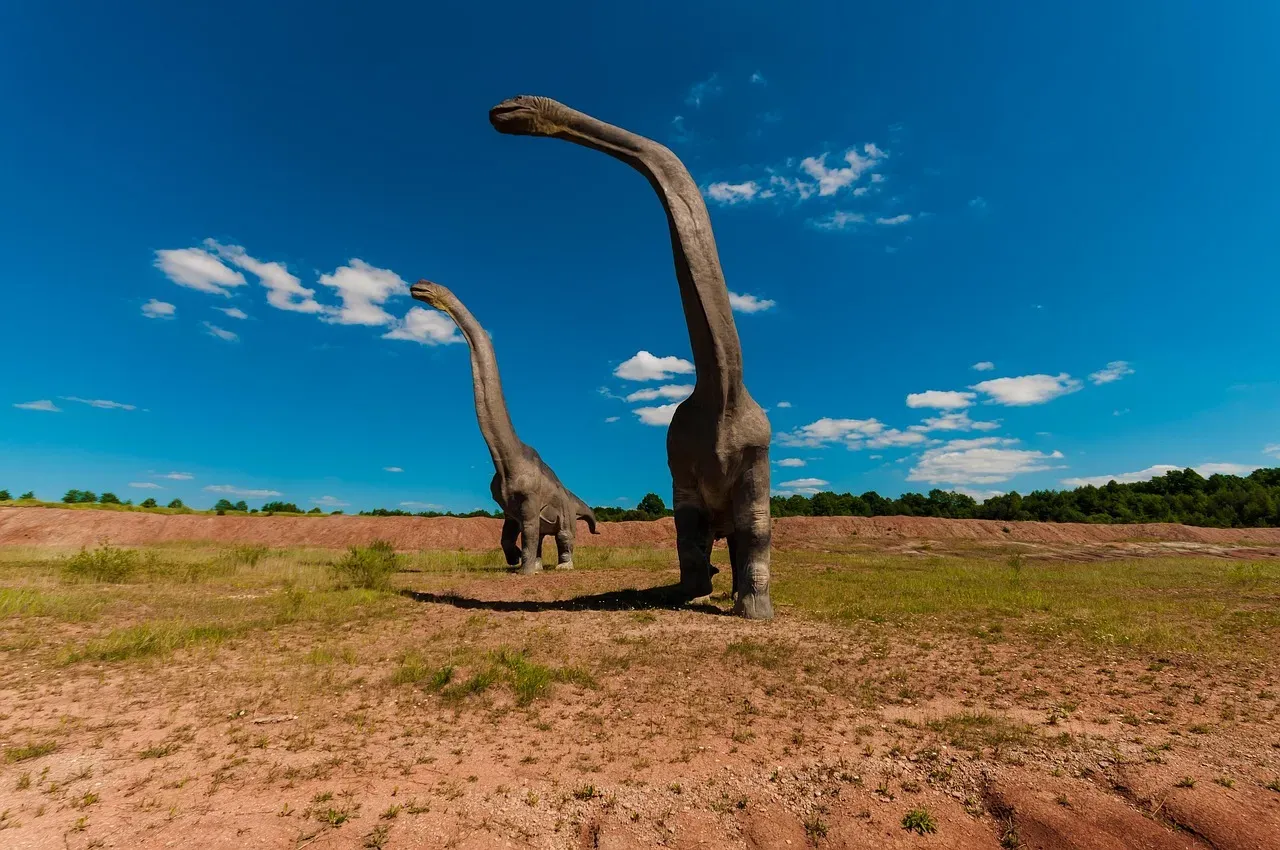
Careful tests of neck flexibility in sauropod fossils, including computer-based modeling and mechanical articulation, often reveal a surprisingly limited vertical range of motion. When paleontologists align the joint surfaces realistically, add in reasonable amounts of cartilage, and respect where bones would collide, the neck tends to behave more like a stiff beam with modest bends rather than a graceful serpent. The spectacular C-shaped arcs in older artwork would actually require bone-on-bone collisions or dislocated joints if you tried to copy them in the real skeleton.
This has huge consequences for how we picture Brachiosaurus feeding and moving. Instead of sweeping its head effortlessly from treetop to treetop at extreme angles, it might have relied on walking more and adjusting its neck within a narrower, more horizontal band of motion. Think of it like a modern crane truck: the arm can raise and lower, but within limits that keep the structure stable and safe. That is a far cry from the endlessly flexible, almost cartoonish necks that popular media loves to show us.
Center of Mass and Balance: Not Tipping the Giant
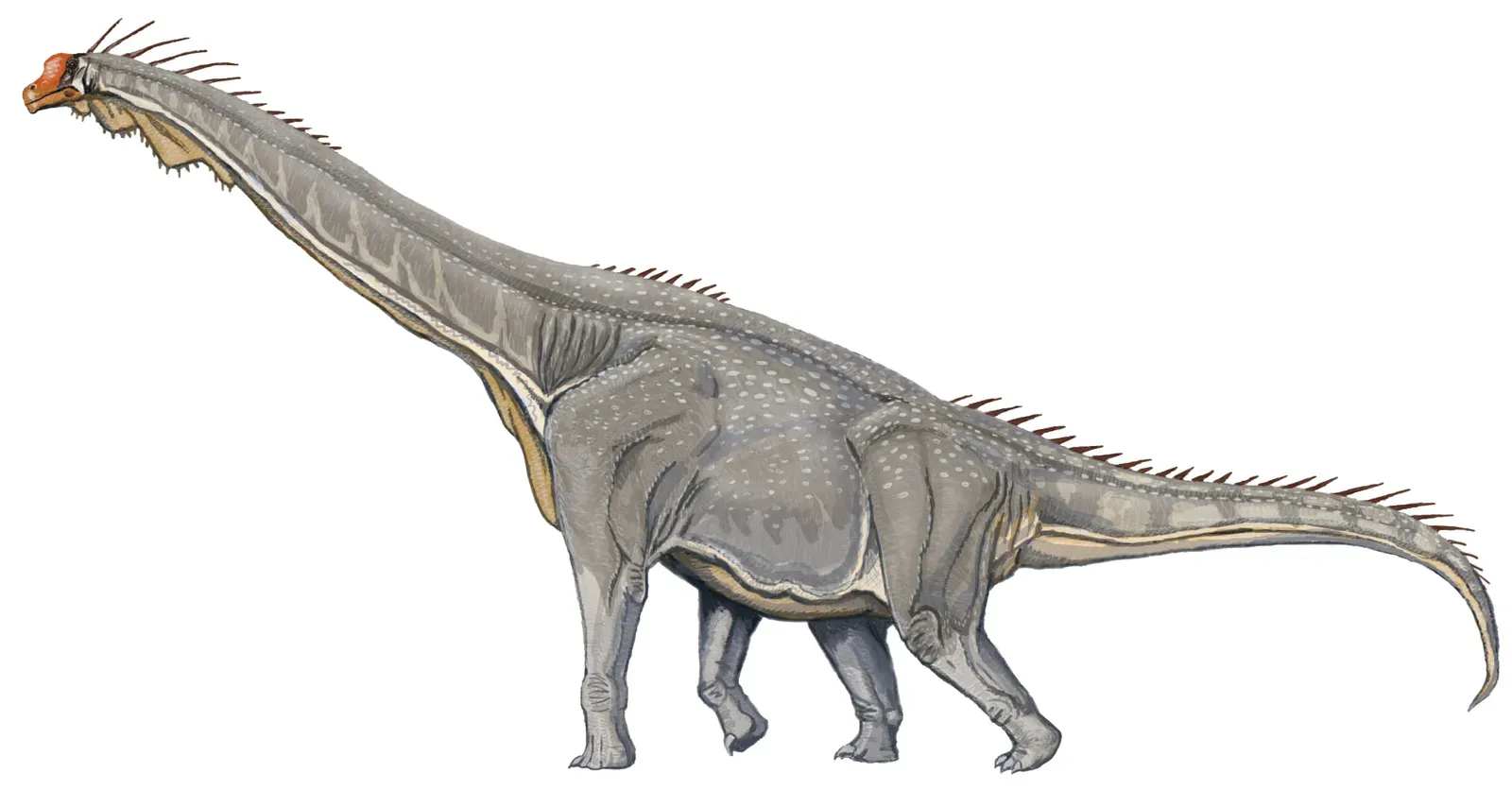
A neck that sticks straight up dramatically changes the animal’s center of mass. For such a huge creature, even a small shift in weight distribution can mean the difference between stable and precarious. If Brachiosaurus truly held its neck in a towering vertical pose most of the time, its balance would be constantly challenged, especially while walking, turning, or navigating uneven ground. The tail, hips, and limbs all have to cooperate with where that long neck is pointed to avoid tipping or putting excessive stress on joints.
Mass distribution models suggest that a more gently inclined or nearly horizontal neck helps keep the center of mass comfortably over the limb base, making locomotion more efficient and safer. An elevated, but not extreme, neck angle also allows the animal to scan its surroundings and access a wide feeding envelope without constantly flirting with instability. When you imagine this animal as an engineer would, you quickly see why a modest neck posture makes far more sense than a dramatic, vertical one as the default setting.
Feeding Strategies Without the Storybook Posture
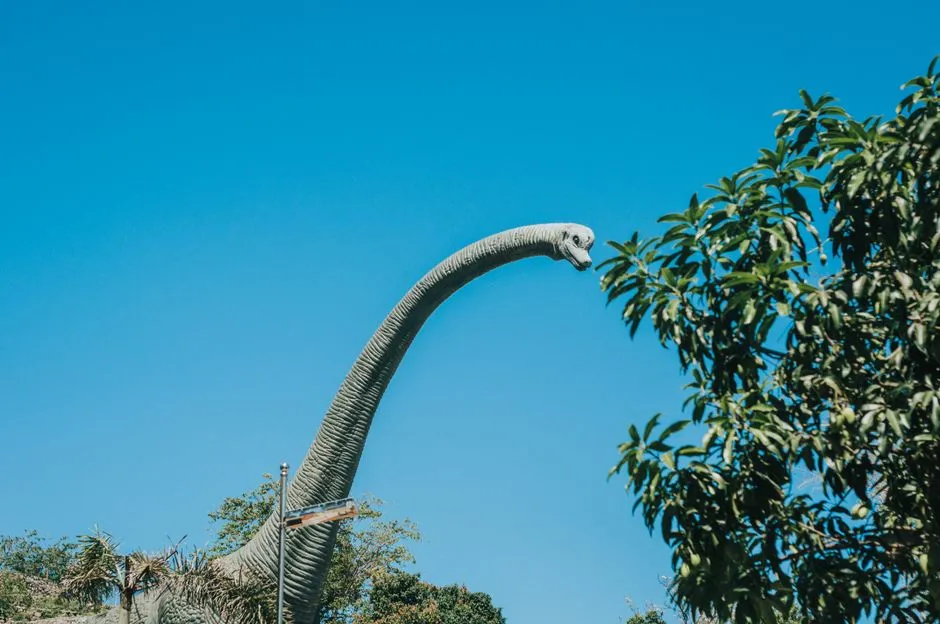
If Brachiosaurus was not a permanent living flagpole, that does not mean it was stuck nibbling only low vegetation. A long neck, even at a more modest angle, still opens up a huge three-dimensional feeding zone without the animal having to move its massive body very far. By swinging its neck in broad, controlled arcs and adjusting its height within a realistic range, it could still exploit taller foliage than shorter herbivores while also reaching laterally into areas others could not easily access.
It is also entirely possible that these dinosaurs used a mix of browsing heights depending on age, environment, and plant availability. Instead of one idealized neck angle, picture a spectrum of working postures, none of which require the extreme vertical stretch that posters love. This more flexible, less romantic vision actually fits better with how living herbivores behave: they grab what is available, within the limits of what their bodies can comfortably reach, rather than always posing in the most dramatic way for imaginary cameras.
Why the Old Diagrams Persist (And Why It Matters)
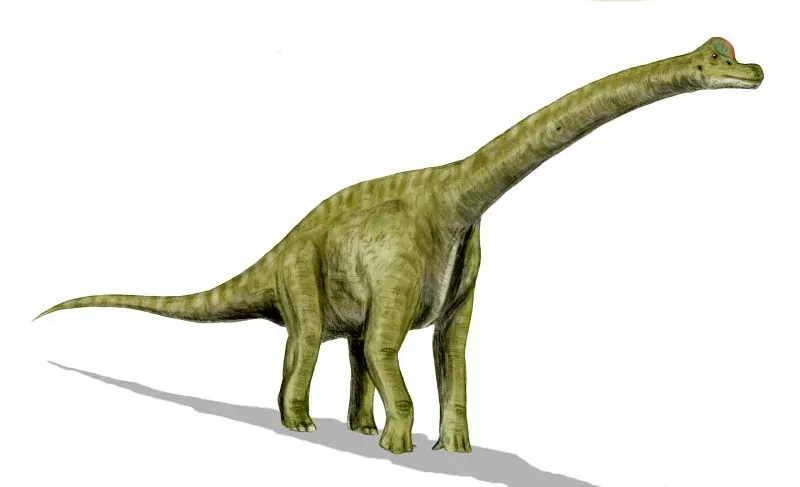
So if the science has been nudging us away from the classic vertical-neck pose, why do those diagrams and murals keep showing up everywhere? Part of the answer is simple inertia: once an image becomes iconic, teachers, illustrators, and toy designers keep copying it because it is familiar and easy to recognize. Another part is emotional. A Brachiosaurus with a modestly angled neck just does not hit us in the same awe-filled way as one stretching into the heavens, so we quietly choose the more dramatic version even when the data push us elsewhere.
This persistence actually matters, though, because it shapes how we think about evolution, biomechanics, and even scientific honesty. When the public image of a dinosaur clings to an outdated pose, it gives the illusion of certainty where there is actually nuance and active debate. Updating that mental picture to a more grounded, engineering-aware Brachiosaurus does not make it less impressive; it just makes it more real. And frankly, there is something even cooler about an animal that obeys the same mechanical rules we do and still manages to be jaw-droppingly huge.
Conclusion: A Less Majestic Neck, A More Impressive Animal
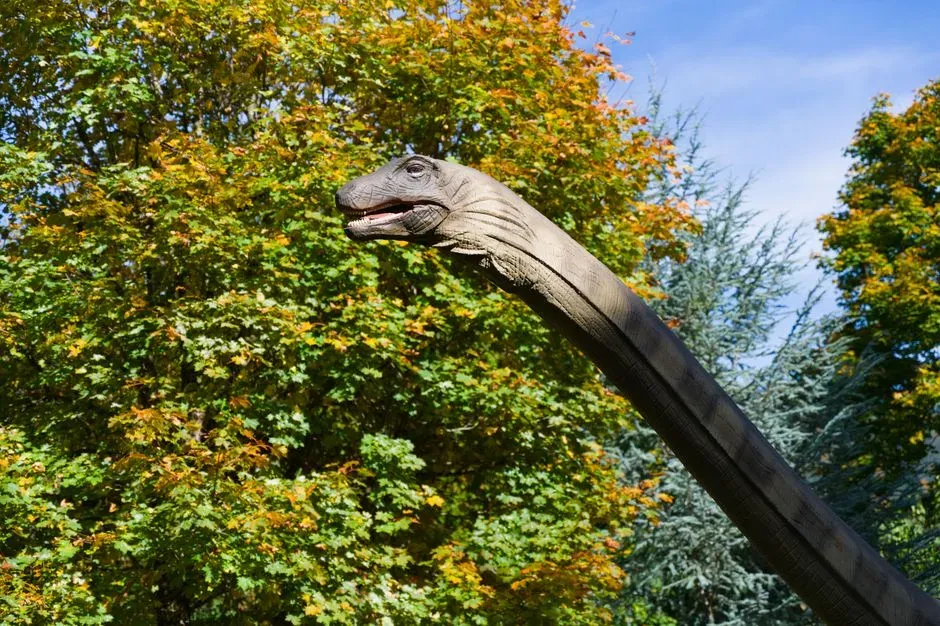
In my view, the classic straight-up Brachiosaurus neck is less a scientific reconstruction and more a beautiful fantasy we collectively fell in love with. When you respect what the vertebrae allow, how blood pressure works, how soft tissues behave under load, and how giants stay balanced, the everyday posture of this dinosaur becomes humbler, more horizontal, and much less like a giraffe on steroids. That might feel like a downgrade at first, especially if you grew up staring at those soaring silhouettes on your bedroom wall.
But step back for a second and look at what we gain. We trade a slightly exaggerated cartoon for a real animal that solved insanely difficult engineering problems just to stand, walk, and feed without breaking itself. To me, that is more awe-inspiring than any swan-necked fantasy. Brachiosaurus probably could not , at least not comfortably or constantly, and that is exactly what makes the truth so fascinating. When reality quietly outperforms our old myths, which version would you rather keep in your head?