If you have ever walked out of a dinosaur movie feeling like you learned more about velociraptors than you did in an entire semester of school, you are not alone. Some actors have practically built second careers trading barbs with T. rex, sprinting past stampeding herds, and staring in awe at CGI sauropods as if they were rare museum pieces come to life. At this point, a few of them seem so deeply embedded in prehistoric chaos that you could half‑expect to see them giving lectures at natural history conferences.
What is fascinating is how these repeat dino collaborators have quietly shaped how a whole generation imagines dinosaurs: not as stiff skeletons in glass cases, but as living, breathing animals with instincts, tempers, and occasionally suspiciously good comedic timing. These actors have aged alongside the franchises, shifted from wide‑eyed newcomers to world‑weary experts, and taken audiences with them on that journey. Let’s look at eight of them who, frankly, should probably be issued honorary paleontology degrees along with their next franchise paycheck.
Jeff Goldblum: The Rock Star of Chaos Theory and Raptors
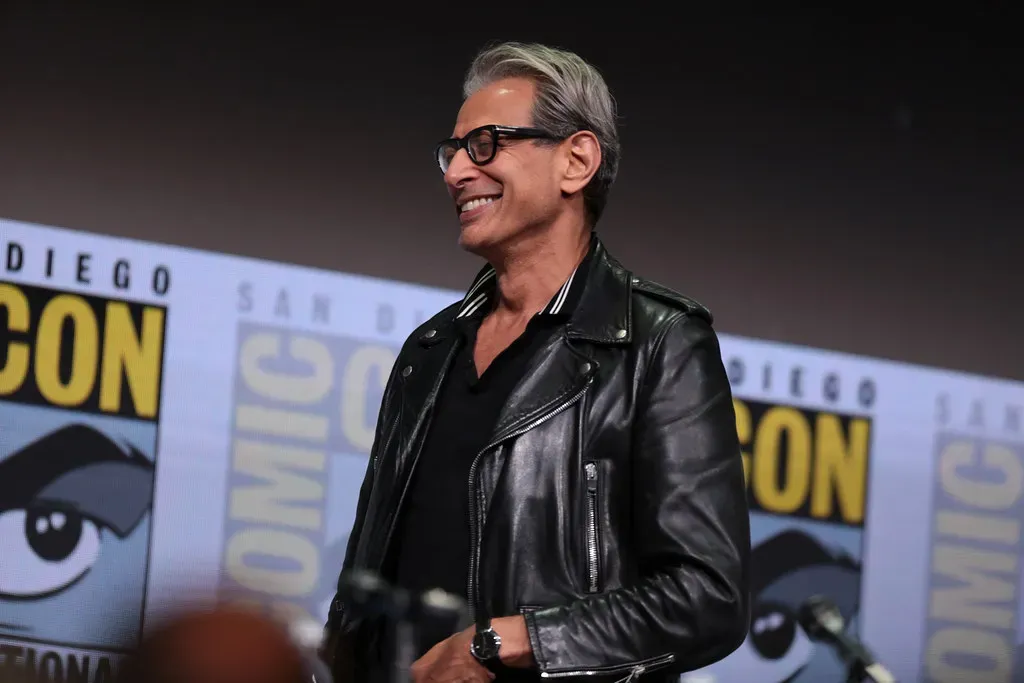
There is a strong argument that no actor is more synonymous with blockbuster dinosaurs than Jeff Goldblum. As Ian Malcolm in the original Jurassic Park trilogy and the Jurassic World era, he has appeared across multiple entries of the franchise and, crucially, across its different generations. His brand of intellectual swagger, deadpan humor, and constant mild disbelief at human arrogance basically made chaos theory feel like a cooler, darker version of a TED Talk delivered while a T. rex is stomping outside.
Goldblum’s repeated returns to the series helped give the films a kind of scientific through‑line, even when the plots leaned harder into spectacle than plausibility. He plays a mathematician, not a paleontologist, but the way he constantly questions the wisdom of cloning extinct animals nudged the audience toward critical thinking about science and ethics. When an actor can make viewers walk out of a summer tentpole movie debating bioengineering and unintended consequences, you could argue they are doing a kind of pop‑science education, one sardonic quip at a time.
Sam Neill: The Reluctant Mentor Who Made Paleontology Cool
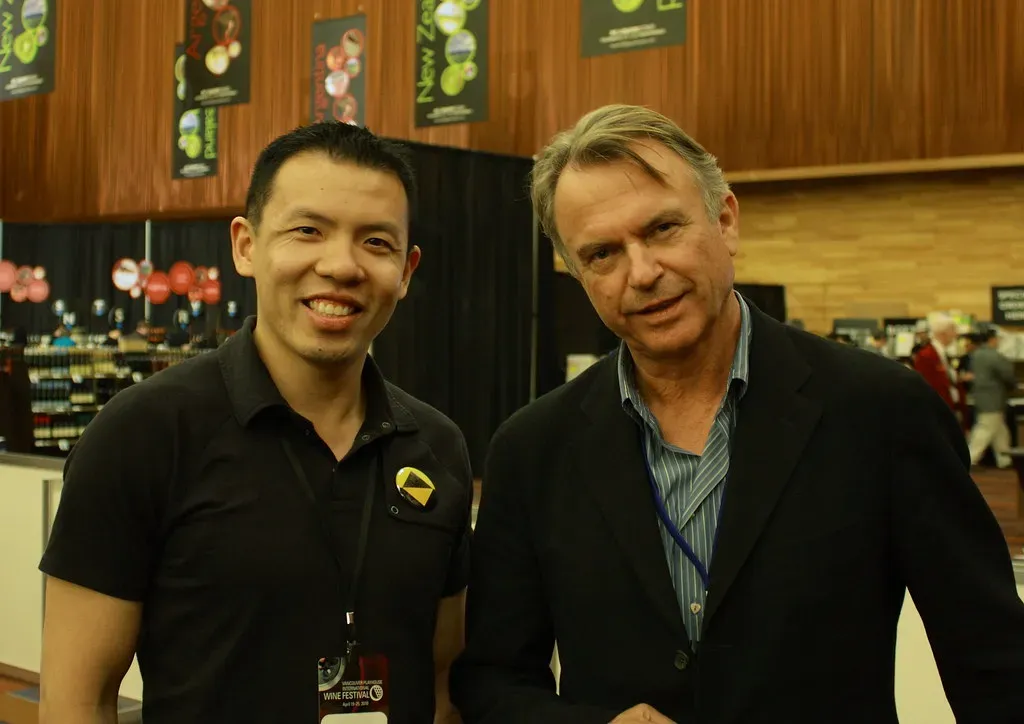
Sam Neill’s Dr. Alan Grant is the character who probably did more than anyone else to make “paleontologist” sound like a dream job rather than a dusty academic niche. In Jurassic Park, Grant is introduced in the field, carefully excavating fossils, lecturing about raptor behavior, and genuinely geeking out over skeletal anatomy. Then the film hurls him into a living laboratory where those textbook theories are tested against living, breathing creatures, and suddenly his job looks less like archaeology and more like extreme field biology.
By the time Neill returned decades later in Jurassic Park III and again in Jurassic World: Dominion, there was a new, almost poignant layer: Grant had become the grizzled veteran who had seen too much but still could not quite walk away from the science. That evolution feels a lot like real‑world scientists who start out chasing fossils for the thrill of discovery and end up wrestling with the consequences of humanity’s technological reach. Watching Neill navigate raptor nests and collapsing facilities, you can see the same core trait that makes so many researchers tick: he just has to know what these animals really are.
Laura Dern: From Paleobotanist to Dinosaur Ethicist
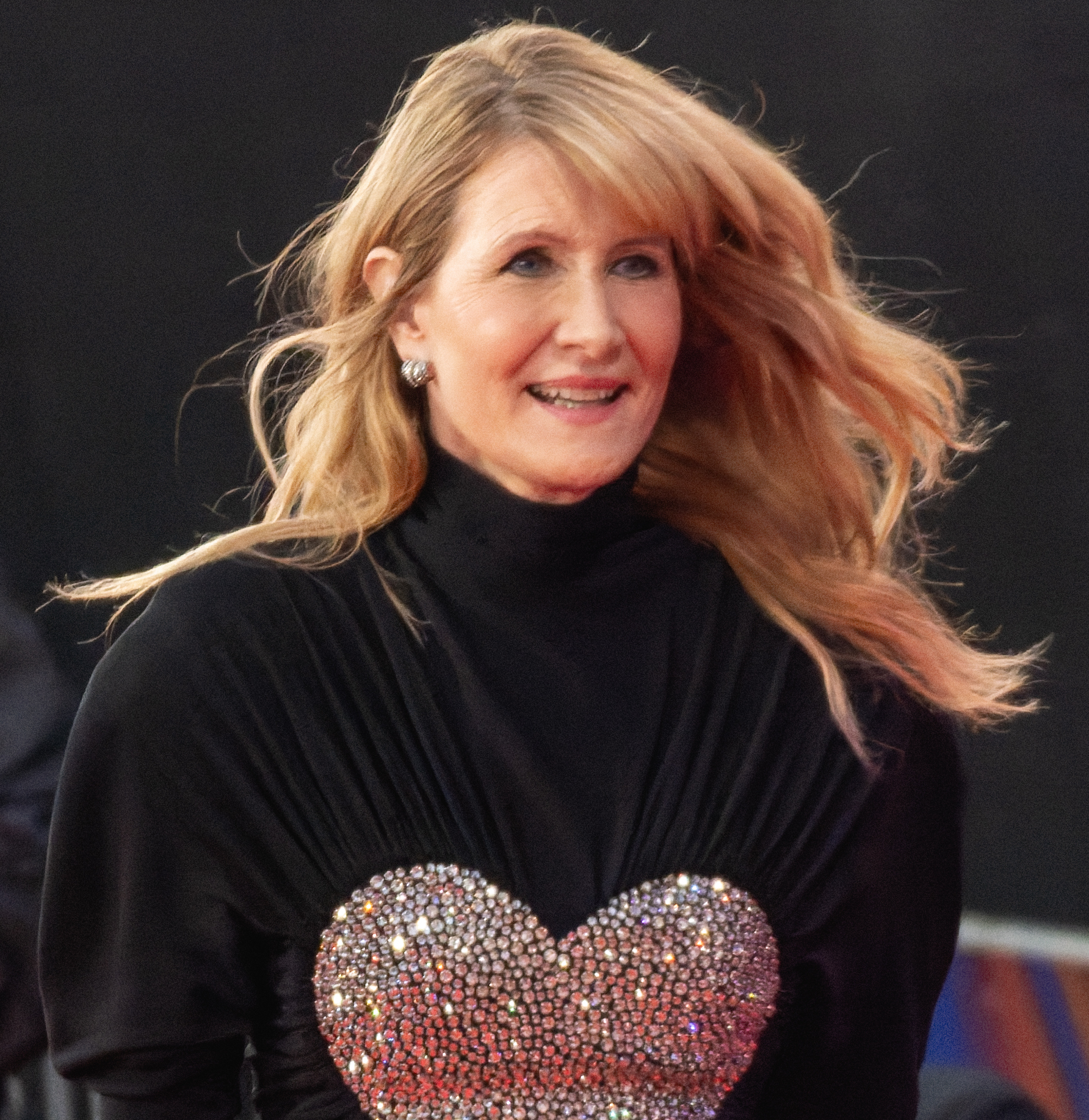
Laura Dern’s Dr. Ellie Sattler quietly broadened what “dinosaur expertise” could look like on screen. As a paleobotanist, she was there not just to marvel at big teeth but to understand the ecosystems those animals inhabited, from toxic plants to the fragility of a reconstructed environment. That angle might sound niche, yet it subtly reminded audiences that dinosaurs were part of complex worlds, not just isolated monsters wandering empty CGI plains.
When Dern reappeared in the later Jurassic World films, her character had evolved into something closer to an environmental advocate, carrying decades of experience and regret about what resurrecting prehistoric life had unleashed. In a landscape still dominated by action sequences, she carried the weight of asking whether humanity deserved a second (or third) chance with such power. It is the kind of arc that feels ripped from real debates around de‑extinction and gene editing, which makes her fictional credentials as compelling as any real‑world scientist on a panel.
Chris Pratt: The Raptor Whisperer Who Turned Animal Training into Action Science
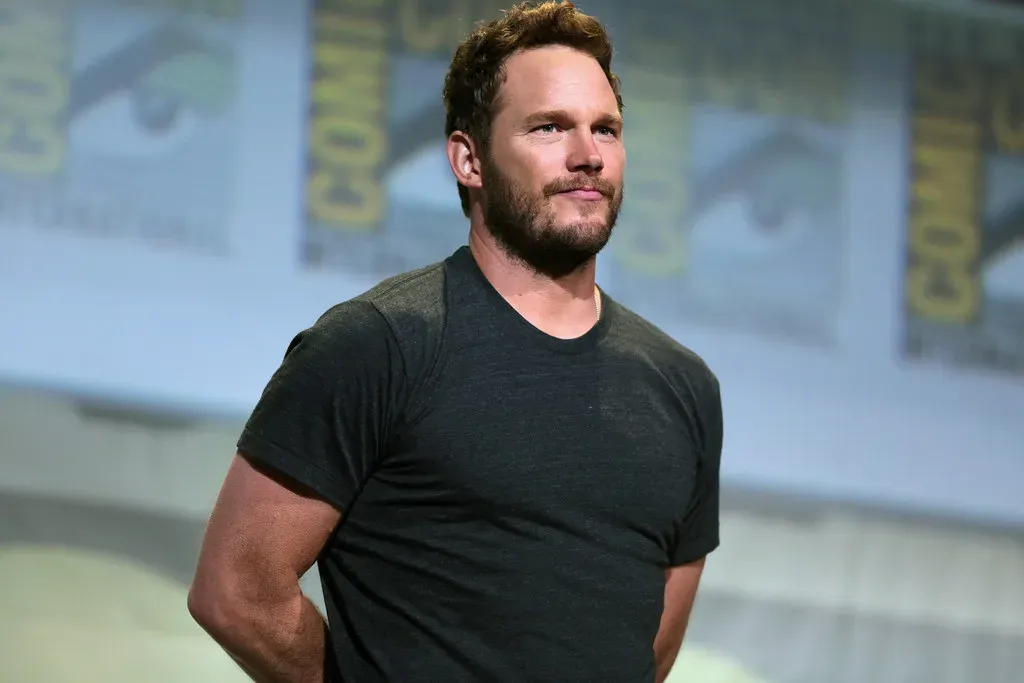
Chris Pratt’s Owen Grady stepped into the franchise as a very different kind of dinosaur expert: less lab coat, more leather vest and motorcycle helmet. As a former Navy man turned animal behavior specialist, he essentially plays a field ethologist whose subjects just happen to be hyper‑intelligent predators from the Late Cretaceous. The image of him standing, hand outstretched, maintaining a fragile trust with a pack of raptors became one of the most instantly recognizable visuals in modern blockbuster history.
What makes his repeated appearances interesting is how they translate modern animal training principles – conditioning, trust‑building, reading body language – into a heightened, cinematic context. You can argue all day about the biology of Jurassic World, but those scenes do quietly mirror real‑world debates about keeping apex predators in captivity and the line between partnership and exploitation. Pratt’s Owen might not talk in scientific jargon, yet his instincts, caution, and constant improvisation feel surprisingly close to how wildlife handlers describe working with big cats or wolves. In their own popcorn‑movie way, his films smuggle in a little behavioral science between chase sequences.
Bryce Dallas Howard: From Corporate Executive to Dinosaur Rights Advocate
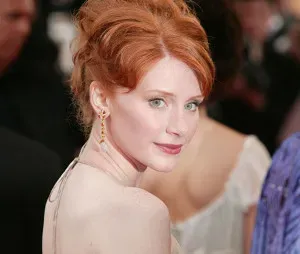
Bryce Dallas Howard’s Claire Dearing probably has the steepest learning curve of anyone on this list. When she first appears in Jurassic World, Claire is a polished park executive who sees dinosaurs largely as attractions, governed by spreadsheets, branding, and sponsorship deals. That perspective is uncomfortably familiar: it mirrors how modern tourism sometimes treats wildlife as assets rather than living beings with needs and boundaries.
Across subsequent films, though, Claire transforms into something closer to a conservationist, deeply invested in the welfare and rights of the very animals her industry once exploited. The shift may be dramatized, but it echoes the journey many real‑world professionals take when they move from corporate or institutional roles into more critical, advocacy‑driven positions. Howard’s arc invites viewers to reconsider their own relationship to animal entertainment, zoos, and theme parks. By the time she is orchestrating rescue missions and arguing for dinosaur protection, you could imagine her delivering a keynote at a conservation conference rather than a shareholder meeting.
BD Wong: The Geneticist Who Shows That the Real Monsters Are in the Lab

BD Wong’s Dr. Henry Wu is the franchise’s most persistent reminder that dinosaur stories are ultimately about human manipulation of nature. From his early days calmly explaining the cloning process in Jurassic Park to his later role engineering ever more aggressive hybrid creatures, Wu embodies the seductive power and creeping hubris of modern genetics. He is not a mustache‑twirling villain so much as a gifted scientist who keeps nudging one step further because he can, not because he should.
Wong’s repeated returns across multiple films quietly track how biotechnology itself has evolved in the real world, from early fascination with cloning to current anxieties over gene editing, designer organisms, and corporate control of DNA. Every time his character unveils a new creature, the films echo debates happening in real laboratories and ethics boards. In that sense, he might be the most “academic” figure in the entire series, channeling the tension between scientific curiosity and responsibility that keeps bioethicists up at night. If anyone in this fictional universe deserves an honorary doctorate in some terrifying subfield of genetic paleontology, it is probably him.
Sam Worthington: The Sci‑Fi Adventurer Who Keeps Meeting Ancient Beasts
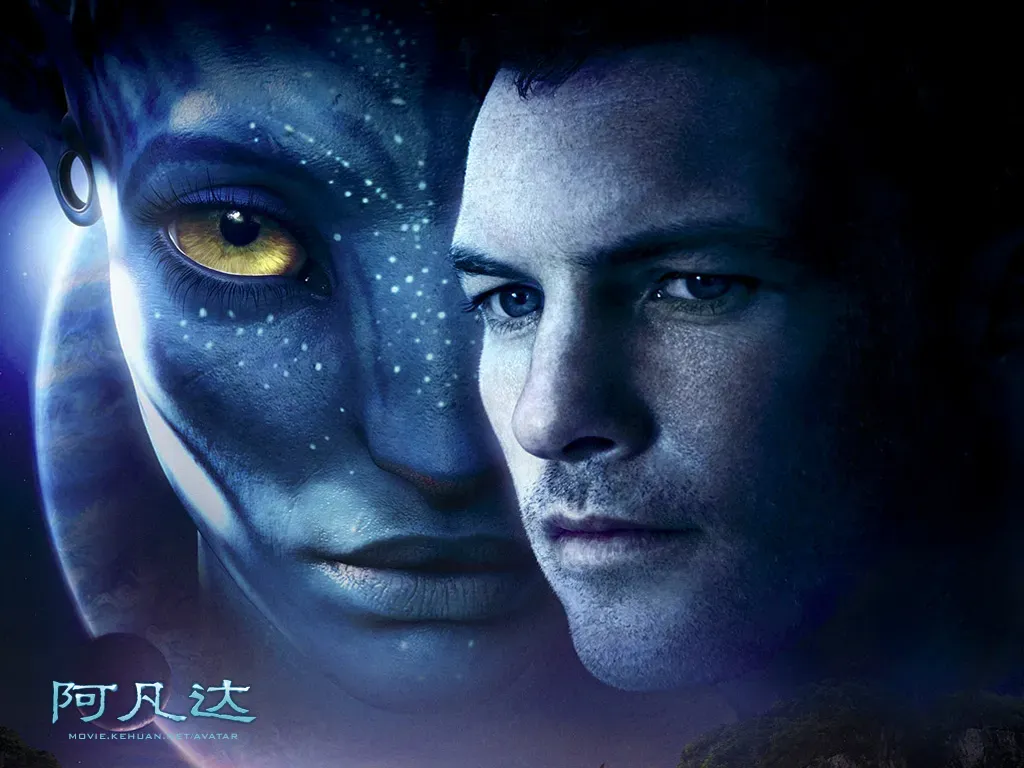
While Sam Worthington is best known for facing off against alien megafauna in the Avatar series, he has quietly become one of modern cinema’s go‑to faces for high‑concept stories about humans colliding with prehistoric‑style creatures. Whether he is navigating reimagined myths where giant reptilian monsters echo dinosaur designs or leading expeditions into lost worlds brimming with outsized predators, his characters often fill the same niche: the skeptical soldier or explorer forced to respect the power of beings far older than human civilization.
What makes Worthington an interesting fit for this list is how often his roles treat these creatures not just as threats, but as part of a larger ecological balance. His protagonists typically start out assuming they can dominate their environments through firepower and tactics, only to realize they are small players in a system that does not care about human ego. That shift – from conqueror to cautious student of the natural order – feels very much in line with what paleontology actually teaches: that humanity is a latecomer in a long planetary story dominated by animals that make us look fragile and temporary.
Doug Jones: The Creature Performer Who Understands Dinosaurs from the Inside Out
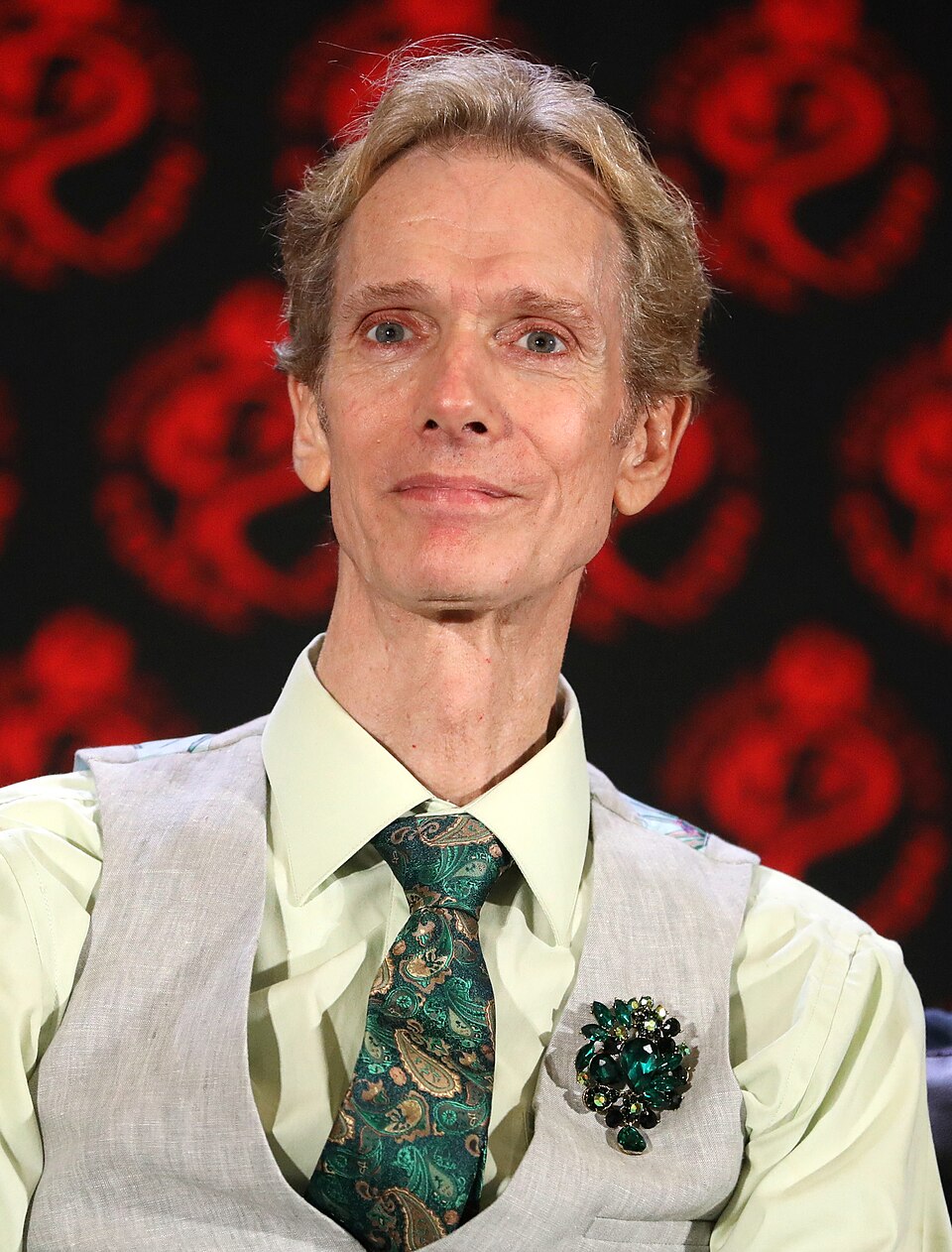
Doug Jones might not be the first name casual viewers think of when they picture dinosaur movies, but anyone who follows creature performance knows his work has defined how we imagine non‑human bodies on screen. Across multiple projects that feature prehistoric‑style monsters or dinosaur‑inspired designs, Jones has spent countless hours inside elaborate suits, learning how to move with the weight, balance, and otherness those creatures imply. In a strange way, he has done more “embodied” dinosaur research than many on‑screen scientists.
By studying animal motion, skeletal structure, and even how weight shifts through long tails or digitigrade legs, performers like Jones help directors and animators ground fantastical beasts in something that feels plausibly biological. That attention to physicality is exactly what paleontologists do when they reconstruct how extinct animals might have moved, hunted, or cared for their young. So while Jones’s name may not appear above the title, his repeated work bringing reptilian and saurian creatures to life arguably earns him honorary status as the franchise’s unofficial movement specialist in paleo‑biology.
Conclusion: When Actors Become Our Favorite “Fake” Paleontologists
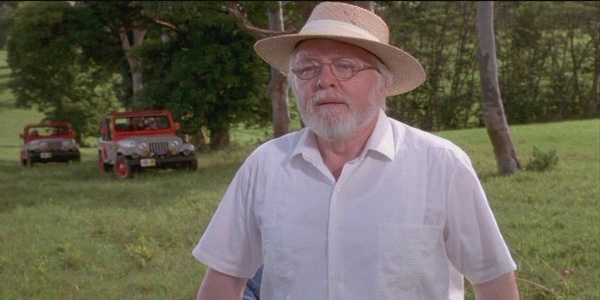
When you step back and look at this group, a pattern jumps out: these are not just people who happened to share scenes with CGI dinosaurs. They are performers whose repeated turns in prehistoric chaos have nudged mass audiences toward thinking about fossils, genetics, and ecosystems with a little more nuance. Whether it is Jeff Goldblum needling scientific hubris, Sam Neill staring at a raptor with a mix of fear and awe, or Bryce Dallas Howard evolving from park executive to protector, each of them has helped translate real scientific anxieties into emotional, memorable stories.
Of course, no one should confuse a blockbuster for a peer‑reviewed paper, and sometimes these films play so fast and loose with science that real paleontologists probably wince in their theater seats. But for many viewers, these actors are the first “teachers” they ever had on topics like extinction, cloning, and animal behavior. In that sense, honorary degrees in paleontology do not feel like such a stretch; they have spent decades turning complex ideas into images and feelings that stick. The fun question is: if you had to pick one of them to give a real lecture on dinosaurs, which chair in the front row would you be racing to grab?