You can almost hear the roar before you see anything: a shaking glass of water, a trembling jungle, people screaming as a massive, scaly something charges out of the shadows. Dinosaurs have become Hollywood’s favorite ready-made monsters, a kind of plug-and-play villain that guarantees chaos, explosions, and at least one helicopter crash. The funny part is that the real animals were already strange and terrifying in their own way, yet the film industry keeps cranking them up into supernatural boogeymen as if nature did not do a good enough job.
What gets lost in the noise is that dinosaurs were once living creatures with complex behavior, ecosystems, and vulnerabilities, not just boss-level enemies on two legs. When you look closely, a lot of famous dinosaur movies are less about ancient animals and more about fantasy monsters wearing a dinosaur costume. Let’s walk through eight striking examples where Hollywood went full monster mode, pushed science into the corner, and turned real creatures into ridiculous, over-the-top villains.
1. Jurassic Park’s Velociraptors: Genius Super-Ninjas With Door-Opening Powers
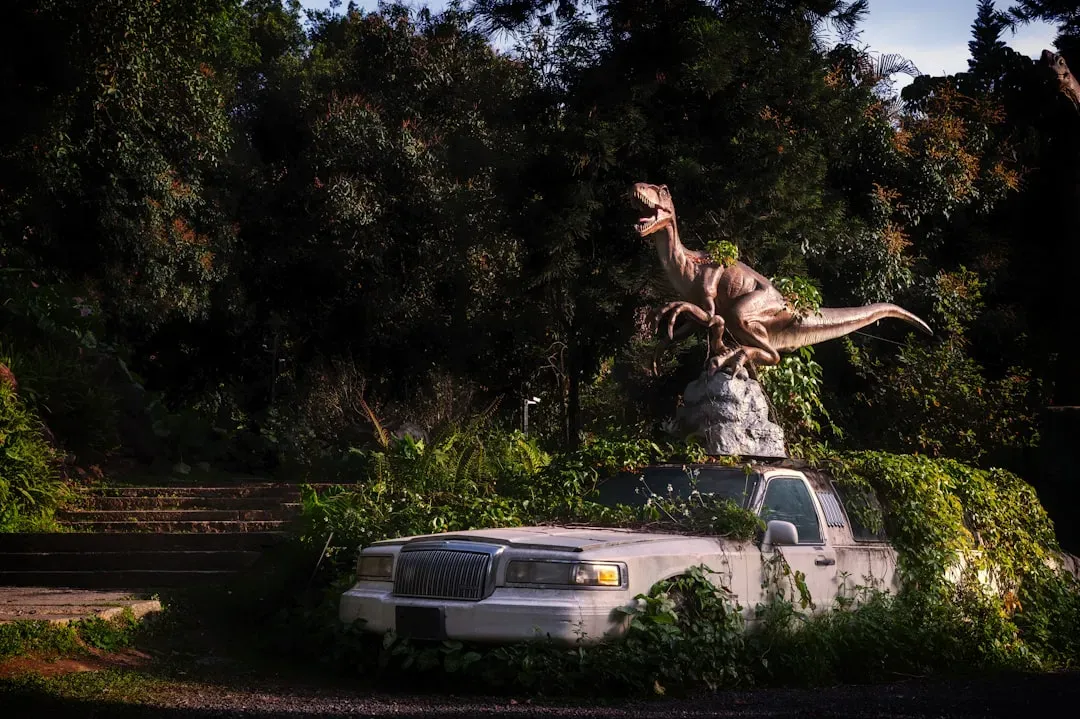
If there’s one dinosaur Hollywood has twisted almost beyond recognition, it’s the Velociraptor from the Jurassic Park franchise. On screen, raptors are human-sized, hyper-intelligent predators that stalk in coordinated squads, test fences, outwit humans, and open doors like seasoned burglars. The movies frame them as apex villains with near-human problem-solving skills, a kind of scaly special-ops team that always seems two steps ahead of everyone else.
In reality, the real Velociraptor was smaller, likely about the size of a big turkey, and there’s no solid evidence it had anything close to that kind of strategic intelligence. Many paleontologists point out that the film’s “raptors” are closer in size to another dinosaur, Deinonychus, and even then, pack tactics and humanlike cunning are mostly speculation. The real animals were still dangerous predators, but they were not evil masterminds scheming to take over the visitor center. Hollywood took a fascinating, birdlike hunter and inflated it into a horror-movie slasher with claws.
2. Jurassic World’s Indominus Rex: The Frankenstein Dino Built Just to Be a Monster
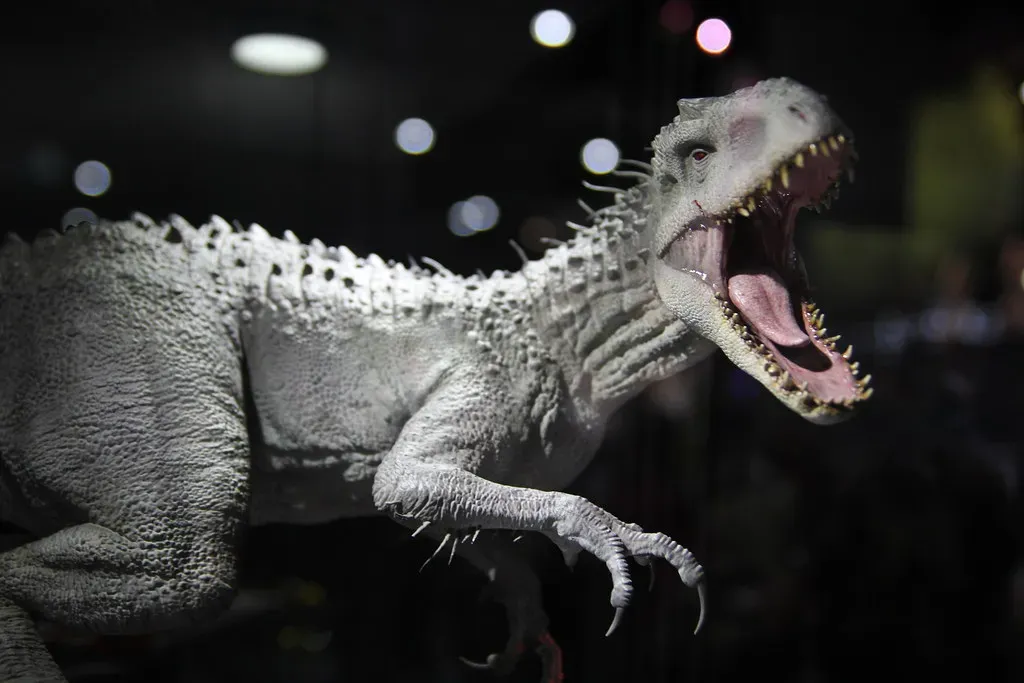
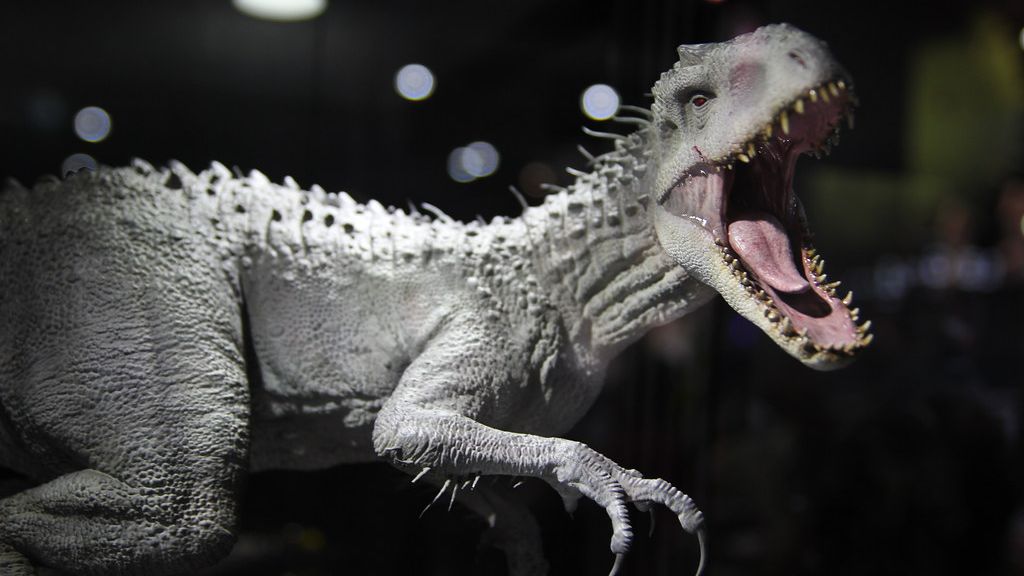
Jurassic World looked at the already terrifying idea of a cloned Tyrannosaurus and basically said, that’s not nearly scary enough. Enter the Indominus rex, a fully fictional, genetically engineered hybrid mashed together from T. rex, raptors, and whatever else the script needed that day. It can camouflage like a cuttlefish, hide from thermal cameras, communicate with raptors, and seems to kill for sport rather than survival. The entire creature is built from the ground up to be a movie monster, not even pretending to be a plausible animal.
From a biological perspective, the Indominus is a carnival of nonsense. Real animals evolve traits because they improve survival or reproduction, not because they make an exciting third-act twist. A giant predator that constantly hunts for fun, glows on every radar except when the plot needs stealth, and shrugs off tranquilizers is basically a kaiju with a Latin name. The film leans into this absurdity, using the hybrid as a blunt metaphor for corporate hubris, but it also cements the idea that “dinosaur” now just means “whatever monstrosity we can dream up to terrorize a theme park.”
3. The Lost World’s T. rex in San Diego: Godzilla Cosplay on the City Streets
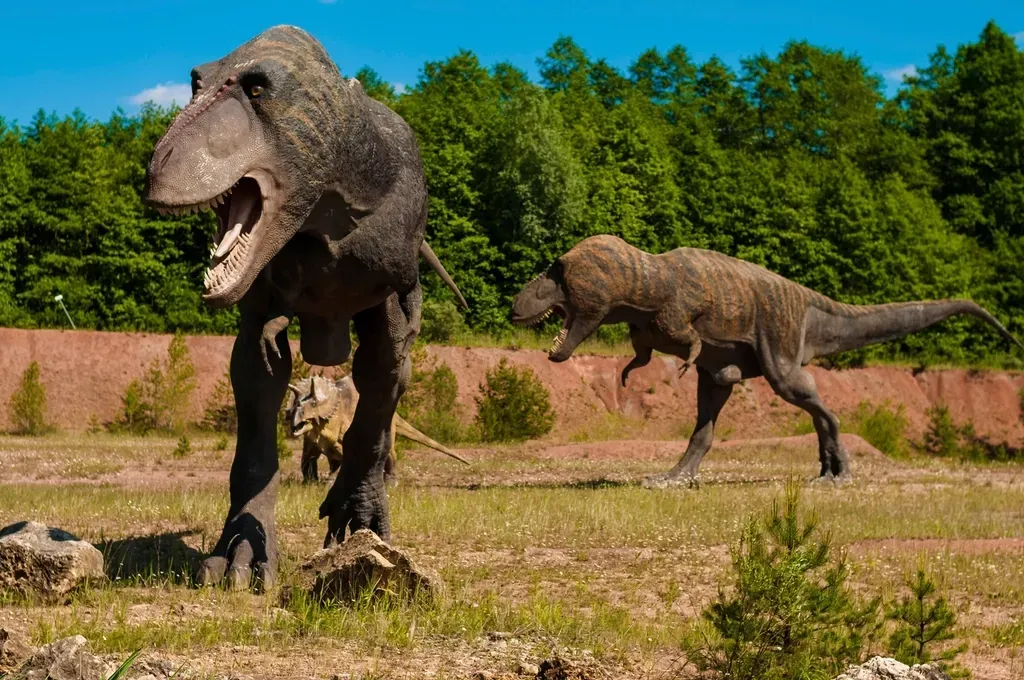
In The Lost World: Jurassic Park, the climax rips a Tyrannosaurus out of its jungle setting and drops it into downtown San Diego like a scaly cousin of Godzilla. The Rex crashes through neighborhoods, chomps on people at a gas station, and stalks the suburbs as if it has a personal grudge against American infrastructure. It is treated less like a confused, disoriented animal and more like a disaster movie villain that woke up and chose mayhem.
The reality is that a giant predator ripped from its ecosystem, dumped into a noisy city, and deprived of familiar prey would likely behave in a mix of panic, confusion, and opportunistic feeding, not calculated cinematic rampage. A real T. rex had limits: it needed rest, it had a specific diet, and it was not indestructible. The San Diego sequence basically turns the dinosaur into a walking metaphor for runaway chaos, a big stomping symbol rather than a living thing. It is thrilling to watch, but it pushes the Rex fully into monster territory, leaving natural behavior somewhere back on the island.
4. King Kong’s Skull Island Dinosaurs: Walking Fossils as Pure Cannon Fodder
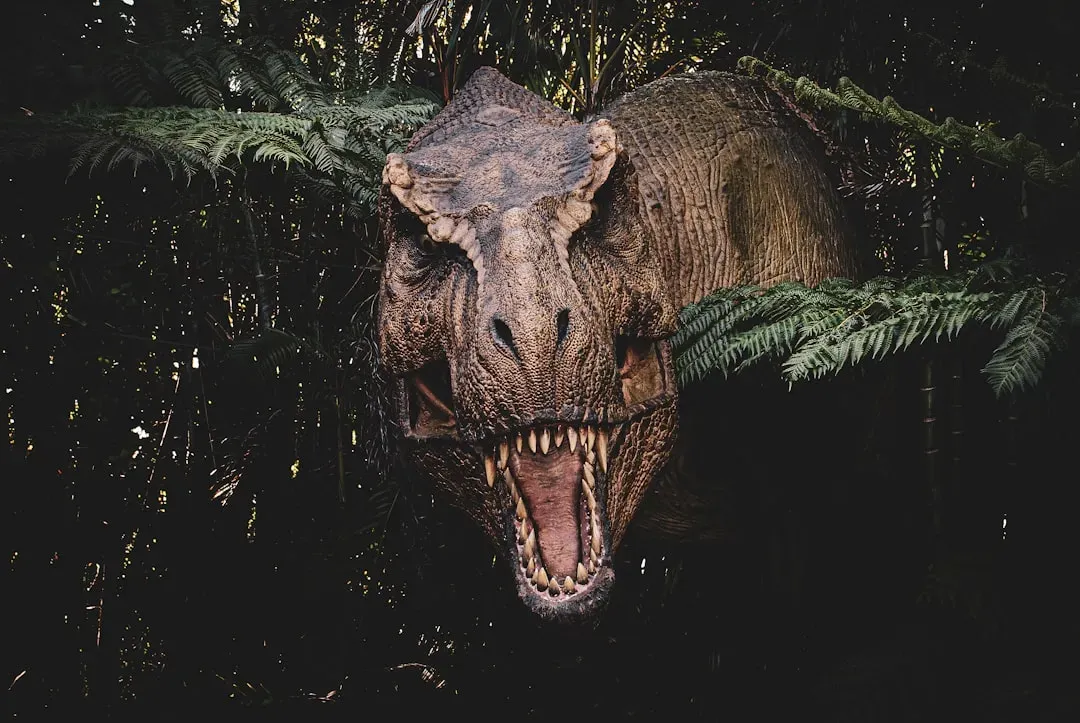
Several versions of King Kong include dinosaurs on Skull Island, and they are almost always there for one reason: to create brutal, over-the-top battles that show off Kong’s strength. The dinosaurs charge in screaming, bite a few unlucky victims, and then get torn apart as if they are made of rubber. They rarely show any real animal behavior like nesting, feeding, or even simple caution. They are essentially moving props that exist so the audience can watch monster versus monster carnage.
This treatment flattens dinosaurs into one-dimensional villains, ignoring the fact that in their own time they were part of dynamic food webs with survival strategies and instincts. A large predatory dinosaur, for example, would not simply rush headfirst toward an obviously powerful opponent just for the thrill of combat. But in the Kong films, they behave more like mindless video game enemies that exist to be spectacularly defeated. The result is visually wild and entertaining, but it turns once-living species into anonymous stunt performers for a giant ape.
5. The Creature from The Legend of Dinosaurs & Monster Birds: When “Dinosaur” Just Means “Sea Demon”
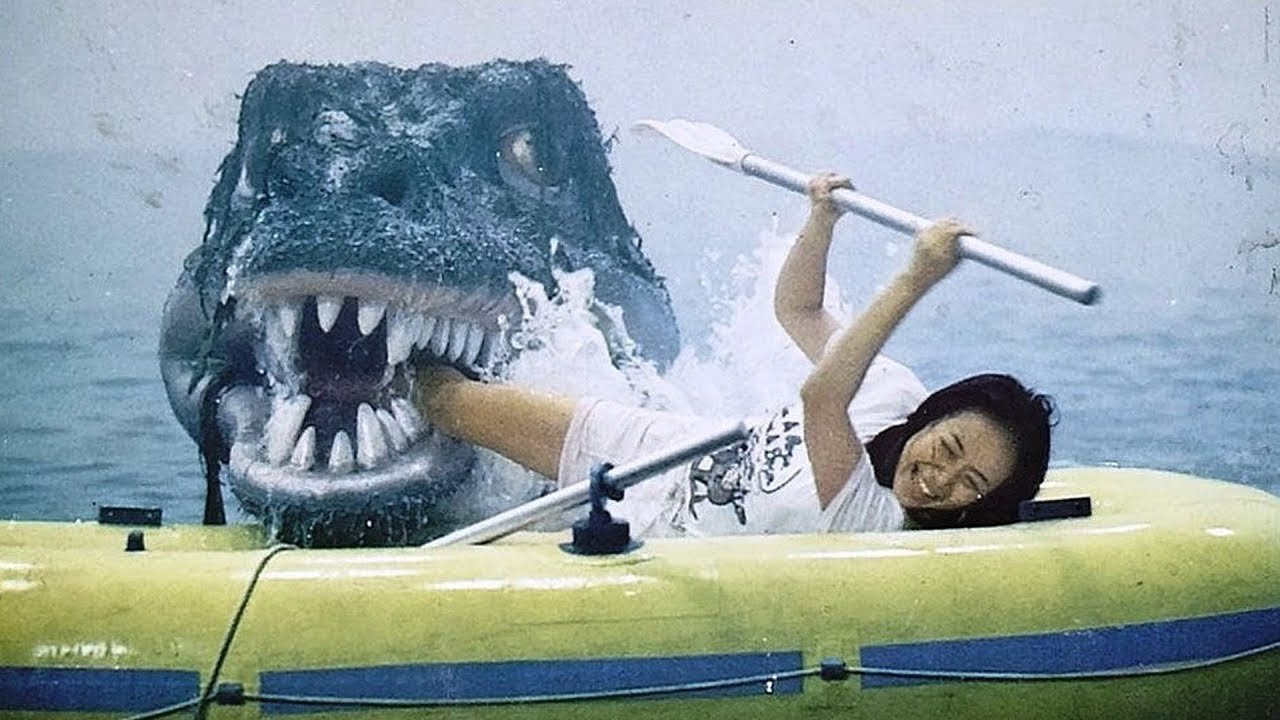
Some older monster movies barely even try to match dinosaurs to real species, using the word simply as shorthand for anything big and scaly. In the Japanese film The Legend of Dinosaurs & Monster Birds, the supposed dinosaurs are essentially marine and flying beasts that behave like supernatural threats. One lurks in lakes and attacks boats in ways that feel closer to ghost stories about cursed waters than to the behavior of any known prehistoric reptile. The lone purpose of these “dinosaurs” is to menace humans in isolated, moody environments.
The idea that a surviving prehistoric animal might hide in a remote lake or cavern is already a reach, but the film doubles down by stripping the creatures of any ecological context. We do not see them hunt natural prey, interact with their environment in a realistic way, or display the kind of routine, boring behavior that fills most of an animal’s life. Instead, they surface only to attack, vanish when the plot needs quiet, and reappear like summoned monsters in a fantasy story. The result is spooky and fun, but it bears almost no resemblance to how an actual dinosaur or pterosaur would have existed in the real world.
6. Triassic Attack and the “Living” Fossil Skeletons: Undead Dinosaurs as Magical Killers
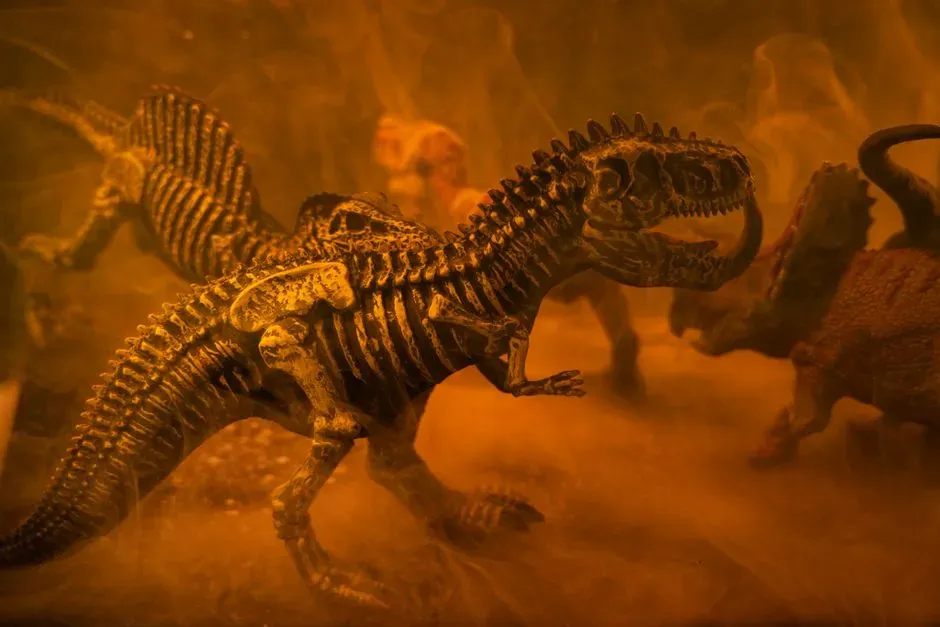
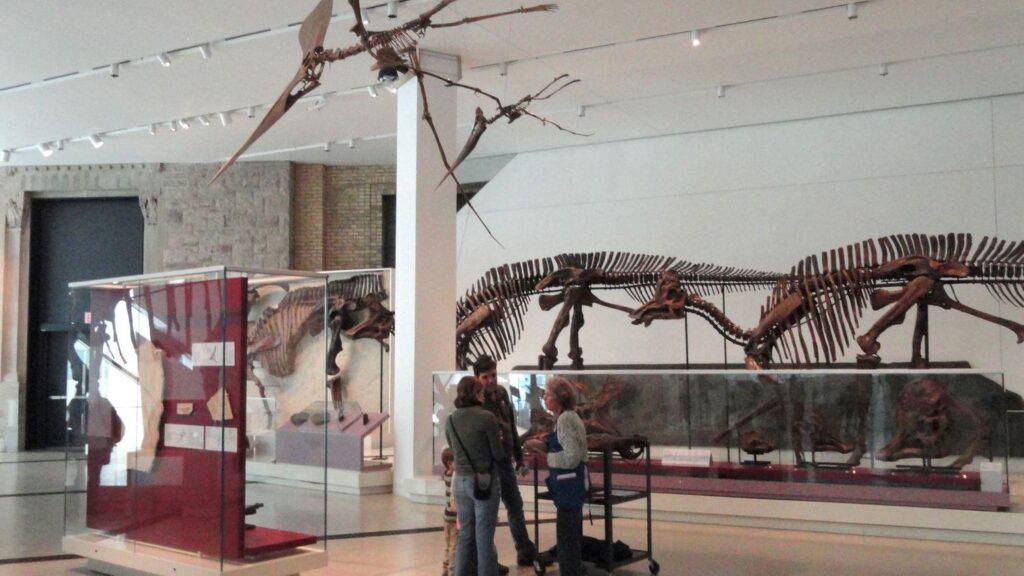
Television movies like Triassic Attack take the monster approach to an absurd extreme by animating dinosaur skeletons through magic or curses. These bony creatures march through towns, smashing cars and chasing people despite not having muscles, organs, or anything approaching a functioning body. They do not eat, sleep, or react to pain. They are as far from real animals as a haunted suit of armor, yet they are still labeled as dinosaurs to cash in on that familiar fear and fascination.
On a scientific level, the idea of an exposed skeleton walking and attacking is impossible; bones are passive structures that only move because of muscles, tendons, and complex biology. By treating dinosaur remains like inherently evil artifacts that wake up and kill, these stories quietly turn paleontology into a source of curses rather than knowledge. The skeleton becomes a talisman of horror, a monster skin that can be draped over any ghost story. It is an entertaining visual, but it erases the animal that once owned those bones and replaces it with a magical horror prop.
7. Disney’s Dinosaur Carnotaurus: Night-Stalking Demon Instead of a Real Predator
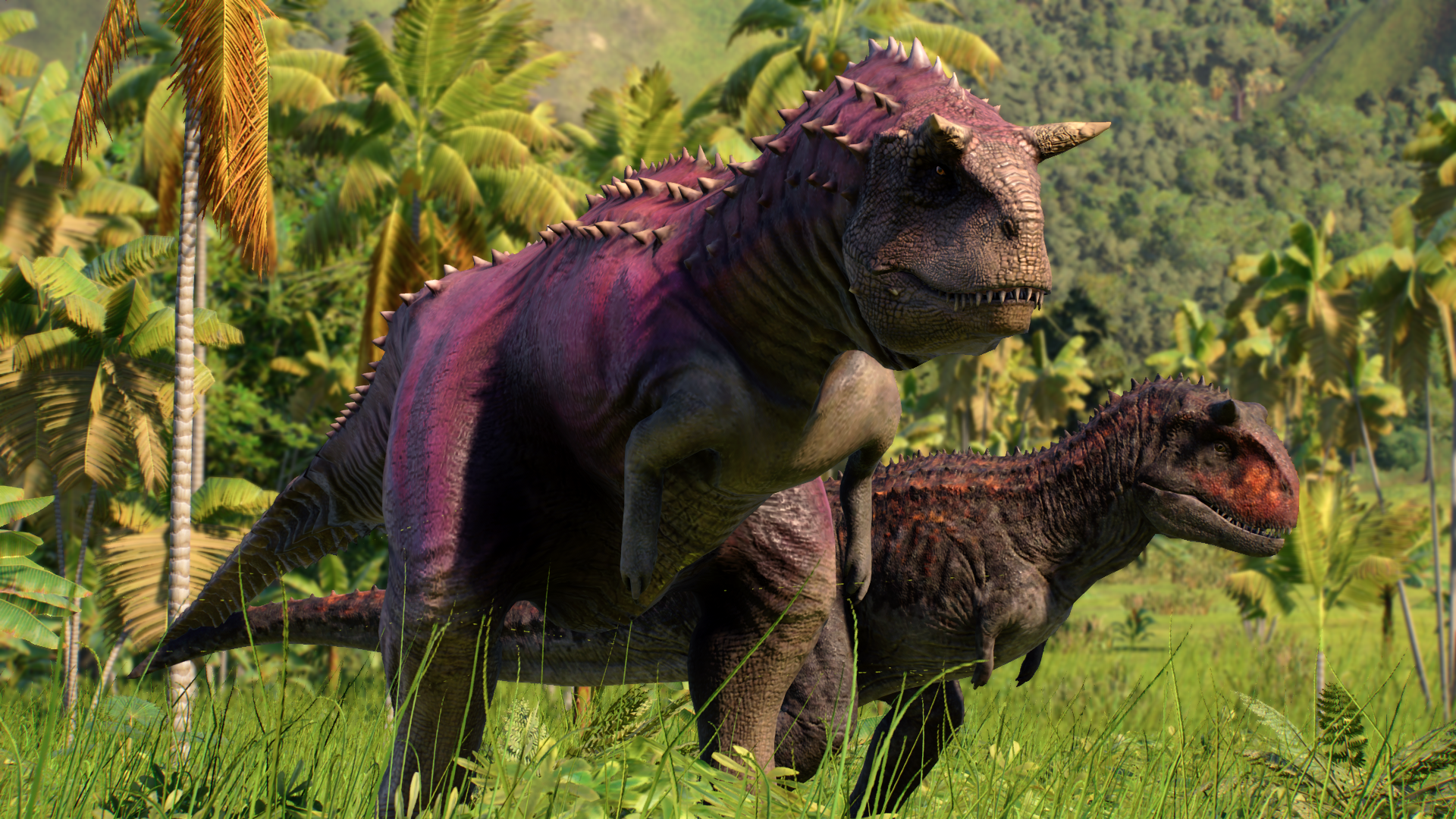
Even family films lean into the monster angle. In Disney’s Dinosaur, the main villain role falls to a pair of Carnotaurus, portrayed as relentless, nearly unstoppable threats that stalk the protagonists with menacing roars and glowing eyes. They appear almost like demons that materialize whenever the heroes think they are safe, always perfectly timed for maximum fear. Their behavior is shaped entirely around narrative tension, not around anything that resembles daily survival in a prehistoric ecosystem.
The real Carnotaurus, based on fossil evidence, was certainly a fearsome predator with powerful legs and a muscular tail, but it was still an animal bound by hunger, competition, and the need to conserve energy. A real hunter does not spend all day sprinting after every moving thing just to inspire terror. In turning Carnotaurus into a single-minded villain, the film strips away details like scavenging, rest, social behavior, or territorial disputes with other species. The dinosaur becomes a mobile jump-scare machine, serving the plot’s need for a chase sequence rather than any honest attempt at animal behavior.
8. The Asylum-Style Dino Flicks: Sharknado Logic With Extra Teeth
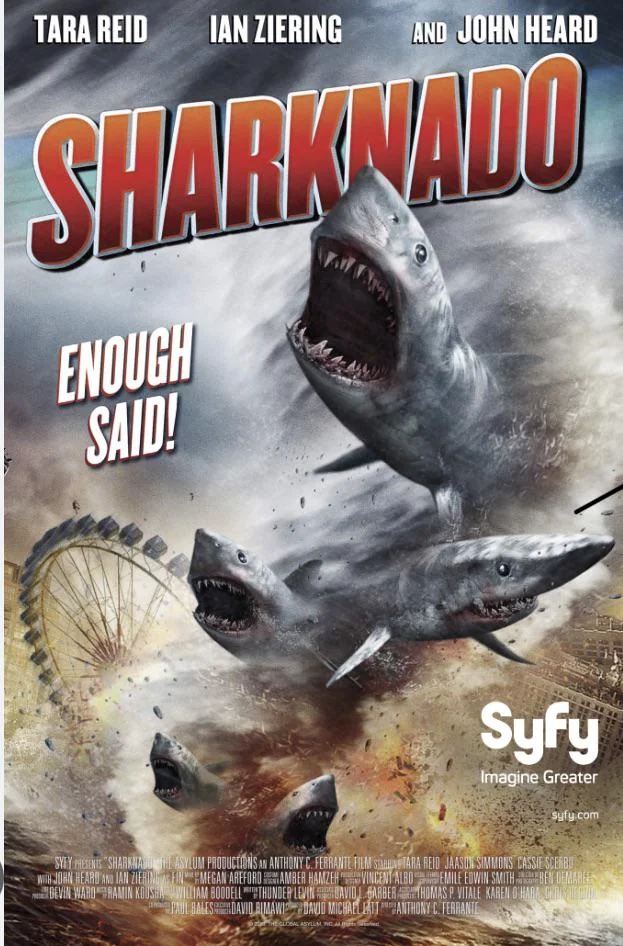
Then there are the low-budget, straight-to-streaming dinosaur movies that barely pretend to care about science at all. In these films, dinosaurs might appear in the modern world through time rifts, bad experiments, or no explanation whatsoever. They often shrug off bullets, leap onto helicopters, and behave with a kind of gleeful sadism, targeting people in the most dramatic way possible. The creatures are less like animals and more like supernatural slasher villains, complete with cheesy one-liners and wildly exaggerated kills.
What stands out is how these movies use the word “dinosaur” as a brand, not a biological category. The animals rarely look or move like what scientists reconstruct from fossils; feathered species suddenly have bare, lizardlike skin, and anatomical details are tossed aside in favor of oversized teeth and glowing eyes. The goal is simple: create the wildest monster possible under a familiar label. In that sense, these films are almost honest about what they are doing. They are not misrepresenting dinosaurs by accident; they are openly treating them as costumes for chaos.
Conclusion: When Dinosaurs Stop Being Animals and Start Being Masks for Our Fears
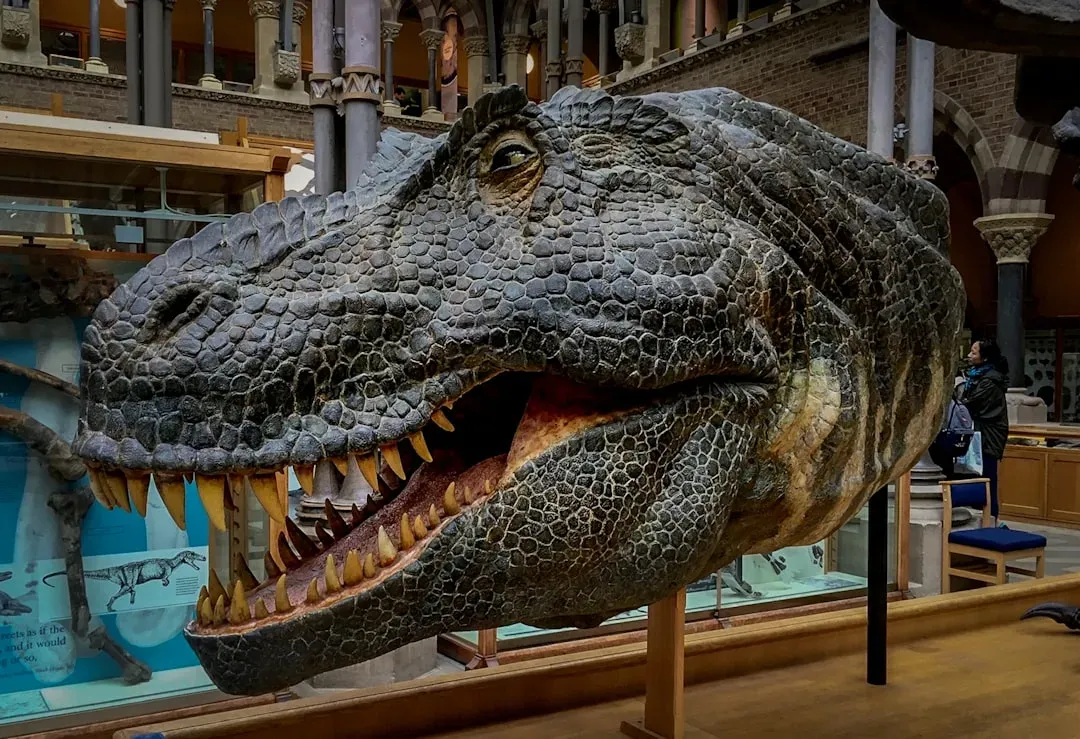
When you line these examples up, a pattern jumps out: Hollywood is far less interested in dinosaurs as animals than as mirrors for human anxieties. Whether it is genetic engineering gone wrong, cities under siege, or ancient curses awakened, the dinosaur is usually just the mask strapped over whatever fear the story wants to explore. That is not automatically a bad thing; monster stories are a timeless part of human culture, and it is natural that we twist prehistoric creatures into symbols and villains. But something is lost when audiences never see them as real, breathing beings that once nested, hunted, rested, and died like any other animal.
Personally, I think the most exciting future dinosaur movies will be the ones brave enough to let science make them stranger, not just scarier. Real dinosaurs had feathers, funky crests, bizarre horns, and behaviors we are only starting to guess at, and that reality is often more surprising than any hybrid monster cooked up in a lab on screen. Instead of always asking how to make them deadlier, maybe filmmakers could ask how to make them truer and still thrilling. After all, nature already wrote a pretty wild script; why not use more of it next time? Which would you rather see: yet another indestructible movie monster, or a real animal so weird it feels like science fiction on its own?