Somewhere between plastic toy bins, movie screens, and museum gift shops, dinosaurs went from mysterious prehistoric animals to full‑blown celebrities. That would be fine if the fame lined up with the fossils, but it usually doesn’t. A handful of dinosaur “A‑listers” hog the spotlight while more fascinating, stranger, and honestly cooler species are left off the marquee entirely.
This list is not about hating dinosaurs; it’s about calling out the gap between what pop culture sells us and what the science actually says. We’re going to talk about the usual suspects, pull apart some myths, and probably step on a few nostalgic toes along the way. If you’ve ever quietly wondered whether your childhood favorite might actually be kind of mid compared to the wild diversity of real dinosaurs, you’re in exactly the right place.
Tyrannosaurus rex: Still the Drama Queen of the Mesozoic
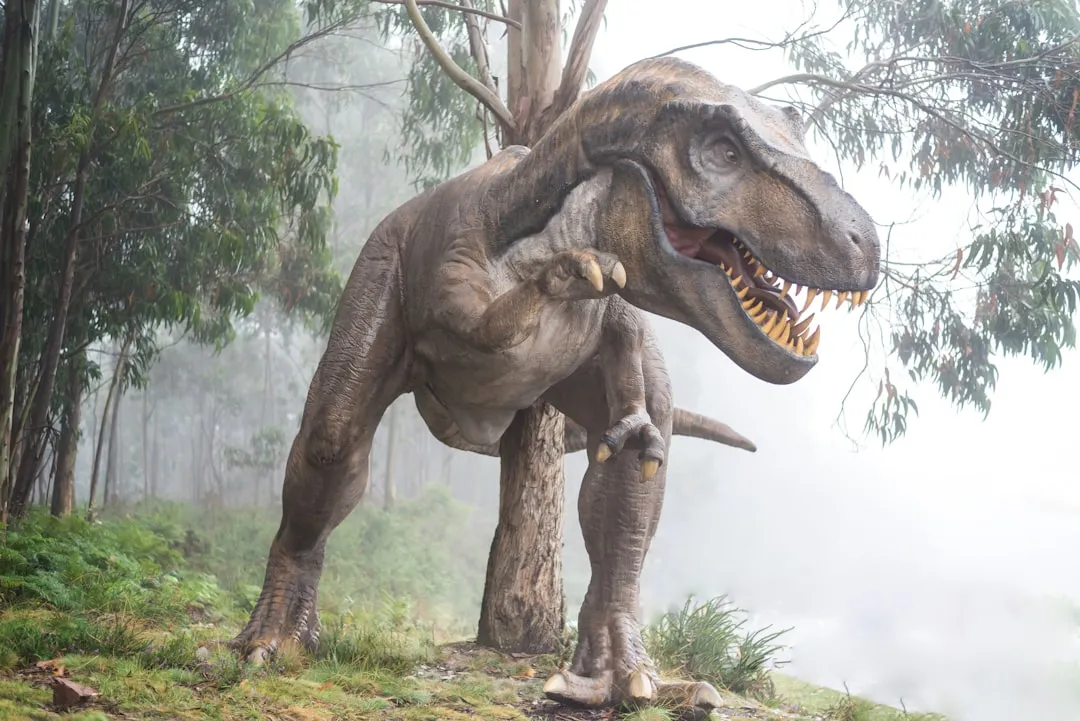
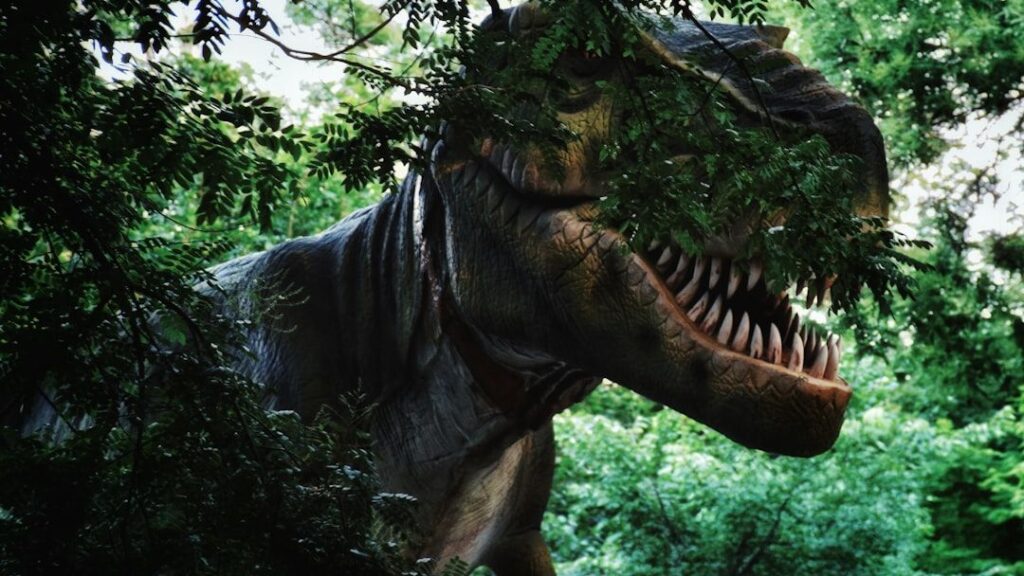
Tyrannosaurus rex is the Beyoncé of dinosaurs: iconic, everywhere, and treated like the only act that matters. It absolutely was a powerful apex predator in Late Cretaceous North America, with a massive skull, bone‑crushing bite, and serious muscle. But pop culture keeps exaggerating it into an unstoppable movie monster that hunted everything, lived everywhere, and single‑handedly defined the dinosaur age, which just is not how the fossil record works.
For one thing, T. rex lived only at the very end of the Cretaceous, in a specific part of the world, and it shared that world with plenty of other fearsome animals, from horned ceratopsians to armored ankylosaurs that could mess it up badly. Modern research also paints T. rex as a bit more complex than the roaring, constantly sprinting killer we see on screen, with strong evidence it could scavenge and likely moved slower than the cinematic sprinting car‑chaser. It is still impressive, but the way we treat it as the default dinosaur and the ultimate measure of coolness really pushes it into overrated territory.
Velociraptor: Tiny, Feathery, and Absolutely Miscast
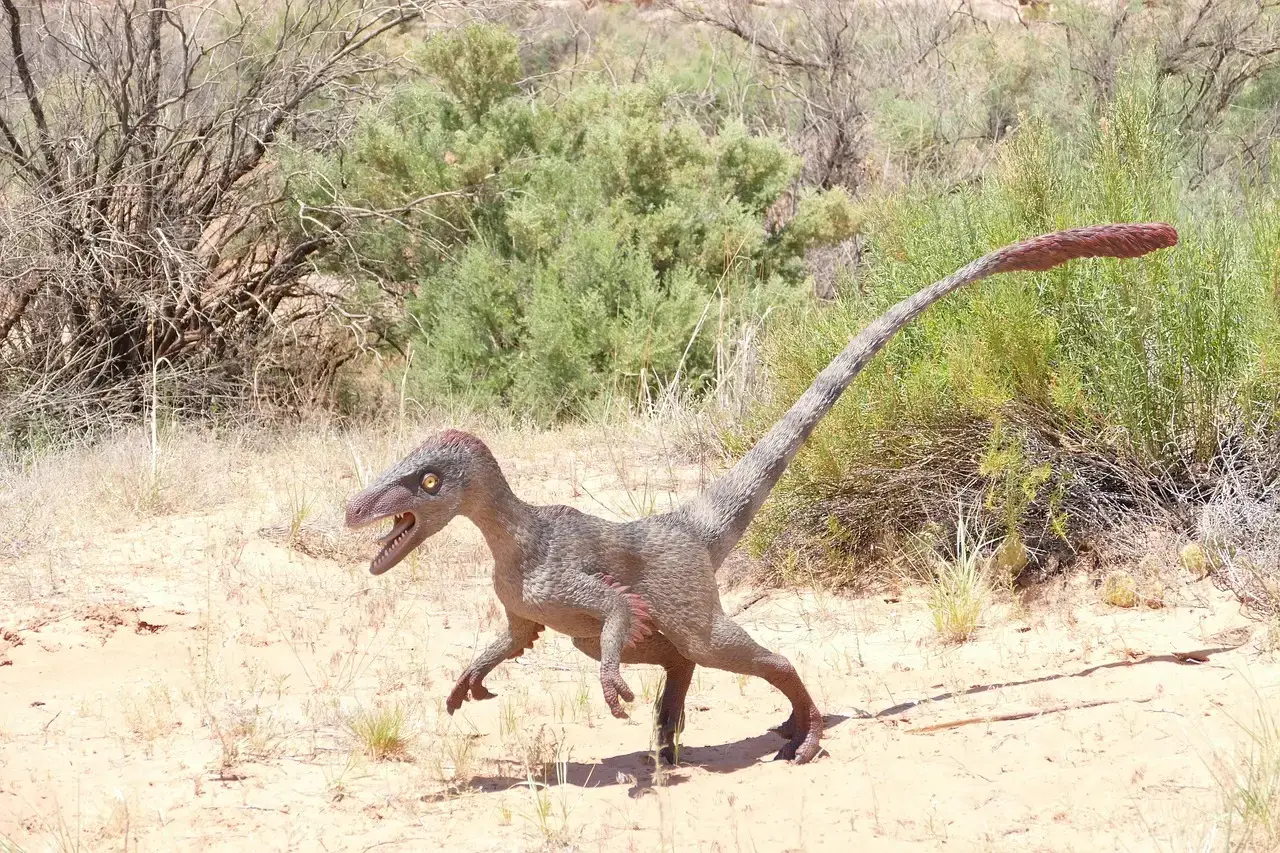
Pop culture Velociraptor is a human‑height reptilian ninja with door‑opening intelligence and a taste for jump scares. Real Velociraptor was closer to the size of a large turkey, light‑built, and almost certainly feathered, with a long stiff tail and a sickle‑shaped claw used in ways we are still debating. The sleek, scaly, wolf‑sized pack killers that live rent‑free in our heads are basically a mash‑up of different dromaeosaurids, scaled up for cinematic effect.
There is nothing wrong with being a turkey‑sized predator; ecologically, that is a very successful body plan. What makes Velociraptor overrated is how its Hollywood version crowds out the real, nuanced science around bird‑like theropods, intelligence, and social behavior. Instead of sparking curiosity about how closely related these animals are to modern birds, the pop version leans into horror‑movie tropes. It is cool, sure, but once you know how misrepresented this dinosaur is, the hype feels a bit like false advertising.
Triceratops: The Perpetual Underdog Who Was Not That Helpless
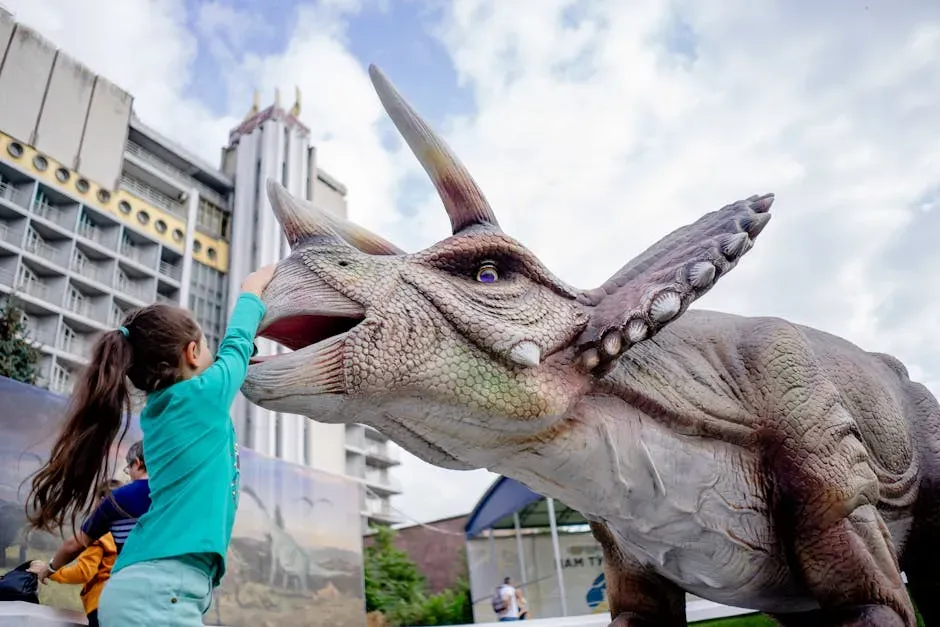
Triceratops in movies is usually the big, lovable herbivore that exists mainly to be chased, wounded, or tragically taken down by a larger carnivore. In reality, this was a tank with a beak. It had a massive skull, bony frill, and three serious horns, plus a heavy, muscular body designed to push back. There is fossil evidence of healed bite marks and injuries that suggest confrontations with predators did not always end with Triceratops on the losing side.
The overrated part is not that Triceratops is too famous, but that its fame is weirdly passive and sentimental. Pop culture often flattens it into “the gentle one,” robbing it of the dynamic behavior implied by horn wear, frill damage, and comparisons with modern horned mammals. This was probably an animal that fought rivals, defended territory or mates, and was fully capable of seriously injuring a would‑be attacker. As a result, the pop‑culture Triceratops is paradoxically both beloved and deeply underestimated, which feels like a strange kind of overrating: famous image, shallow understanding.
Stegosaurus: Iconic Plates, Surprisingly Boring Stereotype
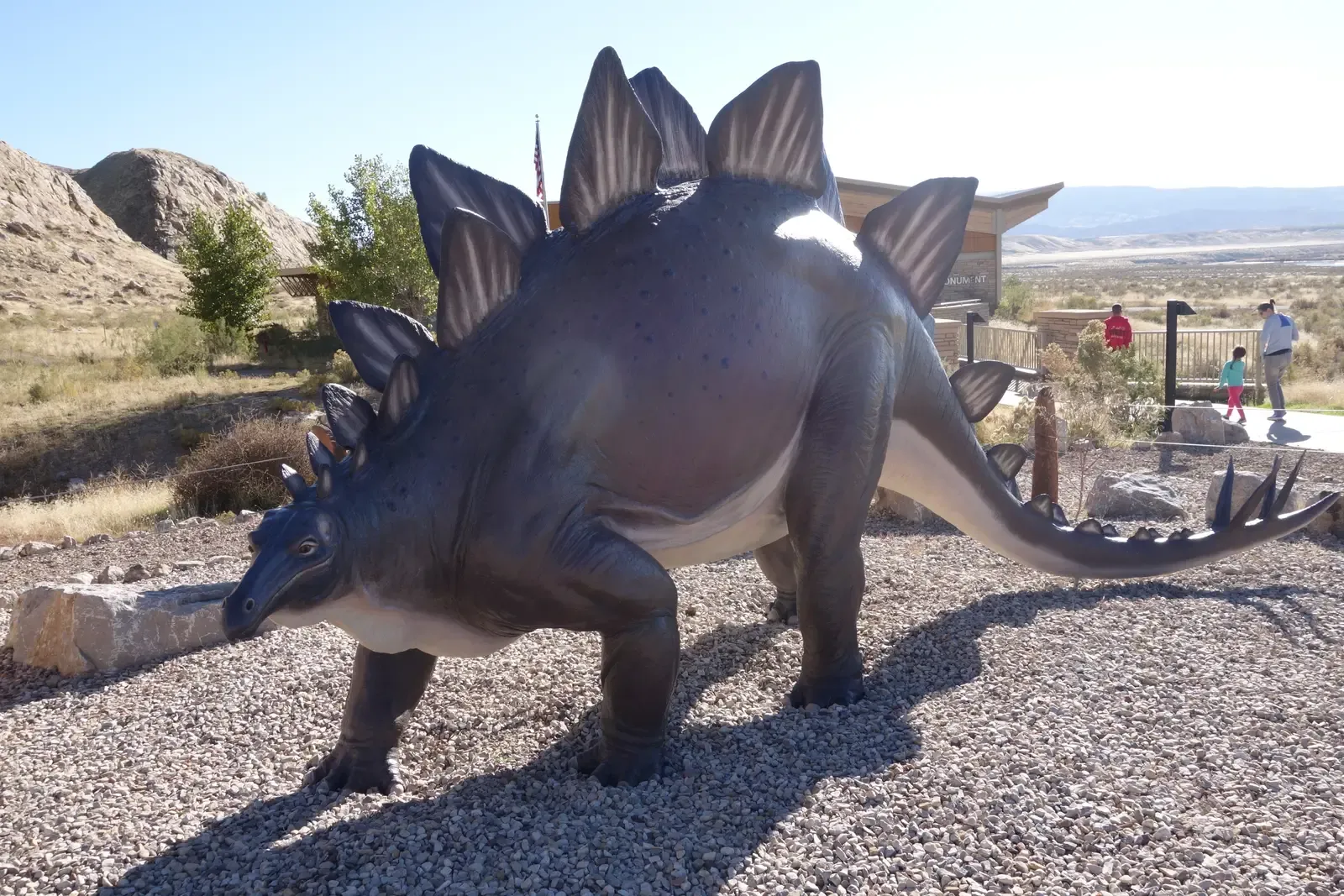
Stegosaurus might be the most instantly recognizable dinosaur after T. rex, thanks to those big back plates and spiked tail. Toys, cartoons, and logos use it constantly, usually as shorthand for “classic dinosaur.” But if you dig into how it is portrayed, it tends to be the slow, not‑very‑bright plant eater that wanders around waiting for something more interesting to happen. That reputation leans heavily on outdated ideas about brain size and behavior that modern paleontology has largely moved past.
The plates themselves are probably not the indestructible armor pop culture implies; they were more likely involved in display, thermoregulation, or species recognition. The tail spikes, on the other hand, were serious weapons, with evidence that they were used in combat. The overrated part comes from how much attention we give the silhouette while staying stuck in an old narrative about stupidity and clumsiness. The real animal was stranger and more complex than that, but you would rarely guess it based on the way it keeps getting typecast as the slow kid in the dinosaur class.
Brachiosaurus: The Eternal Giant That Was Not Always There
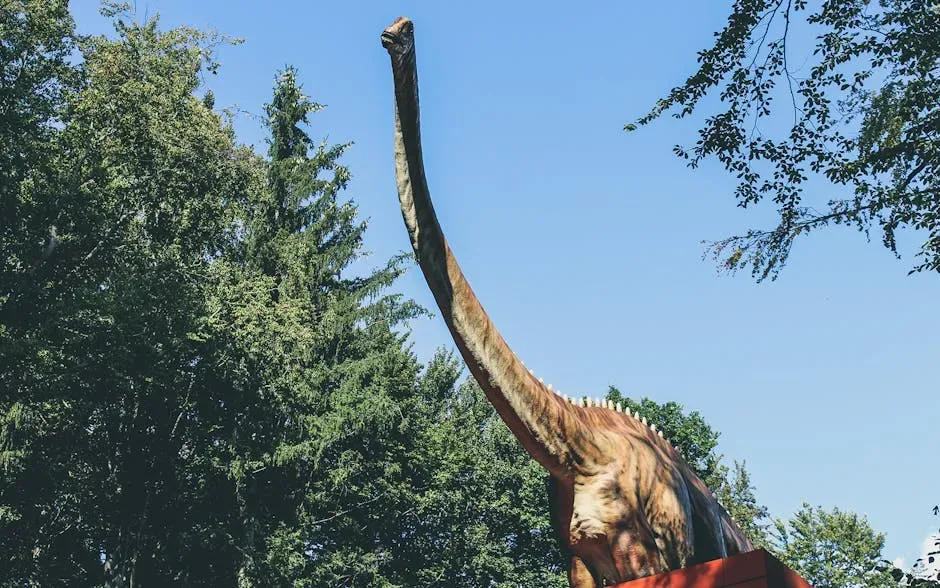
When movies want to say “welcome to the land of dinosaurs,” they usually pan to a towering long‑necked sauropod, and Brachiosaurus almost always gets the name drop. The thing is, paleontologists have revised which fossils actually belong to Brachiosaurus and which do not, and a lot of the gigantic sauropod shots people think of are based on relatives that are technically different genera. Meanwhile, there were many sauropods from different time periods and continents, some longer, some heavier, some stranger, that almost never show up on screen.
This narrow focus makes Brachiosaurus weirdly overrated as the default giant, as if it single‑handedly represents all long‑necked dinosaurs. In reality, sauropod diversity was wild, with variations in neck length, body proportions, armor, and even possible social behaviors. Reducing all of that to “this one big friendly giraffe‑necked dinosaur you recognize from the movie” sells the entire group short. Brachiosaurus is cool, but the idea that it is the giant of the dinosaur world is a pop‑culture shortcut, not a scientific conclusion.
Spinosaurus: From Underdog to Overcorrected Superstar
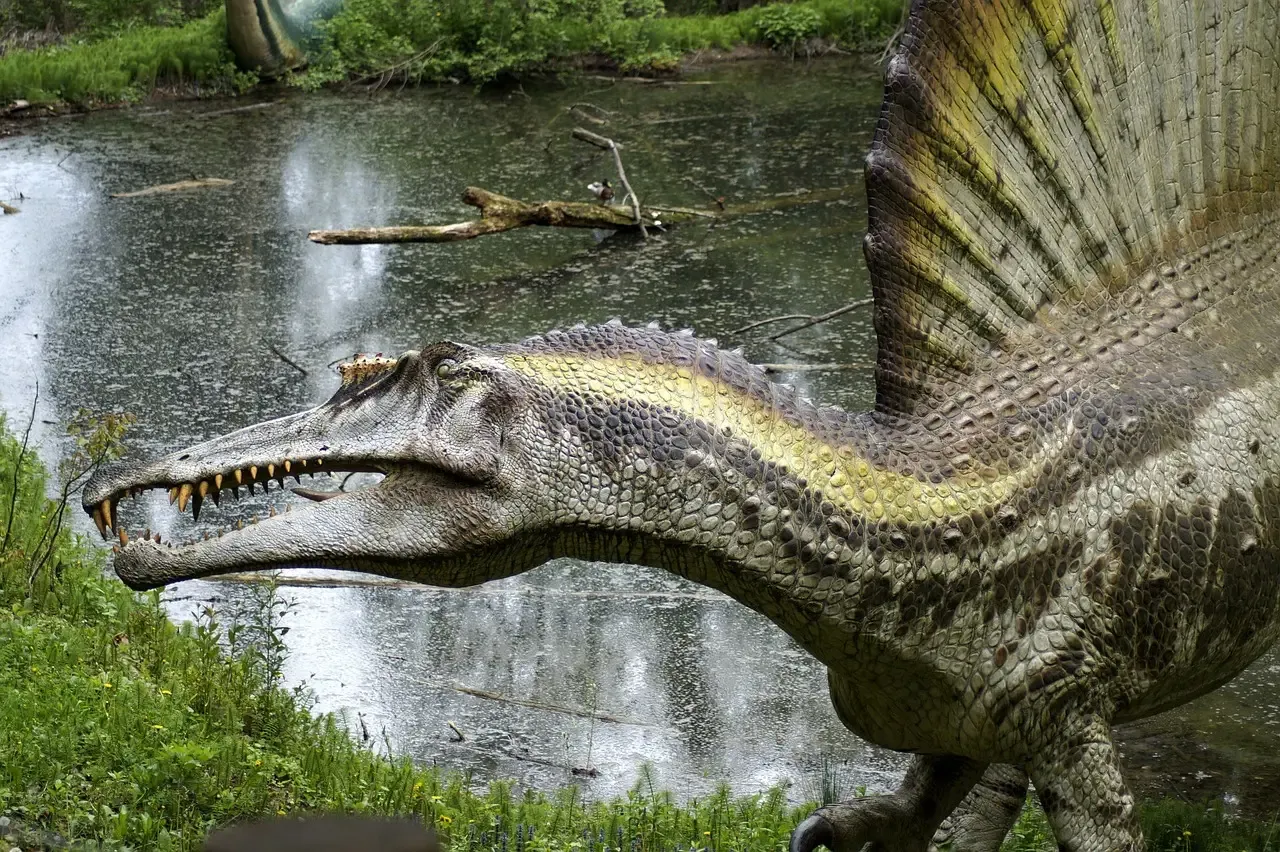
Spinosaurus used to be relatively niche in popular media, then one big blockbuster fight scene threw it into the spotlight as the dinosaur that could beat T. rex. Since then, new research has suggested it was semi‑aquatic, with a body adapted to life around and in water, including possible webbed feet, a reinterpreted tail, and a center of mass that does not match the land‑running monsters of older depictions. The science here is still evolving, with active debates about posture, lifestyle, and swimming ability.
That scientific uncertainty did not stop pop culture from rapidly turning Spinosaurus into the edgy new main character: the ultimate super‑predator, the water‑land hybrid boss fight, the dinosaur that “replaces” T. rex in the hype hierarchy. That whiplash from obscure to overexposed is exactly why it makes this list. Instead of letting the research settle, movies and games rushed for spectacle, creating yet another exaggerated, simplified monster that only loosely tracks the current evidence. Overrated does not mean uninteresting; in Spinosaurus’s case, it means the real story is drowned out by the loudest one.
Parasaurolophus: The Aesthetic Darling of Dino Merch
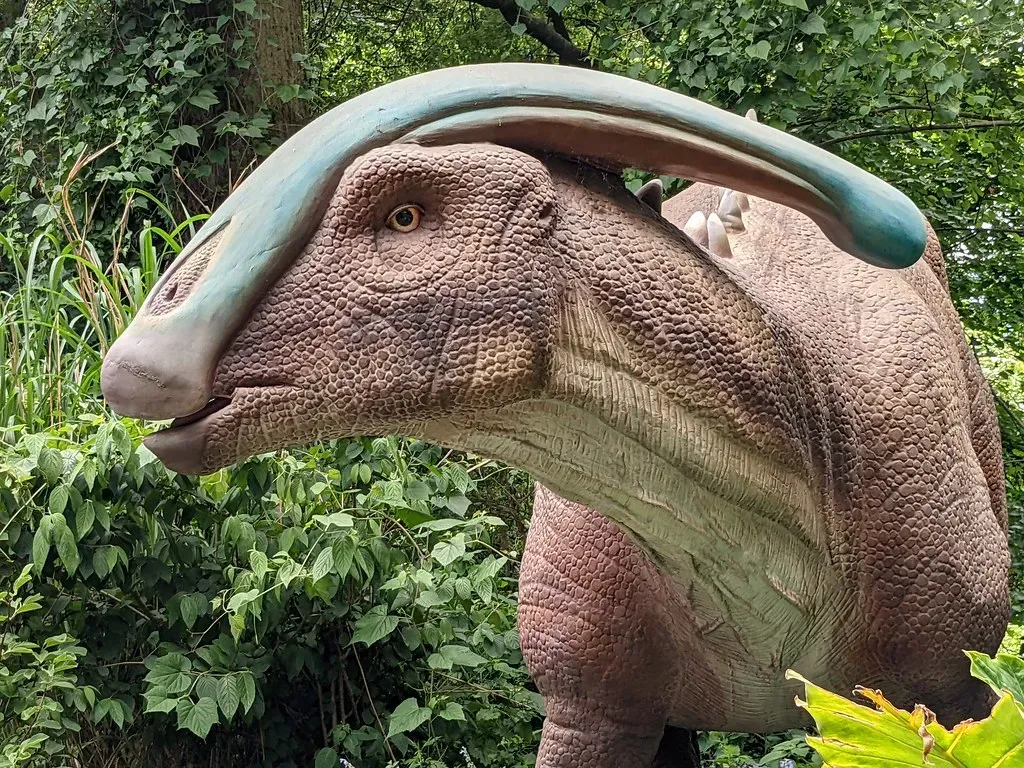
Parasaurolophus is the hadrosaur with the long backward crest that shows up in every “peaceful herbivore” scene and on a shocking amount of T‑shirts, posters, and kid bedding. That crest is genuinely interesting, with strong evidence it housed complex nasal passages that could have been used for sound production or display. But beyond the crest and a few low‑stakes background cameos, popular media rarely digs into what made hadrosaurs like this so ecologically successful and diverse.
The overrated part is that Parasaurolophus is treated like the artsy, elegant herbivore that exists mostly to look pretty and contemplative near a lake. Meanwhile, the broader group of hadrosaurs, including less visually dramatic species, played huge roles in Late Cretaceous ecosystems and had complex chewing systems, growth patterns, and possible social structures that barely get a nod. Parasaurolophus has become the Instagram filter version of duck‑billed dinosaurs: pretty, familiar, and a bit shallow compared to the messy, detailed reality of the animals it stands in for.
Ankylosaurus: The Armored Tank That Stole the Whole Category
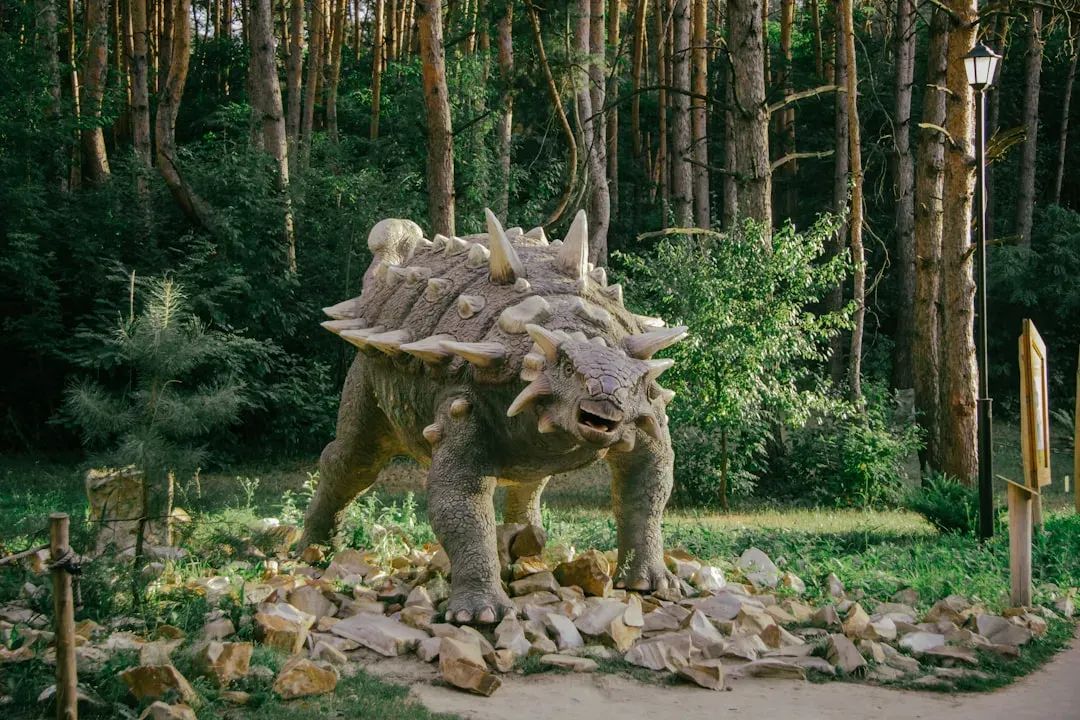
Whenever a movie or show needs an armored dinosaur, Ankylosaurus is almost always the name they slap on it, even when the design mixes traits from multiple ankylosaurs. The real Ankylosaurus was indeed heavily armored with osteoderms and carried a serious tail club, but it was only one member of a whole group of armored dinosaurs with different shapes, sizes, and weapon configurations. Yet pop culture acts like Ankylosaurus invented armor and everyone else is just a knockoff.
Because it has that perfect “prehistoric tank” vibe, Ankylosaurus tends to be over‑simplified as a slow, nearly invulnerable walking fortress. That makes for great visual storytelling but underplays the evolutionary arms race between these animals and the predators that lived alongside them, and it minimizes the variety within the group. It is overrated in the sense that its name and image monopolize a niche that should be shared by a more diverse cast of characters. If you only know Ankylosaurus, you are missing an entire subgenre of dinosaur body armor that is at least as interesting.
Pachycephalosaurus: The Head‑Butting Legend That Might Not Work That Way
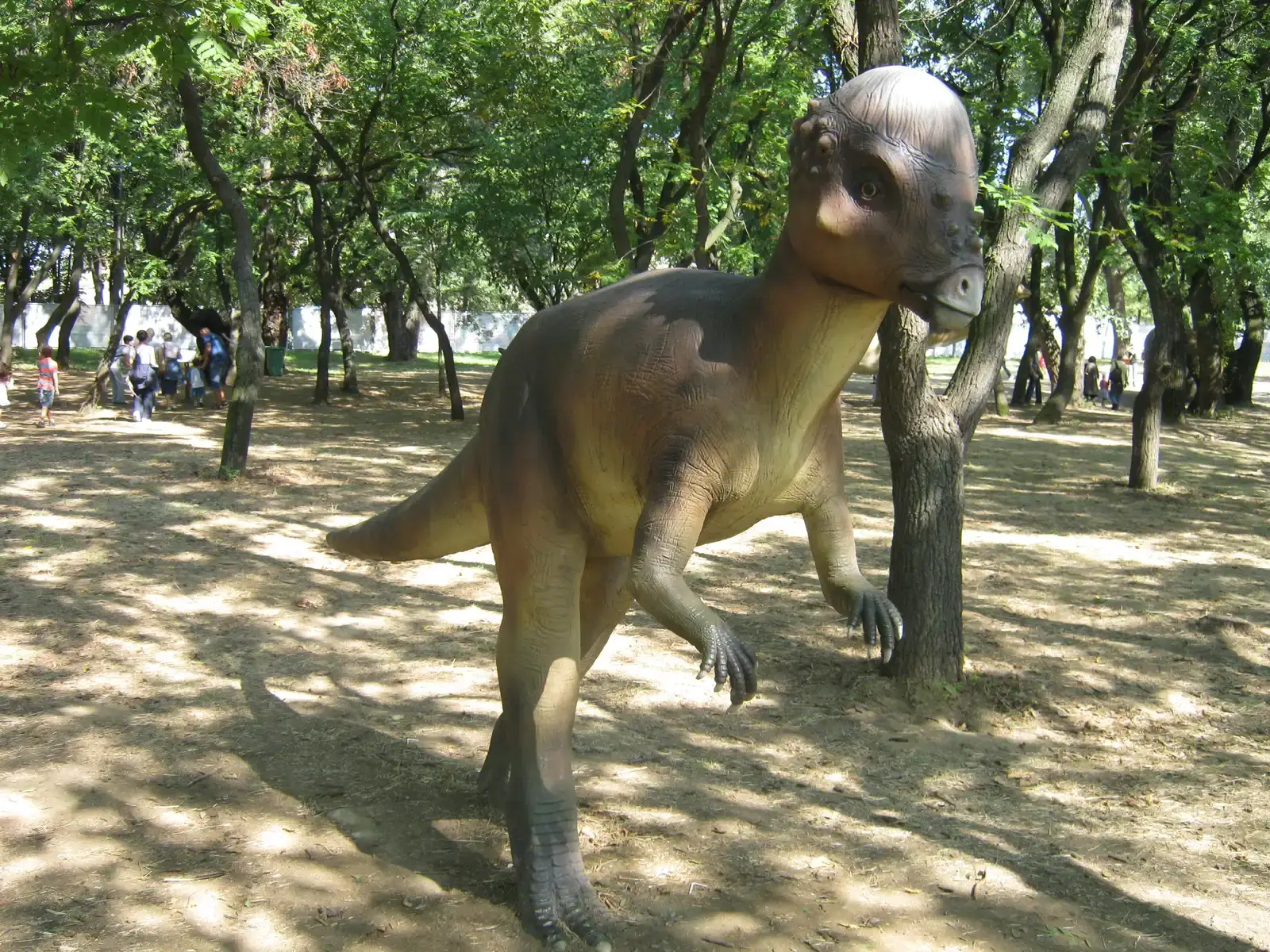
Ask someone about Pachycephalosaurus and they will likely mention dome‑headed dinosaurs ramming each other like bighorn sheep. That image is everywhere: video games, documentaries, and especially kids’ books love the idea of full‑speed skull clashes. The trouble is that scientists have spent years debating whether those domes were really built for that kind of impact or if they were more about display, species recognition, or less intense combat like flank butting.
Pop culture went all‑in on the most dramatic interpretation, turning Pachycephalosaurus into a prehistoric battering ram and calling it a day. That makes it overrated because its entire identity in the public mind hangs on a behavior that is not nearly as settled as the movies make it seem. The real story probably involves a mix of structural biology, growth changes, and social signaling that is inherently more complex and, to me, more interesting. But subtlety sells fewer action figures than head‑butt battles, so the nuanced version rarely shows up.
Pteranodon (Yes, We Know It Is Not a Dinosaur): The Serial Dinosaur Impostor
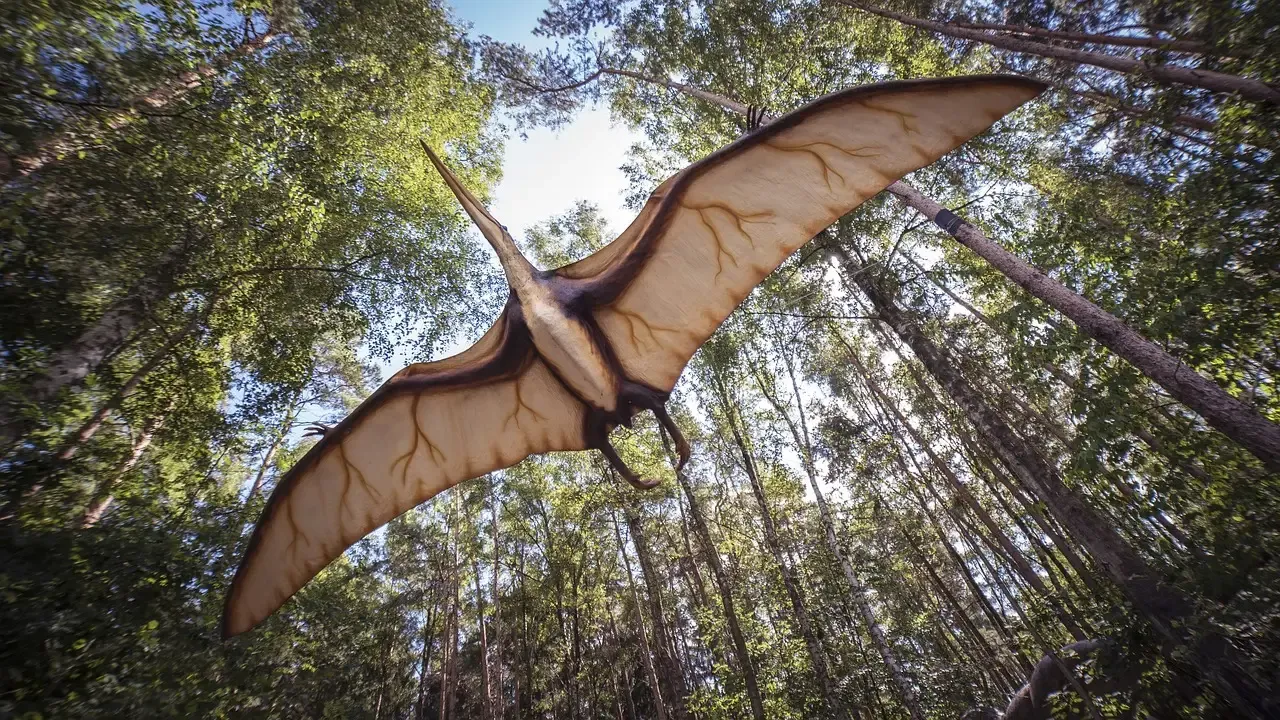
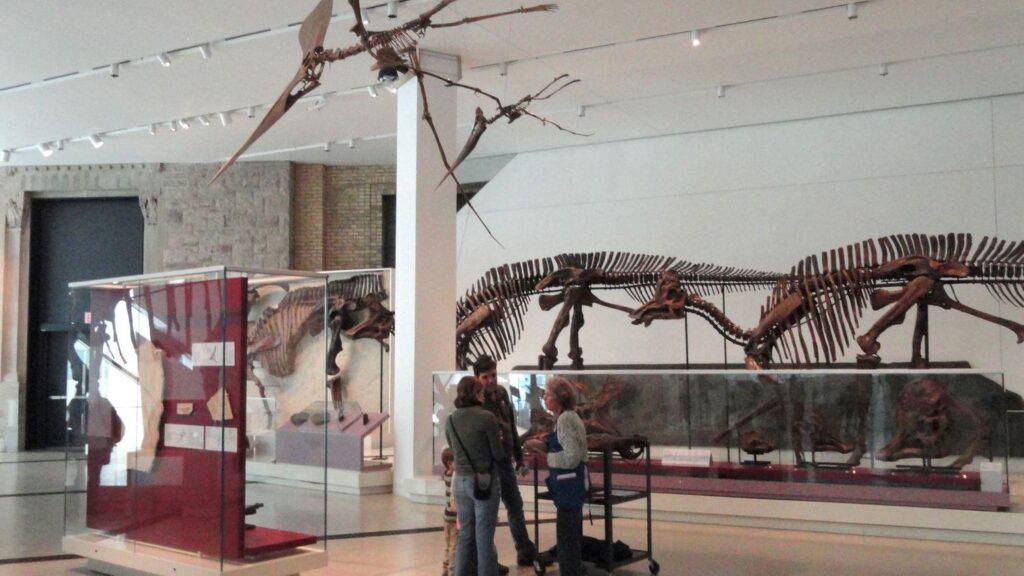
Pteranodon is not a dinosaur; it is a pterosaur, part of a separate group of flying reptiles. That distinction is basic paleontology, yet movies, shows, and even some museum displays routinely throw Pteranodon into “dinosaur packs” as if it were just the flying member of the club. It often gets called a “flying dinosaur” and is treated as interchangeable with various pterosaurs, all under one familiar name. That constant category mistake boosts its fame for the wrong reasons.
It is overrated not because it is uninteresting – wing structure, toothless beak, crest variation, and flight style are all fascinating – but because its popularity is built on a persistent misunderstanding. By turning Pteranodon into the generic airborne dinosaur buddy, pop culture erases the diversity of real pterosaurs and keeps reinforcing the idea that anything prehistoric and reptilian is just another type of dinosaur. It is like giving one side character credit for an entire franchise. The animal deserves respect on its own terms, not as the default flying add‑on for dinosaur scenes.
Conclusion: Overrated Dinosaurs, Underrated Wonder
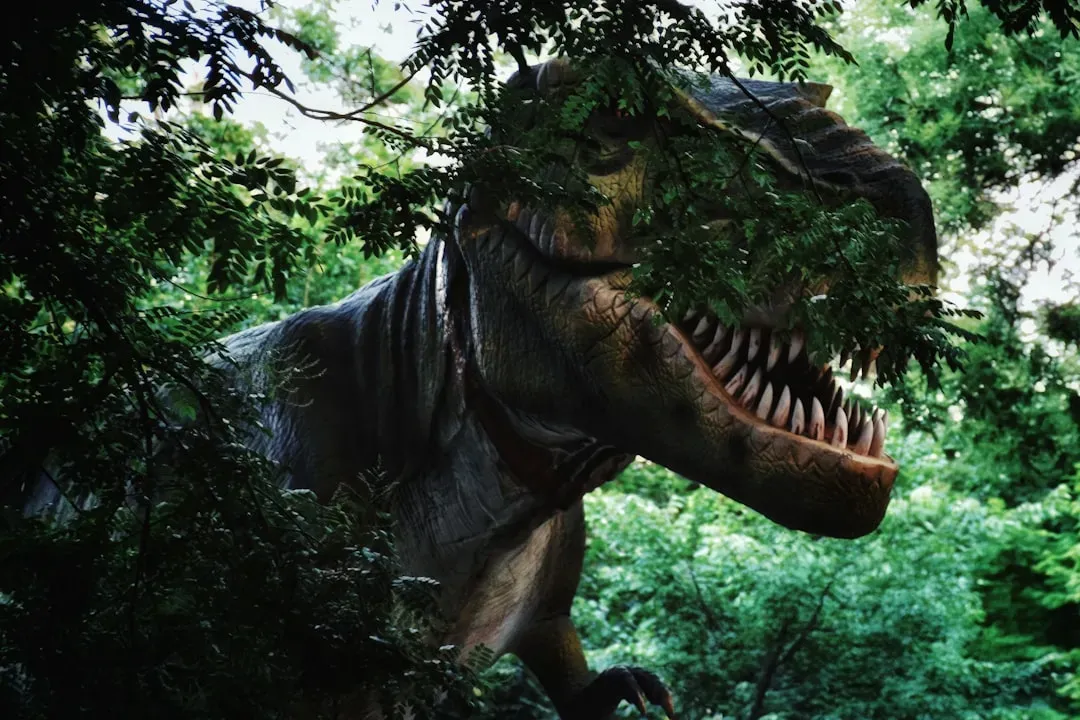
Calling these dinosaurs overrated is not about tearing down childhood favorites; it is about noticing how narrow and repetitive the pop‑culture cast list has become. The same handful of species are recycled with the same half‑true traits, while hundreds of stranger, more mysterious animals barely get a cameo. When T. rex, Velociraptor, and a couple of familiar herbivores soak up all the attention, the real story of dinosaur evolution, diversity, and behavior gets flattened into a greatest‑hits album that leaves most tracks unheard.
From a scientific and storytelling point of view, that is a loss. The fossil record is full of bizarre crests, experimental body plans, and ecosystems we are only just starting to understand, and they deserve more than being forever overshadowed by that one dramatic roar or one overused silhouette. We said what we said: these icons are cool, but the way we worship them is out of proportion to what we truly know. Maybe the most radical thing we can do as dinosaur fans now is retire a few clichés and make room for the weird, the obscure, and the honestly underrated. So which of your nostalgic favorites feels a little different after seeing what the fossils actually say?