
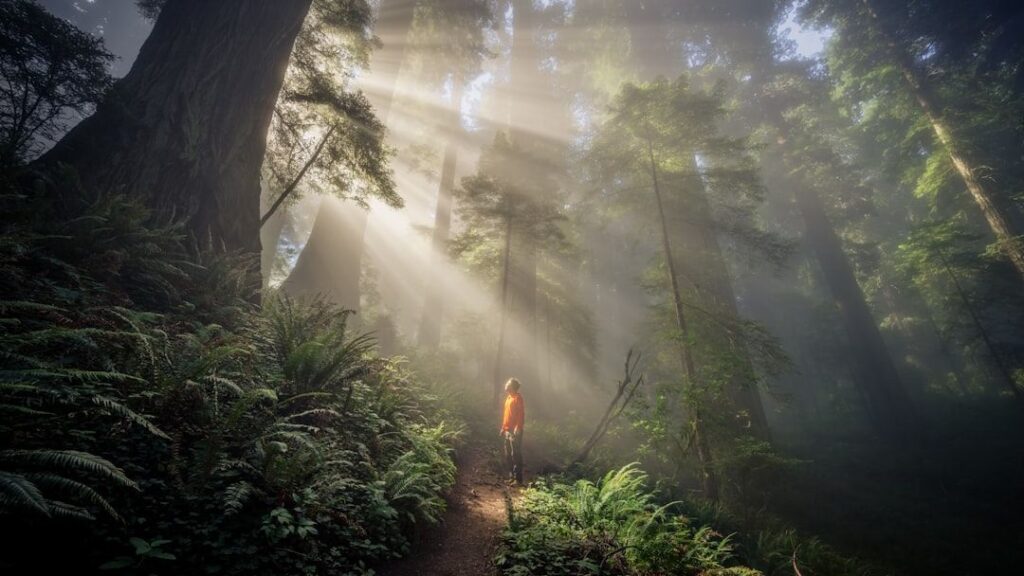
Imagine walking through a forest where the air smells of damp earth, the light filters through huge fern fronds, and the plants around you have not really changed since a sauropod trundled past. That world is not just a scene from a documentary; in a small but very real way, it is still with us today. Scattered across modern Earth are living plant lineages that originated long before humans, mammals, and even many types of dinosaurs we usually picture.
These plants are sometimes called living fossils, but that phrase is a bit misleading. They have evolved over time; they are not frozen in place. Still, their basic designs are so ancient that when you see them, you are glimpsing a pattern that has survived mass extinctions and radical climate shifts. Let’s look at ten of the most fascinating plant groups that were around in the age of dinosaurs and have stubbornly refused to disappear.
1. Ginkgo: The Fan‑Leaved Survivor
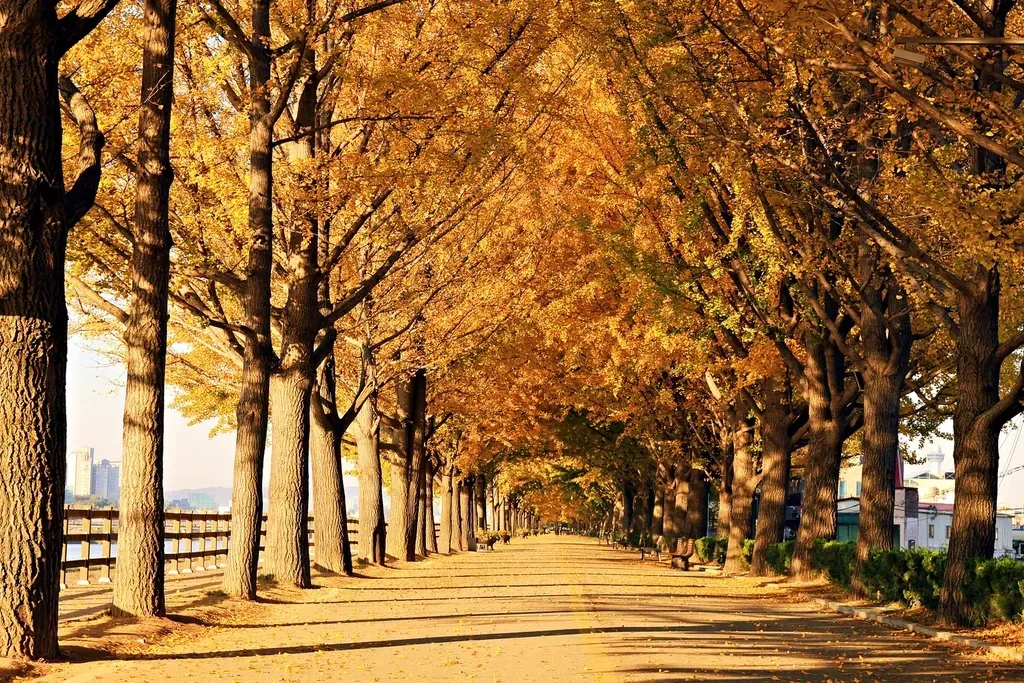
Ginkgo biloba is often held up as the poster child for ancient plants, and it really does live up to the hype. Fossil evidence shows ginkgo‑like trees thriving during the Jurassic and Cretaceous periods, sharing the landscape with long‑necked sauropods and early birds. Today, the single surviving species, Ginkgo biloba, still has those unmistakable fan‑shaped leaves, with veins that spread like a slow‑motion fireworks burst instead of forming a typical network.
What blows my mind about ginkgo is how close we came to losing it entirely. For a long stretch of recent geological history, it seems to have survived only in limited refuges in East Asia, later spreading again when humans started planting it in temples and cities. Now you can stand on a busy city street under a ginkgo canopy and know you are looking at a design that predates flowering plants, bees, and maybe even some dinosaur groups we have never found fossils for yet. It is hard not to feel a little small under those leaves.
2. Cycads: The Classic “Dinosaur-Era” Palms (That Aren’t Palms)
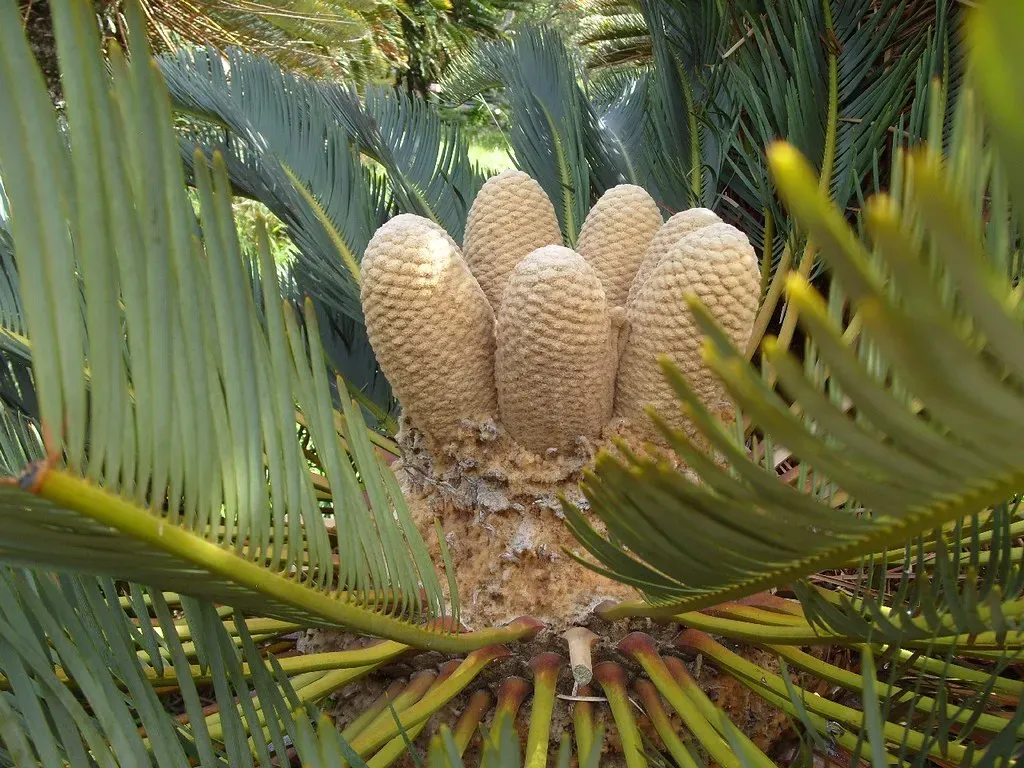
If you picture a dinosaur movie, there is a good chance you are picturing cycads without realizing it. They look a bit like stubby palms or oversized pineapples with a crown of stiff, armored fronds, but they belong to a completely different, very ancient lineage. Cycads were abundant during the Mesozoic era and were an important part of dinosaur‑age ecosystems, especially in warm climates, forming low, tough thickets of greenery.
Today, cycads still grow in tropical and subtropical regions around the world, from Africa and Australia to the Americas. Many species are endangered, threatened by habitat loss and over‑collection, which feels almost insulting given that their ancestors made it through asteroid impacts and global upheavals. When I see a cycad in a botanical garden, I cannot help thinking it looks like a survivor from a rough neighborhood that suddenly got stuck living in a fancy suburb, still armored and wary just in case the world decides to end again.
3. Tree Ferns: Giant Fronds from Deep Time
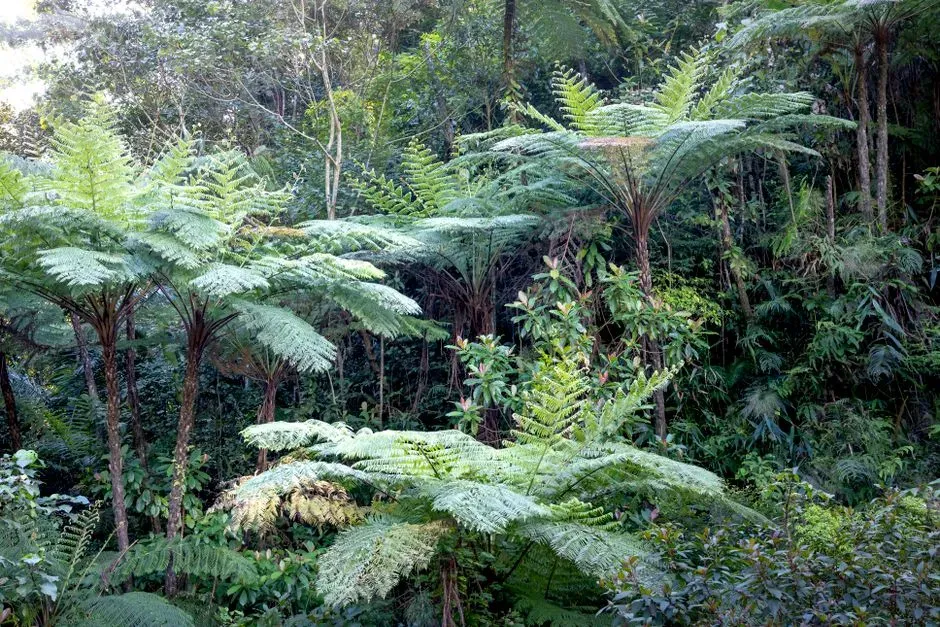
Tree ferns are exactly what they sound like: ferns that decided being a ground cover was not enough and pushed themselves up into the air on tall, fibrous trunks. Ferns as a group go back far before dinosaurs, but tree ferns were already forming lush, shaded understories in the Jurassic and Cretaceous forests. Their huge, arching fronds would have framed the silhouettes of passing sauropods and early mammal relatives scurrying in the shadows.
Today, you can walk through subtropical and tropical regions – places like New Zealand, parts of South America, or Southeast Asia – and see landscapes that feel eerily ancient thanks in large part to tree ferns. There is something almost otherworldly about moving beneath their umbrella‑like crowns, as if you have stepped into a green cathedral built before flowers were a thing. Ferns reproduce using spores instead of seeds, a reminder that this is an older way of doing business, and I kind of love how stubbornly they stick to it. In a world obsessed with change, tree ferns quietly insist that some designs were right the first time.
4. Horsetails: The Jointed Stalks That Refused to Quit
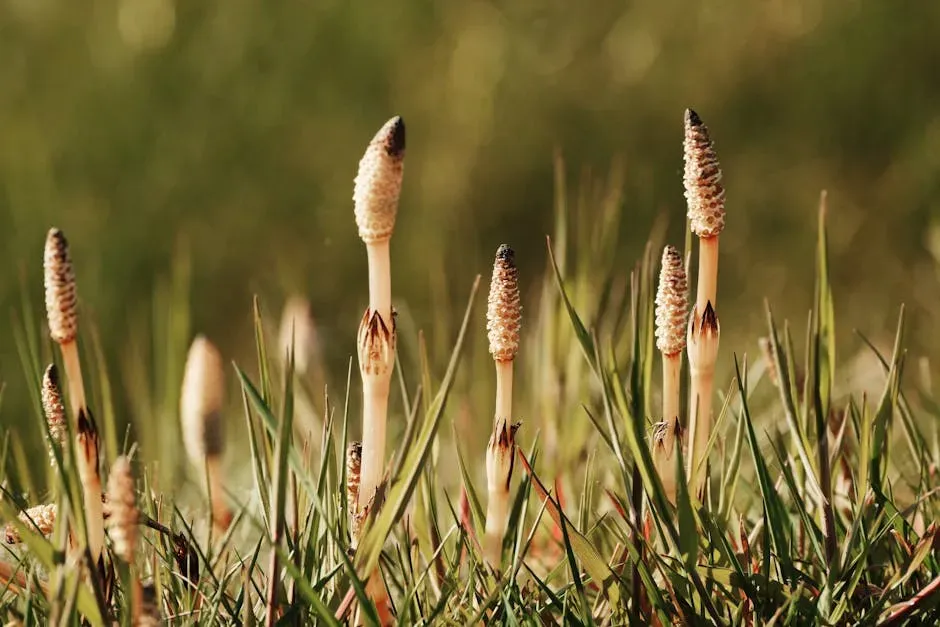
Horsetails look almost alien: tall, segmented green stems with whorls of thin leaves, like nature’s version of a telescoping antenna. During the age of dinosaurs, their relatives were sometimes much larger and formed dense, swampy stands in wet environments. Even earlier in Earth’s history, horsetail kin reached tree‑like sizes and were major players in the coal‑forming forests of the Paleozoic era.
Modern horsetails are smaller but still pretty tough, often showing up along streams, ditches, and disturbed soils where other plants might struggle. Their jointed stems are rich in silica, which made them useful in the past as natural scouring brushes for cleaning pans and tools. To me, horsetails represent the stubborn, scrappy side of plant evolution: they are not the tallest, flashiest, or most diverse, but they have hung on through mass extinctions and environmental chaos by thriving in the margins and making the most of simple, resilient architecture.
5. Araucaria and Relatives: The Jurassic-Looking “Monkey Puzzle” Trees
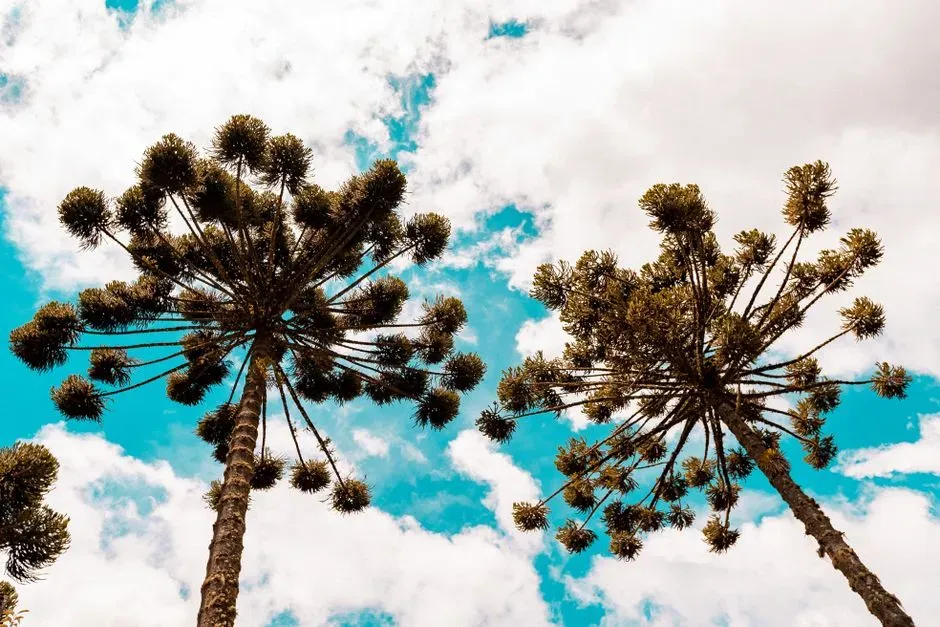
Members of the Araucariaceae family, like the famous monkey puzzle tree and Norfolk Island pine, are some of the most convincingly “Jurassic” trees you can see with your own eyes. Fossils show that araucaria‑like conifers were common in the southern continents during the Mesozoic, forming parts of vast forests in what we now call Gondwana. Their stiff, spiraling leaves and heavy cones give them a slightly armored, primeval look, as if they were built to fend off something big and hungry.
Today, surviving species are patchily distributed in South America, Australasia, and a few islands, and several are considered vulnerable or endangered in the wild. Yet you can also find them used as ornamental trees in parks and gardens, where their symmetrical, almost geometric silhouettes catch the eye. Standing beneath a mature araucaria, with its whorled branches radiating out like spokes, I find it easy to imagine long‑necked dinosaurs browsing on the high branches or smaller herbivores nibbling fallen cones. It is like a living movie set, except this script is written by geology, not Hollywood.
6. Dawn Redwood: The “Extinct” Tree That Turned Up Alive
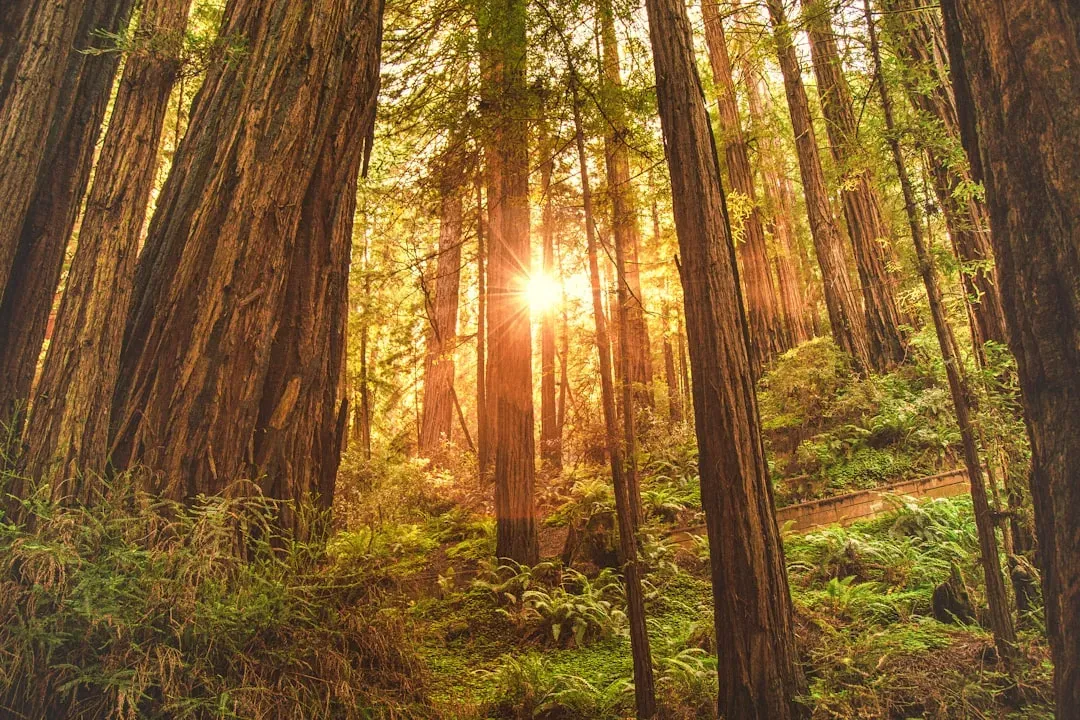
The dawn redwood, Metasequoia glyptostroboides, has one of the most dramatic backstories in botany. For a long time, it was known only from fossils found in rocks dating back to the age of dinosaurs and later periods. Scientists classified it as an extinct genus, a ghost of ancient wetlands and floodplains that existed while dinosaurs still roamed. Then, in the twentieth century, botanists exploring remote valleys in China found living trees that matched those fossils, effectively discovering a lost world in the form of a single species.
Today, dawn redwoods are planted around the world in parks and arboreta, prized for their feathery leaves that turn a warm color and fall each year, unusual behavior for a conifer. The species is still naturally restricted to small areas in central China, where wild populations are considered endangered, so those cultivated trees are partly an insurance policy. When I first learned that a tree could go from “known only from fossils” to “actually still alive,” it completely changed how I think about extinction and survival. It turns out that sometimes, nature hides a wildcard in places we have barely looked.
7. Wollemi Pine: The Secret Relic from Australia’s Canyons
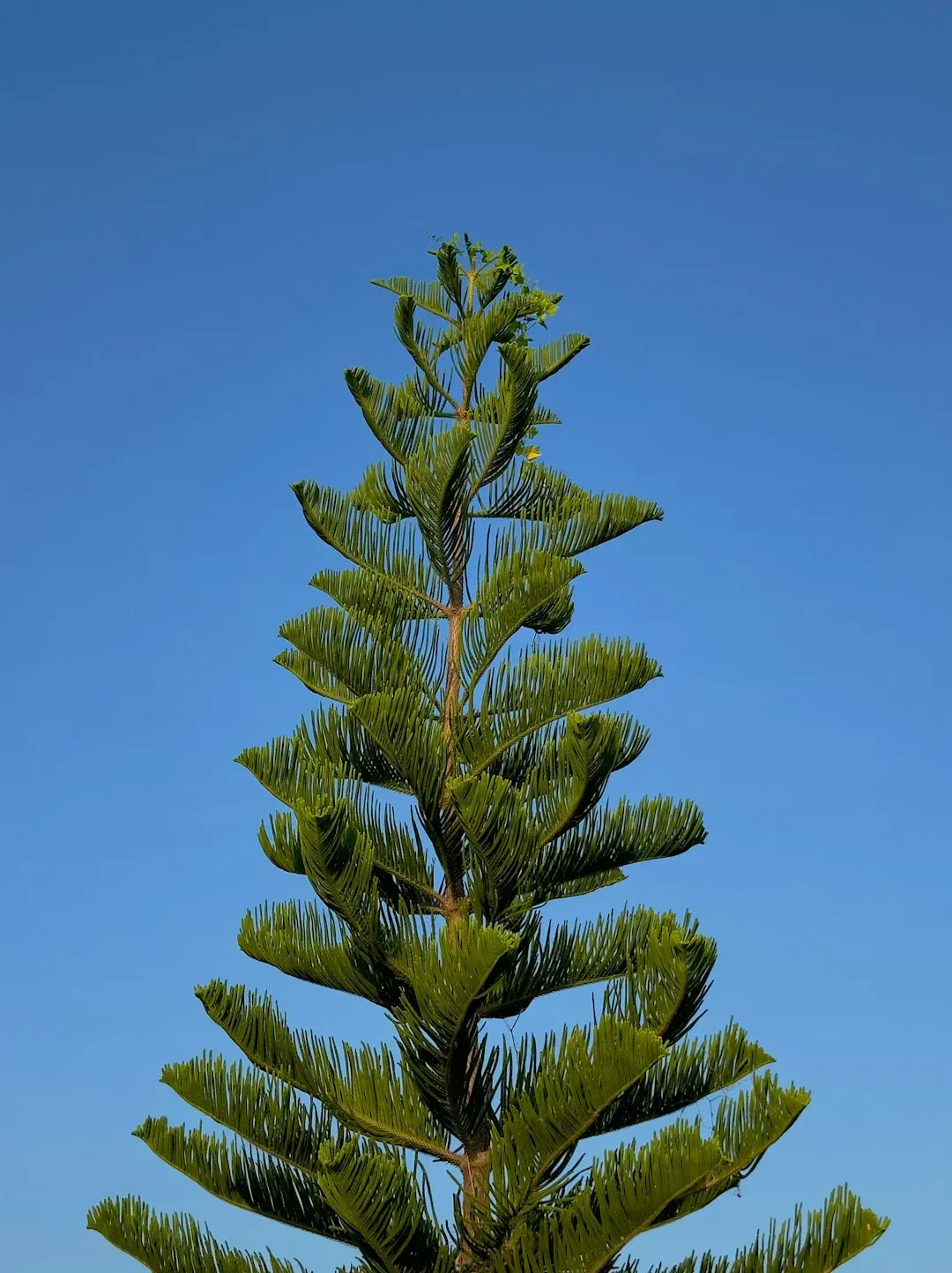
The Wollemi pine is another plant that seemed lost to time until remarkably recently. Its close relatives were present during the time of the dinosaurs, but the specific species Wollemia nobilis was only discovered in the 1990s in a remote canyon system in Australia. Before that, the genus was known just from fossils, and no one expected to stumble across living trees quietly minding their own business in an isolated gorge.
What makes the Wollemi pine especially interesting is how carefully it has been protected since its discovery. Its exact wild locations are kept secret to prevent damage, and cultivated specimens are distributed to gardens and private growers both to raise awareness and to give the species a wider safety net. The tree itself looks like something from another era, with knobbly bark and soft, dark green foliage arranged in flat sprays. Seeing one up close feels a bit like spotting a celebrity from another century, and it reminds me that Earth still holds pockets of deep time that we have barely begun to explore.
8. Magnolias: Flowering Plants with Ancient Roots
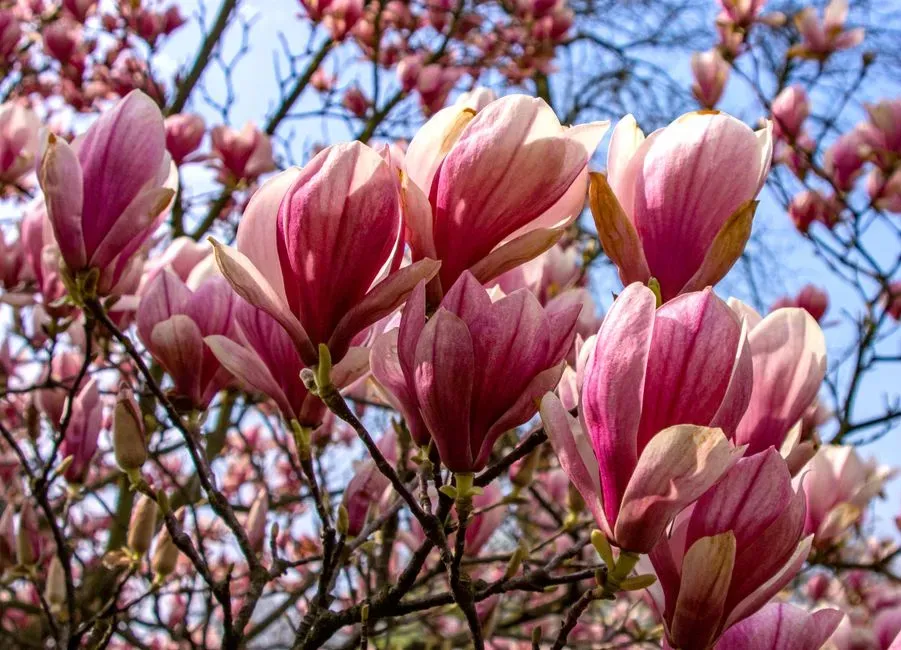
Flowering plants actually evolved during the age of dinosaurs, and magnolias are widely considered one of the more ancient lineages among them. Fossil evidence suggests that magnolia‑like flowers existed in the Cretaceous period, when some of the last non‑avian dinosaurs were roaming the planet. Their flowers have a simple, robust structure, with sturdy petals and many spiraled reproductive organs, features that scientists think reflect an early stage in flower evolution.
Modern magnolias are anything but plain to our eyes: large, fragrant blooms, glossy leaves, and trees that can dominate a spring landscape. Interestingly, their flowers are primarily adapted for pollination by beetles rather than bees, which fits with the idea that they evolved before bees were widespread. When a magnolia tree is in full bloom, it can stop you in your tracks, and there is something oddly humbling about realizing that this beauty has been unfolding, in one form or another, since long before mammals were more than furtive, mouse‑sized night dwellers.
9. Podocarps and Other Ancient Conifers
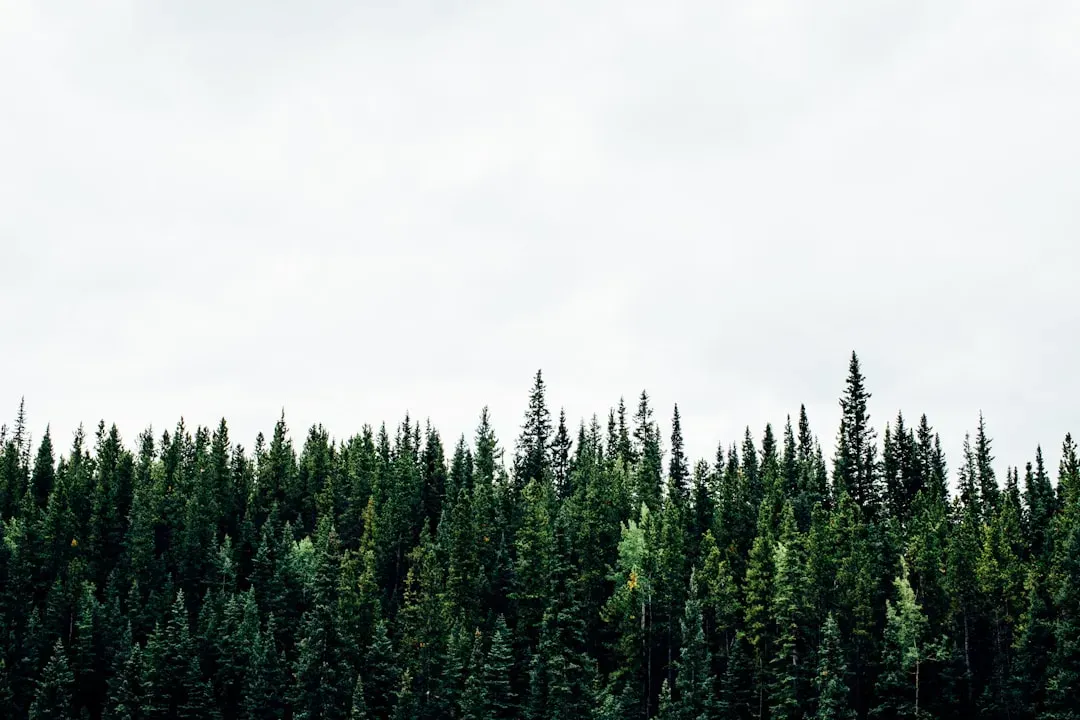
Podocarps are a diverse group of conifers that trace their history back to the age of dinosaurs, especially in the southern hemisphere. During the Mesozoic era, conifers of various families – podocarps, araucarias, and others – dominated many forests before flowering plants took over much of the world’s vegetation. Podocarps often have softer, more leaf‑like foliage than the needle clusters people associate with northern pines, giving some species an almost broadleaf appearance despite being conifers.
Today, podocarps remain important components of forests in places like New Zealand, South America, and parts of Asia and Africa. They can form majestic stands or live as scattered giants among other trees, quietly carrying on a lineage that saw continents drift apart and climates flip from greenhouse to icehouse and back. I find it slightly unfair that podocarps are not more famous, given their deep history and ecological importance. They are like the veteran character actors of the plant world: always there in the background, making the whole story richer, even if they rarely get top billing.
10. Clubmoss Relatives: Small Plants with Enormous History
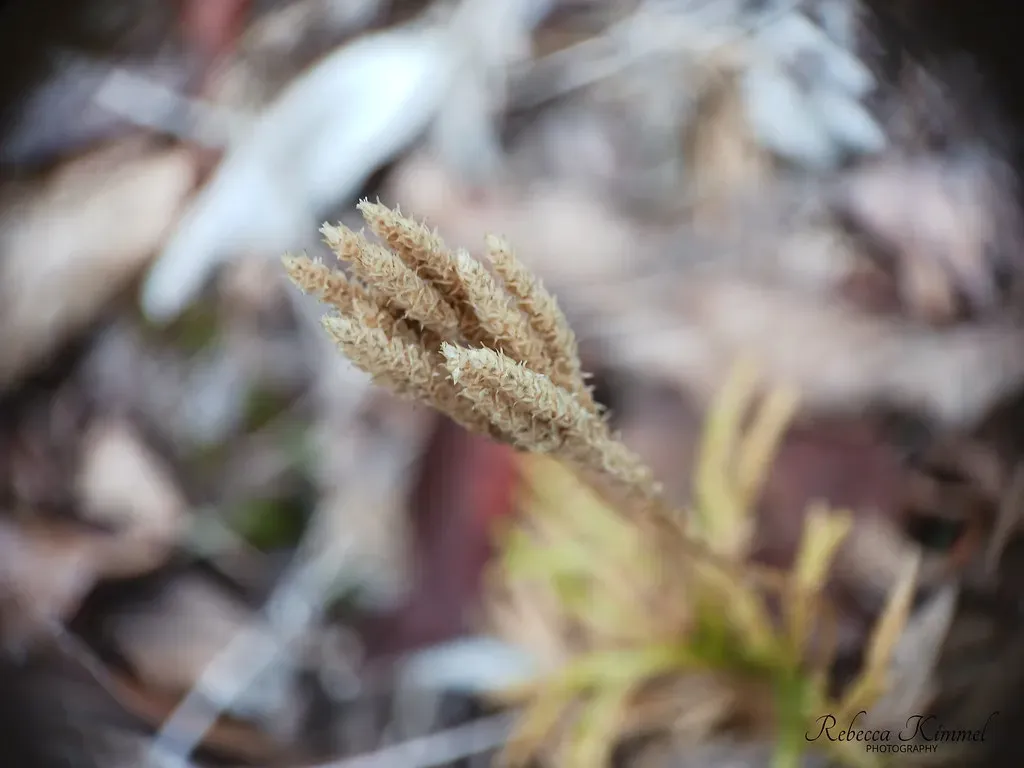
Modern clubmosses, quillworts, and their relatives are small, often overlooked plants that hug the ground or lurk in ponds and wetlands. You might pass them on a hike without a second glance, mistaking them for odd mosses or generic little weeds. But their ancestors in the broader lycophyte group were once towering trees that dominated some of Earth’s earliest forests, long before and then into the age of dinosaurs. These ancient cousins helped lay down the coal deposits that fueled the industrial revolutions of much later times.
Today’s surviving species are more modest, but they still carry anatomical and reproductive traits that mark them as members of a very old branch of the plant tree of life. They produce spores instead of seeds and have distinctive leaf and vascular structures that differ from ferns and seed plants. There is something almost poetic about these tiny, easily ignored plants being descendants of giants. It is a reminder that evolution does not always lead to bigger and flashier; sometimes, the winning move is shrinking down and quietly persisting in the corners where few others bother to compete.
Conclusion: Ancient Green, Modern Planet
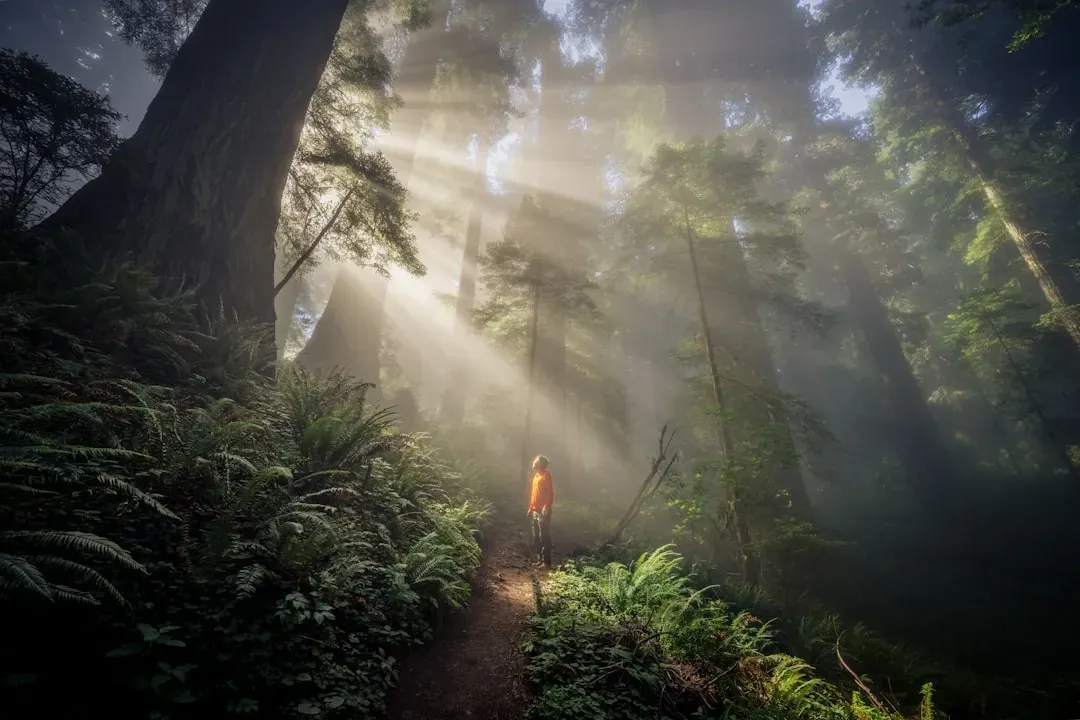
Looking at these plants side by side, what jumps out is not just their age, but their variety. Some are towering trees, others small herbs; some are conifers, others are flowering plants or spore‑bearers. They do not form a single “dinosaur plant” group so much as a loose club of survivors that each found a way through asteroid impacts, shifting continents, and drastic climate swings. To me, that makes them far more interesting than any tidy list of living fossils, because they show that survival is about flexibility, timing, and sometimes plain luck.
We often think of the age of dinosaurs as distant, sealed off behind a wall of extinction, but these plants crack that wall open a bit. When you run your fingers along the fan of a ginkgo leaf or stand under a monkey puzzle tree, you are not just looking at something old; you are interacting with a design that has been field‑tested for tens of millions of years and is still passing the test. In a world where our own species feels strangely temporary and frantic, there is something grounding about that. Next time you walk past one of these quiet veterans, maybe ask yourself: in another hundred million years, which of us will still be here?