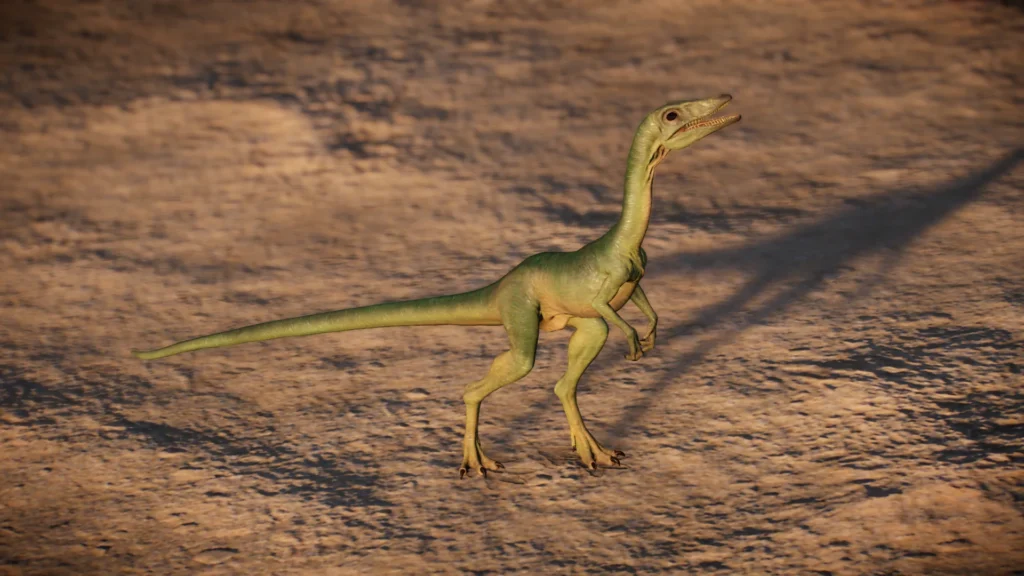
If you could step into a time machine and land in the Late Jurassic, you might be tempted to laugh at some of the tiniest dinosaurs sprinting between the feet of giant sauropods. They were often no bigger than today’s chickens, light as a house cat, and so delicate they could probably balance on your arm. But that would be a mistake. Some of these small-bodied hunters were fast, sharp-toothed, and terrifyingly efficient at what they did: turning anything smaller and slower than them into lunch.
We tend to picture dinosaurs as towering monsters like Tyrannosaurus rex or Brachiosaurus, yet a huge part of the Mesozoic world was ruled by predators you could almost tuck under your arm. Species like Compsognathus, Microraptor, and other chicken-sized theropods were proof that you do not need massive size to be dangerous. They had speed, teamwork, intelligence, and weaponry built into their skeletons. In a sense, they were the raptors of the undergrowth – small, sleek, and absolutely deadly to the animals unlucky enough to share their habitat.
The Tiny Terror: Meet the Chicken-Sized Predators
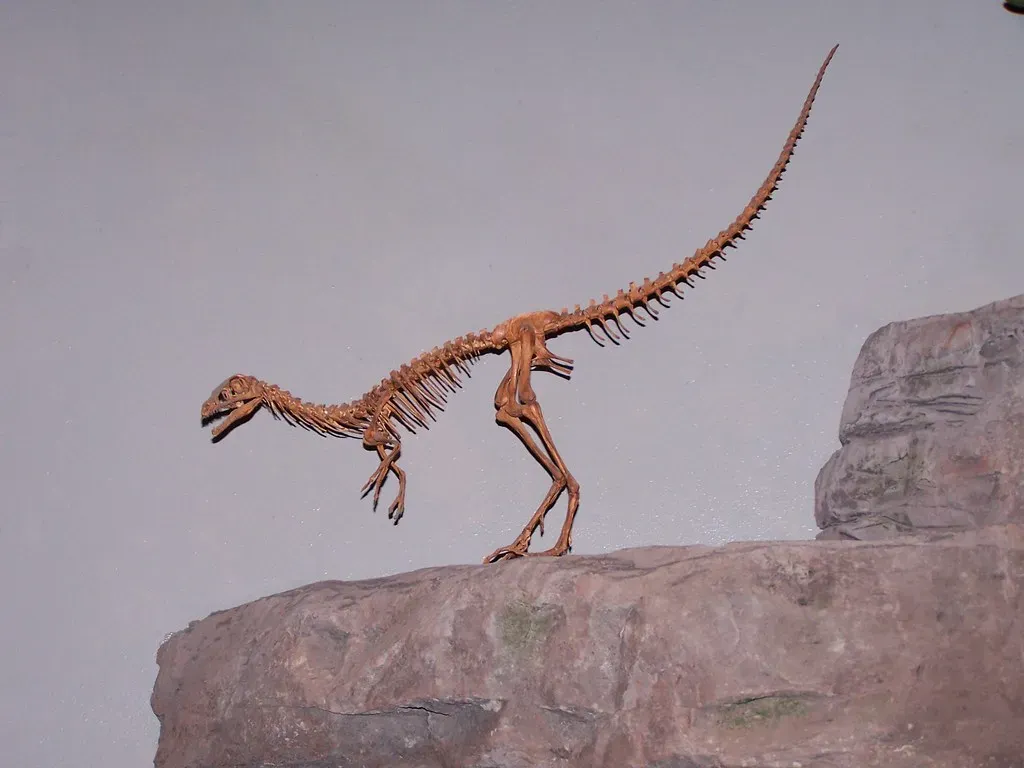
One of the best-known examples of a chicken-sized predator is Compsognathus, a Late Jurassic theropod whose fossil skeletons are roughly comparable in length to a modern rooster. At first glance, it looks almost cute: long tail, slender legs, and a lightweight skull perched on a delicate neck. But if you zoom in on that skull, the story changes instantly. The jaws are packed with small, blade-like teeth – perfect for gripping and slicing through soft-bodied prey like lizards, insects, and small vertebrates.
Other similar-sized predators filled this “tiny terror” niche across different times and places, especially among the coelurosaurs and other small theropod groups. Many weighed no more than a few kilograms, yet they carried all the classic carnivore hardware: forward-facing eyes for depth perception, grasping hands, and clawed feet designed for sudden, explosive movement. Picture a cross between a road runner and a hawk, then overlay it with a reptilian skeleton – that is roughly the ecological role these dinosaurs played. They were the needle-point predators of their ecosystems, tuned for precision hunting rather than brute force.
Why Size Did Not Matter: Speed, Agility, and Deadly Precision
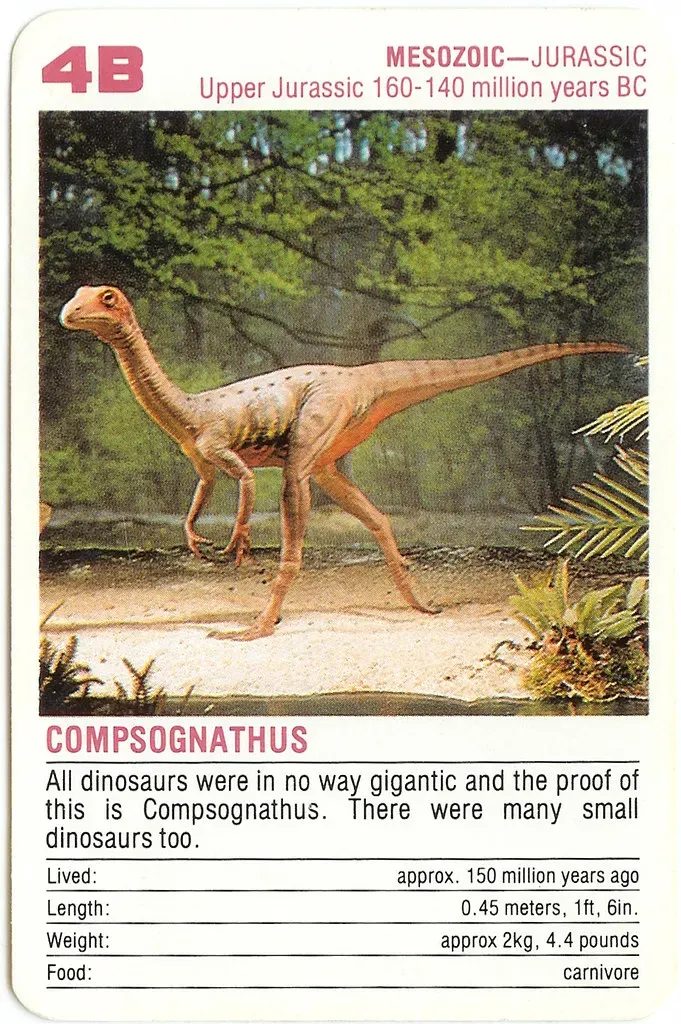
Being small was not a disadvantage; it was the whole strategy. A chicken-sized dinosaur could accelerate quickly, twist and dodge through dense vegetation, and disappear into rocky cracks or forest litter in a heartbeat. That agility meant it could run down nimble prey, dart in for fast strikes, and then retreat before a larger predator even had time to react. If you have ever tried to catch a frightened chicken, you already know how frustrating it is to grab something that turns, sprints, and jumps in split seconds – now give that bird sharp teeth and claws, and you see why these dinosaurs were so effective.
Speed also meant efficiency. Small predators do not waste energy dragging down animals much bigger than themselves; instead, they specialize in ambushes and rapid chases over short distances. Their legs were long relative to their bodies, and their tails acted as counterbalances that helped them stay upright while they pivoted and sprinted. It is a bit like comparing a sports motorcycle to a heavy truck: the motorcycle will never push as much weight, but in a tight, winding racecourse, it can dance circles around the bigger machine. These tiny theropods were the sports bikes of the dinosaur world.
Teeth, Claws, and Tools of the Trade
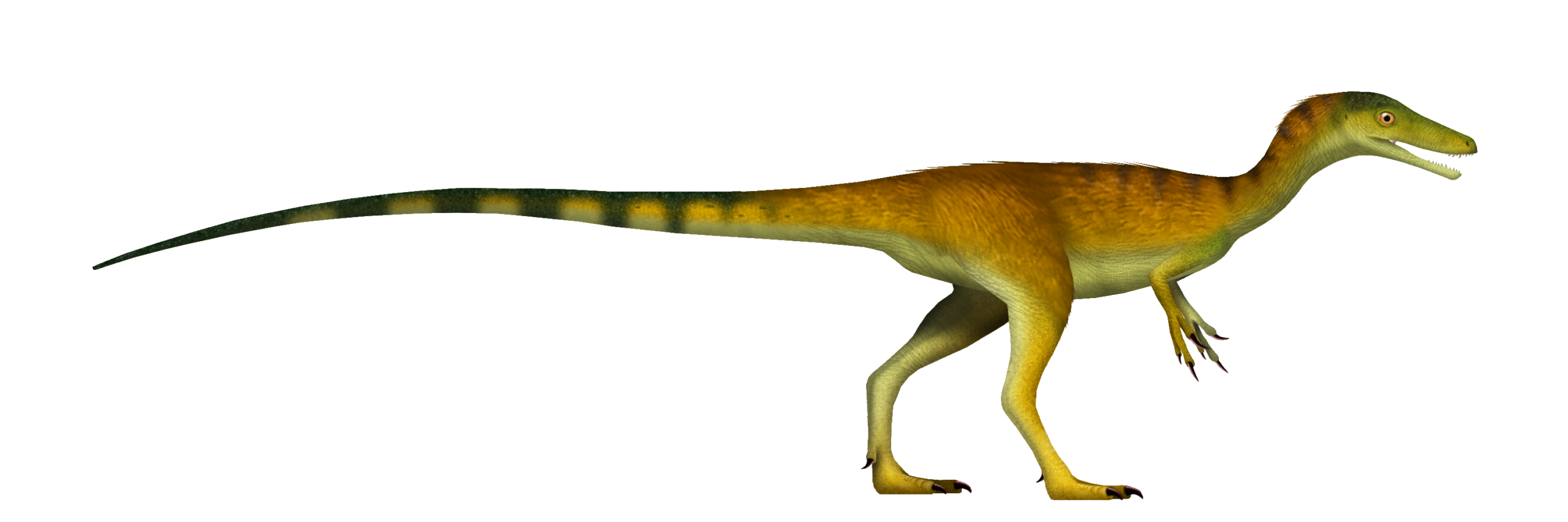
What really makes a predator fearsome is not its size, but the tools it brings to the hunt. In these chicken-sized dinosaurs, the teeth were narrow, recurved, and serrated – like a row of miniature steak knives. They were perfect for slicing into soft flesh and holding onto squirming prey. The skulls were lightly built but efficient, with jaw muscles that likely snapped shut quickly, giving them a grip strong enough to immobilize small animals. They did not need to crush bones like a big tyrannosaur; they just had to kill swiftly and feed before anything larger showed up.
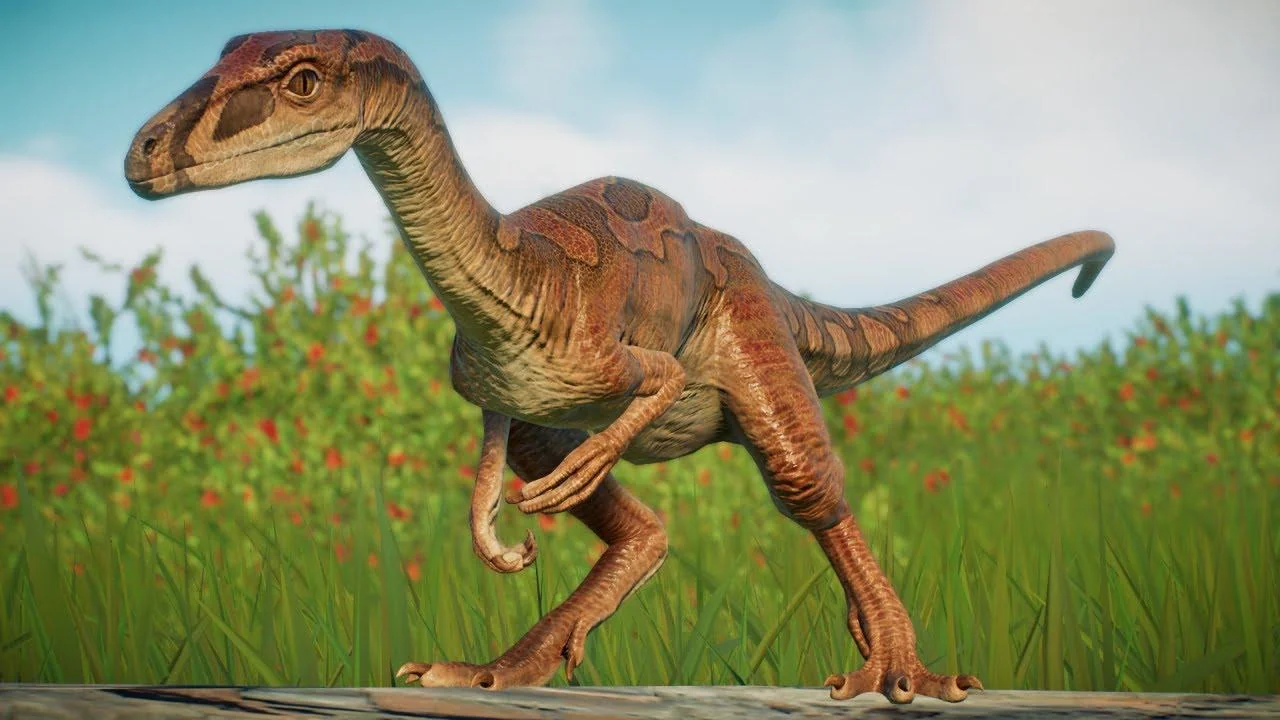
The claws on their hands and feet added another layer to their arsenal. Many small theropods had sharp, curved claws ideal for snagging, pinning, or raking prey. Even if their strikes were not as catastrophic as those of larger raptors, they would have been more than enough to restrain a struggling lizard or mammal. In some related small dinosaurs, especially the feathered ones, there is good evidence that they could use their arms for grabbing or even pouncing from above. Whether they were ground-based sprinters or agile climbers, the message is the same: these animals were built to catch and kill with precision, not to impress anyone with their height.
Hunters of the Understory: What They Actually Ate
Fossil evidence from stomach contents and gut regions shows that at least some of these small theropods fed on lizards and other small vertebrates, confirming that they were active, meat-eating predators, not timid scavengers picking at leftovers. Imagine the forest floor or a coastal plain dotted with insects, early mammals, amphibians, and juvenile reptiles. For a tiny predator, this was an all-you-can-eat buffet. They did not need to tackle giant herbivores to survive; they simply needed to dominate the small-prey market, and they did that astonishingly well.
In many ecosystems, these dinosaurs would have filled a role similar to that of modern foxes, weasels, or birds of prey that go after rodents and small birds. They pruned back populations of fast-breeding prey species, shaping the entire food web from the bottom up. While the towering carnivores get all the attention for their dramatic hunts, it is often the small, relentless hunters that quietly maintain balance. To a hatchling dinosaur or a small lizard in the Jurassic, a Compsognathus-sized predator would not have seemed small at all – it would have been the nightmare hiding in every rustling bush.
Smarter Than They Looked: Brains, Senses, and Possible Teamwork
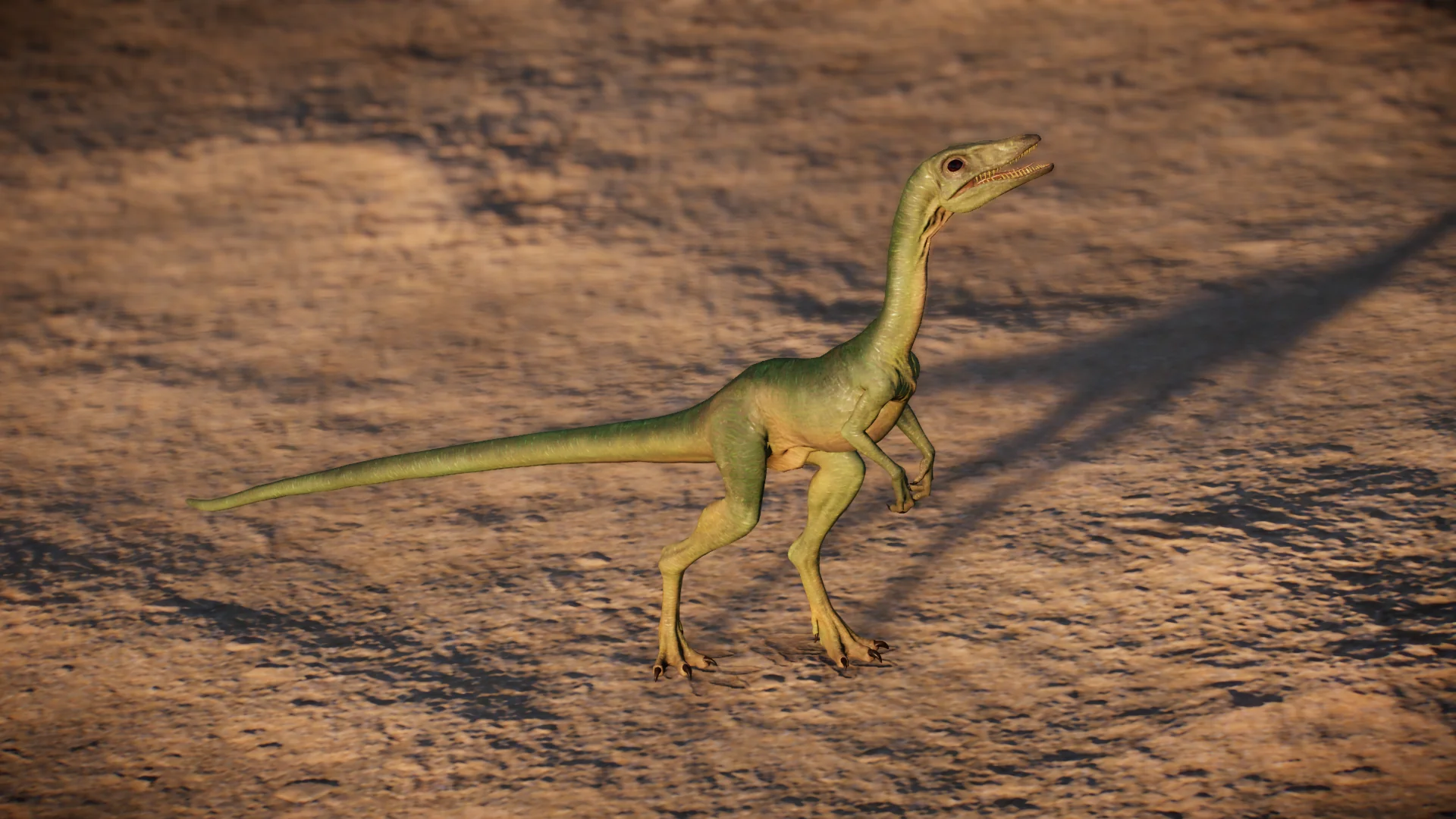
For their size, many small theropods appear to have had relatively large braincases compared to older, more primitive dinosaurs. That does not mean they were plotting strategy like humans, but it does suggest sharper senses, quicker reactions, and more flexible behavior. Forward-facing eyes hint at good depth perception, crucial for judging distance during fast chases and precise strikes. Their inner ear structures, in some relatives, point toward strong balance and coordination, exactly what you would want in a nimble predator weaving through obstacles at high speed.
Some researchers have proposed that at least a few small theropods may have hunted in loose groups or at least tolerated each other when food was abundant, though the evidence is still debated and not nearly as solid as pop culture sometimes pretends. Personally, I suspect that, much like modern small carnivores, behavior probably ranged from solitary to opportunistically social, depending on the species and situation. Even without complex pack tactics, simply having keen vision, acute hearing, and a good sense of smell would have made them frighteningly efficient. When you combine that sensory package with speed and weaponry, you end up with an animal that punches far above its weight class.
Feathers, Birds, and the Legacy of Little Killers
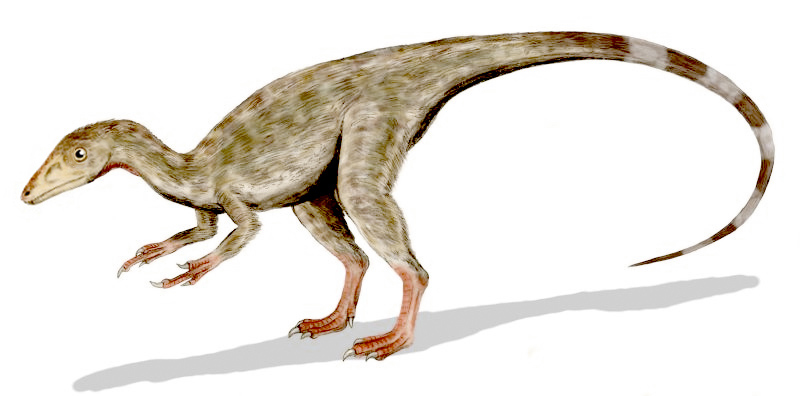
One of the most mind-bending ideas in modern paleontology is that many of these small, chicken-sized predators were not just vaguely bird-like – they were part of the evolutionary pathway that ultimately gave rise to birds themselves. Feather impressions preserved around some small theropods show that plumage was not a late add-on but an integral feature: used for insulation, display, and possibly even limited gliding or powered flight in some lineages. When you look at a modern chicken or junglefowl scratching in the dirt, you are seeing a distant echo of those ancient, feathered hunters.
In that sense, the phrase “the dinosaur that was the size of a chicken” is almost backwards: chickens are the modern dinosaurs that kept roughly that size. The scary part is realizing that, in their world, being chicken-sized did not make these animals harmless. They were tuned to their niche, feared by anything smaller and deeply respected by anything close to their own size. When you watch a hawk dive on a mouse, a crow mob a predator, or a hen savagely peck an intruder, you are catching flashes of the same ruthless efficiency that made those tiny Mesozoic theropods such formidable predators.
Conclusion: Why the Smallest Dinosaurs Deserve the Biggest Respect
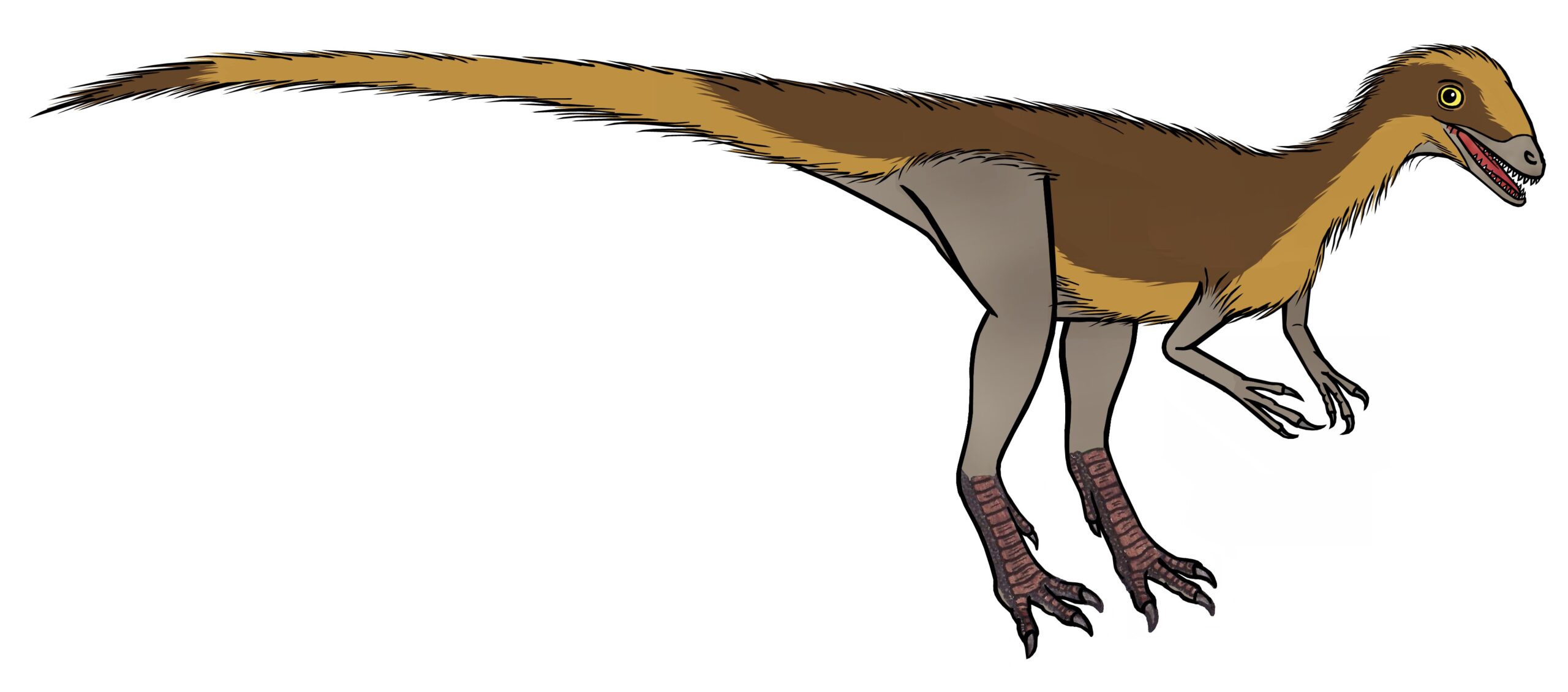
In my view, the obsession with giant dinosaurs has unfairly overshadowed some of the most fascinating hunters that ever lived: the chicken-sized killers that ruled the lower tiers of ancient food webs. They prove, beyond any doubt, that fearsome does not have to mean enormous. These animals relied on speed, agility, sharp senses, and weaponized anatomy to control whole communities of smaller creatures, and they probably shaped their ecosystems every bit as profoundly as the massive carnivores did. If you were the wrong size and in the wrong place, they were just as deadly as any giant with banana-sized teeth.
When we strip away the spectacle and look at the science, a tiny theropod sprinting after a lizard is every bit as impressive as a towering predator taking down a big herbivore – maybe more so, because it hints at brains and finesse over brute strength. To me, that is the lasting legacy of these little dinosaurs: they remind us that power comes in many forms, and sometimes the most dangerous creatures are the ones you could almost overlook. Next time you see a chicken dart across a yard or a small bird stalk a bug, it is worth asking yourself: if you were shrunk to the size of a mouse, would that still look harmless – or would it suddenly look like a dinosaur?