If you still picture dinosaurs as giant, scaly, sluggish reptiles stomping through a steaming jungle, the last five years of research will feel like whiplash. In labs and dusty field camps around the world, paleontologists have been quietly ripping up old assumptions about how dinosaurs looked, moved, stayed warm, raised their young, and even how many of them once walked the Earth.
What is wild is not just that new species are still being named almost every week, but that familiar dinosaurs keep changing personalities as new tools and fossils reveal hidden details in their bones and even their soft tissues. Some of the most surprising studies since the early 2020s have turned long‑held “facts” into museum‑ready myths. Here are ten discoveries from roughly the last five years that genuinely shifted the story of the dinosaur world.
1. Warm‑Blooded Dinosaurs Move From Bold Hypothesis To Serious Default
For decades, schoolbooks treated dinosaurs as big, cold‑blooded reptiles that basked like crocodiles. That started to crack earlier this century, but in the last few years the evidence for high, bird‑like metabolisms in many dinosaurs has become extremely hard to argue away. A key leap came from chemical “biomarkers” preserved in fossil bone, where researchers tracked how metabolic by‑products altered collagen over time; the pattern pointed strongly to elevated metabolic rates in early dinosaurs and pterosaurs, much closer to modern birds and mammals than to lizards or alligators. ([news.yale.edu](https://news.yale.edu/2022/05/25/taking-dinosaurs-temperature-new-biomarker?utm_source=openai))
On top of that, a 2024 study looked at more than a thousand fossils and mapped where different dinosaur groups lived relative to ancient climate zones. It found that two of the three major dinosaur lineages likely evolved true warm‑bloodedness roughly 180 million years ago, at the same time as a burst of global warming and ecological upheaval. ([sciencedaily.com](https://www.sciencedaily.com/releases/2024/05/240515122659.htm?utm_source=openai)) To me, that tips the balance: the default mental image for a lot of dinosaurs should now be active, internally heated animals that could run, migrate, and survive cool climates without worshipping the sun. The “giant lethargic lizard” image is not just outdated; it is probably flat‑wrong for a big chunk of the dinosaur family tree.
2. Feathers Turn Out To Be Older, Stranger, And More Widespread Than Expected
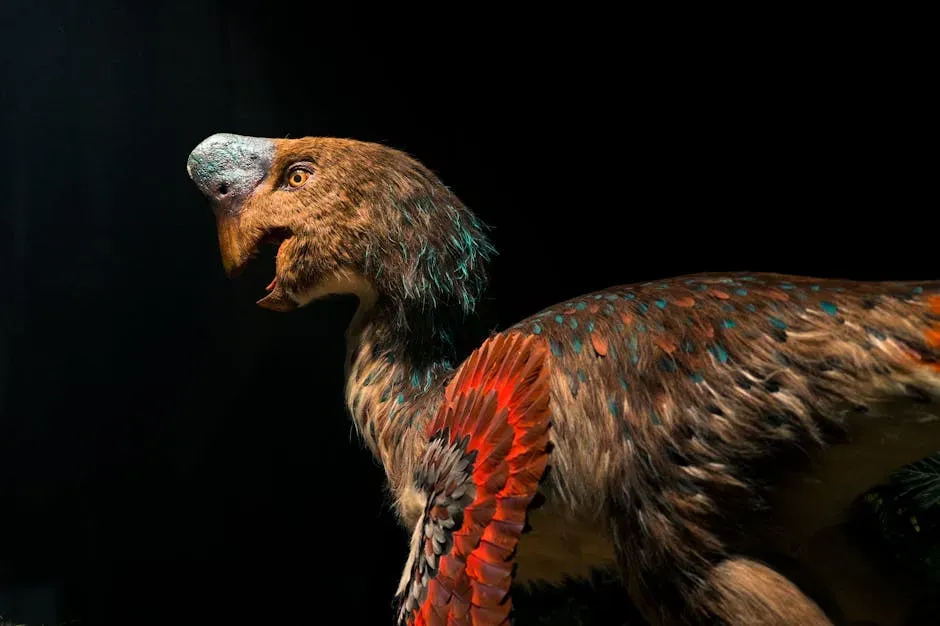
We have all seen the headlines about feathered raptors, but the last few years have pushed the feather story in a much more radical direction. A 2024 analysis of a beautifully preserved Psittacosaurus specimen – a small, parrot‑beaked dinosaur that used to be drawn fully scaly – revealed a patchwork body: reptile‑like scutes in some regions, but clear evidence of filamentous, feather‑like coverings in others. ([phys.org](https://phys.org/news/2024-05-hidden-dinosaur-feather-evolution.pdf?utm_source=openai)) That kind of “mosaic” skin undermines the simplistic idea that dinosaurs were either feathered or not; instead, different body regions and species likely mixed scales and fuzz in all kinds of ways.
Even more disruptive, a 2025 study on a Triassic reptile outside true dinosaurs found a complex, feather‑like crest on its back and tail. ([phys.org](https://phys.org/news/2025-07-feather-crest-triassic-reptile-ideas.pdf?utm_source=openai)) That shoved proto‑feathers back deeper in time and into more distant relatives, implying that fluffy skin coverings may have been a common ancestral trait for the group that eventually produced both dinosaurs and birds. If that is right, the real shock is this: fully scaly dinosaurs might be the evolutionary oddballs that later lost ancestral fuzz, not the other way around. Personally, I think paleoart is still lagging behind this reality; the next generation of dinosaur art will probably look more like a gallery of weird, bird‑reptile mashups than slick crocodiles on stilts.
3. Dinosaur Thermostats Were Not One‑Size‑Fits‑All
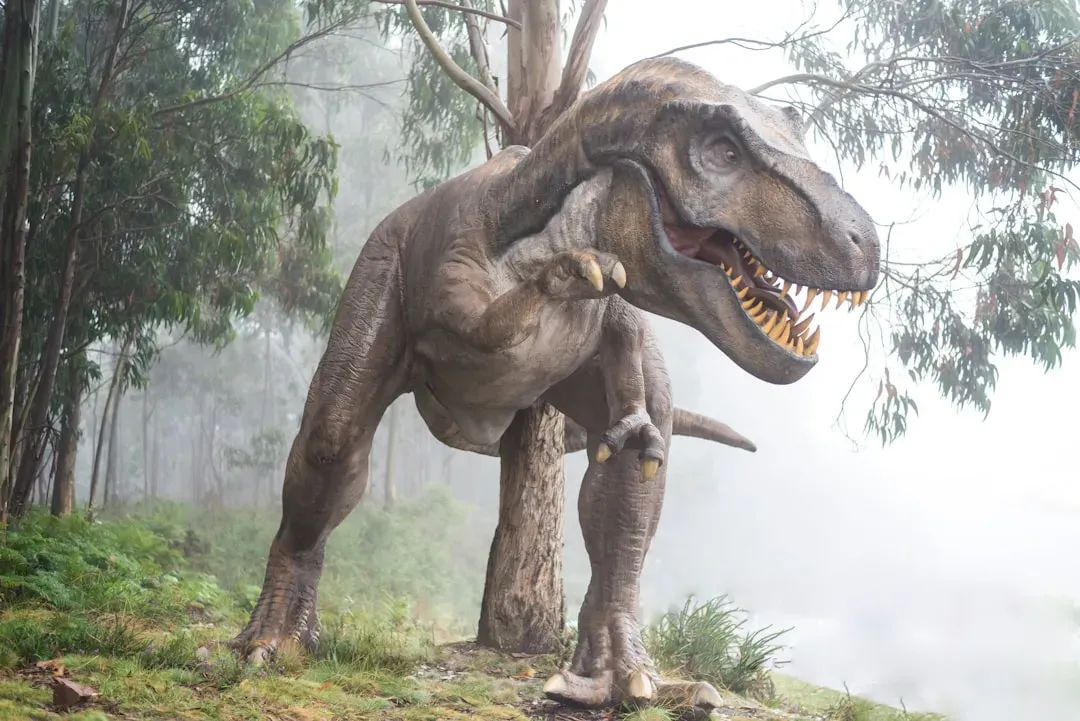
Even as the warm‑blooded case has strengthened, the last five years made it clear that dinosaurs did not all run at the same metabolic “temperature.” Studies comparing microscopic structures in different dinosaur bones suggest that some groups, especially the large, plant‑eating ornithischians like stegosaurs and horned dinosaurs, gradually dialed down their metabolic rates over time. ([news.yale.edu](https://news.yale.edu/2022/05/25/taking-dinosaurs-temperature-new-biomarker?utm_source=openai)) At the same time, meat‑eating theropods and long‑necked sauropods often show signs of much higher metabolic intensity.
This patchwork makes dinosaurs look a lot less like a monolithic category and more like a spectrum, ranging from hot‑running, bird‑like sprinters to slower, bulk‑dependent “gigantotherms” that stayed warm mainly by being huge. That diversity matters, because it changes how we reconstruct their behavior and environments: who could migrate, who could survive frosty nights, who needed constant food. To me, this kills off the lazy question of “were dinosaurs warm‑ or cold‑blooded?” and replaces it with a far more interesting one: which dinosaurs ran hot, which ran cooler, and why did evolution push them in different directions?
4. The “Feather Revolution” Extends Beyond True Dinosaurs
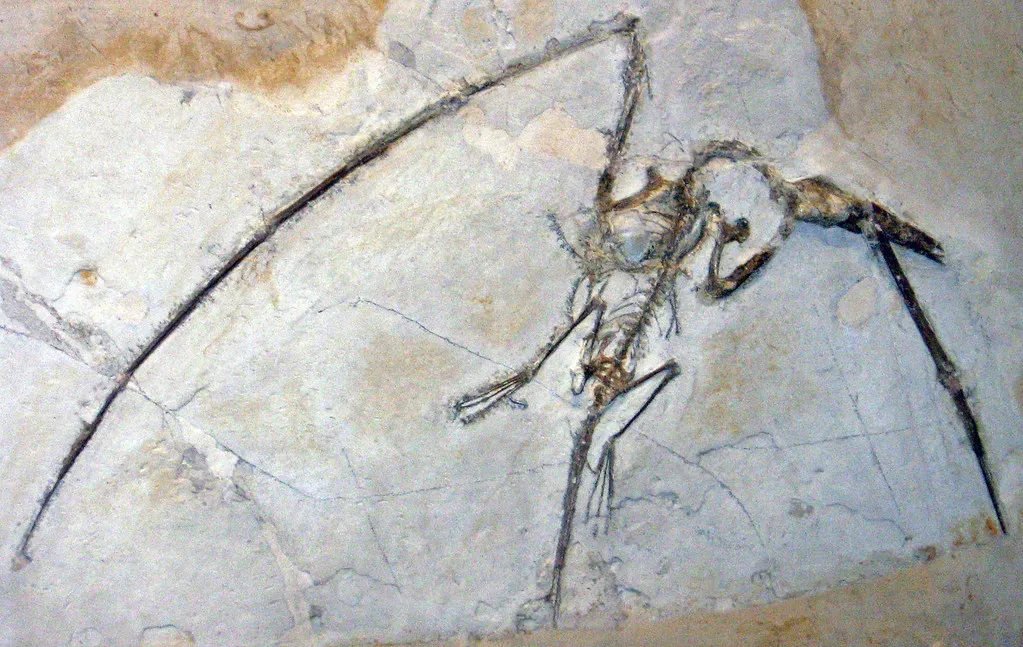
Paleontologists used to draw a sharp line between fuzzy, feathered dinosaurs and their supposedly scaly reptile cousins. Recent work has been tearing that fence down. New analyses of pterosaur skin coverings argue that the hair‑like filaments, once called pycnofibers, are best interpreted as true feathers in a broad sense, not just random fibers. ([reddit.com](https://www.reddit.com/r/Paleontology/comments/1k0j8et?utm_source=openai)) When you combine that with the Triassic reptile crest and multiple feathered dinosaur lineages, you end up with a picture where feathery structures might have been standard kit for many early archosaurs, not a late add‑on for birds alone.
That changes how we think about the origin of flight, insulation, and display. It suggests feathers did not evolve “for flying” and then spread, but were an ancient, flexible toolkit for keeping warm, signaling mates, and maybe even sensing the environment, long before any creature flapped meaningfully off the ground. I find this shift thrilling and a bit humbling: it means every new fossil skin impression can potentially redraw the map of who was fluffy, when, and how that fuzz shaped the rise of both dinosaurs and birds.
5. A New Plant‑Eater, Iani, Captures A Climate Tipping Point
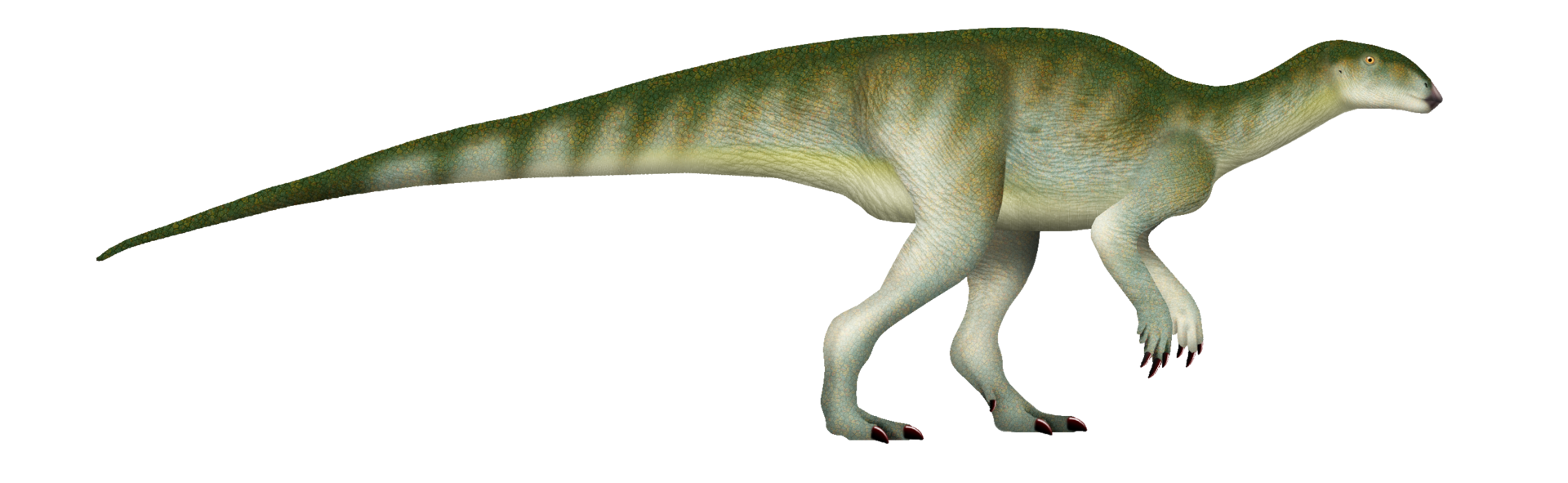
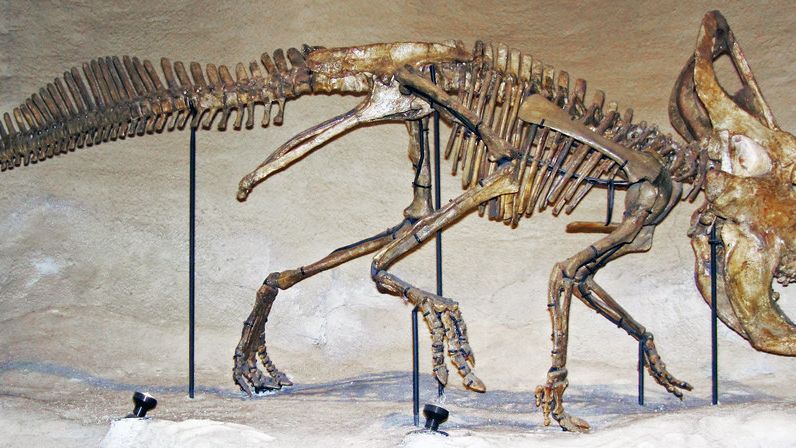
Not all game‑changing discoveries are about feathers or flashy predators; sometimes a modest plant‑eater tells a huge story. In 2023, researchers described Iani smithi from Utah, a relatively small herbivorous dinosaur that lived about 99 million years ago during a time of rising global temperatures and shifting ecosystems. ([sciencedaily.com](https://www.sciencedaily.com/releases/2023/06/230607215807.htm?utm_source=openai)) Iani sits in an unusual position on the dinosaur family tree, linking older ornithopods to later, more familiar duck‑billed hadrosaurs, but it also appears to be one of the last of its kind in North America.
What makes Iani important is the timing. It lived during a period when warming climates, changing sea levels, and new plant groups were reshuffling dinosaur communities. The authors suggested it might represent a “last gasp” of an older lineage struggling to hang on as newer herbivores rose to dominance. To me, Iani feels like a snapshot taken on the verge of a world‑scale ecological pivot – a reminder that dinosaur evolution was not a gentle, gradual drift, but a story punctuated by winners, losers, and abrupt climate‑driven overhauls that feel eerily familiar today.
6. A Big‑Thumbed Predator From Mongolia Rewrites A Famous Story
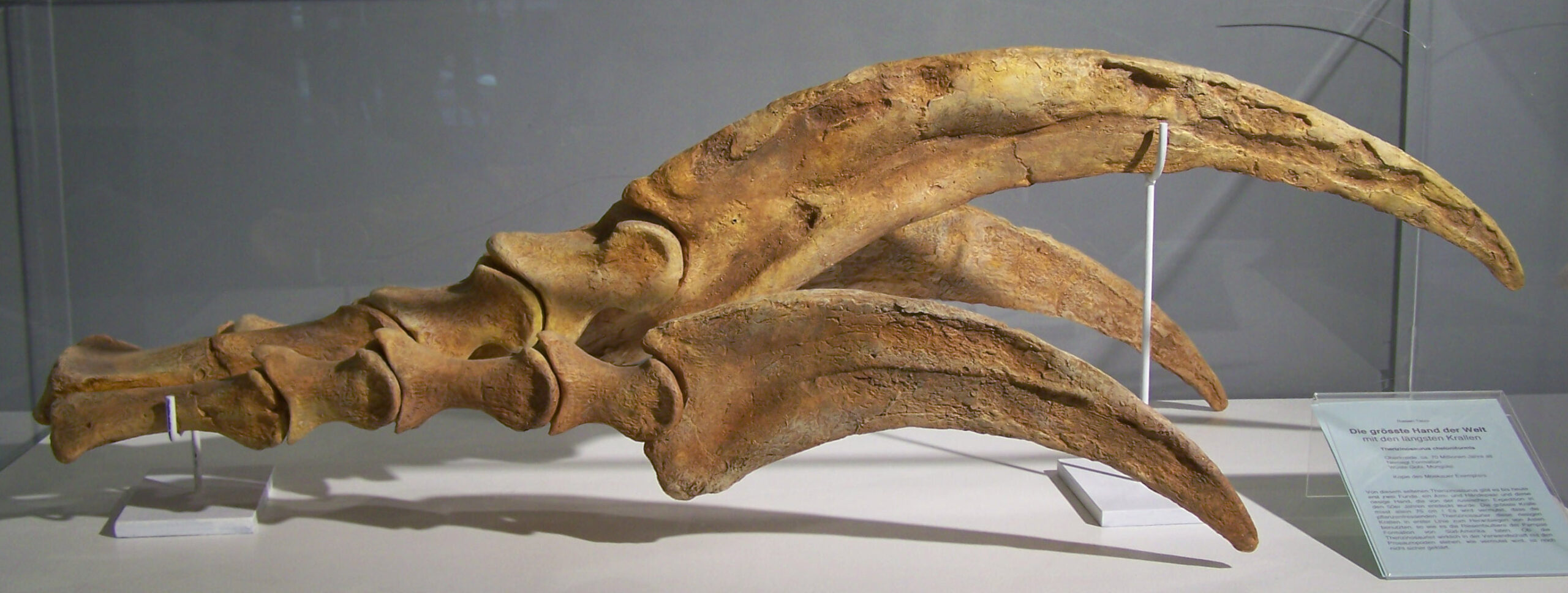
Therizinosaurus, the bizarre giant with scythe‑like claws, has long been a fan favorite, but for decades its close relatives were frustratingly mysterious. In 2023, paleontologists described a new therizinosaur from Mongolia with enlarged thumb claws that added unexpected nuance to how these animals used their limbs. ([nhm.ac.uk](https://www.nhm.ac.uk/discover/news/2023/november/new-species-big-thumbed-dinosaur-discovered-mongolia.html?utm_source=openai)) The fossils showed a crouched, resting posture with legs folded under the body and the tail curled around, remarkably similar to resting positions seen in modern birds.
This find did two important things. First, it reinforced the view that bird‑like behaviors such as tucking in limbs and wrapping the tail close to the body were already present in non‑avian theropods, blurring behavioral lines between “dinosaurs” and “birds.” Second, the specialized claws hinted that therizinosaurs were experimenting with a broader tool kit of feeding and defense strategies than we had assumed, perhaps digging, pulling branches, or manipulating food rather than just slashing. In my view, it pushes us to stop treating therizinosaurs as fringe oddities and start seeing them as innovators in the grand experiment of dinosaur body plans.
7. New Trackways And Nesting Sites Reveal Complex Social Lives
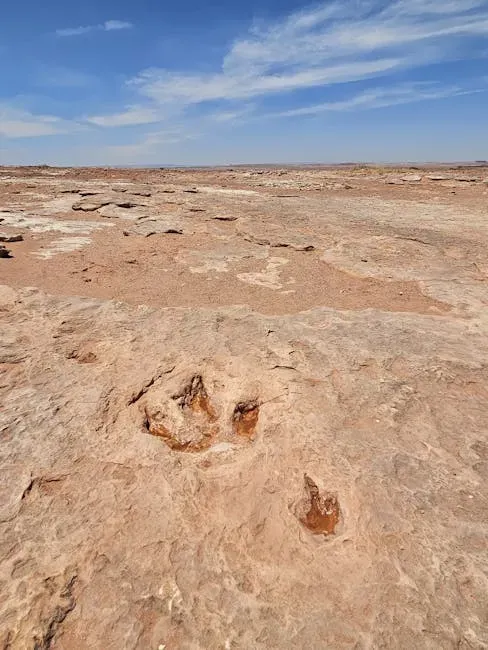
One of the most quietly transformative trends in recent years has been the study of footprints, nesting grounds, and mass death assemblages, which capture behavior frozen in time. New track sites from South America and elsewhere show large sauropods moving in coordinated groups, including herds with different size classes that likely represent mixed ages traveling together. ([en.wikipedia.org](https://en.wikipedia.org/wiki/2023_in_archosaur_paleontology?utm_source=openai)) These are not just random footprints; patterns in spacing and direction suggest deliberate group movement, more like elephant herds than solitary lizards.
At the same time, densely packed nesting sites and age‑clustered bonebeds have continued to strengthen the case that some dinosaurs nested in colonies and returned to the same sites over and over. Mussaurus, for example, is now known from huge aggregations of eggs, hatchlings, and adults from roughly the same time slice, implying coordinated, age‑structured herding almost 190 million years ago. ([livescience.com](https://www.livescience.com/dinosaur-discoveries-2021?utm_source=openai)) The takeaway is stark: social behavior in dinosaurs was not a late, bird‑only invention. Personally, I think the evidence now supports a vision of many dinosaurs as fundamentally social animals, with group coordination and parental care baked into their success.
8. The Tyrannosaur Family Tree Gets Messier – And More Interesting
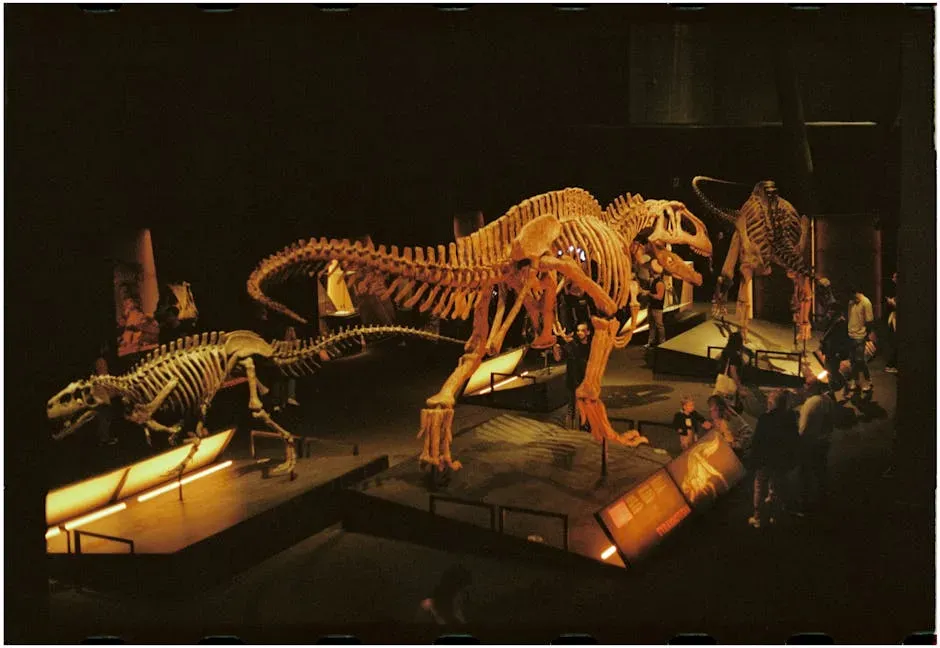
If there is one dinosaur you might have thought we “knew,” it is Tyrannosaurus rex and its close relatives. Yet the last few years have turned their family history into a heated debate. Detailed anatomical and statistical studies have proposed that some famous skulls might belong to separate species like Nanotyrannus, rather than just juvenile T. rex, highlighting more than one hundred and fifty differences between them. ([smithsonianmag.com](https://www.smithsonianmag.com/science-nature/the-top-ten-dinosaur-discoveries-of-2025-from-preserved-blood-vessels-to-the-return-of-a-short-king-180987925/?utm_source=openai)) Other work on Daspletosaurus, a slightly earlier tyrannosaur, has suggested a chain of species evolving one into another, only for new fossils described in 2025 to complicate that picture again.
Why does this matter beyond the name on a museum label? Because whether tyrannosaurs formed a tidy ladder of evolution or a tangled bush of side branches changes how we think about their rise to apex‑predator status. Did one lineage steadily refine the “super‑predator” design, or did several competing forms overlap on the landscape? My own bias leans toward the messy‑bush view; real ecosystems rarely produce perfectly neat successions. Either way, the fact that even the most iconic carnivores are up for renegotiation shows how far we are from having dinosaur diversity neatly pinned down.
9. Micro‑Fossils, Blood Vessels, And Bone Chemistry Bring Dinosaurs To Life
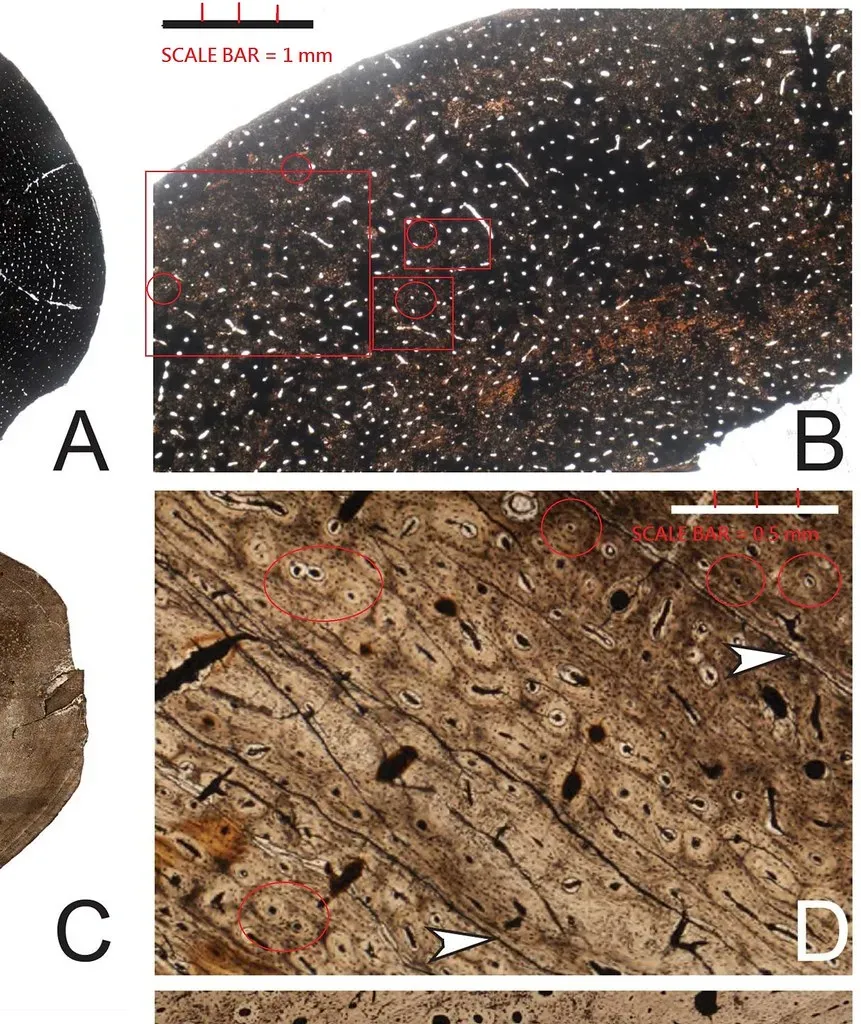
One of the most jaw‑dropping trends in recent dinosaur science is not a single discovery, but a wave of studies peering into fossils at microscopic and molecular levels. In the mid‑2020s, researchers reported preserved blood vessels and soft‑tissue structures in certain dinosaur bones, as well as new ways to read oxygen use and metabolic signals from fossil chemistry. ([news.yale.edu](https://news.yale.edu/2022/05/25/taking-dinosaurs-temperature-new-biomarker?utm_source=openai)) These techniques are not about Hollywood dreams of cloning; they are about reconstructing how fast these animals grew, how they repaired injuries, and how they coped with environmental stress.
It is fair to be cautious here: claims about original proteins or cells in dinosaur bones have sparked intense debates, and they should. But the general direction is clear and, in my opinion, revolutionary. Dinosaurs are slowly shifting from being beautifully shaped rocks to being biological individuals with traceable life histories, illnesses, and even temperature profiles. That changes our relationship to them; they feel less like mythic monsters and more like animals you could, in some alternate universe, have walked past and recognized as alive.
10. The Sheer Pace Of New Species Forces A Rethink Of Dinosaur Diversity
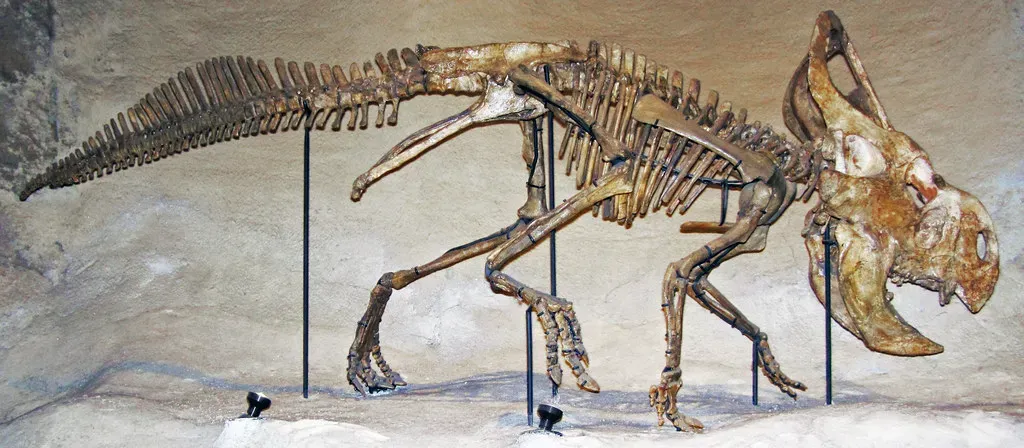
Finally, maybe the most underrated “discovery” of the last five years is just how many dinosaurs we keep discovering. Since the early 2000s, scientists have averaged dozens of new species a year, and databases tracking new names show that in 2024 and 2025 we have been close to or even exceeding roughly one new genus per week. ([totaldino.com](https://www.totaldino.com/new?utm_source=openai)) These finds span everything from polar‑dwelling predators to peculiar dwarf sauropods and massive new duck‑billed species, often from regions that were barely sampled a generation ago.
The implication is profound: our traditional picture of dinosaur ecosystems was built on a fraction of the real diversity. It is as if we tried to understand modern Africa from a handful of lion and zebra skeletons. As more species pour in, the old neat categories – the classic “theropod‑sauropod‑ornithopod” crowd scene – are dissolving into a far richer cast of specialists, oddballs, and local variants. My strong opinion is that any confident statement that begins with “dinosaurs were all…” is now almost guaranteed to age badly. The science is moving too fast, and that is exactly what makes this field so exciting right now.
Conclusion: Dinosaurs Are Getting Stranger, Smarter, And More Familiar
Looking back over these discoveries, a pattern jumps out: the more we learn, the less dinosaurs resemble the clunky monsters many of us grew up with. They come into focus as warm‑running, sometimes fuzzy, often social animals, shaped by climate shocks and evolutionary experiments just as modern creatures are. Feathers creep farther back in time, warm‑blooded metabolisms show up in unexpected branches, and even the celebrity predators turn out to have messy, contested family trees. The cartoon version of dinosaurs is not just outdated; it is actively misleading.
My own take is that this is a healthy kind of discomfort. It forces us to accept that deep time is not a static backdrop but a living, changing laboratory, and that certainty in paleontology is always provisional. Over the next five years, I would bet that even more long‑standing “facts” will fall: which lineages survived longest, how quickly some dinosaurs grew, maybe even the standard story of their final extinction pulse. The real question is not whether our picture of dinosaurs will change, but how ready we are to let go of old images when the fossils argue back – which of these surprises would you have guessed a decade ago?