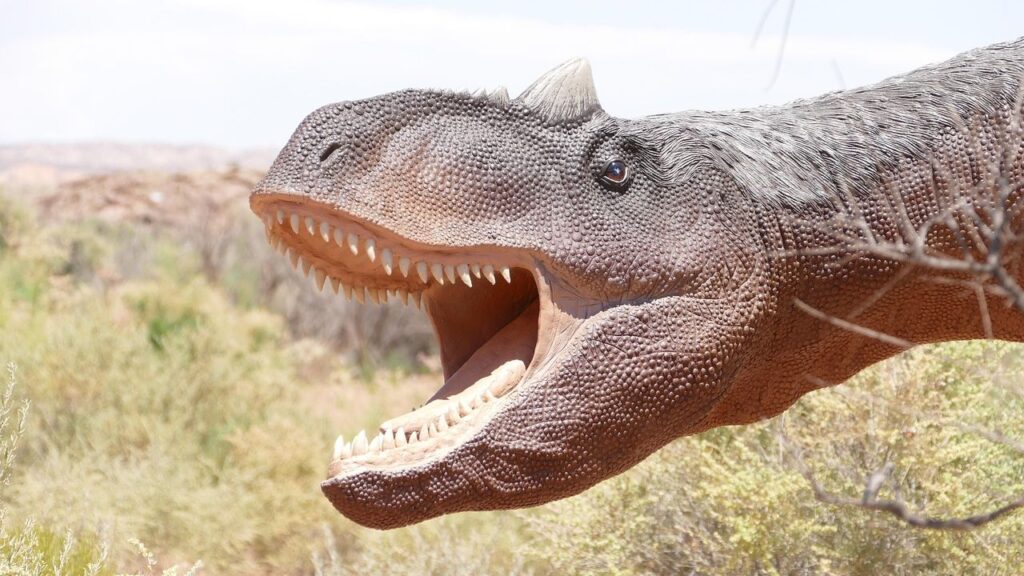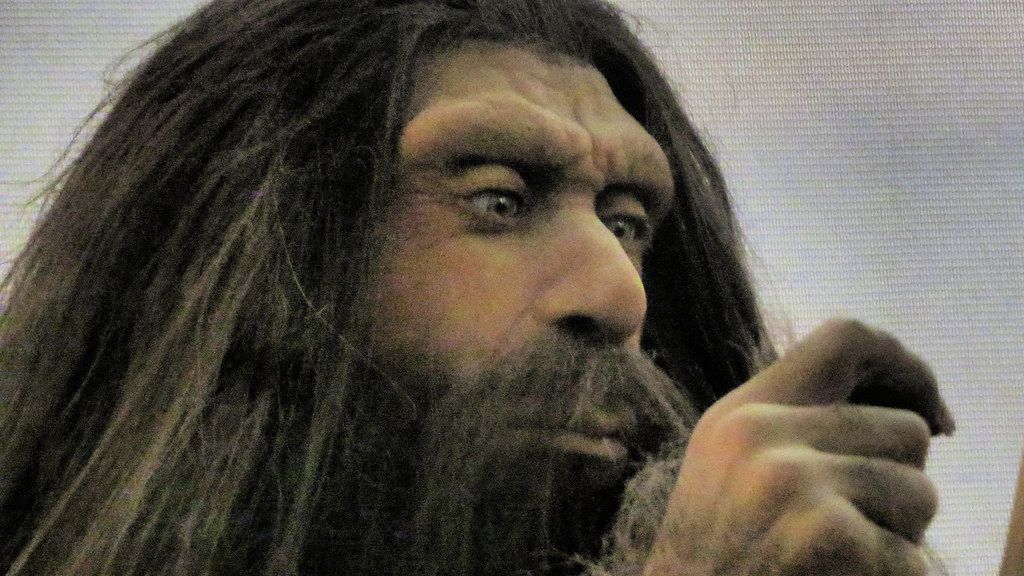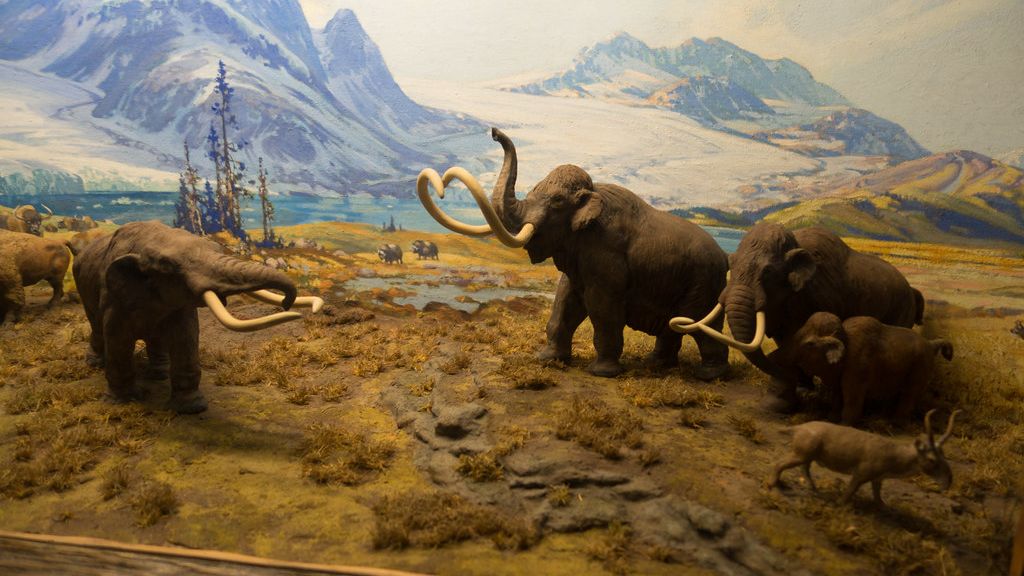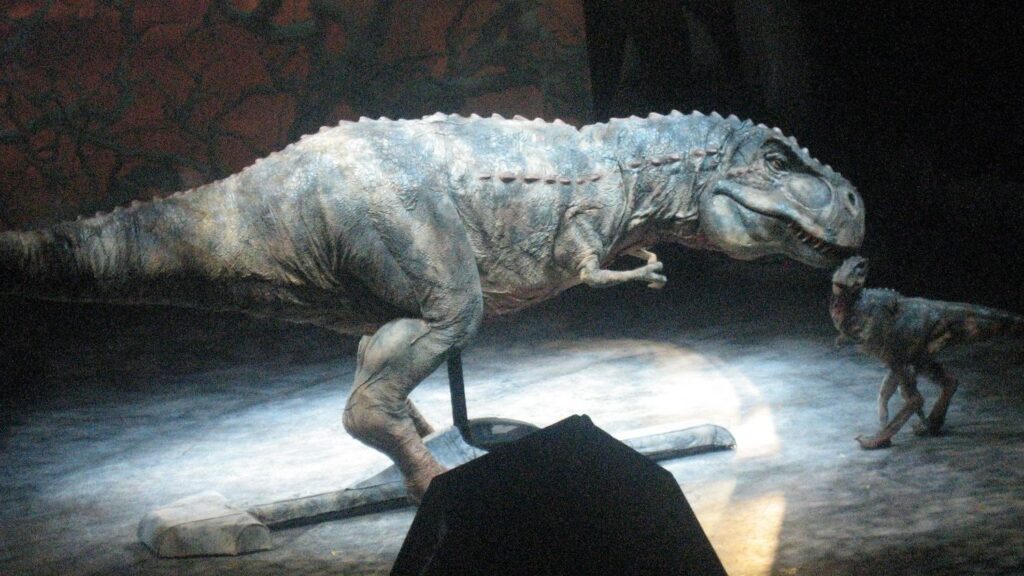
Every now and then, a TV series lands with such force that it quietly rewires what we expect from an entire genre. In the late 1990s, Walking With Dinosaurs did exactly that. It arrived on screens looking less like a documentary and more like a time machine, daring people to believe that for half an hour they were actually standing in the Mesozoic, feeling the ground shake under titanic feet.
If you grew up with it, you probably remember that eerie mix of wonder and unease: this was not a kids’ cartoon, and it was not a dry science lecture either. It felt dangerous, monumental, strangely intimate. Two decades later, we have better computers, bigger screens, louder speakers – and yet, somehow, almost nothing has matched the shockwave Walking With Dinosaurs sent through science TV, dinosaur culture, and even our emotional connection to deep time. Let’s dig into why that is, and what it says about us, not just about dinosaurs.
The Moment TV Stepped Into the Mesozoic
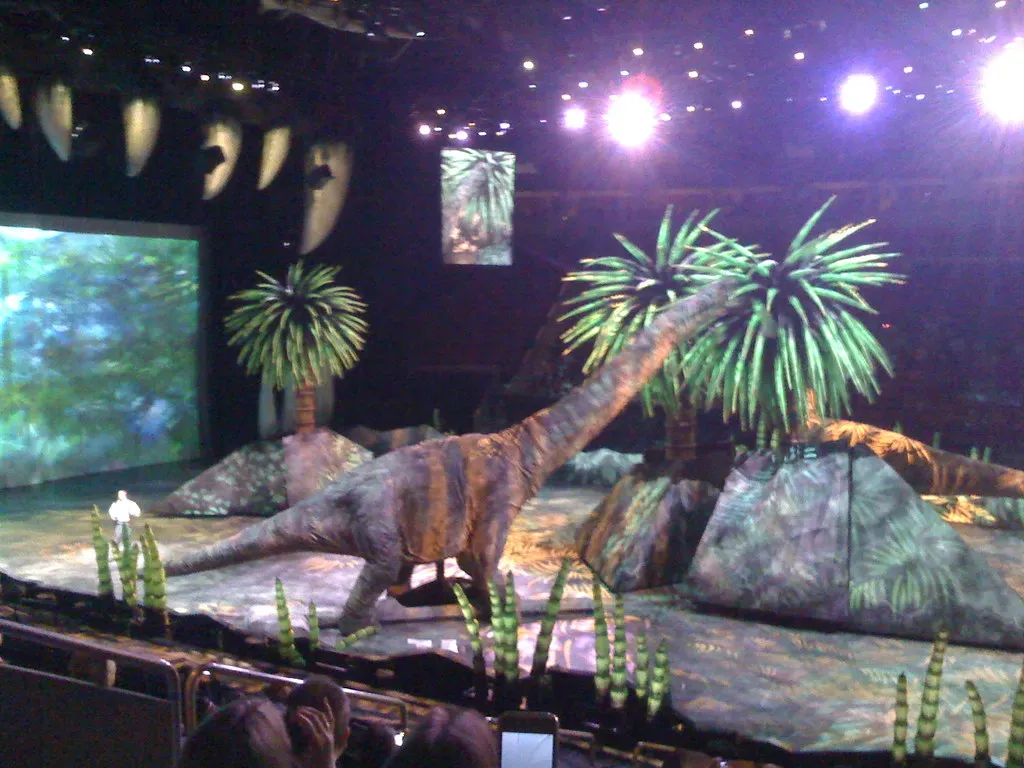
Imagine watching television in 1999, when CG creatures mostly lived in movie theaters and nature documentaries still depended on shaky long-lens footage and sober narration. Then along comes a series that looks like a big-budget feature film but claims to be a factual documentary about a world that vanished sixty-six million years ago. Walking With Dinosaurs did not just tell you about the past; it staged it, shot it, and scored it as if the camera crew had survived a time warp.
This was a radical shift in how science stories were told. Until then, prehistoric life was usually relegated to educational specials or kids’ entertainment, often clearly framed as re-enactments or dramatic interpretations. Walking With Dinosaurs blurred that line so aggressively that some viewers genuinely thought they were seeing real animals, somehow filmed in the wild. That illusion mattered: it raised the standard for what a “serious” science documentary could feel like, and everything that came later had to live in its shadow.
A Fiction Film’s Budget and Ambition, A Documentary’s Soul
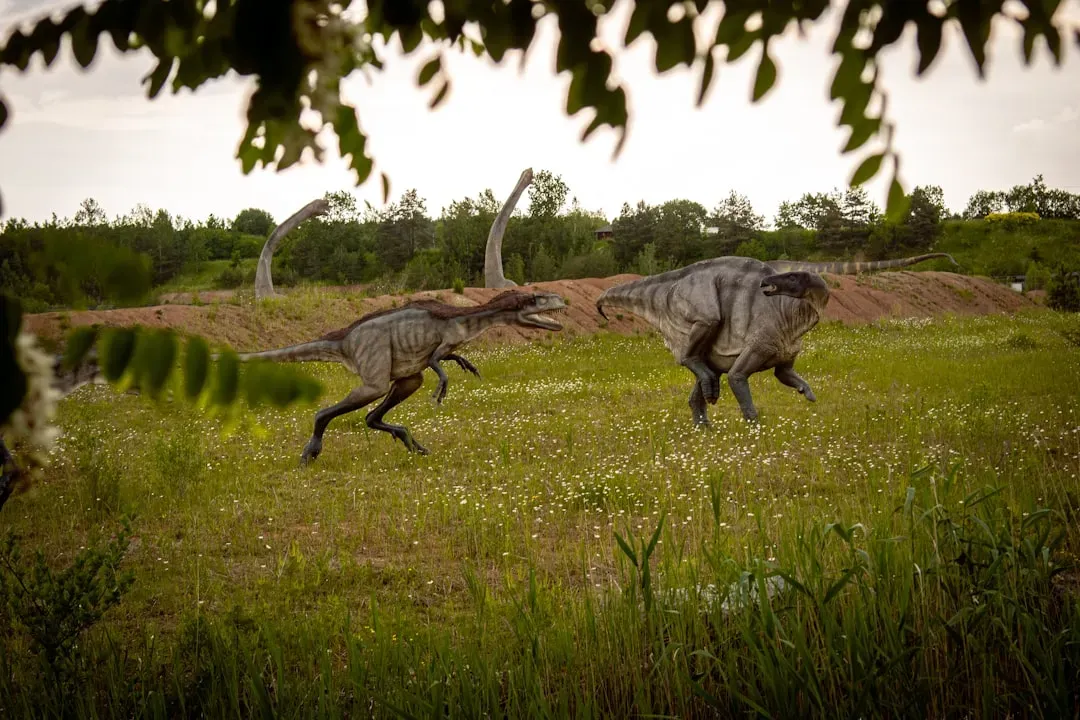
Part of the magic lies in the sheer ambition of the production. The series combined location shooting in real landscapes with then-cutting-edge computer graphics and animatronics, treating extinct animals with the same cinematic care usually reserved for blockbuster monsters. Instead of talking heads and museum exhibits, you got sweeping shots of herds migrating across deserts, close-ups of hunting behavior, and choreographed life cycles that played like scripted drama.
Yet under all that spectacle, Walking With Dinosaurs stayed grounded in peer-reviewed science of its time. Paleontologists advised on anatomy, behavior, and ecology, and the series took those inputs seriously, even when it meant showing quieter, less “Hollywood” scenes: nesting, parenting, scavenging, dying. That blend – film-level visual ambition tied firmly to a documentary ethos – turned it into something unique. Most later dinosaur shows leaned harder either into pure entertainment or sober education; Walking With Dinosaurs somehow walked the tightrope between both.
When Dinosaurs Stopped Being Monsters and Became Animals
Before Walking With Dinosaurs, a lot of TV dinosaurs were essentially movie monsters with Latin names. They roared, they attacked, they loomed. This series did something quietly revolutionary: it treated them as animals first. You watched a mother risk herself to protect her young, a herd navigate seasonal scarcity, a predator fail to catch prey and limp away injured. The emotional beats felt closer to a wildlife documentary about lions or elephants than to a creature feature.
That shift had a profound psychological effect on viewers. Once you start seeing dinosaurs as complex creatures embedded in ecosystems, not just teeth and claws, extinction hits differently. The famous meteor impact stops being a cool explosion and turns into a mass tragedy. By making dinosaurs relatable without turning them into cartoon mascots, Walking With Dinosaurs deepened the public’s empathy for deep time and extinction in a way very few shows – even today – have managed to match.
The Shock of Realism in a Pre-Streaming World
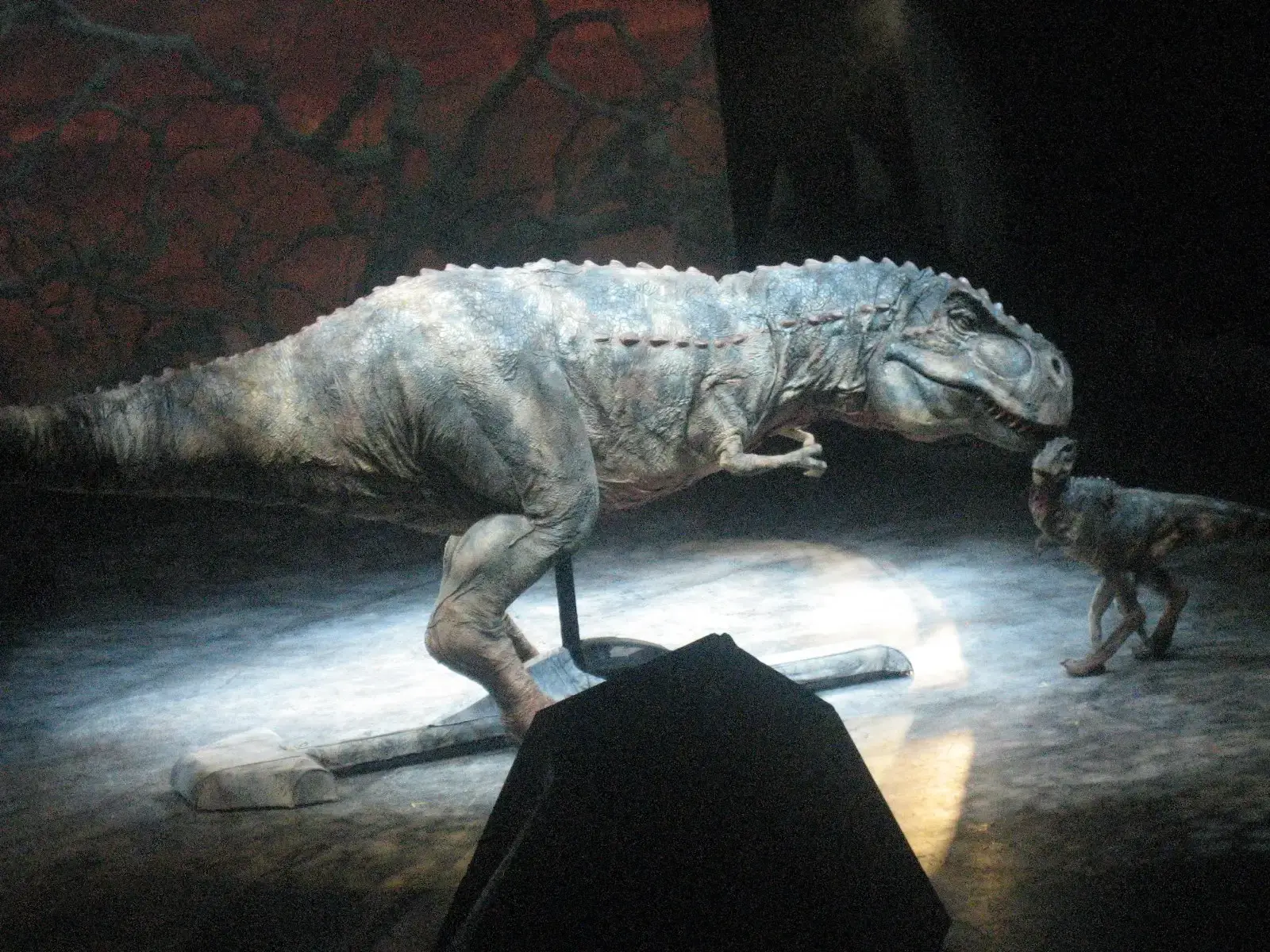
It is hard to explain to younger viewers how shocking the visuals felt at the time. Today we scroll past movie-quality CG on social media without blinking. In the late 1990s and early 2000s, seeing dinosaurs that moved with weight, interacted believably with real landscapes, and were lit like live-action animals felt almost uncanny. You did not just accept them as “good for TV.” You forgot you were watching effects at all.
That shock was amplified by the cultural context. There was no endless library of streaming content to dilute the impact. A series like this was an event; families scheduled evenings around it, classrooms recorded it on VHS for repeated viewing, and kids dissected every episode on the playground. The combination of limited access, shared viewing, and groundbreaking visuals created a collective memory that later, even technically superior shows, struggle to rival. They might be sharper, but that first feeling of disbelief cannot be recreated.
Science Marches On, But the Myth Remains
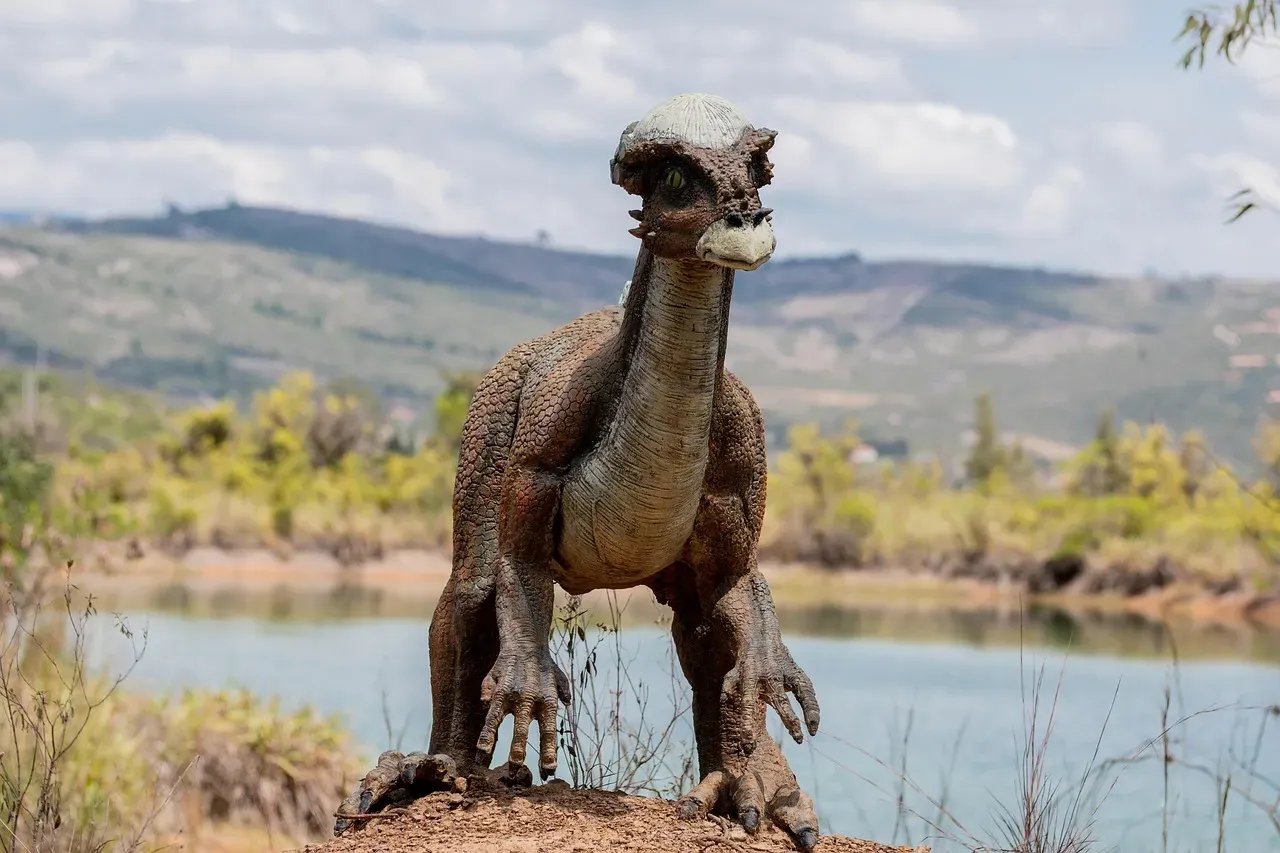
From today’s standpoint, some scientific details in Walking With Dinosaurs are outdated. Our understanding of feathers, coloration, posture, and even species relationships has shifted significantly since the series aired. In a way, that is the natural destiny of good science communication: it eventually becomes a time capsule of what we thought we knew. Yet the mythic aura of the series persists, even as paleontology keeps rewriting the details.
This tension is part of why nothing quite eclipses it. Later productions have incorporated more modern science, shown feathered theropods more confidently, and revised behaviors according to new fossil evidence. But the emotional architecture that Walking With Dinosaurs built – the sense of an authoritative “definitive” window into the prehistoric world – arrived at a very particular moment. Once people have crowned a series as the version imprinted on their childhood and cultural memory, later and possibly more accurate material ends up feeling like updates rather than revolutions.
Why Later Dino Documentaries Feel Smaller, Even When They Are Not
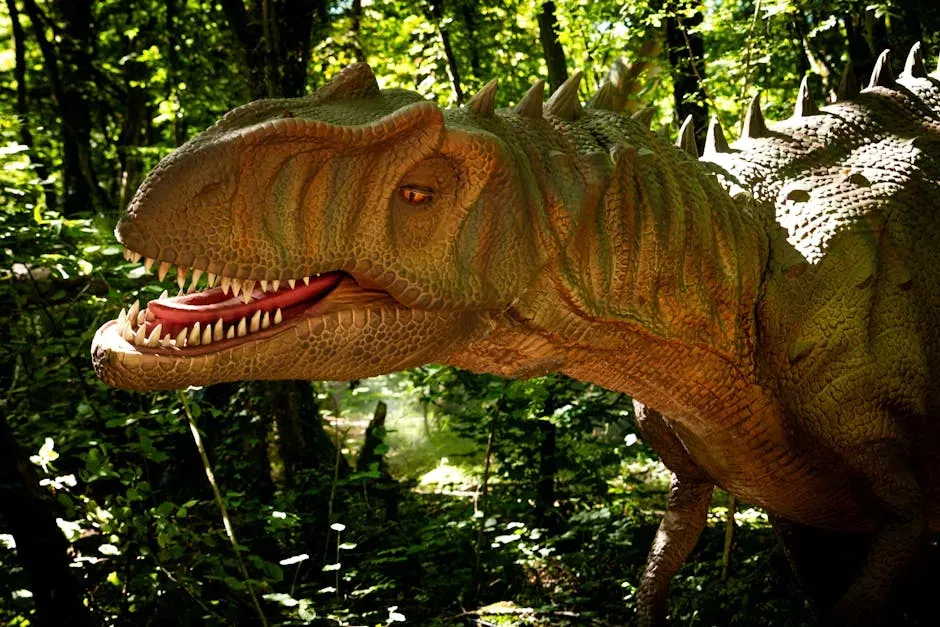
It is not that later dinosaur series have been weak; some have been visually stunning and scientifically bold. The problem is almost unfair: they are being compared to a show that essentially invented the template they are using. When every new production uses cinematic re-creations, sweeping narrative arcs, and wildlife-style storytelling, the once-radical becomes invisible. Walking With Dinosaurs had the advantage – and the burden – of being first in that specific form.
There is also the reality of attention. In a fractured media landscape, even brilliant dinosaur documentaries can drop quietly and vanish into the algorithm within a week. Walking With Dinosaurs, by contrast, lived in an era of appointment television, physical media, and classroom screenings. That structural difference changes how big something feels. A modern series might match or even surpass it in individual moments, but if people watch it alone on a tablet while multitasking, it simply cannot carve the same deep groove in our collective memory.
The Deep-Time Awe We Are Still Chasing
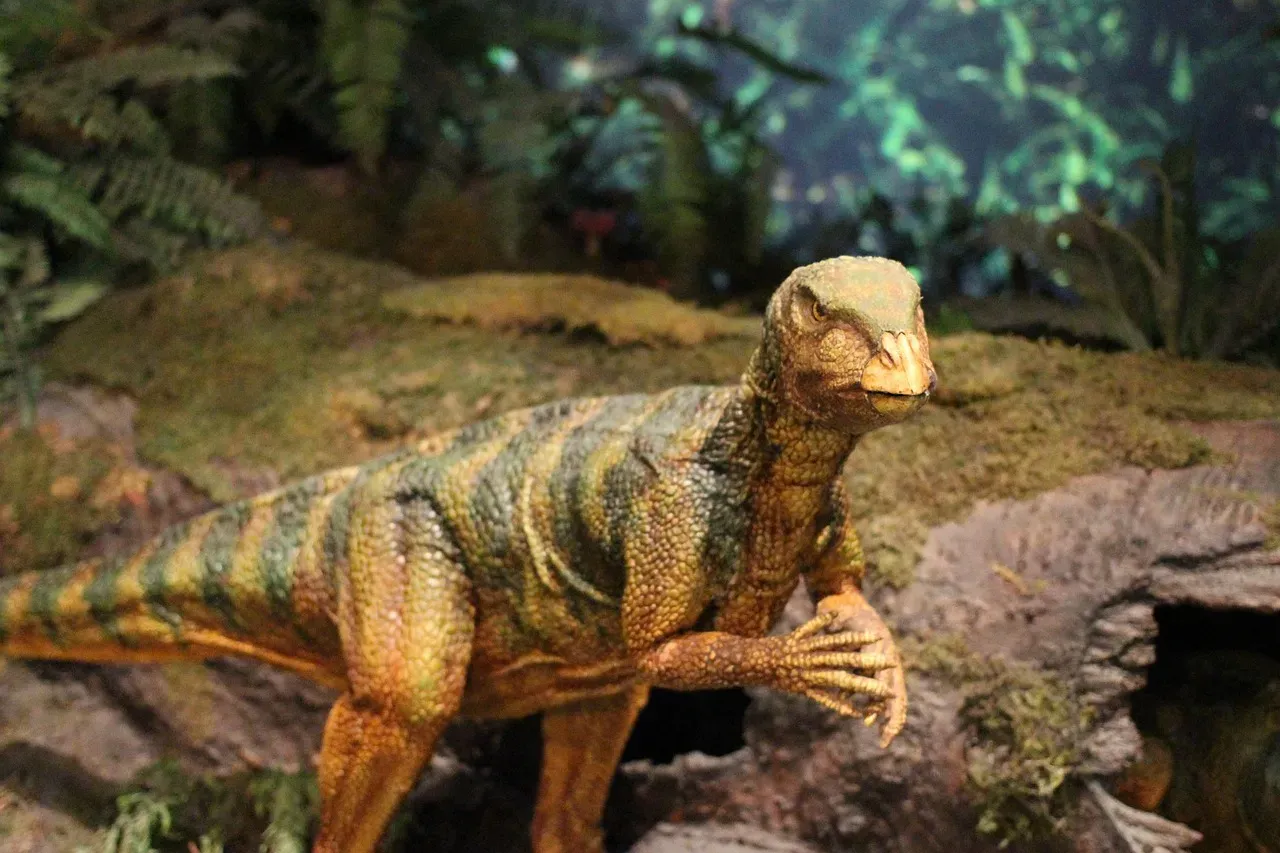
Under all the technical achievements and nostalgic glow, the real impact of Walking With Dinosaurs is emotional: it made deep time feel intimate. It shrank a span of hundreds of millions of years down to the length of a school evening, and yet somehow preserved the sense of vastness and loss. You were allowed to fall in love with creatures that you already knew were doomed, which is a strangely powerful way to learn about evolution, extinction, and the fragility of ecosystems.
In my view, that is why nothing since has truly come close. Plenty of productions have looked sharper and been more accurate, but very few have combined timing, ambition, cultural context, and emotional weight so perfectly. The series hit a nerve that many of us are still quietly chasing whenever we click on a new dinosaur documentary: that hope that, just for a moment, we might feel the ground shake again beneath ancient footsteps. Maybe the real question is not whether anything will ever surpass Walking With Dinosaurs, but whether we still allow ourselves to be that astonished.