You know that stock image of prehistory: a lone Tyrannosaurus rex roaring on a lunchbox, looking like it owns the entire Cretaceous? It makes for a great sticker, but it also quietly lies to you. T. rex was indeed a monster, but it was only one apex predator in a world packed with creatures that make it look almost… reasonable. Once you start digging into the fossil record, you realize the scariest things to ever walk this planet are rarely the ones with the best merch.
What really blows my mind is how many of these nightmare-fuel animals barely show up outside specialist books and museum halls. They were bigger, faster in some cases, better-armed, or simply more bizarrely lethal than T. rex, yet kids never trade cards with their names on it. So let’s fix that. Here are eleven dinosaurs that, if you accidentally wandered into their habitat, would make you wish for a friendly little Tyrannosaurus instead.
Spinosaurus: The Crocodile-Backed River Reaper
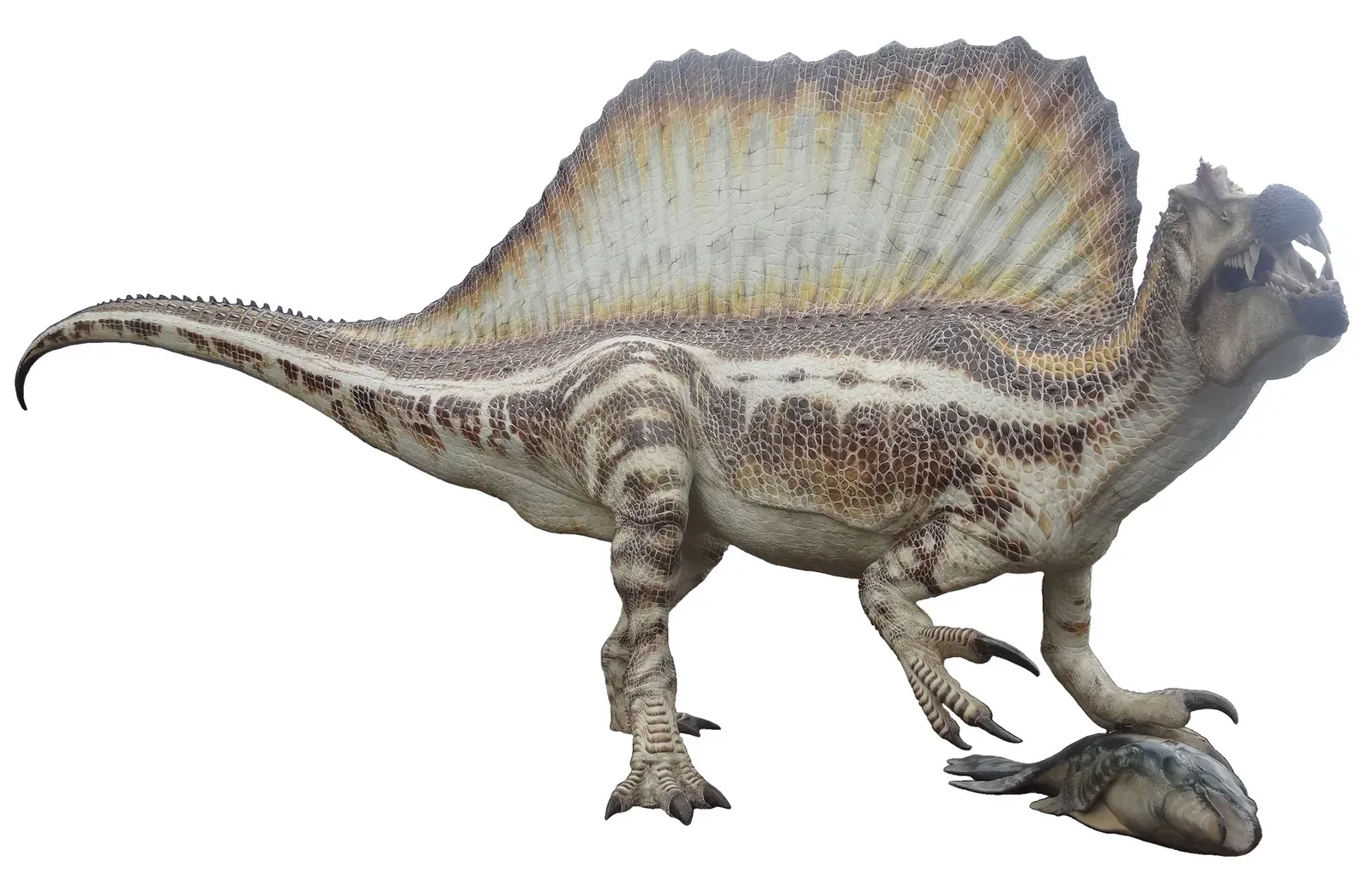
Spinosaurus is the one dinosaur that makes even T. rex look a bit underdressed. It was longer overall, with estimates suggesting it rivaled or exceeded T. rex in total body length, and it came loaded with a crocodile-like skull packed with conical, fish-grabbing teeth. Imagine a twelve-meter-plus predator built like a mash-up of a heron, a crocodile, and a battleship, cruising the rivers of Cretaceous North Africa. That alone is unnerving, but then you realize it likely spent much of its life in or near water, where visibility is low and escape routes are limited.
What really pushes Spinosaurus into terror territory is its lifestyle. Evidence from its bones and anatomy points to a semi-aquatic existence, meaning this was not just a land hunter; it was an ambush predator of rivers and swamps. Picture kayaking down a murky river only to realize that giant sail-like shape cutting the surface is attached to something that can lunge out like a supercharged crocodile. T. rex ruled floodplains; Spinosaurus ruled the deep, dark, “you can’t see your feet” places where humans instinctively feel vulnerable.
Giganotosaurus: The Giant Rex With a Worse Attitude
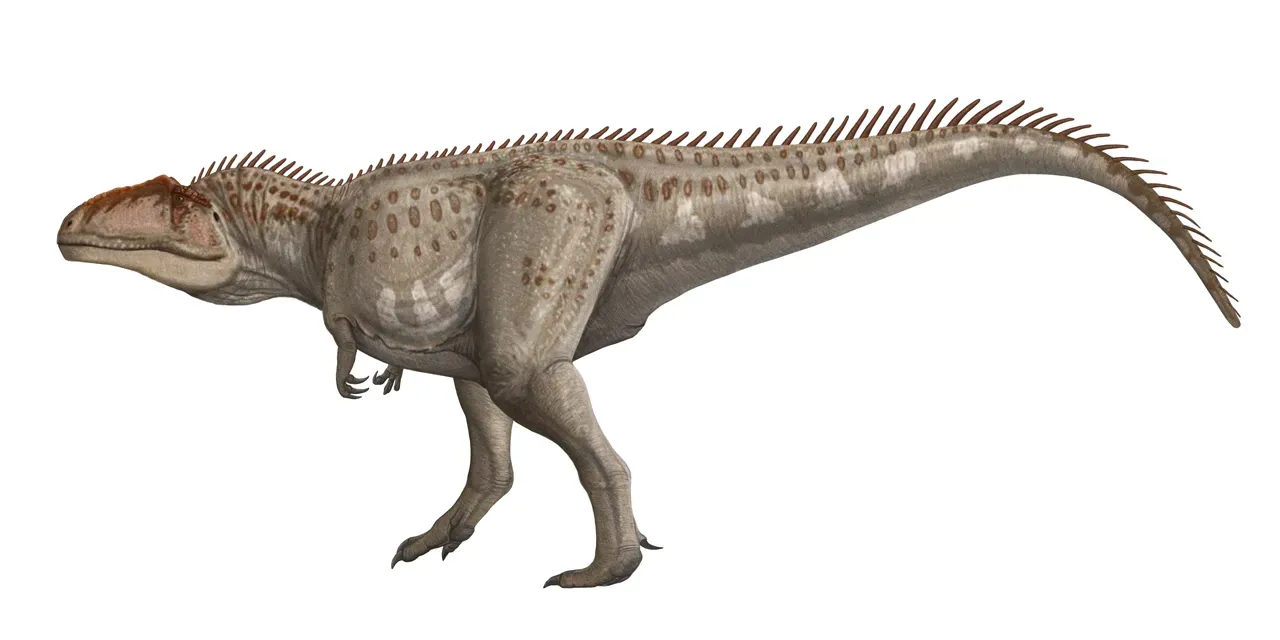
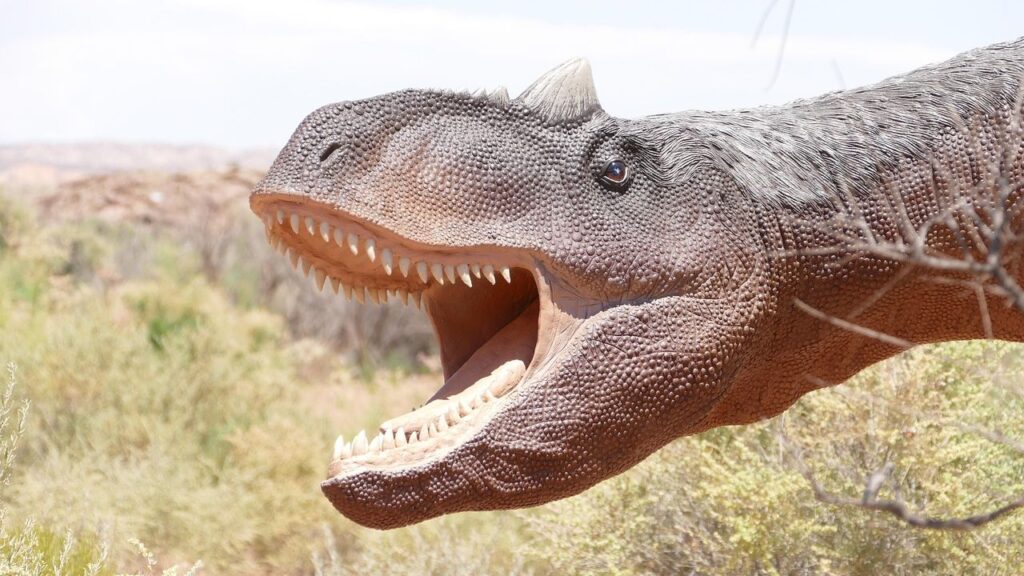
Giganotosaurus is often boiled down to a fun fact: it was roughly as big as T. rex, maybe a little longer. But that undersells how terrifying this predator really was. It belonged to a group called carcharodontosaurids, whose skulls were lined with long, blade-like teeth more suited to slicing than crushing. Rather than the bone-snapping, single-bite power of T. rex, Giganotosaurus probably fought more like a gigantic land shark, inflicting repeated slashing wounds and letting prey bleed out.
Now put that in its ecological context. Giganotosaurus lived in what is now South America, sharing its world with enormous titanosaur sauropods that were basically walking office buildings. To take down prey like that, you need more than a strong jaw; you need aggression, strategy, and staying power. Some scientists think these big carcharodontosaurids might have hunted in loose groups, or at least exploited the same carcasses repeatedly. Whether or not they truly cooperated, the idea of a slicing-toothed giant, potentially operating alongside others, is the sort of thing that makes T. rex’s solitary, bone-crushing style feel almost polite.
Carcharodontosaurus: The Meat-Shark of the Sahara
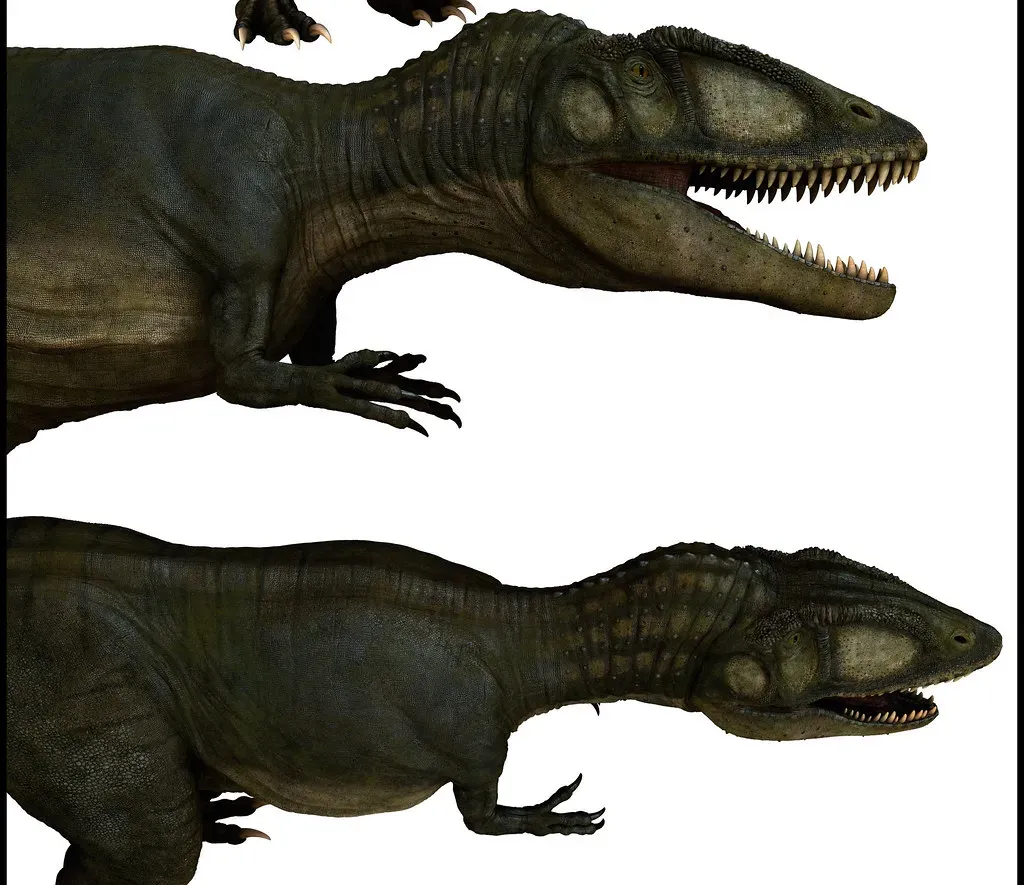
Carcharodontosaurus literally carries a name that compares it to a great white shark, and it lives up to it. This North African predator had a massive skull lined with serrated, knife-like teeth designed to carve through flesh. Rather than the robust, deep-skulled look of T. rex, its head was lower and longer, emphasizing reach and shearing power over crunching force. If a T. rex is a sledgehammer, Carcharodontosaurus is a rack of chef’s knives in motion.
What makes it especially unsettling is the ecosystem it ruled. In its time, the region that is now part of the Sahara was a humid, lush system packed with giant fish, croc-like reptiles, and other predators, including Spinosaurus. This was not a lonely king on an empty throne; it was a deadly arms race in a predator-saturated environment. Carcharodontosaurus had to be efficient, opportunistic, and willing to tackle truly enormous prey just to survive. The mental image of that slicing jaw moving through herds of giant herbivores, leaving gaping, bleeding wounds, is far more grisly than your typical T. rex lunchbox art.
Mapusaurus: The Pack Hunter of Titanosaur Country
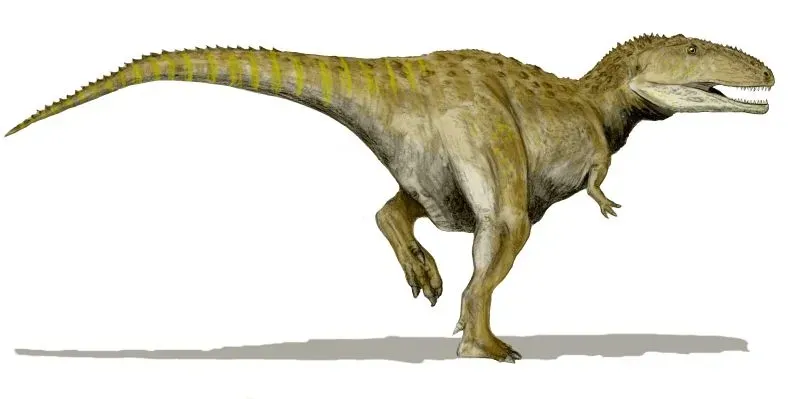
Mapusaurus does not get half the attention it deserves, even among dinosaur fans. It was another massive carcharodontosaur from South America, very similar in size and design to Giganotosaurus. What sets Mapusaurus apart, though, is the evidence suggesting it might have lived, or at least died, in groups. Paleontologists have uncovered bonebeds where multiple individuals of different ages are preserved together, hinting at some kind of social or at least loosely coordinated behavior.
If Mapusaurus really did engage in group hunting, that alone makes it more terrifying than T. rex for most scenarios. A single tyrannosaur is horrific enough; imagine several large, blade-toothed predators coming at you from multiple angles, testing a herd for weakness. Even if they were not as tightly organized as a wolf pack, sheer numbers and size would have done the job. Herd animals that might have stood a chance against one solitary attacker suddenly faced a coordinated wave of teeth, claws, and momentum.
Allosaurus: The Classic Slasher With a Nasty Bite Strategy
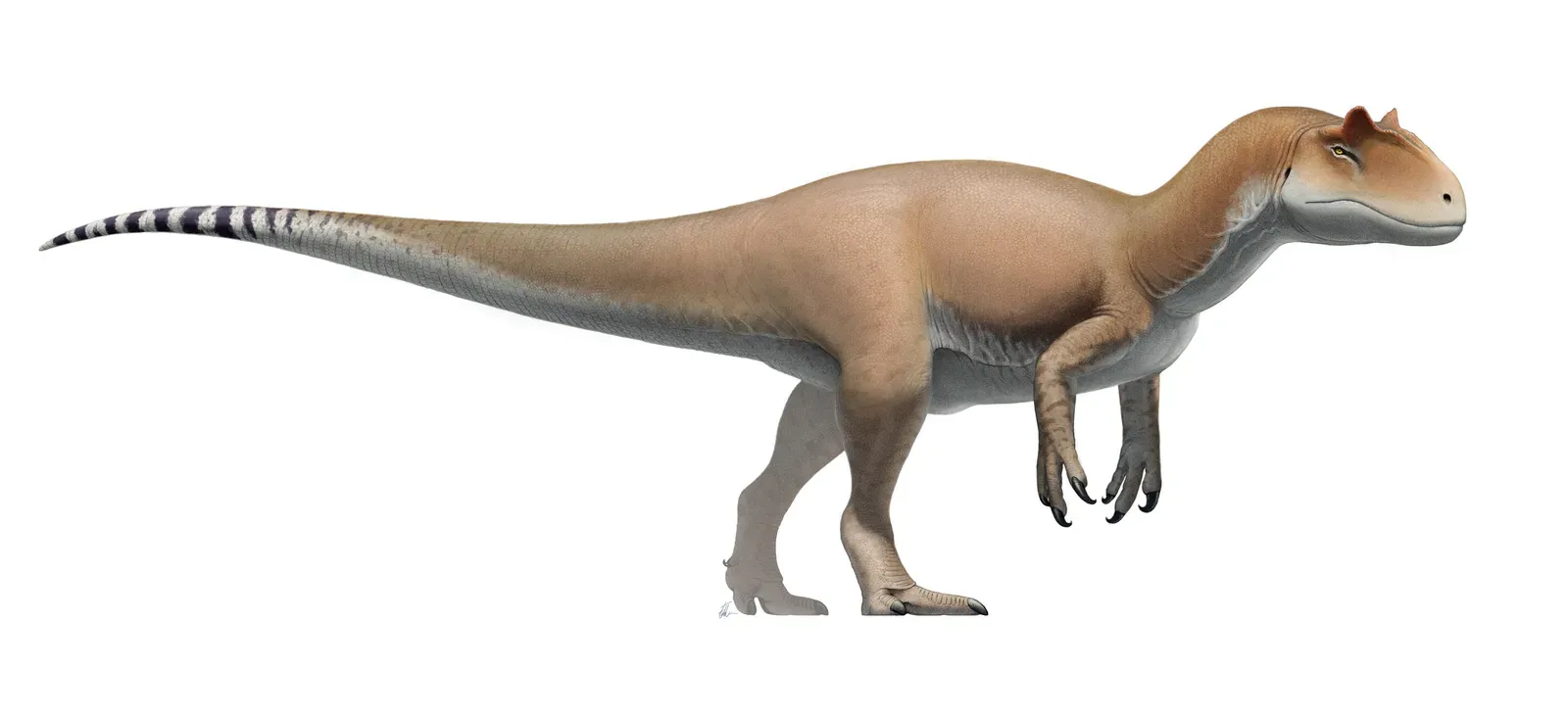
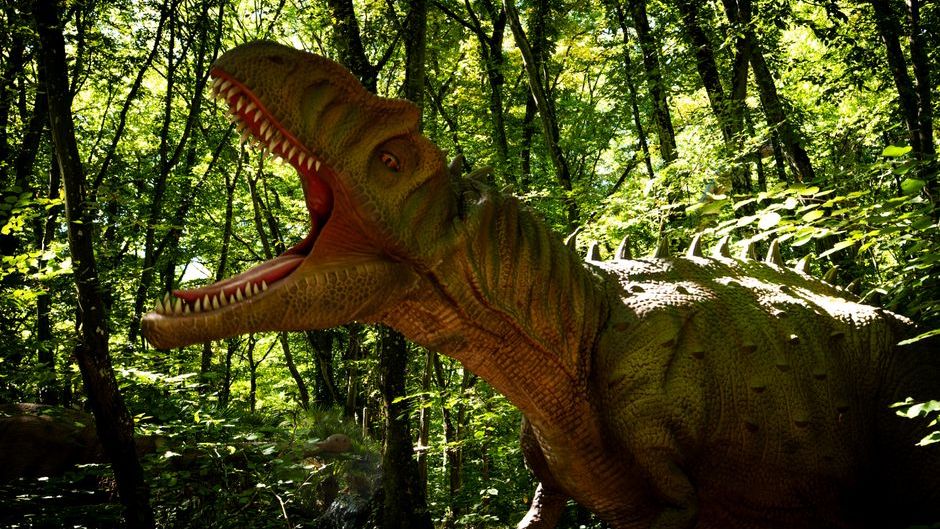
Allosaurus is sometimes treated like a “starter kit” theropod in popular media, a warm-up act before the big Cretaceous stars. That does it a huge disservice. Allosaurus was the top predator of its time in Late Jurassic North America, sharing its world with massive sauropods like Diplodocus and Apatosaurus. Its skull and neck anatomy suggest a gruesome hunting style: instead of just clamping down and holding, it may have used its jaws almost like a hatchet, biting and then pulling back to tear out chunks of flesh.
The horror factor ramps up when you consider how agile it likely was. Compared with the bulkier look of T. rex, Allosaurus seems built for maneuverability, with long arms, sharp claws, and a more lightly built head. Some studies have suggested that groups of Allosaurus might have gathered around carcasses or even hunted cooperatively, though that is still debated. In any case, a fast, slashing, multi-weapon predator weaving in and out around giant sauropods feels more like something from an intense horror game than the lumbering, solitary monster we put on kids’ lunchboxes.
Utahraptor: The Raptor That Actually Deserves the Hype
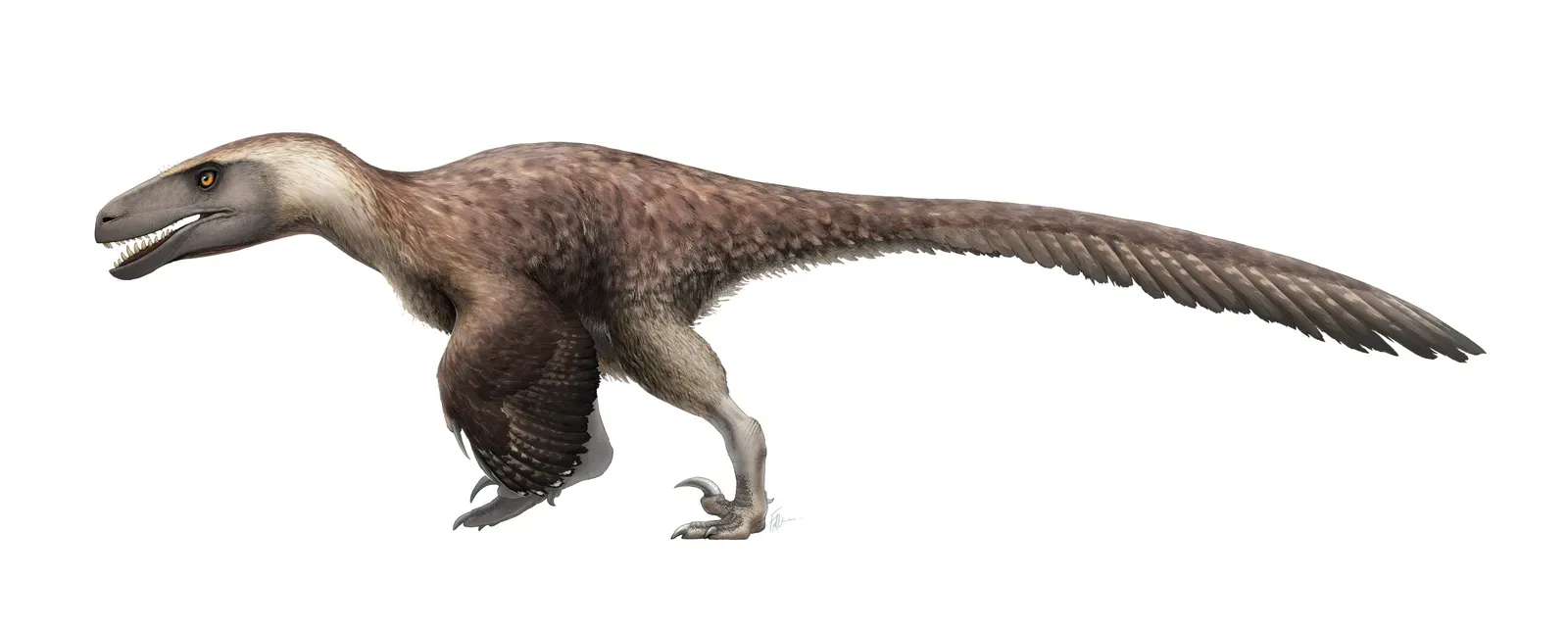
Most people picture Velociraptor as the nightmare raptor, thanks to movies, but the real Velociraptor was turkey-sized. Utahraptor, on the other hand, was more like the creature those films hinted at but never fully delivered. This Early Cretaceous predator from what is now Utah could reach lengths of around six to seven meters, with a robust body and that infamous curved claw on each second toe. Instead of a small, sneaky thief, think of a heavy, wolf-sized or larger raptor packed with muscle and weaponized feet.
What really sets Utahraptor apart is the combination of that size with the classic dromaeosaur toolkit: sharp claws, grasping hands, and likely good agility. That sickle claw on the foot was not just for decoration; it probably helped pin, slash, or grip struggling prey. Some fossil sites show multiple Utahraptor individuals preserved together with the remains of large herbivores, hinting that group activity might have been involved. A coordinated attack by athletic predators using hooked claws and fast strikes is a very different kind of terror than a single, towering tyrannosaur bearing down on you.
Deinonychus: The Original “Clever Girl” That Changed Everything
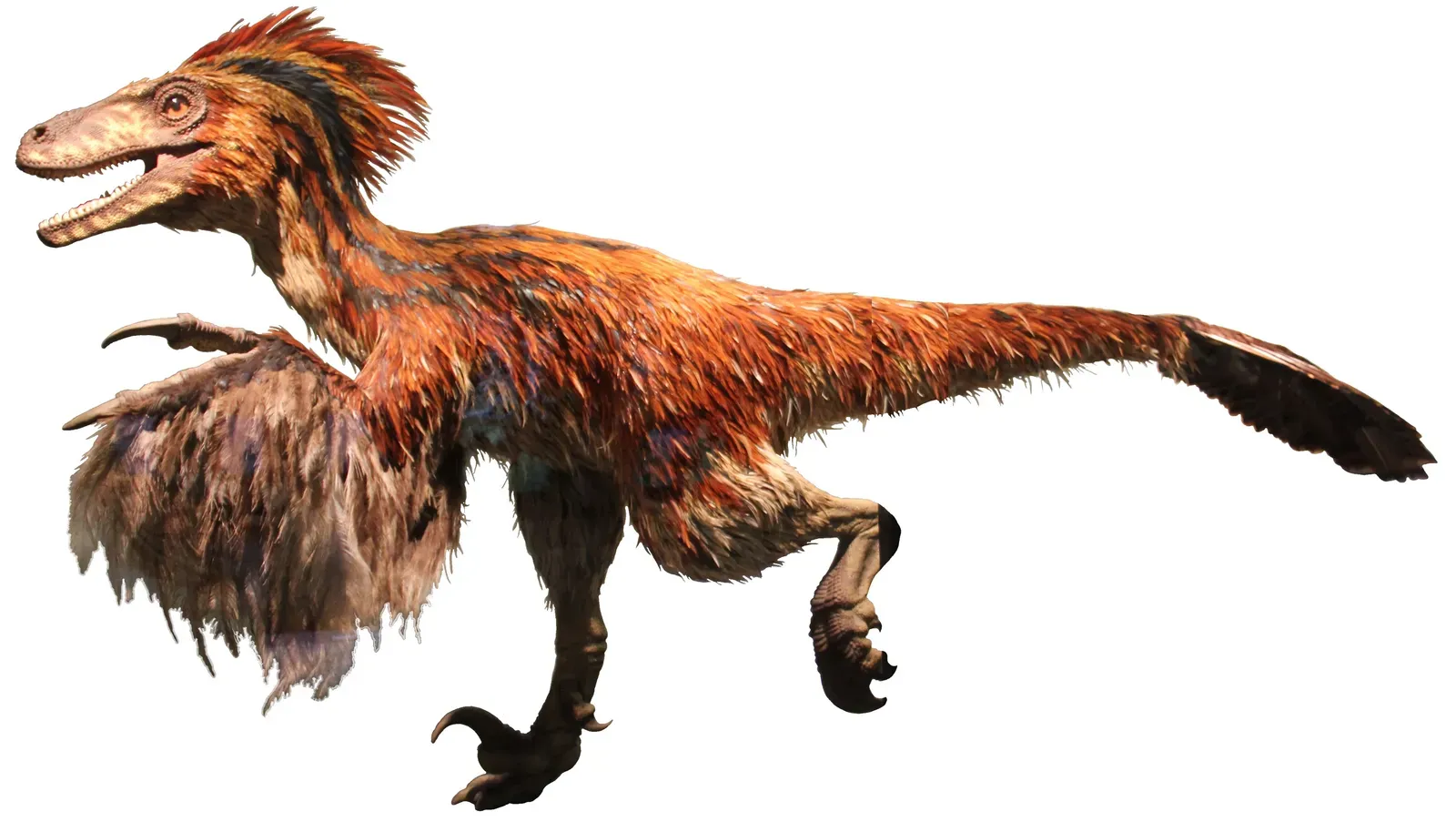
Deinonychus is not the biggest killer on this list, but it might be one of the most unsettling once you understand what it represents. When scientists first studied its fossils in depth during the twentieth century, they realized this was no sluggish reptilian brute. It had a flexible, balancing tail, long legs, and that signature sickle claw on each foot, all pointing toward a dynamic, active predator. Deinonychus helped spark the whole “raptors were smart, fast, and bird-like” revolution in how we see dinosaurs.
Imagine an animal about human-sized but longer and more streamlined, likely covered in feathers, equipped with jaws full of serrated teeth and a hooked killing claw it could drive into soft tissue. There is also evidence suggesting that dromaeosaurs like Deinonychus might have shown some complex social behavior, at least gathering at kills. Even if it did not hunt in organized packs, multiple individuals converging on prey would be chaos for anything caught in the middle. While T. rex is terrifying in a straightforward, towering way, Deinonychus is terrifying in the “fast, agile, thinks in three dimensions” way that people instinctively fear.
Therizinosaurus: The Nightmare Herbivore With Scythes for Fingers
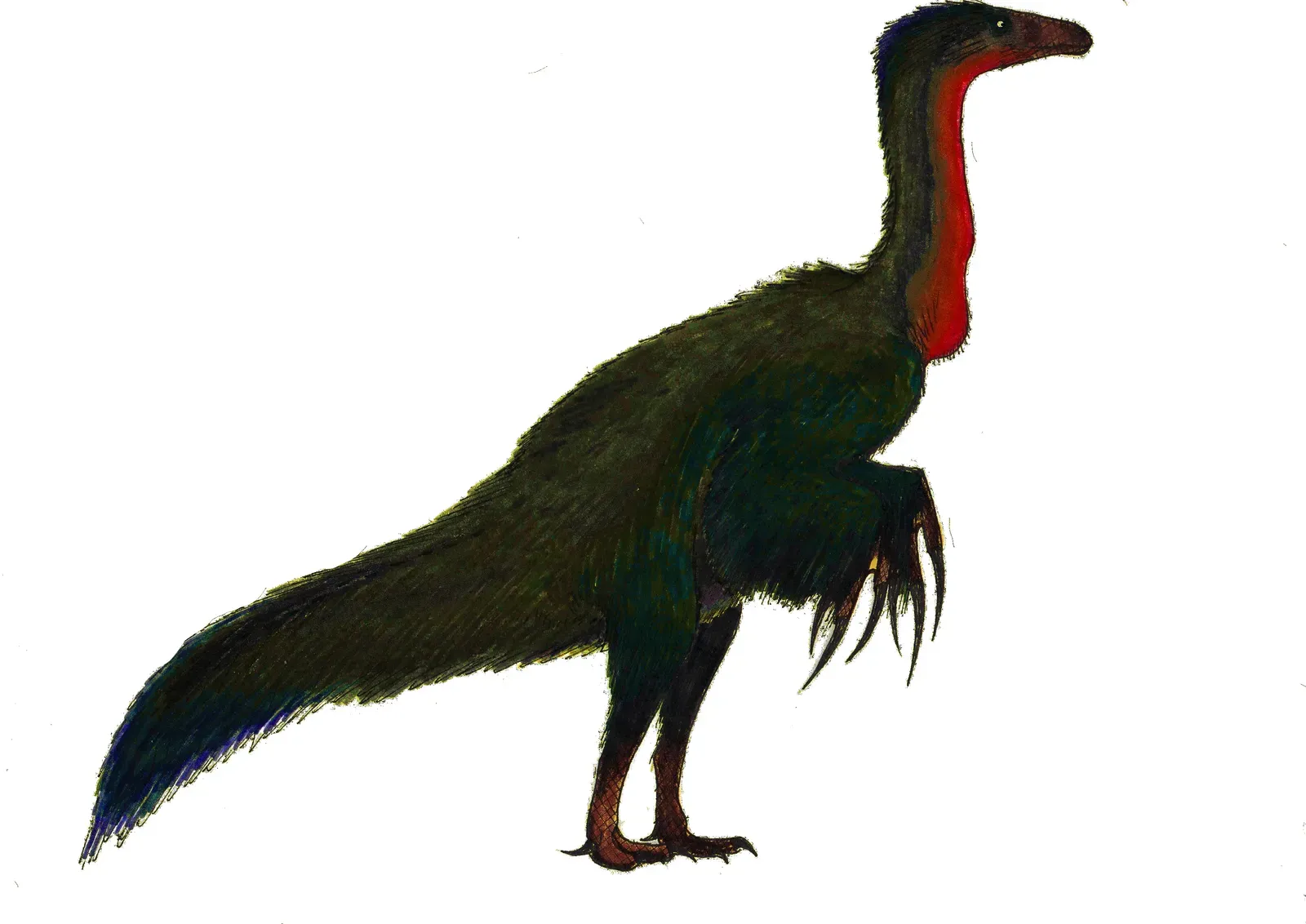
Therizinosaurus might be the strangest inclusion here, because as far as we can tell, it was probably herbivorous or at least omnivorous. And yet, if I had to pick one dinosaur I absolutely would not want to surprise in the dark, this would be near the top. It had enormous, meter-long claws on its hands that looked like something you would see on a fantasy dragon rather than a real animal. Its body was large and bulky, with a long neck, likely feather covering, and a beak at the front of its mouth.
The truly chilling part is imagining those claws in motion. Even if Therizinosaurus mostly used them to pull down branches or defend itself, a defensive slash from an animal that size would be catastrophic. Picture accidentally stepping into the personal space of a several-ton animal armed with a pair of biological scythes. Predators like T. rex wanted to eat you; Therizinosaurus simply did not want you anywhere near it, and that kind of panicked, powerful defense can be just as deadly. It is the prehistoric equivalent of walking too close to a very skittish, very armed tank.
Acrocanthosaurus: The High-Spined Heavy Hitter
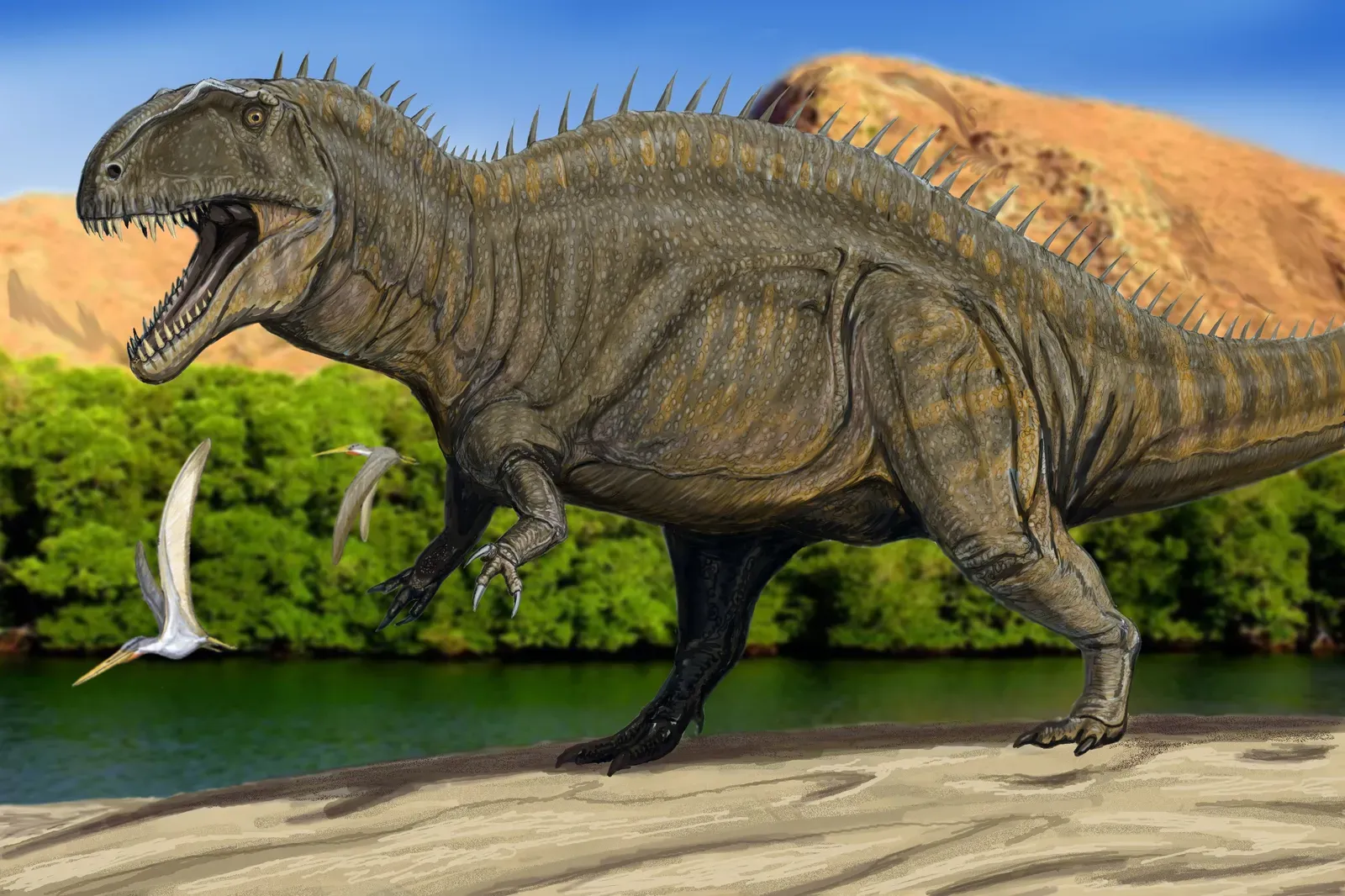
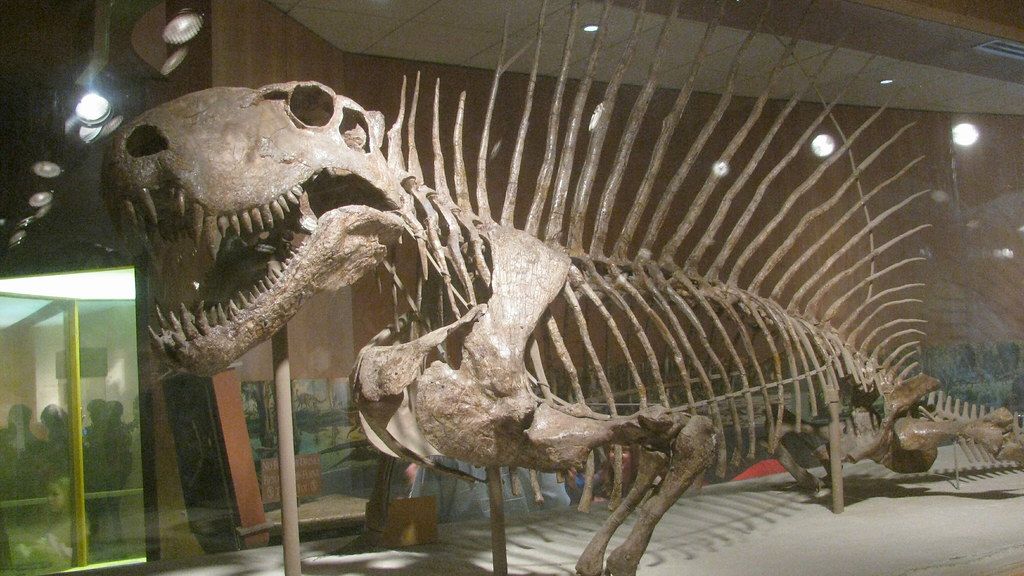
Acrocanthosaurus is one of those dinosaurs that looks ordinary at first glance and gets scarier the more you learn. It was a large carcharodontosaurid from North America, with a body size comparable to some of the biggest theropods. Its vertebrae bore tall spines that gave its back a raised, ridge-like appearance, probably supporting strong muscles. That suggests a powerful torso designed for wrestling with large prey, not just chasing down smaller animals.
Fossil trackways from the same general time and place show large theropods moving among enormous sauropods, and many paleontologists think Acrocanthosaurus was the predator behind those footprints. Imagine a muscular, blade-toothed killer moving with intent through herds of multi-ton herbivores, targeting the weak, the young, or the unlucky. It may not have the pop-culture fame of T. rex, but its combination of slicing teeth, powerful neck and back muscles, and a probable taste for massive prey makes it a serious contender for “apex nightmare” status.
Megaraptor: The Misleading Name With Monster Claws
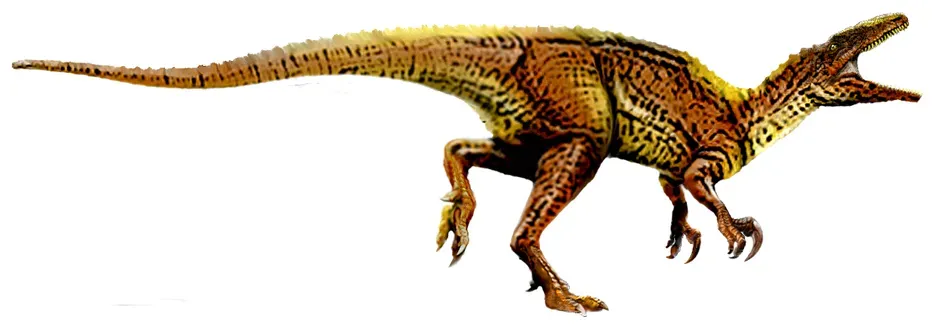
Megaraptor’s name sounds like another oversized Velociraptor, and early scientists actually thought its giant claw belonged on the foot, like a dromaeosaur. Later discoveries showed the reality was even weirder: those huge claws were on the hands. This South American predator combined a relatively lightly built body with long, powerful forelimbs tipped with enormous, curved claws that could slice or hook into prey. Instead of a big-headed, bite-focused strategy like T. rex, Megaraptor may have relied heavily on devastating arm strikes.
Mentally, that changes the entire horror picture. You are not just worried about a set of jaws closing around you; you have to consider a fast-moving predator able to reach out and grab, slash, or yank you off balance from a distance with those weaponized forelimbs. Some researchers even think Megaraptor and its kin formed their own unique branch of large theropods specialized for this kind of forelimb-centric hunting. To me, that is much creepier than a straightforward big biter, because the attack comes from an angle your instincts are not really prepared for.
Majungasaurus: The Cannibal King of Madagascar
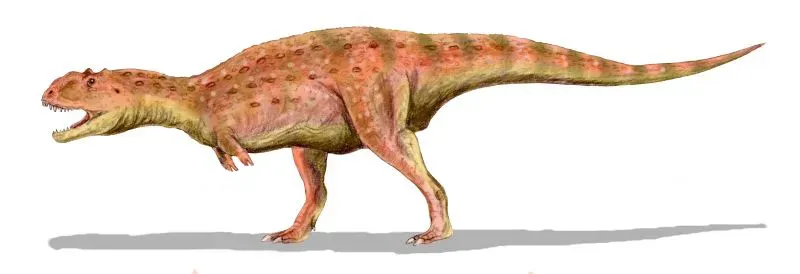
Majungasaurus was not as big as T. rex, but what it lacked in size it made up for in unsettling behavior. This abelisaurid from Late Cretaceous Madagascar had a short, deep skull and a somewhat bulldog-like face, with teeth suited for holding and tearing. Bite marks on bones of its own species match its teeth closely, providing strong evidence that Majungasaurus sometimes engaged in cannibalism. That alone cranks the horror dial up several notches.
Now picture its world: an island-like environment with limited large predators, where Majungasaurus sat near the top of the food web. In such a setting, competition for carcasses and prey would have been fierce, and turning on your own kind might have been a grim but effective survival tactic. A T. rex might kill you because you are prey; a Majungasaurus might kill you because you are both prey and rival. There is something uniquely chilling about a predator that sees no taboo in consuming members of its own species when the opportunity arises.
Torvosaurus: The Primeval Bruiser That Came Before
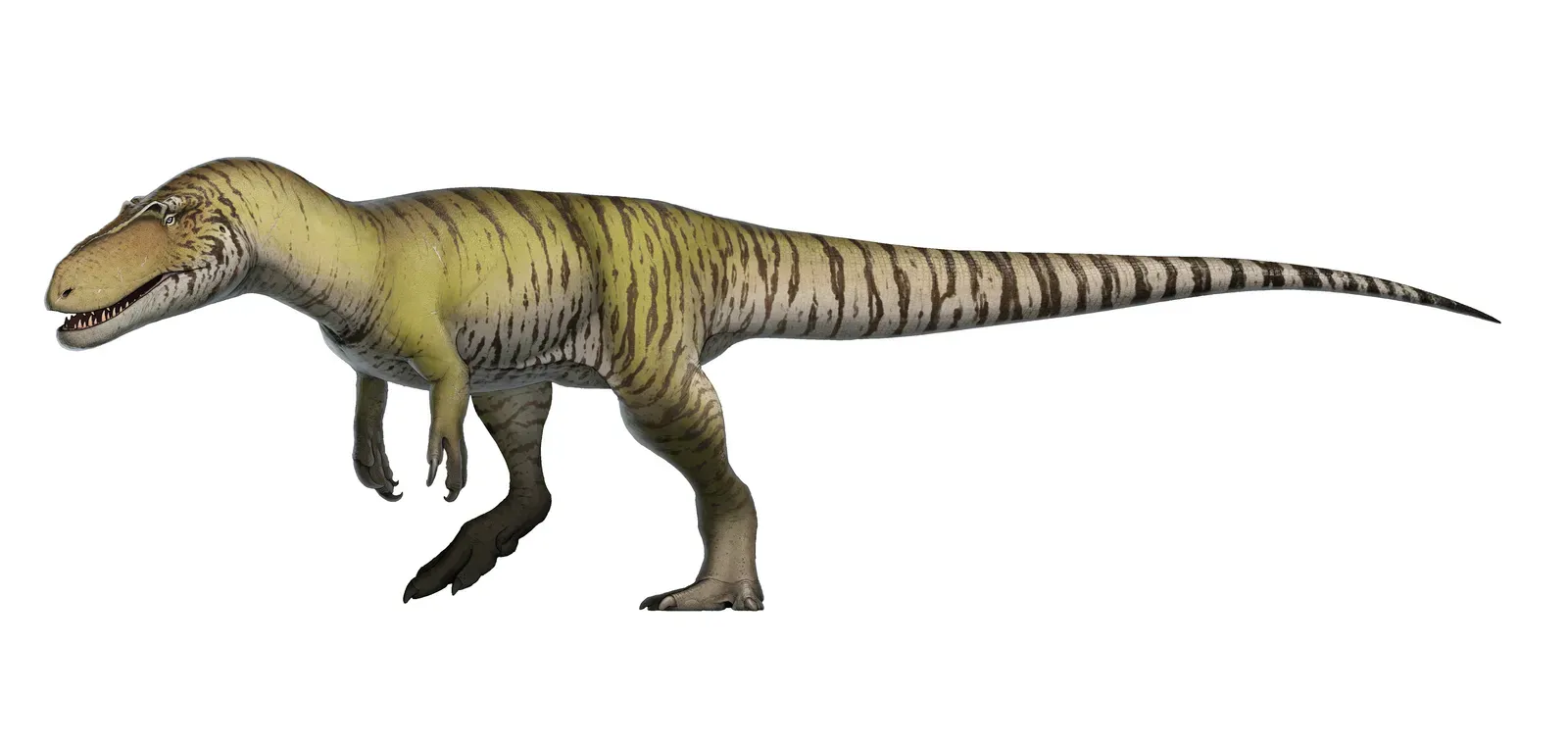
Torvosaurus is an earlier giant predator that often gets overshadowed by later celebrities, but it deserves a spot on any terror list. This Jurassic theropod roamed what is now North America and Europe, growing to lengths that put it in the same general size class as the biggest later carnivores. Its skull was heavily built and lined with serious teeth, and its body proportions suggest a powerful, robust hunter capable of tackling large prey. In many ways, it was an early template for the giant meat-eaters that would follow.
What makes Torvosaurus especially scary is the mental picture of it prowling a Jurassic ecosystem already full of huge sauropods and armored dinosaurs. Where T. rex gets the credit for being the iconic giant predator, Torvosaurus was already refining the craft millions of years earlier. To any smaller animal living alongside it, the difference would be academic; you still had a massive, relentless carnivore that could run you down, bite you, and not let go. Sometimes the most terrifying monsters are the ones that never get modern fame but dominated their own worlds just as thoroughly.
Conclusion: The Real Monster Was the Ecosystem All Along
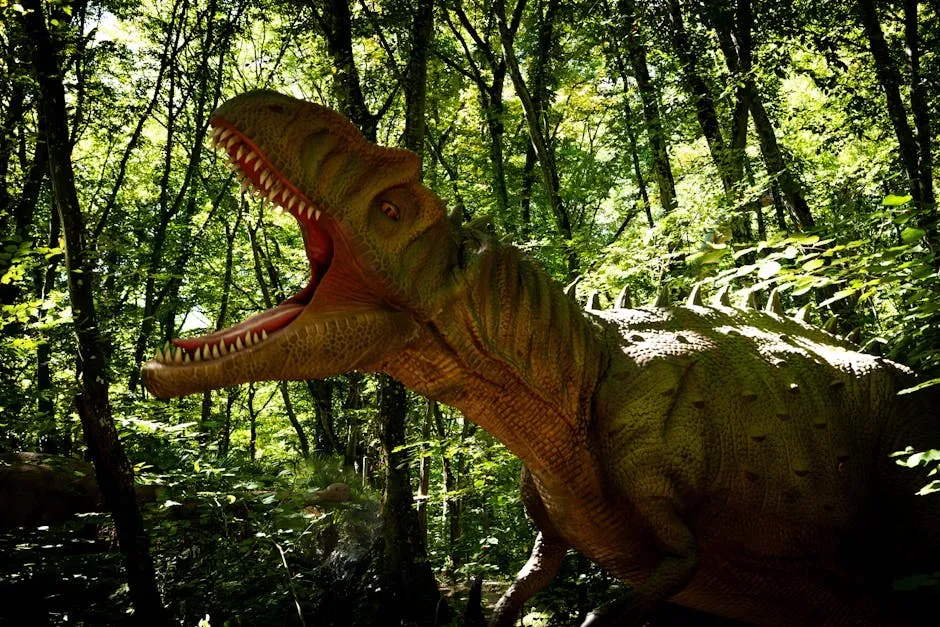
When you line up these eleven dinosaurs next to T. rex, you start to see how narrow our pop-culture view of prehistory really is. Tyrannosaurus was genuinely formidable, with its crushing bite and massive build, but it was not a lone, unmatched terror haunting a quiet planet. It was one chapter in a long saga of arms races, where predators experimented with different weapons: scythe-like claws, slashing teeth, powerful arms, semi-aquatic ambush tactics, even cannibalism. In a lot of those matchups, I would probably bet against T. rex, especially if the fight happened on the wrong terrain or against a coordinated group.
Personally, I find that way more exciting than the usual single-hero narrative we slap on lunchboxes and T-shirts. The reality is that Earth has hosted countless creatures that push the boundaries of what we think life can look like, and many of the most nightmarish never get more than a footnote in museum text. Maybe T. rex keeps the spotlight because it is simple: big, scary, easy to draw. But if the fossil record teaches anything, it is that nature rarely stops at simple. Next time you see that familiar tyrannosaur roar on a metal lunchbox, are you going to picture it as the ultimate monster – or just one more contestant in a planet-wide horror show that it did not always win?