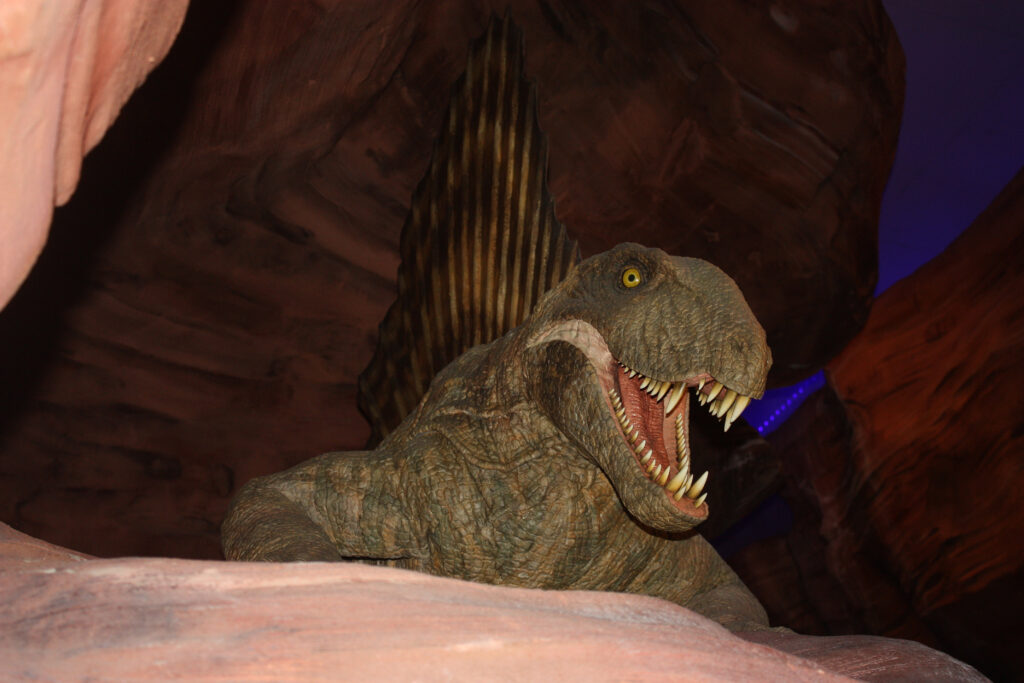
There’s a special kind of magic in the way kids talk about dinosaurs. They mix together movie scenes, toy designs, half-remembered facts from school, and pure imagination into a version of prehistory that’s wildly wrong and yet strangely charming. If you’ve ever heard a five‑year‑old describe a T. rex as a “mean dragon that hates vegetables,” you know exactly what that magic sounds like.
But behind the cute misconceptions, there’s a genuinely fascinating science story. Real dinosaurs were not just big lizards stomping around in slow motion; they were complex animals that evolved over millions of years in ways that still surprise paleontologists today. Looking at what kids get wrong is actually one of the most fun ways to understand what scientists have learned – because every adorable myth hides a cooler truth underneath. Let’s unpack eight of the most common beliefs and see what was really going on in the age of dinosaurs.
1. Dinosaurs and Humans Lived Together Like Some Giant Prehistoric Zoo
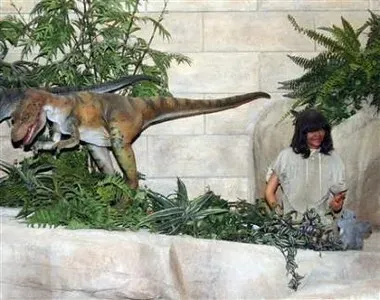
One of the most common kid beliefs is that humans and dinosaurs were basically neighbors, dodging T. rex on the way to gather berries or riding friendly sauropods to school. A lot of children’s books and cartoons help this along, happily drawing kids high‑fiving triceratops or using a stegosaurus as a slide. It makes for great storytelling – but it quietly erases a time gap so huge it’s hard even for adults to wrap their heads around.
In reality, non‑avian dinosaurs died out roughly about sixty‑six million years before the first Homo sapiens ever showed up. To give that some scale, if the entire history of Earth were a single year, dinosaurs would vanish around late December, and humans would appear just a few minutes before midnight on New Year’s Eve. Our species and T. rex are separated by more time than T. rex and some of the earliest dinosaurs, which is a mind‑bending thought. The only “humans with dinosaurs” moment we get is in museums and our imaginations – and honestly, that might be for the best.
2. All Dinosaurs Were Basically Giant, Angry Lizards
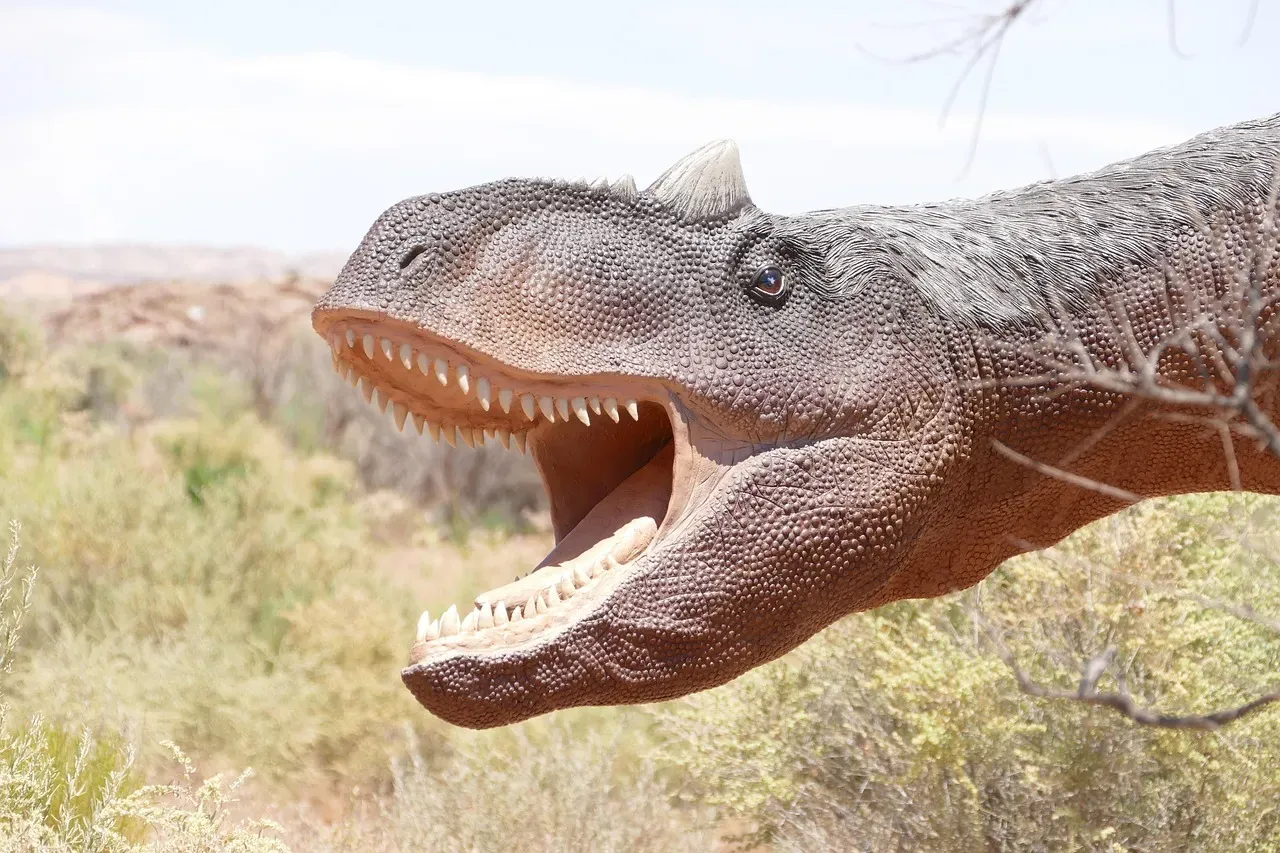
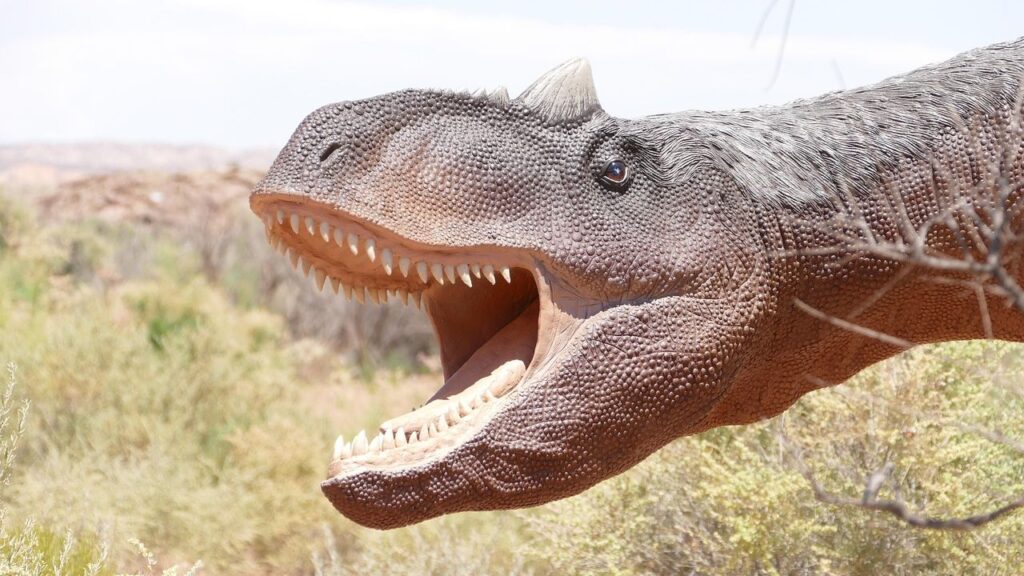
When kids picture dinosaurs, they often imagine huge scaly lizards that roar nonstop and stomp around smashing whatever’s in front of them. Part of this comes from old artwork where dinosaurs looked like oversized crocodiles dragging their tails, plus toys with thick, scale‑like skin textures. It’s an easy mental shortcut: lizards are reptiles, dinosaurs are reptiles, so they must all look and behave the same way, just scaled up to monster size.
The scientific reality is more interesting and more diverse. Dinosaurs were not just big lizards; they were their own distinct group of reptiles, with different hip structures, body plans, and, in many cases, feathers. Some were small, fast, and bird‑like; others were bulky plant‑eaters built like living construction vehicles. Many did not spend their days in constant rage mode but had to conserve energy, find food, raise young, avoid predators, and deal with changing climates. Thinking of them as only “angry lizards” is like saying all modern animals are just “weird dogs” – it flattens a world of variety into one simple, but wrong, picture.
3. Every Dinosaur Was Enormous and Terrifying
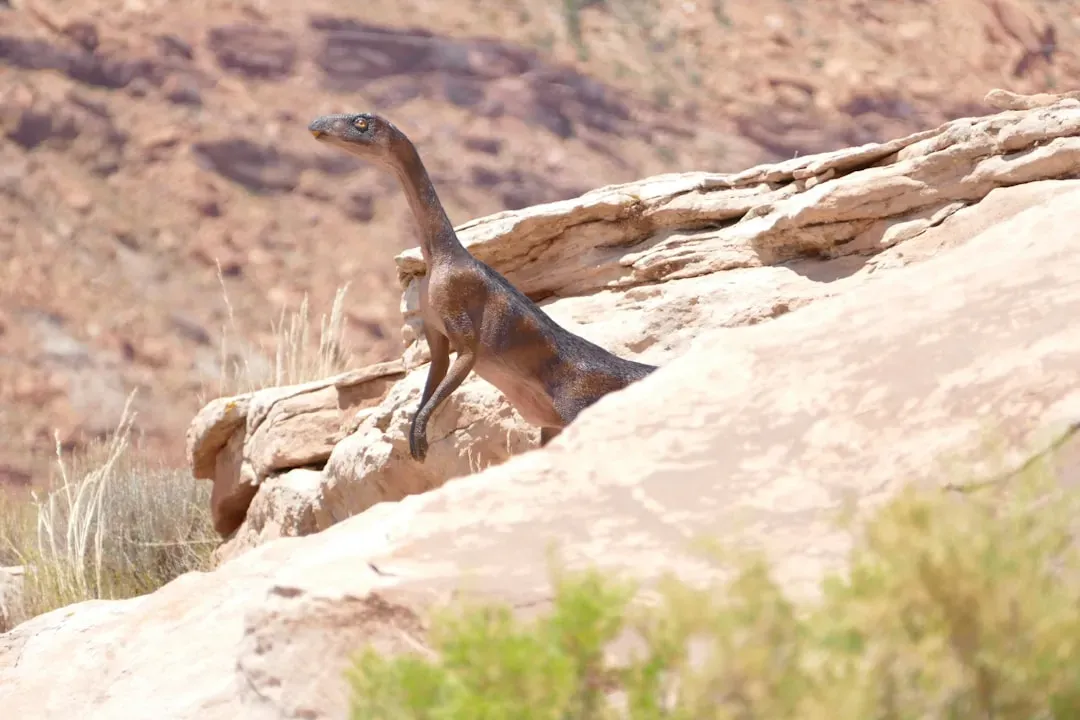
Ask a child to draw a dinosaur, and there’s a good chance you’ll get something the size of a skyscraper. The kid version of the Mesozoic era is a landscape where every creature towers over trees, roars at the sky, and could flatten a car with one toe. And who can blame them? Movies, theme parks, and toy aisles lean hard into the biggest, scariest species because “slightly larger than a turkey” does not sell nearly as many plastic figures.
But if you could step into the late Jurassic or Cretaceous, you’d see that the average dinosaur was not a giant at all. Many species were the size of chickens, dogs, or deer, flitting through forests, darting along riverbanks, or hunting insects and small animals. Even famously big groups like raptors included members that would have been shorter than a first‑grader. Yes, there were genuine heavyweights – sauropods as long as a city block and predators with heads the size of your dining table – but they shared their world with a bustling cast of small and medium dinosaurs that rarely get starring roles in pop culture.
4. T. rex Couldn’t See You If You Stood Still
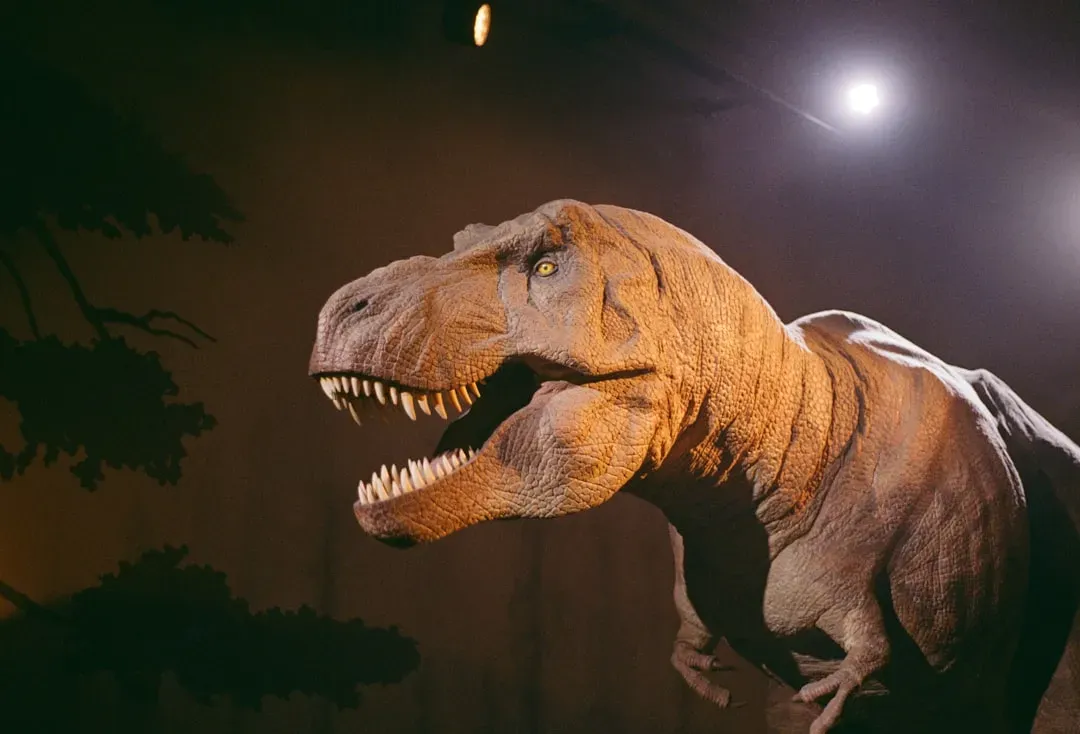
Thanks to a certain legendary movie scene, tons of kids (and a surprising number of adults) believe T. rex had a vision system so bad that a frozen human might as well be invisible. The idea is so dramatic and convenient for storytelling that it has basically become playground law: if you ever meet a T. rex, just don’t move. Kids repeat this with total sincerity, as if someone has personally tested it, which of course, no one has – and that’s probably a good thing.
What we can say from fossil evidence is that T. rex likely had very good vision, not terrible vision. The position of its eye sockets suggests forward‑facing eyes with depth perception, which is great for tracking movement but also useful for judging distance and spotting objects in general. Studies comparing skull shape and eye placement suggest that big theropods like T. rex may have had better binocular vision than many modern reptiles and possibly even close to what some birds of prey experience. So if you were unlucky enough to share a habitat with one, standing still would not turn you into a ghost; it would just make you a snack that was slightly less dramatic to chase.
5. Dinosaurs Were All Cold, Slimy, Slow, and Swampy
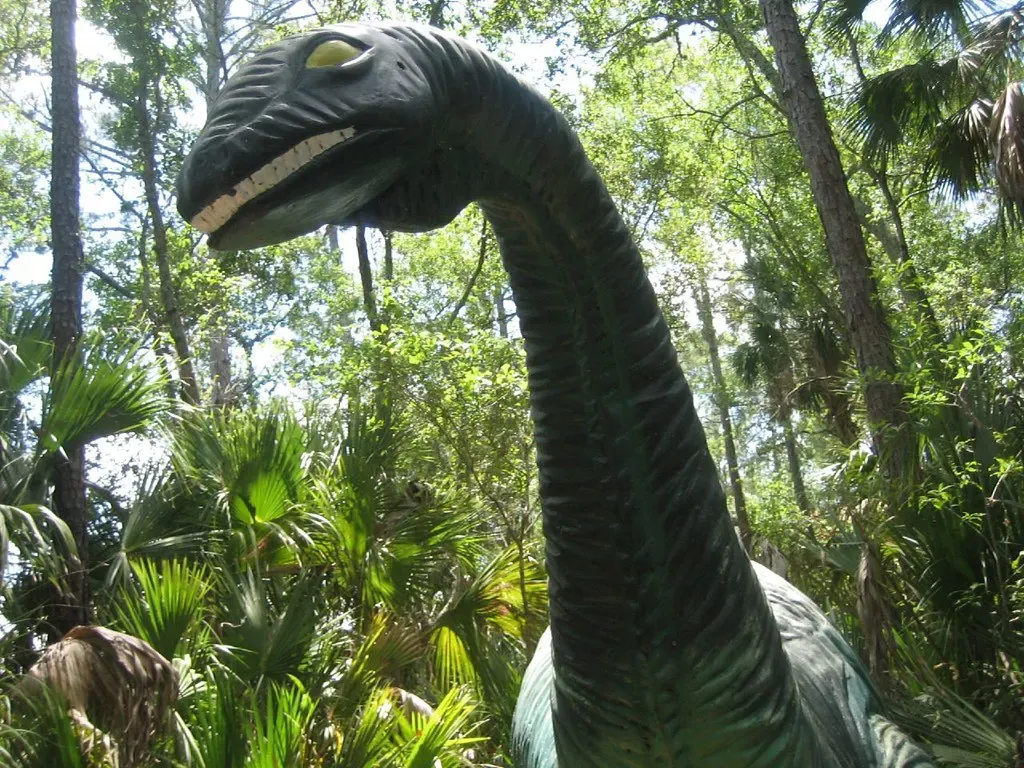
There’s a very old picture of dinosaurs that still sneaks into children’s imaginations: sluggish beasts half‑sunk in swamps, barely able to support their own weight, living like oversized amphibians that happen to have claws. Kids sometimes describe them as “cold and slimy,” lumping them mentally with frogs or giant lizards baking on rocks. In that version of history, the dinosaur era feels like a long, damp, sleepy afternoon where nothing moves very fast.
Modern research paints almost the opposite picture. Many dinosaurs were active, energetic animals with relatively high metabolisms, more like birds and mammals than like sluggish reptiles. Bone growth rings, limb proportions, trackways, and even preserved soft tissues all hint at creatures capable of sustained movement, fast growth, and complex behaviors. Instead of endless swamp lounging, imagine herds migrating across floodplains, small feathered hunters darting through underbrush, and parents guarding nests. They were not slimy monsters so much as sophisticated animals adapted to their ecosystems – closer in spirit to a sprinting ostrich than a sleepy crocodile.
6. All Dinosaurs Lived at the Same Time in One Big Mixed-Up Menagerie
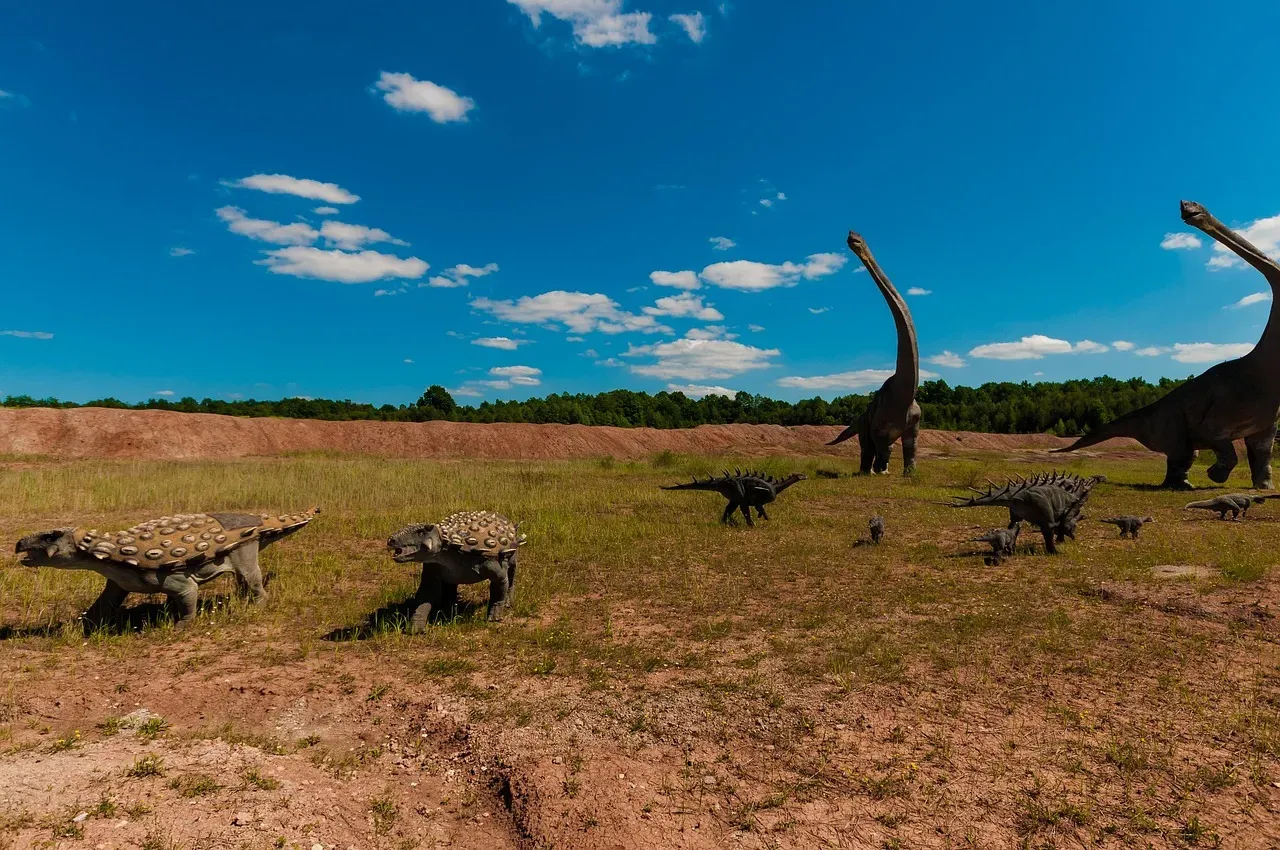
In children’s stories, stegosaurus, T. rex, triceratops, and raptors often hang out together like neighbors in the same prehistoric suburb. Toy sets do the same thing, tossing in species from different periods as if they all shared the same forests and valleys. The result is a kid’s mental image of one single “dinosaur time” where every famous species was alive simultaneously, maybe just hanging out in different parts of the same valley.
Reality is far more stretched out. The time between some dinosaurs is greater than the time between many dinosaurs and us. Stegosaurus, for example, lived in the late Jurassic, while T. rex lived in the late Cretaceous, separated by tens of millions of years. If you wanted to see all your favorite dinosaurs “together,” you’d have to jump back and forth in time more dramatically than any time‑travel movie has ever shown. The dinosaur world was not a single snapshot; it was a very long, constantly changing series of ecosystems, with species appearing, evolving, and disappearing over unimaginable spans of time.
7. Dinosaurs All Roared Like Movie Monsters
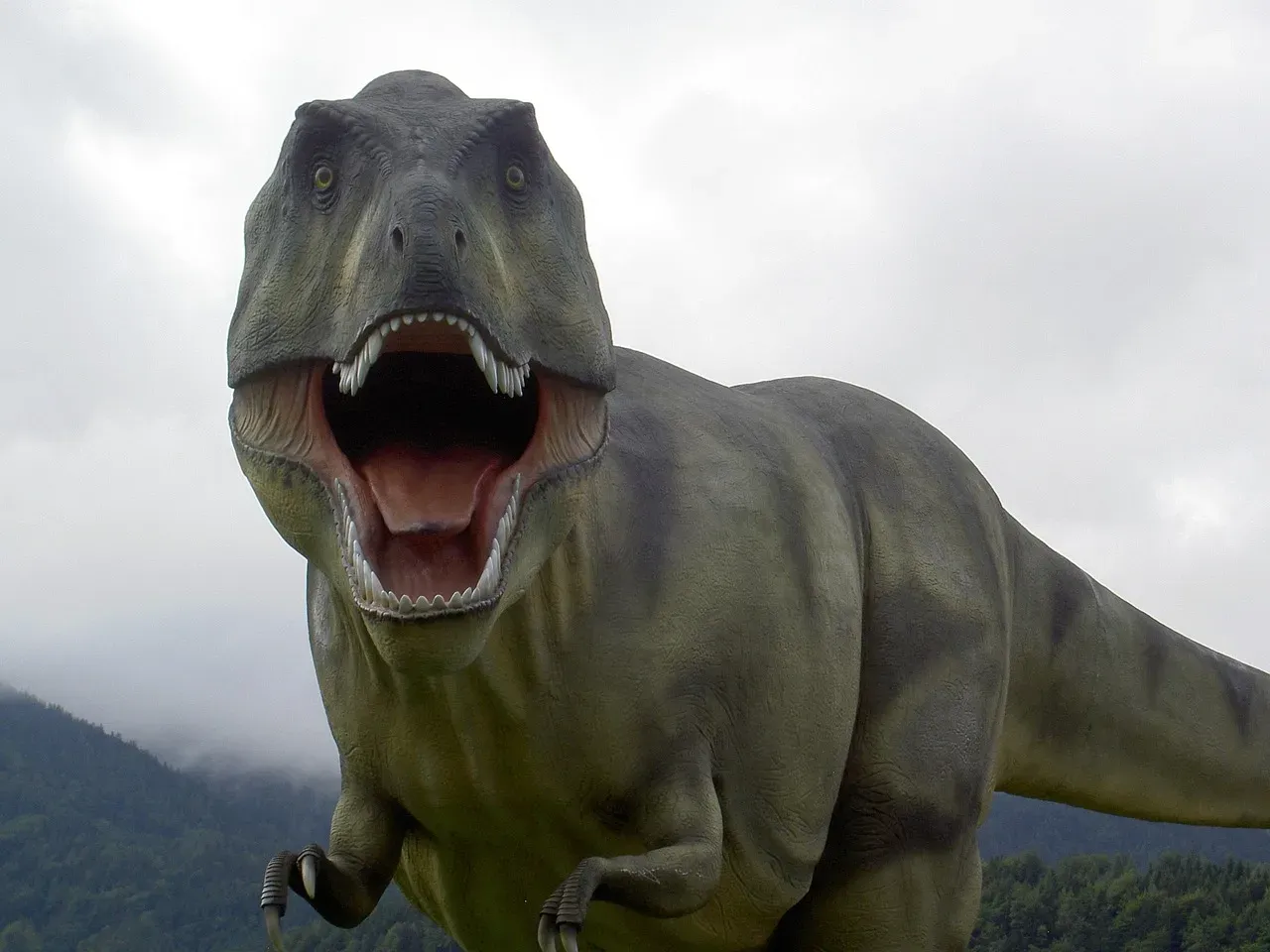
Kids love the idea that every dinosaur roar could shake the ground and make leaves fall from trees. Open any toy sound effect, and you’ll hear deep growls, echoing bellows, or lion‑like snarls, as if every dinosaur carried a built‑in sound system. Children often imagine constant roaring battles, like the world’s loudest argument stretched over millions of years. It fits the drama of their size, so it feels instantly believable – even though we do not actually know what they sounded like.
Scientists cannot rewind time and hit play, but they can make educated guesses based on related animals and anatomy. Dinosaurs are more closely related to birds and crocodilians than to big cats or bears, which are usually the source of movie sound effects. Many modern birds and reptiles use hisses, rumbling calls, booms, or low‑frequency sounds rather than classic Hollywood roars. Some researchers have suggested that certain dinosaurs might have produced deep, resonant calls with closed mouths, more like low booming than open‑throated yelling. So while some species were probably quite vocal, the constant earth‑shaking roar soundtrack is almost certainly a human invention layered on top of ancient reality.
8. Dinosaurs Are Completely Gone – There Are None Left Today
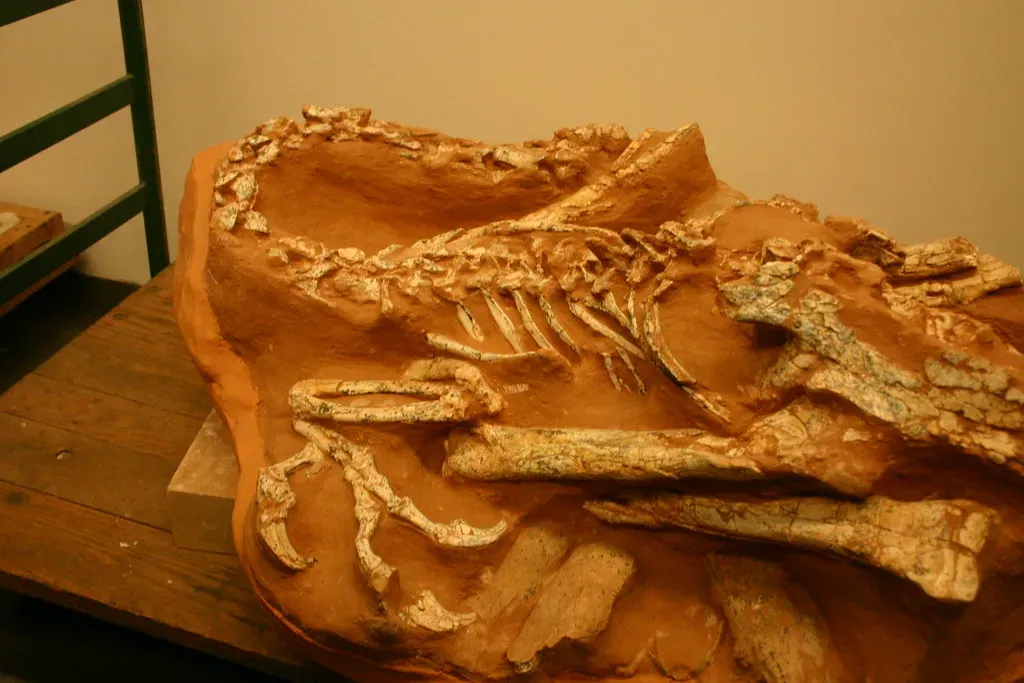
Ask a child if dinosaurs are still alive, and many will say they all disappeared in a single giant explosion, never to be seen again. In their minds, dinosaur time ended like a movie with the screen going black and the credits rolling. Once the asteroid hit, that was it: no more dinosaurs, just some smoke and eventually people with smartphones. It feels clean and simple, and kids like clean, simple endings.
The truth is sneakier and, in a way, more delightful. While non‑avian dinosaurs did go extinct at the end of the Cretaceous, one lineage survived and evolved into the birds we see today. Chickens, pigeons, eagles, penguins – they are all, in a technical evolutionary sense, living dinosaurs. Next time a child chases seagulls at the beach or watches a hummingbird hover, they’re interacting with the descendants of creatures that once shared the planet with T. rex. So dinosaurs are not entirely gone; they’ve just swapped giant tails for feathers and jet engines for wings.
Conclusion: The Myths Are Cute, but the Truth Is Even Better
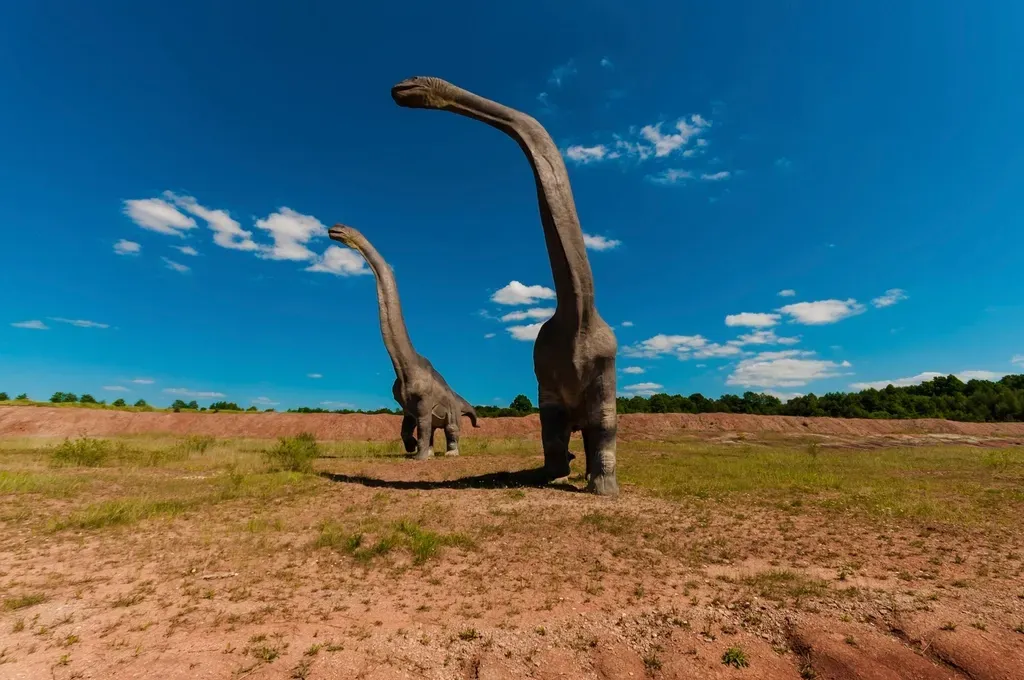
Kids’ dinosaur myths are one of my favorite things about talking science with children. They mash up movies, toys, and half‑heard facts into a wild, messy version of prehistory that is wrong on almost every detail and yet completely right in one crucial way: it treats dinosaurs as something worth being obsessed with. I’d rather listen to a child confidently explain how they’d ride a triceratops to school than hear a perfectly accurate but bored recitation of facts any day.
At the same time, I think we underestimate how much kids can handle the real, mind‑stretching story of dinosaurs if we tell it well. The truth – that dinosaurs came in all sizes, spanned mind‑breaking stretches of time, left behind bird descendants, and lived complex lives in changing worlds – is far more impressive than the movie‑monster version. If anything, the adorable misunderstandings are an invitation: a door we can gently push open to show them a universe of evidence, imagination, and wonder. The next time a child tells you that T. rex cannot see you if you stand still, will you just smile and nod – or will you ask them what else they think they know, and see where the conversation can take you?