If you close your eyes and imagine a T. rex, you can probably hear it before you see it. That deep, chest-rattling roar, echoing across a jungle valley, has been burned into our brains by decades of movies, trailers, and theme-park rides. The funny thing is: the more scientists learn about real dinosaurs, the less that sound makes sense. Yet somehow, Hollywood’s fantasy roar has become so iconic that it now feels almost more “real” than what the animals probably actually sounded like.
I still remember the first time I rewatched a famous dinosaur movie as an adult, then went down a rabbit hole reading about dinosaur vocal anatomy. It felt almost like finding out thunder is just someone moving heavy furniture upstairs. The truth is we really do not know exactly what dinosaurs sounded like, but the evidence we do have points in a very different direction from those explosive roars. So how did we get here – how did cinema decide that dinosaurs should scream like demonic lions with subwoofers, and why has that fantasy been so stubbornly sticky?
The First Movie Dinosaurs: Silent Monsters In a Noisy New Medium
Here’s the twist: early movie dinosaurs actually weren’t famous for their sounds at all – they were famous just for moving. In the early twentieth century, stop-motion creatures in films like The Lost World and later King Kong stunned audiences because they looked alive, not because anyone heard them. Silent films relied on live musicians and sound effects in the theater, so any dinosaur “voice” was whatever the local pianist or sound guy felt like doing that night, not some standardized roar everyone agreed on.
When synchronized sound finally took off, Hollywood suddenly had a new problem: giant prehistoric animals on screen… and a huge sonic blank to fill. There were no recordings, no living analogues, and barely any scientific discussion of dinosaur vocalization that a studio sound department would even think to consult. So sound designers did what they were already really good at – repurposing and exaggerating noises from the animals and machines they actually had around. From day one, dinosaur voices were essentially a collage of modern sounds, stitched together to fit whatever atmosphere the director wanted.
The Roar Arms Race: Bigger Beasts, Louder Sounds
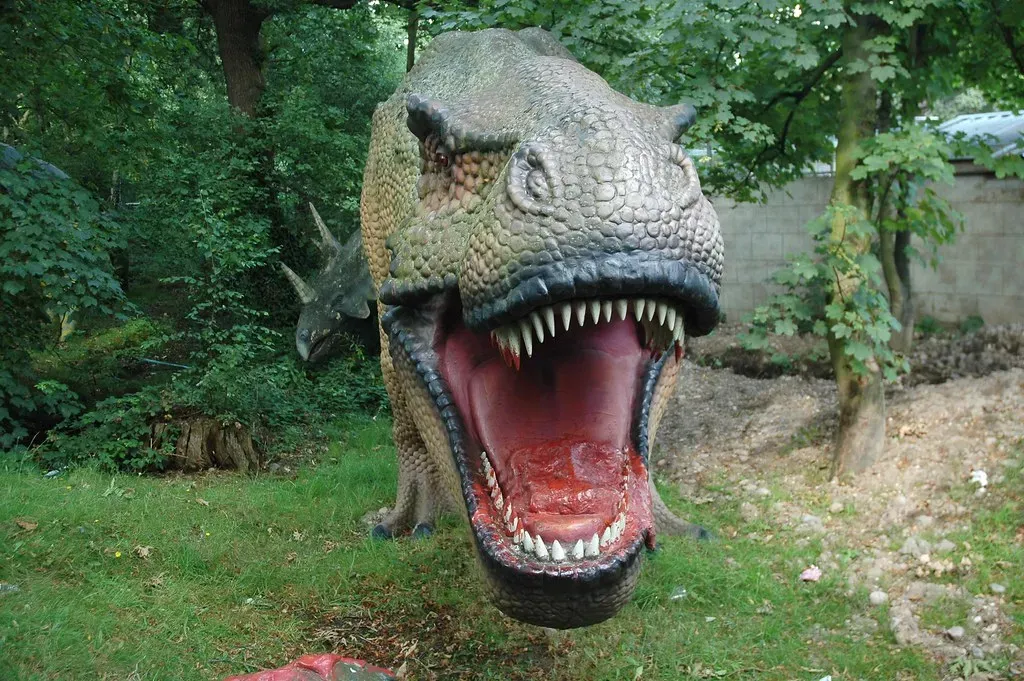
Once filmmakers discovered that giving a dinosaur a voice made it feel more alive and more terrifying, things escalated quickly. Creature features in the mid twentieth century turned the volume dial way up on anything non-human and threatening: giant apes, alien invaders, radioactive lizards, and of course, dinosaurs. If a normal lion growl was scary, the logic went, then a dinosaur should sound like a lion turned up to eleven, with maybe some added elephant, train, and thunder for good measure. This was less about paleontology and more about one-upping the last monster movie.
There was also a marketing angle. A distinctive roar could become part of a film’s identity, something you could use in trailers, toys, and eventually video games and theme parks. Sound designers began treating dinosaur noises almost like logos – instantly recognizable audio signatures that signaled danger and spectacle. Over time, those roars became a kind of cinematic shorthand: long, drawn-out, dominating the soundscape, always arriving just before something terrible crashed through the trees. Whether that matched anything in nature was not just a low priority – it wasn’t even on the list.
Inside the Sound Lab: How Classic Dino Roars Were Actually Built
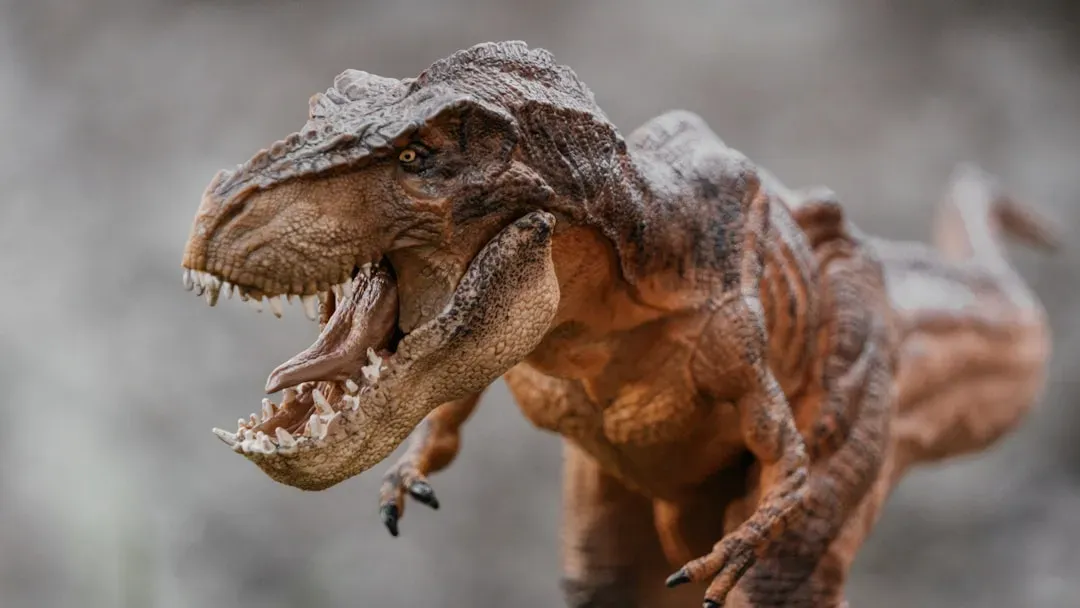
The funny reality behind those “primordial” roars is that they are anything but ancient. Many of the most famous dinosaur sounds are essentially Frankenstein’s monsters of audio: bits of big cats, elephants, alligators, slowed-down human screams, even creaking metal and distorted musical instruments, all layered on top of one another. By manipulating pitch, speed, and reverb, sound designers transformed ordinary recordings into something unfamiliar yet emotionally legible as dangerous and huge. It feels alien enough to be prehistoric, but familiar enough that your brain reads “predator” without needing a biology lesson.
What makes this especially bizarre is that our sense of what a dinosaur “should” sound like is actually just our culture’s remix of modern fauna. The terrifying bellow of a tyrannosaur might literally contain the squeal of a baby elephant or the roar of a tiger, stretched and pitched until it sounds nothing like its source. In a way, these creations say more about what humans fear – big teeth, deep chests, unstoppable force – than about any real animal that lived seventy million years ago. They are emotional fossils, not biological ones.
What Real Dinosaurs Could Do With Their Throats (As Far As We Know)
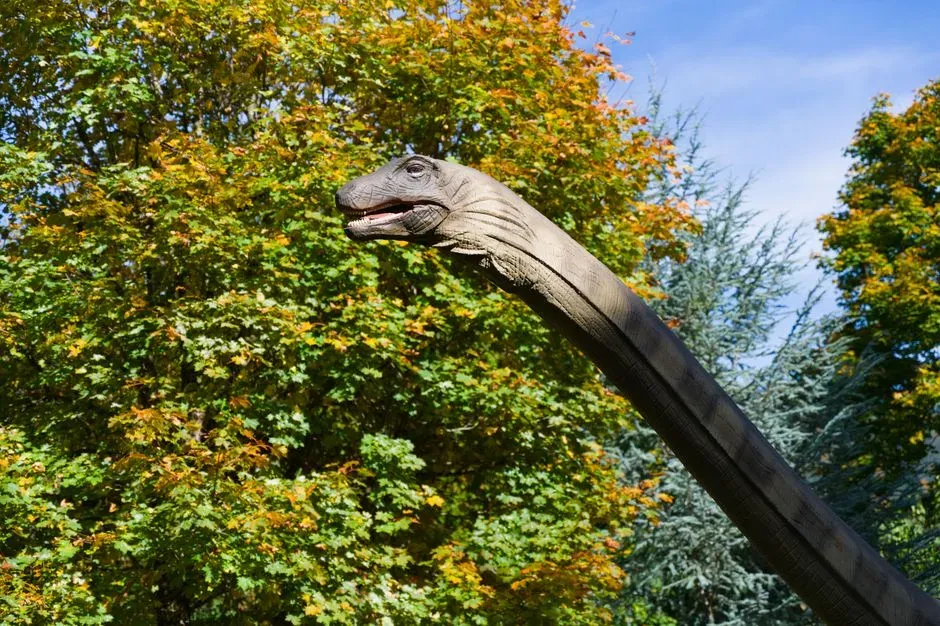
Now for the uncomfortable part: real dinosaurs probably could not roar the way Hollywood imagines, at least not in the classic mammalian, lion-like fashion. Roaring as we think of it depends on a specific kind of vocal anatomy and soft tissue in the larynx, the part of the throat that does not fossilize. Bones stick around; squishy vibrating parts do not. That means scientists have to work backwards from related living animals, from the shapes of skulls and air passages, and from the physics of sound itself. The best modern analogues for non-bird dinosaurs are actually birds and crocodilians, not tigers and bears.
Birds use a structure called a syrinx, deep in the chest, to produce sounds, while crocodilians use a larynx but in a way that often produces low, booming rumbles and infrasound you can feel as much as hear. Some research suggests big dinosaurs might have used similar mechanisms, favoring low-frequency calls that travelled long distances rather than explosive roars that shook the air the way movies love to show. Instead of a piercing jungle scream, think more of a resonant honk, bellow, or even a deep, percussive rumble. Less metal concert, more giant, living tuba.
Hoots, Booms, and Honks: The Un-Hollywood Sounds Dinosaurs May Have Made
If you imagine a huge duck or goose, you are accidentally closer to likely dinosaur vocalizations than Hollywood’s T. rex roar. Many paleontologists suspect that a lot of dinosaurs might have sounded more like modern birds and crocodilians: honks, booms, grunts, hisses, and low-frequency calls that could carry through forests or across open plains. The image is almost comical – towering, toothy animals making noises that lean more toward goose and alligator than lion and dragon – but it fits better with how evolution actually works. The closest living relatives do not roar like movie monsters; they rumble, hiss, and sometimes sound downright goofy.
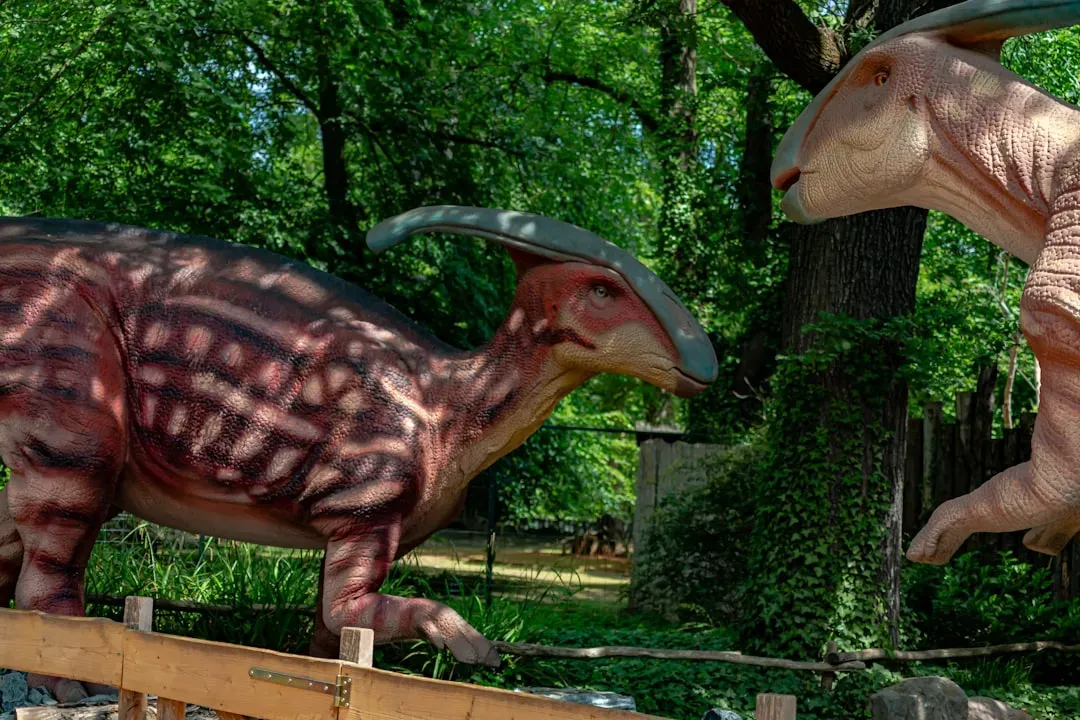
Some duck-billed dinosaurs had intricate, hollow crests on their heads that look suspiciously like built-in brass instruments. Computer models of those skulls suggest they could have produced deep, haunting tones when air passed through them, a bit like someone blowing into a giant horn. Even large carnivores may have favored closed-mouth vocalizations – powerful booms and rumbles made with the mouth shut, similar to the way crocodiles vibrate water when they bellow. It is the exact opposite of cinema’s wide-open, slow-motion, spittle-flying scream shot, and that clash between evidence and expectation is part of what makes this history so odd.
Why the Myth Stuck: Emotion Beats Accuracy Every Time
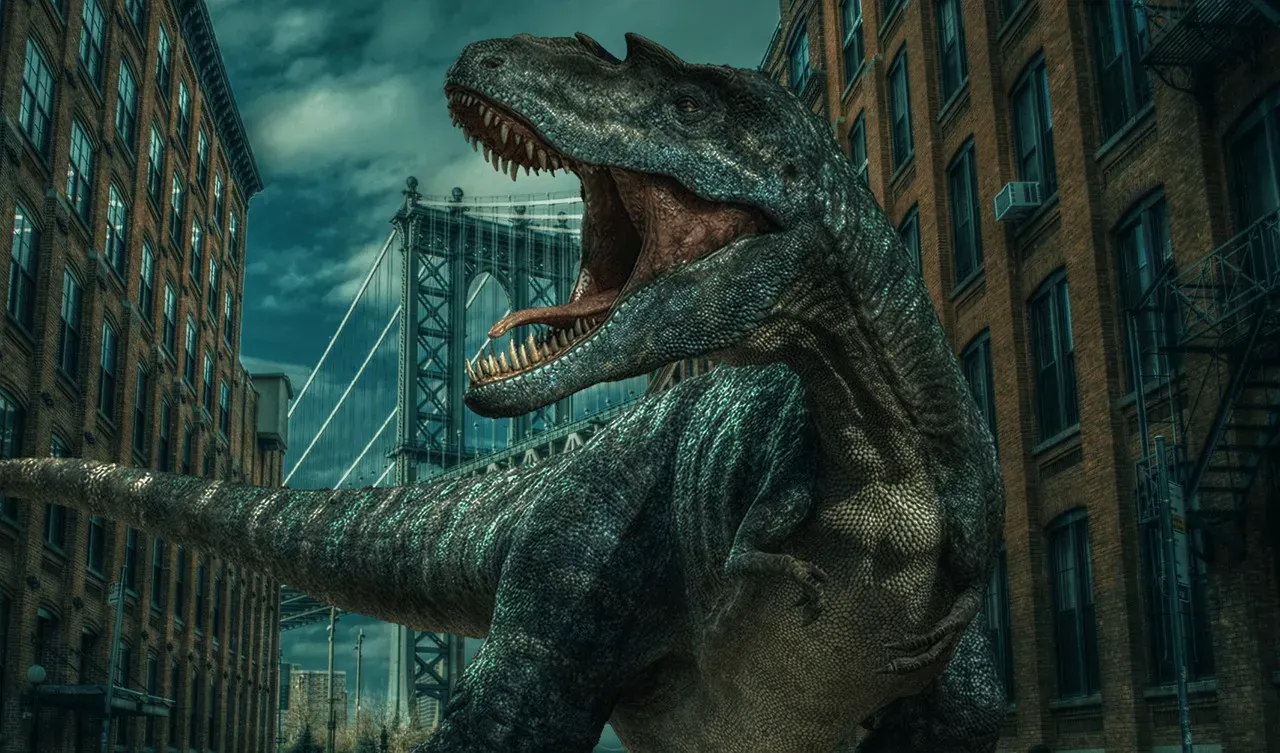
Once a particular sound becomes emotionally powerful, it is hard to dislodge, even with better science. The Hollywood dinosaur roar is effective because it interacts with our nervous systems at a gut level: deep, bass-heavy, sustained, and clearly aggressive. It tells you instantly how to feel – afraid, small, and in danger. That emotional clarity is gold to filmmakers, who are always under pressure to communicate stakes in a fraction of a second. Correcting the sound to match what paleontologists currently suspect – a mix of booms, rumbles, and odd birdlike noises – would risk confusing or even unintentionally amusing audiences who have been trained to expect something very different.
There is also a cultural inertia at work. When a certain sound becomes iconic, later movies echo it because audiences subconsciously demand continuity. A T. rex that honks like a furious goose might be more realistic, but it would also shatter the carefully built vibe of decades of dinosaur media. The expectation loop runs both ways: films shape what we think dinosaurs sounded like, and what we think they sounded like shapes what future films feel allowed to portray. The result is a weird feedback cycle where fiction becomes the standard reference point, and reality has to stand awkwardly offstage, raising its hand.
When Science Tries to Crash the Party (And Sometimes Gets Ignored)
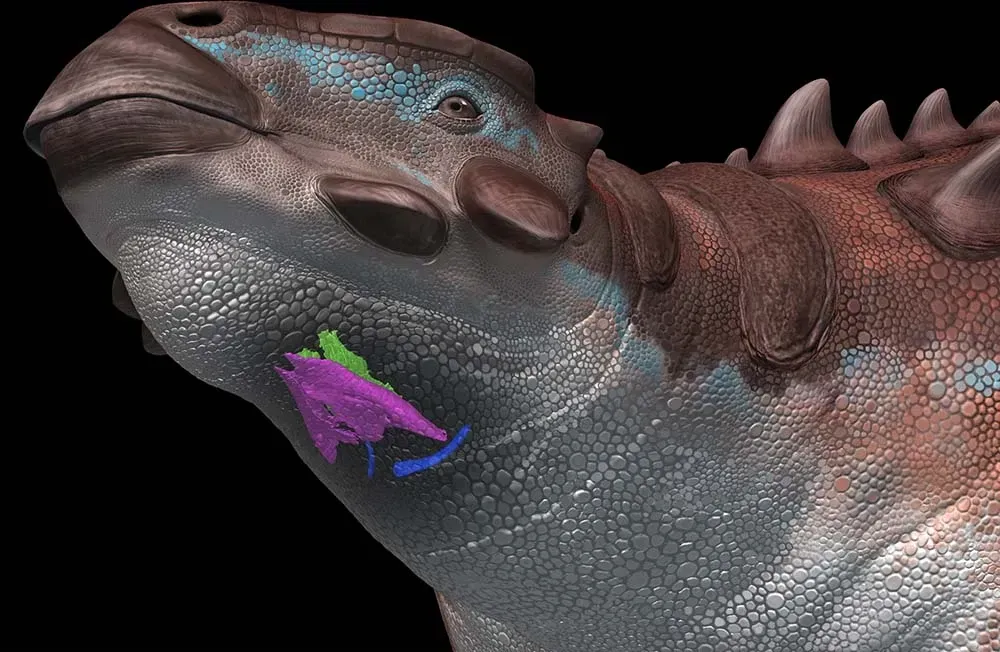
Every now and then, a film or documentary tries to lean carefully into what current research suggests, and the reaction is fascinating. Quieter, more realistic dinosaur calls can feel eerie, almost unsettling, because they do not line up with the mental library we have built from blockbusters. When a big predator communicates with a low, resonant boom instead of a screaming roar, it can feel less theatrical but more unsettlingly alien, like listening to a distant storm roll under your feet instead of over your head. Some nature series have experimented with this approach, and the results are strangely haunting.
Yet mainstream cinema almost always bends back toward the familiar roar, even as consultants and paleontologists gently point out the mismatch. Studios may hire experts and include nods to updated science in the feathers, colors, or behavior of their creatures, but the audio often remains stubbornly rooted in tradition. To be fair, science itself is a moving target; new discoveries can overturn old ideas, and filmmakers do not want to redesign their soundscape every few years. But if we are honest, the main reason the roar survives is not scientific uncertainty – it is that it still works in a theater, and nobody wants to be the one who replaces a beloved sonic icon with something that might get laughed at.
The Weird Backlash: When “Realistic” Dinosaurs Sound Wrong To Us
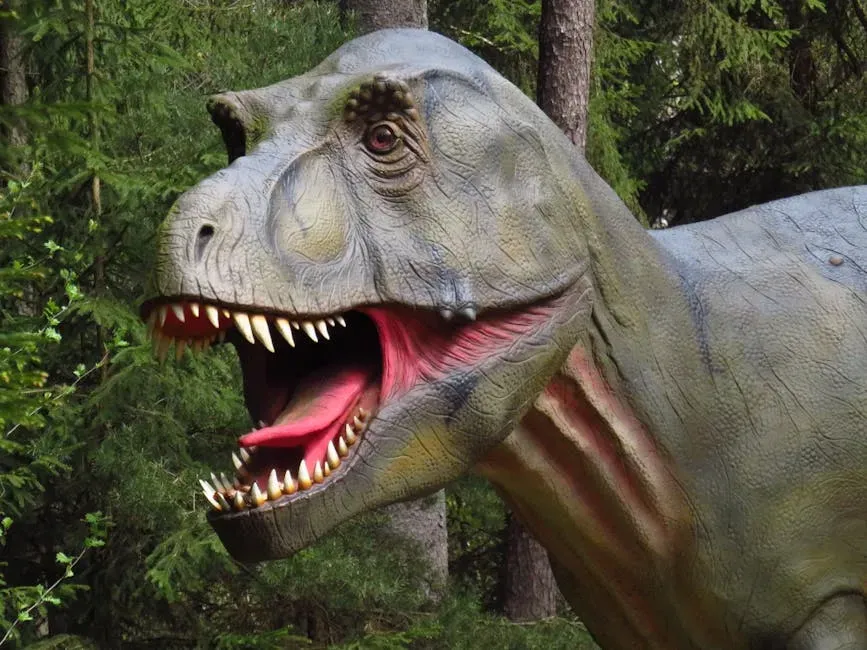
There is a quiet irony in how audiences sometimes react when creators try to move closer to realism. If a dinosaur in a game or show hisses, hoots, or produces a low, throbbing boom that stays mostly offscreen, people often complain that it “doesn’t sound like a dinosaur.” In other words, our benchmark for authenticity is not geology or biology – it is what we grew up hearing from speakers and surround sound systems. The imagined soundscape has become so dominant that reality now feels fake, like a bad imitation of a movie.
I have noticed the same pattern in other areas too, like the way people think space battles should be loud or that swords always make those crisp metallic swishes. Once you are used to the fiction, the truth feels underwhelming, no matter how impressive it really is. Dinosaurs have fallen into that trap in a big way. When someone suggests that the king of the Cretaceous probably sounded more like a crocodile bass drum or an angry swan than a raging dragon, the reaction is often disbelief, or even disappointment. We care more about the vibe than the vertebrae.
Where Do We Go From Here? My Take on Letting Dinosaurs Be Weird Again
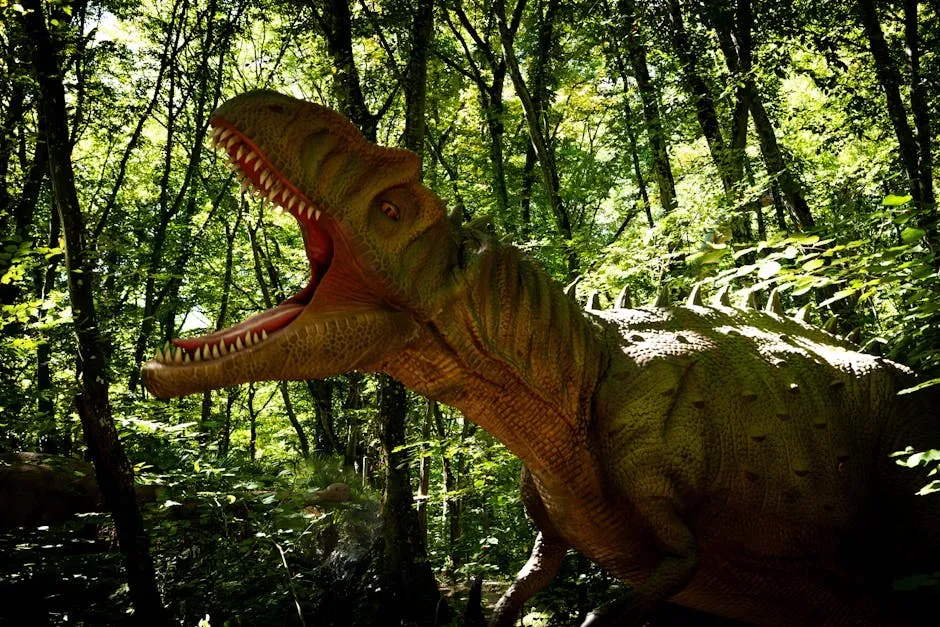
If you ask me, it is time for at least some brave filmmaker to lean fully into the weirdness of what dinosaurs probably sounded like. Not in a smug, “gotcha, everything you love is wrong” way, but in a playful, curious way that says: these were not movie monsters, they were real animals, and real animals are often stranger and cooler than anything we invent. Imagine a big-budget film where a huge carnivore announces itself with a chest-rattling, closed-mouth boom that ripples puddles and shakes leaves, rather than another operatic roar echoing over a cliff. That could be even more unnerving precisely because it feels unfamiliar.
I think audiences are more flexible than studios sometimes assume. We have accepted feathered dinosaurs, speculative colors, and complex social behavior in our prehistoric stories; we can probably handle a few honks, rumbles, and eerie birdlike calls too. Will the classic cinema roar ever fully disappear? Probably not, and maybe that is okay. It has become part fantasy, part nostalgia, a kind of folk tale embedded in sound. But I would love to see more storytellers experiment with the unsettling truth that our favorite giant reptiles might have sounded less like lions and more like a haunted wetland full of oversized, angry geese. Would you have guessed that the most unrealistic thing about movie dinosaurs might be the one thing you can hear but never see?