If you learned everything you know about dinosaurs from the movies, you’re definitely not alone… but you’re also not getting the full story. Blockbusters have turned ancient reptiles into razor-toothed monsters that roar like lions, sprint like cheetahs, and hunt humans with evil-level IQ – and paleontologists are quietly grinding their teeth in the background. The real science is actually way more wild and surprising than the Hollywood version; it just happens to be less convenient for a two-hour thrill ride.
When I first read a paleontologist describe Jurassic-style dinosaurs as being about as accurate as a medieval painting of a rhinoceros, it stuck with me. Once you start spotting the myths, you can’t unsee them: naked raptors that should be fluffy, swamp-dwelling giants that actually walked on dry land, and “living fossils” that went extinct tens of millions of years ago. Let’s walk through seven of the biggest repeat offenders – the movie “facts” that real scientists wish would go extinct already – and replace them with something much cooler: what we actually know.
1. Raptors Were Naked, Scaly Supervillains (Instead of Fluffy, Birdlike Predators)
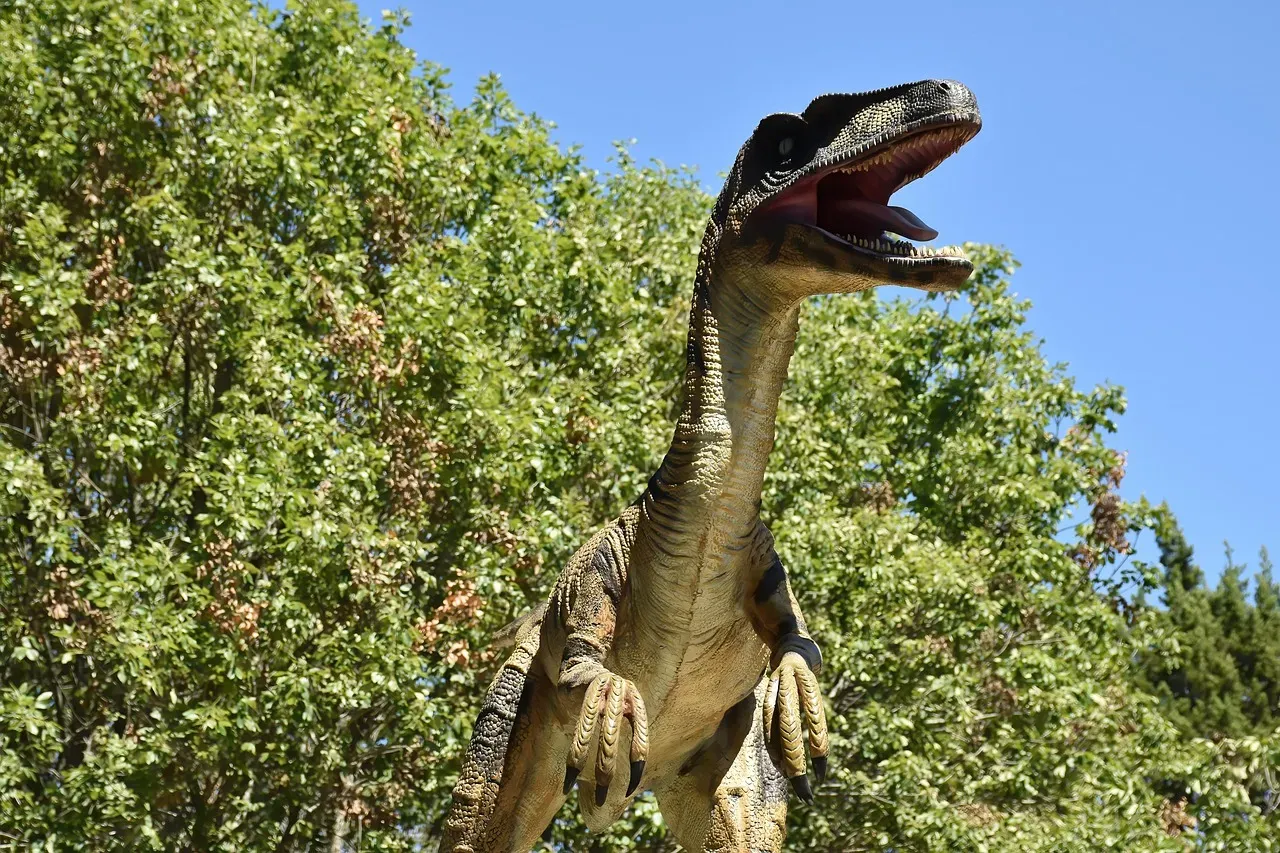
The sleek, scaly velociraptors of the big screen are iconic, but they’re also badly overdue for a makeover. Fossil evidence from raptor relatives in China and elsewhere shows clear impressions of feathers, complex quills, and even winglike forearms, making them look far closer to angry, oversized birds than to crocodilian lizards. Many raptors were also much smaller than what audiences are used to; the real Velociraptor was closer in size to a big turkey than to a human, which is not quite as convenient for dramatic kitchen chase scenes.
Paleontologists have been pushing the “feathered dinosaurs” reality for decades because the evidence is overwhelming: feathers for insulation, display, and in some cases gliding or primitive flight. Yet major franchises keep resurrecting the old reptilian look, partly because fluffy murder-birds are harder to sell as horror villains. The irony is that a pack of fast, intelligent, feathered predators with sharp sickle claws is arguably more unsettling, because they feel uncomfortably close to the modern birds we see every day. The next time a movie gives you bald, lizard-like raptors, just picture an overcaffeinated cassowary with knives on its feet and you’ll be closer to the truth.
2. T. rex Was a Sprinting, Human-Chasing Monster
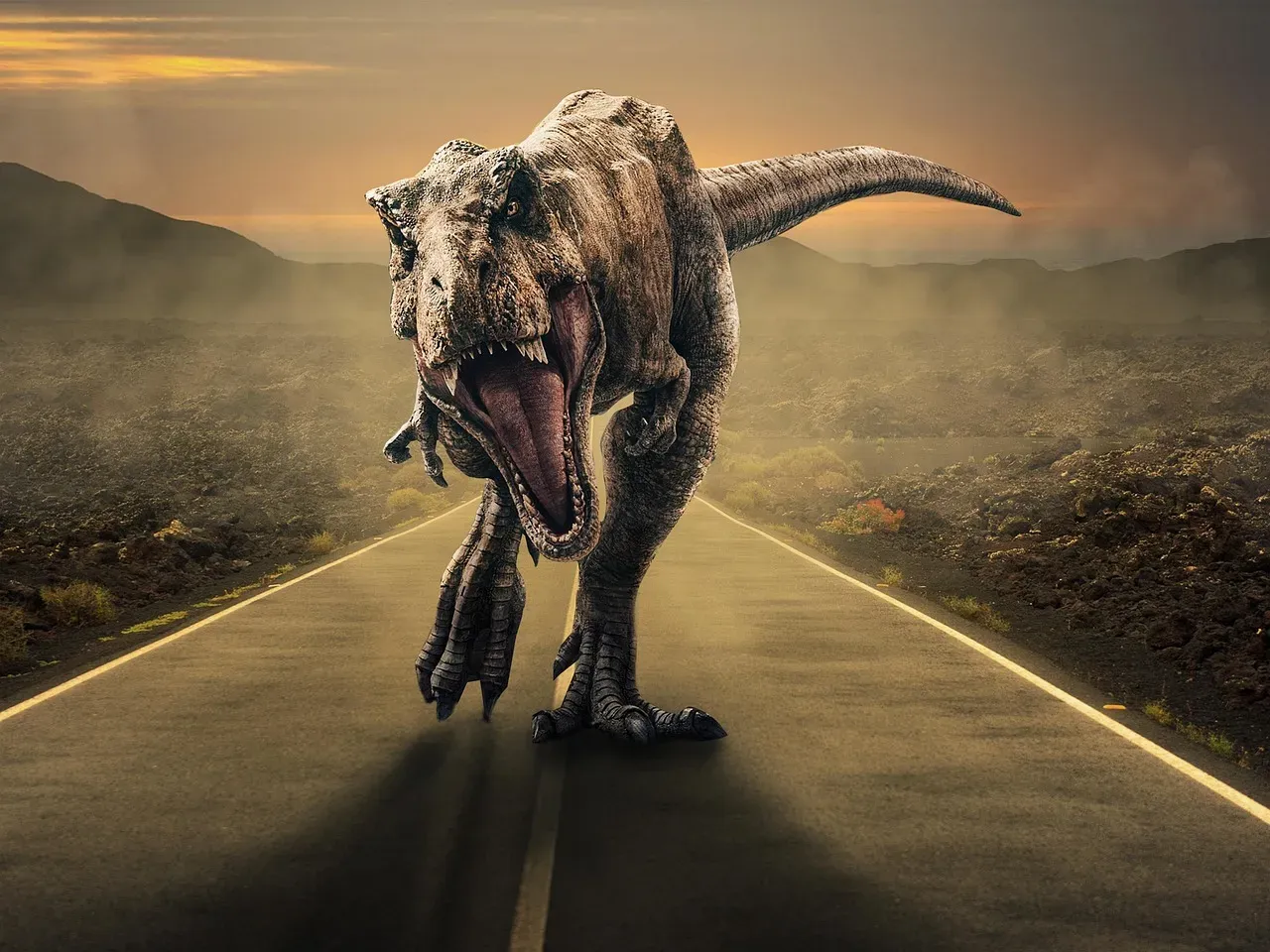
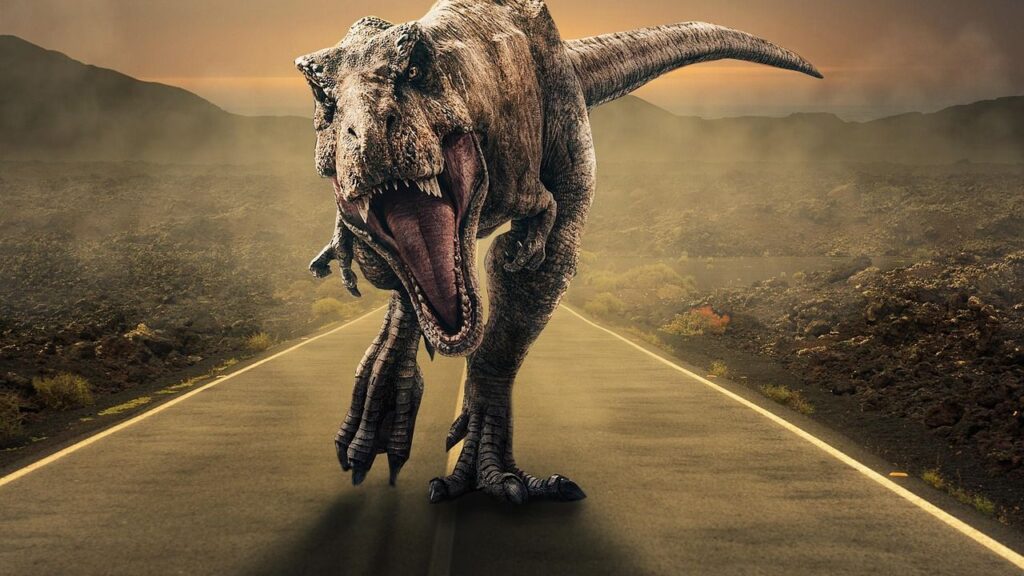
One of the most famous scenes in dinosaur cinema history has a car racing away from a full-speed Tyrannosaurus rex, framed by that unforgettable rearview mirror shot. The problem is, physics is not on the side of a sprinting, highway-speed T. rex. Biomechanical studies using digital models of bones and muscles suggest that an animal weighing several tons would be heavily limited by the stress on its legs; a full-out sprint like a racehorse would likely risk breaking its own skeleton. Estimates vary, but many researchers think T. rex’s top speed was more of a fast run or brisk jog, not the kind of sprint that lets it chase down a jeep.
That does not mean T. rex was a slow, lumbering failure of a predator, though – and this is where nuance often gets lost on screen. Its massive jaws, incredible bite force, forward-facing eyes, and powerful legs all point to an efficient hunter that could ambush, accelerate quickly over short distances, and absolutely ruin your day if you were a hadrosaur in the wrong place. A modern comparison might be something like a bulky hippo crossed with a big cat: not a marathon runner, but terrifying over a short burst. Movies often equate “scary” with “super fast,” but in reality, a huge, unstoppable ambush predator is plenty terrifying at slightly more realistic speeds.
3. Dinosaurs Roared Like Lions and Dragons
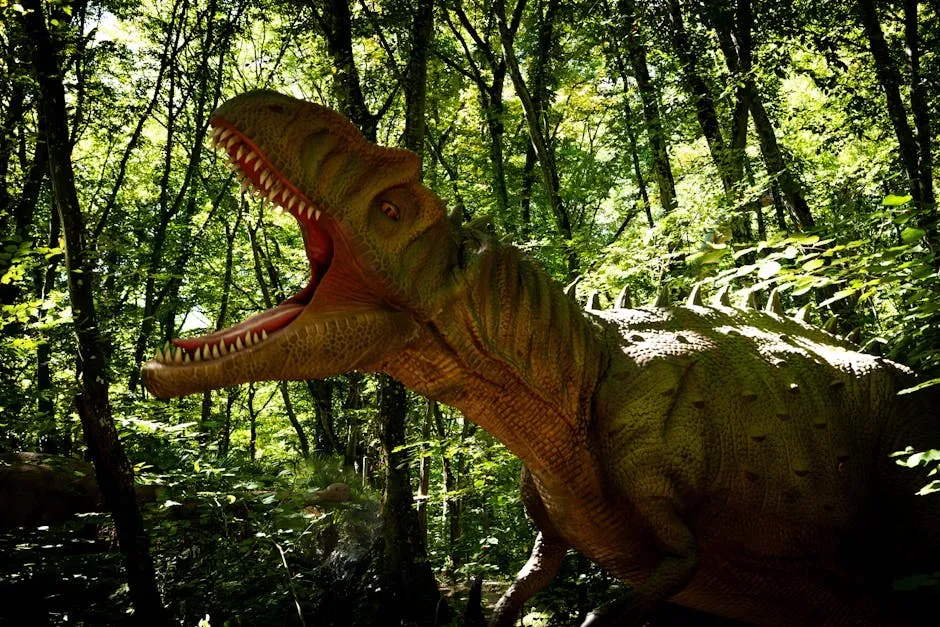
Those earth-shaking dinosaur roars are movie magic, not scientific fact. Sound does not fossilize, so any noise we assign to extinct animals is always going to involve some guesswork, but we do have clues from anatomy and from their closest living relatives. Birds and crocodilians, the modern cousins of non-avian dinosaurs, produce sounds in ways that are pretty different from a lion-style throat roar, including low-frequency booms, hisses, bellows, and closed-mouth calls that vibrate the body. Some studies of dinosaur skulls and possible soft-tissue structures suggest that deep, resonant, even somewhat muffled sounds could have been common.
Instead of the classic Hollywood roar, imagine a huge animal producing a low, chest-thudding rumble you feel more than you hear, mixed with hisses, growls, and birdlike calls. That might actually be more unnerving than a stock monster sound clipped from a lion and tiger mashup. Paleontologists get frustrated because those roaring clichés overwrite the real science in people’s minds; kids grow up convinced that dinosaurs all sounded like the same movie monster. The truth is probably more diverse, stranger, and less instantly recognizable – and that should make them feel more alien and mysterious, not less.
4. Dinosaurs and Humans Lived (and Fought) Side by Side
Movies love the image of humans running from, riding on, or even teaming up with dinosaurs, because it hits that deep wish-fulfillment button we all share. Unfortunately for the scriptwriters, the timeline absolutely does not cooperate. Non-avian dinosaurs died out about sixty-six million years ago, while anatomically modern humans only appeared a few hundred thousand years ago. The gap between the last T. rex and the first human is so enormous that more time separates us from T. rex than separates T. rex from many of the earlier dinosaurs it never lived to see. It is not just a small overlap problem; it is two completely different chapters of Earth’s history.
Why does this myth bother paleontologists so much? Because it quietly erases one of the most important lessons from the fossil record: entire dominant groups can vanish long before we show up. When we pretend cavemen fought raptors, we flatten deep time into a single cartoon panel, instead of appreciating how staggeringly long dinosaurs ruled the planet without a single human in sight. In reality, the only humans who have “met” dinosaurs are the ones reading their bones, rocks, and footprints. That truth is less cinematic, but it is also more humbling and, in a way, more beautiful: our relationship with dinosaurs is one of curiosity, not coexistence.
5. All Dinosaurs Were Scaly, Swamp-Dwelling Reptile Brutes
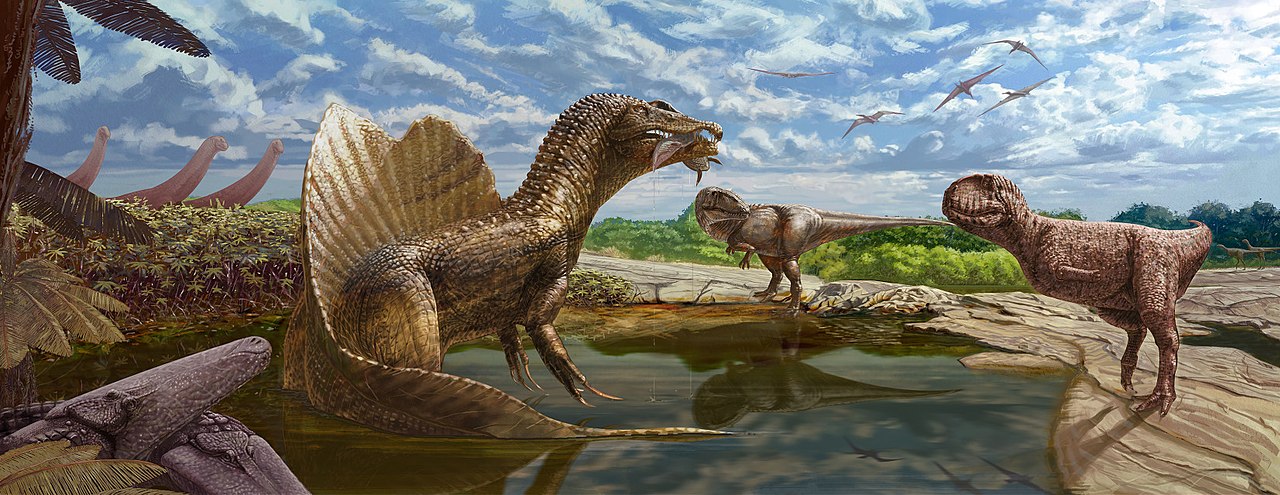
Older films in particular love the image of dinosaurs as slow, cold-blooded monsters dragging their tails through steaming swamps, barely more active than giant lizards. That picture has been demolished for decades, yet it lingers in newer movies as a sort of visual shorthand: big reptile equals slow, dim, and permanently half-submerged. Modern research paints a very different story. Many dinosaurs show bone structures and growth patterns more like active, warm-blooded or at least “warm-ish” animals, with high metabolism, constant growth, and complex behaviors. They lived in forests, plains, deserts, coastal areas – not just murky swamps.
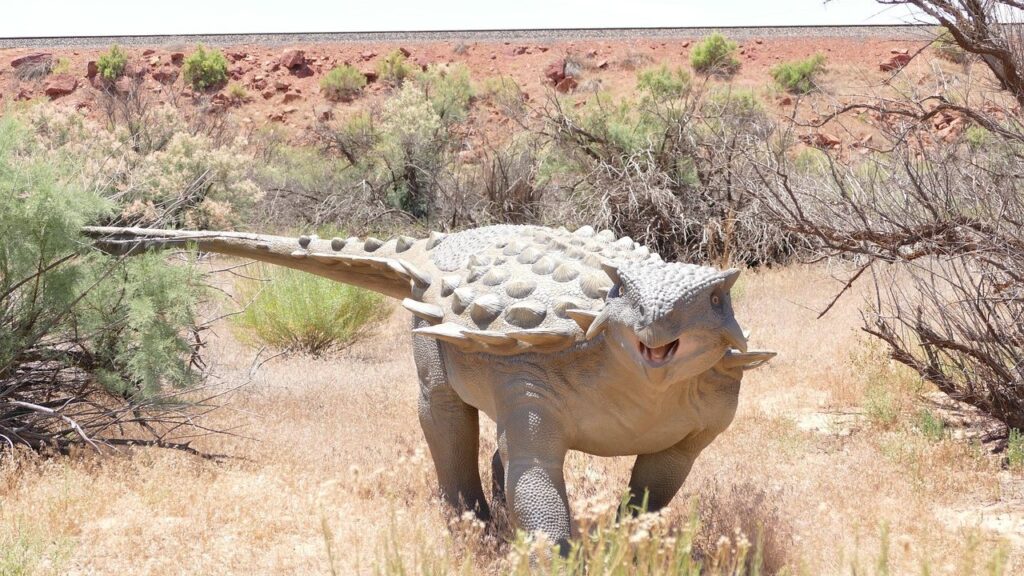
On top of that, we now know that feathers, fuzz, and complex skin coverings were common across several dinosaur groups, especially among theropods and their relatives. Think less “one-size-fits-all lizard” and more “wild menagerie of forms,” from spiky, armored herbivores to colorful, feathered predators and everything in between. Paleontologists wince when movies serve up the same dull gray, scaly skin on every species, because it reinforces a dated picture and misses an opportunity to show off how diverse dinosaur life really was. If anything, an ancient ecosystem full of weird, warm-blooded, brightly patterned animals feels more like a sci-fi alien world – and that’s exactly what Earth used to be.
6. Mosquito Blood in Amber Could Bring Dinosaurs Back
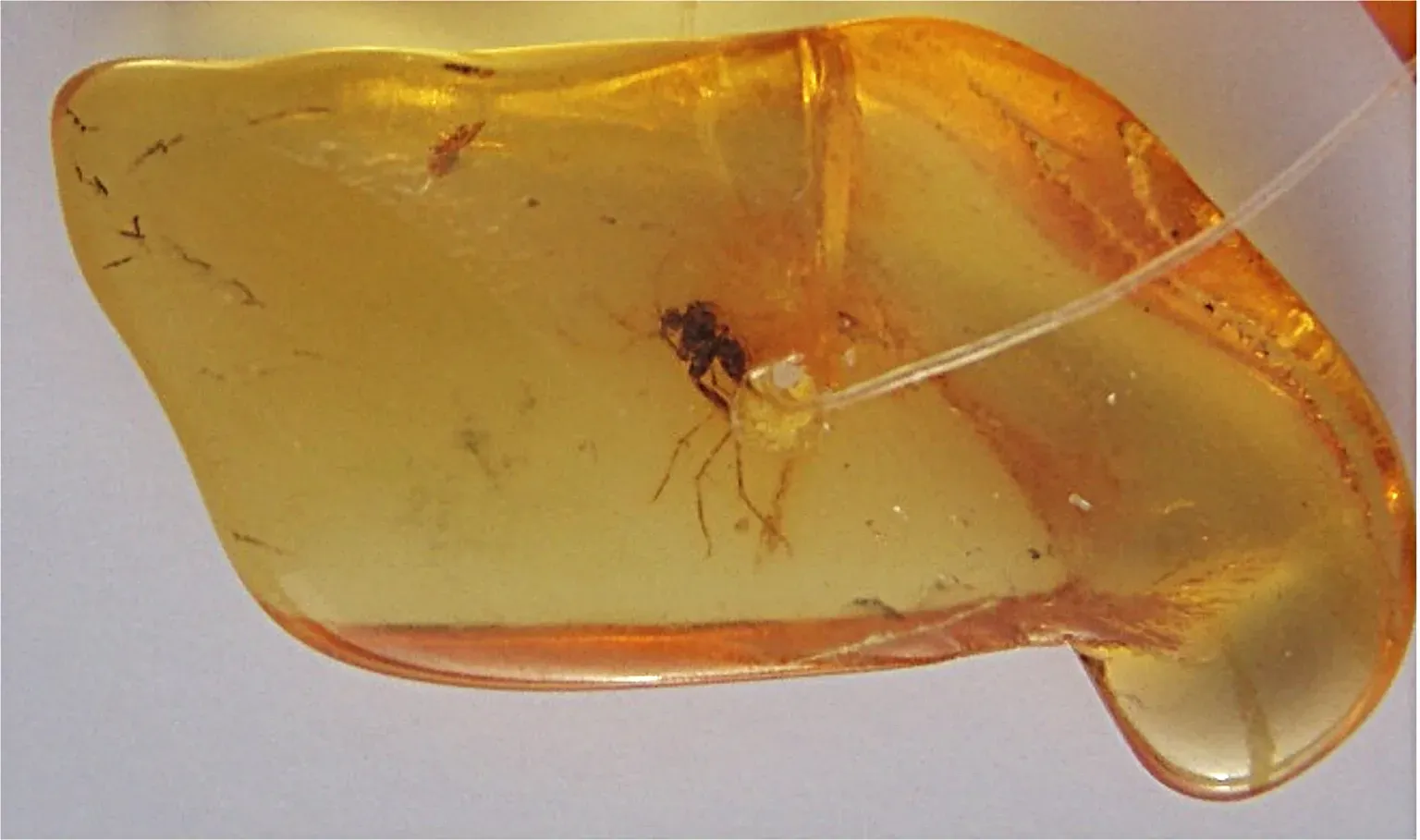
Few ideas have stuck in the public imagination like the notion that you could clone dinosaurs from DNA preserved in mosquitoes trapped in amber. It is such a clean, good story hook that many people half-believe it is close to reality. The science is a lot less forgiving. DNA is a fragile molecule; it breaks down over time due to radiation, chemical reactions, and temperature changes. Studies of ancient DNA suggest that under even ideal conditions, recognizable genetic material does not survive for tens of millions of years. By the age of the dinosaurs, any original DNA in a mosquito would be long gone, chemically shredded into unrecognizable bits.
Paleontologists and geneticists alike get weary of explaining that you cannot simply “fill in the gaps” of a nonexistent genome with some frog or bird DNA and get a functioning dinosaur, the way you might fill missing words in a sentence. Even if we somehow had a perfect map of a dinosaur genome, we would also need compatible eggs, cellular machinery, and developmental environments that do not exist today. That said, the broader idea of de-extinction is not entirely fantasy; scientists are exploring ways to bring back traits of more recent extinct species like mammoths using living relatives. But turning amber-trapped mosquitoes into real-life T. rexes is, for now, firmly in the realm of science fiction, no matter how many times the movies resurrect it.
7. Dinosaurs Were Mindless Killing Machines With No Complex Behavior
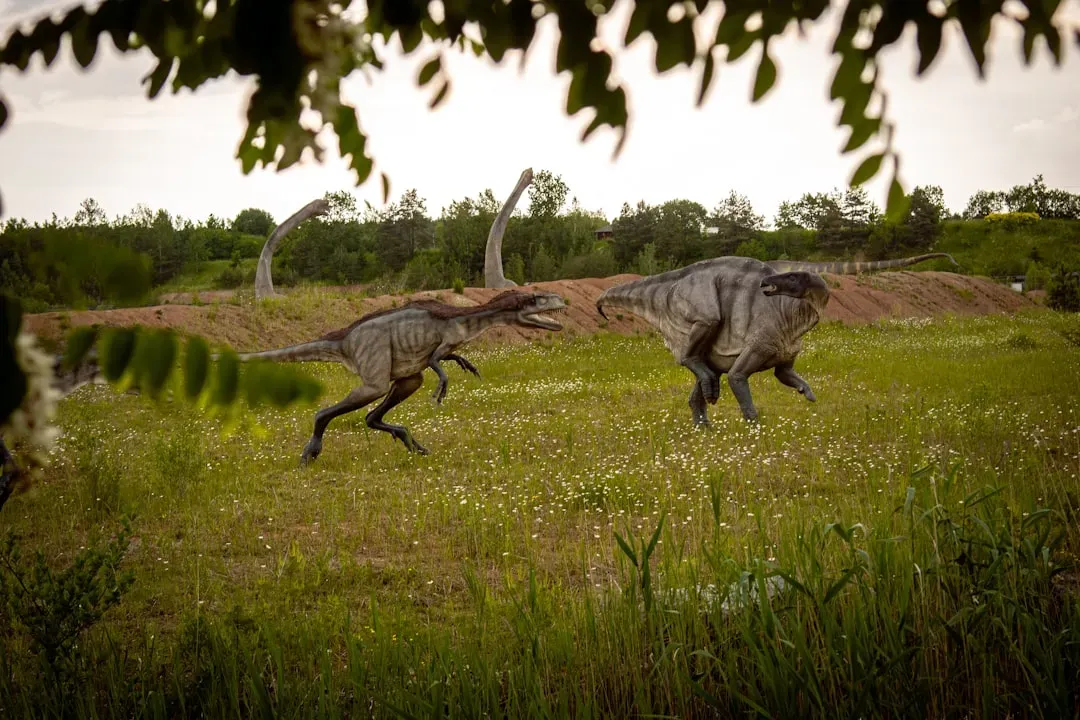
The easiest shortcut for a movie is to treat every theropod as a pure horror monster: always angry, always hunting, zero nuance. It makes for clear stakes, but it undercuts what the fossils suggest about dinosaur intelligence and behavior. Braincase studies show that many predatory dinosaurs had relatively large brains for their body size, particularly in areas related to vision and coordination. Trackways and bonebeds hint at possible herd movement, age-structured groups, and maybe even forms of social behavior, though the details are still debated. Thinking of them as nothing but single-minded beasts ignores how successful and adaptable they were for an astonishing span of time.
Modern birds, which are living dinosaurs, range from absent-minded pigeons to brainy crows that solve puzzles and use tools, and that spectrum probably has roots deep in dinosaur history. Some big predators were almost certainly terrifying and dangerous, but they would also have needed to navigate their environments, interact with rivals and mates, and care for nests or young in ways more complex than nonstop rampage mode. Paleontologists are cautious not to oversell dinosaur smarts, but they are just as wary of the flat, mindless-monster stereotype. In a way, the truth is more unsettling: dinosaurs were not movie villains; they were real animals that dominated the planet through a mix of power, adaptability, and enough intelligence to make the most of their world.
Conclusion: The Real Dinosaurs Are Stranger – and Cooler – Than the Myths
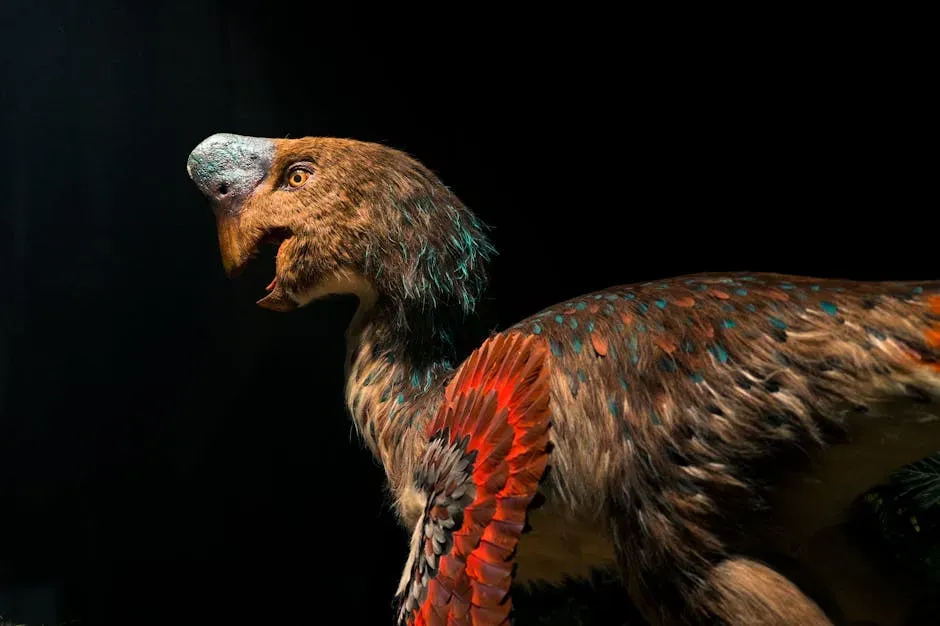
I get why filmmakers keep recycling the same dinosaur myths: a naked, roaring, jeep-chasing reptile is a proven crowd-pleaser, and fixing the science risks messing with a formula that sells tickets. But the more you look at what paleontologists have actually uncovered – feathered predators, warm-blooded giants, ecosystems more alien than any CGI planet – the more the old clichés start to feel lazy instead of exciting. Clinging to outdated movie “facts” does not just annoy scientists; it cheats the rest of us out of how genuinely weird and wonderful deep time really is. We are trading a living, evolving picture for a worn-out monster costume.
My personal take is pretty blunt: the science has become too fascinating to justify pretending we are still in the 1990s just because it is familiar. Imagine a film brave enough to show a fully feathered, birdlike raptor pack, or to lean into eerie, low-frequency dinosaur calls instead of the same recycled roar. That version of dinosaurs would not just be more accurate; it would feel new again. Maybe the most radical thing movies could do now is trust that audiences are ready for the truth: that reality, especially when it comes to dinosaurs, has outgrown the old myths. If you met the real creatures face to face, which would shock you more – the movie monster you expect, or the bizarre, half-bird, half-beast that actually once ruled the Earth?