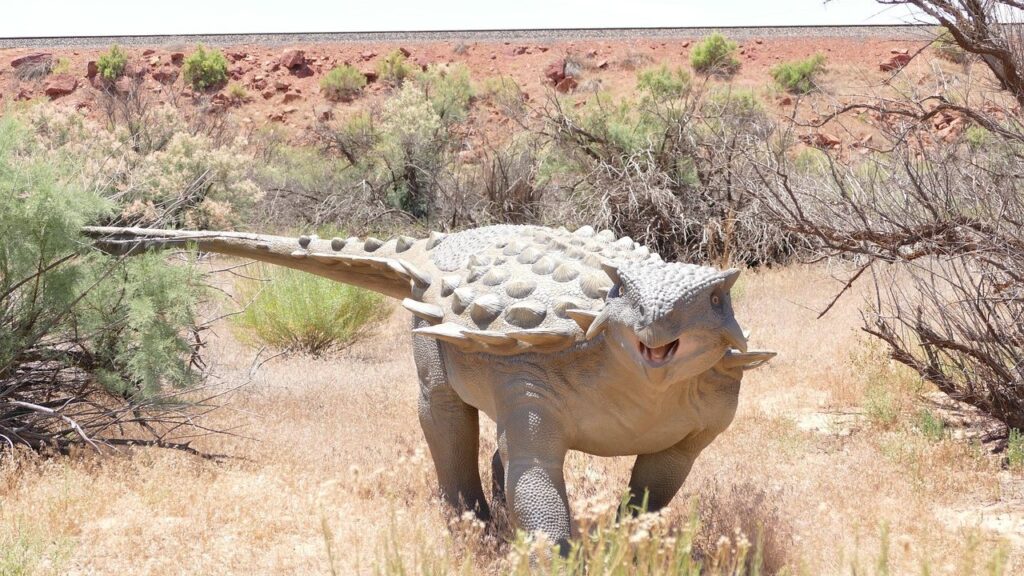
Every few years, paleontologists have to step up to a microphone (or a social media account) and gently tell the world: actually, dinosaurs were not quite like that. And honestly, some of those corrections are pretty hilarious. From debunking pop‑culture myths to walking back old textbook diagrams, the science keeps moving, and the picture of dinosaurs keeps getting stranger, fluffier, and way more complicated than the monster-movie versions many of us grew up with.
I still remember the mild embarrassment of realizing that half the dinosaur facts I “knew” as a kid are now flat-out wrong. That’s the wild thing about paleontology in the 2020s: the field is evolving so fast that every few months some cherished visual is quietly retired and replaced with something more accurate – and often much weirder. Let’s walk through some of the funniest and most surprising corrections scientists have had to make about dinosaurs recently, and why these changes matter more than you’d think.
Dinosaurs Were Not All Giant Scaly Lizards
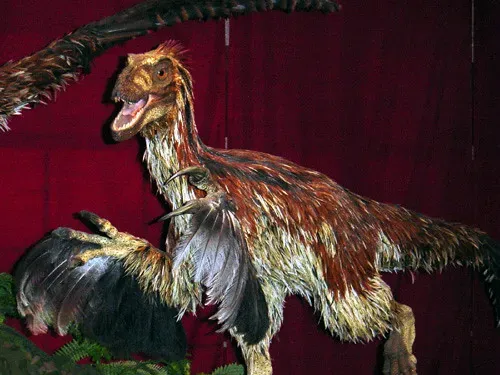
One of the biggest – and funniest in hindsight – corrections is that dinosaurs weren’t just oversized lizards with dry, scaly skin. For decades, movies and museum murals painted them like gigantic crocodiles on stilts, and people took that as fact. Then evidence of feathers, fuzz, quills and all kinds of filamentous coverings started piling up, and suddenly the terrifying, scaly raptor in your childhood coloring book looks more like a naked chicken someone forgot to finish drawing.
Scientists now know that many theropods, especially smaller ones closely related to birds, were at least partially feathered, and some may have been downright fluffy. That means the old image of dinosaurs as a uniform army of gray-green reptiles is basically outdated. Instead, we’re probably looking at a spectrum: some scaly, some partly feathered, some looking uncannily like very angry turkeys. It’s like discovering the cast of a gritty war movie actually showed up to set in elaborate carnival costumes – and the director just never told you.
Tyrannosaurus Rex Probably Did Not Roar Like in the Movies
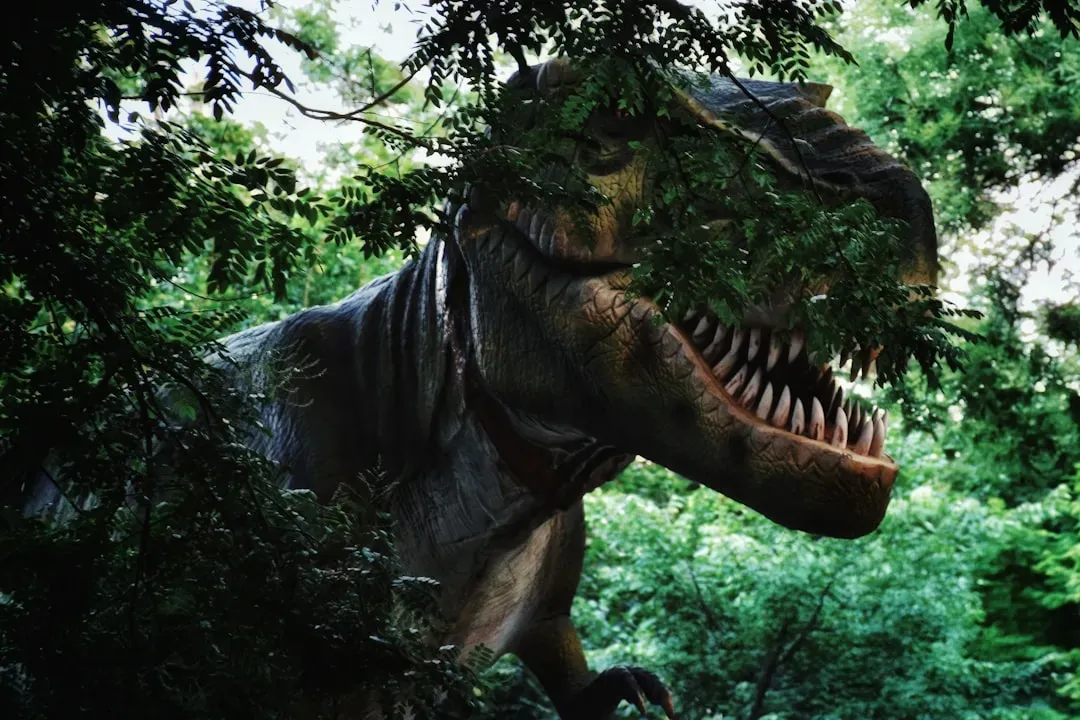
If there’s one sound the 1990s hardwired into everyone’s brain, it’s the earth‑shaking roar of a movie T. rex. The problem is, paleontologists have been pointing out that this iconic sound is probably wrong, at least in the way it’s usually portrayed. Large animals today – like elephants, crocodiles, even some big birds – often produce low, rumbling sounds, sometimes through closed mouths, rather than that dramatic open‑mouthed lion-style bellow we all expect.
So when scientists carefully say that T. rex may have rumbled, boomed, hissed, or even produced sounds closer to a deep bird call than a Hollywood roar, people are genuinely disappointed. It’s oddly funny watching grown adults argue online because their favorite movie monster might have sounded more like a bass speaker buried in mud than a dragon on a mountaintop. The correction does not make T. rex less impressive; if anything, the idea of a two-story predator silently pulsing infrasonic rumbles through the air is creepier than any theatrical scream.
No, Stegosaurus Did Not Have a Brain in Its Butt
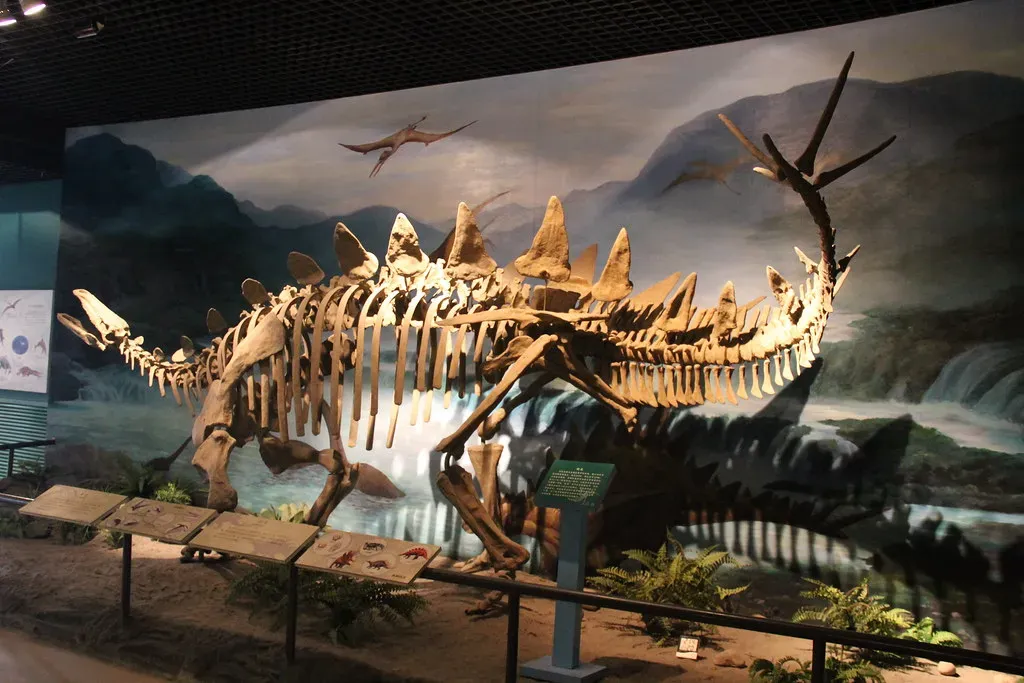
Modern paleontologists have had to patiently explain, over and over, that Stegosaurus did not have a secret backup brain in its rear end. The cavity is more likely related to a glycogen body or other soft tissues, similar to structures seen in modern birds. Is it less funny than “butt brain”? Definitely. Is it more accurate? Absolutely. There’s something quietly comical about serious scientists having to go on record and essentially say: dinosaurs were weird, but not that weird.
Velociraptors Were Feathered and Much Smaller Than You Think
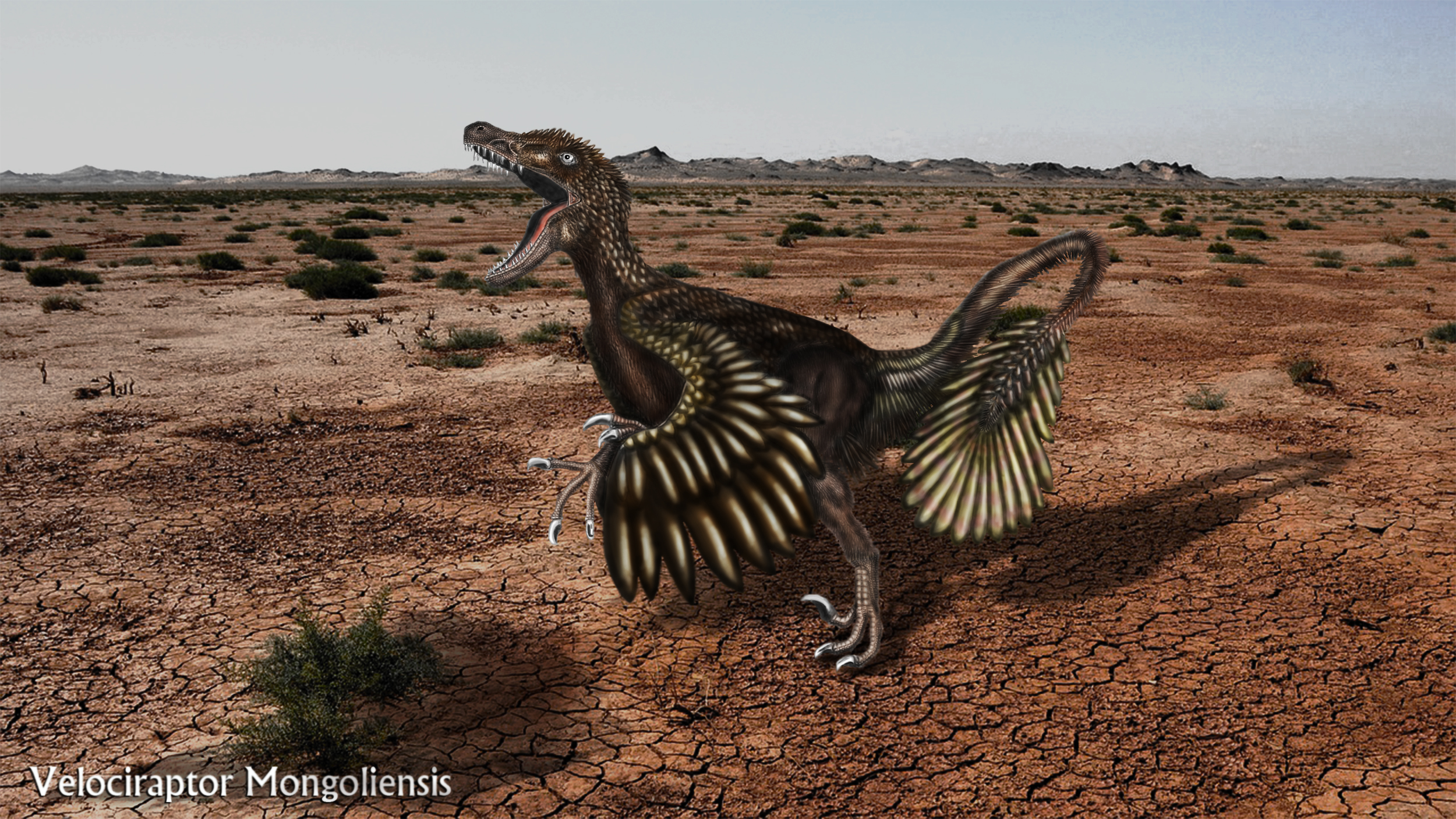
Velociraptors may be the single biggest PR disaster in dinosaur science. Thanks largely to famous movies, the public imagines them as man‑sized, scaly, hyper‑intelligent pack hunters. In reality, the actual Velociraptor was closer in size to a big turkey, likely feathered, and not the sleek, hairless reptile we were shown on screen. Paleontologists have been clarifying this for years, yet the pop‑culture version stubbornly refuses to die.
Recent decades of fossil discoveries have made the feathered raptor image impossible to ignore: quill knobs on forearms, impressions of plumage, and anatomical details that scream “bird” as much as “reptile.” The funny part is watching people react when they see accurate reconstructions: some are delighted by the idea of “murder birds,” while others feel almost cheated. Personally, I think the real version – a fast, agile, big‑bird predator with a serious bite – is much cooler than the old lizard-like monster. It’s like discovering your favorite villain actually wears a fabulously ridiculous coat and somehow becomes even more intimidating.
The Old Tail-Dragging Dinosaurs Were Way Off
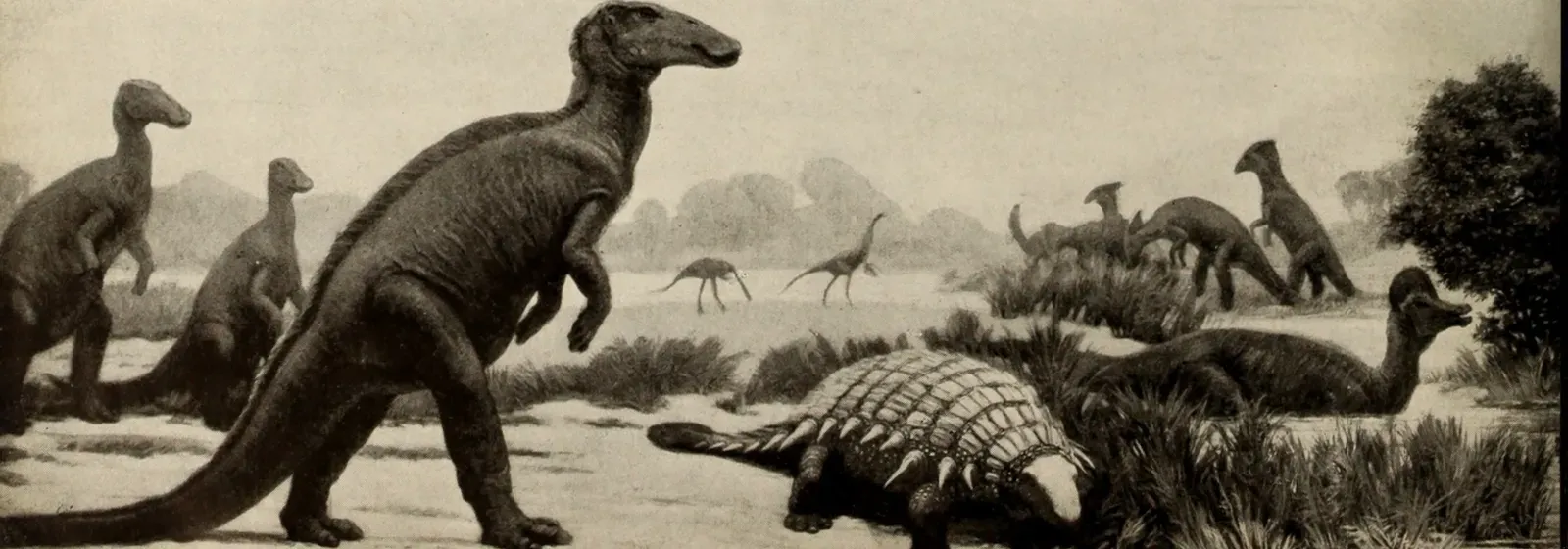
If you look at dinosaur art from the mid‑twentieth century, you’ll notice something right away: almost every big dinosaur is drawn with its tail dragging along the ground like a heavy rope. That image stuck for decades in school posters and toys, even though the scientific community has moved on. Based on bone structure, muscle attachment, and trackways, paleontologists now know most dinosaurs held their tails off the ground for balance, more like horizontal counterweights than lazy appendages.
This correction has turned old-timey dinosaur art into an accidental comedy goldmine. Once you get used to the modern, athletic look – with tails straight out and bodies more horizontal – the dragging versions start to look like giant, exhausted iguanas who gave up halfway through standing up. Updating the posture also changes how we imagine their behavior: not sluggish beasts lumbering around, but active animals with more dynamic movement. It is a bit like realizing someone has been drawing racehorses as sleepy cows for fifty years and nobody complained loudly enough.
Dilophosaurus Did Not Spit Poison or Have a Frill
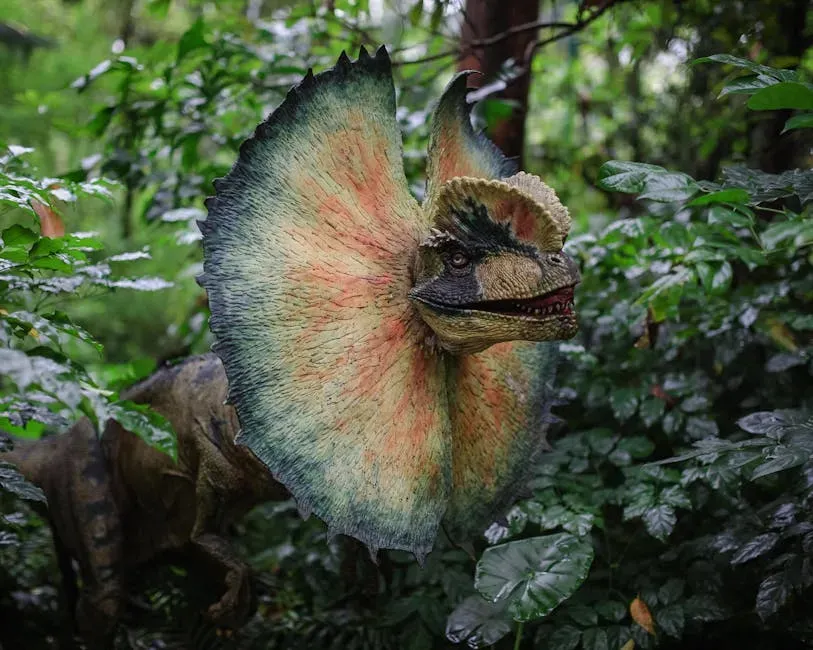
Another correction that borders on slapstick is the case of Dilophosaurus, the dinosaur that popular culture turned into a venom‑spitting, neck‑frilled assassin. The dramatic expanding frill and toxic spit are, as far as current science can tell, pure invention. There is no fossil evidence for that kind of soft-tissue display structure, and nothing convincing to suggest it sprayed venom like some kind of biological water gun.
Paleontologists have had to keep repeating that, in reality, Dilophosaurus was probably a fairly large theropod with impressive crests on its head, but otherwise not the carnival prop we saw on screen. It was still a dangerous predator, just not equipped with all the special‑effects armory Hollywood gave it. The funny part is that this made‑up version became so popular that the actual animal feels “wrong” to people who see an accurate reconstruction. It’s like meeting a historical figure and realizing most of what you thought you knew came from a wildly embellished graphic novel.
Many Dinosaurs Were Not the Dull Gray-Green of Old Paintings
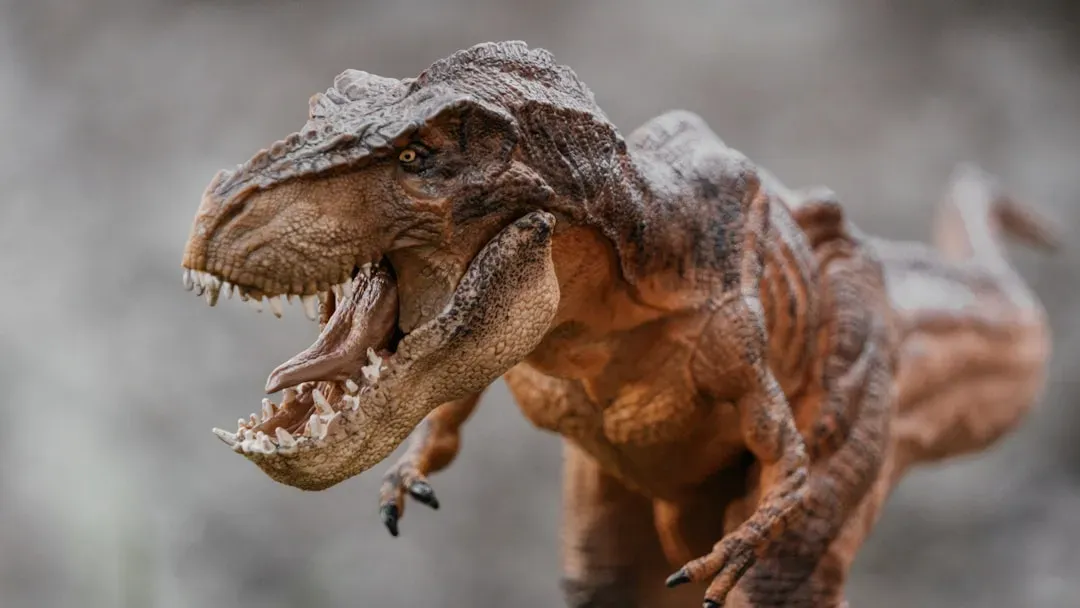
For a long time, dinosaurs in books and museums were almost always painted the same few colors: gray, green, or brown. The unspoken assumption was that big reptiles must be drab and swamp-colored. That made life easier for illustrators, but it turns out to be far too conservative. In the past couple of decades, researchers have been able to infer colors and patterns in some fossil feathers and scales by studying microscopic structures that correspond to pigments in living animals.
While we still do not know the color of every dinosaur, we now have evidence of stripes, dark masks, and even iridescence in some species. This has forced a delightfully awkward climbdown from the old “probably dull and muddy” mindset. The idea that at least some dinosaurs may have been boldly patterned, glossy, or even shimmering in the sunlight is both scientifically exciting and visually hilarious compared to the bland 1970s book illustrations. It is as if the entire dinosaur world quietly turned from black‑and‑white TV to full, chaotic high‑definition color, and no one told the toy companies for years.
Dinosaurs Did Not All Live Together in One Giant Time Mash-Up
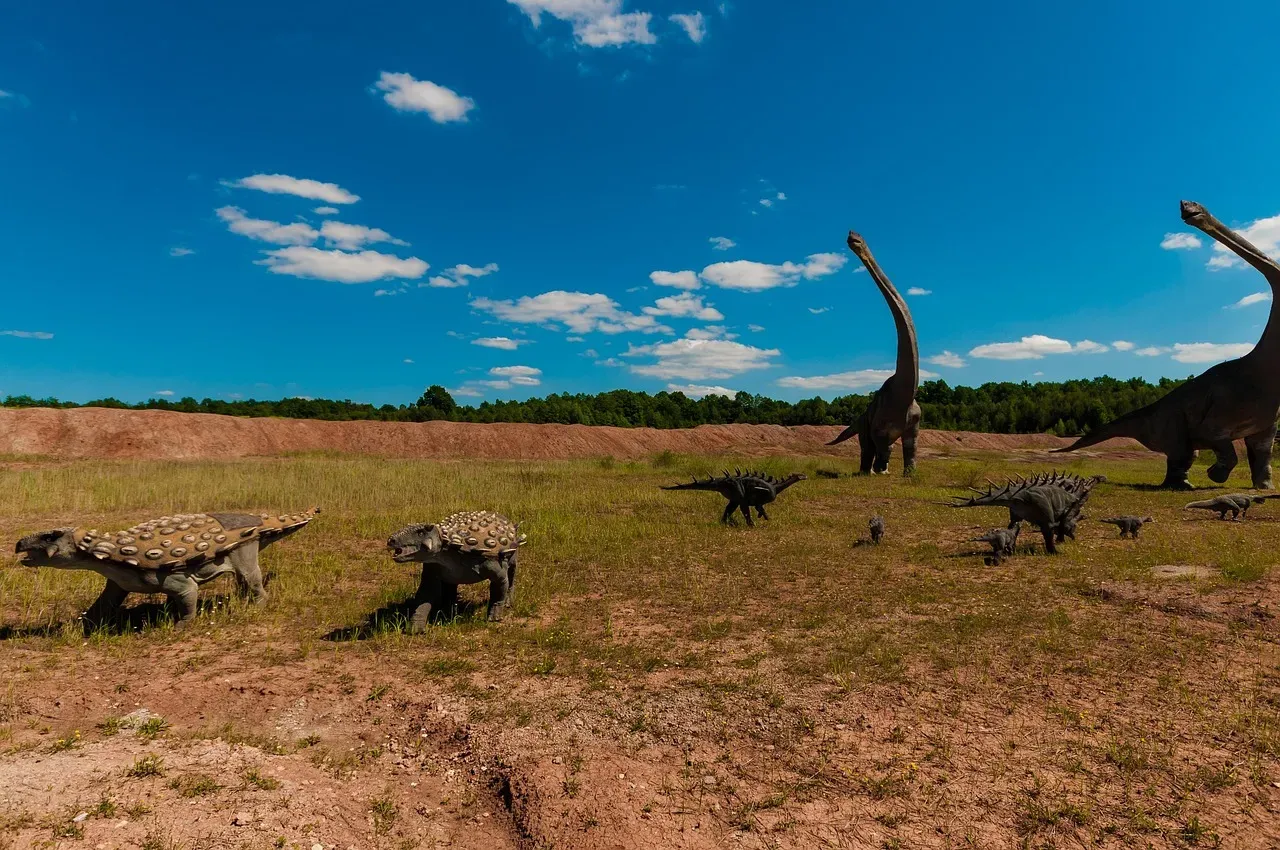
One of the most persistent and unintentionally funny corrections paleontologists keep making is about timing. Popular culture loves to throw every famous dinosaur species together into the same scene: Stegosaurus walking past T. rex, Velociraptor chasing Triceratops, all under the same volcano. In reality, many of these animals were separated by tens of millions of years, more time than stands between us and the earliest humans who painted in caves.
When scientists point this out, people are often stunned to hear, for example, that Stegosaurus went extinct long before T. rex existed. The “dinosaur age” was not a single moment but a vast stretch of time with different lineups of species coming and going. The correction feels almost like someone telling you that your favorite band’s “reunion tour” poster is a lie because the members were born a century apart. It might not be as flashy as feather debates or roaring noises, but getting the timeline right completely changes how we picture ancient ecosystems – and makes those all-in-one dino battle scenes look a bit like chaotic fan fiction.
Conclusion: The Real Dinosaurs Are Stranger (and Funnier) Than the Myths
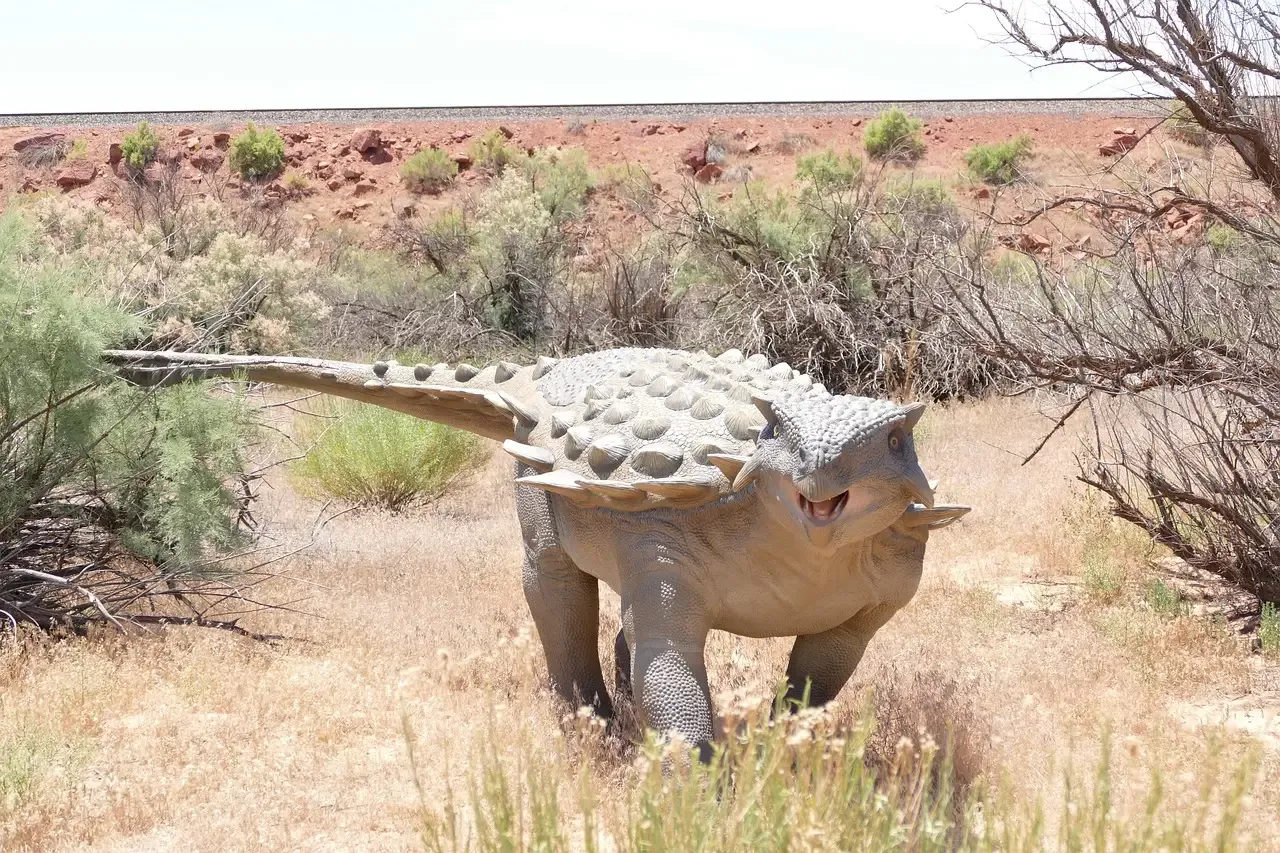
What I love most about these corrections is that they show science doing what it is supposed to do: getting less wrong over time, even if it means sacrificing some beloved movie moments. The funniest part is not that past scientists were clueless – they were working with what they had – but that we clung so hard to those images that paleontologists now have to formally announce things like “no, there was no butt brain” or “please stop imagining every dinosaur as a green reptile tank.” The real animals, with their feathers, rumbling calls, balanced tails, and shifting timelines, are far stranger and more fascinating than the simplified versions we were sold.
In my view, hanging onto outdated dinosaur myths just because they feel cooler is a bit like insisting your old flip phone is more advanced than a modern smartphone simply because you are nostalgic. The updated, scientifically grounded reconstructions do not drain the magic; they move the magic closer to the truth, and that is where the best stories live. Next time you see a feathered raptor or a non-roaring T. rex, maybe ask yourself: is this really less awesome, or are we just attached to the special effects we grew up with?