If you grew up on animated ice-age movies, museum posters, and video game boss fights, you probably have a very specific picture of the woolly mammoth in your head: a skyscraper-sized shaggy beast crashing through blizzards with its tusks down and its rage dialed up to eleven. It feels so familiar that it almost seems like memory instead of imagination. The trouble is, a lot of that “memory” is wrong.
The real woolly mammoth was stranger, subtler, and in many ways more impressive than its pop-culture doppelganger. Its story stretches from Africa to the Arctic, from Stone Age hunters to the very dawn of ancient civilizations, and it’s packed with science that’s way cooler than cartoon slapstick. Let’s pull apart nine of the biggest myths that just won’t die – and see what the evidence actually says about this Ice Age icon.
Myth 1: Woolly mammoths were dinosaur-sized monsters
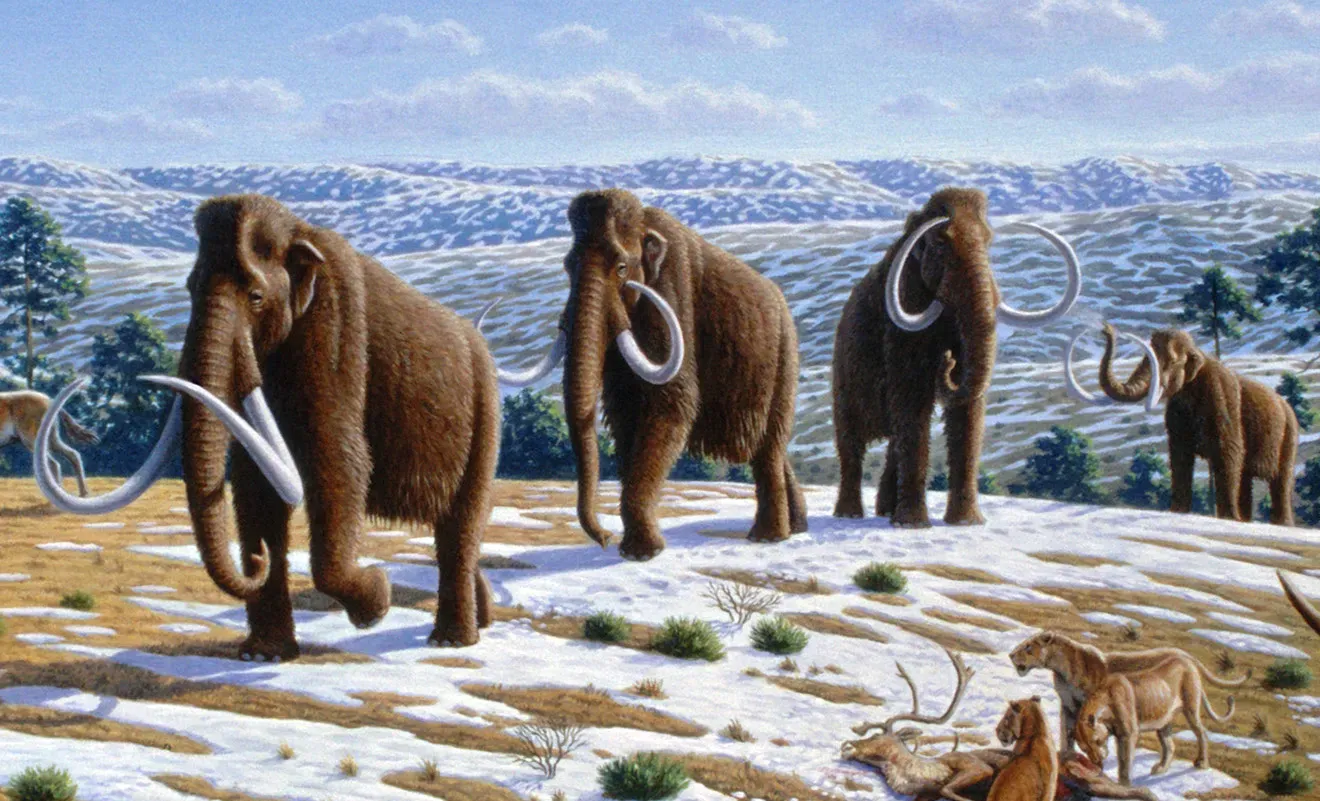
Movies love to show mammoths looming over everything like walking apartment buildings, but in reality they were much closer in size to today’s elephants than to any Jurassic giant. Adult male woolly mammoths typically stood around three to three and a half meters at the shoulder, with some large individuals reaching a bit higher, and weighed several tonnes – big, yes, but firmly in the same league as modern African elephants rather than a completely different category. When you see early concept art with people the size of mice at their feet, that’s artistic exaggeration, not anatomy.
Part of the confusion comes from mixing up different mammoth species and even unrelated giants; the largest known mammoths include southern and steppe mammoths that exceeded the woolly mammoth’s average size, and they sometimes get blended together in documentaries and games. On the flip side, there were also dwarf mammoths on islands that were barely the height of a big dog at the shoulder, which never make it into the big-screen versions because they look “wrong” next to the legend. The truth is less cinematic but more interesting: mammoths came in a range of sizes, and the classic woolly mammoth was a big, powerful herbivore – but not a dinosaur-level colossus.
Myth 2: Mammoths and dinosaurs roamed the Earth together
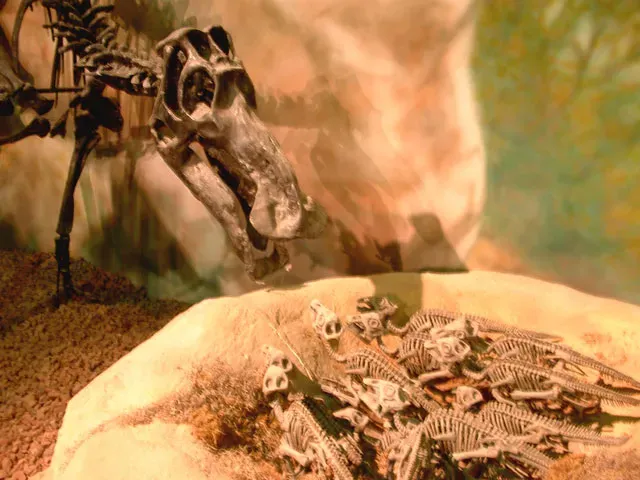
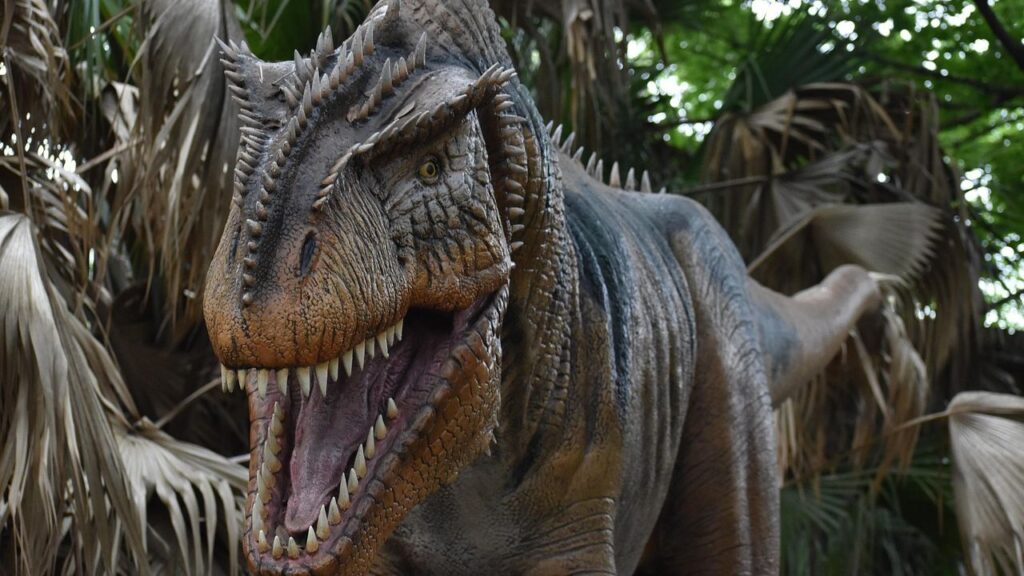
This one is pure time-travel fantasy. Dinosaurs (apart from the birds that survived) disappeared at the end of the Cretaceous period roughly sixty-six million years ago. Woolly mammoths, by contrast, were Ice Age specialists that evolved in the last few hundred thousand years of Earth’s history and lived into the late Pleistocene and early Holocene. That means there is a gap of tens of millions of years between the last non-bird dinosaurs and the first woolly mammoths – longer than the time between the earliest dinosaurs and us.
What makes this myth stubborn is that mammoths feel “prehistoric” in the same way dinosaurs do, so our brains lump them together into one giant, foggy Before-Time. Pop culture happily plays along with stylized “prehistoric mashup” scenes that throw mammoths, cavemen, and toothy reptiles onto the same snowy cliff. In reality, if you could stand in a mammoth herd, you’d see animals that shared the world with humans, saber-toothed cats, and giant ground sloths – creatures that vanished only a geological heartbeat ago, long after the last Tyrannosaurus sank into the mud.
Myth 3: Woolly mammoths were walking piles of fur that lived only in endless blizzards
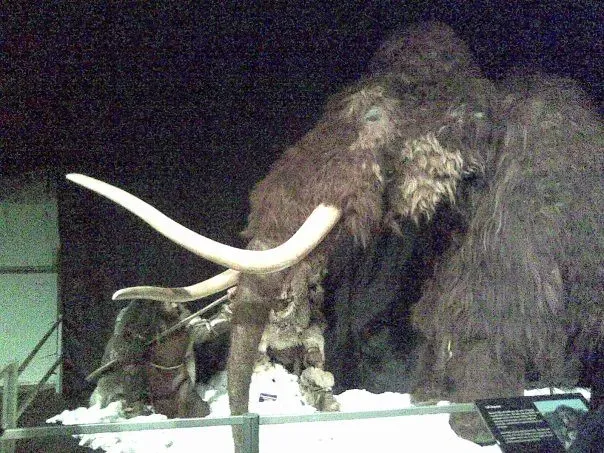
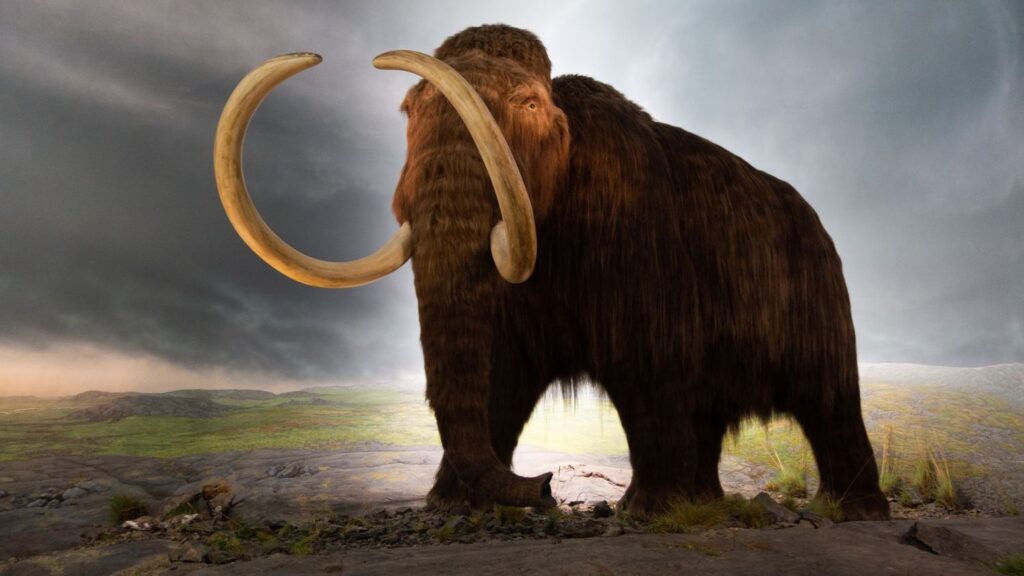
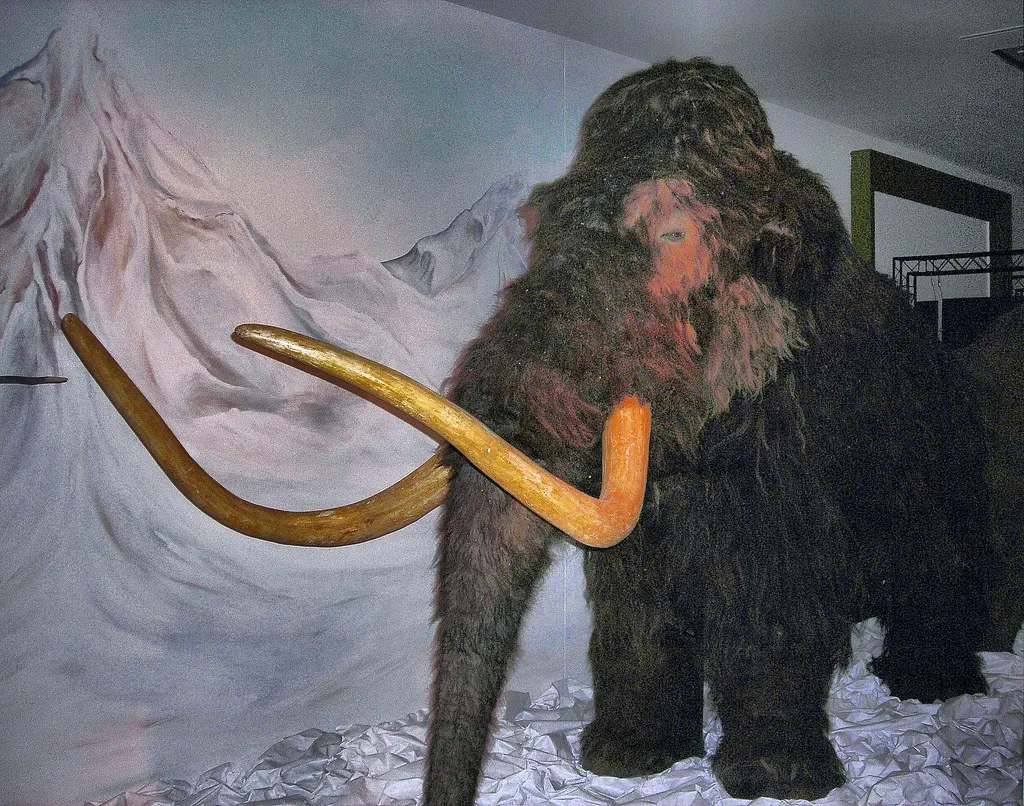
The pop-culture mammoth is basically a shag rug with tusks, forever trudging through howling snowstorms. In truth, its cold-weather adaptations were sophisticated and layered: a dense underwool, long guard hairs, a thick pad of subcutaneous fat, small ears and short tails to cut heat loss, and even tweaks to its blood that helped oxygen flow at low temperatures. These animals were indeed built for cold, but that did not mean they were limited to cartoon blizzards twenty-four seven. The classic “mammoth steppe” was often dry, windy, and open – more like a frigid grassland than a perpetual whiteout.
What often gets overlooked is that Ice Age climates were variable, with seasons and warmer spells, and mammoths had to cope with that full range. Evidence from their remains across Eurasia and North America shows they occupied open steppe and tundra landscapes, not just the deepest polar zones. Think of them less as prisoners of eternal blizzard and more as extreme-weather generalists that could function in cold, dry grasslands, handle chilly winters, and still move through relatively mild summers. The mental image of a mammoth instantly keeling over if the snow lets up is more slapstick than science.
Myth 4: Mammoths were mindless, aggressive brutes
Video games and action movies usually treat mammoths like organic tanks: charge, stomp, repeat. But the closest living analogues to mammoths are elephants, and modern elephants are anything but stupid. Their complex social lives, long memories, and emotional behaviors give us a strong starting point for inferring what mammoth minds might have been like. Fossil evidence and genetic data suggest similar matriarchal herd structures dominated by adult females and their offspring, with males more often wandering alone or in loose bachelor groups.
If mammoths behaved like elephants, they likely navigated rich social networks, recognized individuals, responded strongly to calf distress, and used vocal and chemical communication. Aggression certainly existed – any big herbivore can be dangerous when threatened – but the idea of them as permanently enraged battering rams is lazy storytelling. I still remember standing in front of a mammoth skeleton in a small museum and feeling something closer to respect than fear; the bones looked built for stamina and steady power, not one-note rage. The real animal was probably a mix of cautious, social, and sometimes dangerous, which is a lot more interesting than a perpetual boss fight.
Myth 5: Woolly mammoths were just furry elephants with no real differences
On the flip side, some people shrug and say a mammoth is basically an elephant in a parka. It is true that they belonged to the same family and shared a lot of general anatomy, but genomic studies have uncovered a suite of mammoth-specific adaptations that go beyond just “extra hair.” Researchers have found changes in genes tied to hair growth, fat metabolism, thermal sensation, and even the structure of ears and tails – fine-tuned tweaks that equipped mammoths for life in high-latitude, cold, and often dry environments. In other words, these were not elephants with a costume; they were cold-weather specialists down to the molecular level.
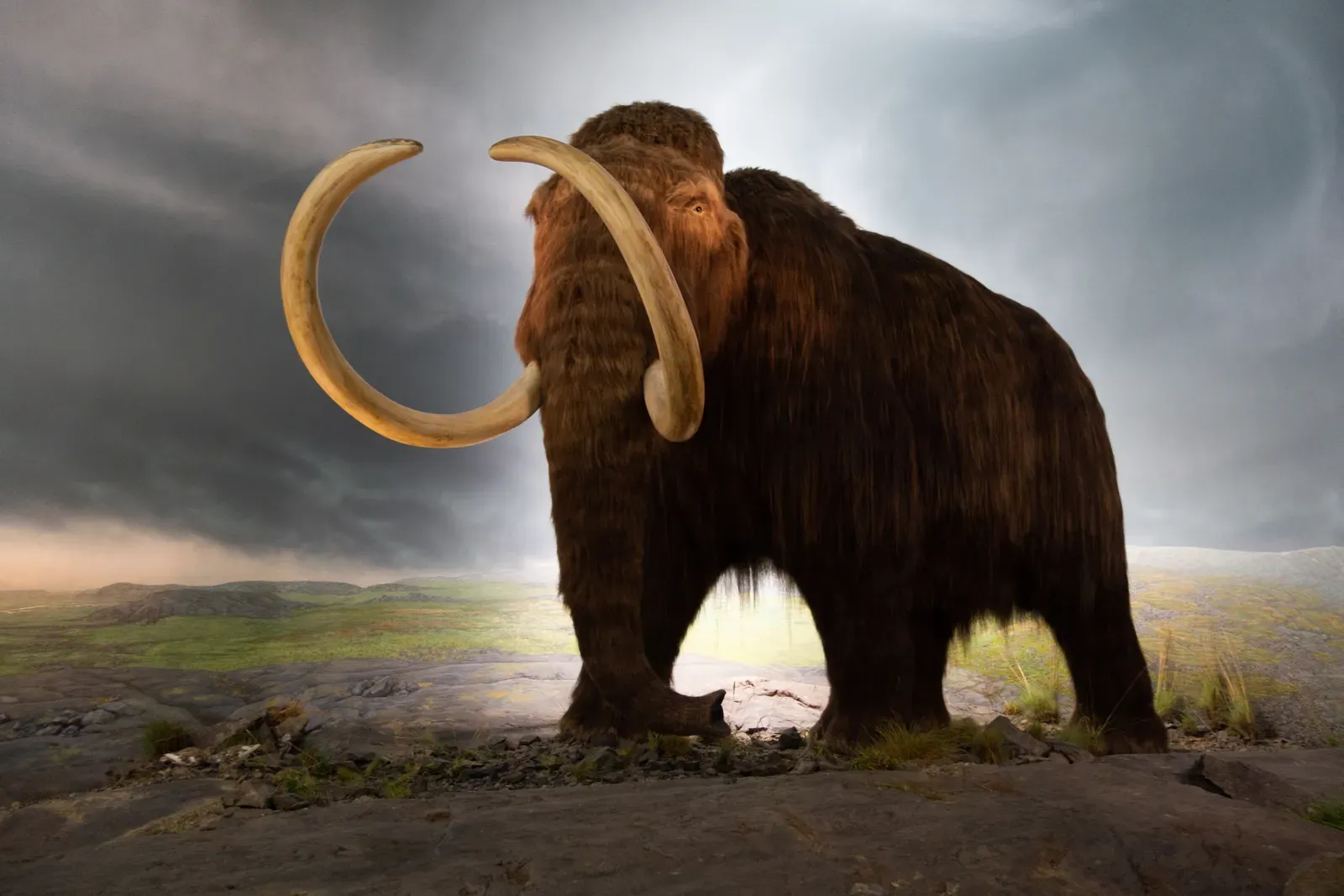
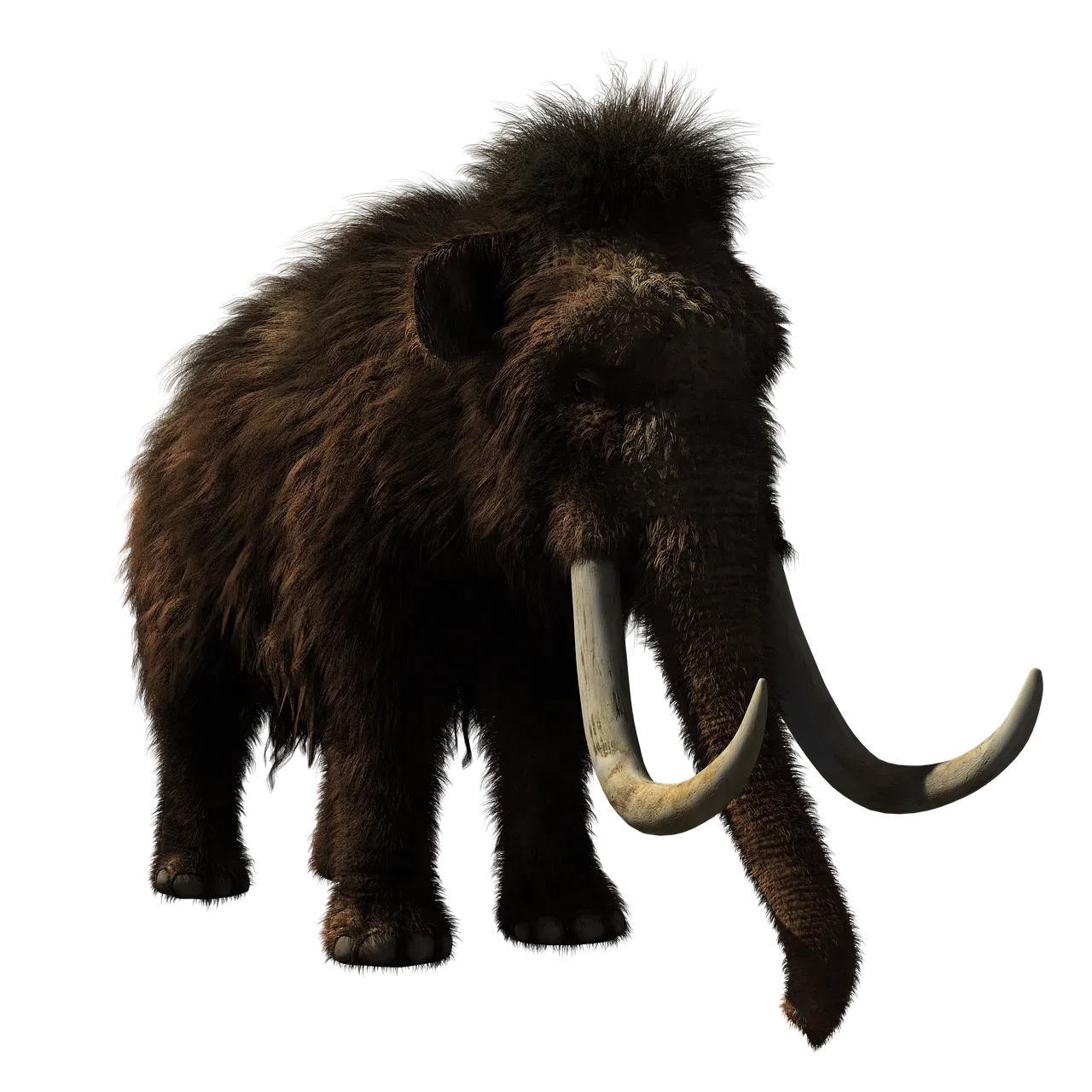
Morphologically, mammoths also carried a distinctive shoulder hump built of spine and muscle, a domed skull, spiraled tusks, and a body proportioned to conserve heat. When you line up a reconstructed mammoth next to an African or Asian elephant, they look like cousins that took radically different lifestyle paths. Elephants stayed in warmer savannas and forests; mammoths chased grass across windswept steppe-tundra. Treating mammoths as reskinned elephants flattens that deep evolutionary story into a costume change, when in reality it was more like an entire wardrobe, training program, and rewired physiology tailored to an Ice Age niche.
Myth 6: Mammoths died out purely because of “natural climate change”
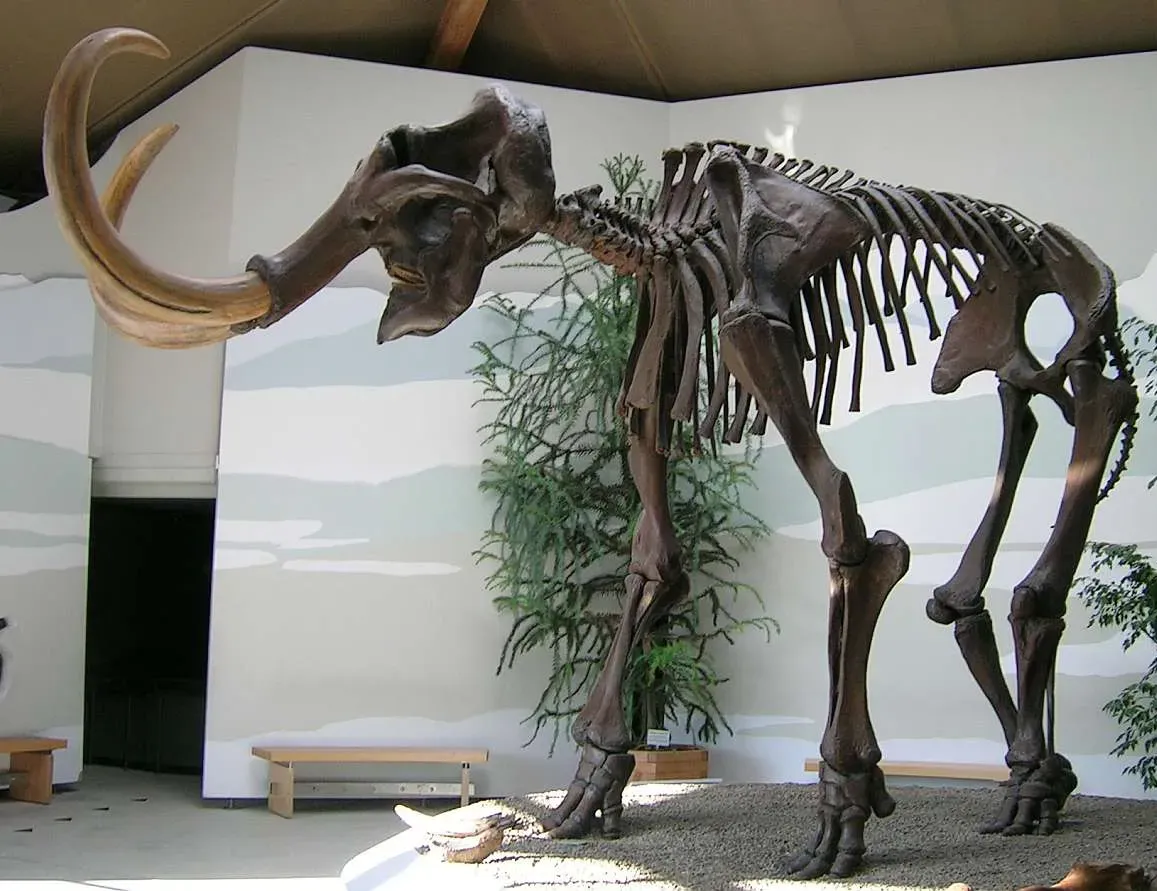
Whenever the mammoth’s extinction comes up, there’s a familiar shrug: the world warmed, the ice melted, and the mammoths just faded away, end of story. Climate definitely played a big role; as glaciers retreated and the mammoth steppe fragmented, the grass-rich habitats they depended on shrank and shifted. Warmer, wetter conditions favored forests and shrubs, squeezing the wide-open spaces mammoths were adapted to roam. That alone would have put serious pressure on their populations, especially those at the edges of their range.
But the timing and pattern of mammoth disappearances make it hard to blame climate alone. In many regions, mammoths persisted through earlier warm phases, only to vanish when modern humans became more numerous and better equipped. Archaeological sites with mammoth bones bearing cut marks and kill evidence show that people hunted and used them for meat, tools, and shelter. The most balanced reading of the data right now is that climate change and human impacts worked together, with habitat loss and direct hunting combining into a one-two punch. Saying it was “just natural warming” lets our species off the hook far too easily.
Myth 7: Humans barely overlapped with mammoths and never really interacted
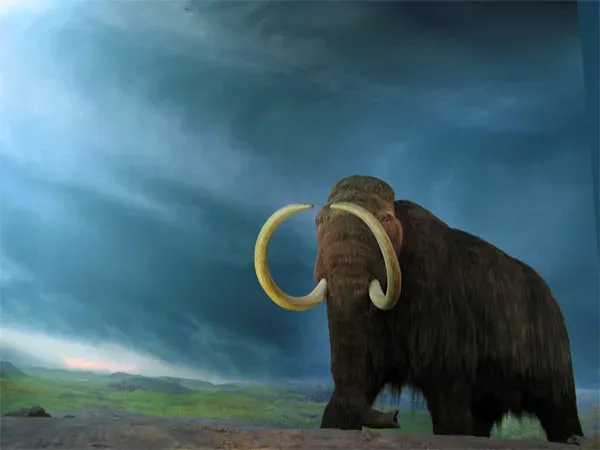
A lot of pop culture treats mammoths and humans as if they existed in different chapters, with maybe one token “caveman hunt” scene tossed in for drama. In reality, humans and woolly mammoths shared huge stretches of time and space. Radiocarbon records from Eurasia and North America show that our ancestors walked the same river valleys, crossed the same land bridges, and camped in the same open steppe where mammoths grazed. Some isolated mammoth populations even survived on Arctic islands into the time when early civilizations were rising in places like Egypt and Mesopotamia, which rewires the sense of how recent they truly were.
Archaeological sites tell a more intimate story: circular “houses” built from mammoth bones, carved ivory art, and butchered carcasses that ended their lives in human camps. There is every indication that mammoths were not just background scenery but central to some human groups’ survival strategies, providing food, materials, and maybe even spiritual symbolism. When you realize people lived and died in landscapes defined by these animals, it becomes impossible to see mammoths as distant, unreachable relics. They were part of our deep cultural neighborhood, and their disappearance is tied directly into our own global spread.
Myth 8: If mammoths came back tomorrow, they’d slot neatly into modern ecosystems
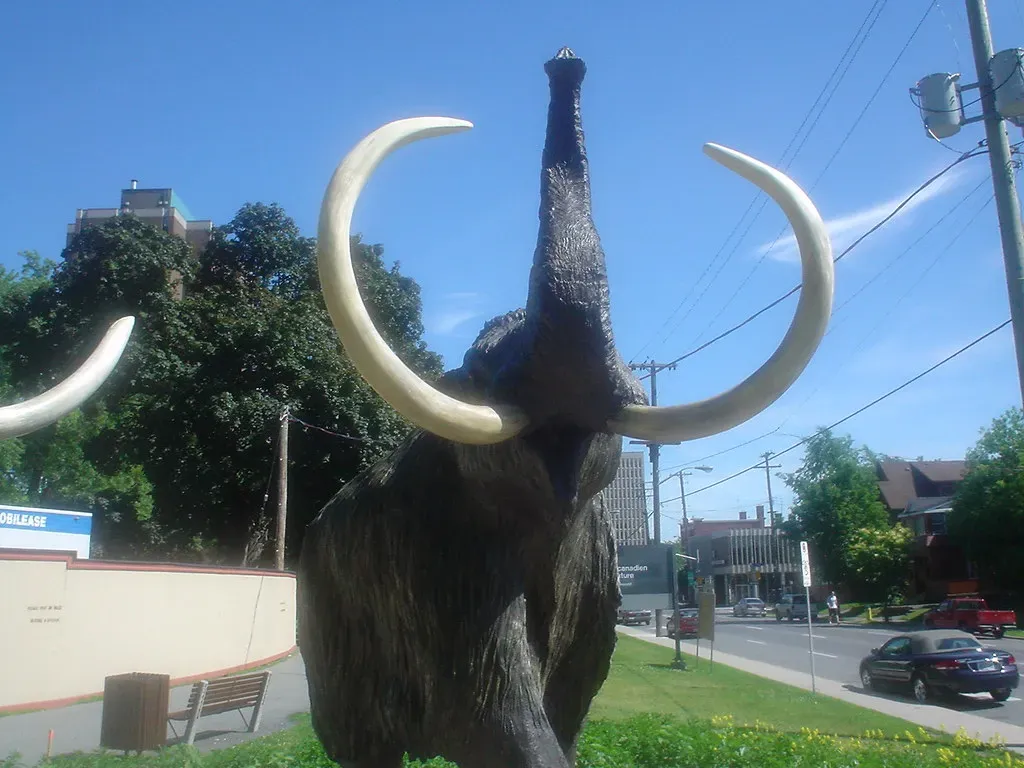
Between splashy headlines about de-extinction projects and speculative shows imagining mammoth safaris, it is easy to picture a herd of resurrected mammoths casually trotting across modern tundra as if they had just been on a long vacation. The reality would be messier. The ecosystems mammoths shaped – the vast mammoth steppe grasslands – have been heavily altered by thousands of years of climate shifts, vegetation changes, and human land use. Reintroducing a large, cold-adapted grazer into today’s fragmented, warming Arctic would be an experiment with many unknowns, not a clean restoration of a paused system.
There is also the ethical tangle: any “mammoth” brought back with current or near-future technology would be some kind of hybrid, likely an Asian elephant modified with mammoth genes. That raises questions about welfare, identity, and our goals. Are we trying to help living elephants by expanding their genetic toolkit, or chasing a nostalgic image from Ice Age calendars? Personally, I find the mammoth de-extinction hype a bit seductive and a bit distracting; protecting existing Arctic ecosystems and the species already fighting to survive in them may be a more urgent and grounded way to honor the mammoth’s legacy than attempting to rebuild a ghost.
Myth 9: We know exactly what mammoths looked like, sounded like, and behaved like
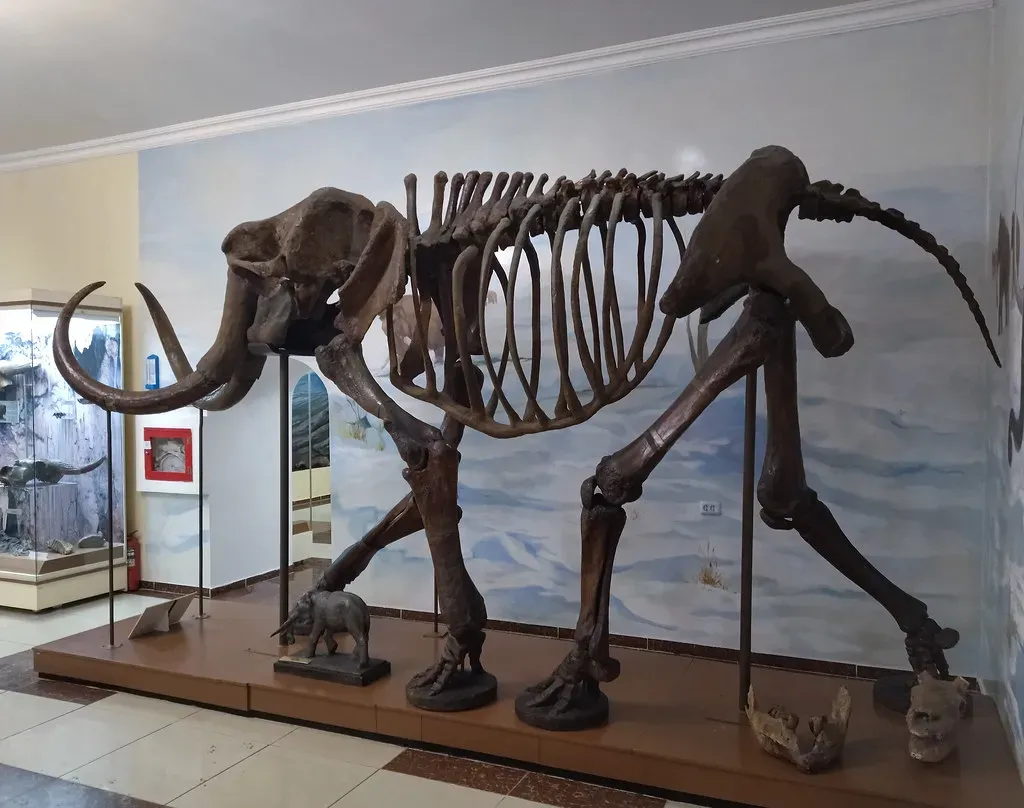
Because we have stunningly preserved mammoth mummies with hair, skin, and even stomach contents, it is tempting to assume we have them nearly “solved.” Reconstructions in museums and media feel definitive: this is the mammoth, full stop. But even with frozen specimens and genomes, there is still a lot we do not know. Precise coat colors across different populations, full vocal ranges, detailed social rituals, and subtle seasonal behaviors are all the kinds of things that are hard or impossible to recover from bones, tissue, and DNA alone. We are piecing together a puzzle with many missing edges.
To their credit, many scientists are open about these uncertainties, but the public-facing images often smooth over the gaps. I remember realizing, standing under a life-size model, that everything from the exact shade of its fur to its posture and expression was at least partly artistic interpretation. That does not make those reconstructions wrong, but it does mean we should hold them loosely and expect updates as new evidence emerges. The real mammoth is still partly hidden behind the ice, and admitting what we do not know is part of what makes the story exciting instead of static.
Conclusion: Letting the real mammoth trample the myths
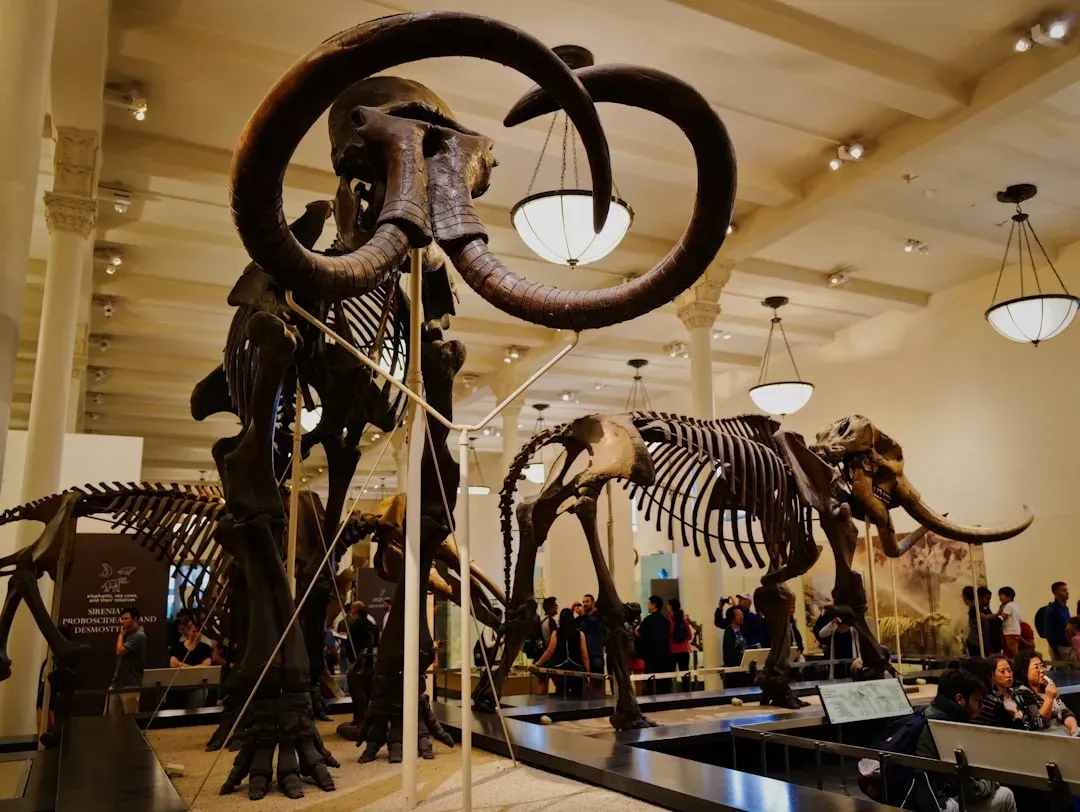
The woolly mammoth that lives in our collective imagination is loud, oversized, and oddly simple – a perfect prop for slapstick chases and epic fantasy battles. The mammoth that emerges from fossils, genomes, and archaeology is more complicated: a highly adapted cold-climate grazer, a social animal with rich herd life, a partner and prey species for humans, and a casualty of both natural shifts and our expanding influence. In some ways, the truth is less flashy than the movies; in other ways, it is far more unsettling and inspiring, because it forces us to see our own species and our climate in the same frame as this vanished giant.
Personally, I think we do the mammoth a disservice when we flatten it into a furry mascot or a de-extinction trophy instead of treating it as a serious chapter in the story of life and loss on this planet. The real animal challenges us to confront how quickly ecosystems can change, how powerful human choices can be, and how much mystery still hangs over creatures we think we “know.” Next time you see a mammoth stomping across a screen, it is worth asking: is this comforting myth, or uncomfortable reality – and which one do we actually need more right now?