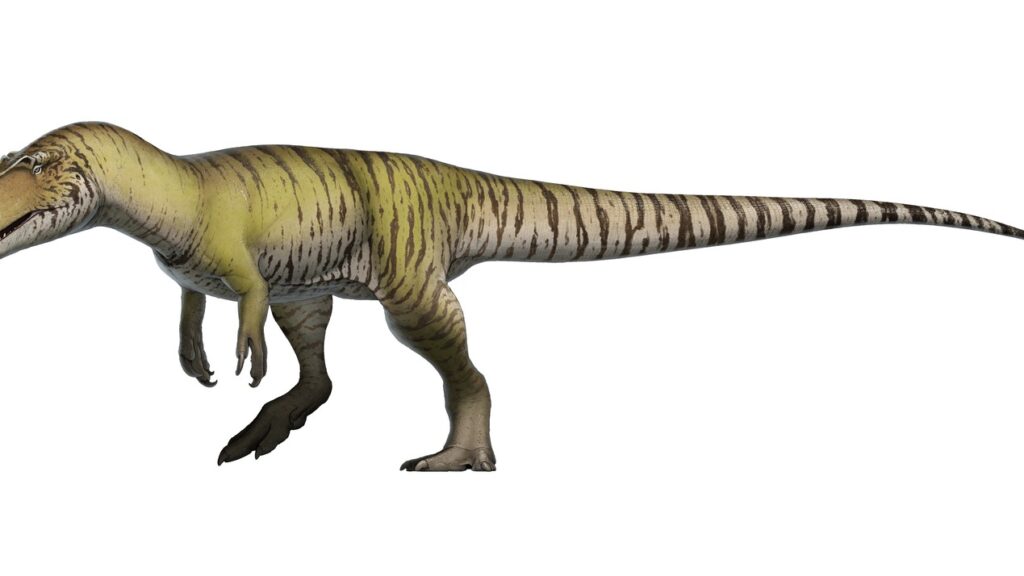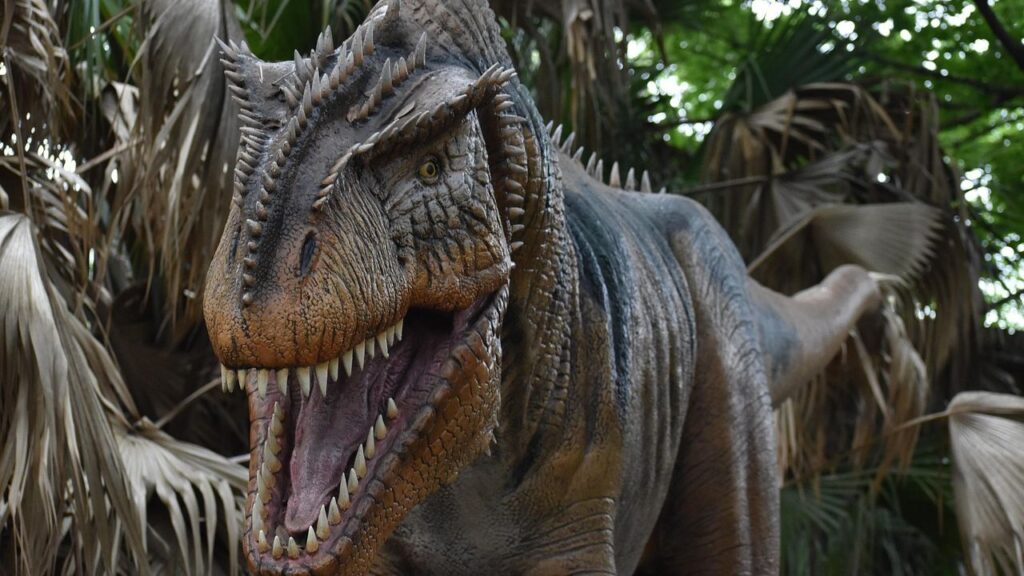
If you grew up on roaring tyrannosaurs and naked, lizard‑skinned raptors leaping in slow motion, there’s a decent chance much of what you “know” about dinosaurs is wrong. That’s not really your fault. For decades, dinosaur documentaries have mashed real science together with Hollywood drama, and the result is a fossil record of misinformation baked into our brains.
The genuinely careful, evidence‑driven dinosaur docs? They’re painfully rare. When you start asking annoying questions like “Did they really live in that time and place?” or “Do we actually have fossils for that behavior?”, the list shrinks fast. What follows is a short but solid set of documentaries that, for their time, were genuinely trying to get things right – even if the science has moved on since. Some are almost obsessively cautious, others are a bit more pulpy, but all of them treat dinosaurs as real animals, not movie monsters.
Prehistoric Planet (Apple TV+)
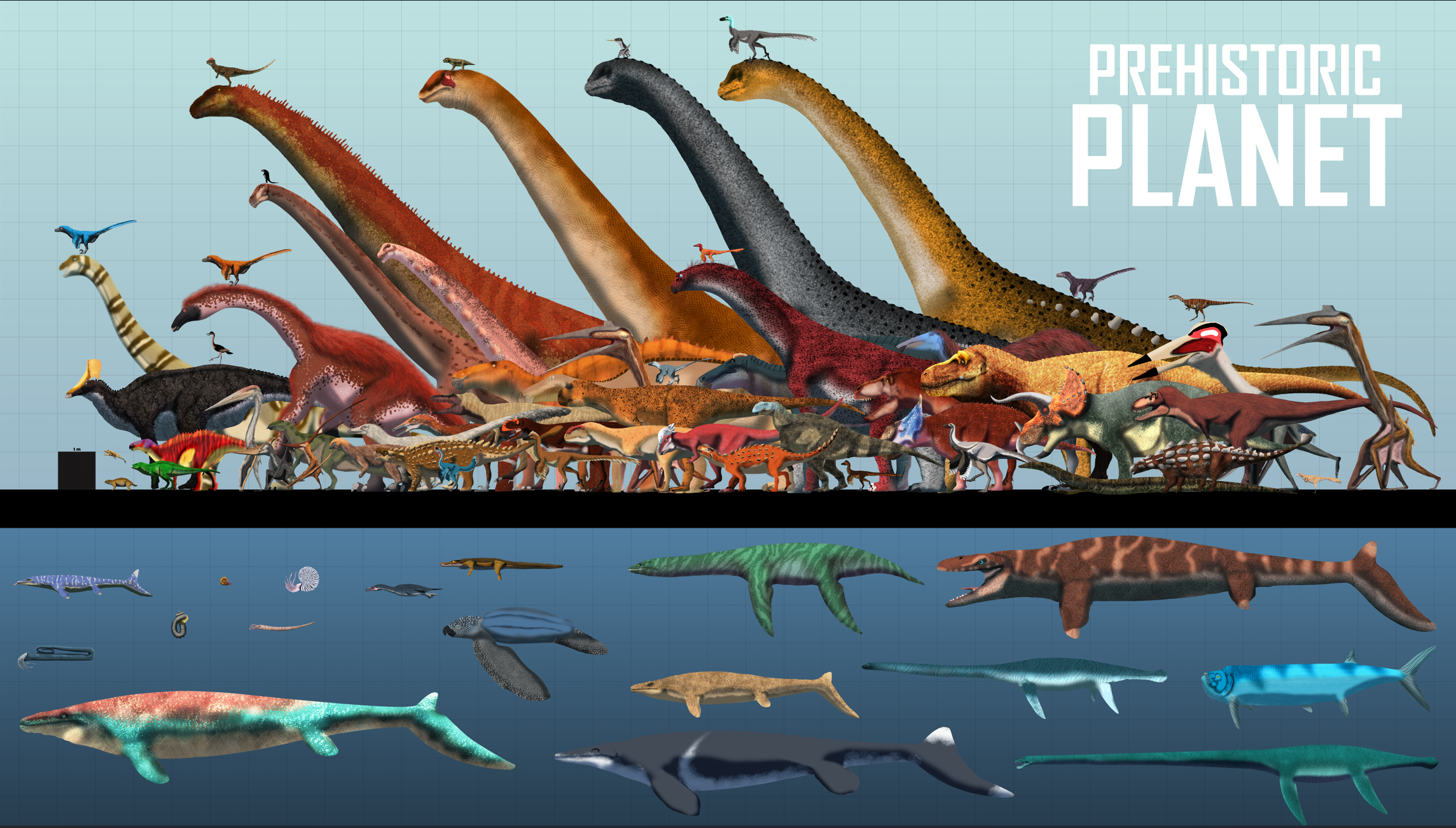
Let’s start with the obvious one: this is the current gold standard. Prehistoric Planet is not perfect – no dinosaur show ever will be – but it is probably the most thoroughly researched dinosaur series we’ve had so far, built around up‑to‑date fossil evidence and expert consultation rather than whatever looks coolest on a poster. The animals are feathered where they should be, chunky and muscular instead of shrink‑wrapped, and they behave like believable wildlife rather than kung‑fu reptiles. You can actually feel the production team leaning on trackways, bone microstructure, and modern analogues instead of gut instinct.
What really sets it apart is how bold it is while still staying defensible. You see speculative behaviors – tyrannosaurs caring for young, hadrosaurs navigating complex social lives – but they are grounded in things we can at least infer: healed injuries, nesting grounds, and parallels from birds and crocodiles. The episodes also avoid the cheap “King of the dinosaurs” narrative and instead treat T. rex, ankylosaurs, and tiny mammals as parts of a living ecosystem. It is, ironically, the show that makes you realize just how thin the science was in most earlier “serious” dinosaur docs, because once you’ve watched this, the old scaly monster parade suddenly looks like a retro toy commercial.
BBC’s Walking with Dinosaurs (1999) – Careful For Its Time
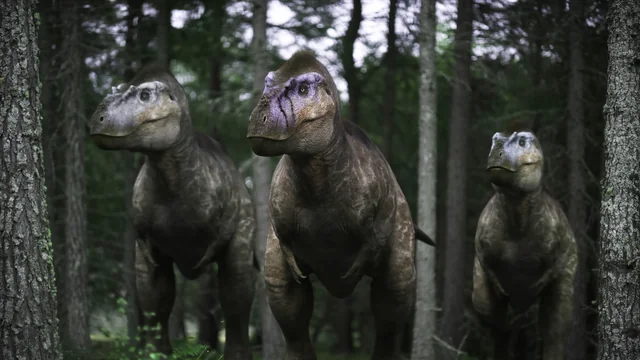
Walking with Dinosaurs is the awkward relative on this list: wildly out of date in 2026, but genuinely serious science back in 1999. At the time, it leaned heavily on the best available research, with paleontologists deeply involved in reconstructing anatomy, habitats, and plausible behaviors. The whole point of the series was to present dinosaurs as real animals in real ecosystems, and for a lot of viewers, it was the first time they saw dinosaurs doing anything other than roaring and fighting. That shift alone did a huge amount of good, even if we now wince at some of the details.
Yes, the infamous giant Liopleurodon is exaggerated, some of the animals are too skinny, and several time‑and‑place combinations are now known to be wrong. But judging it by the standards of its own era, it actually got a surprising amount right: the idea of active, social dinosaur herds, brooding and nesting behavior, and a world that wasn’t just endless deserts and volcanoes. You can absolutely sit down with it today as a kind of historical document: a snapshot of where dinosaur science was at the end of the 1990s. Just treat it like an old field guide – charming, influential, and definitely not the final word.
Walking with Dinosaurs (2025 Revival Series)
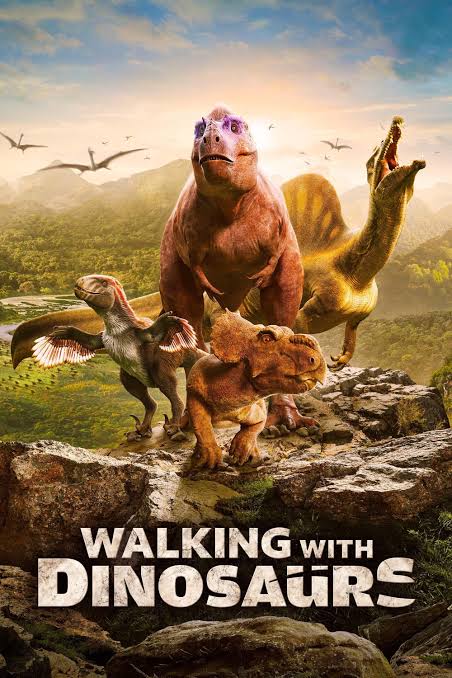
The 2025 revival of Walking with Dinosaurs quietly did something that a lot of people said they wanted but then complained about when they got it: it foregrounded real fieldwork and cautious interpretation over wall‑to‑wall CGI brawls. The series spends serious time at dig sites, in labs, and with the messy realities of fragmentary fossils, which is exactly where accurate dinosaur science actually happens. When it does show animals alive, the reconstructions are much closer to modern standards than the 1999 version, with more realistic proportions, integument, and behaviors.
It is not flawless. Some viewers found the behavioral palette a bit limited and missed the strong narrative arcs of the original run. But in terms of what it chooses to say, it mostly resists the urge to invent dramatic nonsense just to spice things up. The result is almost frustratingly honest: some questions are left open, some behaviors are presented as possibilities rather than facts, and you’re reminded over and over that paleontology is a science of careful inference, not crystal‑clear memory. It might not be the most adrenaline‑charged dinosaur series, but if you care about what we actually know versus what we merely hope is true, it belongs on this short list.
Planet Dinosaur (BBC, 2011)
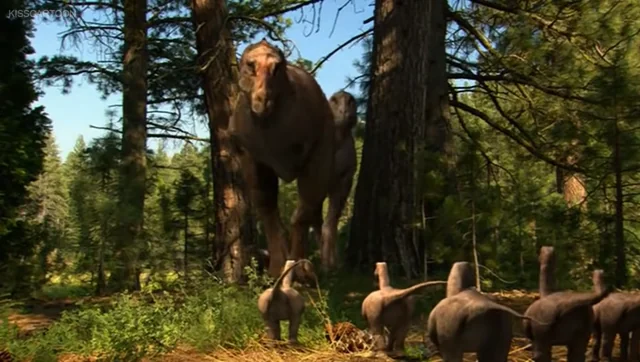
Planet Dinosaur arrived at an awkward middle point: post‑Walking with Dinosaurs, pre‑Prehistoric Planet. What it did right, though, still deserves a lot more love than it gets. The series made a deliberate choice to lean hard on the fossil evidence and explicitly show the bones, bite marks, and trackways behind each segment. Rather than recycling the same old celebrity species, it showcased a lot of newer discoveries and less famous animals, tying their behavior directly to specific specimens. That alone put it ahead of many of its contemporaries, which barely mentioned fossils at all.
Of course, some of those interpretations have aged poorly – especially around certain big theropods – and newer research has overturned parts of what the show presents as cutting‑edge. But that is exactly why it deserves credit: it was genuinely trying to be on the front line of the science, not just re‑animating 1980s book illustrations. If you watch it now with a critical eye, you can actually trace how fast paleontology moves, seeing once‑reasonable ideas become outdated in barely over a decade. As long as you remember that it is a product of early‑2010s knowledge, it’s still one of the more honest attempts to anchor spectacle in actual data.
Horizon: Dinosaur Apocalypse (The Tanis K‑Pg Shows)
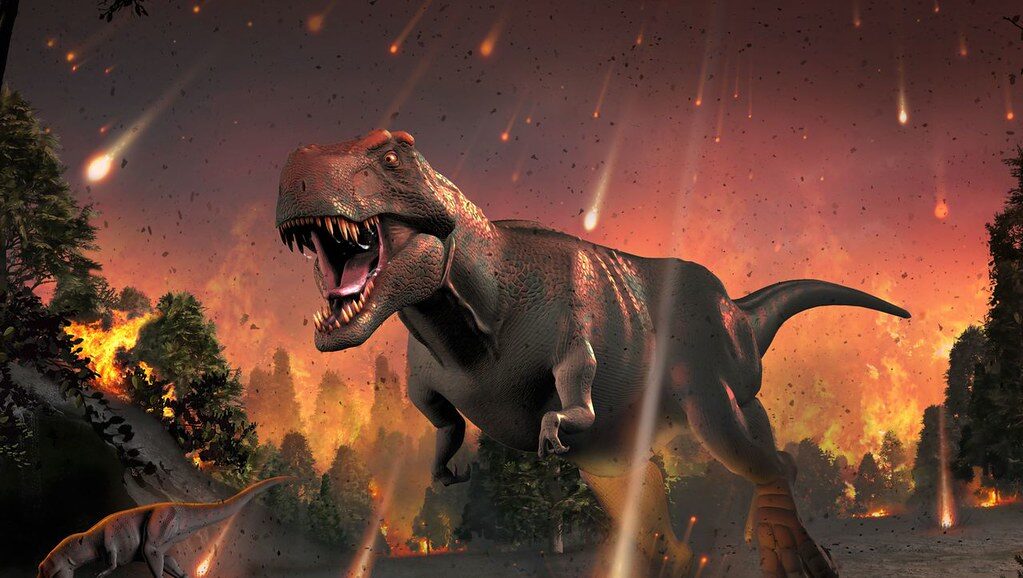
A lot of dinosaur “extinction” shows are little more than disaster porn: meteors, screaming T. rex, everything explodes, cut to credits. The BBC’s Dinosaur Apocalypse episodes that focus on the Tanis site take a very different angle. Instead of hand‑waving about global catastrophe in broad strokes, they zoom in on a real, highly controversial fossil deposit that may record the immediate aftermath of the asteroid impact. You get sediment layers, ejecta spherules, fish with tiny impact fragments in their gills – the ugly, fascinating forensic side of mass extinction.
What it gets right is not some final, perfect answer about that day, but the process. The show is explicit that the Tanis interpretation is debated and that paleontologists are still arguing about timescales and mechanisms. That might sound less dramatic on paper, but it is exactly how good science behaves in the face of wild, extraordinary claims. Rather than staging dinosaurs running in slow motion while an asteroid looms overhead, it roots the story in rocks, fossils, and cautious reasoning. For once, the mystery of the K‑Pg boundary is presented as a live, working problem, not a tidy myth we solved years ago.
Nova: The Four‑Winged Dinosaur
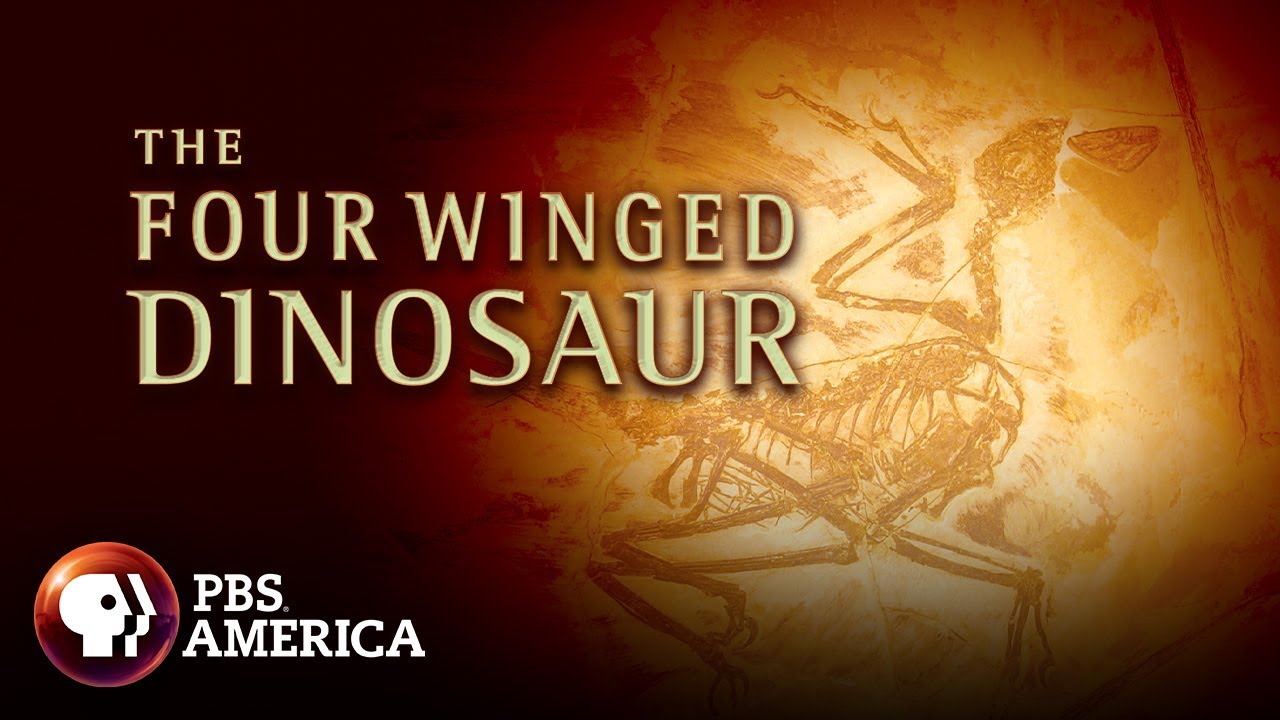
One of the best tests of a dinosaur documentary is what it does with animals we actually have a lot of fossils for. The Nova special on “four‑winged” dinosaurs like Microraptor is a great example of how to handle that responsibly. Instead of turning Microraptor into a generic Jurassic Park raptor clone, the program dives into the bizarre reality of an animal with feathers on its arms and legs, preserved in slabs so detailed you can see the outline of the plumage. Viewers get to see the fossils, the competing reconstructions, and even the wind‑tunnel tests used to explore different flight postures.
What it particularly nails is uncertainty. The show lays out multiple plausible ways Microraptor might have glided or flown and makes it clear that the fossils constrain the anatomy but not every detail of the motion. That honesty is rare. Many documentaries quietly choose a single flashy interpretation and pretend it is settled fact. Here, you can feel the researchers wrestling with physics and anatomy in real time, updating models and sometimes discarding ideas that looked good on paper but failed in tests. It is a reminder that even with spectacular fossils, nature does not hand us easy, one‑shot answers.
Nova: Arctic Dinosaurs
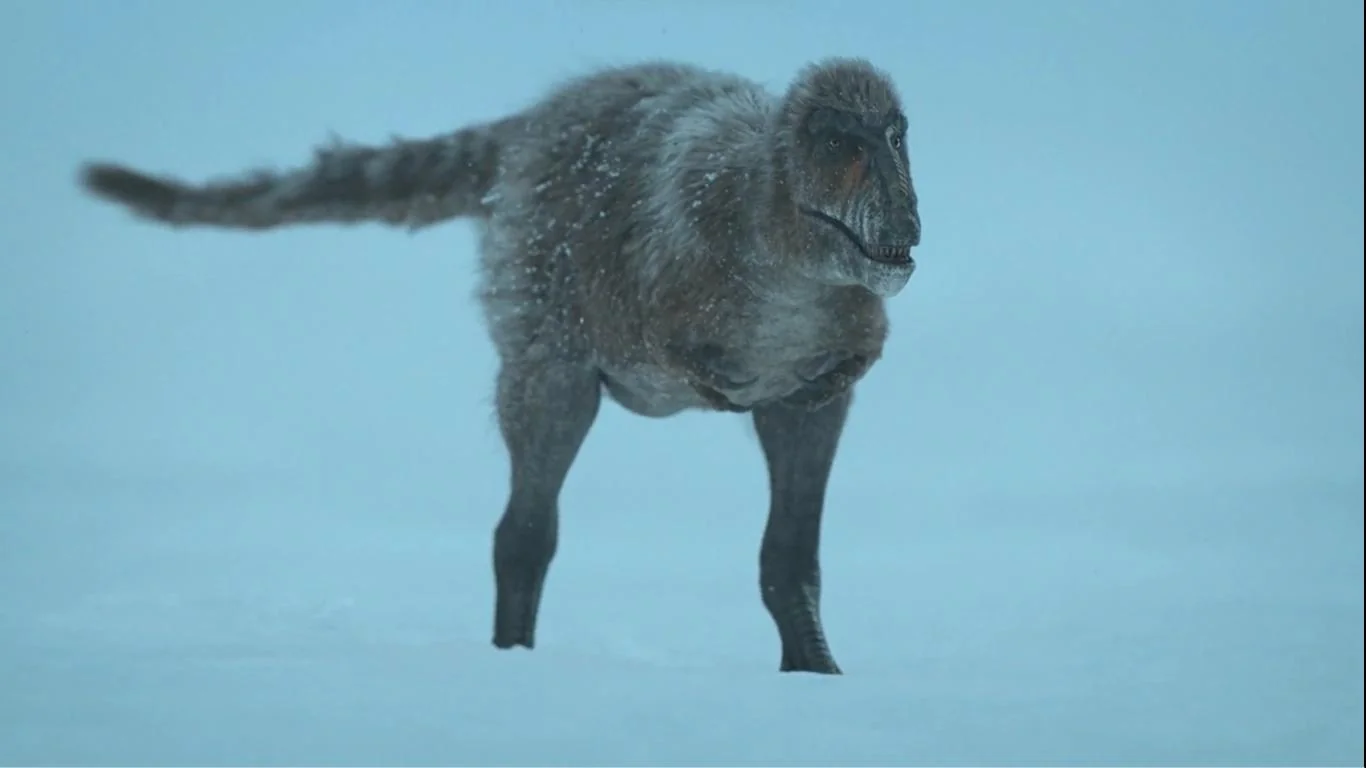
Arctic Dinosaurs does something that still feels surprisingly fresh today: it yanks dinosaurs out of the stereotypical sun‑baked Jurassic valley and dumps them into freezing polar darkness. The film follows real expeditions to high‑latitude sites, showing muddy, mosquito‑ridden fieldwork and the brutal logistics of hauling fossils out of remote locations. You see that the presence of dinosaur bones in these regions forces scientists to reconsider everything from metabolism to seasonal behavior. Were these animals warm‑blooded enough to endure dark winters? Did they migrate, hibernate, or tough it out in the cold?
Rather than making up convenient answers, the documentary walks you through the actual evidence: bone growth rings that hint at seasonal stress, assemblages that suggest populations stayed year‑round, and comparisons with modern animals that survive in similar conditions. It never devolves into the easy cliché of “dinosaurs in snowstorms” for the sake of pretty visuals. Instead, it treats the Arctic setting as a scientific challenge, a test case for big questions about dinosaur physiology and ecology. In the process, it quietly dismantles the old idea of dinosaurs as slow, heat‑loving reptiles that could only thrive in tropical swamps.
National Geographic: When Dinosaurs Ruled (and Similar Evidence‑First One‑Offs)
National Geographic has produced a mix of dinosaur shows over the years, some forgettable, some surprisingly grounded. The better entries, like When Dinosaurs Ruled and a handful of focused specials, earn their place here because they generally stick close to the fossils and avoid going fully off the rails. You get a lot of time spent on dig sites, CT scanning bones, and tracing pathologies, instead of endless slow‑motion fights set in generically “prehistoric” landscapes. They often bring in working scientists to explain what specific bones, trackways, or bite marks really tell us.
Are these docs as bold or as bleeding‑edge as something like Prehistoric Planet? Not really. They tend to be somewhat conservative and sometimes a bit middle‑of‑the‑road in presentation. But from an accuracy standpoint, that is not a bad thing. When they speculate, they usually make it clear that they are doing so, and core facts – who lived when and where, what we actually know about size and diet – are treated with respect. In a TV landscape where many dinosaur programs treat “documentary” as a thin mask for monster fiction, that restraint is worth more than it seems.
Museum and IMAX‑Style Dinosaur Films (The Quiet Overachievers)
Here’s the funny thing: some of the most accurate dinosaur “documentaries” never trend on social media at all. They are the short films and IMAX features that play in museums and science centers, built under the watchful eyes of curators who care far more about not embarrassing themselves than about going viral. These productions usually have modest animation budgets but very strong fossil oversight, which means you get more anatomically sensible animals, realistic environments, and fewer made‑up species jammed into the wrong time period for drama.
Because they are aimed at school groups and families, they also tend to be clearer about what is known and what is inferred. Narration will often say that a behavior is based on trackways or bone beds, or that one interpretation is favored but could change with new discoveries. It’s not flashy, but it is honest in a way that many big‑name TV docs are not. If you have ever sat through one of these in a darkened museum theater and thought it felt a bit dry, it is worth realizing that dryness usually comes from scientific caution – and that caution is exactly what keeps them off the “most ridiculous dinosaur mistakes” lists.
The Oddly Honest YouTube and Online Paleo Channels
This one is a bit of a cheat, but leaving it out would miss a key part of the modern picture. Over the last decade, a number of independent science communicators and paleontology‑focused channels have started producing documentary‑style dinosaur videos that, frankly, run circles around a lot of traditional TV in terms of accuracy. Because they live and die by the scrutiny of very online dino nerds, they tend to cite real papers, update older videos when new research comes out, and openly admit when something is speculative. That feedback loop can be brutal, but it keeps the bar high.
They are also more nimble. When a new fossil is described or a major reinterpretation hits the literature, an online creator can build an episode around it in weeks, not years. That does not automatically make every upload accurate, of course, but it does mean that some of the best “documentary”‑level coverage of modern dinosaur science never goes near a TV schedule. From an accuracy standpoint, the most depressing part is that many viewers still treat the big, glossy, cable‑channel specials as authoritative, while the genuinely careful, citation‑rich content quietly lives on platforms people associate with cat videos and gaming streams.
Conclusion: Why This List Is So Short (and What To Do About It)
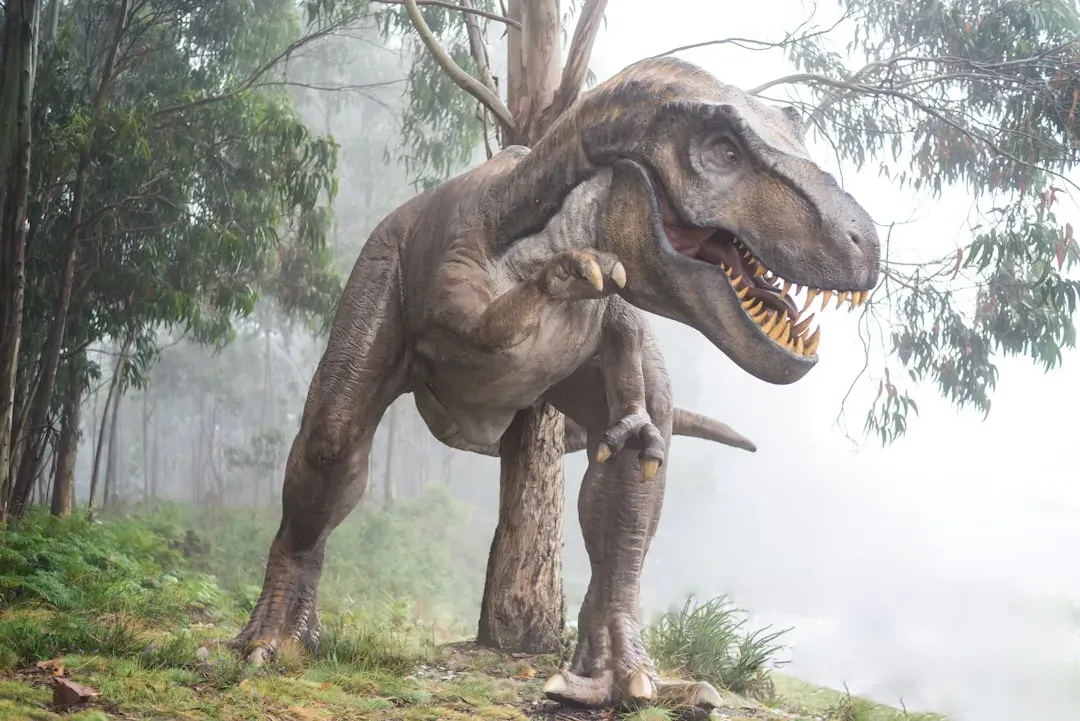
Looking over this list, the depressing part is not that these documentaries exist – it is that there are so few of them compared to the tidal wave of over‑dramatised, under‑researched dinosaur media out there. For every show that sweats over bone histology and stratigraphy, there are several that will happily mash together species separated by tens of millions of years just to stage a cooler fight scene. The problem is not just harmless fun, either: those shortcuts actively shape how the public thinks evolution works, how extinction happens, and what science itself looks like.
If there is a hopeful angle, it is this: audiences are slowly getting more demanding. People are starting to notice when a “documentary” leans on the same tired myths, and they are willing to reward shows that treat dinosaurs as complex, evidence‑based organisms instead of rubber suits with better CGI. The best thing you can do is vote with your attention – stream the careful stuff, support the creators who cite real research, and treat everything else as what it really is: prehistoric‑themed fantasy. After all, if we are going to resurrect these animals on screen over and over again, the least we can do is let them be real. When you hit play on the next dinosaur show, do you want a monster movie dressed up as science, or an honest attempt to show a world that actually once existed?