There’s something deeply uncomfortable about realizing our ancestors were, in many cases, the final boss that countless giant animals never managed to beat. It is tempting to blame shifting climates, volcanic eruptions, or anything other than groups of determined humans with sharp tools and clever tactics. But when you zoom out and look at the timing, the bones, and the cut marks, a pattern starts to emerge that’s honestly hard to ignore.
Humans did not just coexist with megafauna; we chased them, trapped them, butchered them, and pushed some of them right off the edge of existence. Not every extinction in prehistory is perfectly solved, and scientists are still arguing over some cases, but there are a few where the evidence is so strong that pretending otherwise feels like denial. Let’s walk through seven of those cases where humans were almost certainly the main problem, whether we like that story or not.
Mammoths: The Giant Icons We Turned Into Myths
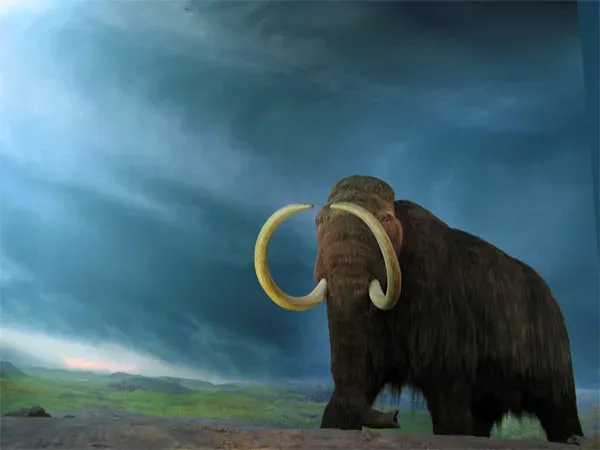
Mammoths have become almost mythical in our minds, like something from a fantasy novel, but the truth is painfully grounded: people ate them, skinned them, and built homes out of their bones. In many parts of Eurasia and North America, mammoth bones show clear signs of butchering, with marks that match stone tools rather than teeth or natural wear. Their decline also lines up suspiciously well with the spread of modern humans into new regions, a timing that is very hard to write off as coincidence.
Climate change at the end of the last Ice Age definitely squeezed mammoths by altering their grassland habitats, but the sharpness of their collapse tells another story. In some regions, mammoths persisted for thousands of years in small, isolated pockets where humans had limited access, while they disappeared far earlier in places where human hunting pressure was high. That pattern is exactly what you’d expect if a stressed population was pushed over the edge by a new, hyper-effective predator: us.
Woolly Rhinoceros: Armored but Not Against Spears
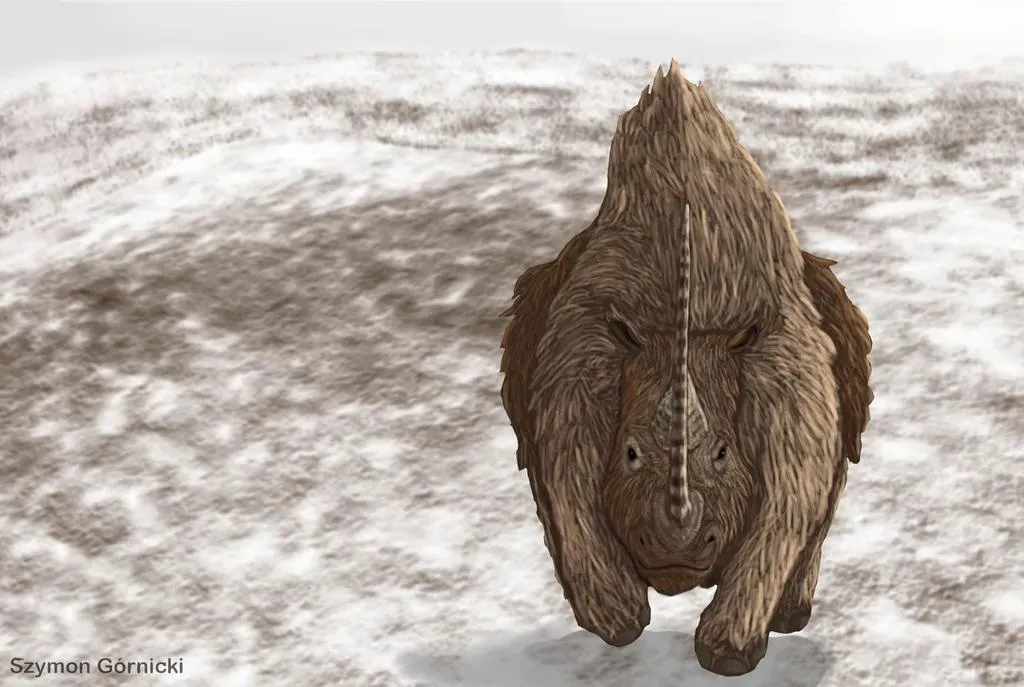
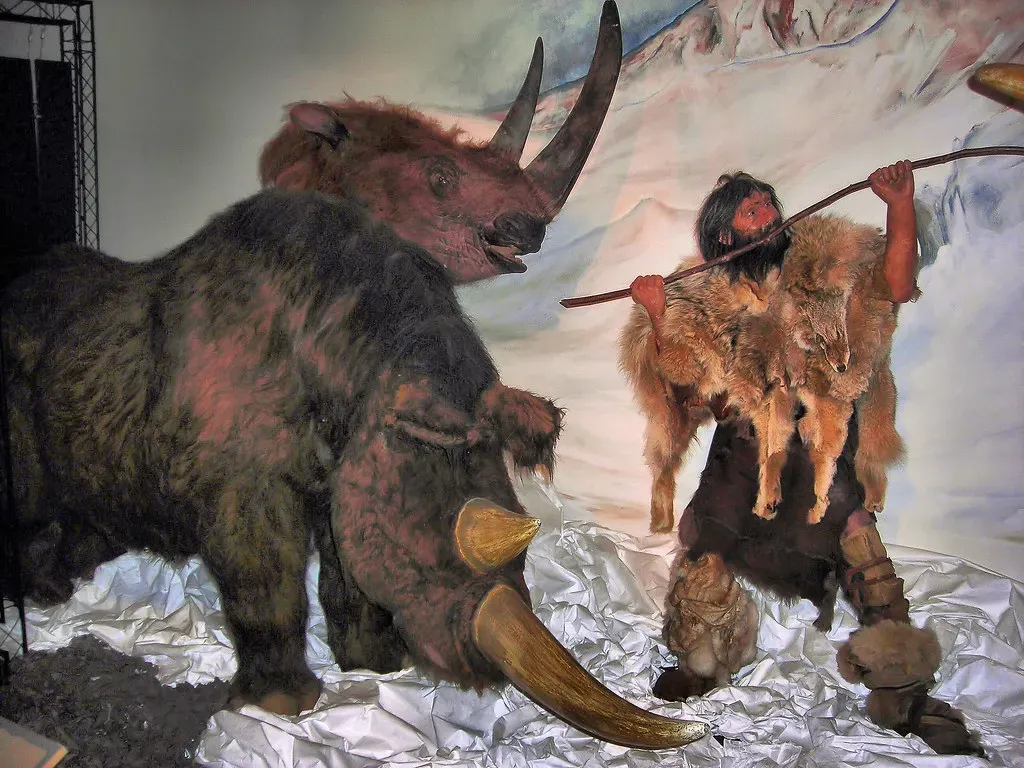
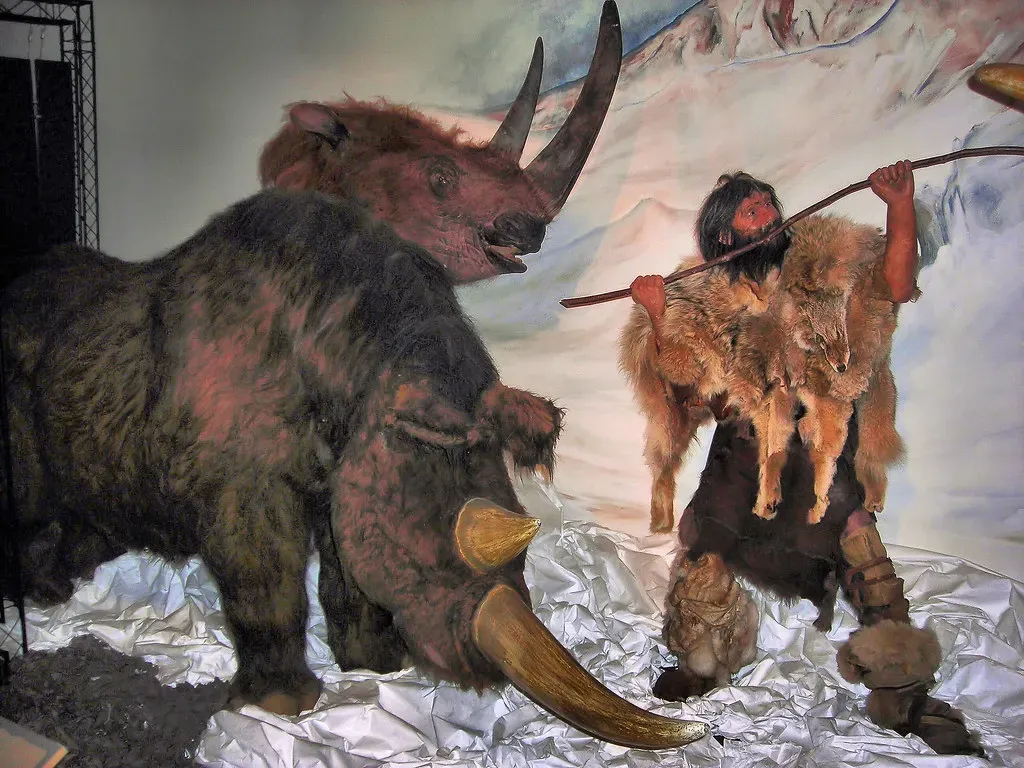
The woolly rhinoceros looked like it should have been untouchable, protected by massive bulk and a huge curved horn, but its defenses were built for Ice Age predators, not organized groups of humans. Fossil sites in Eurasia show signs that humans not only encountered these animals but processed their carcasses, leaving behind bones with distinct cut marks and fractured joints typical of marrow extraction. When you combine that with the timing of their disappearance, right as human populations expanded across their range, a grim picture emerges.
Of course, these rhinos were also living on the edge of a changing world, as warming climates reshaped the tundra-steppe environments they depended on. But if climate alone were responsible, we would expect to see a slow, patchy decline rather than abrupt regional losses overlapping with human arrival. Instead, these animals vanish soon after humans are firmly established in their territories, suggesting that hunting, perhaps even targeted for horns and meat, was the final blow that evolution had left them unprepared to survive.
Steller’s Sea Cow: A Giant of the Sea Gone in a Heartbeat
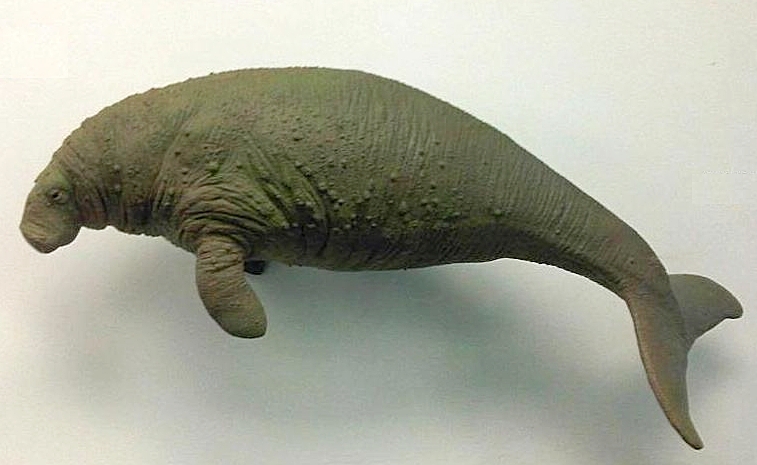
Steller’s sea cow is one of the clearest, most brutal examples of what happens when humans discover a slow-breeding, gentle giant that can’t swim very fast and lives close to shore. This enormous marine herbivore, related to modern manatees and dugongs, once lived in the cold waters of the North Pacific, feeding on kelp and floating just under the surface. When European explorers and hunters reached its last known refuge in the 18th century, they immediately recognized it as an easy source of meat, fat, and hide.
Within just a few decades of being described by science, Steller’s sea cow was gone, hunted relentlessly until none remained. There is no serious debate that climate or natural predators finished them off; this was industrial-scale overhunting in fast-forward. The species had already been reduced to a remnant population on a few islands, and human exploitation simply erased the last chapter. If you ever need a case study in how quickly humans can wipe out a megafaunal species once it’s cornered, this is it.
The Great Auk: A Flightless Bird That Never Stood a Chance
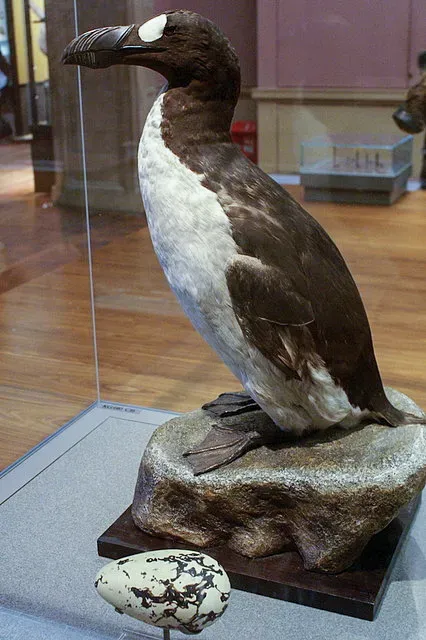
The great auk was not as massive as a mammoth, but in the context of seabirds it absolutely counts as megafauna: a large, flightless, penguin-like bird of the North Atlantic that once bred in dense colonies. For centuries, humans harvested them for meat, feathers, and oil, but things turned catastrophic when demand for their down and bodies ramped up. Being flightless, they were absurdly easy to kill; sailors and hunters could simply walk up and club them, sometimes taking hundreds in a single outing.
By the time people started to realize the great auk was in trouble, it was already down to a few breeding sites, and exploitation did not stop even then. The last known individuals were deliberately killed in the mid-19th century, reportedly for museum specimens and curiosity, which feels almost painfully symbolic. This was not a slow, mysterious extinction; it was a deliberate grind-down of a defenseless animal, and humans were behind every step of it. The great auk’s story is a reminder that you do not need advanced technology to wipe out a species – just persistence and indifference.
Moas of New Zealand: Forest Giants in a Human New World
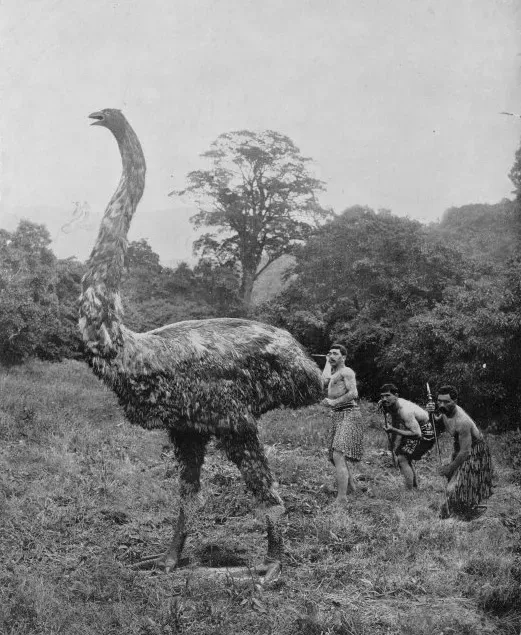
The moas of New Zealand were enormous flightless birds, some species towering over humans, that evolved in a world without terrestrial mammalian predators. When the first Polynesian settlers arrived, they found animals that had never learned real fear of upright, tool-using hunters. Archaeological sites in New Zealand are packed with moa bones, cooking remains, and evidence of systematic hunting, painting a vivid picture of how essential these birds became as a food source.
What makes the moa extinction so stark is the speed: within just a few centuries of human arrival, all species of moa were gone. That timeframe is incredibly short on an evolutionary scale and aligns directly with intensifying human activity, including the use of fire to reshape landscapes. There is little serious doubt that humans hunted moas heavily and destroyed much of their habitat; if climate played any role at all, it was minor compared to the pressure from people. Moas are one of those cases where it feels dishonest to pretend we don’t know what happened.
Giant Ground Sloths of the Americas: Slow Targets in a Fast-Changing World
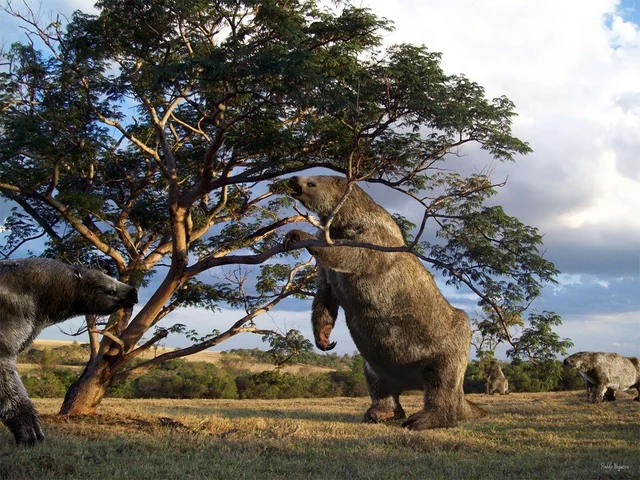
Giant ground sloths, like the famous Megatherium in South America and its relatives in North America, were strange, hulking browsers that looked like something out of a surreal painting. Standing several meters tall when rearing up, they could knock down branches and small trees to feed, but they were not built for quick escapes from coordinated hunting parties. Evidence from some archaeological sites shows human-made tools alongside ground sloth remains, and in a few cases, bones with marks that strongly suggest butchering.
The extinction of these sloths overlaps closely with the arrival and spread of humans across the Americas, fitting into a broader wave of megafaunal loss. Yes, the end of the last Ice Age was reshaping ecosystems, but these sloths had already ridden out previous climate fluctuations long before any humans ever set foot in the New World. What changed this time was the addition of a new super-predator capable of tracking, ambushing, and possibly even driving them into traps. Their sheer size, once a defense, became a liability when the slowest creature in the landscape was suddenly on the menu.
Diprotodon: Australia’s Giant Wombat That Never Met a Gun, Only Spears
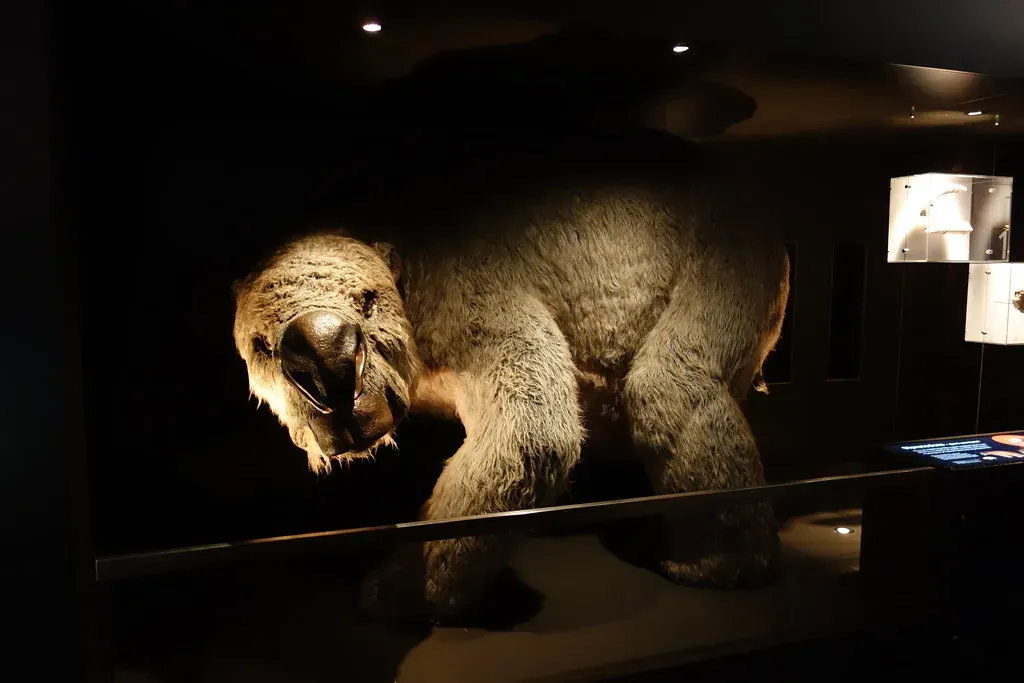
Diprotodon was the largest known marsupial to have ever lived, often described as a gigantic wombat-like creature that roamed ancient Australia’s open woodlands and plains. Its bones are found across much of the continent, and in some cases, there are hints of human interaction, including possible butchery signs and associations with tools. The timing of its extinction, roughly after humans arrived and spread through Australia, is strikingly similar to the megafaunal losses seen on other continents when people show up.
Debates in Australia have been intense, with some researchers emphasizing climate change and others stressing human impact, but the overlap between human colonization and Diprotodon’s disappearance is hard to dismiss. These animals would have been attractive targets: large, slow, and full of protein and fat, perfect for human groups expanding into new landscapes. Even if fires, habitat changes, and drought added extra stress, sustained hunting likely tipped them past the point of recovery. In the big picture, Diprotodon fits the now-familiar pattern of big animals vanishing soon after humans become a permanent presence.
Conclusion: The Predator We Don’t Like Seeing in the Mirror
Looking across these stories, from mammoths and moas to Steller’s sea cow and the great auk, you start to see the same uncomfortable arc: humans arrive, humans hunt, and within a relatively short time, the biggest and most vulnerable species are gone. Climate change, natural predators, and ecosystem shifts all play their parts, but in case after case, our fingerprints are all over the final act. Calling these extinctions an accident feels too gentle; they were the predictable outcome of a clever, rapidly expanding species meeting large animals that had never evolved to handle such pressure.
For me, the hardest part is realizing this is not just ancient history; it is a preview of what happens when we underestimate our own impact. The difference now is that we know better, and we have the science to see these patterns before they end in silence. Admitting that our ancestors hunted some of these giants to extinction is not about blame; it is about finally telling the truth so we stop repeating the same story with new characters. When you picture these vanished animals, does it change how you see the species holding the spear – or today, the bulldozer and the fishing trawler?