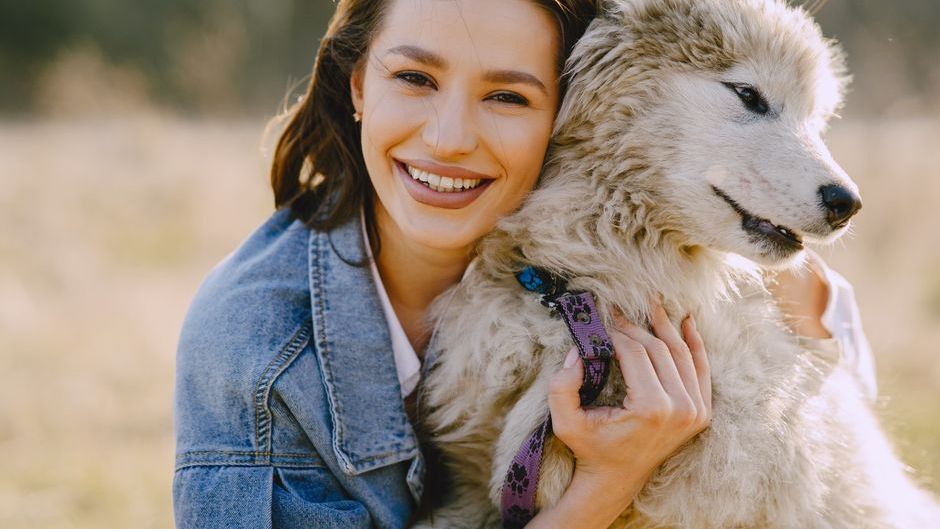
Think about the last time you were really exhausted or low, the kind of day when words from another person just bounced off you. Now imagine the small but very real shift that happens when a dog puts its head on your knee or a cat curls up on your chest and starts to purr. That shift is not sentimental fluff; it shows up in heart rate, hormones, and neural activity. Long before we had social media, smartphones, or even written language, humans were already seeking out this very specific kind of connection with other species.
Archaeology suggests that people were buried with dogs at least fifteen thousand years ago, sometimes with signs of care given to sick or injured animals that had no obvious survival or hunting value. In other words, we fed and protected creatures who could not “earn their keep” in any simple way. Neuroscience is starting to explain why that choice makes sense on a brain level. It looks less like indulgence and more like a deeply wired, evolution-tested strategy for meeting emotional needs that other humans and modern technology still struggle to satisfy.
The Deep History of Human–Animal Companionship

It is easy to assume that animals came into our lives only as tools: dogs for hunting, cats for pest control, horses for transport. But some of the earliest graves containing dogs and humans together tell a more complicated story. There are cases where a dog was carefully buried with a human, sometimes covered with red ochre or placed in a sleeping posture, which hints at a relationship that went far beyond practicality. These animals were not tossed aside like broken tools; they were mourned.
Even more striking are skeletons of ancient dogs that show evidence of long-term illness or disability, suggesting they were fed and protected despite being unlikely to contribute effectively to hunting or guarding. Keeping an animal alive under those conditions costs precious resources, especially in harsh prehistoric environments. The simplest explanation is that people experienced these animals as companions whose presence mattered for reasons that were emotional and social, not merely utilitarian.
Why the Brain Lights Up for Animals in a Special Way
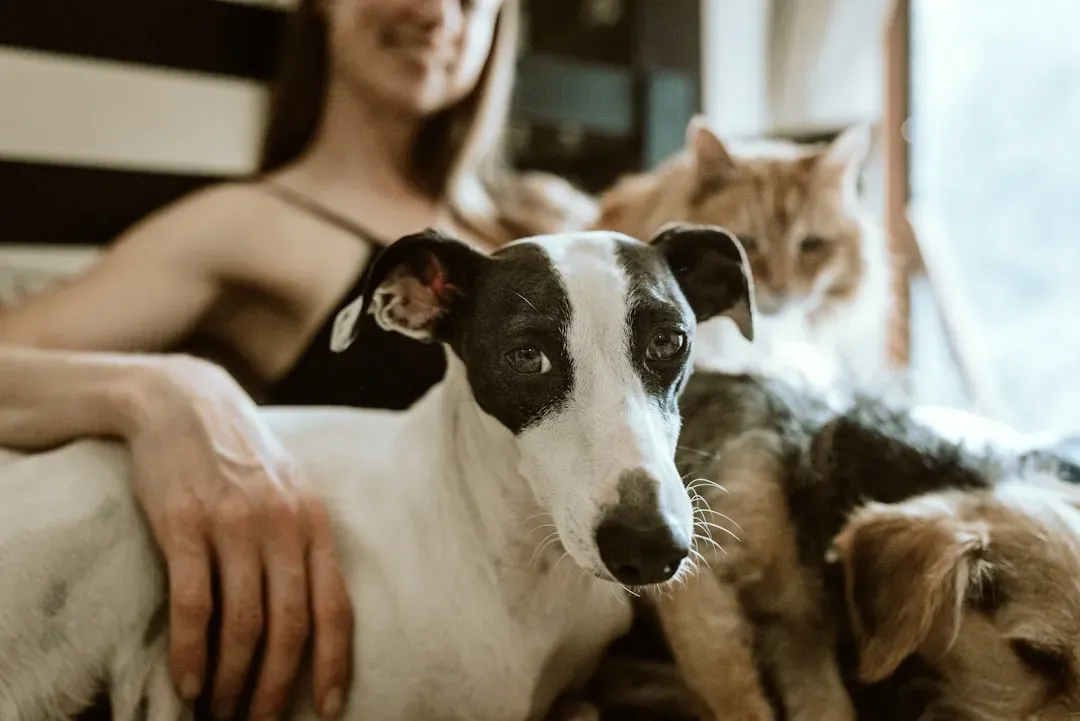
Modern brain imaging has given us a direct window into how our nervous system responds to animals we feel attached to. When people look at photos of their own dog or cat, regions involved in reward, bonding, and caregiving often become active, including parts of the striatum and areas also engaged when we see loved ones. There is overlap with how we respond to close family, but the pattern is not identical; it is as if the brain runs a slightly different program for cross-species attachment.
At the same time, areas linked with critical social evaluation tend to quiet down. Many people describe feeling “seen but not judged” by their pets, and the imaging data reflects that low-judgment state. Instead of scanning for complex social cues or worrying about status and reputation, the brain settles into a simpler loop: soft touch, warm body, predictable affection, and rhythmic routine. This difference in neural response helps explain why being with an animal can feel emotionally safer than being with another human, especially when we are raw or overwhelmed.
Oxytocin, Touch, and the Chemistry of Feeling Safe
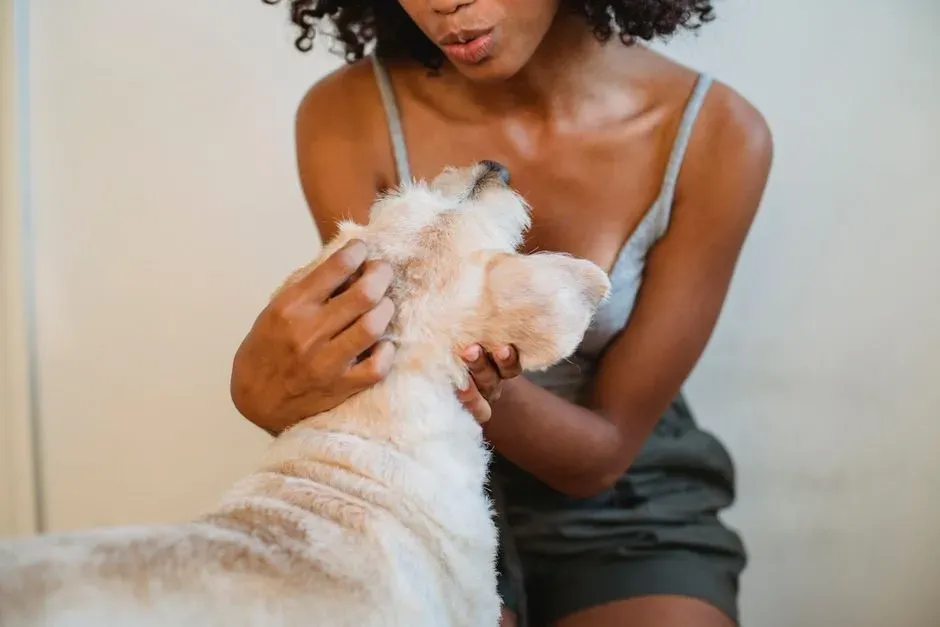
One of the most talked-about players in human–animal bonding is oxytocin, a hormone deeply involved in social attachment, trust, and calming. Studies have found that when people gaze at or gently interact with their dog, oxytocin levels can rise in both species, creating a feedback loop of connection. Eye contact, soft talking, and stroking appear to be especially powerful, turning an everyday moment into something that literally reshapes our internal chemistry toward safety and closeness.
Physical contact with animals also engages touch-sensitive nerve fibers that are tuned to slow, gentle strokes rather than sharp or hurried contact. These fibers project to brain regions associated with emotional meaning, not just raw sensation. That is one reason a dog leaning against your leg or a cat kneading your stomach can feel disproportionately soothing compared with the simplicity of the gesture. The body is reading that touch as reassurance, and over time the brain learns to associate the animal’s presence with a reliable path back to calm.
Emotional Regulation: How Pets Help Us Manage Stress and Pain
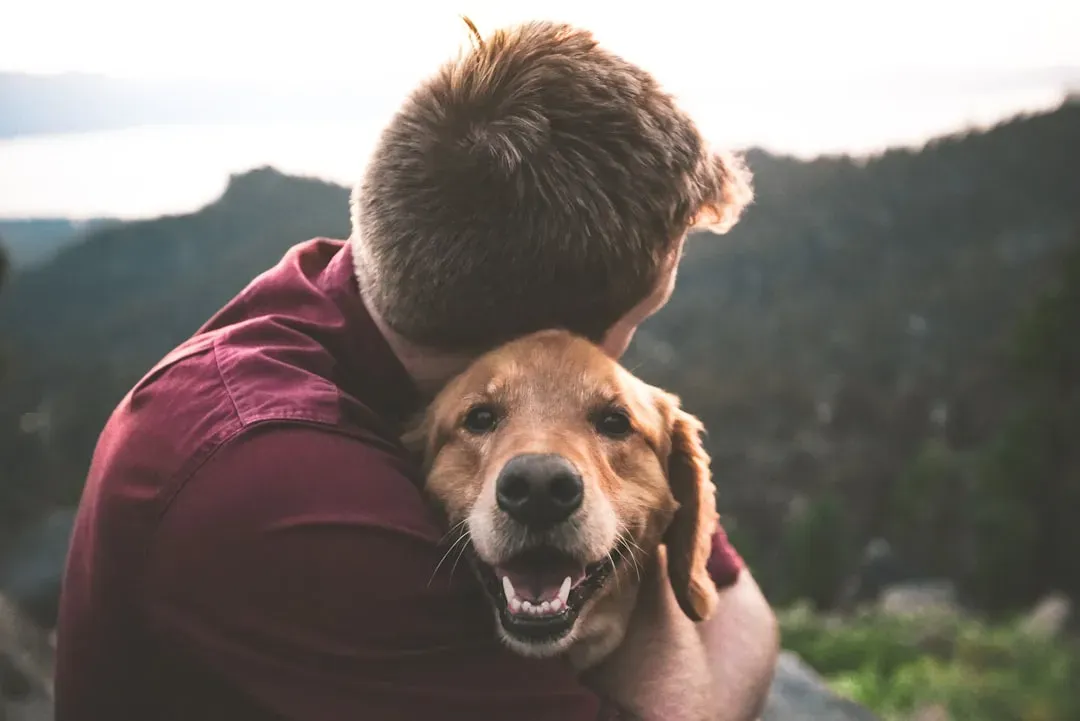
When researchers look at how interacting with animals affects stress markers, a consistent pattern emerges: gentle contact with a familiar animal often lowers heart rate and can reduce levels of stress hormones. People in stressful situations sometimes show better emotional recovery when an animal is present, even compared with being with another person. The animal does not have to say or understand anything; simply being there shifts our internal state in a measurable way.
There is also evidence that animals help with pain perception and coping. In clinical settings, people who interact with therapy animals frequently report less pain or distress, even though the animal is not changing the underlying medical issue. On a brain level, this likely reflects a mix of distraction, positive emotion, and the activation of caregiving circuits that dampen threat responses. It is as if the nervous system has a built-in “comfort mode” that animals can reliably trigger, especially when human words feel like too much or not enough.
Why Animals Can Feel Easier Than People

Humans are complicated. We come with expectations, histories, grudges, and unspoken rules that can make relationships both rich and exhausting. For a brain that is already overloaded, navigating those complexities can feel like trying to solve a puzzle while the room is on fire. Animals, on the other hand, offer a form of connection that is simple and pattern-based: you show up, they show up, and the rules rarely change overnight. That predictability is a quiet gift to an anxious or burnt-out mind.
Another piece is that animals do not demand verbal explanations. You do not have to justify your mood to your dog or craft the perfect text message for your cat. For people who struggle with shame, social anxiety, or trauma, this lack of pressure can create a rare pocket of relational safety. The brain gets to experience closeness without performance, and over time that can gently retrain expectations about what connection feels like. In a world where many feel chronically judged or misunderstood, it makes sense that animal companionship would become a preferred form of emotional refuge.
Attachment Styles, Loneliness, and Why Pets Feel Like Family
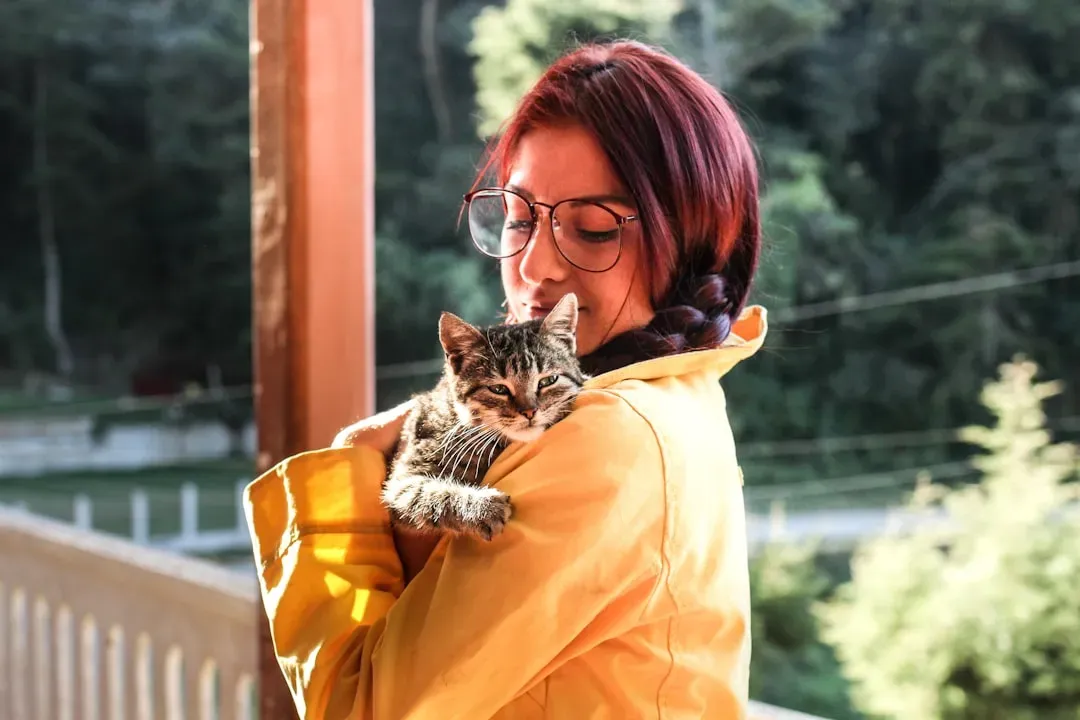
Psychologists have noticed that the way people bond with animals often mirrors their attachment patterns with humans but with interesting twists. Someone who feels insecure or wary in close relationships may still form a strong, stable attachment to a dog, because the animal is reliably present but not emotionally unpredictable in the same way people can be. For some individuals, this becomes a kind of training ground for trust, a place where their brain learns that closeness does not automatically lead to rejection or betrayal.
Loneliness also plays a major role. As more people live alone or feel disconnected from local community, animals frequently fill roles once held by extended family or neighbors. Calling a pet “family” is not just poetic; it reflects the intensity of the emotional bond and the way the brain responds. The animal becomes an attachment figure, a being we orient toward for comfort and stability. That may not replace every form of human support, but it clearly fulfills something that our social and emotional circuits are hungry for.
Why No App or Robot Has Matched the Real Thing (Yet)
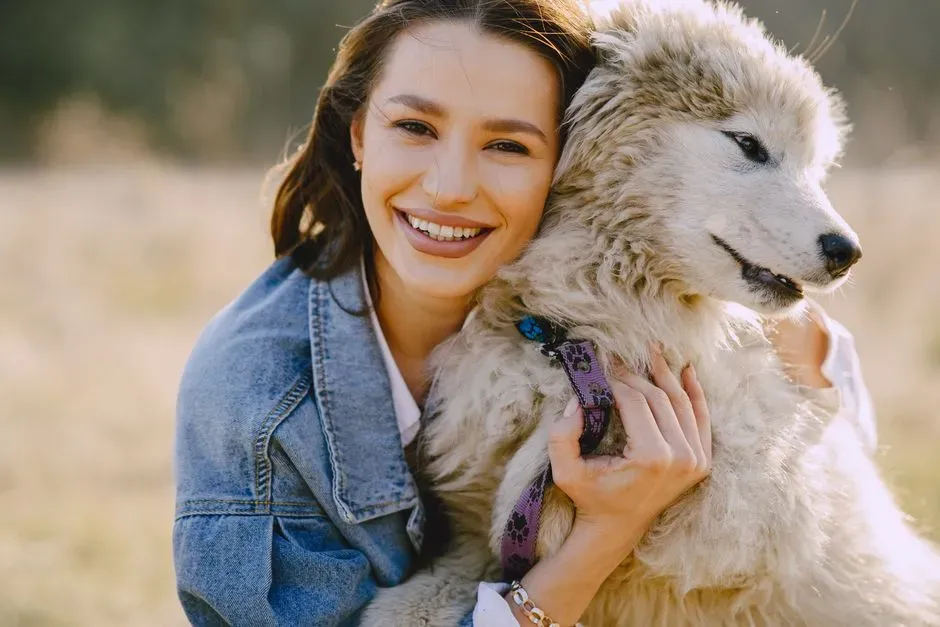
Tech companies have tried to bottle this magic, offering social robots, virtual pets, and advanced chat systems that promise companionship. Some of these tools can be fun and even helpful, but they still hit a wall when it comes to the full-body, multi-sensory experience of living with an animal. A dog’s warm breath, the unpredictable wiggle of a cat deciding whether to stay on your lap, the subtle timing of a horse’s movements under your hand: these are complex streams of sensory and emotional data that our nervous system has been learning to read for thousands of years.
On top of that, we respond differently to something we know is truly alive, with its own needs, moods, and mortality. Part of what makes the bond powerful is the sense of mutual reliance and genuine unpredictability. A robot dog that never ages or gets sick cannot trigger exactly the same caregiving circuits as a living animal that might one day die. For now, at least, no technology captures the layered mix of responsibility, vulnerability, and shared life that keeps our brains so deeply engaged with real animals.
What This Means for How We Design Our Lives and Cities
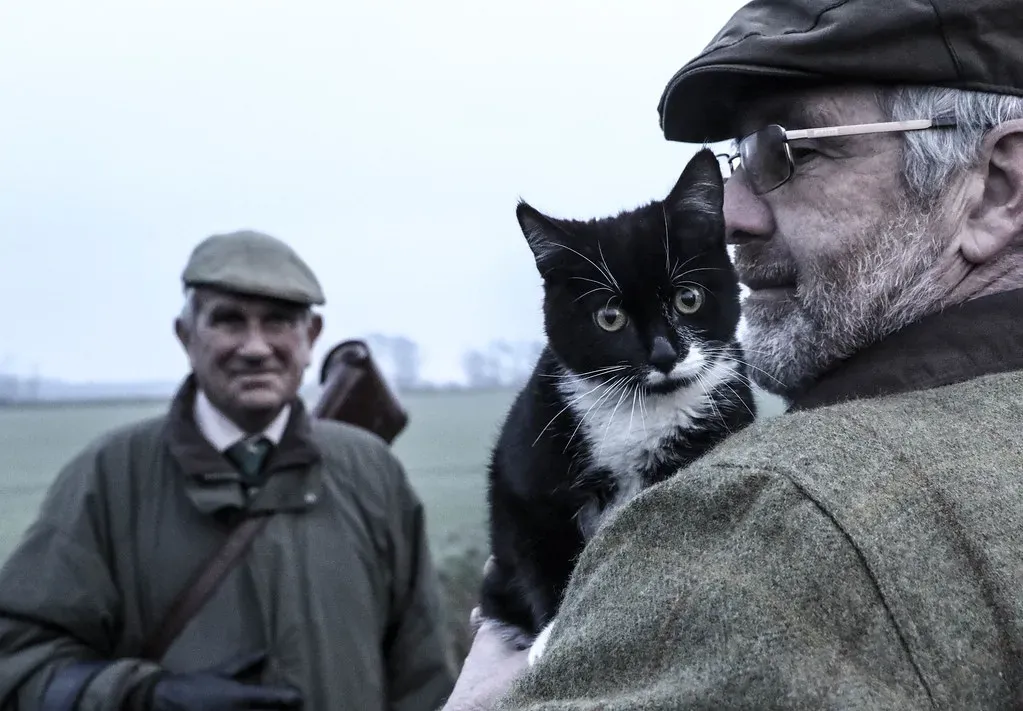
If our brains are wired to benefit from close relationships with animals, that has implications that go far beyond individual pet ownership. It suggests that environments which make it easier to have safe, responsible contact with animals might support mental and emotional health at scale. Think of workplaces that welcome well-behaved dogs, city parks designed with animal–human interaction in mind, or schools that integrate animal-assisted programs thoughtfully rather than as a novelty.
At the same time, we have to be honest about the responsibilities involved: animals are not mental health tools, and they are certainly not accessories. Treating them as living partners instead of mood-regulating gadgets respects both their needs and the depth of the bond our brains seem to crave. If anything, the neuroscience pushes us toward a more serious conversation about how to integrate animals into modern life in ways that are humane, sustainable, and available to more than just a privileged few.
Conclusion: A Need We Should Stop Pretending Is Optional
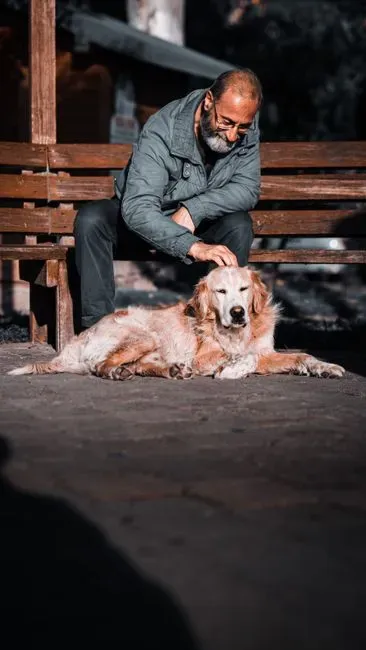
When you zoom out from the brain scans, the hormone charts, and the archaeological digs, a simple picture comes into focus: humans have been making room in their lives and homes for animal companions for a very long time, even when it did not make obvious economic sense. To me, that persistence is an argument in itself. You do not carry a behavior across millennia, through famine, migration, and cultural upheaval, unless it is feeding something crucial in the nervous system. Calling animal companionship a mere hobby or luxury misses what the data and history are quietly shouting.
My own view is that our brains treat animal companionship less like an optional add-on and more like a legitimate social nutrient – one that people can survive without, but often at a cost to their sense of calm, connection, and emotional regulation. Technology will keep trying to imitate this bond, and it may get closer in some ways, but the lived reality of sharing space and time with another living species remains stubbornly irreplaceable. Maybe the smarter move is not to ask when machines will finally fill that role, but to ask how seriously we are willing to take this ancient, persistent need for cross-species connection. If your brain has been reaching for animal companionship for fifteen thousand years, are you really going to tell it that was all just a phase?