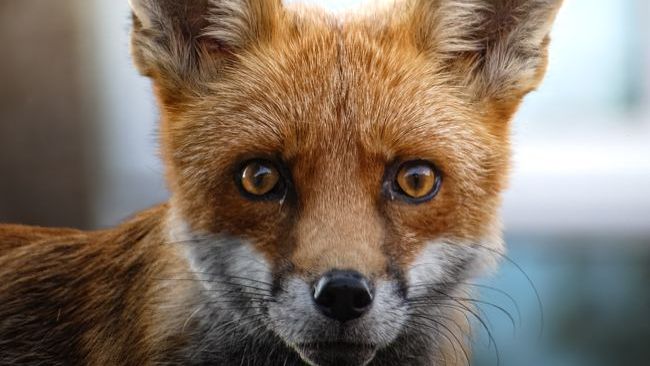
There is a particular kind of silence that falls when a wild animal meets your gaze and chooses not to flee. Time stretches, your senses sharpen, and for a heartbeat it feels like the rest of the world blurs out of focus. People who have had this kind of encounter almost always describe it as strangely vivid, oddly emotional, and unforgettable, even years later.
Psychology and neuroscience have a lot to say about that feeling. Your brain is not just storing “I saw a deer” or “there was a fox by the trail.” It is tagging that precise moment as important, emotionally loaded, and potentially meaningful. Under the hood, you are running a completely different mental program than when you casually notice a bird on a wire or trees passing by your car window – and that is why the memory of eye contact with a wild animal tends to burn in deeper and sit in your mind differently from almost everything else in nature.
The Evolutionary Shock of Being Seen
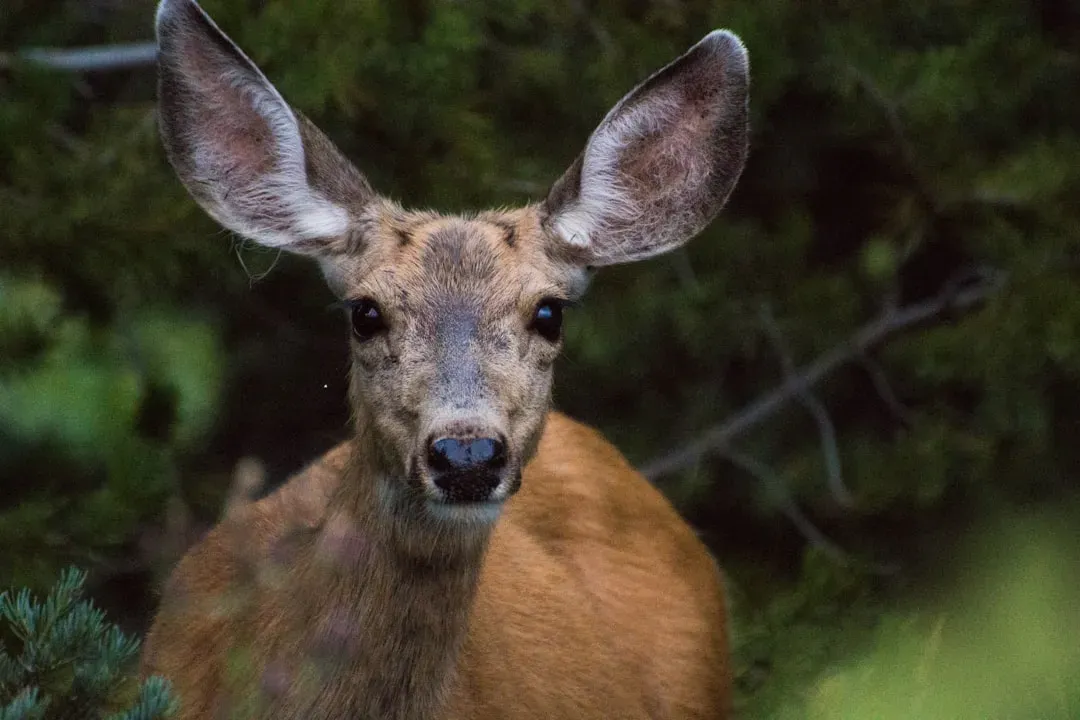
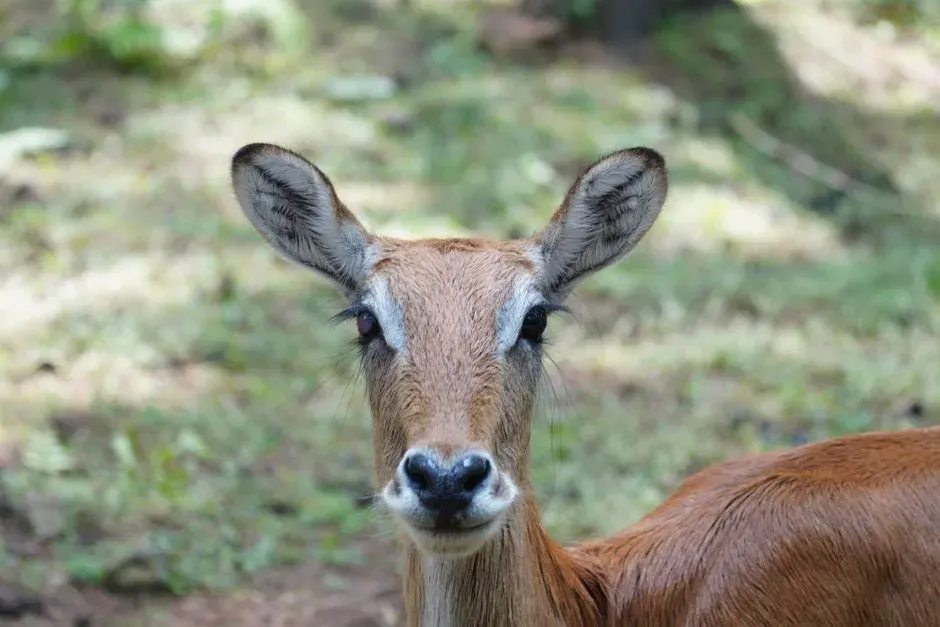
One of the most powerful parts of these encounters is not that you see the animal, but that you feel seen by it. For most of human history, eye contact with wild animals frequently meant one of two things: you might be hunting, or you might be hunted. Even in a modern world of cities and smartphones, your nervous system still carries that ancient wiring, and it treats these mutual gaze moments as potentially life-important events.
When a wild animal holds your gaze and does not bolt, your threat-detection systems light up the way a car dashboard flares with warning lights. The brain’s survival circuits rapidly evaluate questions like: Am I in danger? Is this animal prey, predator, or something in between? That fast, subconscious assessment explains why your chest might tighten, your breathing may slow or speed up, and your awareness suddenly feels razor sharp, even if you are just standing on a hiking trail with a harmless deer twenty yards away.
How the Brain Tags the Moment as Highly Significant
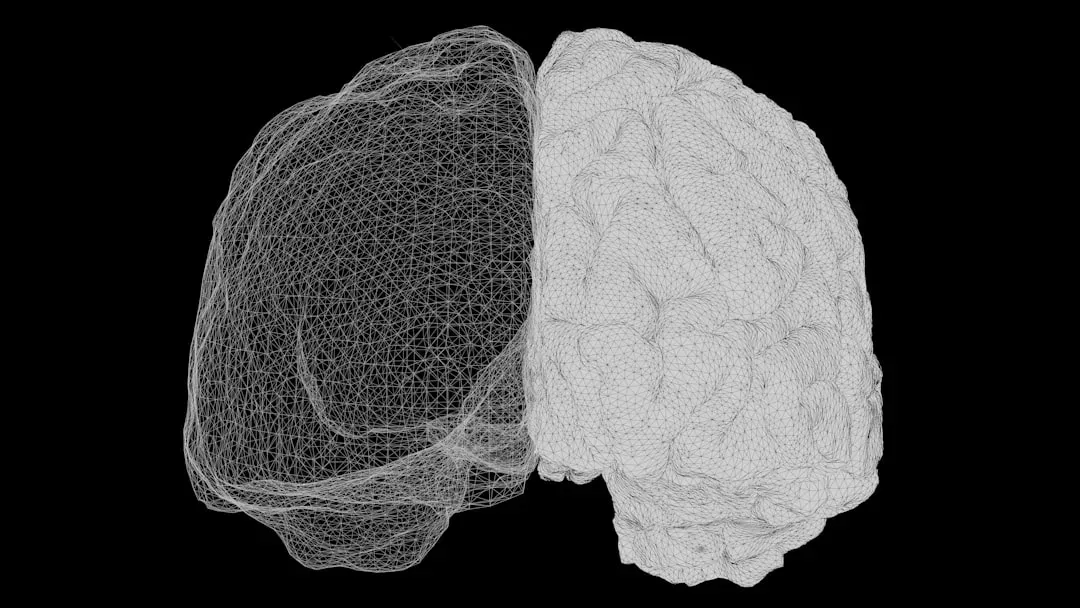
In neuroscience, not all moments are created equal. Some experiences pass through your mind like a breeze; others get stamped as high priority and stored in long-lasting, high-definition detail. When an animal makes eye contact with you and does not flee, that combination of surprise, uncertainty, and perceived relevance triggers the brain regions that decide what deserves special attention, like parts of the amygdala and prefrontal cortex.
This “significance tagging” works a bit like starring an email or bookmarking a page in your browser. Emotional arousal, even if it is subtle, tells your brain, “Pay attention, this matters.” The wild animal encounter checks several boxes at once: it is unusual, unpredictable, socially loaded (because gaze is social), and tied to potential risk. All of that together nudges your brain to treat that instant as a big deal, which is why the memory feels so crisp and keeps replaying in your mind later.
Why Mutual Gaze Feels So Personal, Even Across Species
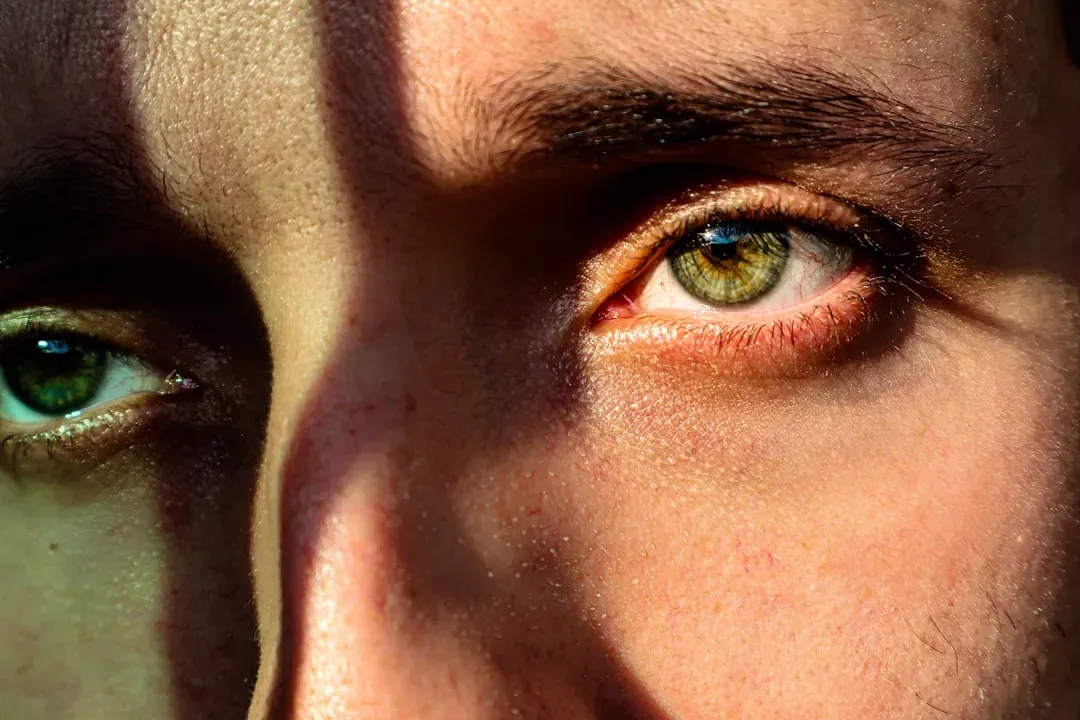
Eye contact is one of the most intense forms of social communication we have as humans. From infancy, our brains are tuned to respond to eyes looking directly at us, using that information to sense intentions, emotions, and connection. That built-in sensitivity does not suddenly shut off just because the eyes belong to a fox, owl, or mountain lion instead of another person.
When an animal’s eyes lock with yours, your brain instinctively tries to treat it like a social interaction, not just a visual stimulus. Was that curiosity? Warning? Indifference? You might find yourself assigning motives or “vibes” to the animal, even if you know rationally that you cannot read its mind. This is partly projection, but it is also how your social brain works: it tries to understand anything that looks back at you as if you are both, on some level, participating in a shared moment.
Adrenaline, Arousal, and Why You Remember It So Clearly

Psychology has consistently shown that emotionally charged events are remembered more vividly than neutral ones. When a wild animal holds your gaze, your body often releases a small but meaningful surge of stress hormones such as adrenaline and cortisol. You may not feel outright panic, but you will likely notice your heart, your breathing, or a slight trembling awareness in your muscles.
These physiological changes are not just side effects; they help carve the memory into your brain. Heightened arousal boosts the consolidation of memories, especially in brain areas linked to emotional learning. That is why many people can recall specific details from these encounters – the exact glint of the eyes, the angle of the light, the smell of damp earth – even when they struggle to remember what they did last week. Your body essentially decided in that instant that this scene might someday be important for your survival and recorded it accordingly.
How This Differs From Everyday Nature Experiences
Compare that animal-eye-contact moment to walking through a park, casually noticing trees, clouds, and birds. Those everyday sensory impressions are rich but mostly predictable, and your brain treats them as background noise. They land in short-term memory, maybe leave a general impression of “nice walk,” and then get overshadowed by more urgent concerns like work emails or dinner plans.
In contrast, a sudden, silent gaze shared with a wild creature is a sharp spike of novelty in the middle of that routine flow. It breaks expectations, and the brain tends to prioritize these disruptions. Instead of blending into a hazy collage of all your other hikes or drives, the memory stands alone, like a bright pin on a map. That is the core difference: normal nature is processed as scenery; a wild animal looking back at you is processed as an encounter.
The Brain’s Storytelling: Meaning, Symbolism, and Afterglow
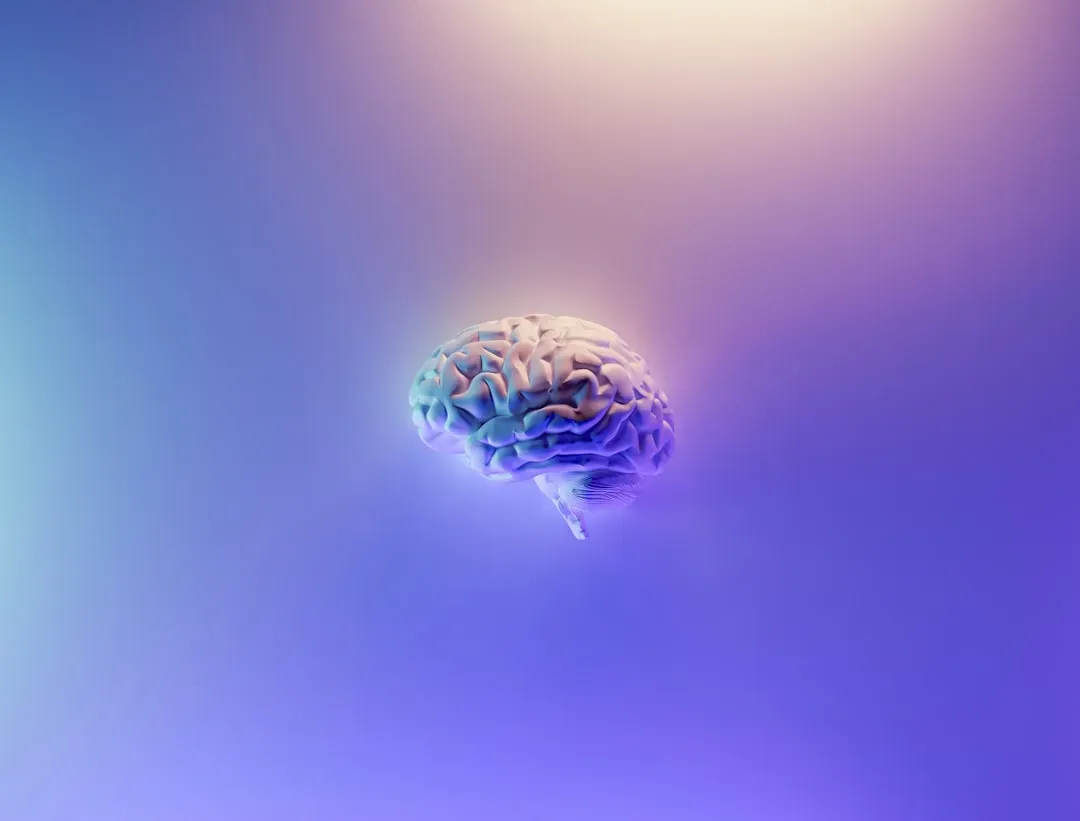
One of the most underrated parts of this whole process is what happens after the moment is over. Humans are compulsive storytellers, and your mind does not just store what happened; it tries to decide what it means. You might catch yourself thinking that the encounter was a sign, a message, or a symbol of something in your life, even if you know that is not literally true.
Whether or not there is any cosmic meaning involved, that act of storytelling further strengthens the memory. Every time you tell the story to a friend, replay it before sleep, or compare it with other near-mystical-feeling experiences, you are polishing that mental image. Your brain loves patterns and significance, so it keeps nudging you to treat the encounter as special, layering it with personal meaning, which makes it even harder to forget.
Connection, Awe, and the Feeling of Being Smaller (In a Good Way)
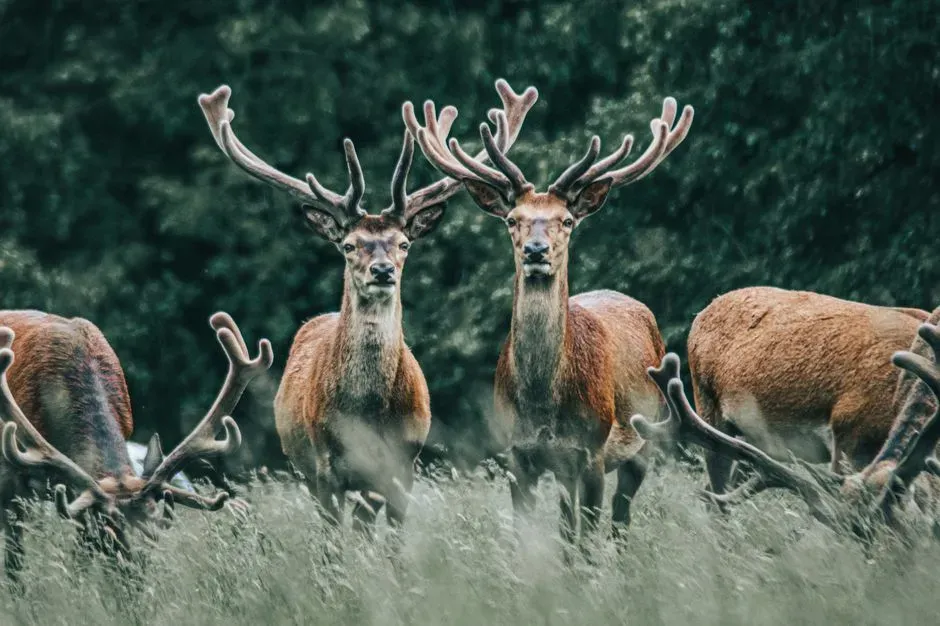
Psychologists studying awe have found that experiences that make us feel small in the face of something vast – like a star-filled sky, a mountain range, or a whale surfacing beside a boat – can shift our perspective in deep ways. A wild animal calmly meeting your eyes can produce a similar effect, but on a more intimate scale. You are face to face with another living being that owes you nothing, follows its own ancient rules, and yet has chosen not to flee.
That quiet, mutual presence can leave you with a strange blend of humility and connection. For a moment, you are not just a person with deadlines and notifications but another creature on the planet, sharing space and risk with a nonhuman neighbor. People often walk away from those encounters feeling slightly rearranged inside, with a renewed sense of respect for nature and a sharper awareness that we are not nearly as separate from the wild world as our daily routines suggest.
When Fear, Wonder, and Curiosity Collide
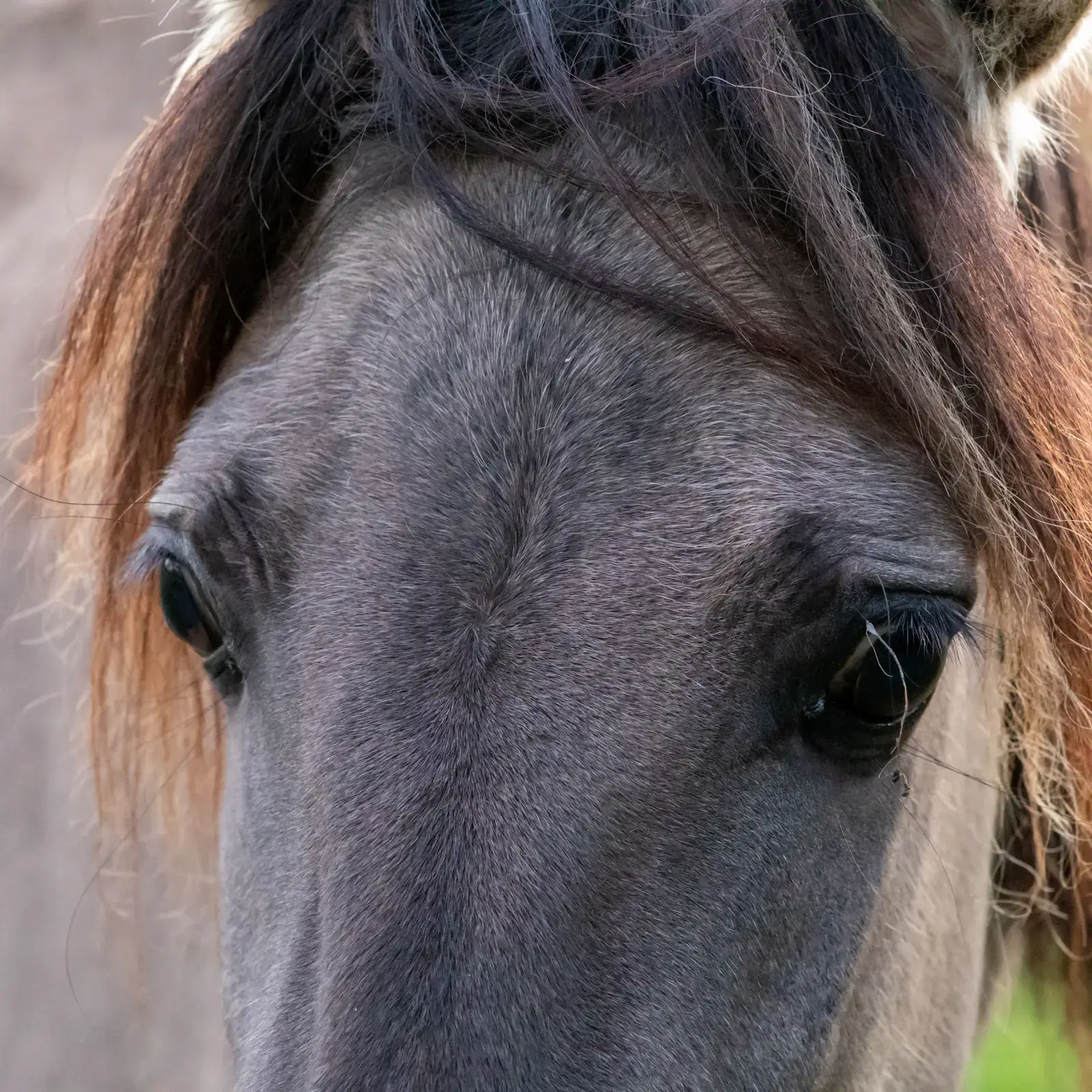
What makes these encounters so psychologically rich is the odd cocktail of emotions they stir up. There is a trace of fear – that primal tug that says, “This could go badly.” At the same time, there is curiosity: What is that animal thinking? Why is it not running? Layered on top of both is a kind of low-key wonder, the amazement of sharing a moment that feels rare and unscripted.
Our brains are especially tuned to remember situations that mix emotions rather than delivering just one flat feeling. Fear alone can become a blur if it is repetitive, and everyday curiosity can fade fast, but when multiple emotions crash into each other, the brain flags the moment as unusual. That tangle of fear, awe, tension, and fascination makes the memory feel thick, hard to summarize, and yet impossible to fully shake off.
Why These Encounters Stay With You – and Why That Matters
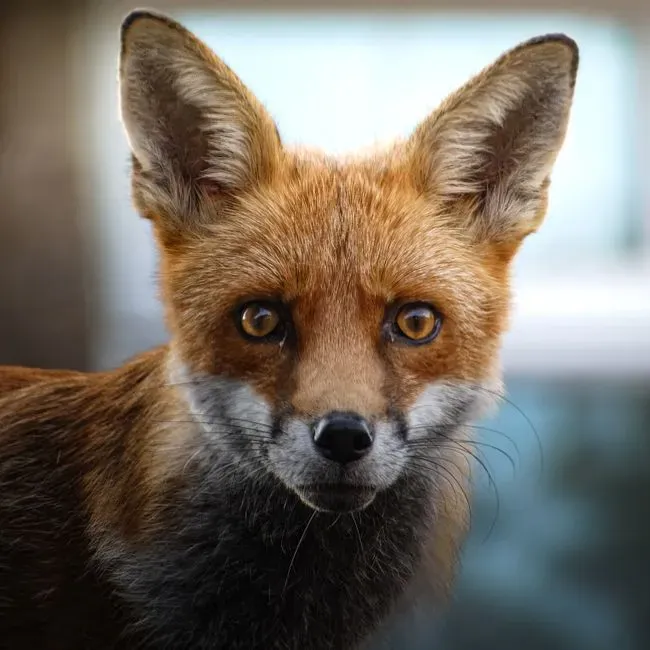
Most of us will scroll past thousands of images and videos of animals in our feeds, barely remembering them minutes later. Yet one quiet, real-world gaze from a wild creature can sit in your mind for decades. That contrast says something important about how our brains are built: they take embodied, uncertain, emotionally charged experiences far more seriously than flat, predictable ones on a screen.
In my view, that alone is a strong argument for actually going outside and allowing for real encounters with the natural world, not just consuming it secondhand. When your brain encodes those rare eye-contact moments differently, it is not just creating pretty memories; it is reminding you, in a way that words rarely can, that you live in a shared, living world, not a sealed-off human bubble. Maybe the real question is not why those animal encounters feel so significant, but why we are so quick to treat everything else as if it is not – and what might change if we started paying that kind of attention more often. What do you think your brain is really trying to tell you in those wild, wordless seconds?