Imagine cracking open a 110‑million‑year‑old time capsule and finding not dust, not fragments, but an entire last meal frozen in place, still tucked between the ribs of the animal that ate it. That is essentially what happened when paleontologists uncovered the remarkably preserved gut contents of a dinosaur and realized they were staring at the animal’s final lunch, paused mid‑digestion. It was the kind of moment that makes even seasoned scientists stop, swear under their breath, and admit they might have been wrong about a few things.
What made this discovery so shocking was not just that the food was still there, but what the food actually was. Textbooks had painted certain dinosaurs with broad dietary brushstrokes: plant‑eater, meat‑eater, scavenger. Suddenly, here was concrete, microscopic, irrefutable evidence of what at least one dinosaur really put on its menu. It forced researchers to question long‑held assumptions about dinosaur diets, behavior, and even how ancient ecosystems worked. And honestly, it makes the past feel a lot less abstract and a lot more like a real world where a real animal once picked through real plants for its next bite.
A once‑in‑a‑lifetime snapshot of a dinosaur’s last lunch
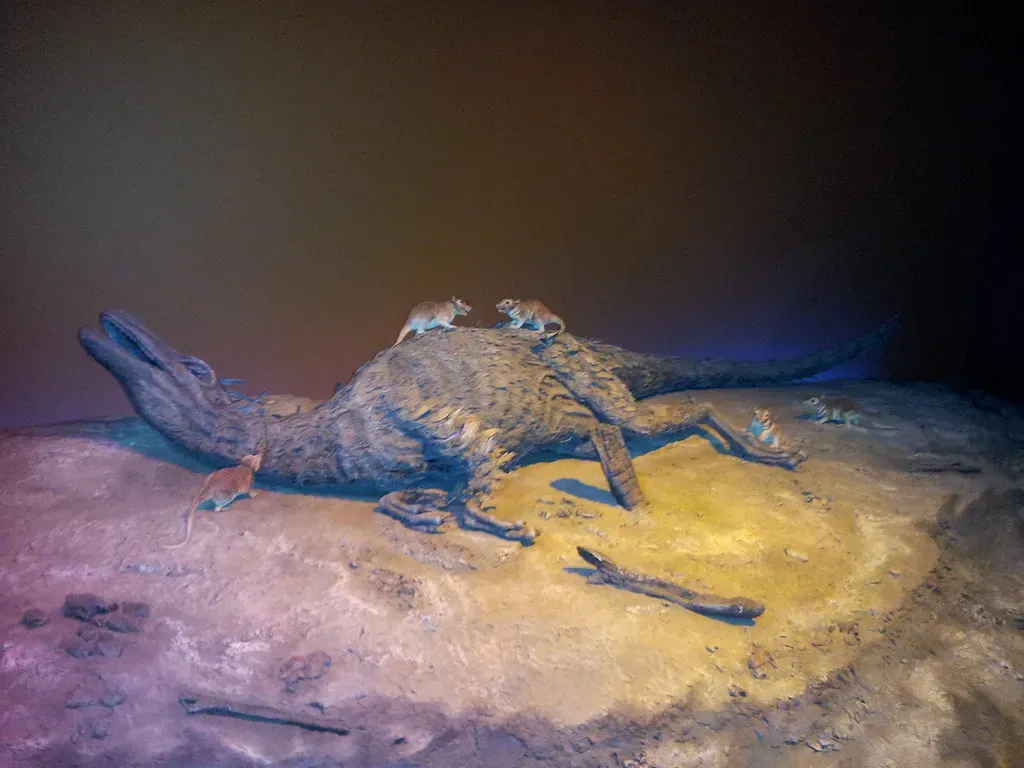
The idea of a dinosaur dying with its last meal still nestled in its ribcage sounds like something out of a movie, but it is very real and extremely rare. Normally, soft tissues and gut contents decay quickly after death, leaving only bones and maybe traces of skin or feathers if conditions are perfect. For a meal to fossilize, almost everything has to go right: rapid burial, low oxygen, minimal scavenging, and just the right balance of minerals to slowly replace soft material over millions of years.
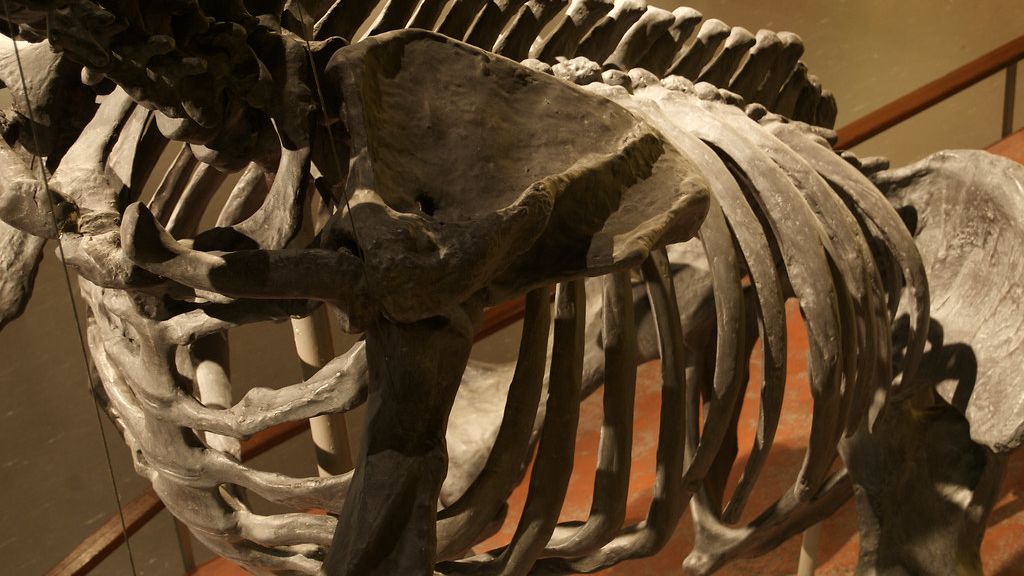
In this extraordinary case, the dinosaur’s torso essentially became a sealed chamber, protecting what it had eaten from the usual chaos of decomposition and erosion. When paleontologists finally opened that chamber in the lab, they were not looking at vague smears of organic mush. They saw distinct plant fragments, structures, and layers, all preserved well enough to study under microscopes. It was like walking into a prehistoric restaurant and finding the plate still on the table, fork mid‑air.
How scientists actually “read” a fossilised stomach
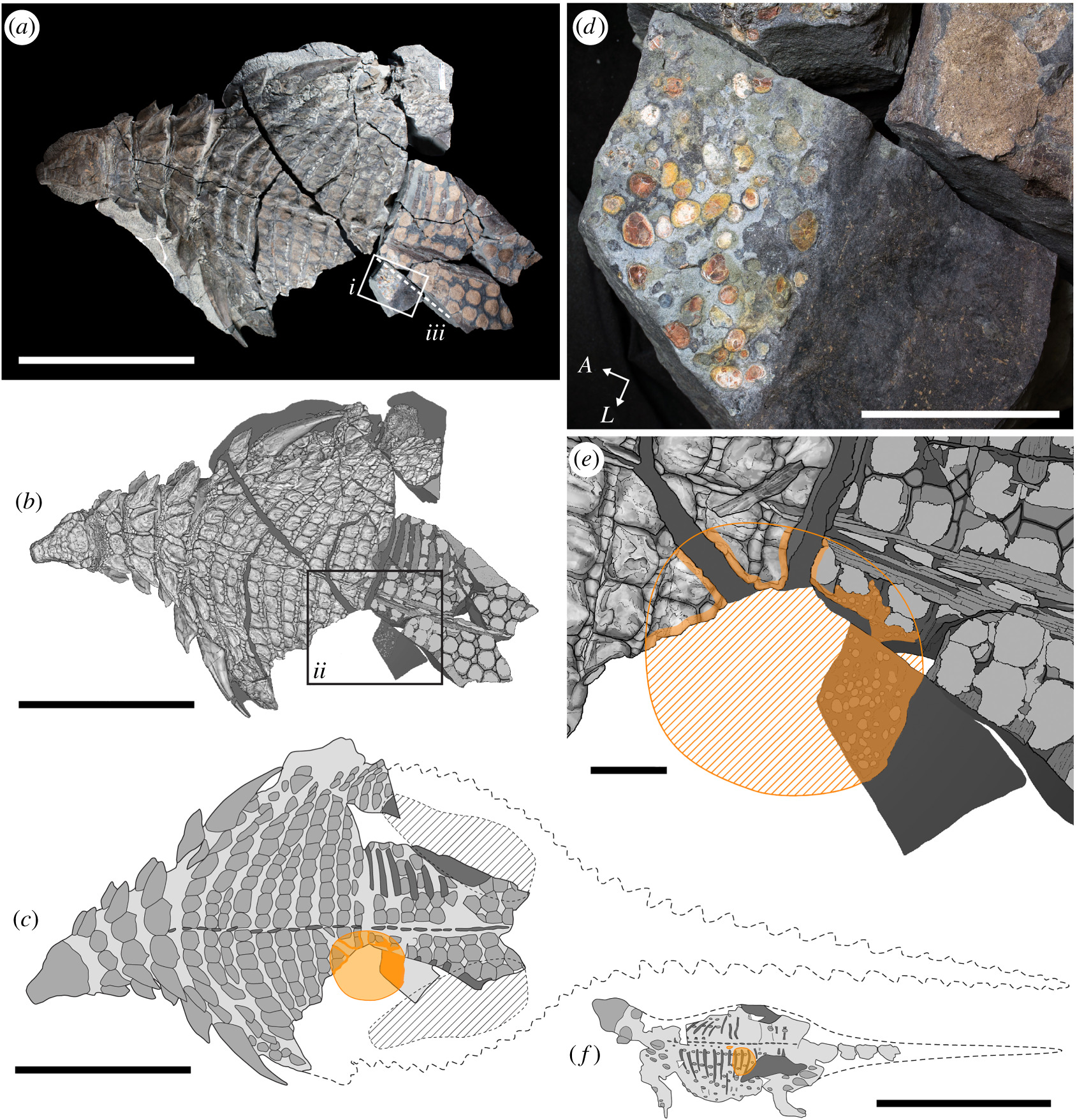
From the outside, a fossilized ribcage with a dark patch inside might just look like a stain, but scientists treat it like forensic evidence. They use tools such as thin‑sectioning, scanning electron microscopy, and chemical analysis to tease apart what is bone, what is mineral, and what might be original plant or animal material. Under high magnification, what first looked like a blur can suddenly reveal leaf veins, bits of wood, spores, or even growth rings in plant tissues.
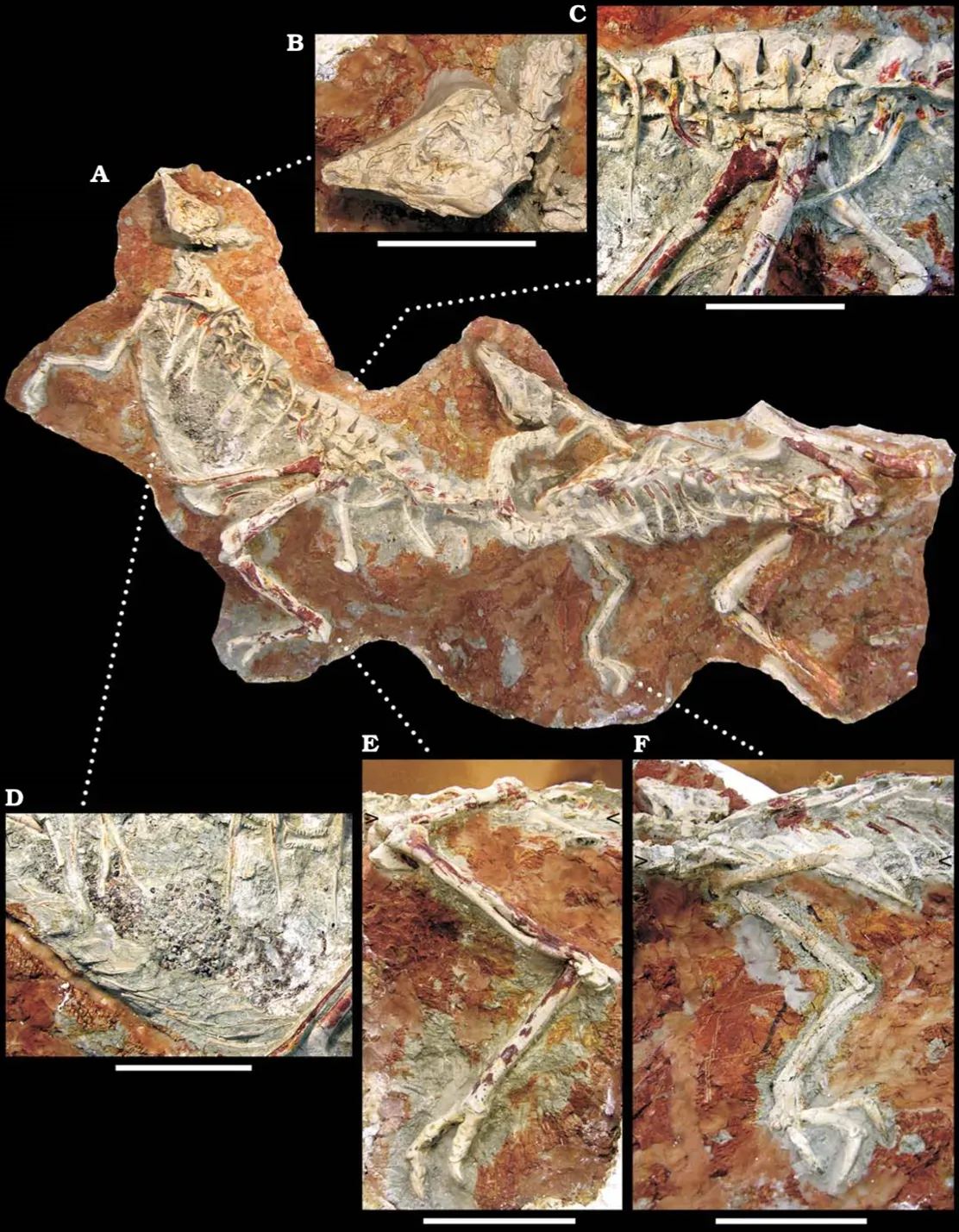
Researchers also pay close attention to how the material is layered inside the gut region. In some discoveries, the stomach contents show a clear arrangement, with coarser material on one side and finer, more digested material on another. That pattern can tell scientists whether they are seeing a single last meal or a rolling record of what the animal ate over its final hours. It is painstaking work, the kind that involves staring at the same tiny patch of fossil for hours, but it turns what used to be guesswork about dinosaur diets into something far more solid and testable.
The surprising menu: not what the textbooks predicted
The real twist came when scientists realized what this dinosaur had actually been eating. Rather than a random mix of plants or whatever was floating around, the gut was packed with specific types of vegetation, including well‑preserved twigs, leaves, and other plant parts from particular conifer and understory species. The meal did not match the broad, generalized diets that had been casually assigned to many herbivorous dinosaurs. It suggested that at least this individual was a picky, highly selective browser with clear preferences.
Even more surprising was the apparent freshness and quality of the food. Evidence pointed to the animal choosing tender, actively growing parts of plants, not just grabbing anything green in reach. This is a very different picture from the old stereotype of slow‑moving plant‑eaters mindlessly mowing down whatever was in front of them. Instead, it hints at complex feeding strategies, possibly seasonal preferences, and even the ability to target the most nutritious parts of the landscape much like modern deer or moose do today.
What this last meal reveals about dinosaur behavior and habitat
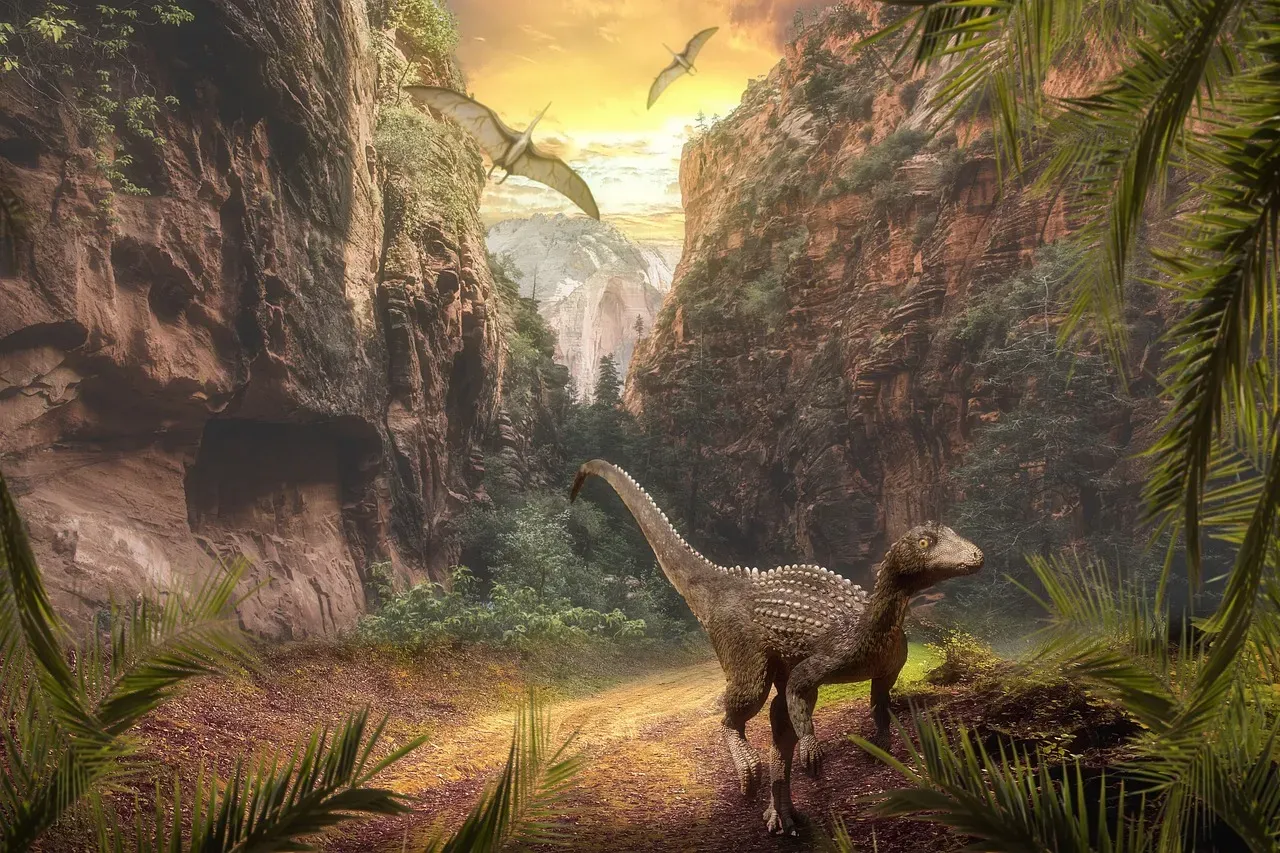
Once you know exactly what a dinosaur was eating, you can start to reverse‑engineer the world it lived in. The plant species identified inside the ribcage point to a specific kind of environment: a forested, possibly river‑influenced setting with a mix of tall conifers and dense low vegetation. This lines up with other fossil clues but adds a much sharper level of detail, almost like switching from a blurry photograph to a high‑definition one. The dinosaur was not just vaguely “in a forest”; it was likely moving through humid, patchy woodlands, browsing carefully in certain areas.
The composition of the meal also hints at how the dinosaur moved and behaved. The presence of selective, higher‑quality plant parts suggests deliberate foraging, not random grazing. It may have favored forest edges, young trees, or freshly disturbed patches where new growth was abundant. When you combine this with body structure and tooth wear patterns, a consistent story starts to emerge: this dinosaur was an active, discerning forager, not a passive eating machine. Personally, I find that shift in perspective powerful; it reminds me how often we underestimate ancient animals simply because they are long gone.
A window into dinosaur digestion and physiology
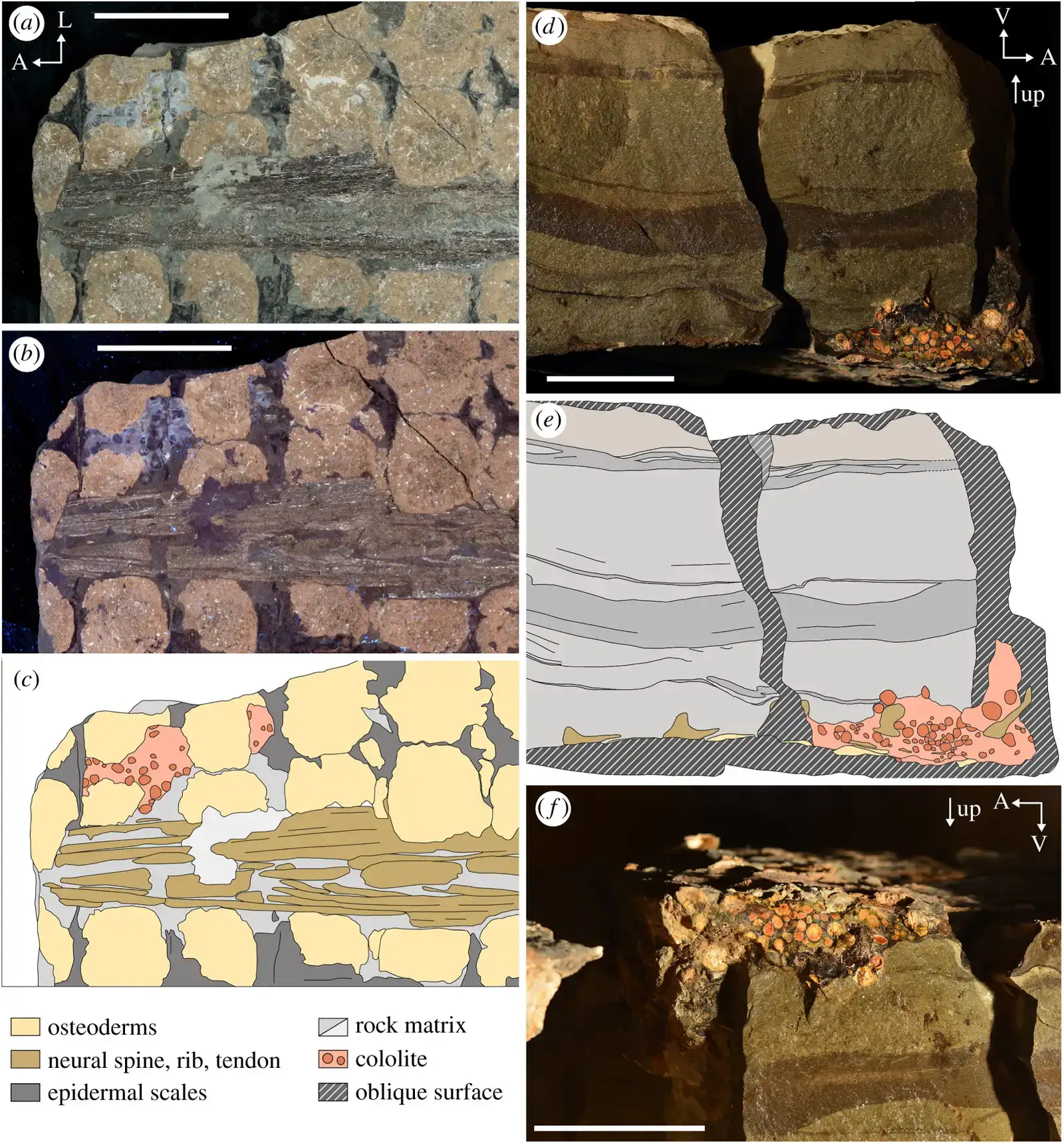
The contents inside that ribcage did more than just identify menu items; they also offered a rare peek into how the dinosaur’s digestive system actually worked. The mixture of coarsely chewed material and more broken‑down plant fragments suggests that these animals were capable of doing significant processing before the food even moved deep into the gut. That challenges the old idea that big plant‑eating dinosaurs just swallowed huge mouthfuls and let their massive stomachs do all the work without much help from their teeth.
Some specimens show hints of gizzard‑like stones, layered plant material, or even signs of fermentation, all of which point toward a more complex digestive strategy. It seems increasingly likely that at least some herbivorous dinosaurs relied on microbial fermentation similar to that used by modern cows or horses, turning tough plant fibers into usable energy. The fossilized last meal becomes more than a menu; it becomes a roadmap of how nutrients moved through the body, how long digestion may have taken, and how much energy these giants could realistically extract from the vegetation that surrounded them.
Why this single meal reshapes how we tell the dinosaur story
It is tempting to think of one gut filled with plant bits as just a neat curiosity, but in paleontology, a single well‑preserved specimen can reshape entire narratives. Before direct evidence like this, many reconstructions of dinosaur diets were built on tooth shape, jaw mechanics, and guesswork about the surrounding plants. That is like trying to figure out someone’s favorite dinner by only looking at their teeth and the grocery store down the street. Now, scientists have something better: hard, literal evidence of what actually went in.
This does not mean every dinosaur of that species ate exactly the same way, but it sets a minimum standard for how precise we should be. It also highlights how risky it is to overgeneralize. When I look at this kind of discovery, I cannot help feeling that we have been telling a simplified, almost cartoon version of dinosaur life for decades. A fossilized last meal reminds us that these were complex, nuanced animals living in intricate ecosystems, and that any theory that treats them as flat stereotypes is probably going to collapse as more gut contents, feather traces, and soft tissues come to light.
Conclusion: Why a ribcage full of plants should change your mind about dinosaurs
In my view, the most important thing about this fossilized last meal is not the specific plants it held, but the humility it forces on us. For years, we were comfortable slotting dinosaurs into tidy categories and telling confident stories about what they did and did not eat, often on thin evidence. Then one specimen turns up with its final lunch perfectly preserved and calmly proves that at least part of the old narrative was off. It is a sharp reminder that the past is not obligated to match our expectations, and that real data can be way stranger and more interesting than the stories we built without it.
I also think this discovery pushes dinosaur science into a more intimate, grounded space. We are not just talking about bones and names; we are talking about what an animal chose to eat on what turned out to be its last day alive. That is personal in a way fossils rarely are. It makes these creatures feel less like distant monsters and more like real wildlife, with preferences, habits, and maybe even seasonal routines. If one ribcage full of plants can force us to rethink so much, it makes you wonder what other surprises are still locked inside the stone, waiting to embarrass our assumptions and rewrite the story yet again. Did you ever expect that the most disruptive dinosaur evidence might come from something as ordinary as a half‑digested lunch?