
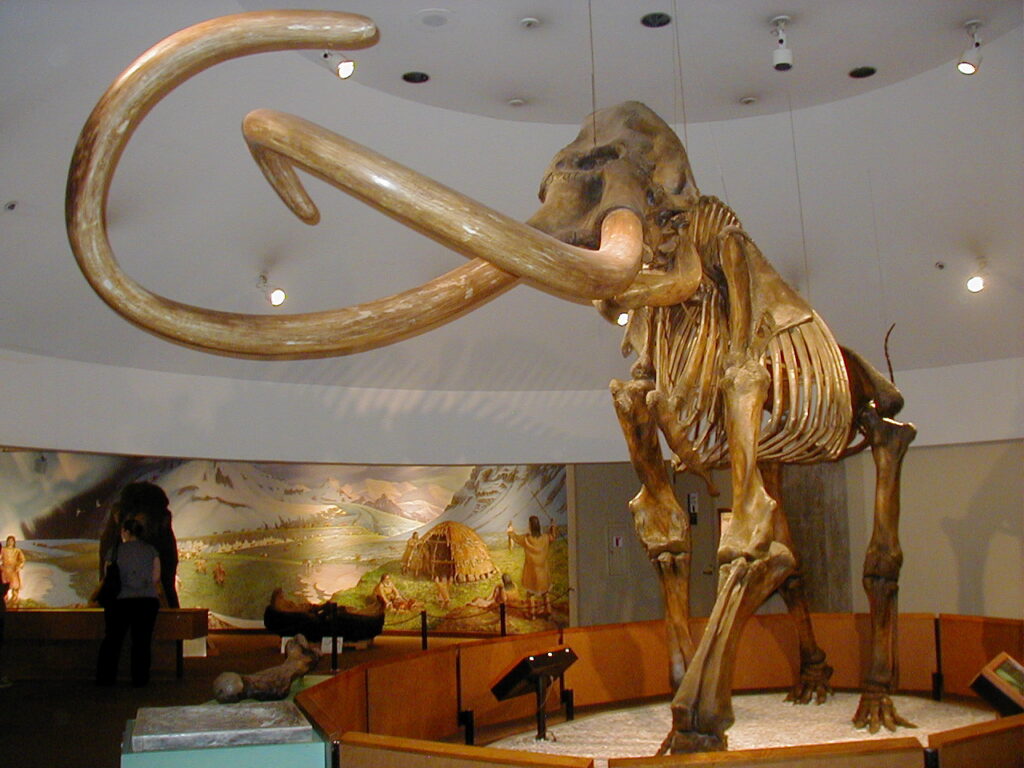
Picture an African elephant standing in a clearing, all six tons of it swaying past the treeline. Now imagine something standing next to it that makes that same elephant look almost modest, maybe even a little cute. That is not an exaggeration built for a headline. It is roughly what the Pleistocene looked like in parts of Asia, the Americas, and the frozen steppes of Eurasia, where a rotating cast of mammals grew to sizes that still stump paleontologists trying to reconstruct them from a handful of bones.
What is strange is how recent all of this was, geologically speaking. Many of these animals were still alive when humans were painting cave walls and building the first settlements. Their disappearance wasn’t ancient history in the dinosaur sense. It happened in what amounts to yesterday afternoon on the scale of Earth’s timeline, and the fossils they left behind are rewriting assumptions about just how big a land mammal can get.
The Steppe Mammoth: The Original Giant Among Giants
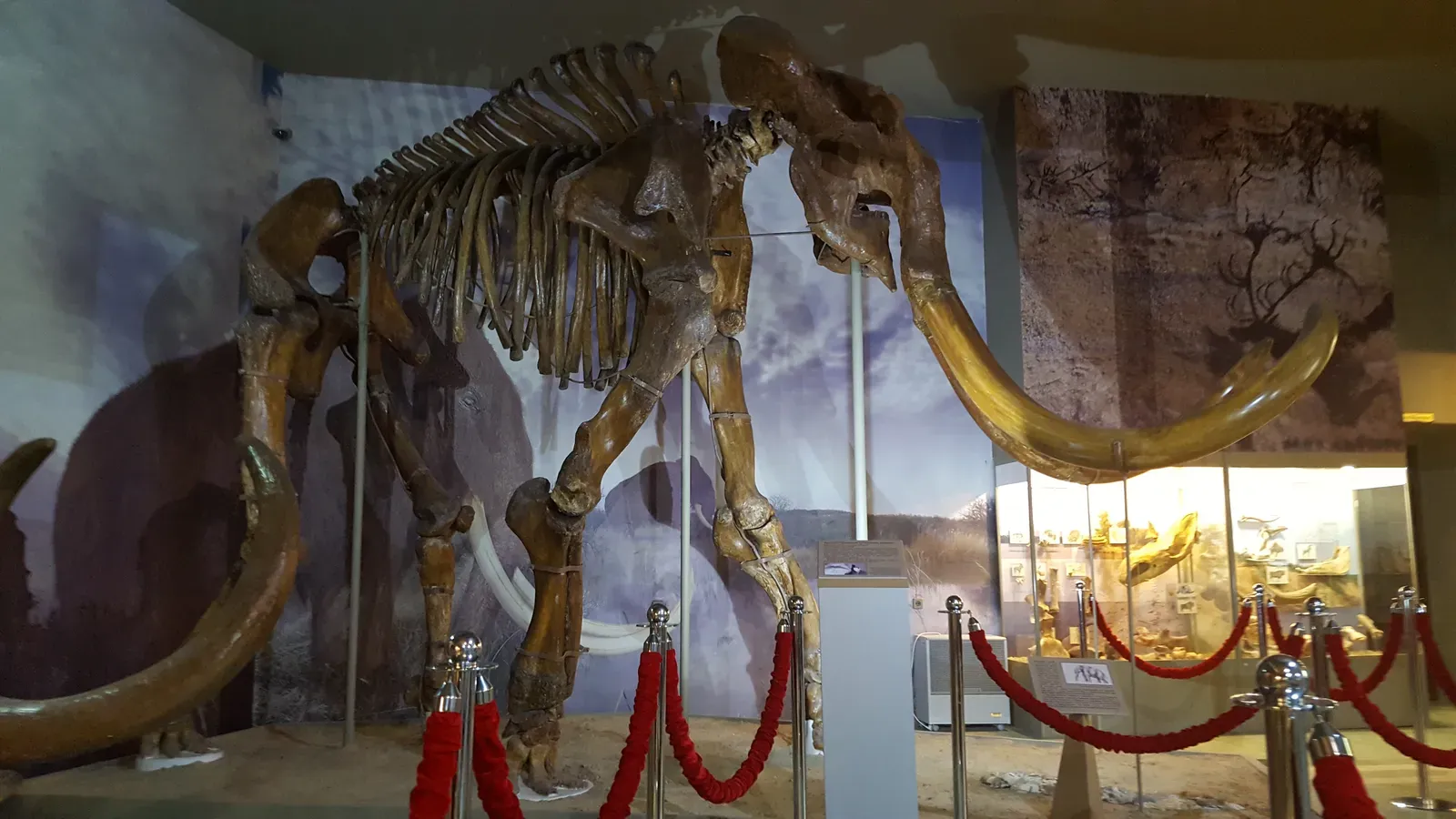
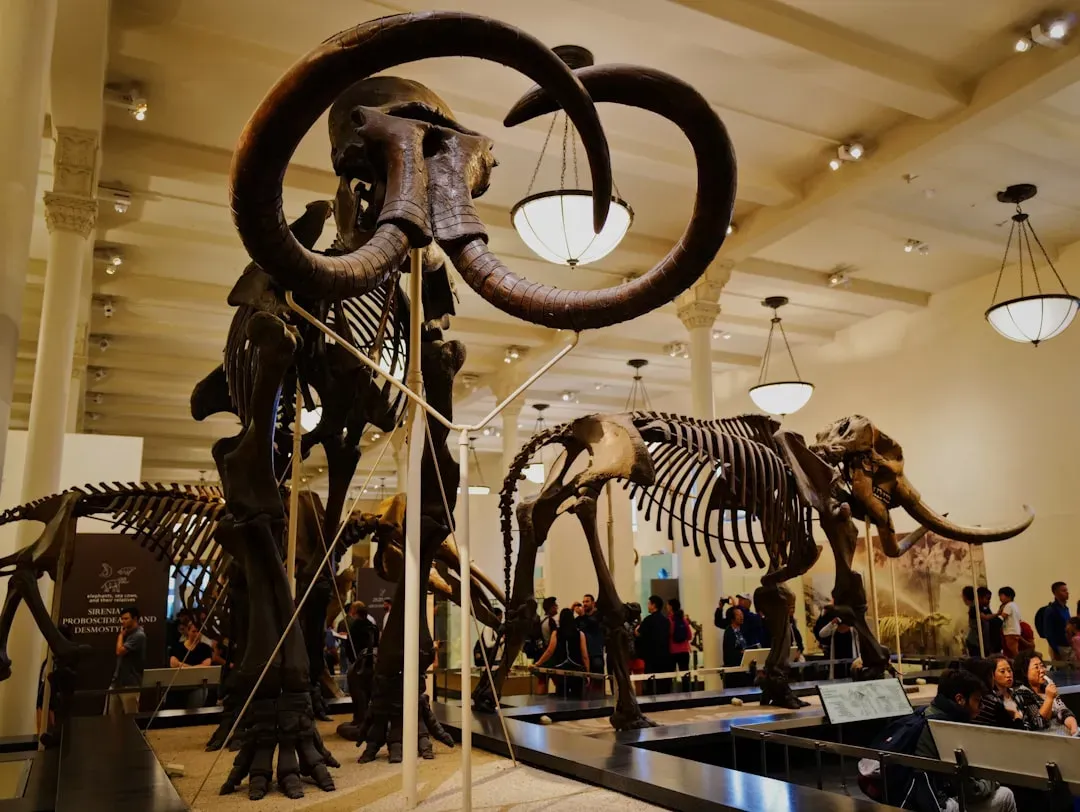
Long before the woolly mammoth became the poster animal of the Ice Age, an older and considerably larger relative dominated the grasslands of Europe and Asia. The steppe mammoth had mature adult males averaging approximately 3.8 to 4.2 meters at the shoulder and weighing between 9.6 and 12.7 tonnes, while exceptionally large males may have reached 4.5 meters at the shoulder and 14.3 tonnes in weight. That is a shoulder height alone that would put its head somewhere near the roof of a two story house.
What makes the steppe mammoth interesting isn’t just its bulk, it’s its role as an ancestor. This species eventually gave rise to both the Columbian mammoth in North America and, later, the woolly mammoth in Siberia. In other words, the most famous Ice Age animal of all was descended from something noticeably bigger than itself, which is a detail most popular depictions leave out entirely.
The Columbian Mammoth: North America’s Towering Giant
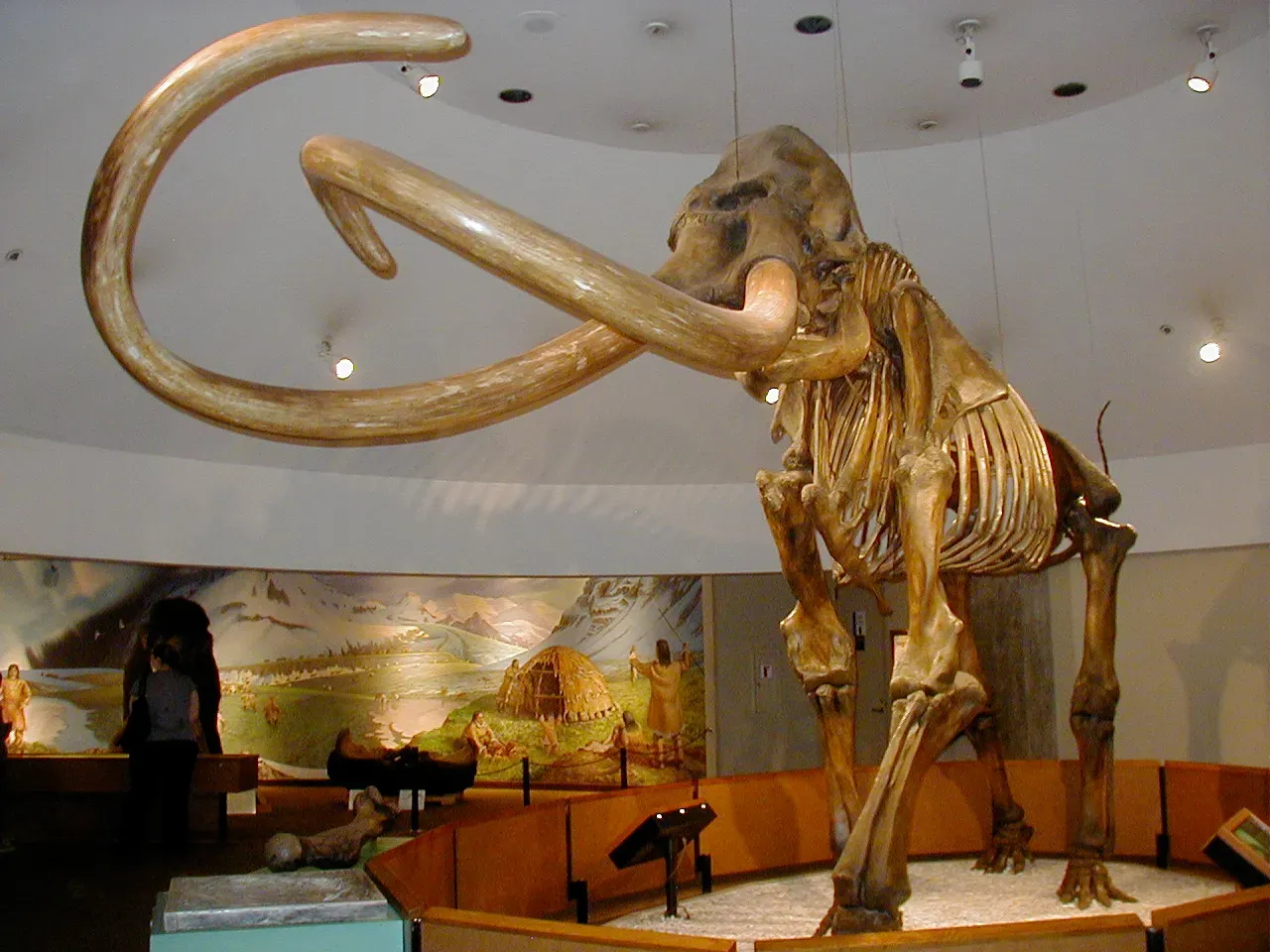
Cross the Bering land bridge a million years ago and you eventually get the Columbian mammoth, a species that ranged from Canada down into Central America. The average male Columbian mammoth is estimated to have had a shoulder height of 3.75 meters and a weight of 9.5 tonnes, though large males may have reached 4.2 to 4.27 meters in shoulder height and 12.5 tonnes in weight. For scale, that upper estimate is roughly double the weight of a large modern elephant.
The comparison to living elephants isn’t just casual observation, it’s documented directly in the fossil record. This mammoth was about the same size or somewhat smaller than the earlier mammoth species like the steppe mammoth, but was larger than the modern African bush elephant and the woolly mammoth, both of which reached about 2.67 to 3.5 meters at the shoulder. Its tusks added to the spectacle too, with some historical specimens suggesting lengths that dwarfed anything a living elephant could grow.
The Woolly Mammoth: Small Body, Legendary Reputation
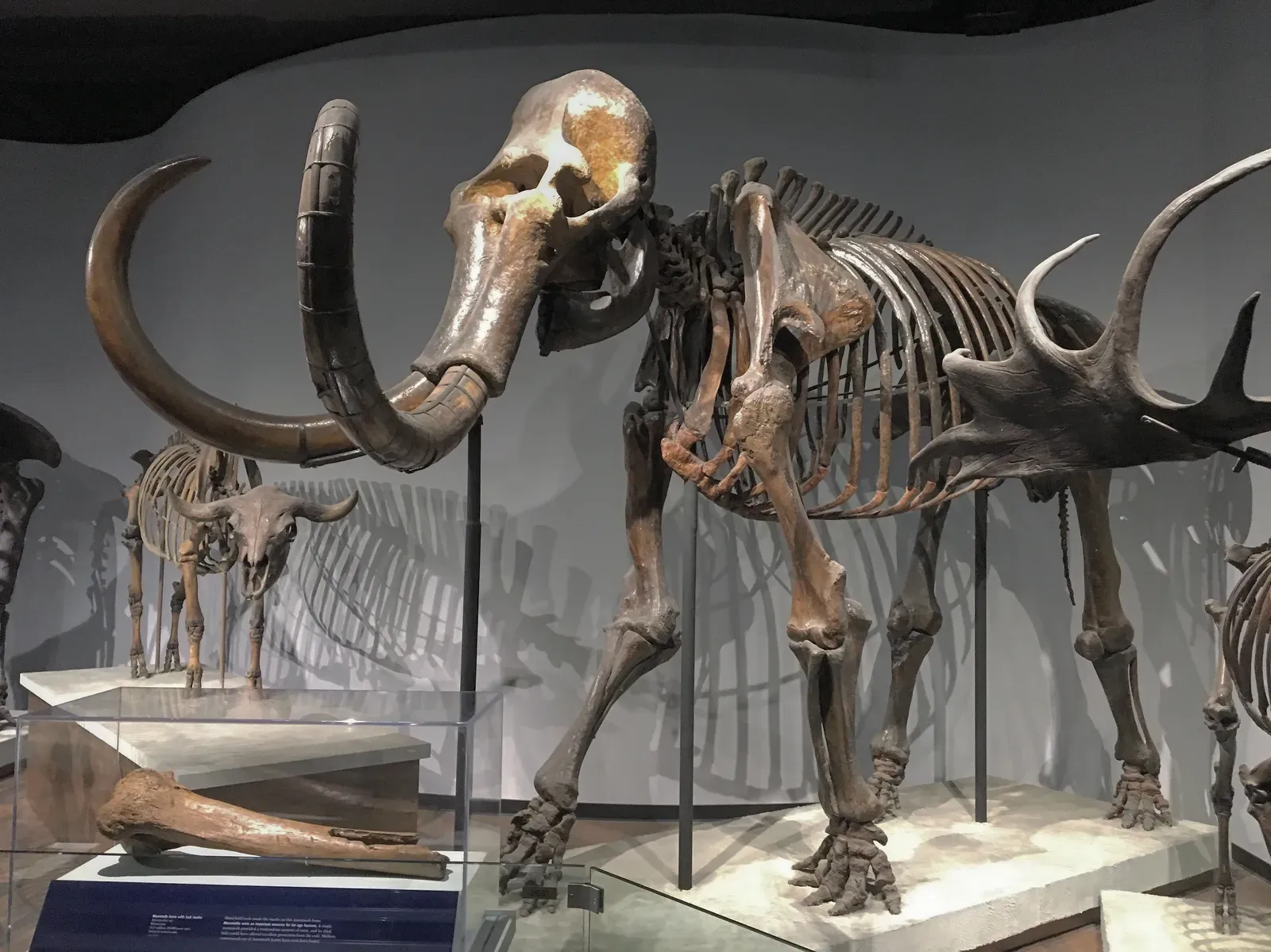
Here’s a twist that surprises most people. The woolly mammoth, the animal everyone pictures when they hear “Ice Age,” wasn’t actually one of the giants of its own family. Woolly mammoths were considerably smaller than earlier mammoth species, only about as large as modern African bush elephants, with males around 2.8 to 3.15 meters high at the shoulder and 4.5 to 6 tonnes in weight on average, with the largest recorded individuals being around 3.49 meters tall and 8.2 tonnes in weight.
So why include it here at all? Because its extremes showed up elsewhere. Mammoth tusks are among the largest known among proboscideans, with some specimens over 4 meters in length and likely 200 kilograms in weight, with some historical reports suggesting tusks of Columbian mammoths could reach lengths of around 5 meters, substantially surpassing the largest known modern elephant tusks. The woolly mammoth also survived astonishingly late. Some populations persisted on Russia’s Wrangel Island in the Arctic Ocean until as recently as 4,000 years ago, still extant during the existence of the earliest civilisations in ancient Egypt and Mesopotamia.
The Asian Straight-Tusked Elephant: Possibly The Largest Land Mammal Ever
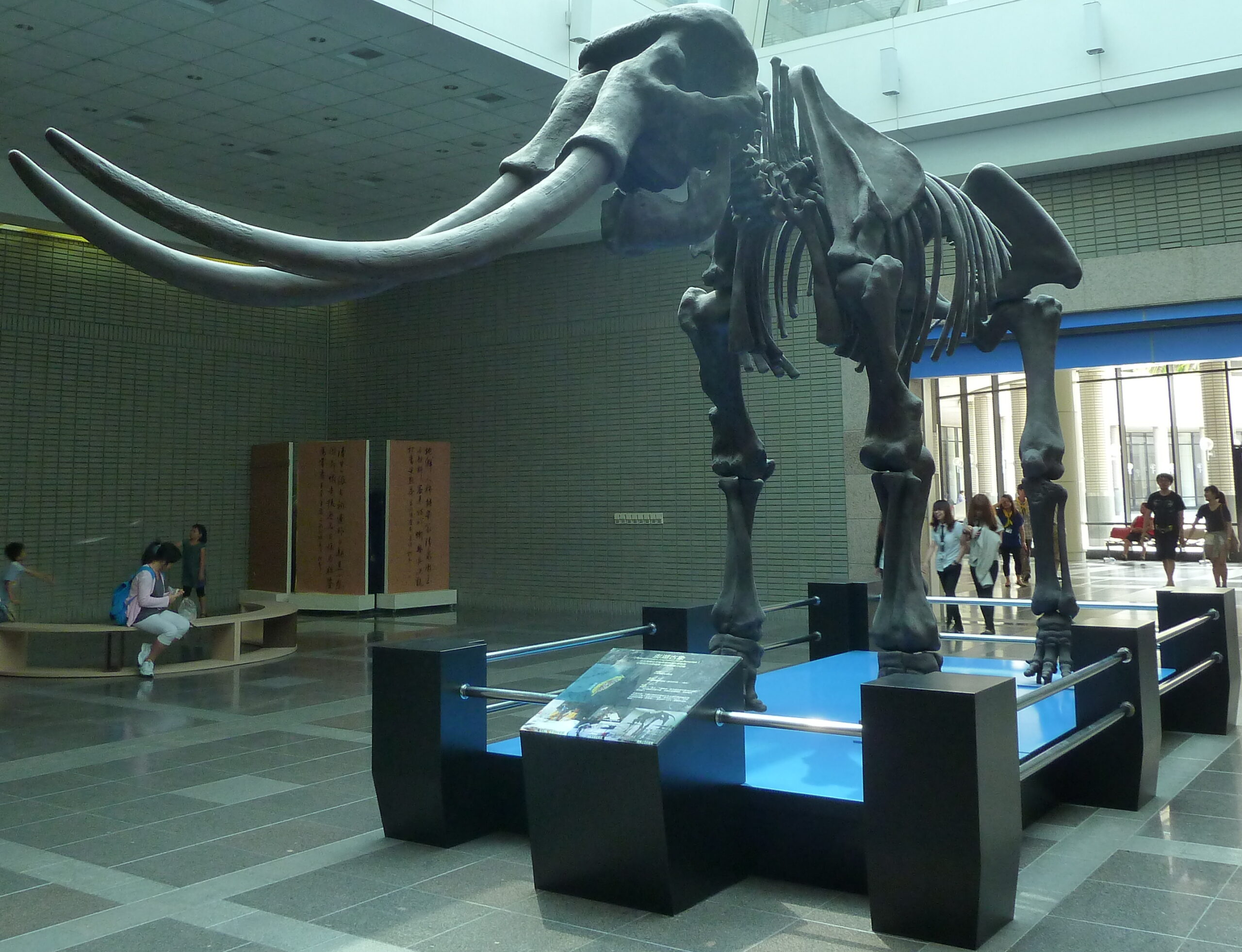
If there is one animal on this list that genuinely earns the “house pet” comparison, it’s Palaeoloxodon namadicus, sometimes called the Asian straight-tusked elephant. Palaeoloxodon contains the largest known species of elephants, with mature bulls over 4 meters tall at the shoulders and over 13 tonnes in weight, representing among the largest land mammals ever. That already outsizes a modern bull elephant by a wide margin, and this genus wasn’t even done growing.
The species P. namadicus pushed those numbers even further, based on fragmentary but striking fossil evidence. A 2015 study estimated a shoulder height of 4.35 meters and a weight of 13 tonnes for one individual based on a partial skeleton found in India. A more recent analysis pushed the numbers higher still. In 2024, researchers estimated a maximum shoulder height of 4.51 meters and body masses between 13.22 and 18.47 tonnes for five specimens of P. namadicus from the Indian subcontinent. Scientists caution that estimates built from incomplete bones carry real uncertainty, but even the conservative end of that range leaves a modern elephant looking like a large dog standing beside a draft horse.
Megatherium: The Ground Sloth That Stood Taller Than An Elephant
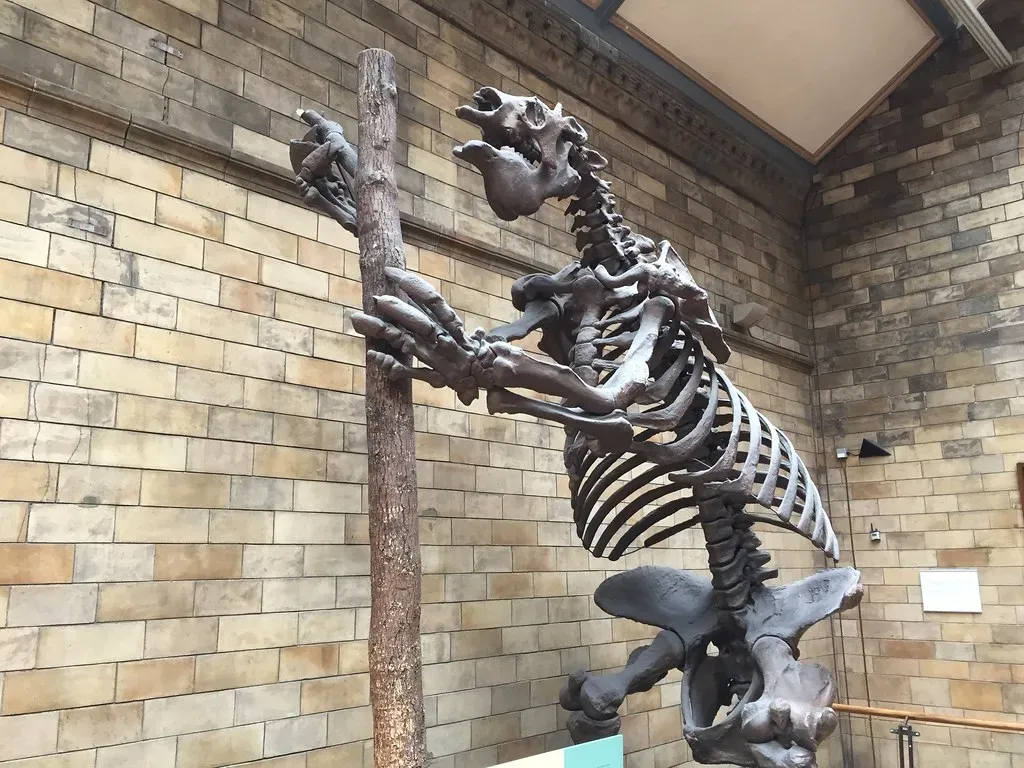
Sloths conjure images of slow, sleepy creatures dangling from tree branches, which makes Megatherium americanum one of the more jarring entries in the Ice Age lineup. This ground sloth had a total body length of around 6 meters, and volumetric analysis suggests a full grown adult weighed around 3,700 to 4,000 kilograms, comparable to an Asian elephant. It lived across South America, sharing its landscape with glyptodonts, saber-toothed cats, and giant armadillo relatives.
What really separates Megatherium from a typical heavyweight herbivore is what it could do with that mass. It weighed as much as four metric tons, and when it reared onto its hind legs, it stood taller than a modern elephant. Its thick tail acted almost like a tripod leg, letting it balance upright while using enormous claws to pull down branches, a posture that would have made it look less like a lazy tree dweller and more like a standing bear with the mass of a small truck.
The Giant Short-Faced Bear: A Carnivore Built Like A Skyscraper
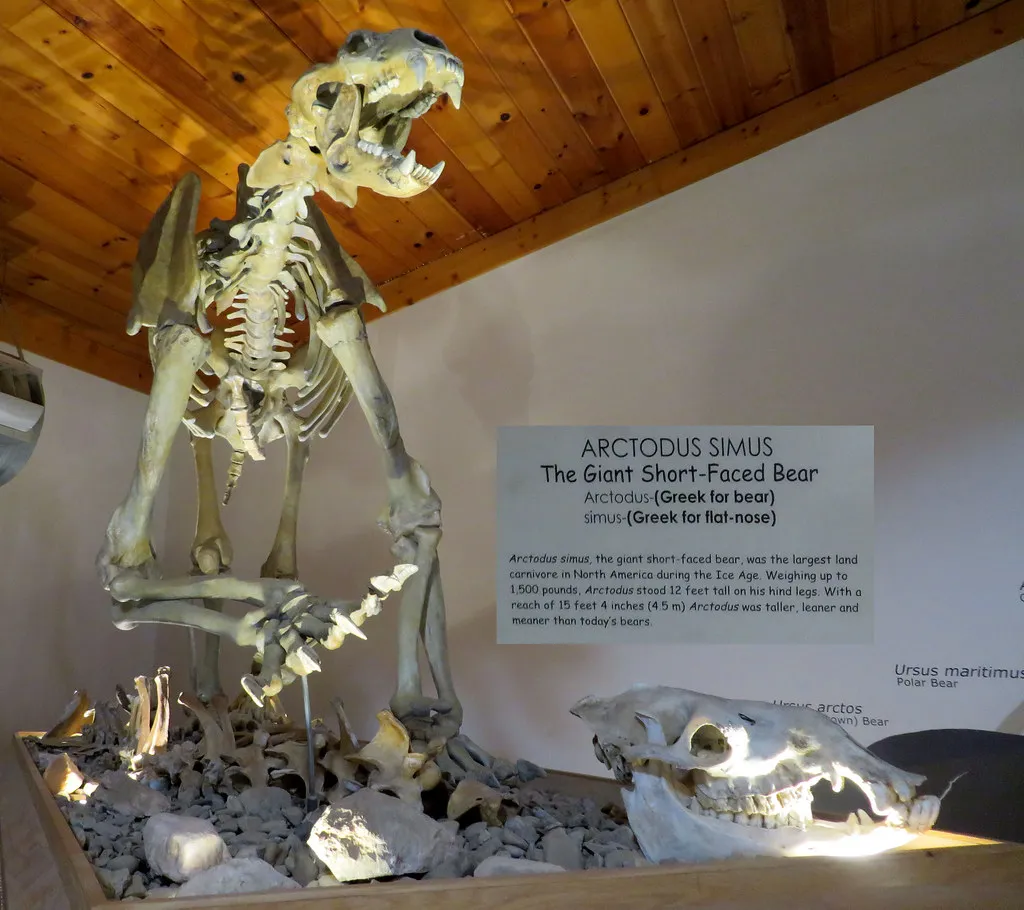
Not every giant on this list was a plant eater. The giant short-faced bear, Arctodus simus, roamed North America for over a million years and is still considered one of the largest land carnivores the continent has ever produced. Adult A. simus ranged between 300 and 950 kilograms, with females clustering at 500 kilograms or less and males around 800 kilograms, and the largest males stood at 1.67 meters at the shoulder and up to 3.4 meters tall on their rear legs.
Museum researchers who have studied its remains describe it in blunt terms. It was the largest mammalian land carnivore ever to live in North America, reaching heights of over 11 feet when standing upright. An animal that size on its hind legs would have towered well above a person, and well above most modern bears too, making the grizzly look almost gentle by comparison.
The Woolly Rhinoceros: An Armored Tank Built For The Tundra
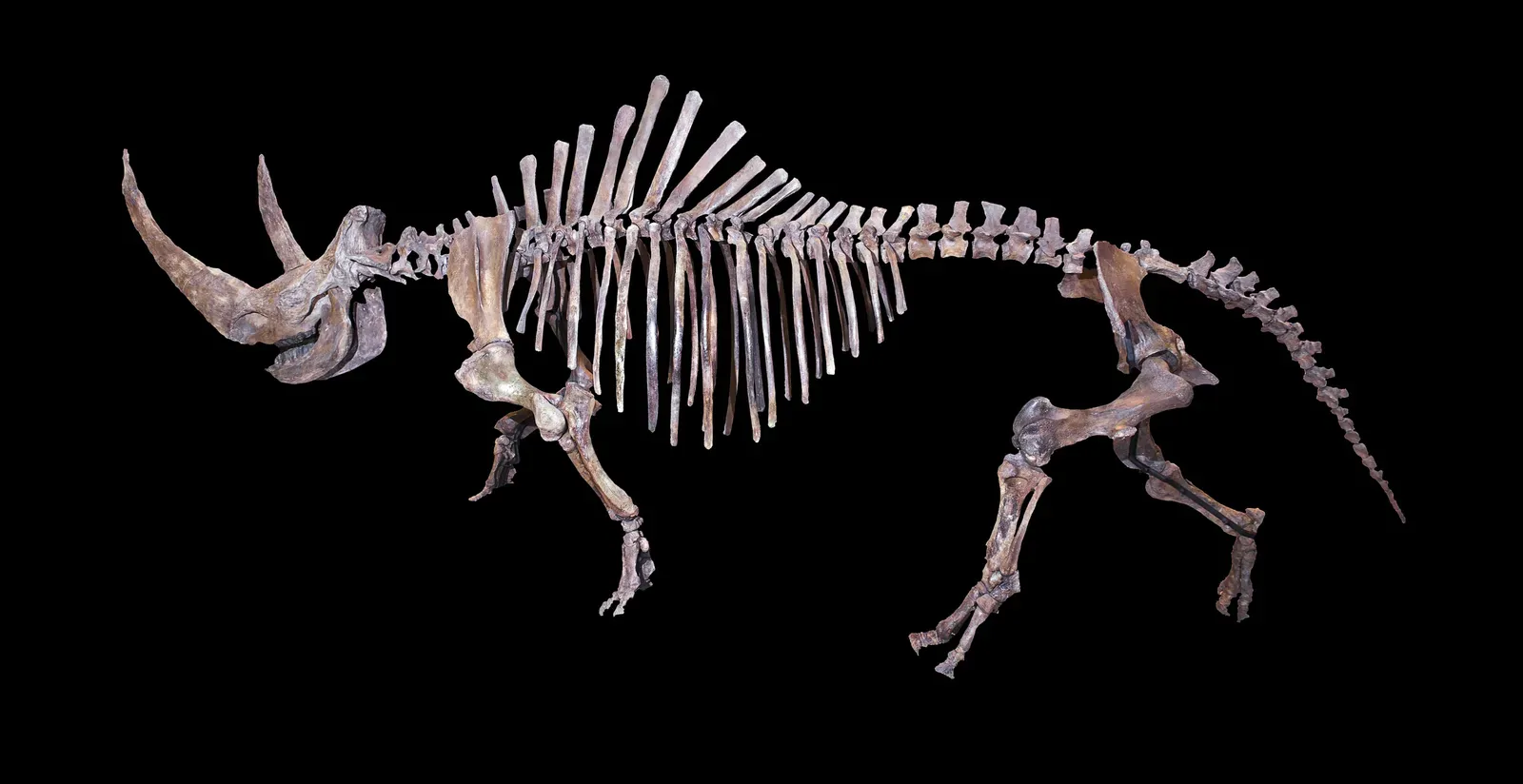
While mammoths get most of the attention, the woolly rhinoceros shared the same frozen grasslands and was no less imposing in its own way. The woolly rhinoceros was large, comparable in size to the largest living rhinoceros species, the white rhinoceros, and was covered with long, thick hair that allowed it to survive in the extremely cold, harsh mammoth steppe. That alone makes it one of the biggest land mammals of its era, cold weather coat included.
Estimates of its actual dimensions vary depending on the specimen, but they consistently point to a genuinely massive animal. Fossils indicate that the woolly rhinoceros was about 3.0 to 3.8 meters in length, with a height of two meters at the shoulder, and a weight of up to three tons. Frozen carcasses recovered from Siberian permafrost have preserved enough hair and tissue to confirm what cave paintings from tens of thousands of years ago already suggested, a heavily built, horned animal that ice age hunters clearly found worth depicting.
What The Giants Left Behind
Looking back at all of this, the thing that strikes me most isn’t the raw tonnage, it’s how casually most people underestimate how recent and how strange this world was. These weren’t creatures from some distant, unknowable past. Some of them were still alive when the pyramids were being planned. That is not ancient history in the way we usually imagine it, and I think that detail gets lost too easily.
There is also something almost humbling in realizing that the elephant, the animal we treat as the gold standard of land mammal size, was frequently the smaller option in its own ecosystem. It makes the extinction of these species feel less like a footnote and more like a genuine loss of scale in the natural world, one we have never really gotten back. Whatever caused their disappearance, whether climate shifts, human hunting, or some combination of both, the result is a planet that quietly shrank, and most of us never noticed the difference.