
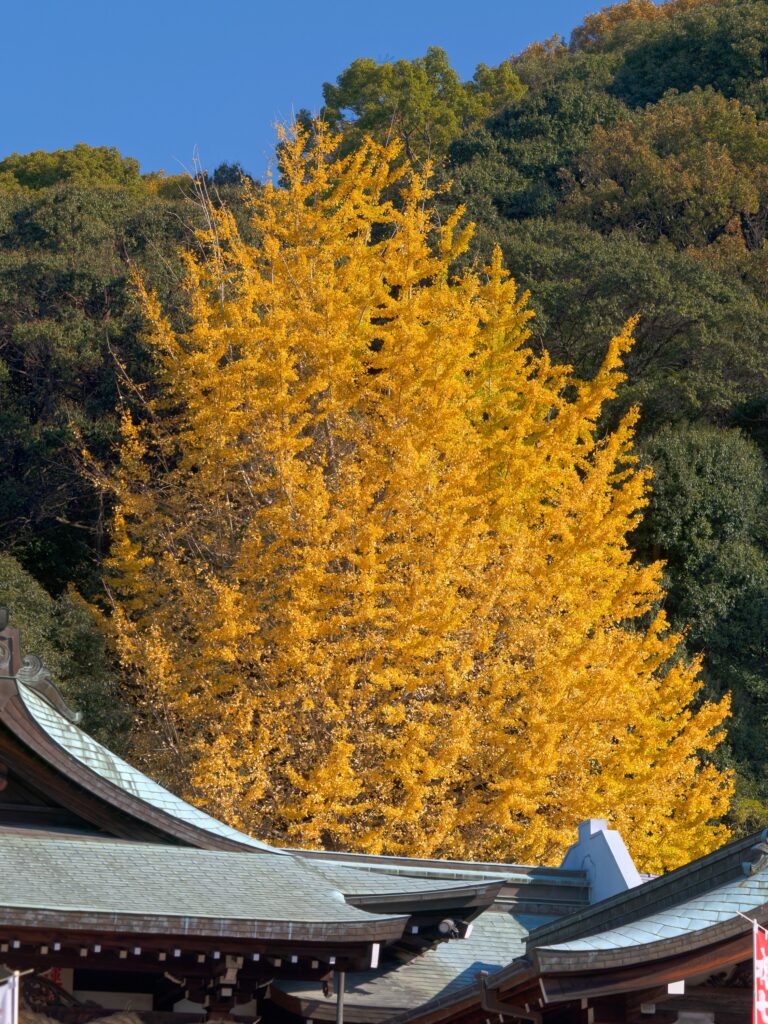
Walk down almost any city street in autumn and you have probably passed one without noticing anything unusual about it. Its fan shaped leaves turn a brilliant gold before dropping all at once, carpeting sidewalks in a single golden wave. What most people walking past do not realize is that this ordinary looking street tree carries a biological story stretching back further than almost anything else alive on Earth today.
A Tree That Grew Alongside the First Dinosaurs
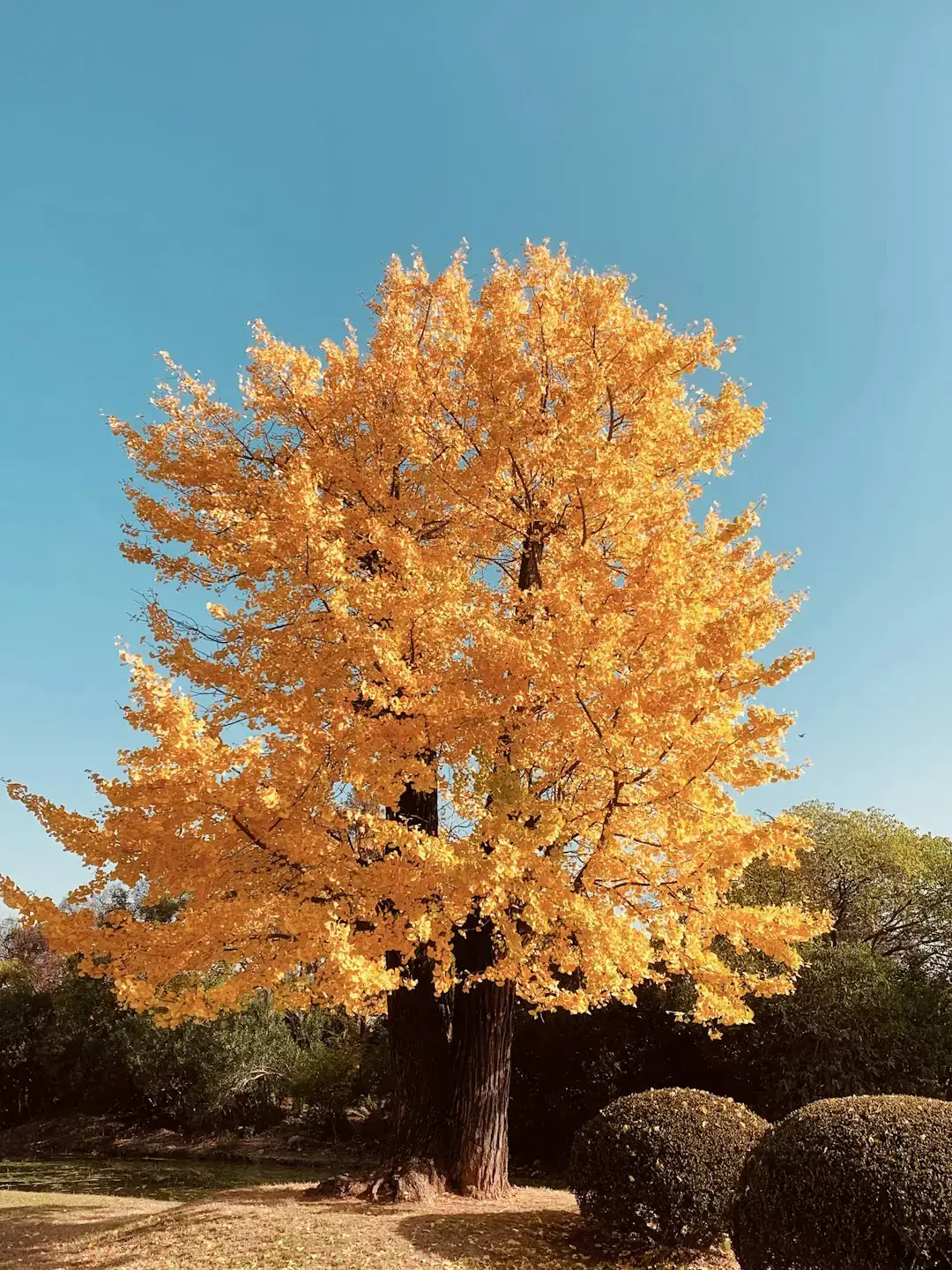
Long before mammals ruled anything, before flowers existed, and long before the first bird ever took flight, ginkgo trees were already spreading their fan shaped leaves across ancient floodplains. Fossils similar to the living species, belonging to the genus Ginkgo, extend back to the Middle Jurassic epoch about 170 million years ago. That places the tree squarely in the world of Stegosaurus and early sauropods, long before Tyrannosaurus rex ever appeared.
The order it belongs to stretches back even further. The order to which the genus belongs, Ginkgoales, first appeared in the Permian, 270 million years ago, and Ginkgo is now the only living genus within the order. Everything else in that once diverse family, dozens of related species that dominated ancient forests, has long since vanished, leaving Ginkgo biloba as the sole survivor of an entire evolutionary branch.
Leaves That Look the Same as They Did in the Jurassic
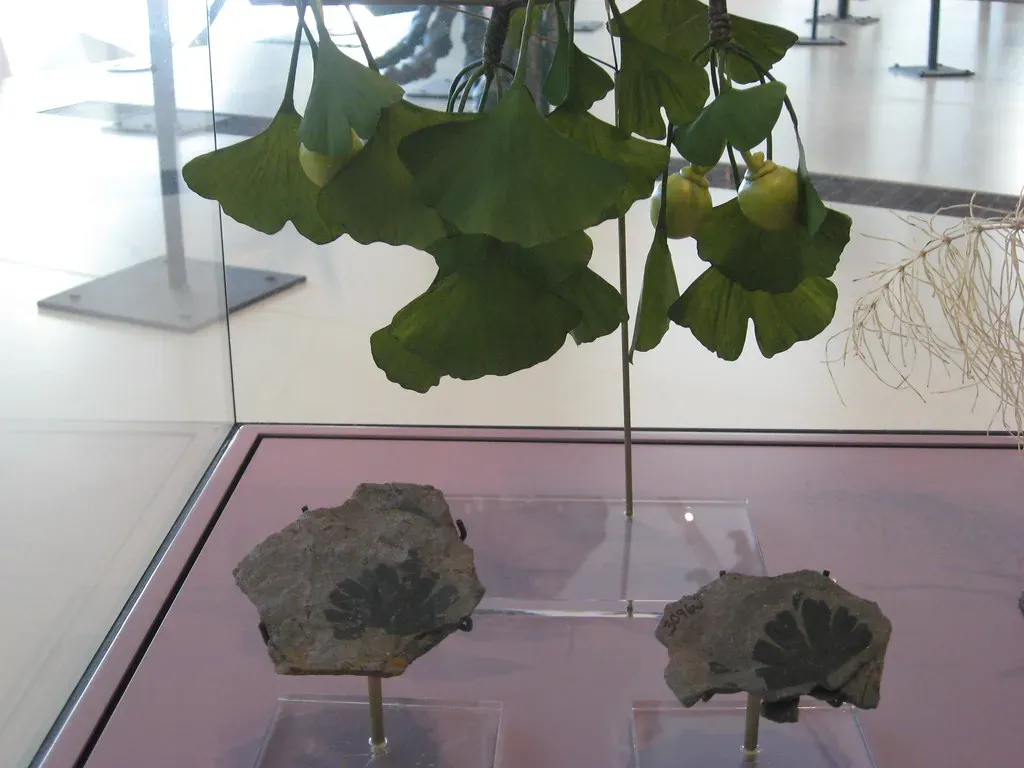
What makes ginkgo genuinely strange is not just that it survived, but how little it appears to have changed while doing so. Fossils of ginkgo leaves have been discovered that date back more than 200 million years, and they are almost identical to maidenhair tree leaves of today. Paleobotanists who study these fossil impressions can hold up a leaf shed millions of years ago next to one that fell last October and see barely any structural difference.
This pattern is what scientists call morphological stasis, and ginkgo is one of the textbook examples of it. The ginkgo tree is an enigmatic living fossil, characterized by morphological stasis with almost no morphological change for at least 200 million years. Few other organisms on the planet offer such a direct visual link between the present and the deep past.
What the Genome Actually Reveals
Fossils tell one part of the story, but modern genome sequencing tells another, and it is more nuanced than the popular idea of a tree frozen in amber. Researchers who resequenced hundreds of ginkgo genomes from populations around the world found a species shaped by repeated cycles of near collapse and recovery rather than one that simply stood still. Living fossils provide excellent opportunities to study evolutionary questions related to extinction, competition, and adaptation, and by resequencing 545 genomes of ginkgo trees sampled from 51 populations across the world, researchers identified three refugia in China and detected multiple cycles of population expansion and reduction.
At the genetic level, ginkgo does mutate, just extremely slowly compared to most other plants. The rate of evolution within the genus has been slow, and almost all its species had become extinct by the end of the Pliocene. So the tree is not literally frozen in genetic time, but it changes at a pace so gradual that its outward form has barely budged across geological ages that reshaped nearly everything else around it.
Why Evolution Seemed to Give Up on Changing This Tree
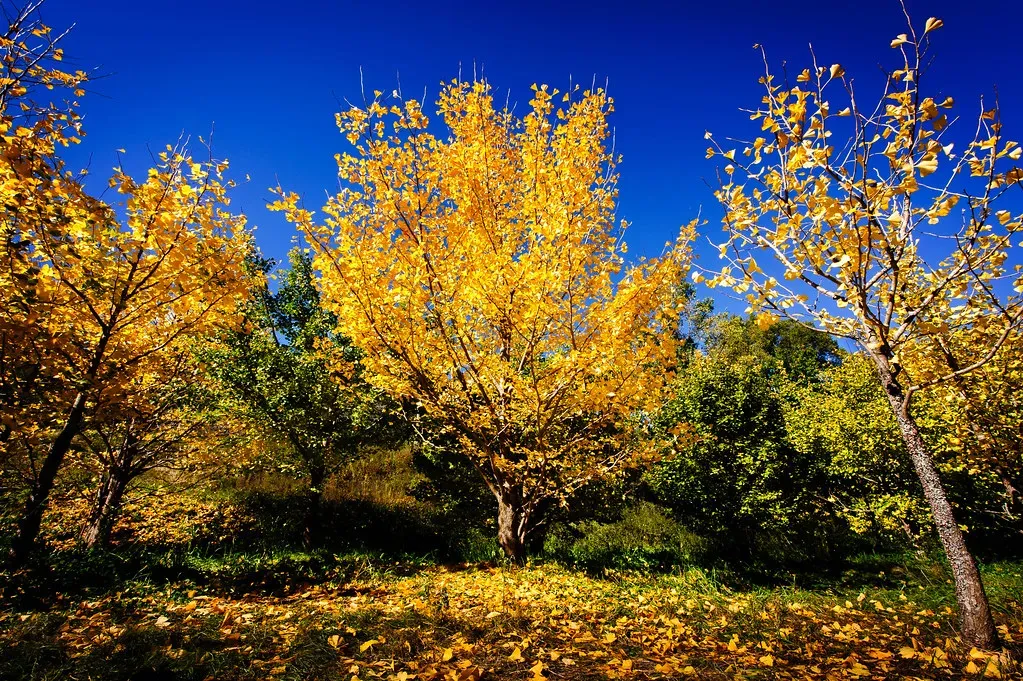
Biologists have spent decades trying to explain why ginkgo simply never needed to change much. Part of the answer lies in its extraordinary resilience to the threats that reshape most other species. It appears that the longevity of this tree and its long reproductive period are at least partially responsible for the persistence of the species, and its unusual resistance to pests such as insects, bacteria, viruses, and fungi is believed to account in part for the longevity of the trees and, in turn, the longevity of the species.
There is also something unusual about how ginkgo fits into its environment, almost as if it found an ecological loophole other plants never discovered. Given the slow rate of evolution of the genus, Ginkgo possibly represents a pre-angiosperm strategy for survival in disturbed streamside environments, having evolved in an era before flowering plants, when ferns, cycads, and cycadeoids dominated such landscapes. With few natural predators and a niche that rarely disappeared entirely, there was simply less evolutionary pressure pushing the tree to transform into something else.
Nearly Extinct, Then Rescued by People
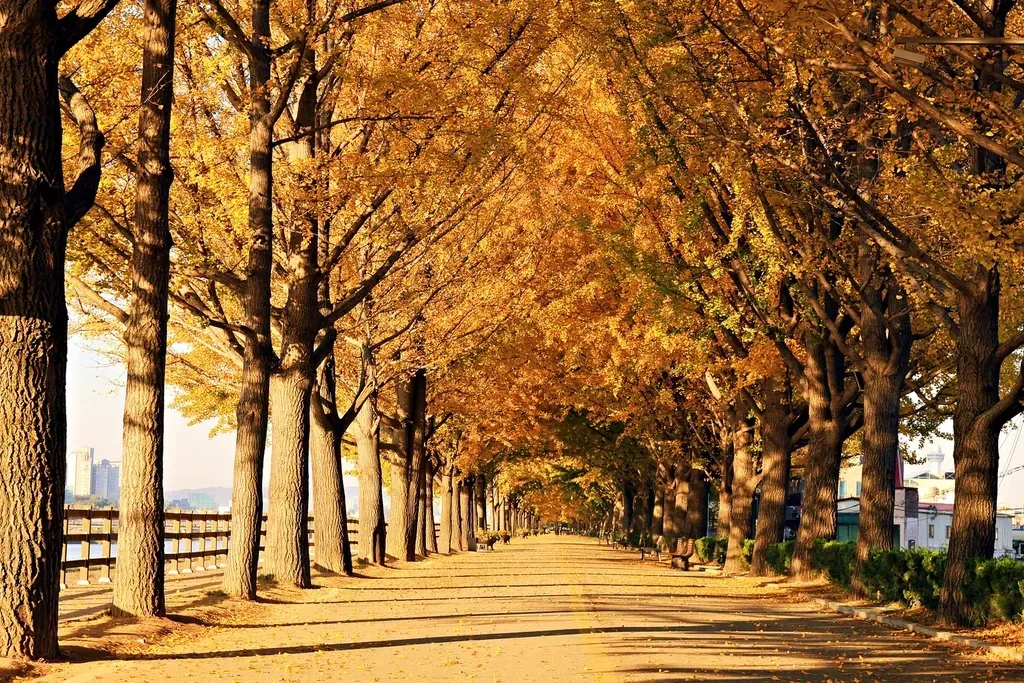
For all its ancient toughness, ginkgo came remarkably close to disappearing altogether. By the time humans started paying attention to it, wild populations had dwindled dramatically, likely squeezed by ice age climate shifts and competition from newer plant groups. Ginkgo biloba is one of the oldest living plants and a fascinating example of how people have saved a species from extinction and assisted its resurgence.
What kept the species going was not luck alone but deliberate human cultivation stretching back centuries in East Asia. Researchers demonstrate multiple anthropogenic introductions of ginkgo from eastern China into different continents. Monks, gardeners, and later botanists planted ginkgo in temple courtyards and city parks long before anyone understood its genetic history, effectively becoming the tree’s unwitting conservationists.
A Tree That Shrugs Off Bombs, Pollution, and Old Age
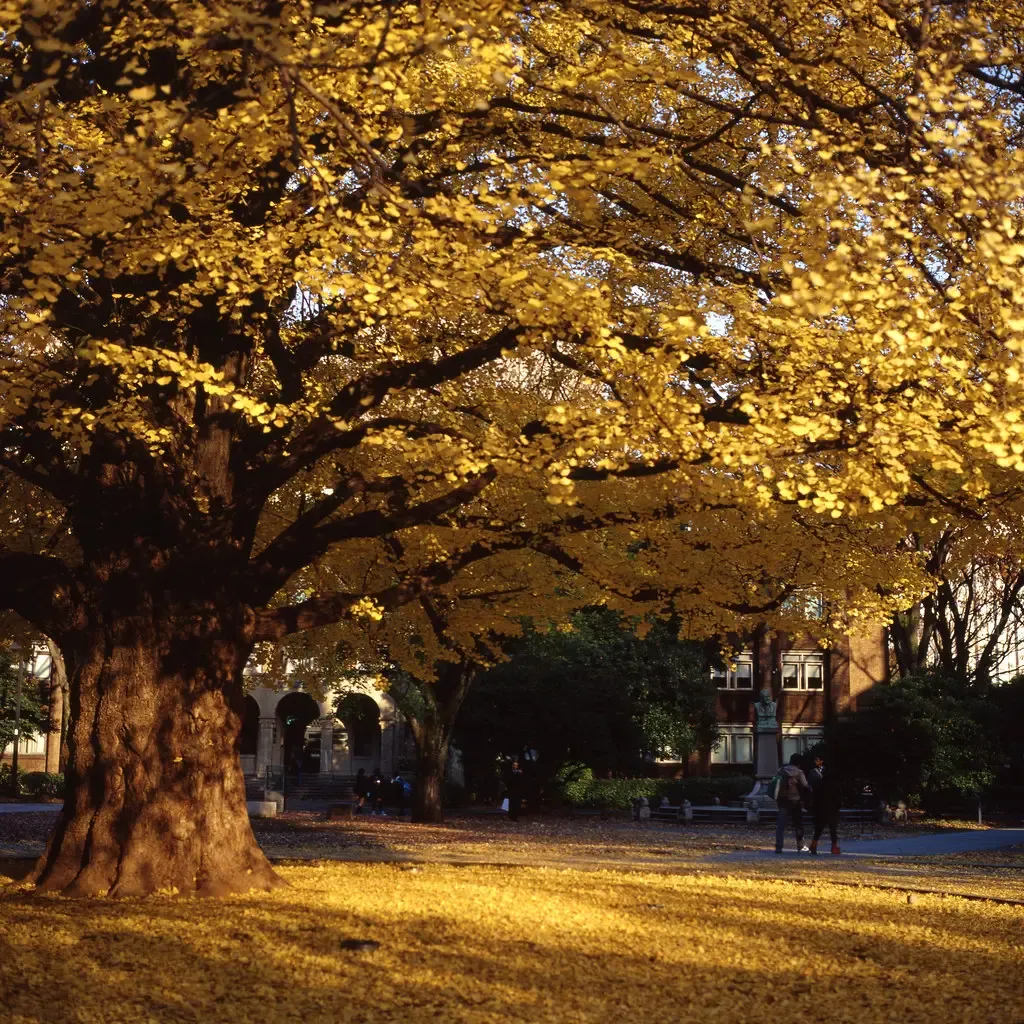
Some of ginkgo’s most striking survival stories come not from deep time but from the last century. After the nuclear bomb was detonated in Hiroshima, ginkgo trees were among the first plants to re-grow and were free of signs of genetic mutation. Several of those Hiroshima ginkgos are still standing today, tended as living memorials near the blast site.
Recent studies on aging have turned up something almost as surprising. A 2020 study in China of ginkgo trees up to 667 years old showed little effect of aging, finding that the trees continued to grow with age and displayed no genetic evidence of senescence, continuing to make phytochemicals as effectively as younger trees. Combined with a 1,400 year old specimen still thriving at a Buddhist temple near Xi’an, said to have been planted by the Emperor Li Shimin, the founding father of the Tang Dynasty, the evidence suggests this tree does not really age in the way most living things do.
Conclusion: A Reminder That Not Everything Needs to Change
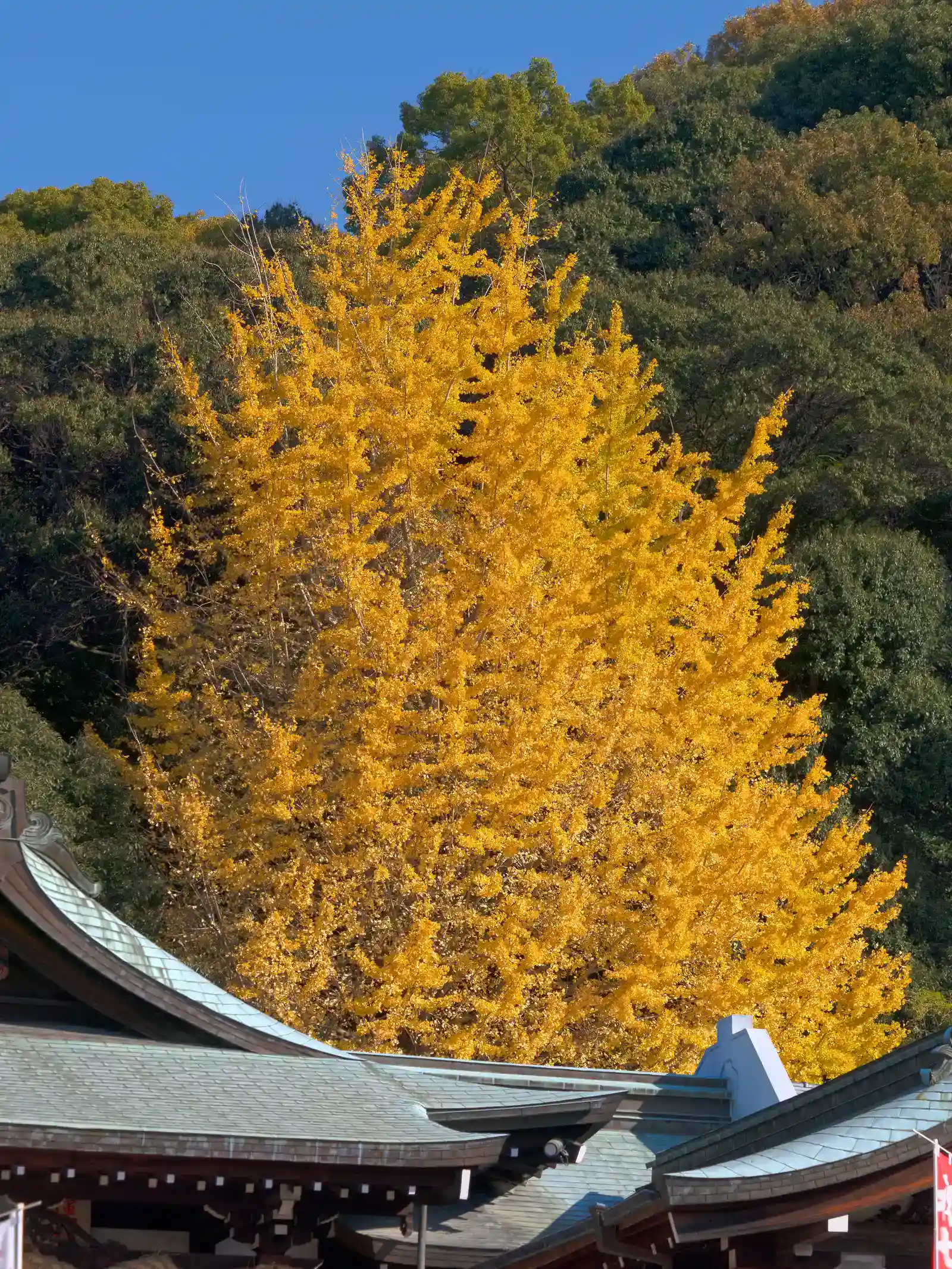
There is something quietly humbling about a tree that has outlasted continents drifting apart, ice ages coming and going, and the entire reign and extinction of the dinosaurs, all without needing to reinvent itself. Modern culture tends to treat constant change as proof of progress, yet ginkgo makes a fairly convincing case that stability, resilience, and stubborn simplicity can be just as powerful a survival strategy as rapid adaptation.
I find that oddly reassuring rather than boring. In a world obsessed with disruption and reinvention, the ginkgo growing on a city sidewalk today, indifferent to traffic, pollution, and the passage of millennia, offers a quiet counterpoint: sometimes the smartest evolutionary move is knowing when not to change at all.