Picture Antarctica, and you probably see a white desert: howling winds, endless ice, maybe a penguin or two waddling across a frozen wasteland. Now flip that image on its head and imagine steamy swamps, towering trees, and rivers meandering through green valleys where dinosaurs roamed. It sounds like pure science fiction, but it is one of the most startling scientific truths of our time.
As drills bite through ice and rock cores are hauled up from far below the surface, fossils and chemical clues are exposing a lost world buried under kilometers of ice. This ancient green Antarctica is forcing scientists to rewrite everything from continental history to climate models for our future. And the deeper teams look, the more uncomfortable questions they are asking about what a warming planet is truly capable of.
From frozen desert to fossil jungle: the shocking new picture of Antarctica
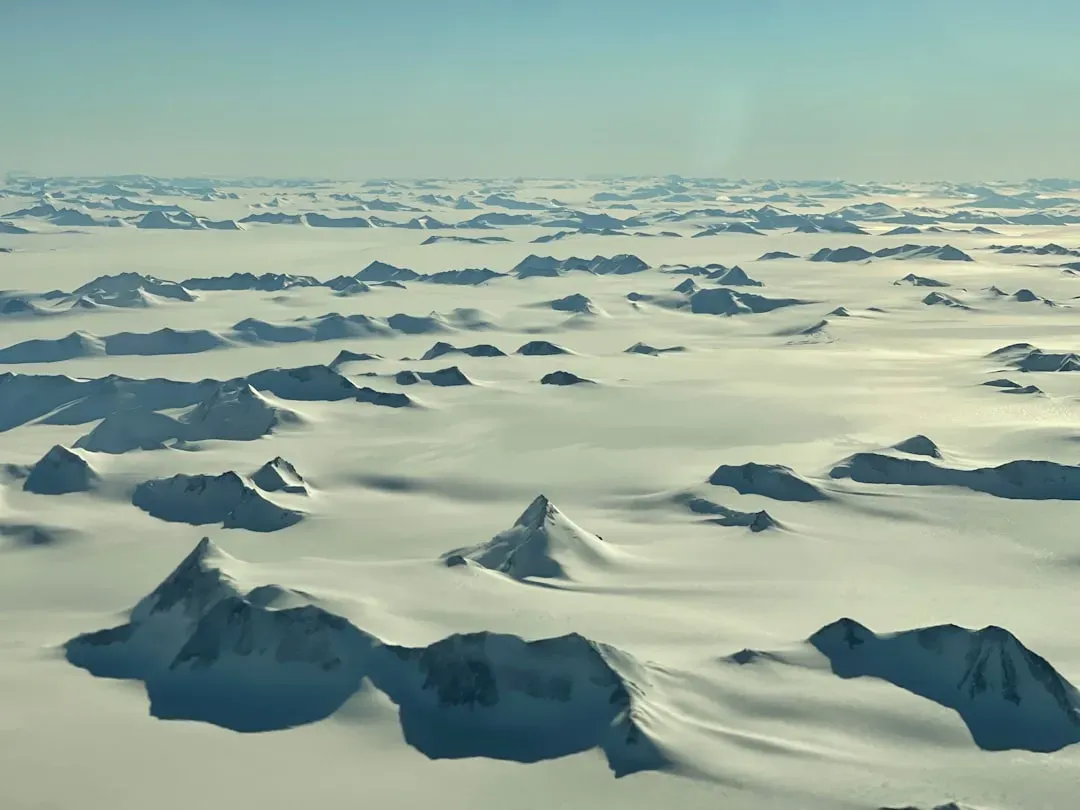
It is hard to overstate how shocking it is to find traces of dense forests in a place that today is the coldest, driest continent on Earth. Yet cores drilled from West Antarctica and the Transantarctic Mountains have revealed fossil roots, spores, and bits of ancient wood that belong more in a temperate rainforest than on an ice sheet. These remains are not vague hints; they are detailed snapshots of vanished ecosystems that once thrived near the poles.
What makes this even more striking is how far south some of these ancient forests grew, in regions that today spend months in winter darkness. Instead of lifeless ice, there were coastal plains with river systems, wetlands, and lush forests adapted to extreme seasonal light. When you stand on a modern Antarctic ice field and imagine all of that under your feet, it feels like discovering that the Moon once had beaches and palm trees.
When Antarctica was green: a timeline of ancient climates
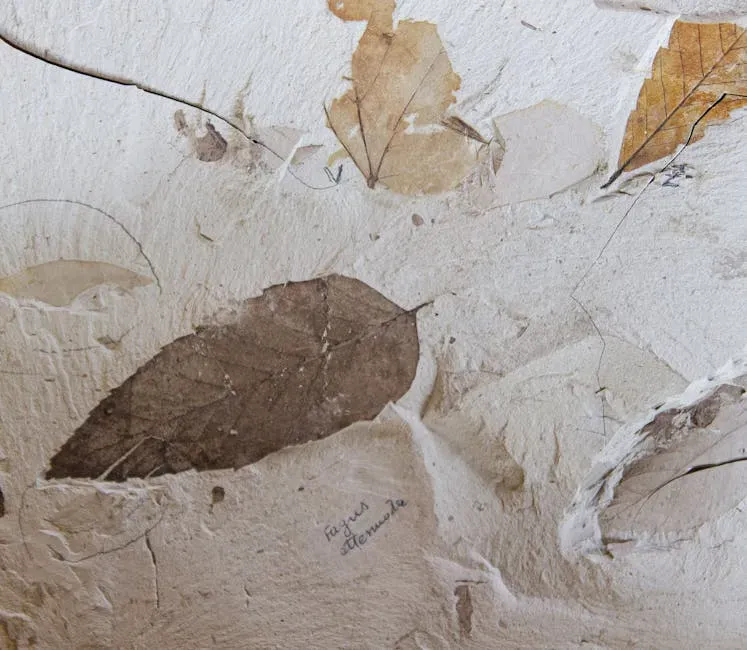
Antarctica has not always been frozen; in fact, for much of Earth’s history, it was part of a much warmer world. During the late Cretaceous, when dinosaurs were still dominant, the continent sat further north and was linked to other landmasses, wrapped in a relatively mild, greenhouse climate. Fossils from that time show conifer forests and flowering plants living in conditions more like modern New Zealand than today’s Antarctic Plateau.
Even tens of millions of years after the dinosaurs disappeared, during the early Eocene, Antarctica still supported dense, moist forests, with temperatures in some coastal areas closer to those of modern temperate regions. Only later, as global climate cooled and Antarctica drifted into a more isolated polar position, did permanent ice sheets begin to form. The story is not a simple switch from green to white; it is a slow, stepwise transformation that tracks the planet’s long slide from greenhouse to icehouse.
The forests under the ice: what the fossils actually show
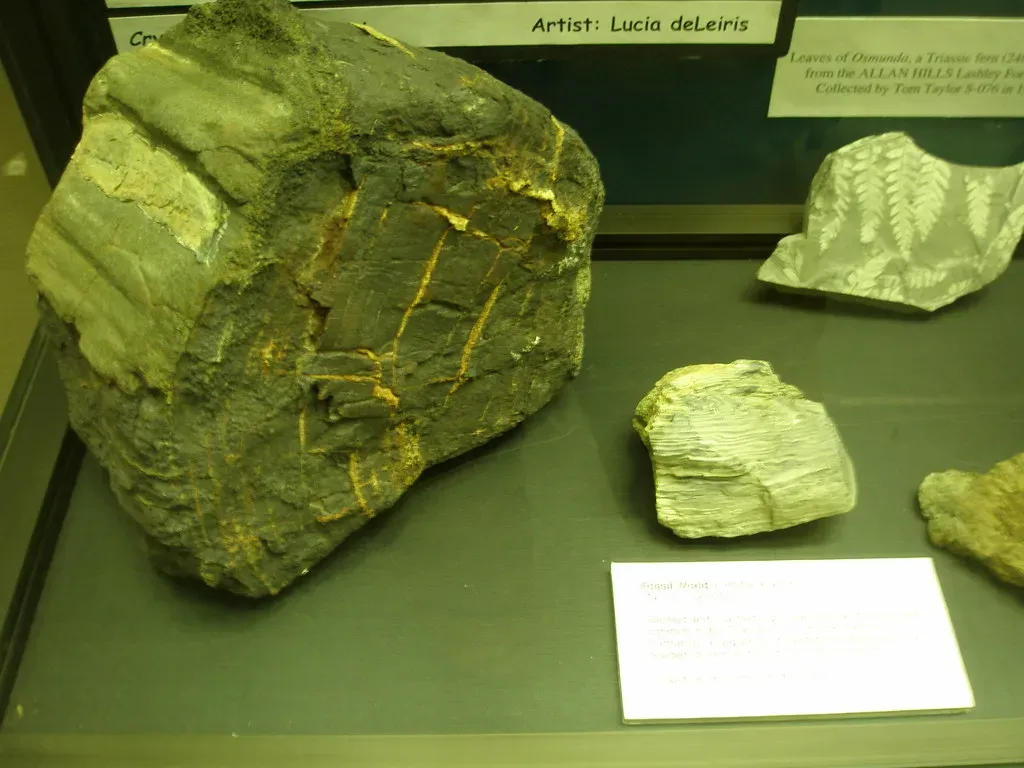
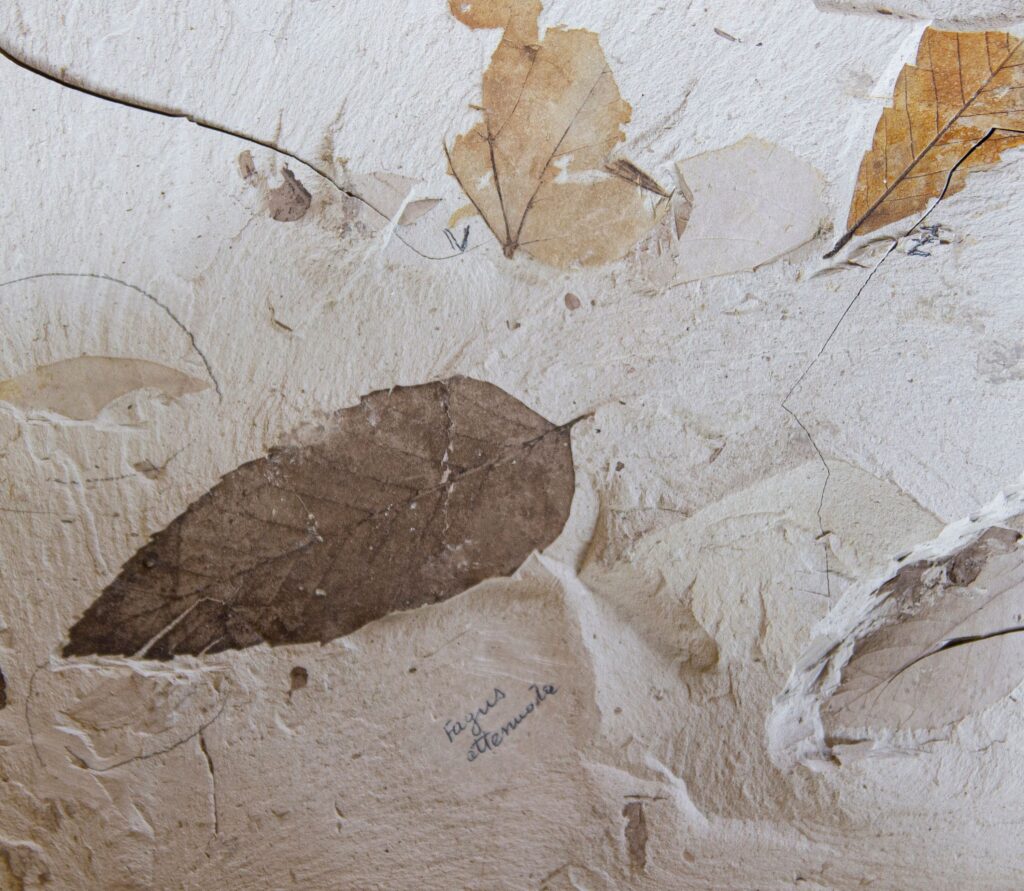
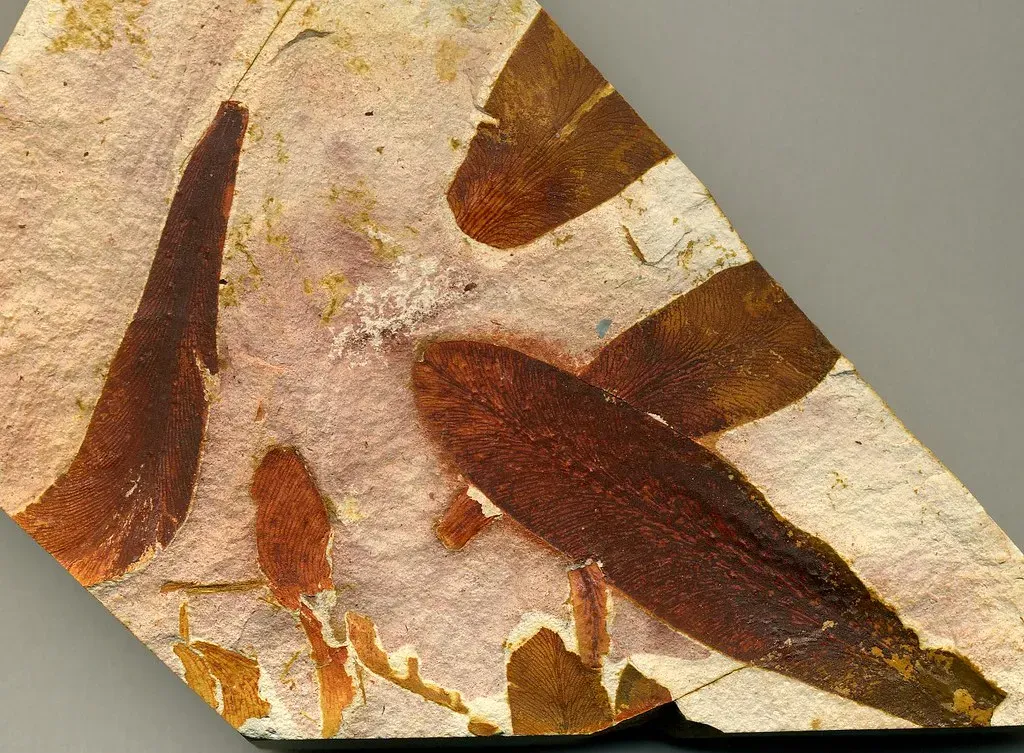
So what exactly are scientists finding under all that ice? In some drill cores, there are fossilized root systems still in the soil where they once grew, along with pollen grains and spores preserved like microscopic time capsules. These tiny fossils reveal that Antarctica’s ancient forests included a mix of conifers, ferns, mosses, and early flowering plants that were able to withstand long periods of darkness yet flourish under intense summer light.
In other sites, petrified wood, leaf impressions, and coal seams point to thick, water‑logged forests that built up organic matter over long periods. The structure of the wood and the types of spores suggest densely packed, swampy forests somewhat similar to modern temperate rainforests or peat-forming wetlands. When you piece together these clues, you get not just isolated trees, but entire forested landscapes, packed with life where ice now dominates.
Life in the polar twilight: how plants and animals adapted
One of the most intriguing puzzles is how plants survived months of darkness near the South Pole. Fossil tree rings and leaf structures suggest that many Antarctic plants grew slowly but steadily, with adaptations to handle long winters and brief, intense summers. Instead of the sharp annual growth rings we see in many modern trees, some Antarctic fossils show patterns consistent with continuous but seasonal growth, hinting at a rhythm tuned to extreme light cycles rather than temperature swings alone.
These ancient forests did not exist in isolation; they were habitats for diverse animal communities. Although the fossil record is still patchy, remains of dinosaurs, early mammals, and marine reptiles show that complex food webs once wrapped around Antarctica’s river valleys and coastal environments. I find it strangely moving to think that creatures walked, hunted, and nested in places that are now buried beneath ice thicker than city skyscrapers are tall.
How continents drift and climates flip: Antarctica’s slow-motion journey
To really understand how all this was possible, you have to zoom out and look at plate tectonics and long-term climate change. Antarctica was once part of the southern supercontinent Gondwana, connected to what is now South America, Africa, India, and Australia. As these landmasses slowly drifted apart, Antarctica migrated closer to the South Pole and became increasingly isolated by ocean currents.
That isolation was a turning point. As the Southern Ocean wrapped around the continent, a powerful circulation developed that effectively walled off Antarctica from warmer waters, helping to lock in colder conditions. Combined with a gradual fall in global carbon dioxide levels over millions of years, this shift encouraged ice sheets to take hold and expand. The green forests did not vanish overnight; they were squeezed and fragmented as climate and geography conspired to turn a temperate land into a frozen fortress.
Why these discoveries are rewriting climate science
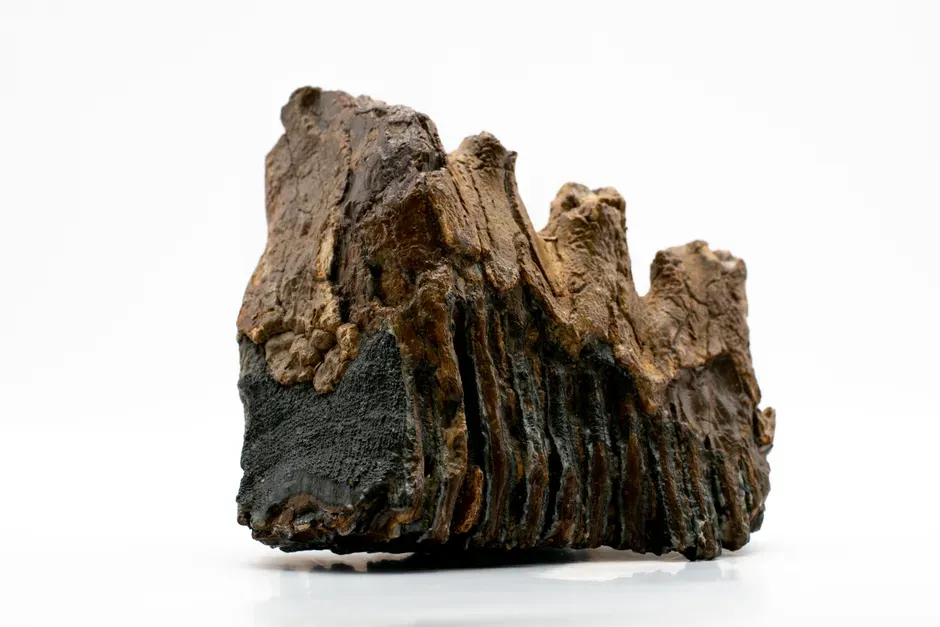
The fossils under Antarctica are not just historical curiosities; they are hard evidence that Earth’s climate system can be far warmer at the poles than many people imagine. By analyzing the chemistry of ancient soils, plant remains, and marine sediments, scientists can estimate past temperatures and carbon dioxide levels. In several periods, the data point to polar regions that were ice‑free, forested, and much warmer, even while the planet still supported complex life.
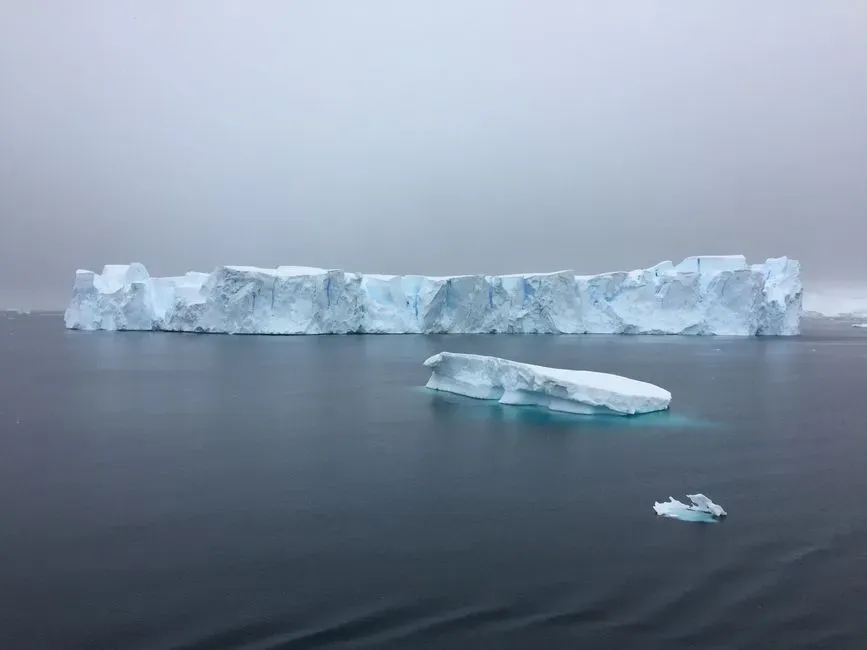
This matters now because our current rise in greenhouse gases is rapidly pushing the climate toward ranges that echo some of those ancient greenhouse intervals. If Antarctica once hosted forests where we now see ice cliffs, then the threshold for losing large parts of the ice sheet may be lower than many would like to believe. The fossils are a blunt reminder that ice sheets are not eternal; they are dynamic, and they can retreat dramatically when the climate crosses certain tipping points.
Antarctica’s buried past and our uneasy future
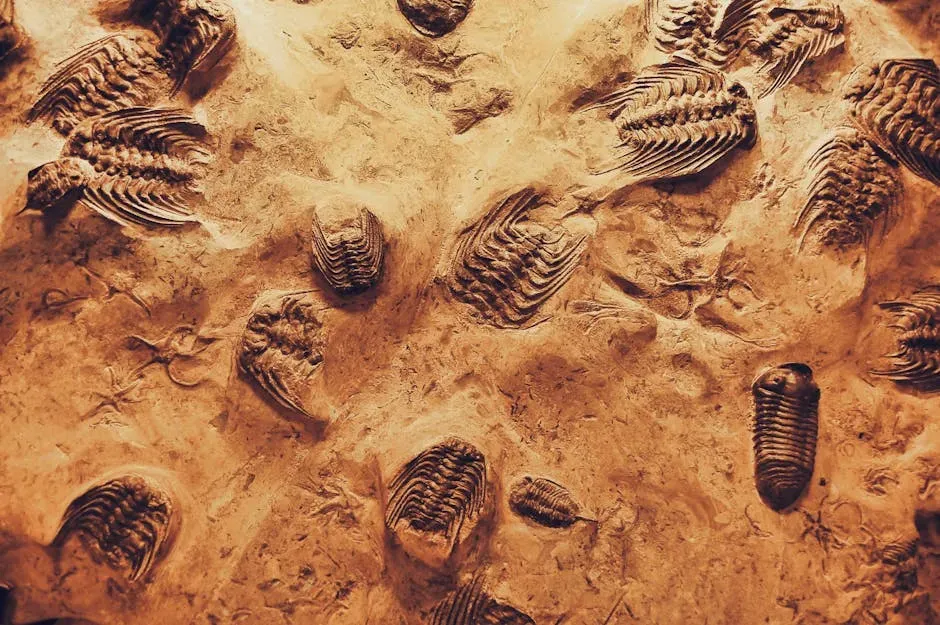
It is tempting to look at green Antarctica and think, almost casually, that the planet has been warmer before, so maybe we should not worry as much. I think that view misses the point. Yes, Earth has survived much hotter climates, but human societies, coastal cities, and modern infrastructure did not exist during those ancient warm periods. The timeline of natural change back then stretched over millions of years; today we are forcing similar levels of warming on the system over just a few human generations.
To me, the most unsettling thing about these Antarctic fossils is not that forests once grew at the South Pole; it is how easily the planet seems able to flip between icy and green states when enough heat is added. The lush prehistoric forests under the ice are not a comforting story about nature’s resilience, they are a warning label about what a greenhouse world really looks like. As we keep drilling deeper into Antarctica’s past, the real question is whether we are willing to learn from those buried forests – or whether we will wait until rising seas and collapsing ice shelves force the lesson on us anyway. What kind of Antarctica do you think future generations will inherit?