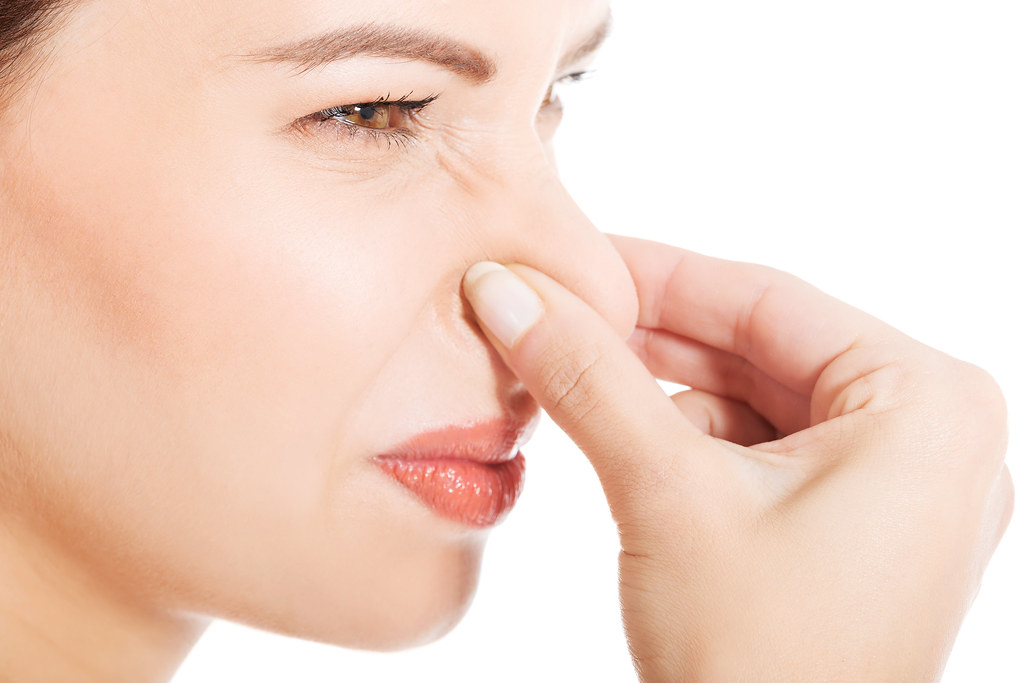
If you have ever walked past a trash bin in summer and recoiled before you could even think about why, you’ve just experienced one of the oldest alarm systems in your brain. That instant wave of disgust at the smell of rot feels automatic because, in a very real sense, it is. Long before humans built cities, wrote stories, or invented medicine, our ancestors relied on this snap reaction to avoid invisible threats that could kill them days later.
What makes this especially fascinating is that smell, which a lot of people casually rank as a “less important” sense, is actually wired deeply into the emotional and survival centers of the mammalian brain. The scent of decay is not just “gross”; it is a chemical warning that bypasses slow, deliberate thinking and flips a set of very old switches. The more scientists study the prehistoric roots of this response, the clearer it becomes that your nose is running a quiet, ancient safety protocol in the background every single day.
The prehistoric world that shaped our disgust for decay
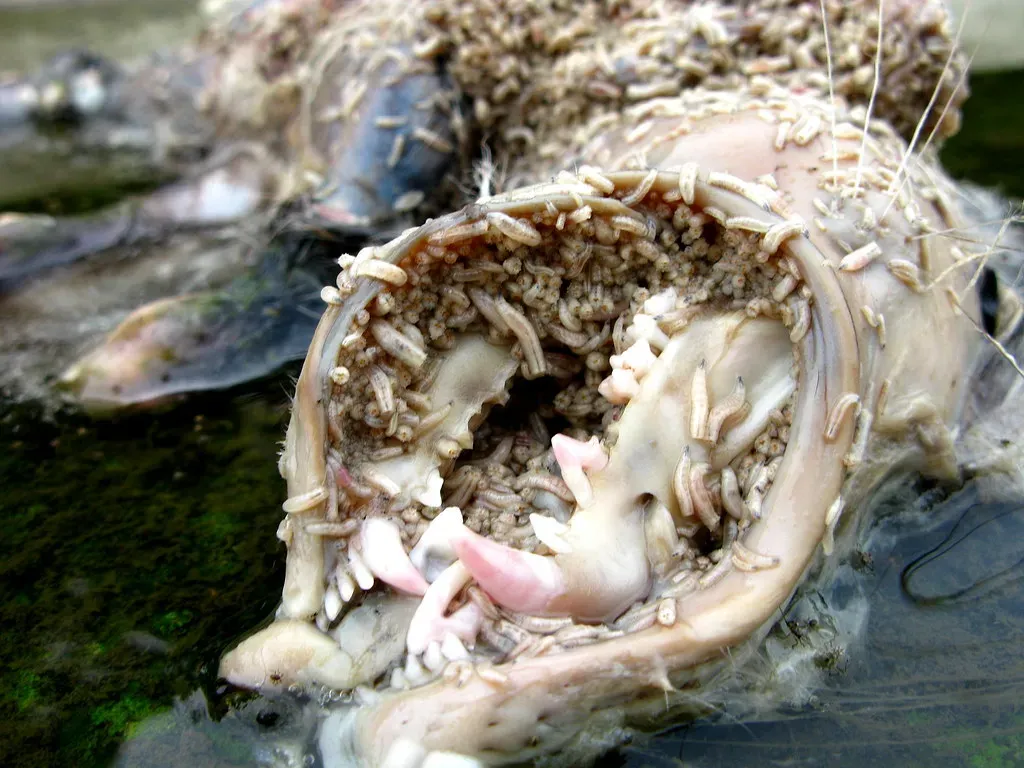
Imagine living hundreds of thousands of years ago, without refrigeration, antibiotics, or even a basic understanding of germs. If you ate meat that smelled even slightly off, or slept where decomposing animals attracted insects, that decision could lead to infection, severe illness, or death. In that harsh environment, being repulsed by the smell of decay was not about having a sensitive stomach; it was a matter of whether your genes made it into the next generation.
Over countless lifetimes, individuals who instinctively avoided rotting carcasses, spoiled food, and stagnant, foul-smelling water were more likely to survive and raise children. Those children inherited the same hyper-alert sensory wiring. While we now wrap our trash in plastic and toss expired food in sealed bins, the brain circuits that evolved in this dangerous prehistoric setting still operate inside us. The modern world looks different, but the ancient logic underneath our disgust has barely changed.
How smell shortcuts the brain’s normal decision-making routes

One of the most striking things about the smell of decay is how fast it hits you. You do not stand there and calmly evaluate it like a wine tasting; your body has often already recoiled, your face has tightened, and your stomach may turn before your inner voice can form the thought, “That’s disgusting.” This speed is not an accident. The neural wiring of smell takes a more direct path to areas of the brain involved in emotion and survival decisions, especially structures like the amygdala and related limbic regions.
Unlike vision and hearing, which usually pass through more processing steps in the brain’s “relay center” before being interpreted, smell is routed with fewer detours. That shortcut means signals associated with potential danger, such as decay, can trigger defensive reactions in fractions of a second. In evolutionary terms, any delay in deciding whether something might be toxic or infectious could be costly. Our disgust response acts almost like a reflexive slap away from a hot stove, except here the trigger is a cloud of molecules drifting through the air.
The chemistry of rot: invisible warnings in the air
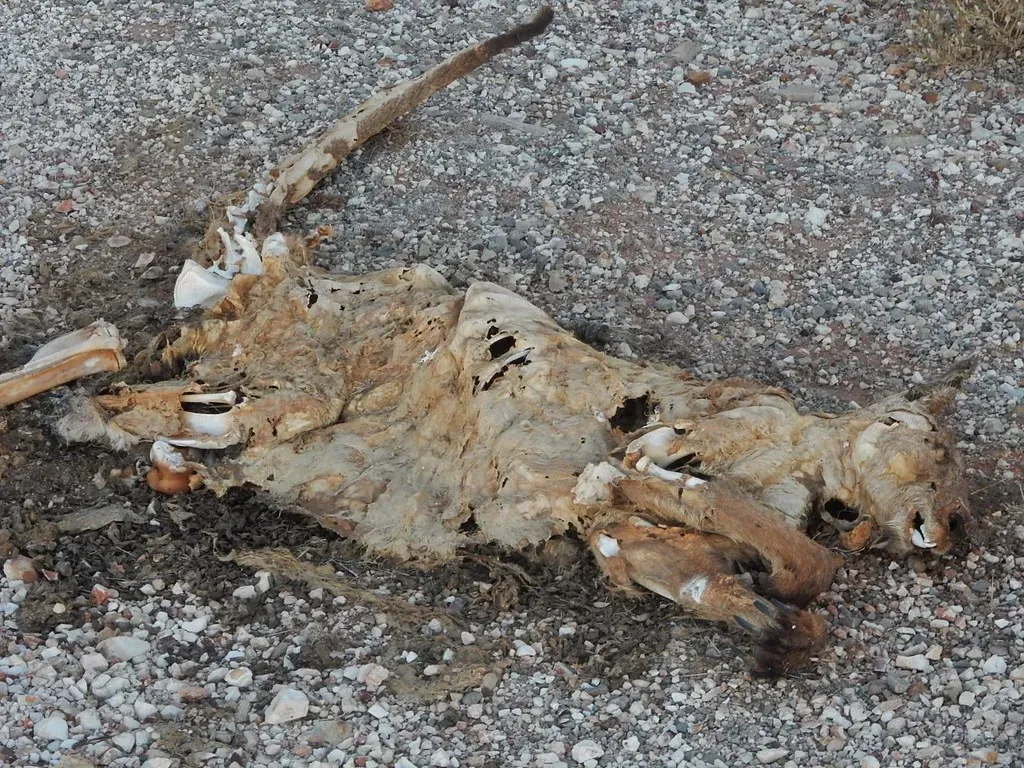
Behind that gut-level reaction to decay is a complex chemical cocktail released as organic matter breaks down. When tissues decompose, they produce a mix of volatile compounds that easily become airborne. Many of these molecules are rich in nitrogen or sulfur, which often give rise to sharp, putrid, or sickly-sweet odors that humans find deeply unpleasant. We do not need to know the names of these chemicals to respond to them; our noses and brains have quietly learned the pattern through millions of years of natural selection.
Interestingly, not all animals react to these compounds in the same way. Scavengers, for example, have evolved to detect and even seek out these same rotten scents as a guide to food, while most mammals, including humans, interpret them as a warning. That difference underlines how flexible evolution is: the same chemical signals can be tagged as “danger” in one species and “opportunity” in another. In our case, the tag is very firmly labeled “avoid,” and once that label was attached deep in the mammalian brain, it became one of our most reliable early-warning systems.
Disgust as a disease-avoidance system, not just a feeling

We often talk about disgust as if it were just an emotion, in the same category as anger or sadness, but its roots run into the very practical business of disease prevention. Rotting flesh, spoiled food, and decomposing plant matter are all hotspots for harmful bacteria, parasites, and toxins. Long before anyone knew what microbes were, evolution had already built an internal rule for mammals: if it smells like decay, steer clear. The emotional punch of disgust is the brain’s way of making that rule almost impossible to ignore.
This is sometimes called a “behavioral immune system,” because it pushes us to avoid infection sources before they ever enter the body. While the biological immune system deals with threats after they have breached our defenses, the disgust response tries to prevent that breach in the first place. It nudges us to throw away food that smells even slightly questionable, to step around roadkill, and to cover our noses near overflowing trash. That instinctive pullback keeps us healthier on average, even if, in any single moment, we might be “overreacting.”
Why the reaction feels so personal, even when it is ancient

Despite its prehistoric origins, the disgust response to decay feels deeply personal. Some people swear they are more sensitive to bad smells than others, and in many ways they are right. There are individual differences in sensitivity to odor molecules, and past experiences can shape how strongly someone reacts. If you have ever gotten food poisoning from a particular dish, any whiff that reminds you of that experience can become intolerable. The ancient wiring provides the framework, but personal history paints it in your own colors.
At the same time, there is a remarkable cross-cultural consistency in the basic aversion to the odor of decay. People might disagree passionately about the smell of certain cheeses, fermented foods, or spices, but there is a broad shared understanding that the scent of rotting flesh or sour, spoiled food is “wrong” in a fundamental way. It is as if there is an old, shared script in the mammalian brain, and each of us adds our own variations without ever erasing the core message: this smell is trouble.
Modern life, old wiring: when the decay alarm misfires

In our current world, that ancient system sometimes finds itself out of context. We encounter controlled forms of decay, like aged cheese, fermented vegetables, or certain traditional dishes, that deliberately flirt with the edge of rot. Some people learn to reinterpret these smells as interesting or even pleasant, while others never get past the instinctive nose-wrinkle. The original goal of the system was simple survival, but our cultures now play with that boundary, turning what was once a strict warning into a spectrum of acquired tastes.
There are also situations where the decay alarm can be triggered even when there is no real danger. Strong cleaning products, industrial odors, or certain synthetic fragrances can accidentally resemble parts of the chemical pattern associated with rot, leading to nausea or headache. In these cases, our brains are doing their best with the information they have, even if the modern environment no longer matches the conditions that shaped the original system. It is like having a smoke detector that sometimes beeps when you fry onions: annoying, but still better than having no alarm at all.
How understanding this system can change how we see ourselves
Once you recognize that your disgust at the smell of decay is an ancient, automatic survival tool, it is hard to see it as just being “picky” or “dramatic.” Instead, you can see it as one of the quiet ways your brain has your back, constantly scanning for subtle signs of danger. That shift in perspective can be oddly comforting. Even the moment you gag over your fridge leftovers becomes a small reminder that your body is running incredibly old, finely tuned software.
Personally, I find it humbling that something as humble as a bad smell connects me directly to early mammals picking their way through prehistoric landscapes, learning which scents meant life and which meant disease. We tend to think of ourselves as creatures of logic and conscious choice, but this system reveals how much of our daily behavior is guided by instincts honed long before there were humans at all. Embracing that reality does not make us less rational; it just acknowledges that reason sits on top of a deep well of older wisdom we did not choose but still rely on.
Conclusion: an ancient alarm worth respecting

When you strip away the modern packaging, your revulsion at the smell of decay is not a flaw, an overreaction, or a quirk – it is one of the oldest and most reliable survival systems in the mammalian brain. It operates faster than conscious thought because it was never meant to invite debate; it was meant to keep you alive in a world where one careless bite or one careless night could have deadly consequences. In my view, we underestimate this system when we treat it as mere squeamishness instead of recognizing it as a front-line defender.
Of course, in a world of refrigerators, expiration labels, and food safety laws, this ancient alarm can sometimes seem excessive or out of sync with reality. But I would rather have a nose that occasionally overreacts than one that stays silent when it matters. The next time a rotten smell makes you recoil before you can think, it might be worth pausing for a second – not to doubt the reaction, but to appreciate how many lifetimes of trial and error went into wiring that instant response. If anything, the real surprise is not that we find decay disgusting, but that we ever thought of this powerful, prehistoric signal as anything less than one of our brain’s greatest survival tricks.