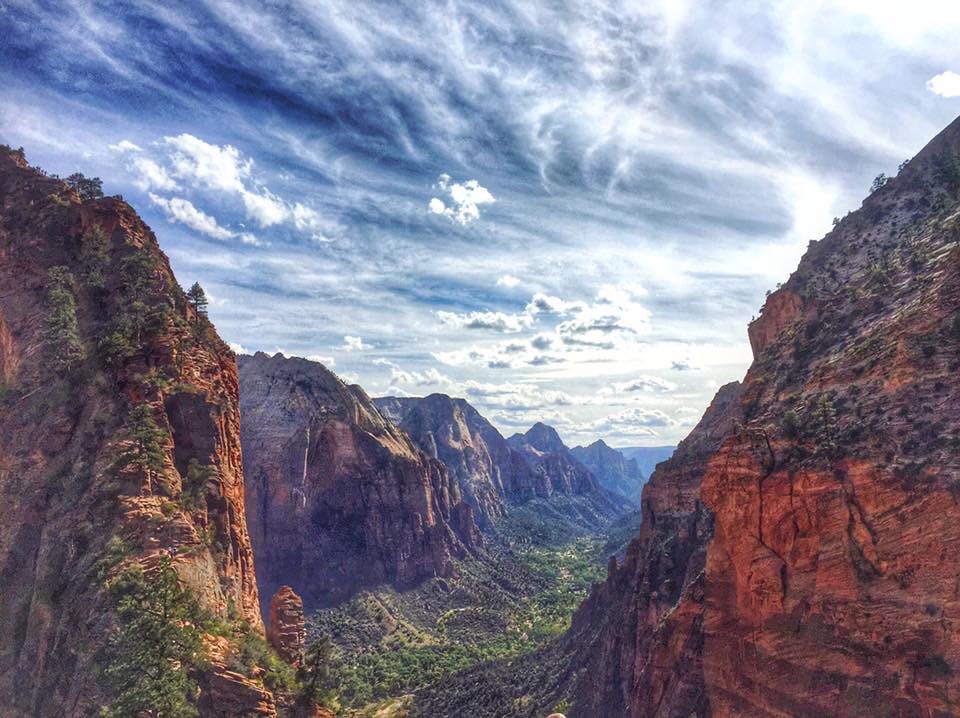
Picture stepping out of some imaginary time machine and expecting, on some level, a world that still feels like home. Trees, maybe. A sky. Air you can breathe without thinking about it. That instinct would betray you almost instantly, because the deep past is not a rougher version of today’s Earth. It is a genuinely different planet wearing the same address.
The strangeness would not creep up slowly either. It would hit within the first few seconds, before you even had time to look for a horizon to get your bearings. Here are eight ways prehistoric Earth would scramble a modern brain almost on arrival.
1. The Days Would Feel Rushed and Wrong
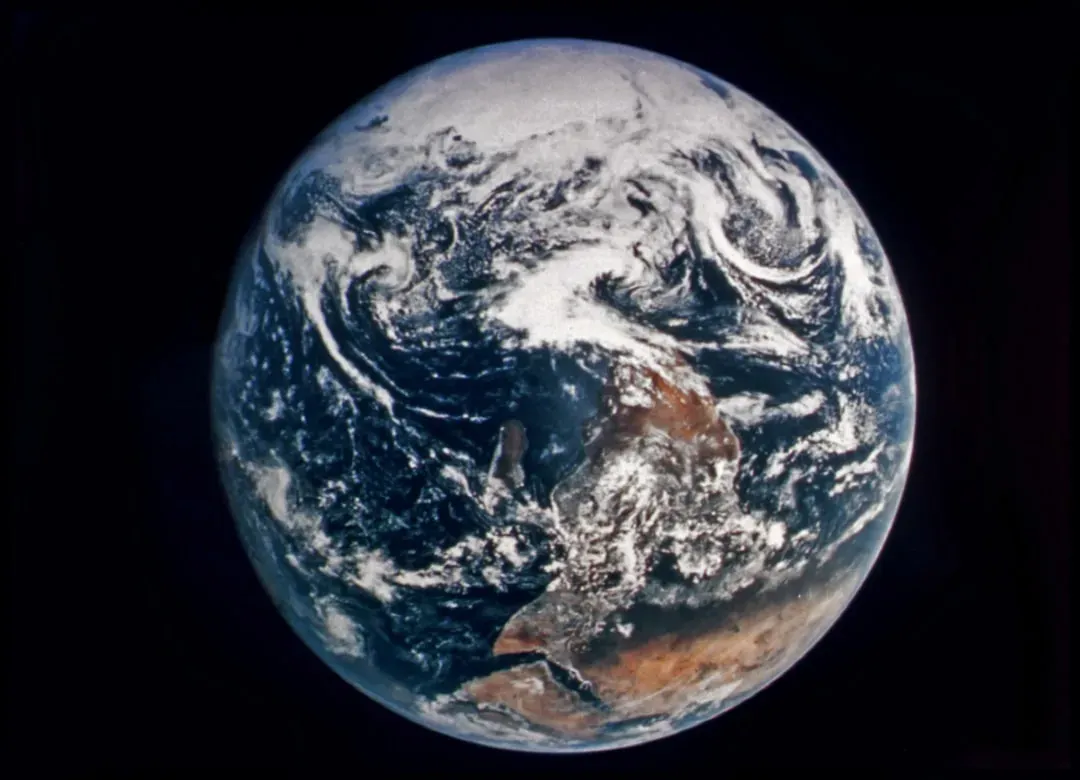
Earth’s rotation has been slowing down for billions of years, mostly because of tidal drag from the Moon pulling at our planet like a brake pad that never wears out. Scientists have pieced this together using fossilized coral growth rings, which recorded daily and seasonal growth bands the same way tree rings do. During the Devonian period, roughly 400 million years ago, a day lasted closer to 21 or 22 hours instead of 24.
Push back further and the effect gets almost comical. Shortly after the Moon formed from a colossal impact around 4.5 billion years ago, a day may have lasted somewhere around 6 hours. A modern human dropped into that era would experience sunrise and sunset cycling by so fast it would feel like someone hit fast forward on the sky itself, with no room for a normal sleep cycle to ever settle in.
2. The Air Could Be Actively Dangerous
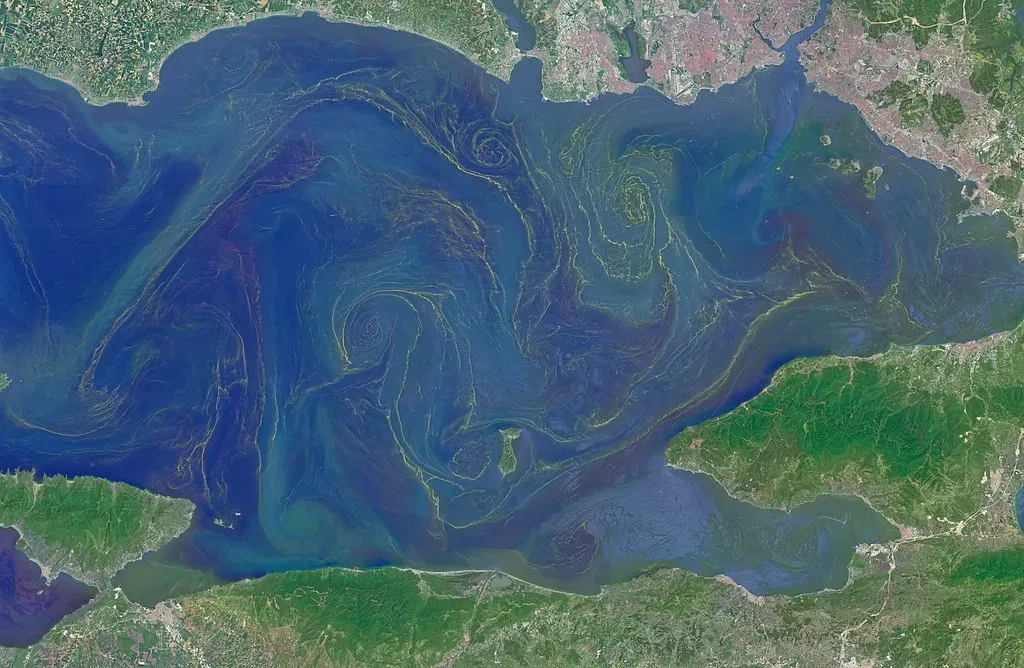
Oxygen has not been a stable, boring constant throughout Earth’s history. About 2.4 billion years ago, during what scientists call the Great Oxidation Event, oxygen levels spiked after cyanobacteria began pumping it out as a metabolic byproduct. That sudden surge was catastrophic for most life at the time, since oxygen is corrosive to organisms that never evolved defenses against it, essentially poisoning the majority of Earth’s anaerobic inhabitants.
Later on, the problem flipped entirely. During the Carboniferous period, oxygen levels climbed to around 35 percent of the atmosphere, compared to about 21 percent today, and that thicker oxygen soup is part of why insects like the griffinfly Meganeura could grow wings spanning nearly 70 centimeters. A modern lung dropped into either extreme, the oxygen-starved ancient atmosphere or the oxygen-saturated Carboniferous one, would struggle to adjust, and in the earliest chapters of Earth’s history, breathing the air at all simply would not have been an option.
3. There Was No Ozone Layer to Hide Under
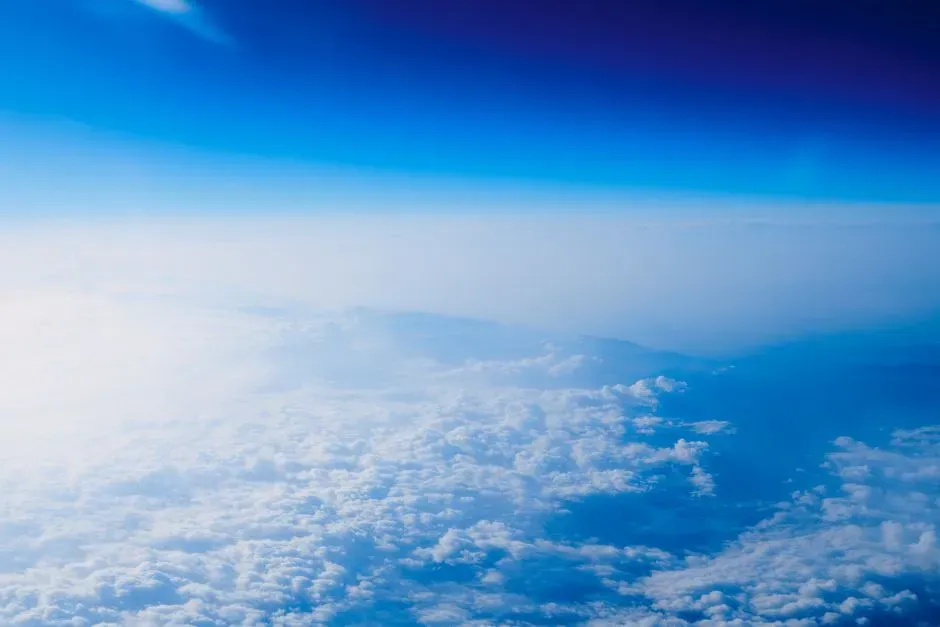
The ozone layer that quietly filters out dangerous ultraviolet radiation today took a long time to build up, since it depends on atmospheric oxygen accumulating first. For most of Earth’s early history, that shield either did not exist or was far too thin to matter, meaning UV radiation reaching the surface was intense enough to damage DNA directly. This is part of why life stayed confined to the oceans for so long, using water itself as protection.
Even after oxygen levels rose enough to start forming a meaningful ozone layer, the process unfolded over hundreds of millions of years rather than overnight. A modern person standing unprotected on ancient land during that stretch would be taking on a level of UV exposure that no amount of sunscreen was ever designed to handle, since human skin evolved under a sky that already had this filter mostly finished.
4. The Moon Hung Uncomfortably Close
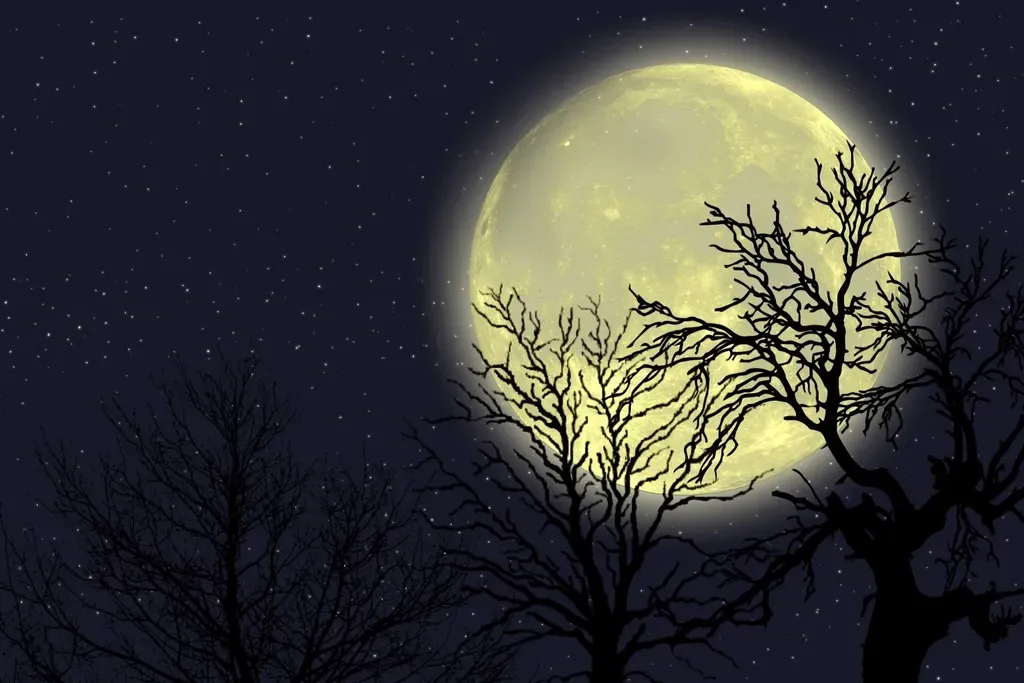
The Moon is drifting away from Earth at a measurable rate, roughly 3.8 centimeters per year, a figure confirmed through laser reflectors left on the lunar surface by Apollo missions. That means the further back in time you travel, the closer and larger the Moon would have appeared in the sky. Shortly after its formation, it may have been many times closer than it is now, filling a startling portion of the sky rather than looking like the modest disk we recognize.
A bigger, closer Moon also meant dramatically stronger tidal forces on Earth’s oceans, producing tides that would have looked less like gentle rhythms and more like violent surges. Standing on an ancient shoreline, a modern observer would likely mistake the looming Moon overhead for some kind of celestial emergency rather than an ordinary night sky.
5. The Sun Itself Was Dimmer
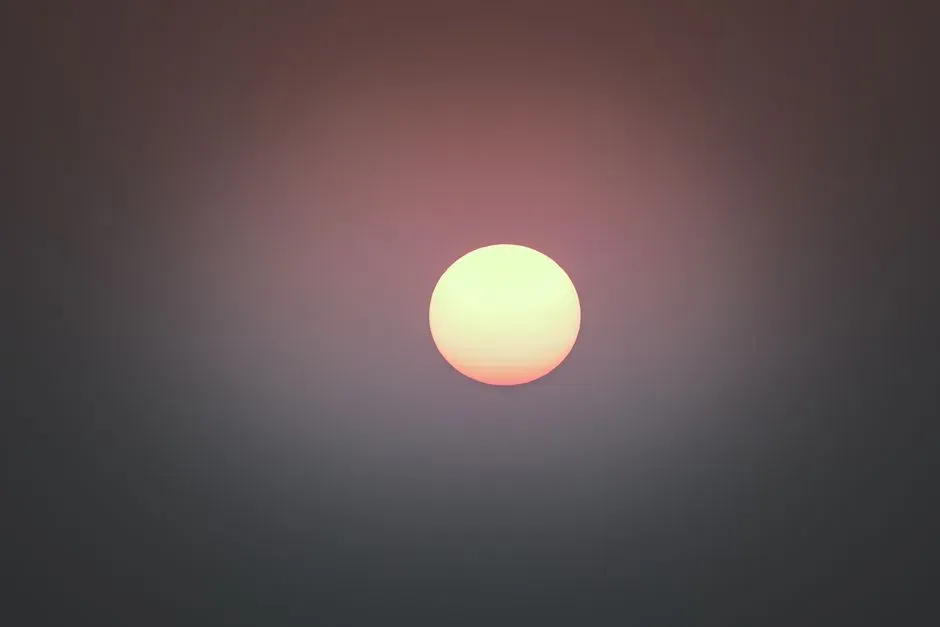
Stars brighten gradually as they age, and our Sun is no exception. This creates what astronomers call the faint young Sun paradox, since the Sun is estimated to have been only about 70 to 75 percent as luminous when Earth formed as it is today. That dimmer output should have left early Earth frozen solid, yet evidence shows liquid water existed anyway, likely thanks to a much thicker blanket of greenhouse gases trapping heat.
For a modern human, the practical result would be a sky that felt subtly off in a way that is hard to articulate, daylight that never quite reached the intensity the eye expects. Combined with an atmosphere thick with gases like methane and carbon dioxide, the overall light and color of the sky itself may have looked genuinely alien rather than simply dim.
6. The Map Would Be Completely Unrecognizable
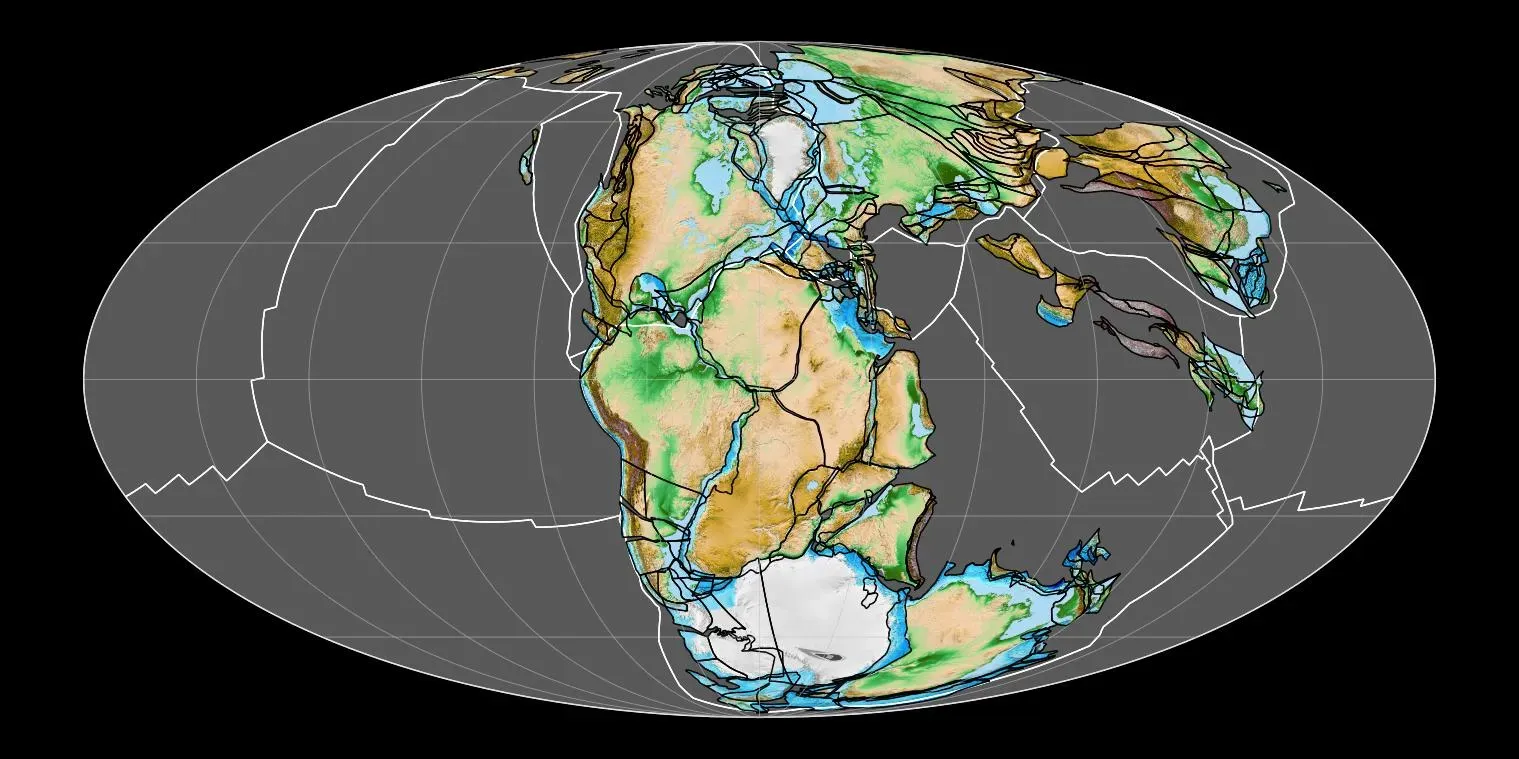
Continents are not fixed features of the planet, they are slow-moving rafts that have rearranged themselves many times over geological history. Around 300 million years ago, nearly all of Earth’s landmasses were fused into the supercontinent Pangaea, and before that, an earlier supercontinent called Rodinia existed in a configuration barely resembling anything familiar. There was no Atlantic Ocean to orient yourself by, no recognizable coastlines, nothing that would match a mental map built from modern geography.
This means a time traveler could not simply navigate using landmarks or continental shapes, since the entire framework of where land ends and ocean begins would be foreign. Even the climate zones would be scrambled, since a location that sits in the tropics today might have been positioned near the poles hundreds of millions of years earlier, thanks to the slow drift of tectonic plates.
7. The World Would Be Eerily Quiet and Colorless
For most of Earth’s history, the soundscape and color palette we take for granted simply did not exist. Flowering plants did not appear until roughly 130 to 140 million years ago, during the Early Cretaceous, meaning there were no flower colors, no pollinator buzz built around blossoms, for the overwhelming majority of Earth’s timeline. Birds, at least the modern singing kind, evolved even later, so the familiar dawn chorus of birdsong is a relatively recent addition to the planet’s sound.
Grasslands are similarly young in geological terms, not becoming widespread until well into the Cenozoic era, tens of millions of years after the dinosaurs vanished. A modern human walking through a Paleozoic or early Mesozoic landscape would encounter greens, yes, but a narrower and more muted range than expected, alongside a silence broken only by wind, water, and the occasional insect, rather than the layered soundtrack of birds and buzzing life that feels like background noise today.
8. The Oceans Themselves Could Look and Smell Wrong
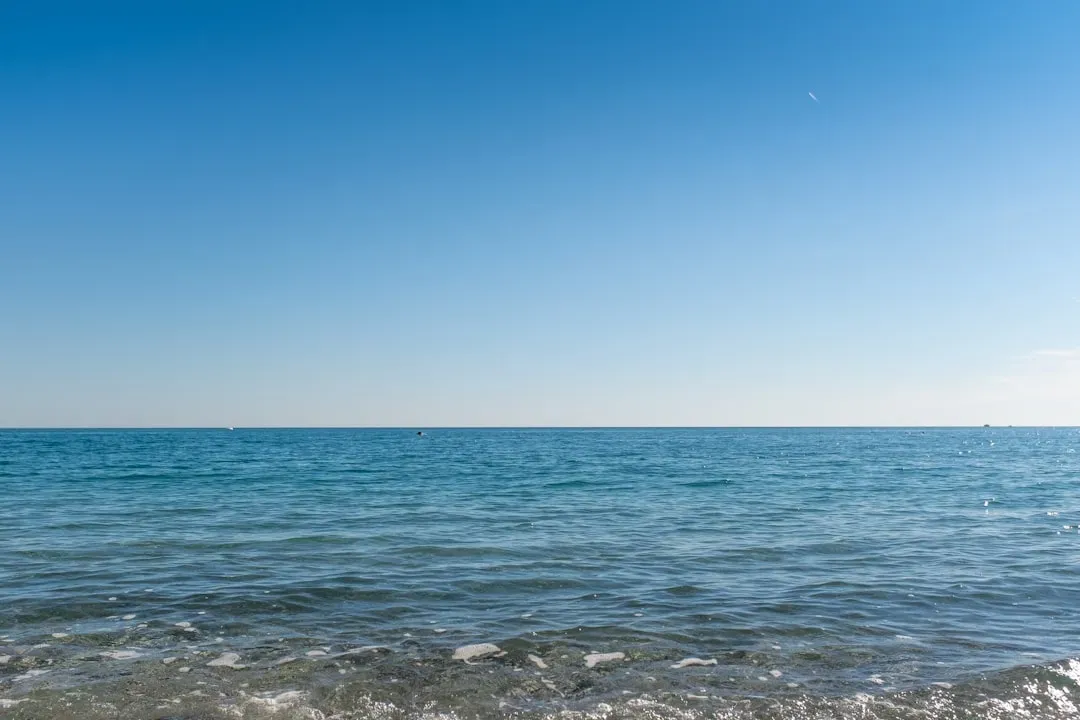
Ancient oceans were chemically different in ways that would be immediately noticeable to anyone standing at the shore. Before the Great Oxidation Event, oceans were rich in dissolved iron, and geologists have found evidence of this preserved in banded iron formations, layered rock deposits that formed as iron precipitated out of ancient seawater. Some researchers suggest these iron-heavy waters may have carried a subtle greenish or rust tinge rather than the deep blue modern eyes expect.
In certain stretches of the Proterozoic, conditions in parts of the ocean grew stagnant and sulfidic, a state researchers sometimes call a Canfield ocean, where hydrogen sulfide built up in the water. That would have meant a distinct rotten egg smell drifting off stretches of ancient sea, an unmistakable sensory cue that something about this world was fundamentally not the one we know.
A Planet That Was Never Really “Prehistoric Earth” at All
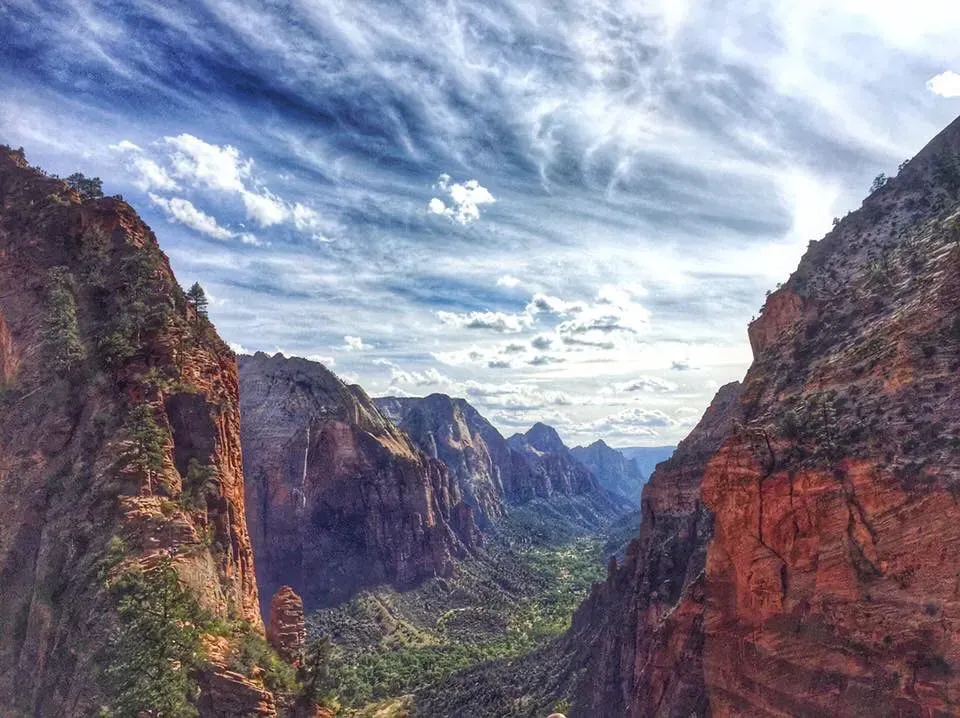
The more you sit with these facts, the clearer it becomes that lumping billions of years under one label, prehistoric Earth, is almost misleading. It was not one world with dinosaurs added later, it was a sequence of radically different planets stacked on top of each other, each with its own air, its own sky, its own rules for survival. That is a more honest and frankly more interesting way to think about deep time than the flattened version we usually picture.
If there is a takeaway here, it is that nostalgia for the ancient past is a very selective kind of nostalgia. We tend to romanticize prehistoric Earth through movie images of jungles and roaring creatures, while quietly ignoring that the air might have killed us, the sun looked dimmer, and the ocean may have smelled like rotten eggs. The real story is stranger and far less comfortable than the postcard version, and that, honestly, is what makes it worth understanding in the first place.