
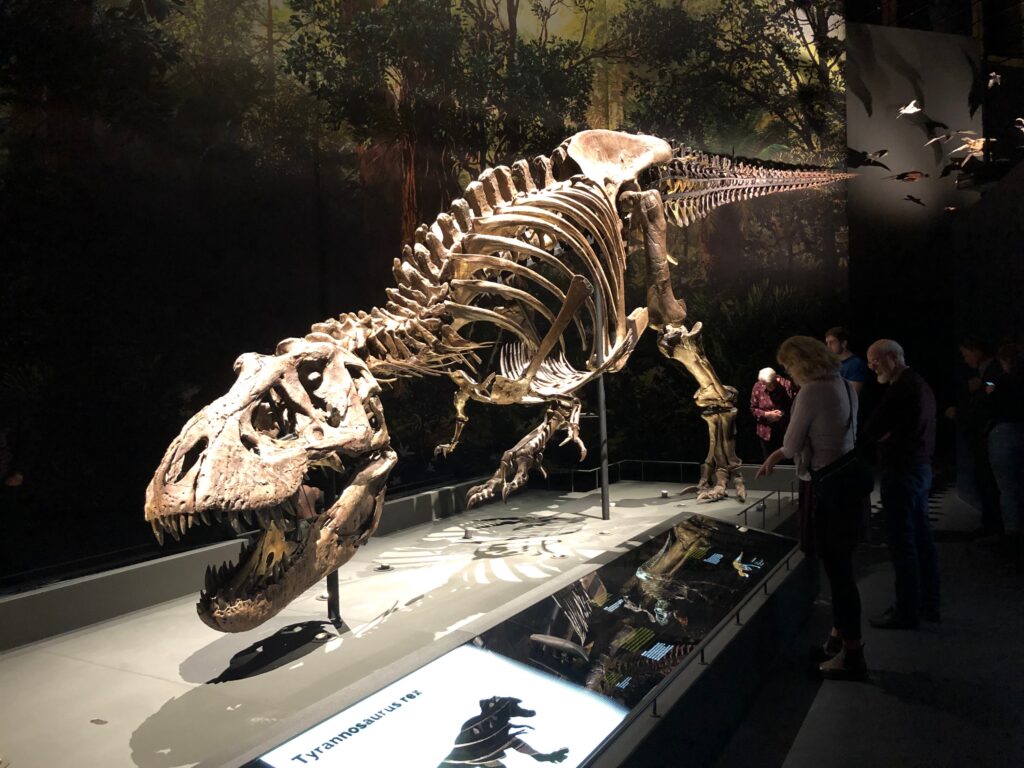
Some of the most exciting questions in science are literally buried right under our feet. We are talking about entire vanished worlds, continental-scale ecosystems, and animals so strange they still look like science fiction. Yet, compared with medicine, tech, or climate research, dinosaur science runs on a shoestring budget, often depending on a handful of grants, museum donors, and sheer stubborn passion.
That mismatch between public fascination and actual money on the table is not just a quirky fact about academia. It quietly shapes what we can discover, which questions get asked, and even what kind of dinosaurs you see in documentaries and on toy shelves. Once you start pulling on that thread, you realize how much lost funding can translate into lost fossils, lost data, and lost chances to rewrite the story of life on Earth.
Dinosaur Science Is Popular, But Not Powerful
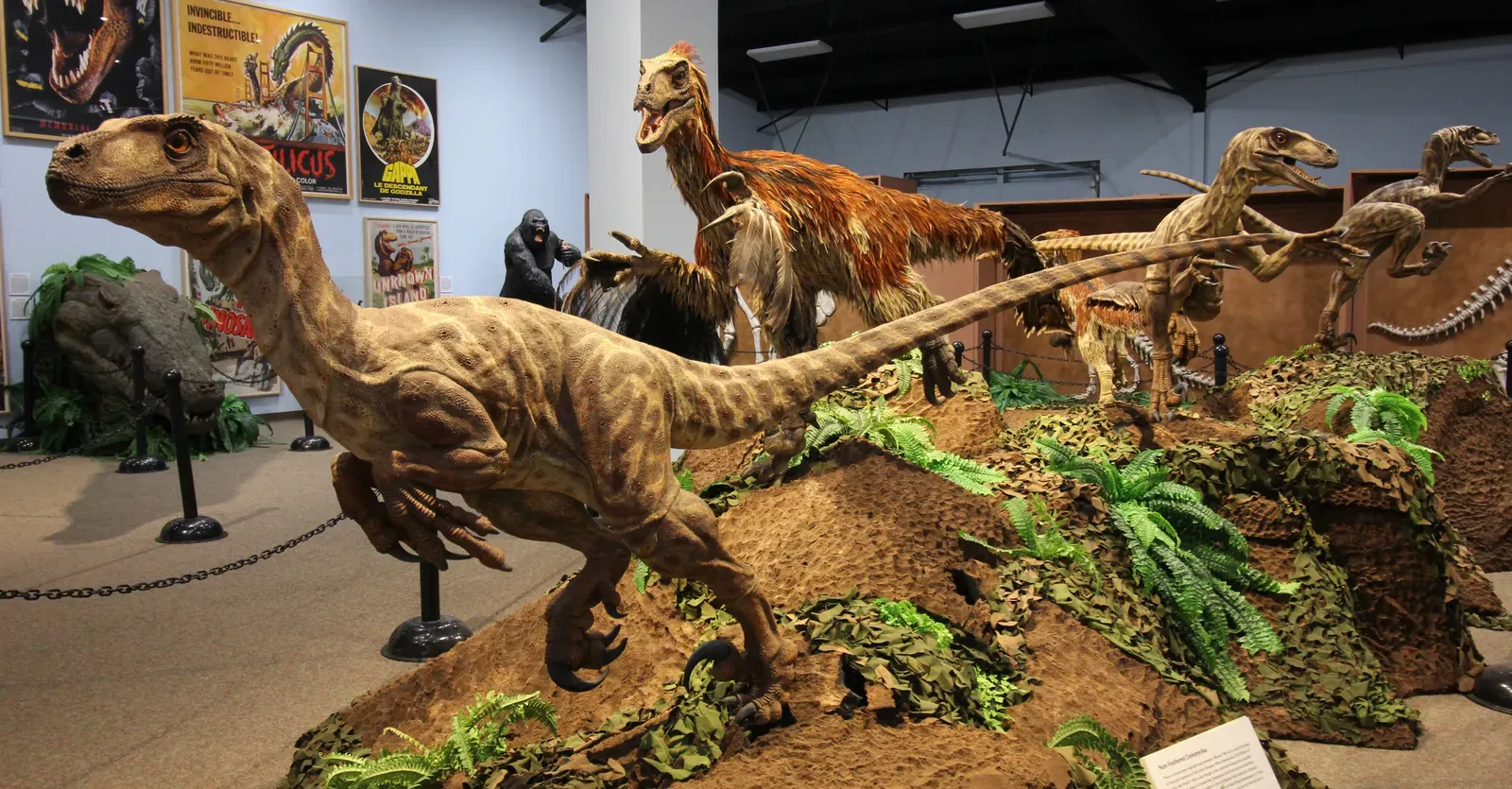
Walk into any kids’ section in a bookstore and dinosaurs are everywhere. Movies about giant prehistoric reptiles rake in huge box office numbers, and museum dinosaur halls draw crowds that snake around the block. On the surface, it feels like dinosaurs are a cultural superpower, a guaranteed way to grab attention and spark curiosity.
But when you zoom in on research budgets, that cultural power does not translate into financial clout. Funding panels tend to prioritize fields seen as directly solving urgent human problems, like cancer, pandemics, or green energy. Dinosaurs are framed as “nice to know,” not “need to know,” and that perception quietly shoves paleontology into the background when money gets divided.
Short-Term Payoff Wins, Deep-Time Questions Lose
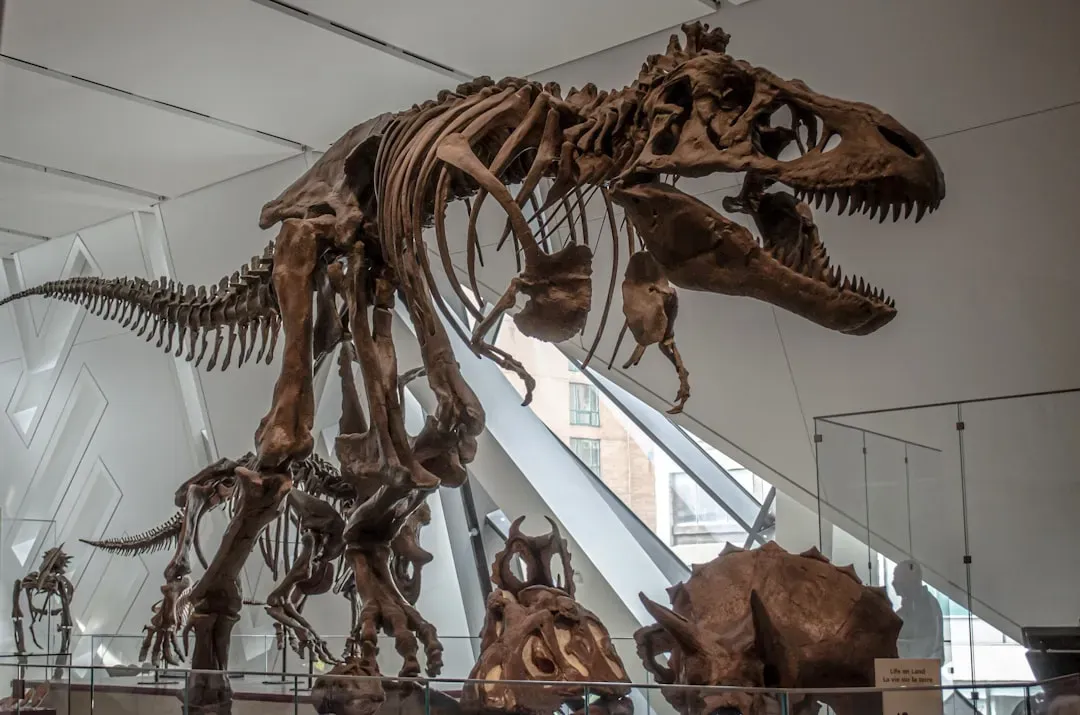
Modern research funding is often about return on investment over the next few years: patents, clinical applications, new materials, or startup companies. Dinosaur science, by contrast, is about deep time and slow answers. You cannot promise a new drug from a fossil dig, and you cannot guarantee that this year’s field season will uncover a headline-making skeleton instead of scattered fragments.
Because the benefits are long-term and mostly intellectual rather than commercial, dinosaur projects can look like risky bets in a hyper-competitive grant system. The irony is brutal: the very thing that makes dinosaurs scientifically powerful – their ability to reveal patterns across tens of millions of years – makes them hard to sell in a world that wants quick results and measurable impact in three-year funding cycles.
Fieldwork Is Expensive, Fragile, And Easy To Cut
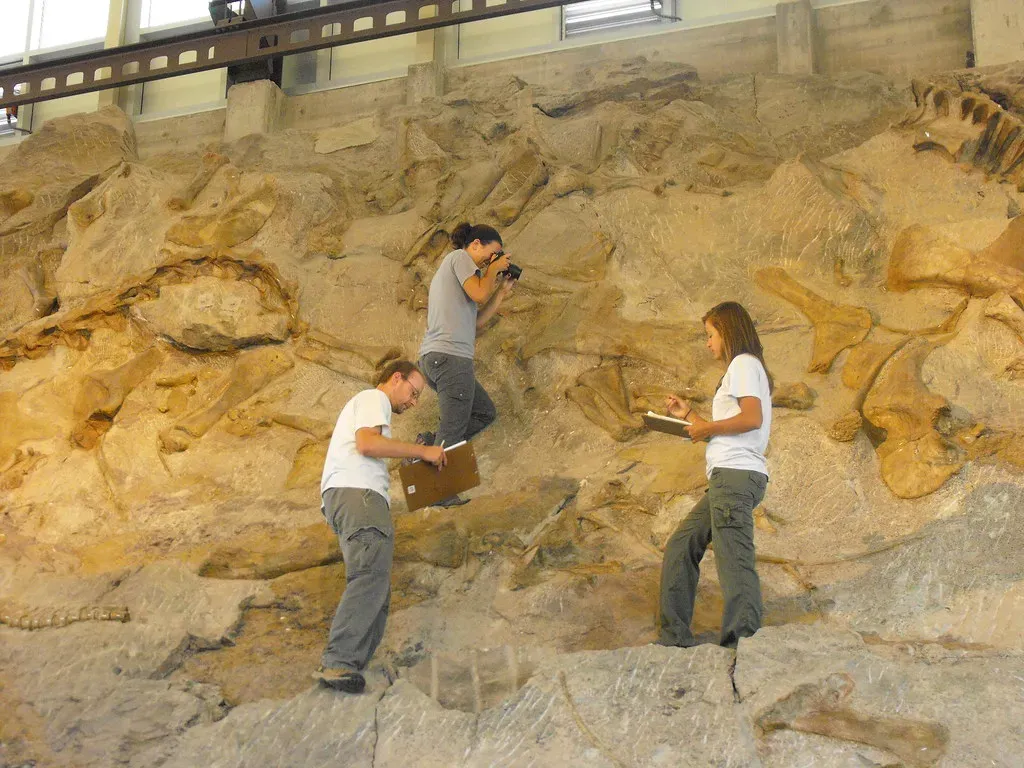
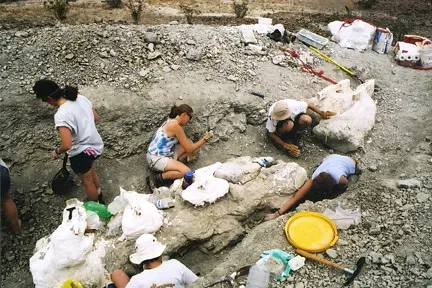
Finding new dinosaur fossils is not like scrolling a database; it is helicopters, trucks, tents, fuel, permits, and weeks in harsh environments hoping the weather cooperates. A single field season can cost as much as an entire year of analysis-based work in a lab-focused discipline. When budgets tighten, those risky, weather-dependent field trips are some of the first things to get delayed or canceled.
I still remember talking with a researcher who described a site that is accessible only a few weeks each year, when snow clears and local roads are passable. Miss that window because a grant fell through, and you do not just lose time – you might lose irreplaceable fossils to erosion, looting, or infrastructure projects. Underfunding means some of the best pages of Earth’s history literally wash down the river before anyone can read them.
Missing Dinosaurs Mean Missing Data About Earth And Climate
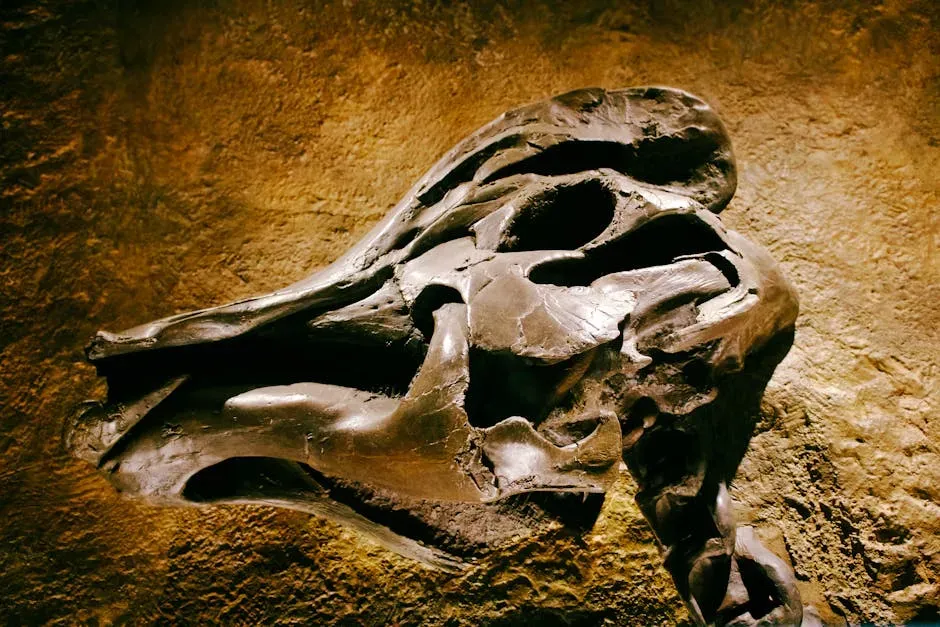
When we think about dinosaurs, we tend to picture teeth and claws, not climate graphs or ecosystem modeling. But every well-dated dinosaur fossil is also a data point about ancient temperature, sea level, plant life, and extinction patterns. If certain time periods or regions are barely sampled because nobody can afford to work there, we end up with a distorted picture of how life on Earth actually evolved.
That gap matters right now, not just for curiosity. Understanding how species responded to past warming events, volcanic winters, or asteroid impacts helps scientists test ideas about resilience and collapse in complex ecosystems. Underfunding dinosaur science does not just mean we miss a new cool carnivore; it means we lose context for our own present-day climate crisis, and we base modern models on an incomplete fossil record.
Inequity In Global Fossil Hotspots Skews The Story
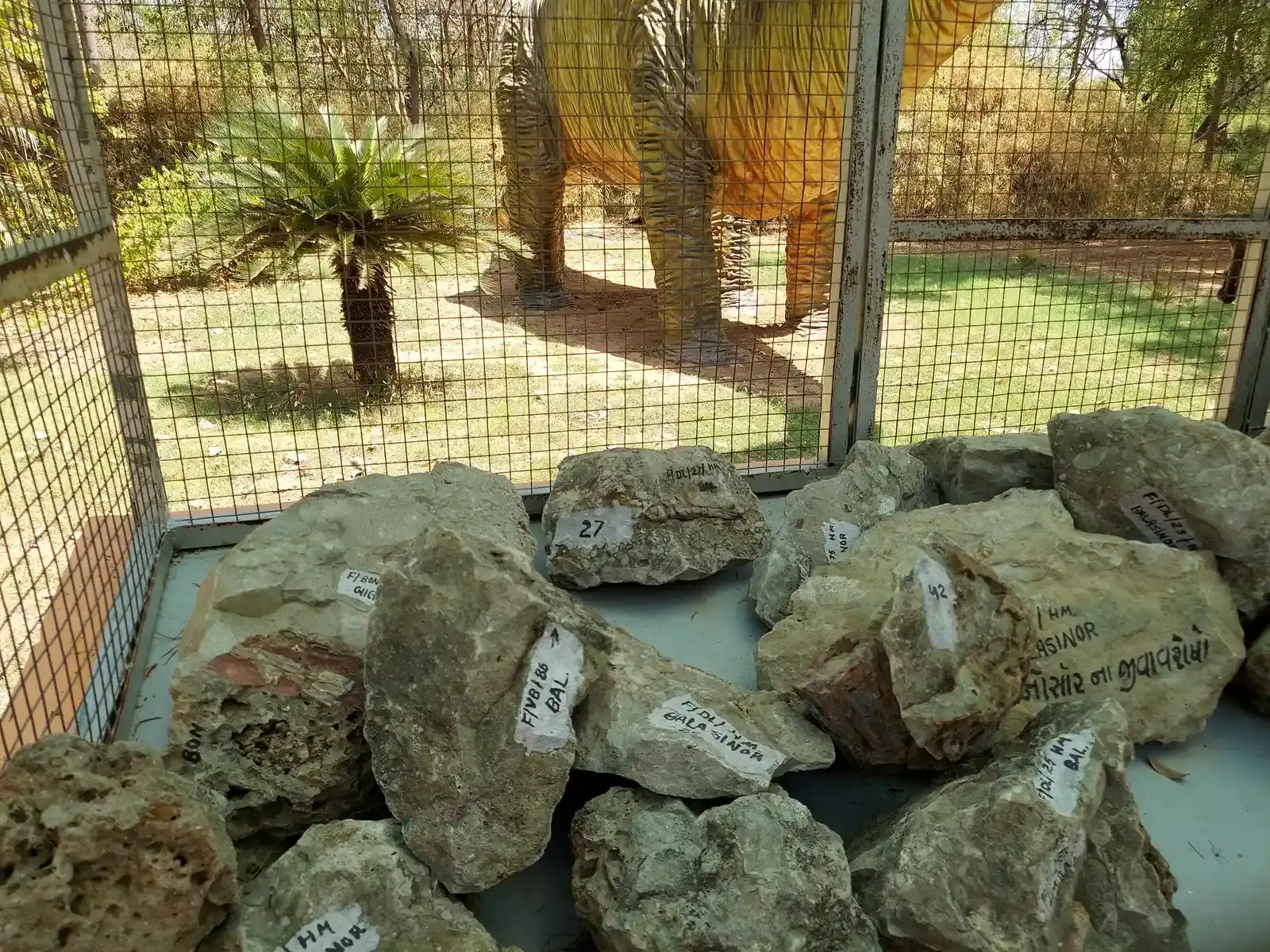
Some of the most important dinosaur discoveries of the last few decades have come from places where research budgets are limited, infrastructure is thin, and local scientists face uphill battles just to keep collections safe. These regions often sit on geological goldmines, but funding is uneven, and international collaborations can come with strings attached or be short-lived when grant cycles end.
When only a handful of wealthy institutions can consistently fund fieldwork and lab analysis, the global picture of dinosaur diversity gets skewed. Regions without stable funding tend to be underrepresented in big evolutionary studies, which can quietly reinforce old narratives – like overemphasizing certain continents or time periods simply because they happened to be studied more, not because they were actually more important in Earth’s history.
Technology Could Transform Dinosaur Research – If It Were Affordable
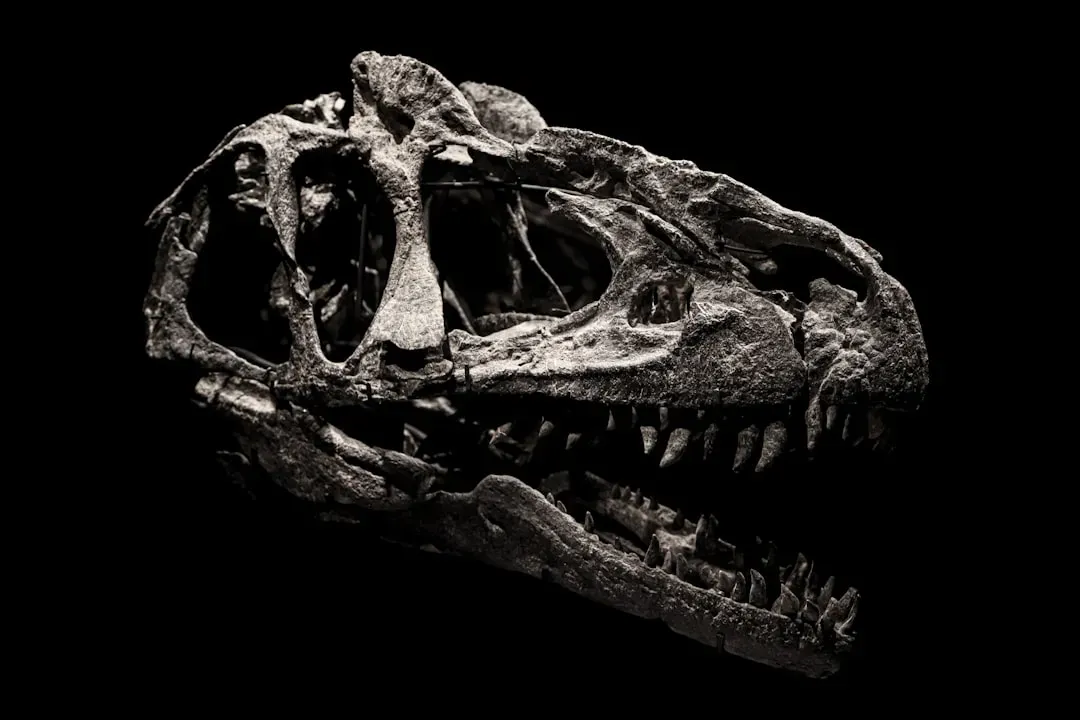
In the last decade, tools like high-resolution CT scanning, geochemical analysis, and advanced 3D modeling have opened up incredible new questions: How fast did dinosaurs grow? What were their metabolisms really like? How did their brains compare to modern animals? The catch is that these tools are not cheap, and access often depends on shared facilities, private donations, or one-off grants.
Without steady funding, paleontologists have to choose between, say, flying to a synchrotron facility for a week of precious scanning time or hiring a student to help catalog specimens that have been waiting in storage for years. That kind of trade-off slows everything down. We end up with fossils that sit unanalyzed, or studies that rely on older, simpler methods even when more powerful options exist just out of financial reach.
What Less Funding Really Costs Us In Discovery
When you stitch all of this together, the cost of underfunding dinosaur science is not just fewer press releases about new species. It is slower progress on basic questions: How did complex ecosystems recover after mass extinctions? Why did some lineages survive while others vanished? Which evolutionary experiments worked, and which collapsed? Each neglected fossil bed or unscanned specimen is another unanswered piece of that puzzle.
There is also a more personal loss that is harder to put on a spreadsheet. Every time a dig gets canceled or a lab project never starts, early-career scientists lose chances to grow, kids lose chances to see real research unfold, and all of us lose a little bit of that sense that the world is still full of big unknowns waiting to be uncovered. You cannot really quantify the value of letting someone watch an ancient bone come out of the ground and realize, in real time, that we still have huge chapters of Earth’s story left to write.
Conclusion: Dinosaurs Are Not A Luxury, They Are A Lens
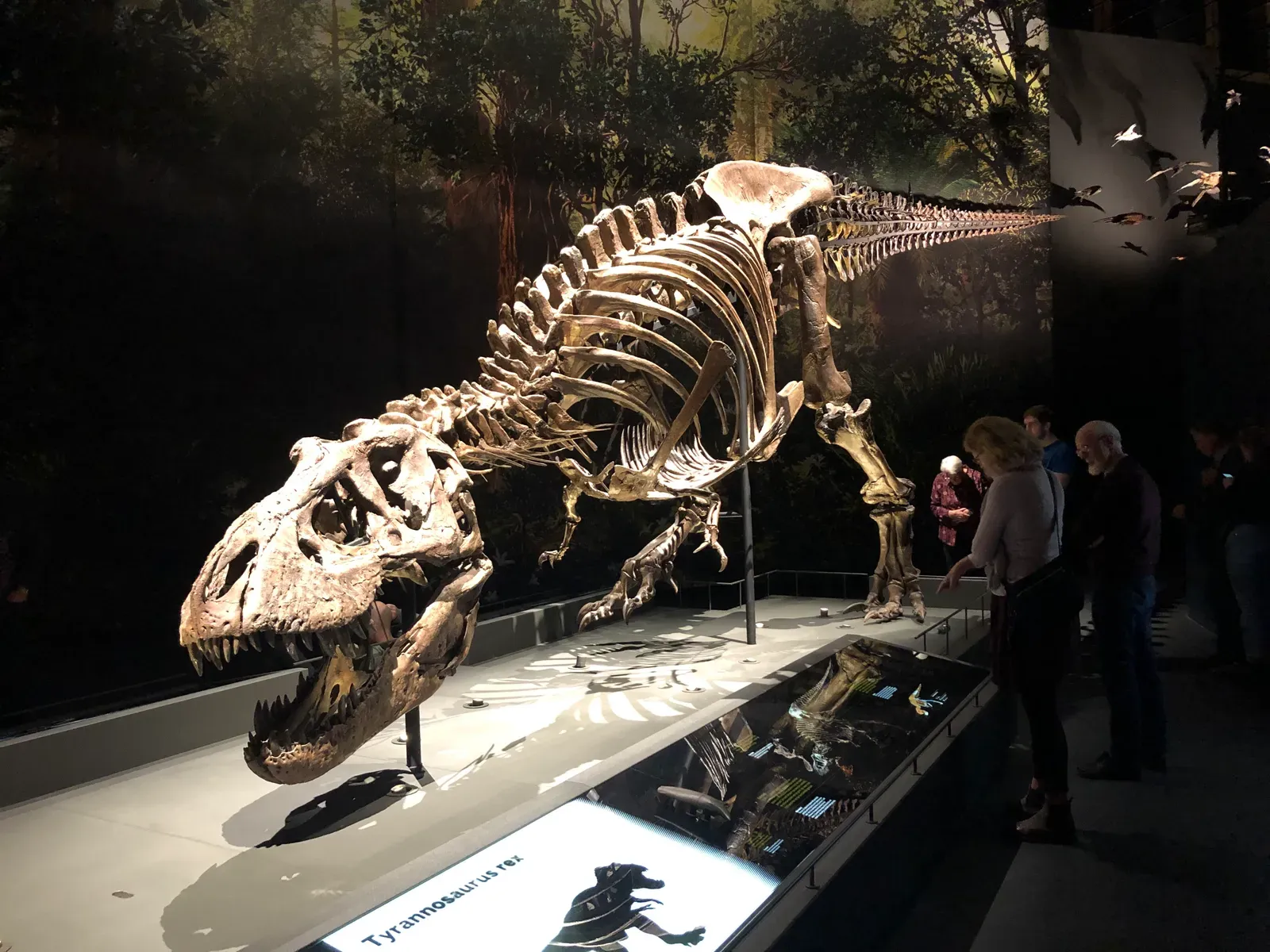
When people dismiss dinosaur science as a luxury, they are really saying that understanding the long arc of life on Earth does not matter enough to fund properly. That view feels short-sighted to me. Dinosaurs are not just monsters from the past; they are a lens through which we can see how ecosystems respond to catastrophe, how life experiments with form and function, and how fragile even the most dominant species can be when the world changes fast.
If we keep treating dinosaur research as a side hobby instead of a serious scientific engine, we will keep leaving discoveries on the table – sometimes literally still in the ground. The real question is not whether we can afford to support this work, but whether we are okay with locking away entire chapters of our planet’s history because they do not promise an immediate product or profit. When you think about it that way, is it really dinosaurs that are indulgent, or is it our insistence on short-term thinking that needs to go extinct?